Kate Spade New York is owned by publicly traded Tapestry, which also owns Coach. The label launched with six handbags in 1993.
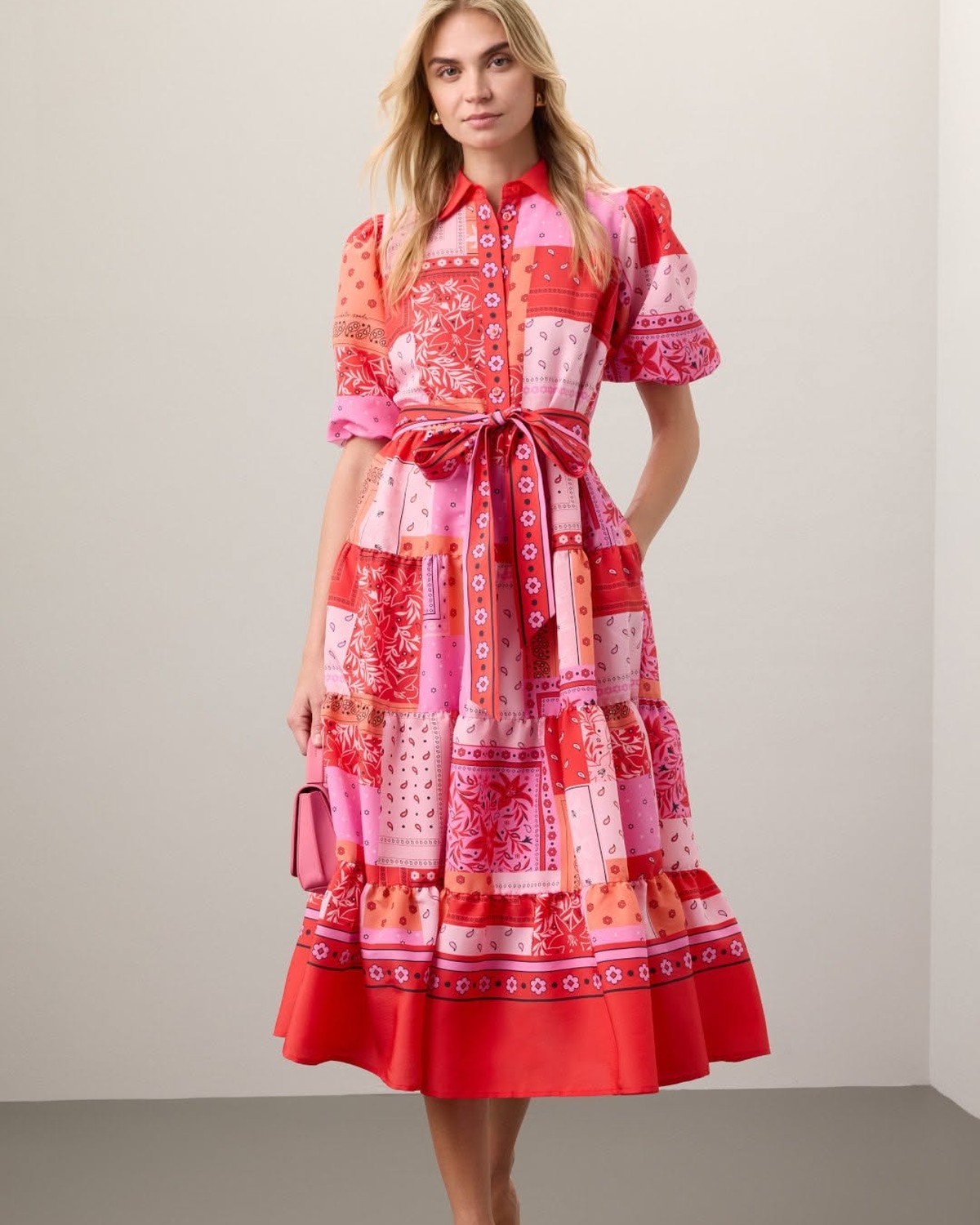
Who Owns Kate Spade? Tapestry's Current Ownership
The Direct Answer
Kate Spade New York is owned by Tapestry, Inc., a publicly traded company listed on the New York Stock Exchange, and the current ownership began in 2017 when Coach, Inc. completed the acquisition. So, who owns Kate Spade? Tapestry is the parent, and Kate Spade is one of the two brands it reports today, alongside Coach; the company sold Stuart Weitzman in 2025.
That settles the Kate Spade parent company question without confusing the label and its maker. Tapestry owns the brand’s intellectual property, while a dedicated Kate Spade design and merchandising team shapes its collections. Independent manufacturers make its products, primarily in Vietnam, Cambodia, the Philippines and Bangladesh in fiscal 2026. For anyone asking who makes Kate Spade, its own designers shape the collections and independent producers manufacture them. Kate’s own story starts with a practical annoyance, not a corporate plan: the company launched with six handbags in 1993 and grew into a global lifestyle label for clothes, shoes, jewelry and home decor. I find the owner answer more useful than a list of names because it separates the current corporate parent from the design voice. The label remains a distinct creative identity inside a public company, which is why I can follow the ownership without expecting every bag to look like a Coach bag.
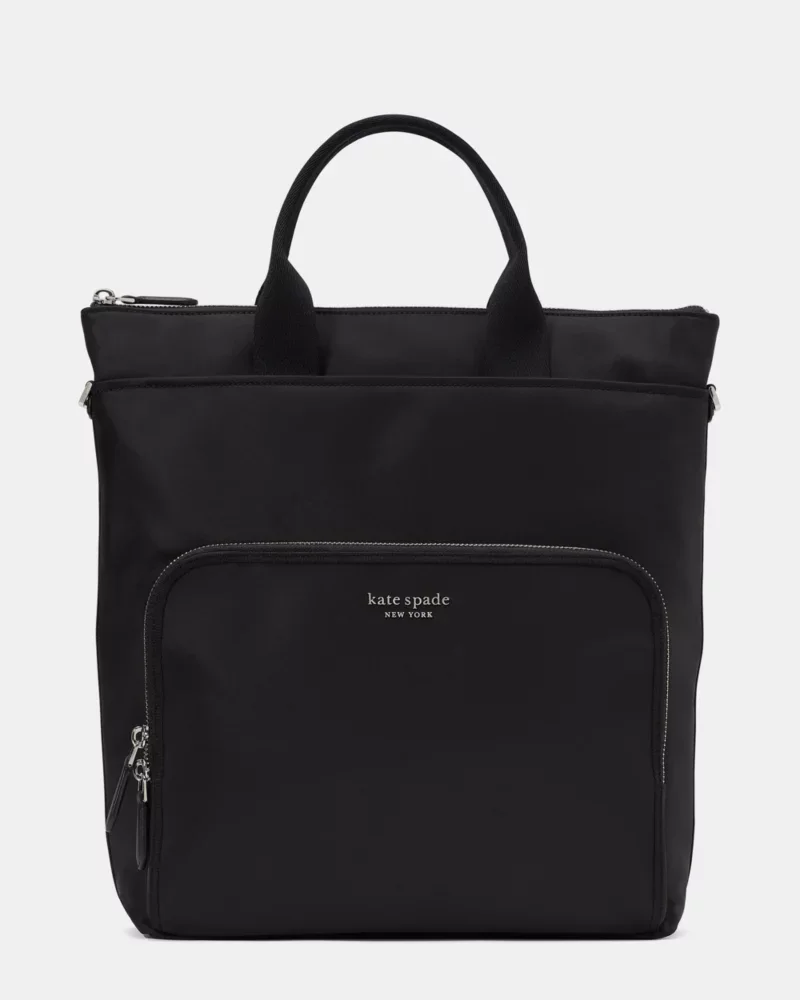
The Sam Story
Kate Brosnahan Spade, an accessories editor at Mademoiselle, wanted a fashionable, utilitarian handbag she could not find. She worked on samples from her apartment, and six versions of the Sam bag debuted in 1993. Who founded Kate Spade? Kate and Andy Spade launched the label together.
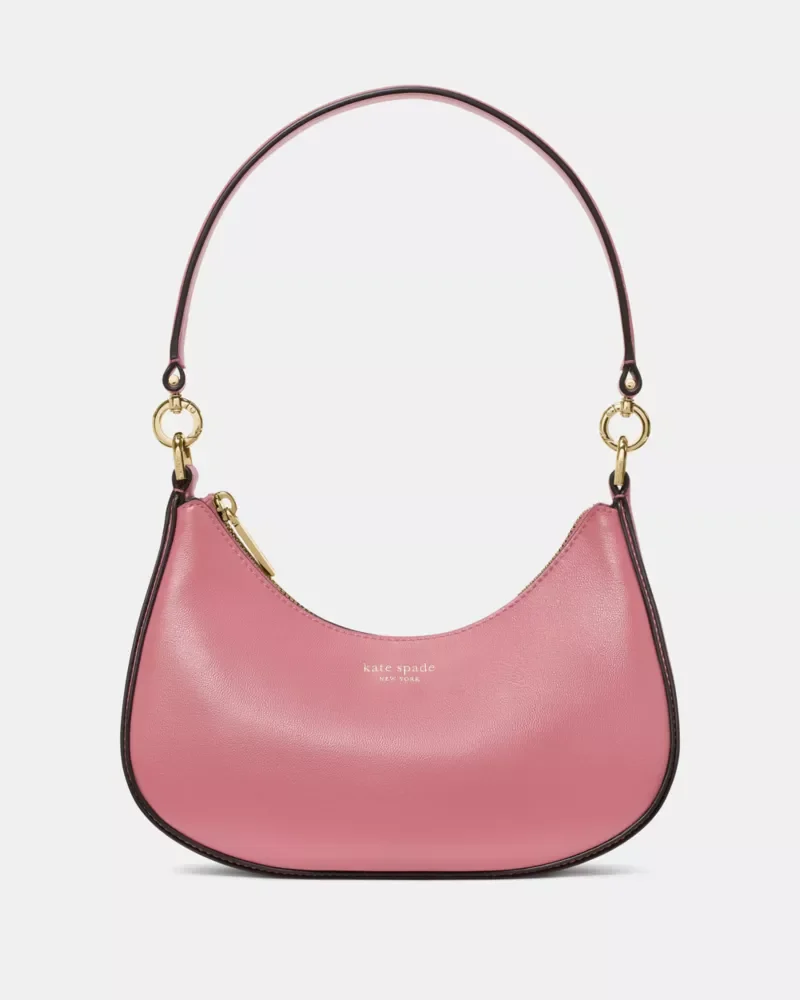
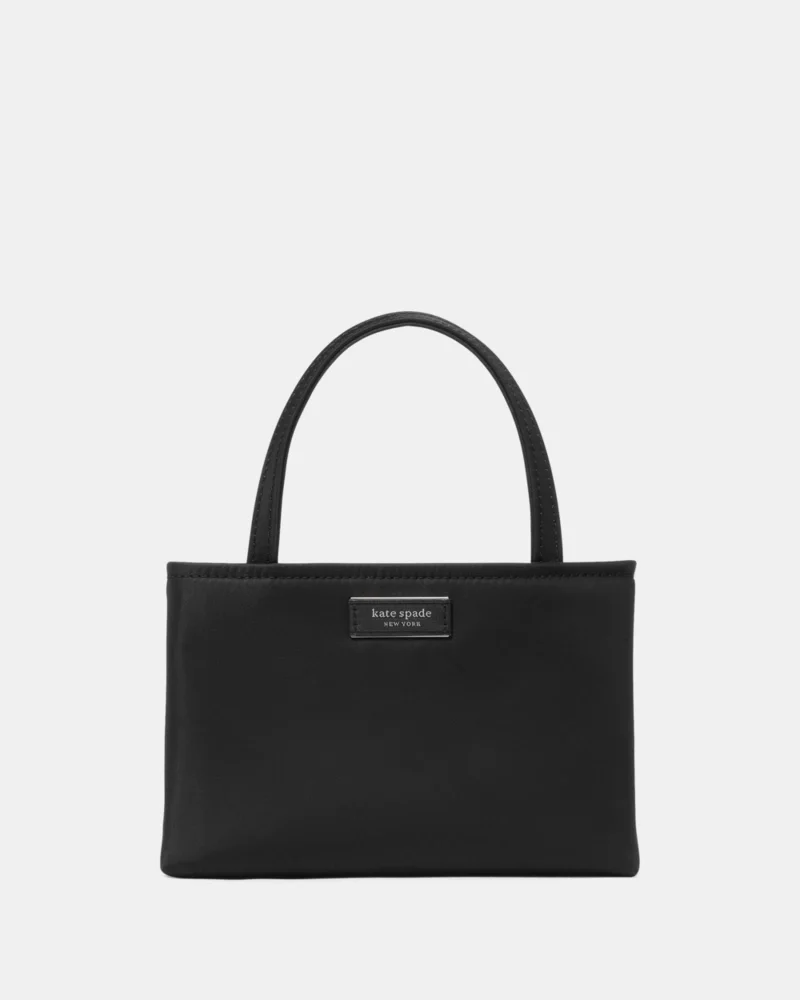
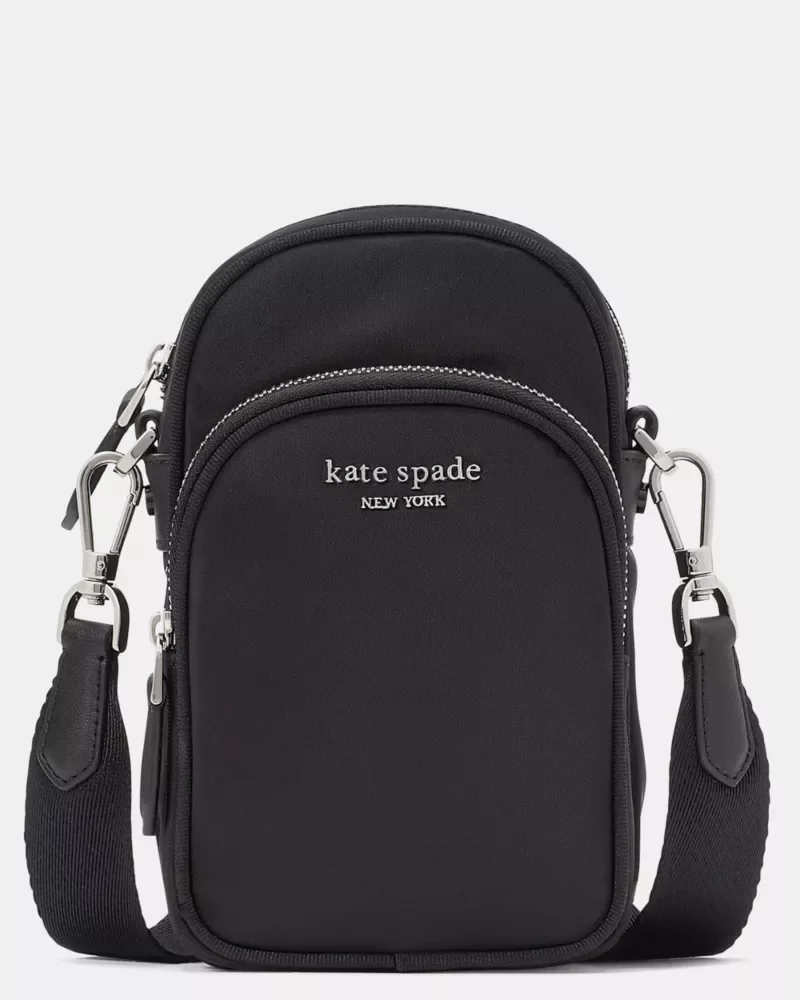
That is a sturdy origin story, mostly because the first idea remains practical. I like the Sam Icon Smooth Leather Shoulder Bag for a neat, small shoulder carry, while the Sam Icon Ksnyl Mini Tote Bag keeps the shape petite in recycled nylon. The Sam Ksnyl Nylon North South Phone Crossbody is for a truly light carry, and the Sam Ksnyl Convertible Backpack is the flexible pick when I want to switch how I carry it.
How Ownership Changed
Ownership moved in stages. Neiman Marcus acquired a 56 percent stake in the Spades’ business in 1999 for $33.6 million, then Liz Claiborne bought the company in 2006 for $124 million. Coach completed its acquisition on July 11, 2017, making Kate Spade a wholly owned subsidiary in a $2.4 billion transaction. Coach changed its corporate name to Tapestry that October.
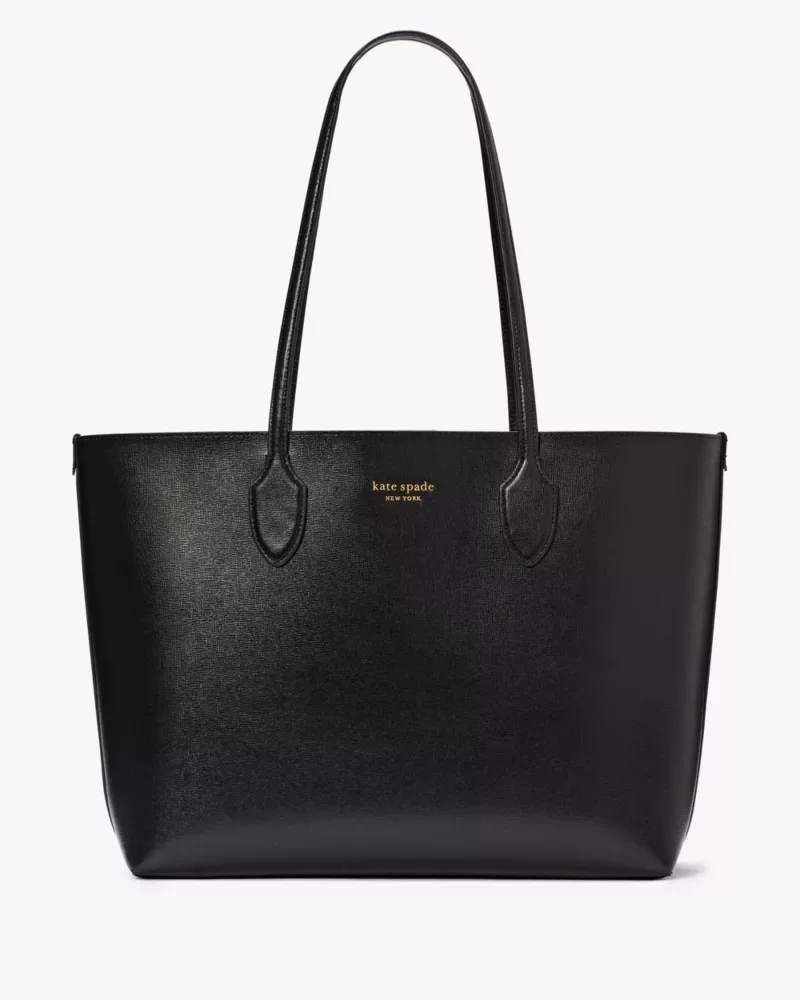
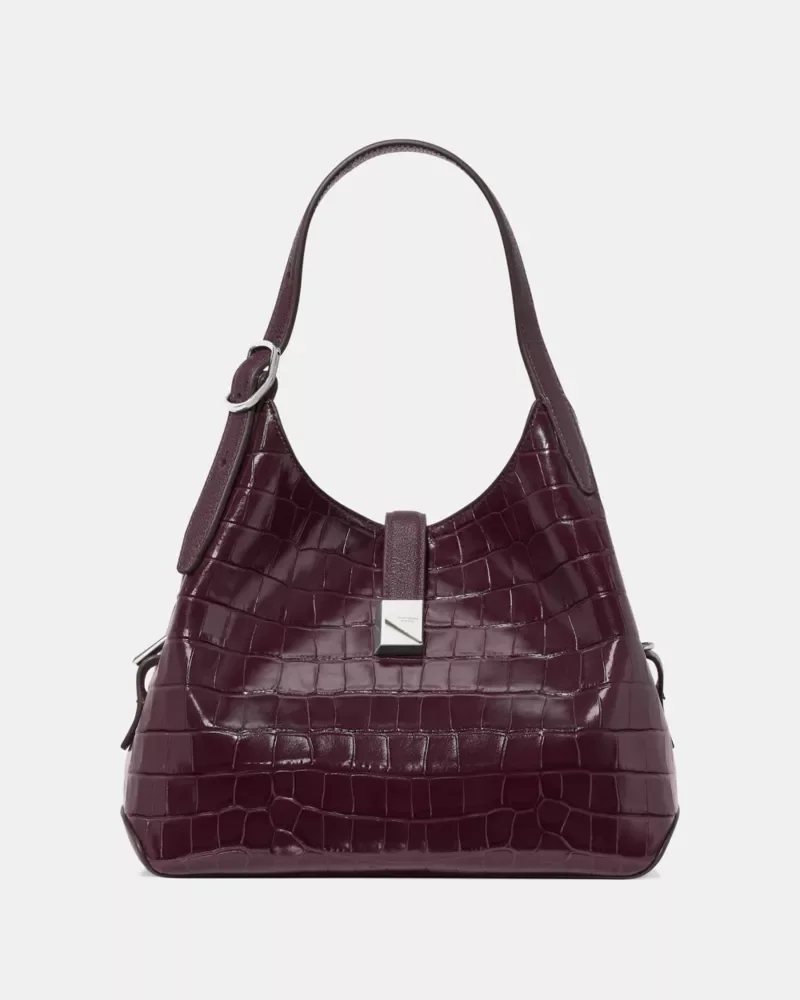
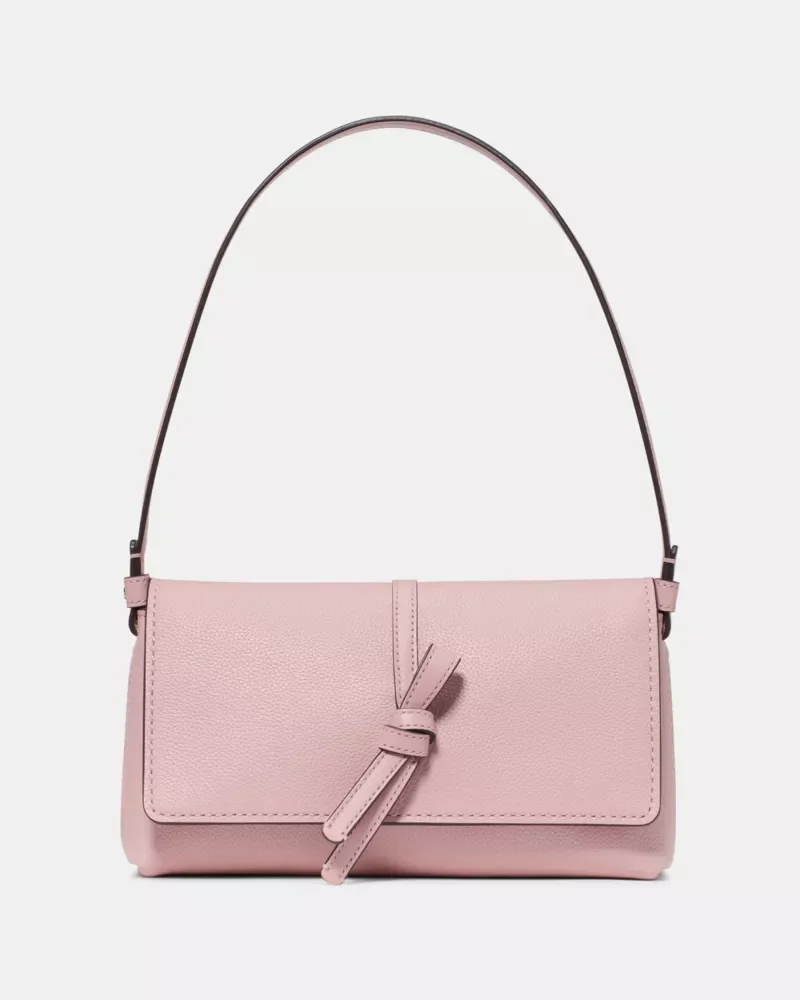
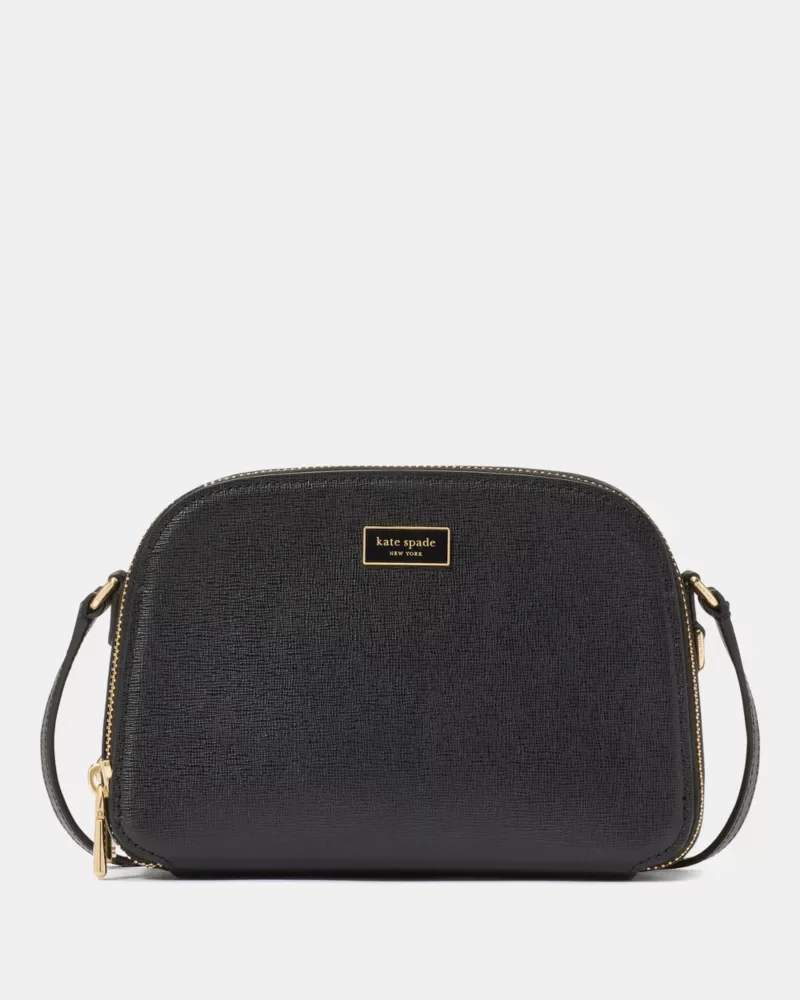
The filings and releases establish changes of owner, not a redesign I can pin to a particular year, so I would not overclaim. Tapestry’s current sibling brand is Coach; Stuart Weitzman was sold in 2025. For the bags themselves, Bleecker Large Leather Tote Bag is my roomy work pick, Deco Croc Embossed Crossbody Tote brings a more textured surface, Serena Double Zip Dome Crossbody Bag has two zip compartments, and Loop Small Leather Shoulder Bag is the compact shoulder option. Those four shapes answer different carrying days, which matters more to me than the corporate names on the timeline.
What I Would Buy First
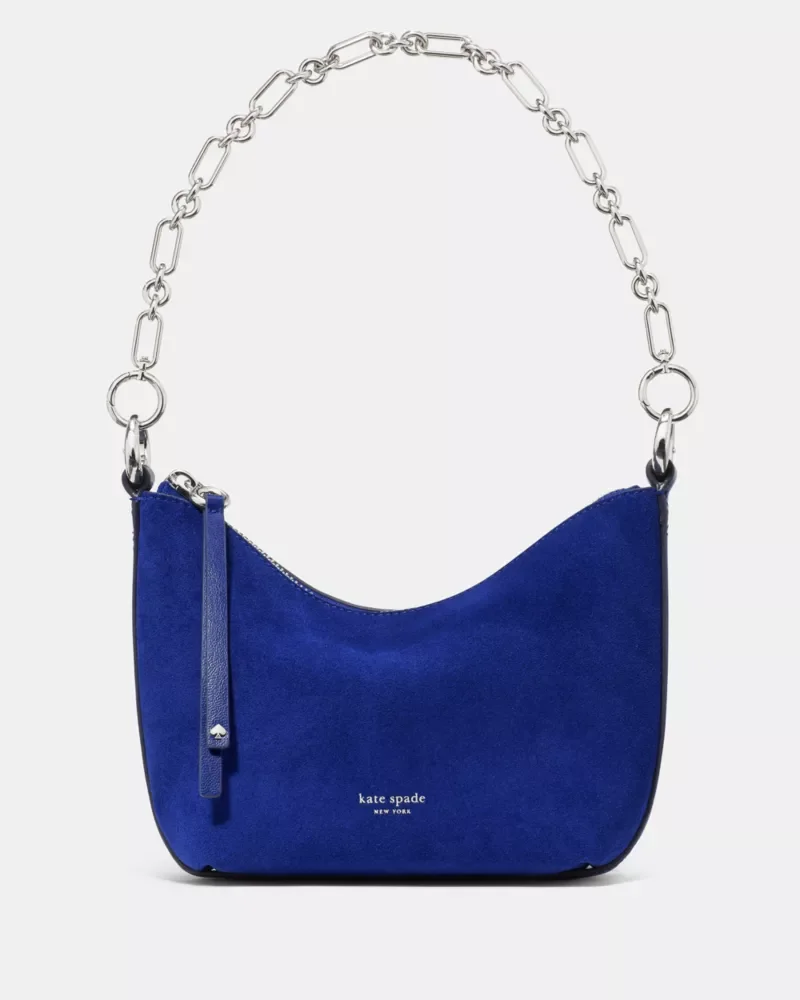
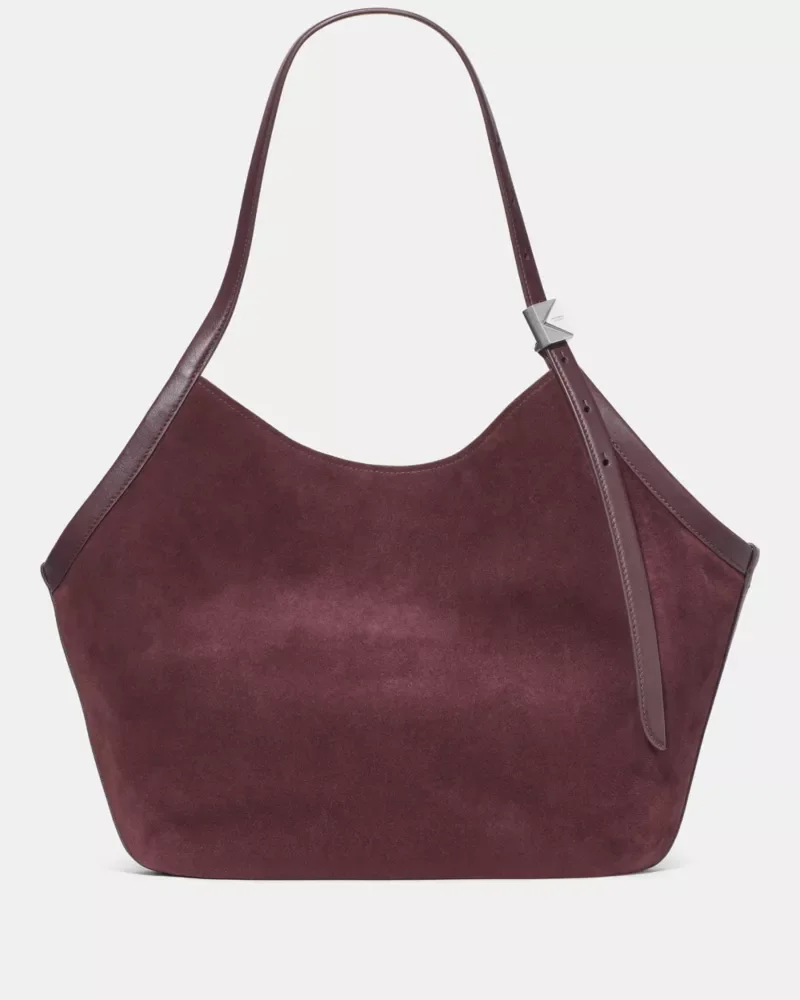
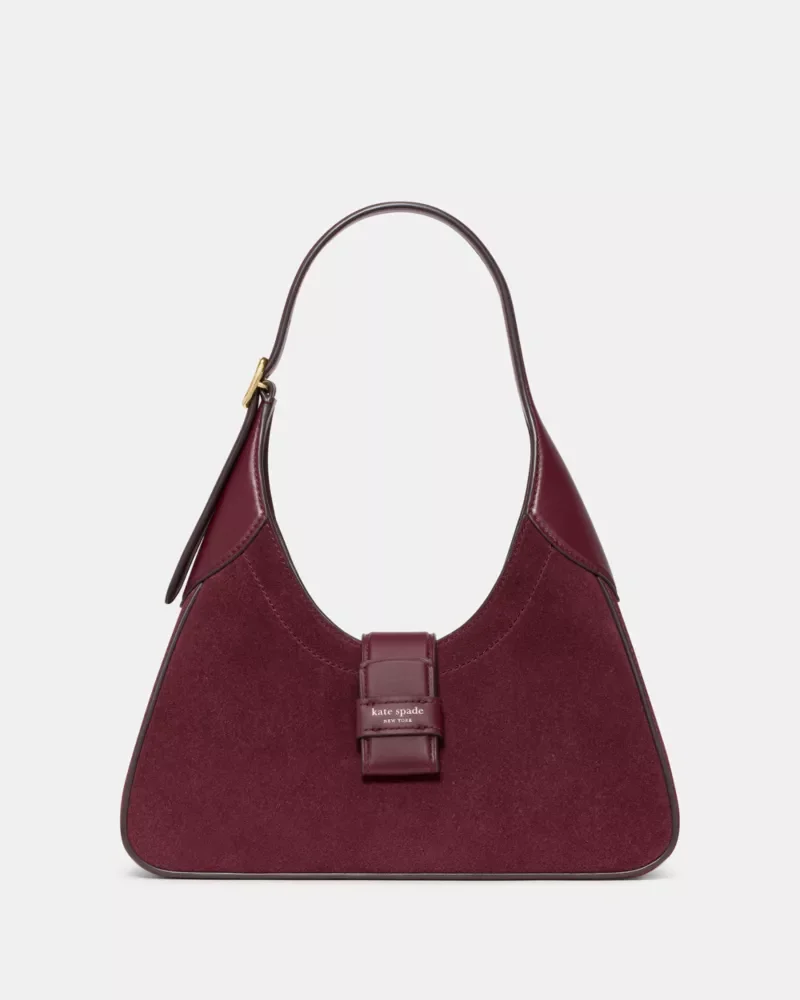
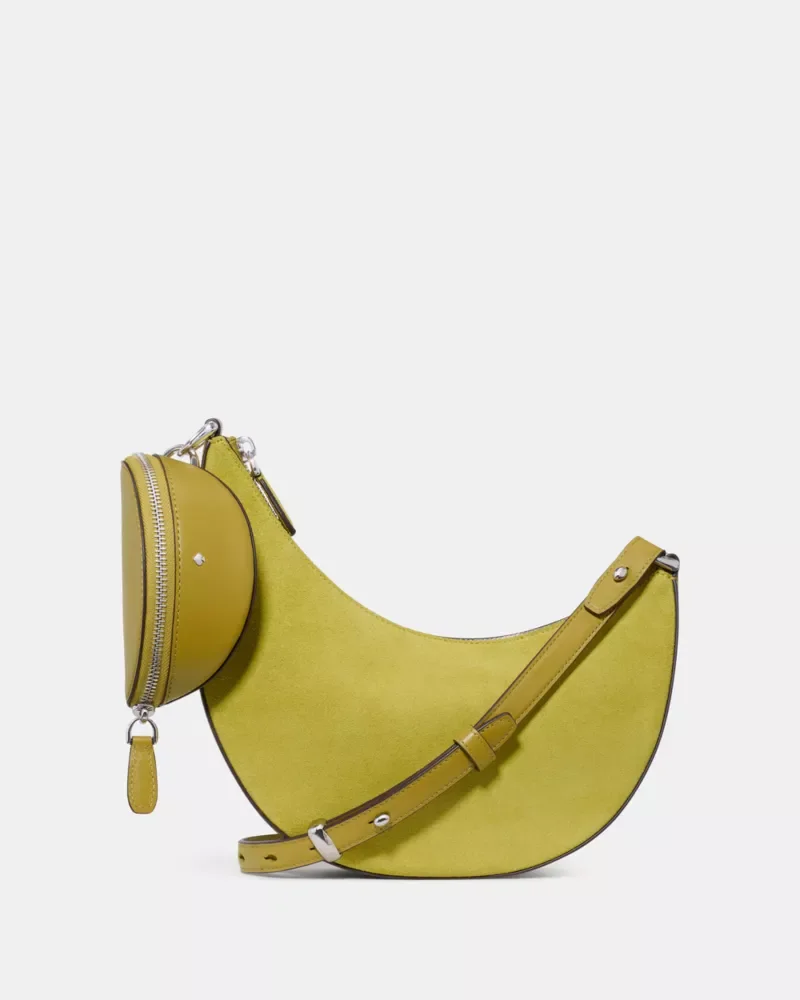
If I were choosing a first bag, the Deco Suede Tulip Tote Bag is my pick when I need room, while the Duo Suede Crossbody Bag is the more adaptable choice for a lighter day. The Halo Suede Mini Chain Shoulder Bag is the small dress-up option, and Nouveau Suede Shoulder Bag is the softer everyday shape.
I would skip a mini when I need to carry a laptop, and skip suede if I do not want to think about weather and care. For a work bag, I would start with Bleecker; for a small errands bag, Serena; and for the cleanest link to the brand’s beginning, Sam. The best first buy is the silhouette that will actually make it into my weekly rotation, not the one with the longest ownership story.