La Roche-Posay is owned by publicly listed L’Oréal, which acquired the skincare brand in 1989. Here is its story and what to buy.
Who Owns La Roche-Posay? L'Oréal's 1989 Acquisition
The Short Answer
Who owns La Roche-Posay? L’Oréal does: it acquired the skincare brand in 1989, and L’Oréal is a publicly listed company on Euronext Paris. The modern laboratory came later, founded in 1975 by pharmacist René Levayer in the French town that gave the brand its name.
The La Roche-Posay parent company is not a small private skincare outfit. L’Oréal shares have traded publicly since 1963; at the end of 2025, the Bettencourt Meyers family held 34.79% of L’Oréal and Nestlé held 20.16%. Today La Roche-Posay sits inside L’Oréal Dermatological Beauty, alongside CeraVe, SkinCeuticals, Vichy and Skinbetter Science. The 2025 results named La Roche-Posay the division’s leading growth contributor, driven by Cicaplast and Melasyl. As for who makes La Roche-Posay, it is an L’Oréal brand today, though the founder and spring-water setting predate that corporate chapter by fourteen years. I find that distinction useful: the name still reads like a place before a portfolio.
A Spring Water Beginning
Who founded La Roche-Posay? Pharmacist René Levayer founded the modern dermatological laboratory in 1975, but the town’s thermal-water story is older: dermal products made with its spring water date to 1928. The Dermatology Thermal Centre opened in 1905 and has received more than 450,000 patients for skin conditions. I like that its origin story is a place and a pharmacy lab, not a celebrity’s bathroom.
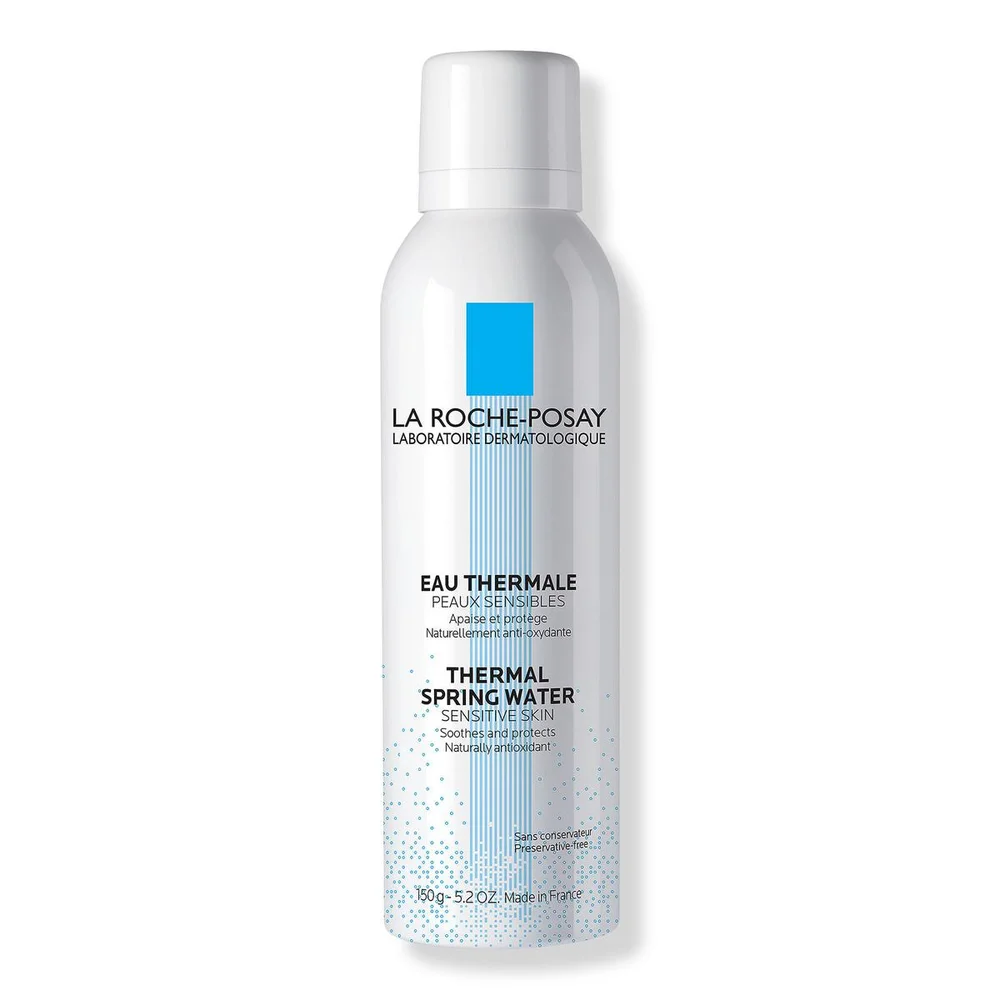
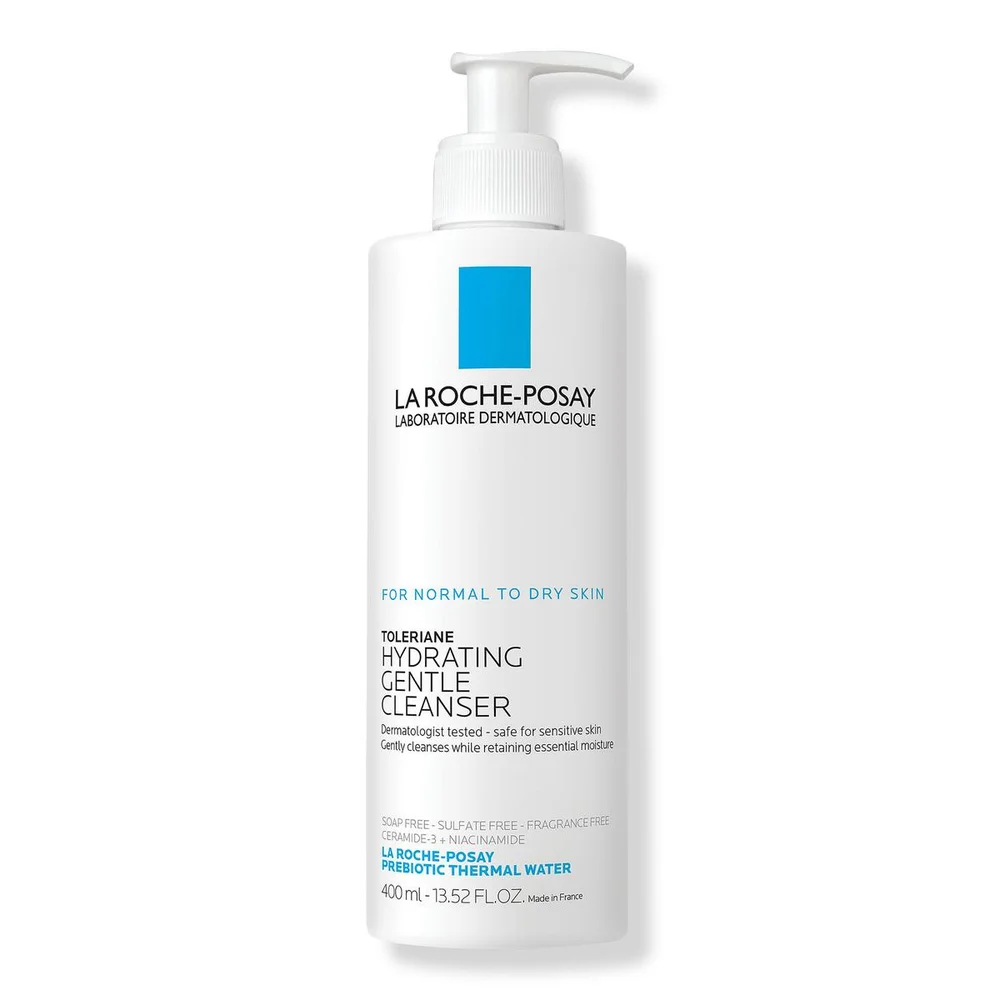
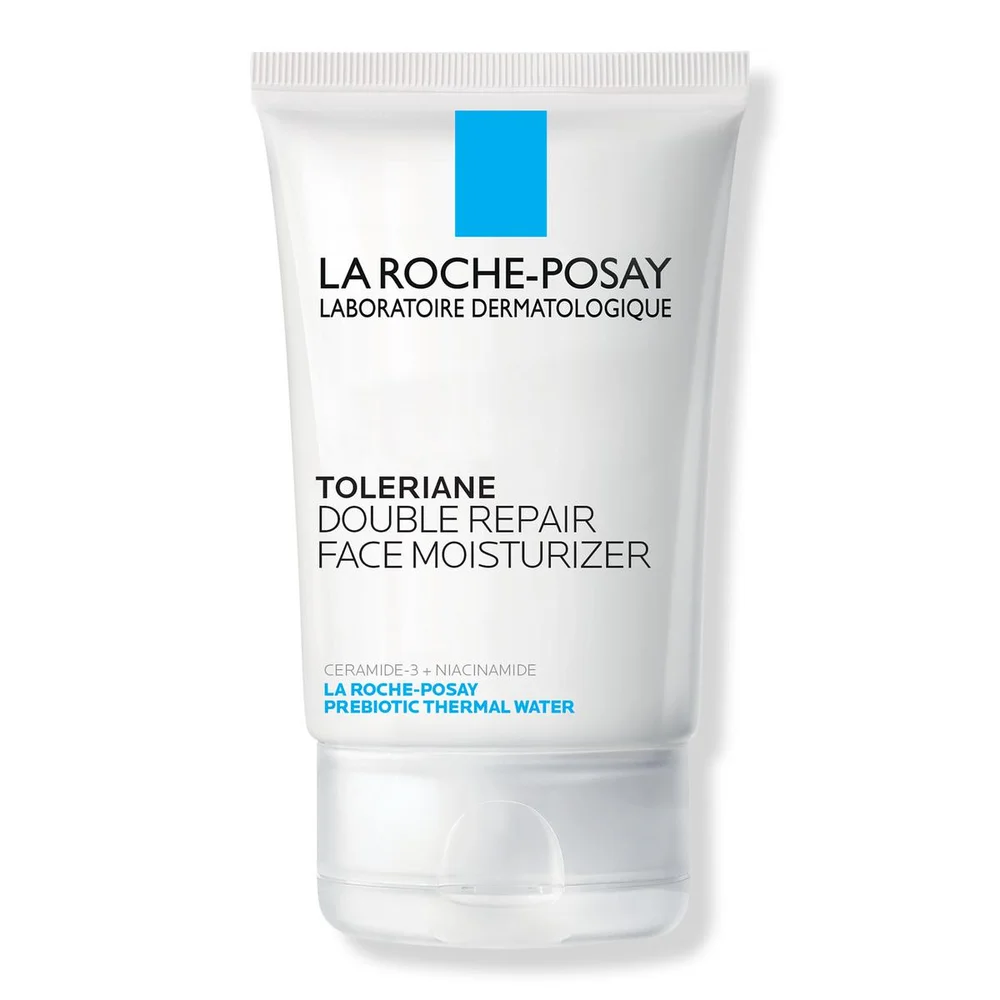
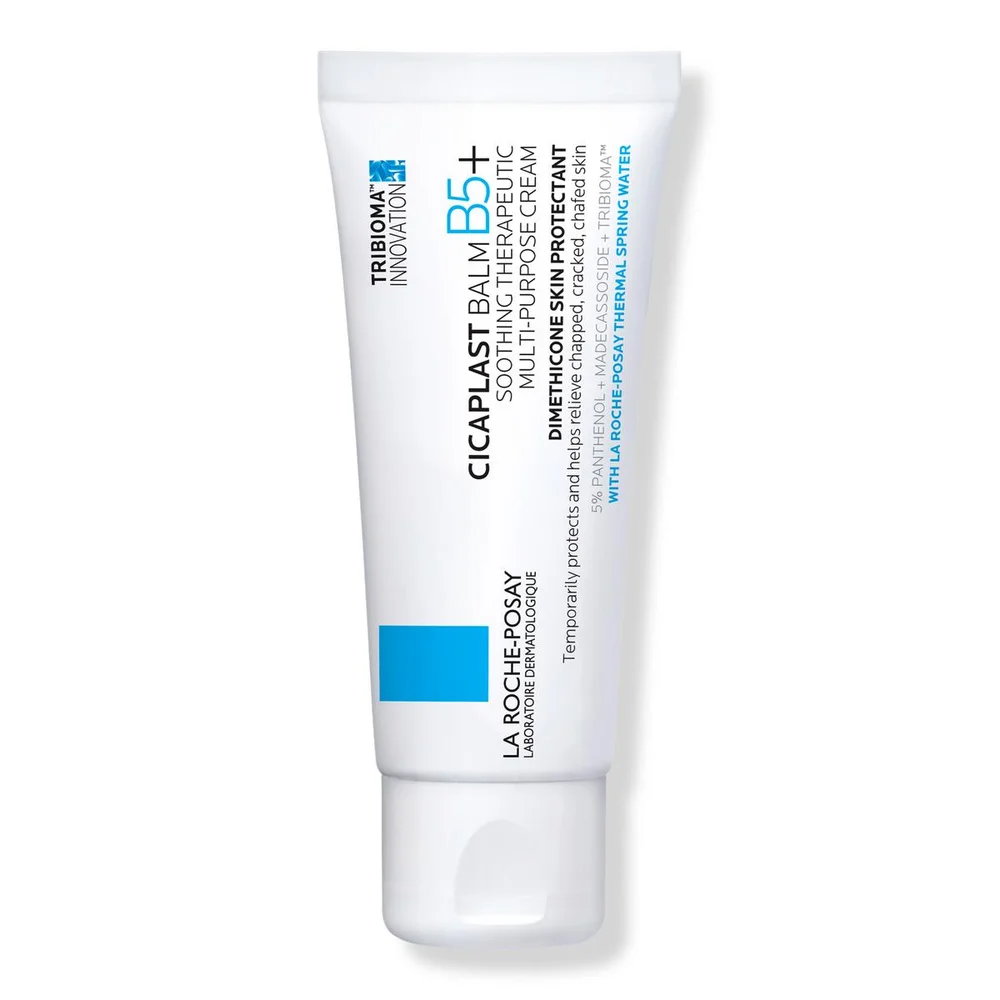
I’d try Thermal Spring Water for Sensitive Skin first if I wanted the most literal version of the story. Toleriane Hydrating Gentle Face Cleanser for Dry Skin is a sensible first cleanser, while Toleriane Double Repair Face Moisturizer with Niacinamide is the straightforward daily cream. Cicaplast Balm B5 Soothing Therapeutic Multi Purpose Cream is the thicker repair balm I’d keep for dry patches. The brand’s formulas are clinically tested, and thermal spring water is a key ingredient; these four make that premise easy to understand.
The L’Oréal Chapter
The skincare brand’s documented change of hands is the L’Oréal acquisition in 1989. Its current place in the portfolio is equally clear: L’Oréal’s 2025 reporting lists La Roche-Posay with CeraVe, SkinCeuticals, Vichy and Skinbetter Science in Dermatological Beauty, and names La Roche-Posay as the division’s leading growth contributor, with Cicaplast and Melasyl driving performance. That corporate context matters, but it does not erase the French spring-town name.
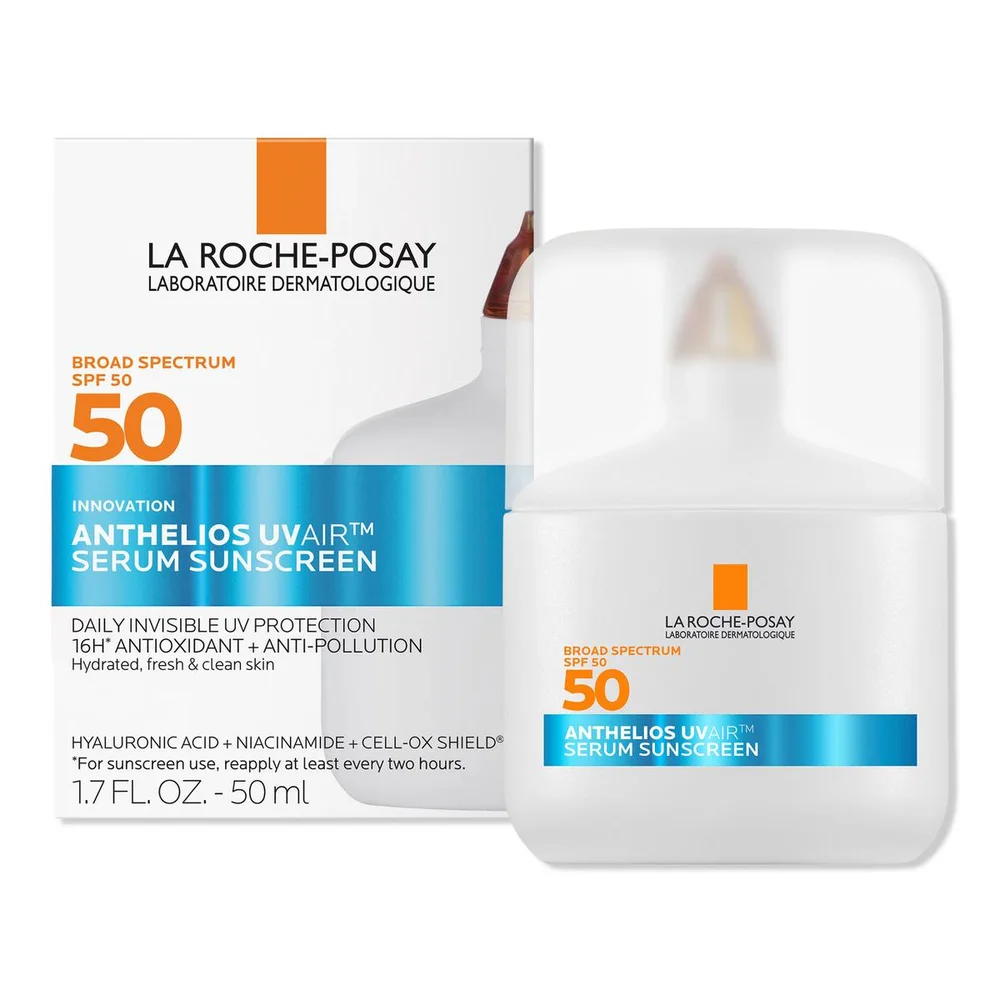
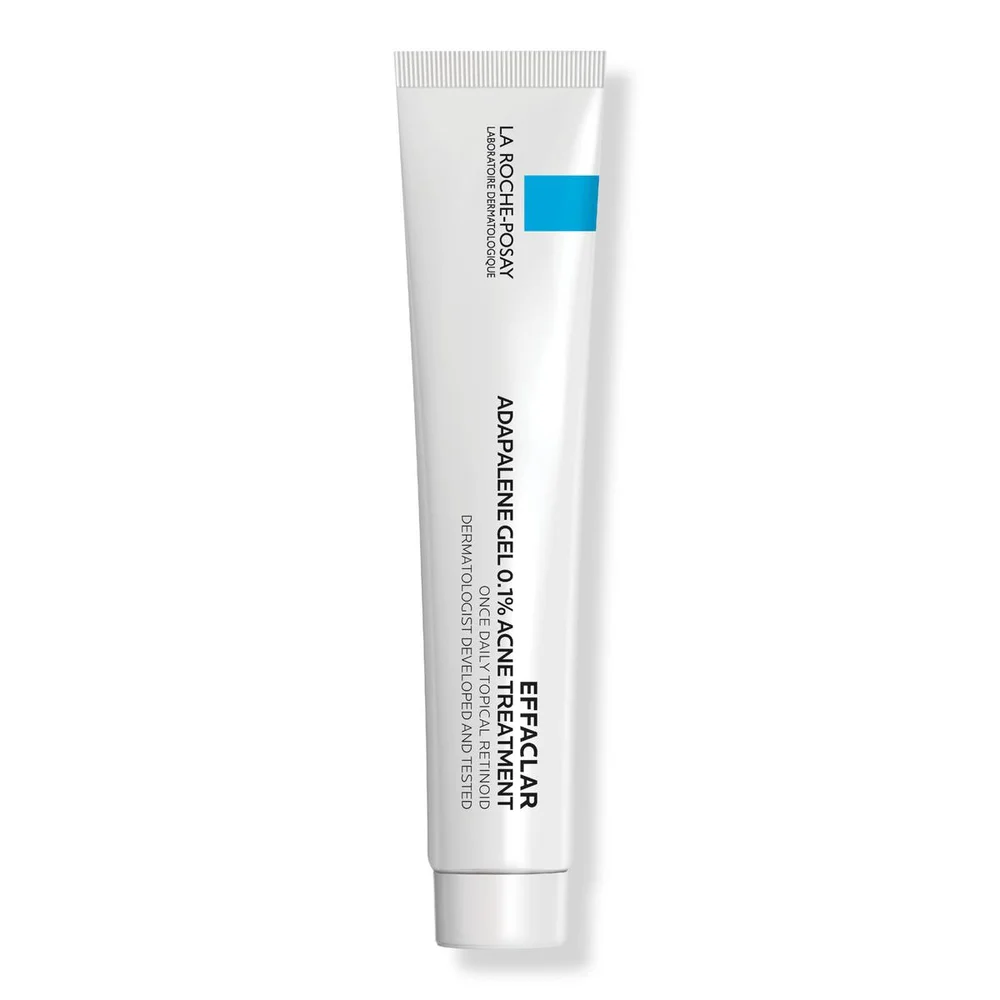
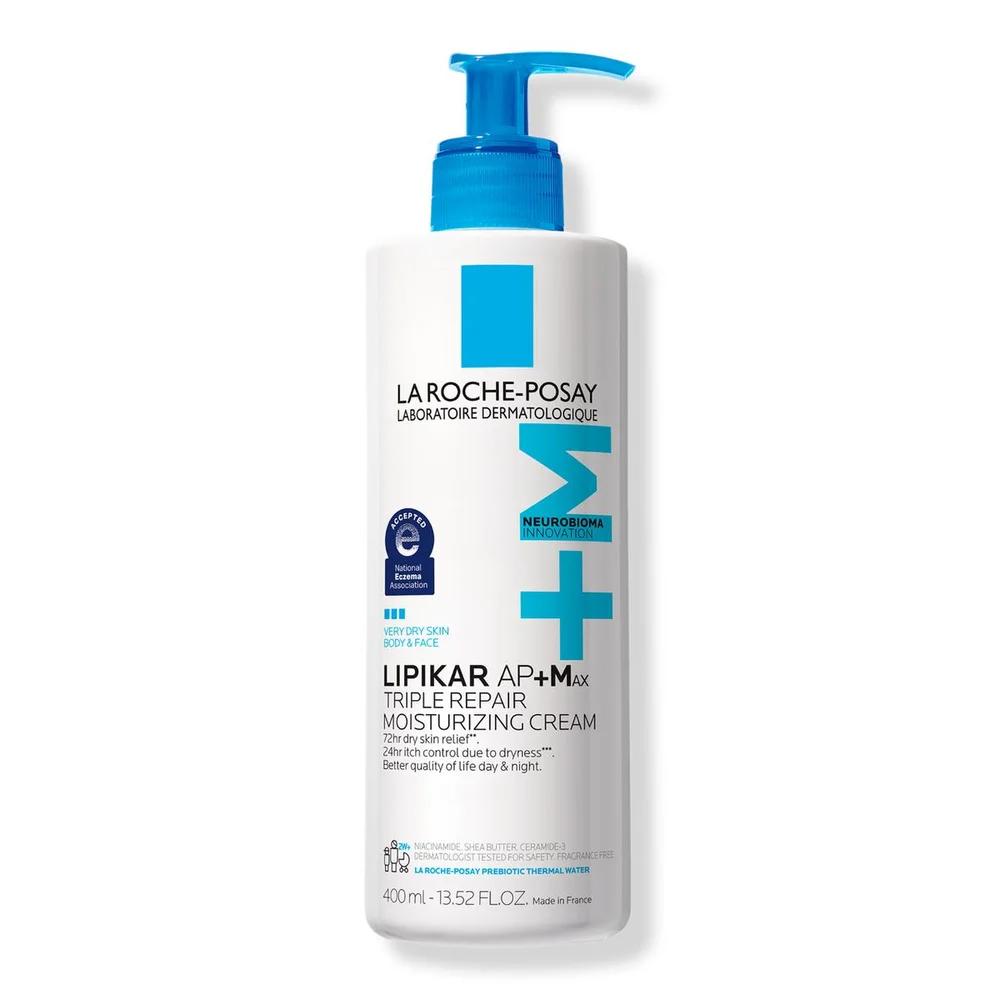
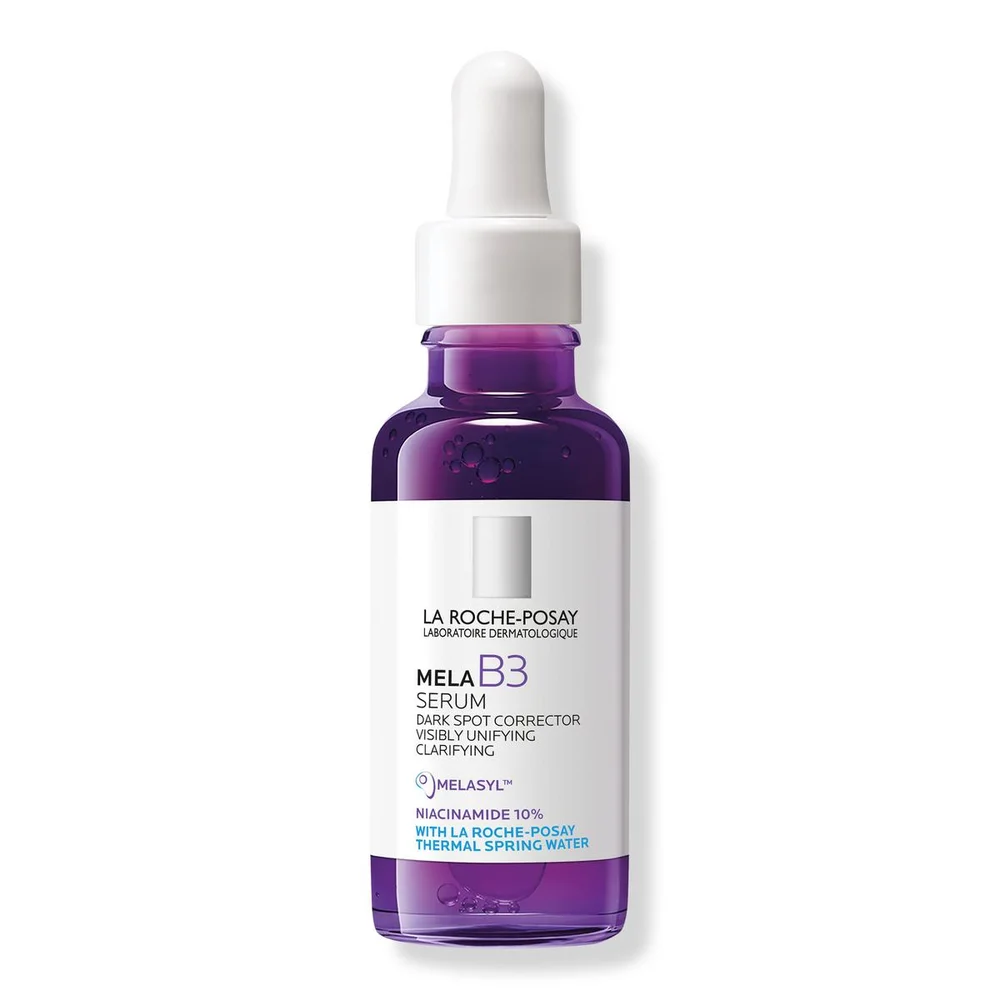
For the current treatment side, I’d choose by the job I actually have. Anthelios UV Air Daily Supercharged Serum Sunscreen SPF 50 is the lightweight SPF step; Effaclar Adapalene Gel 0.1% Topical Retinoid Acne Treatment is the acne-targeted one; Lipikar AP+M Triple Repair Body Moisturizing Cream for Dry Skin is the body-care option; Mela B3 Serum Dark Spot Corrector is the dark-spot serum. One lane at a time is my rule; I would not turn an ownership question into a whole new routine.
What I Would Buy First
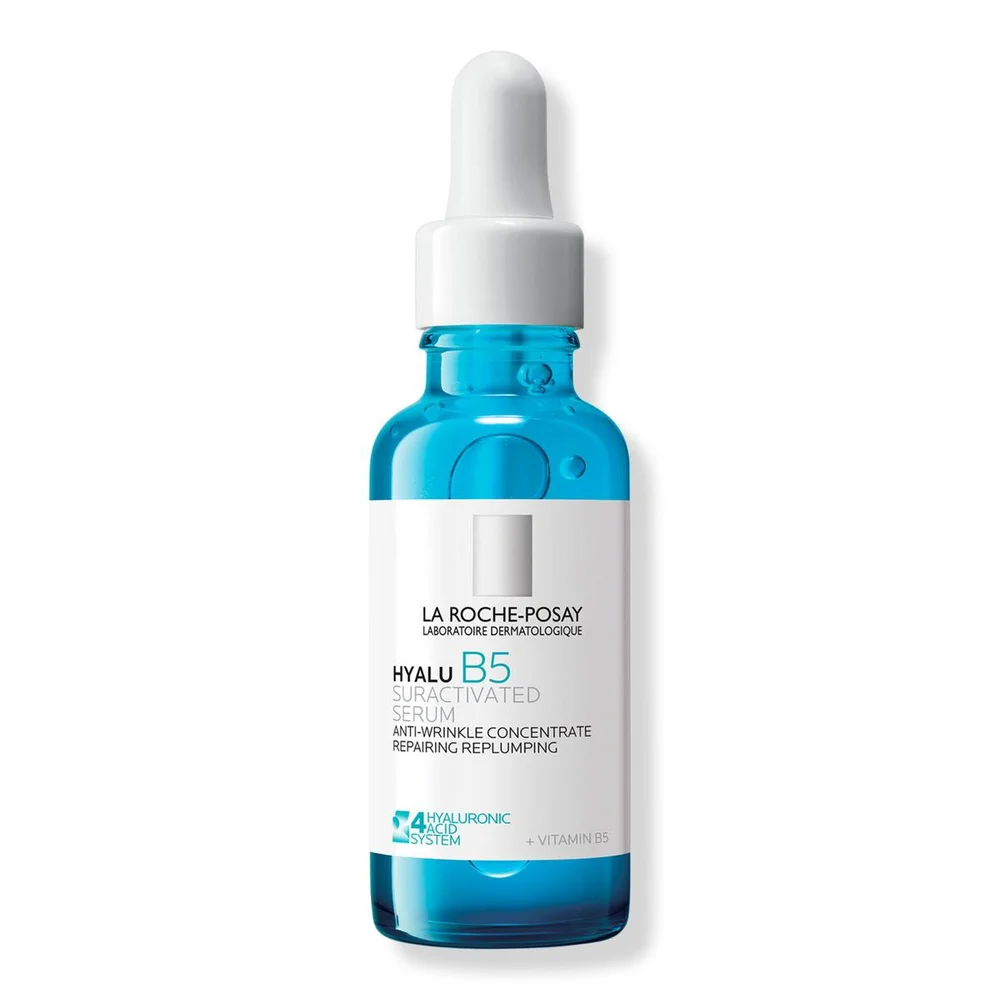
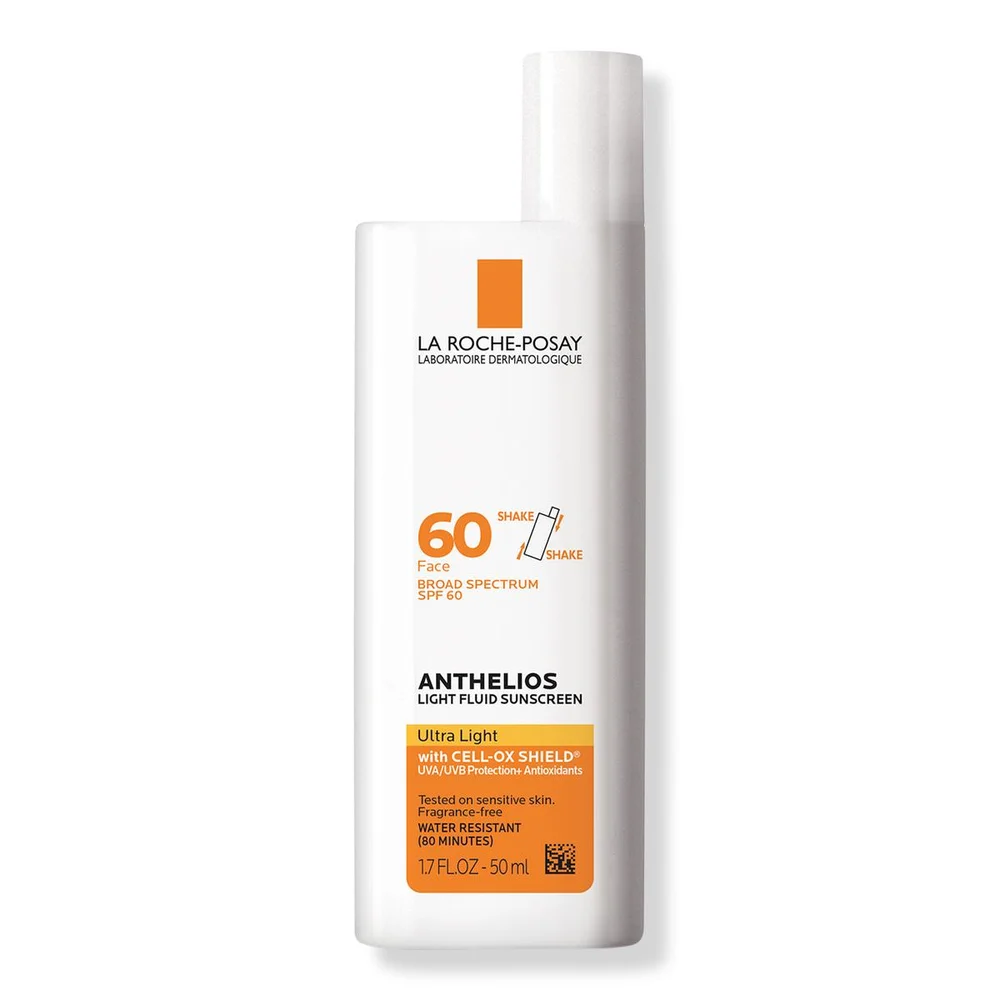
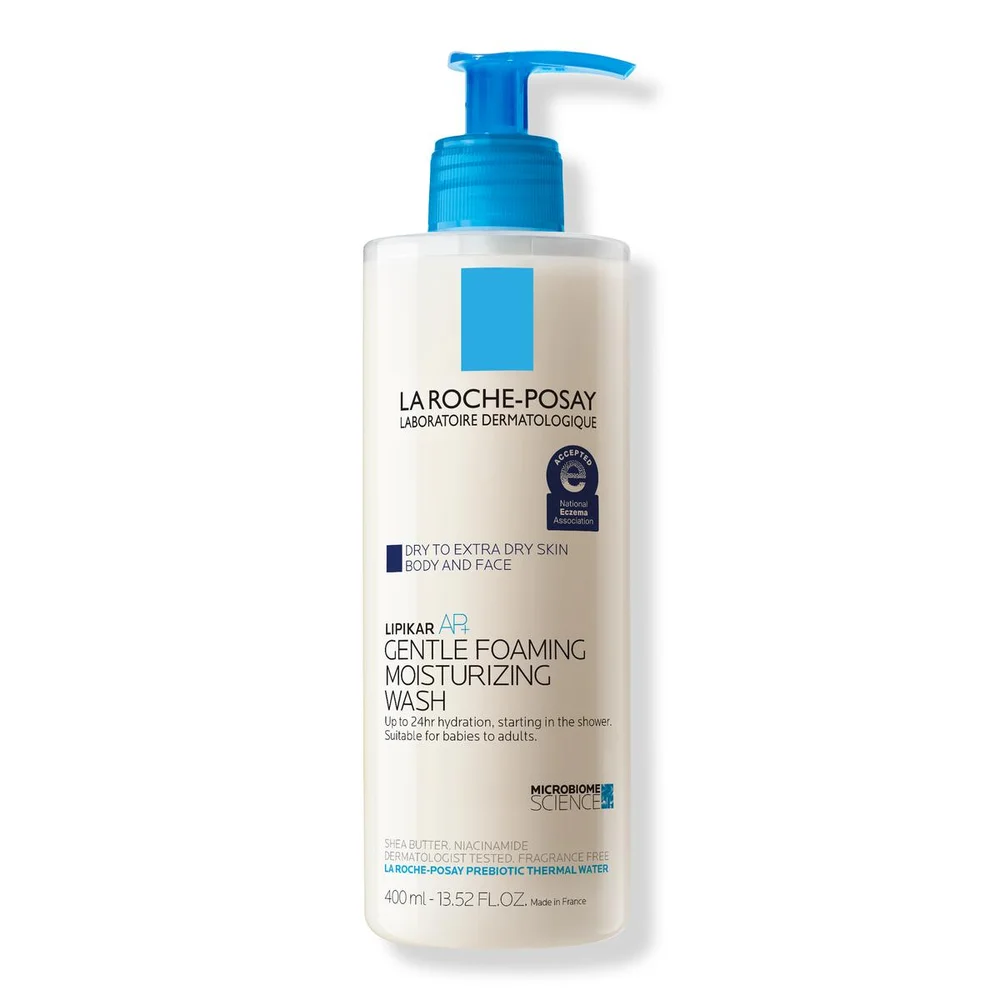
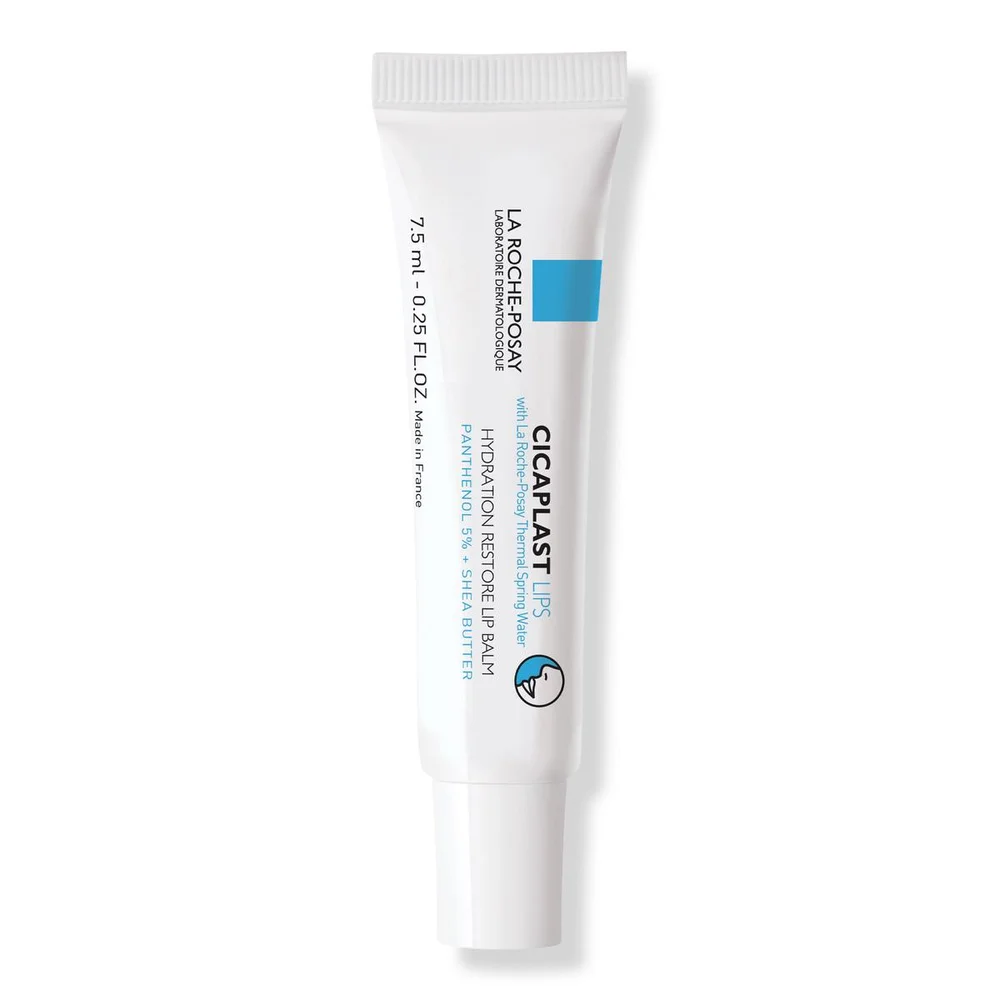
I’d make my first practical purchase the Anthelios Ultra Light Fluid Face Sunscreen SPF 60: it is the brand’s lightweight fluid sunscreen and gives this French pharmacy story a daily, useful endpoint. Hyalu B5 Pure Hyaluronic Acid Face Serum is the hydration-serum pick if I want a serum at all, while Lipikar Wash AP+ Gentle Foaming Moisturizing Wash is the cleansing option when I want a separate shower step. Cicaplast B5 Lip Balm for Dry Lips is the small targeted extra, not another full-face cream.
What I would skip is buying multiple corrective serums just because the parent company has a large portfolio. If I had a specific dark-spot concern, Mela B3 is the direct choice; if my concern were acne, Effaclar is the targeted one. Otherwise, I’d start with one cleanser and one sunscreen, then decide whether the rest earns shelf space.