Le Labo is owned by publicly traded Estée Lauder Companies, which acquired it in 2014. Here is how the fragrance lab began and what I would try.
Who Owns Le Labo? Estée Lauder and the Perfume Lab
The Owner Behind the Label
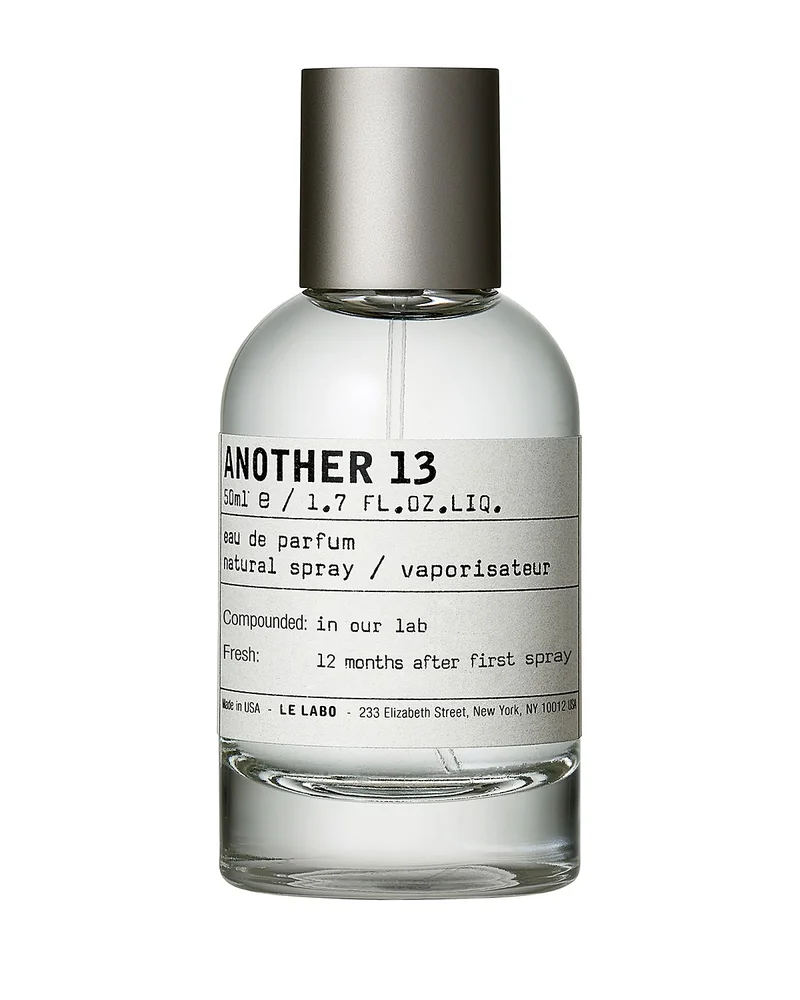
The Estée Lauder Companies, a publicly traded company, owns Le Labo today; its ownership dates to ELC's completed acquisition in 2014. If you searched who owns Le Labo, the answer is a corporate parent rather than its original founders. The Le Labo parent company also owns Jo Malone London, TOM FORD, KILIAN PARIS, La Mer, M·A·C and The Ordinary. ELC's November 2026 results still list Le Labo and cite Another 13 and Santal 33 within its Classic Collection, alongside Beijing exclusive Shiu 25. The latest results make the ownership current, not just historical.
But knowing who makes Le Labo is not just naming its owner. The first lab opened in Nolita at 233 Elizabeth Street in 2006, and each fragrance is freshly hand-blended and hand-assembled one at a time in front of clients. That combination of corporate scale and lab ritual is the thing I find interesting: the owner is a global beauty company, while the brand's stated method still asks people to think about a bottle being made with attention. I would keep those two facts in view together rather than treat ownership as a verdict on the perfume.

The Candle That Became a Perfume
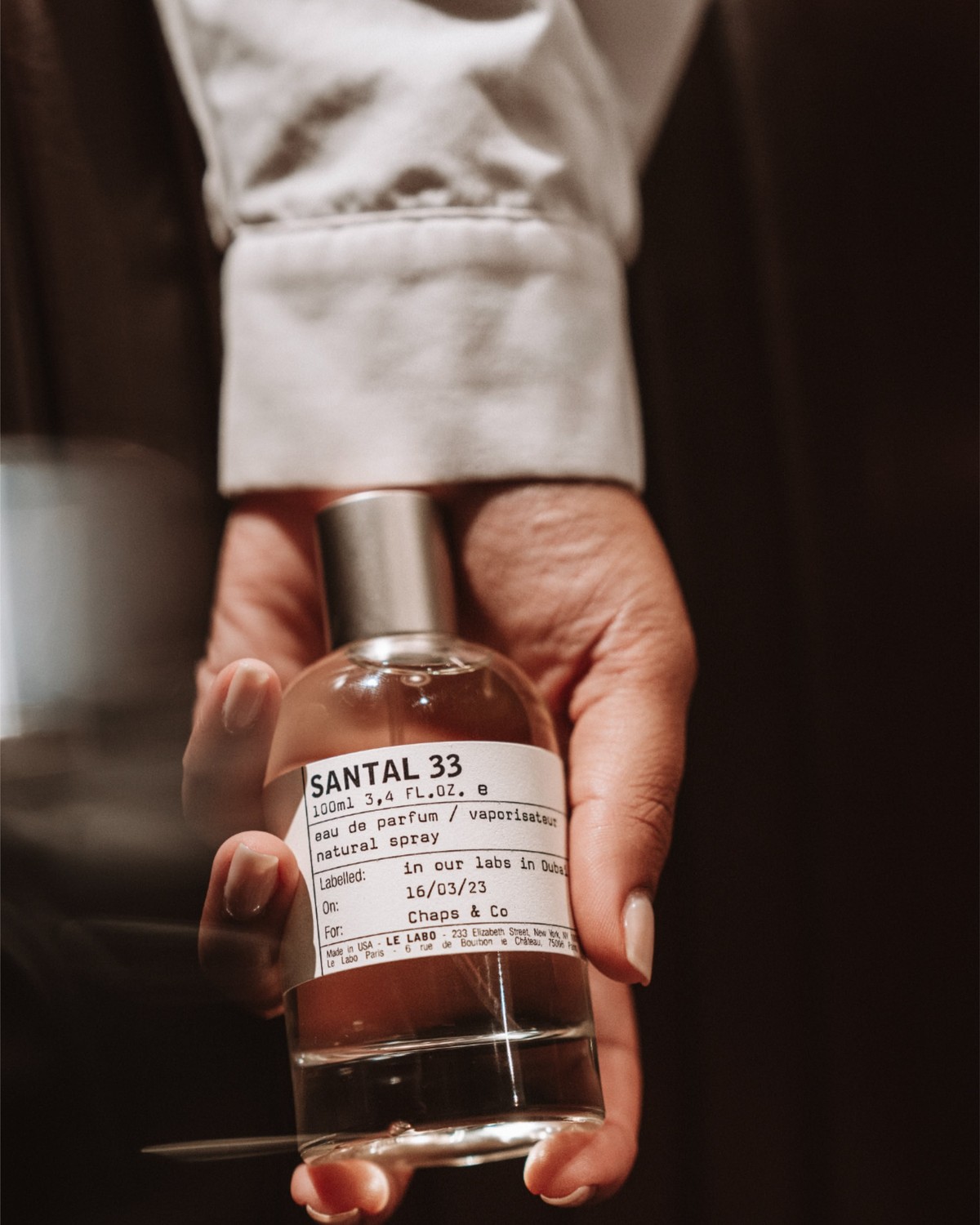
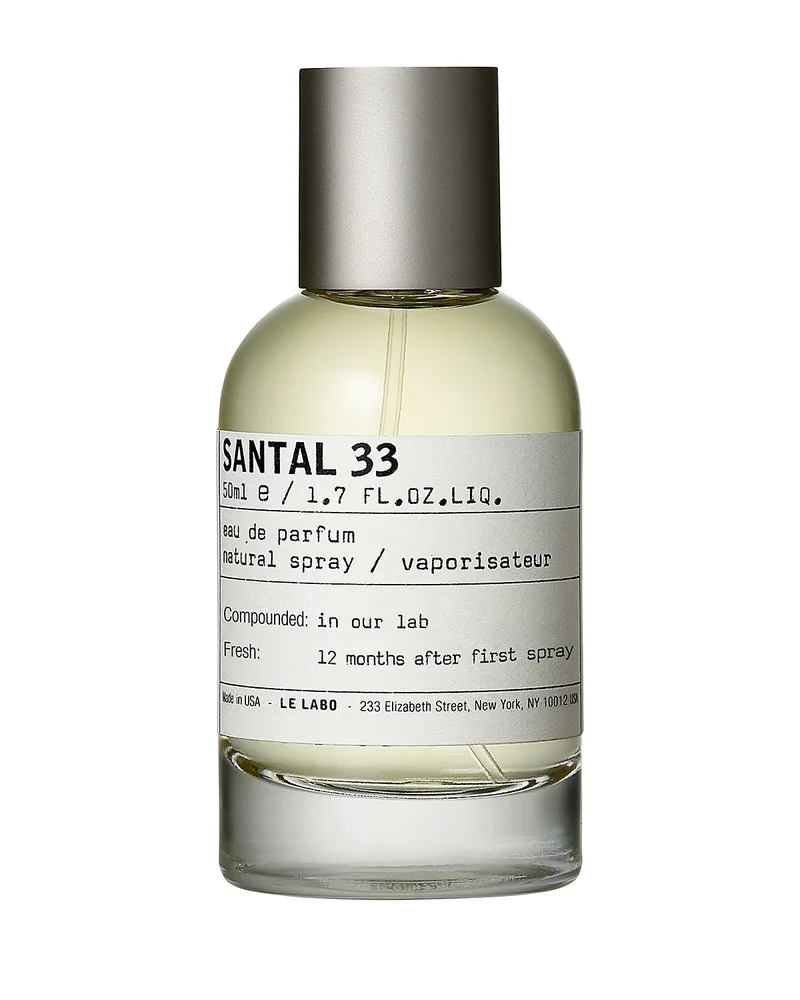
Who founded Le Labo? Fabrice Penot and Eddie Roschi, two fragrance industry veterans, began the label in New York in 2006. Their first sandalwood story was not the perfume people usually wear: Santal 26 arrived as a candle, while the wearable version sat on the sidelines. A room spray was recognized by Penot in 2010, leading the founders to ask perfumer Frank Voelkl to revise that idea into a personal fragrance, Santal 33. The Cut's account includes enough candle wax to make it sound like a fairly good accident. I like that origin better than a story about a founder trying to engineer a hit.
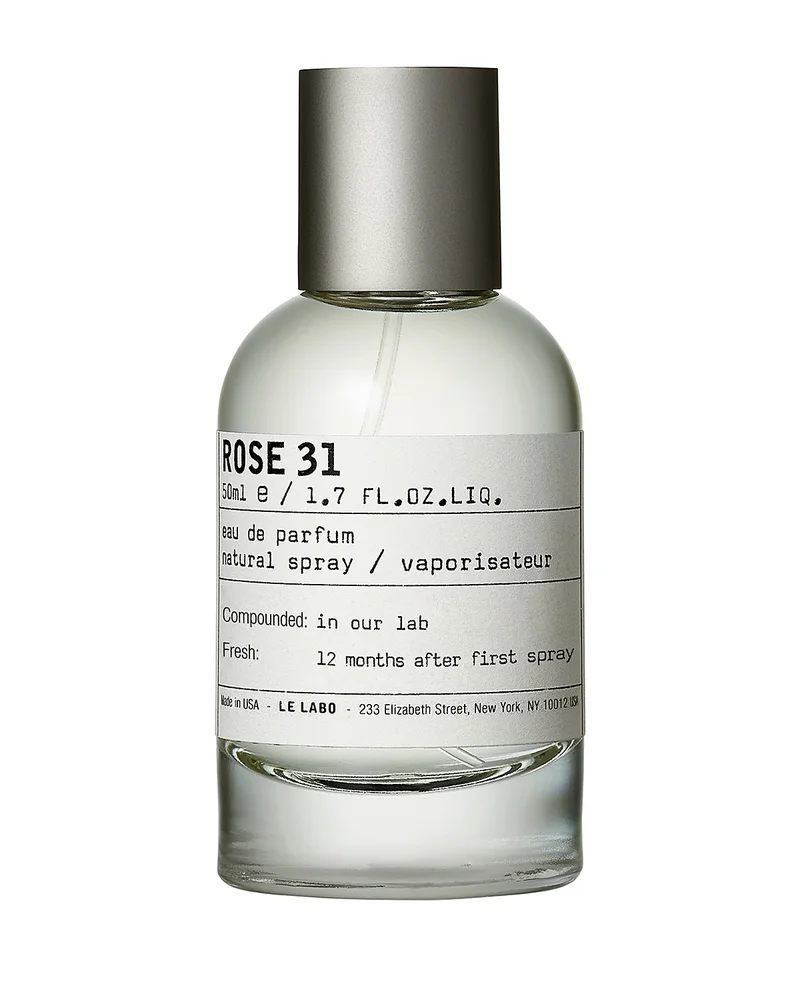
That is why I would start with Santal 26 Classic Candle, the actual first sandalwood product, before considering Santal 33 Eau de Parfum, with cardamom, iris, violet, sandalwood, cedar and spicy leather. Another 13 Eau de Parfum is a separate 2010 commission for AnOther Magazine, built around ambroxyde with jasmine and moss; Rose 31 Eau de Parfum gives me a rose-led contrast, warmed by cumin, cedar, amber and musk. I would choose among the four based on whether I want the story at home, sandalwood on skin, a musky clean scent or a more rounded rose.
What Stayed, What Expanded
The documented ownership milestones are straightforward: Penot and Roschi founded Le Labo in 2006, ELC announced the acquisition agreement in 2014, then completed the purchase that November. ELC did not disclose the financial terms. The founders said the parent company understood their craft and could help grow the brand into a wider sensory lifestyle business. Today, Le Labo remains alongside Jo Malone London, TOM FORD, KILIAN PARIS, La Mer, M·A·C and The Ordinary in its parent's portfolio, while the latest results name Another 13, Santal 33 and Beijing's Shiu 25 in its current fragrance activity. The acquisition announcement marks the handoff clearly.
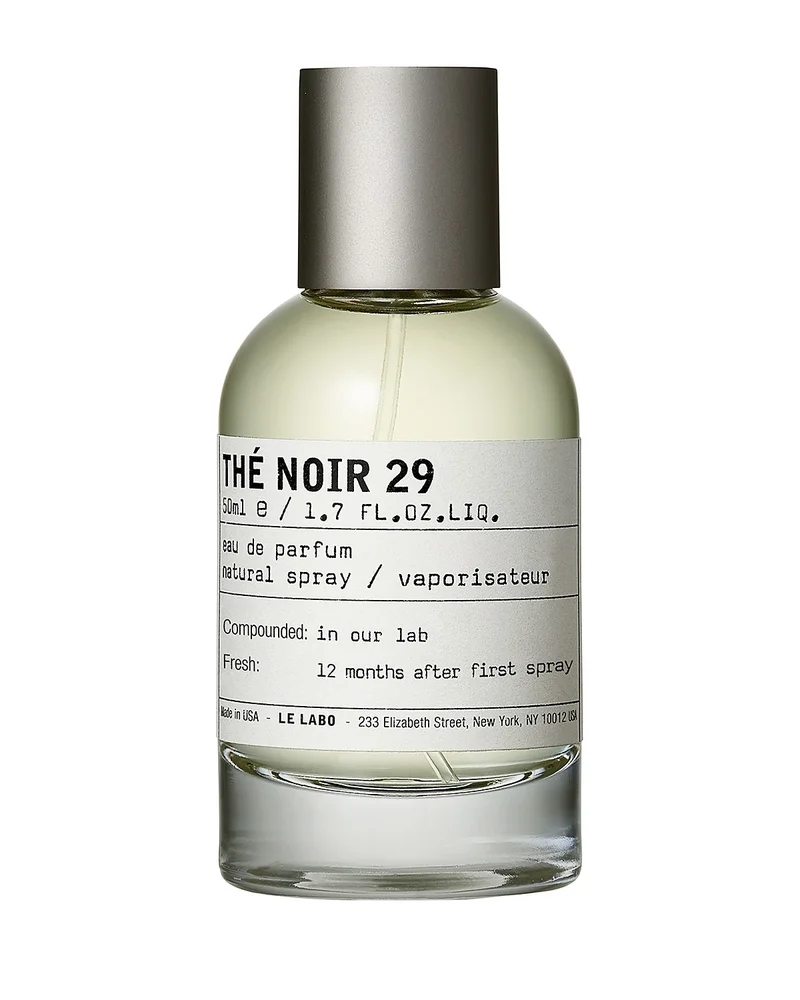
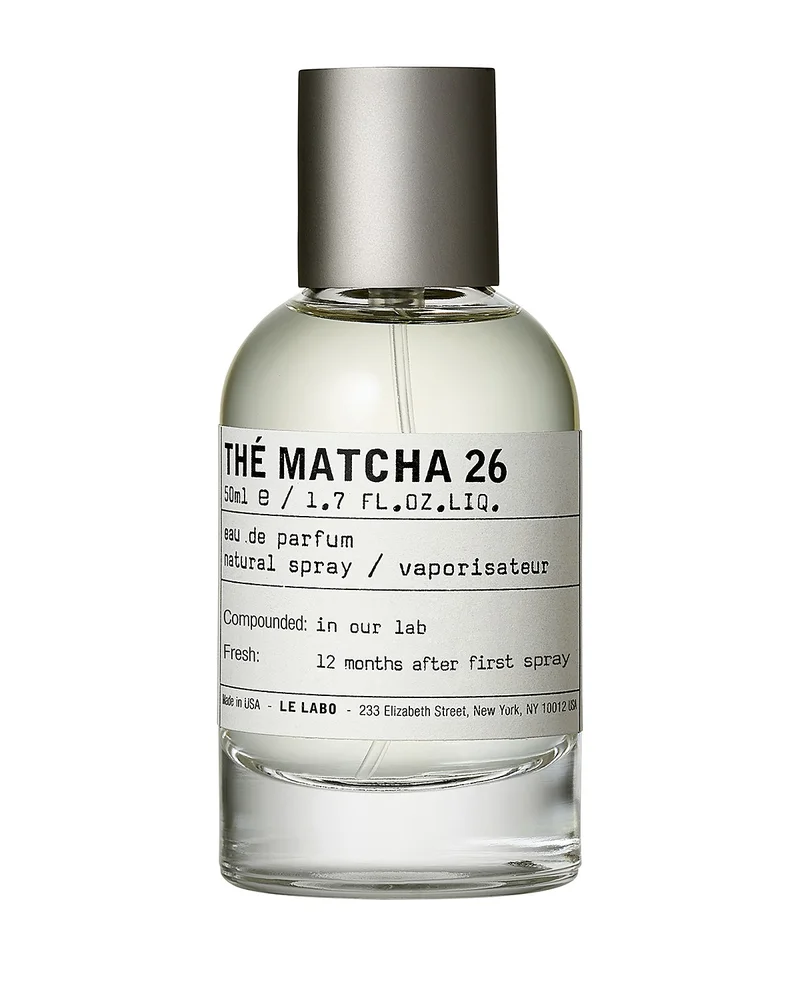
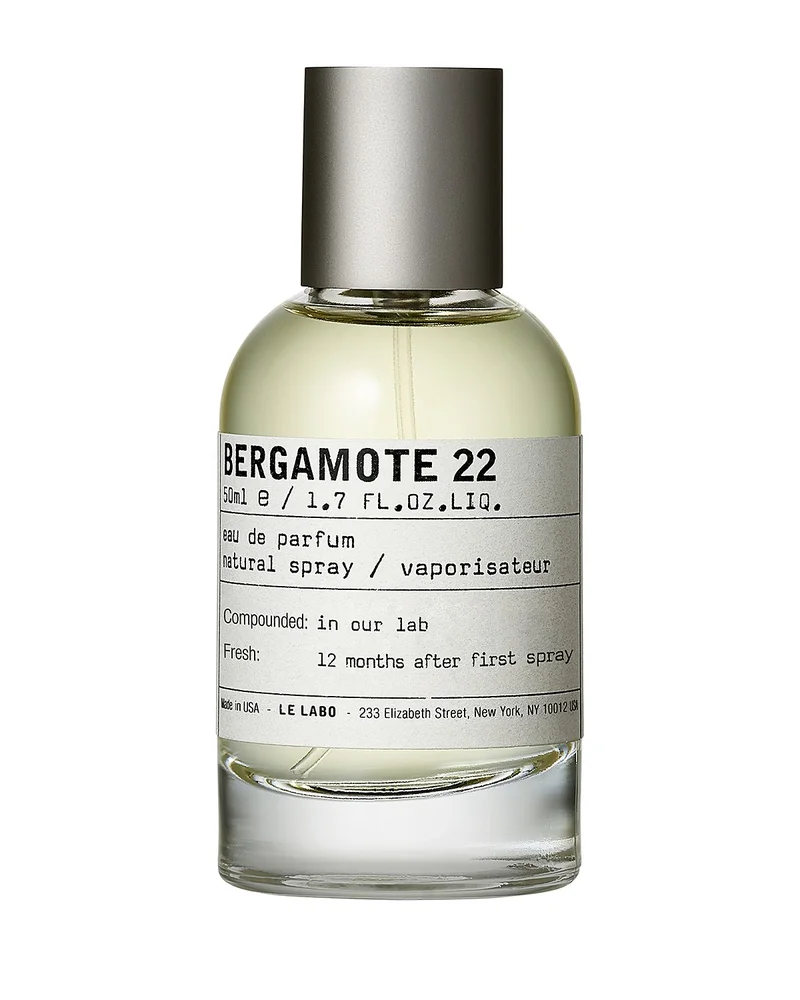
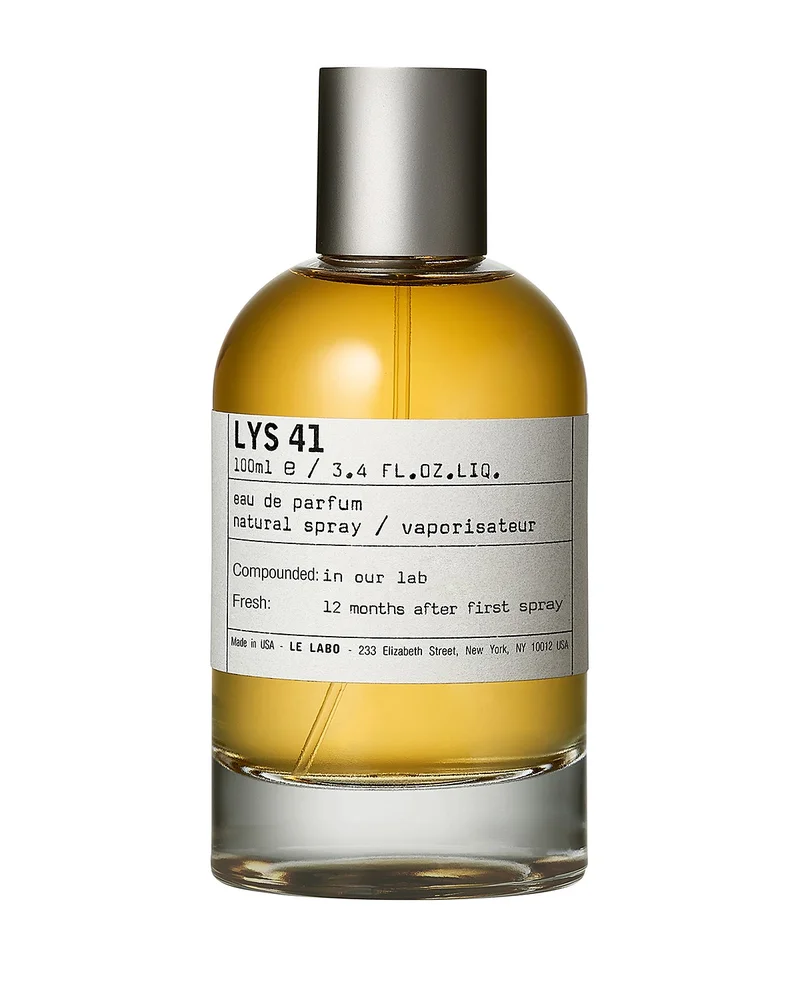
The product idea did not stop at perfume: genderless fragrances and candles remain central, with body, hair, face and grooming alongside them. I would call the verifiable change one of scale and range, not a proven change to the brand's scent-making method. Thé Noir 29 pairs black tea with bergamot, fig, cedar, vetiver and musk; I reach for it when I want a darker tea. Thé Matcha 26 softens matcha with creamy fig, cedar, vetiver and bitter orange, a closer-to-skin direction. Bergamote 22 is the bright option, with petit grain, grapefruit, amber, musk and vetiver. Lys 41 is a white floral of jasmine, lily and tuberose over woods, vanilla and musk. I would choose by mood, not by number.
A Sensible First Sniff
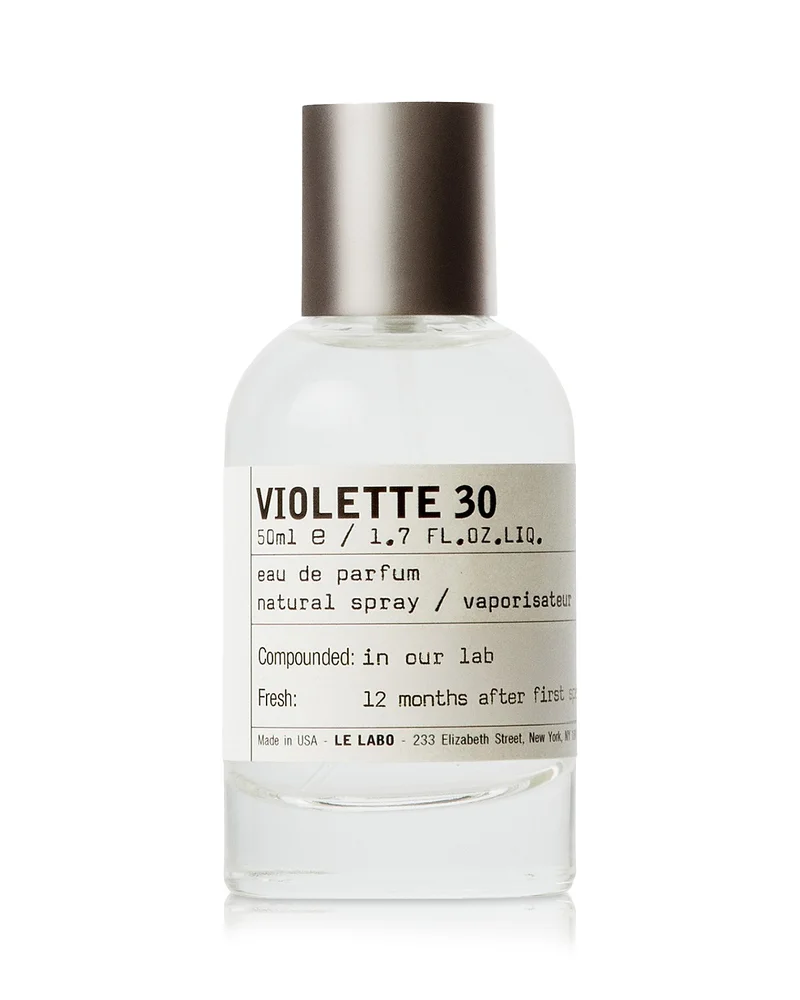
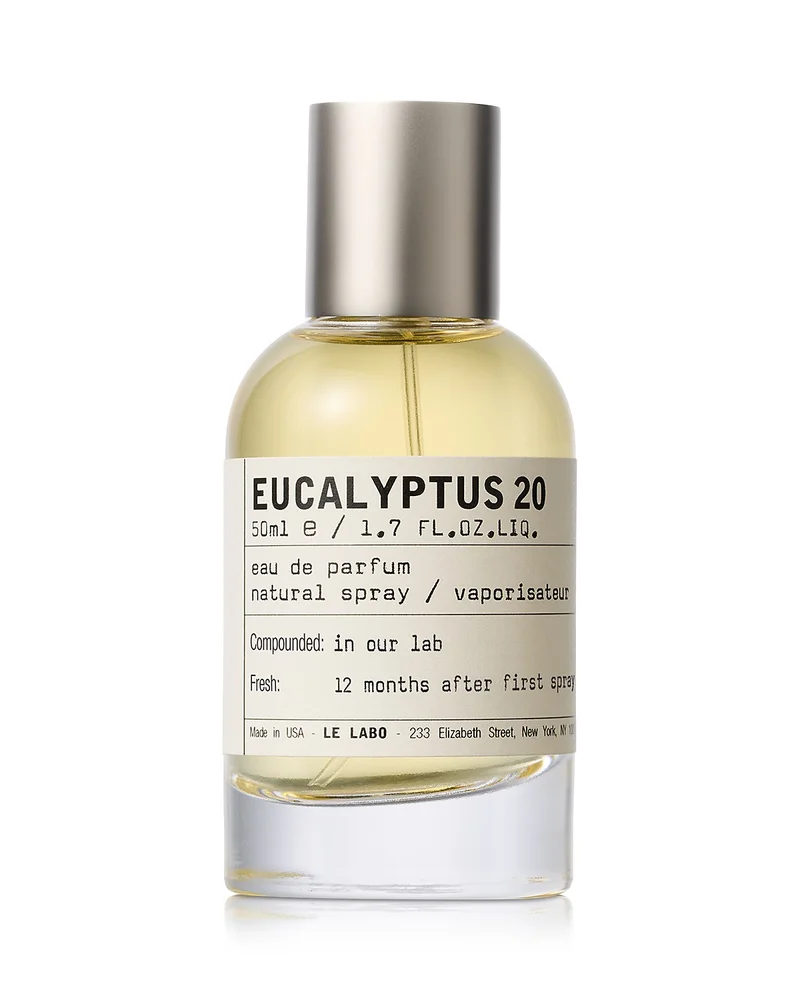
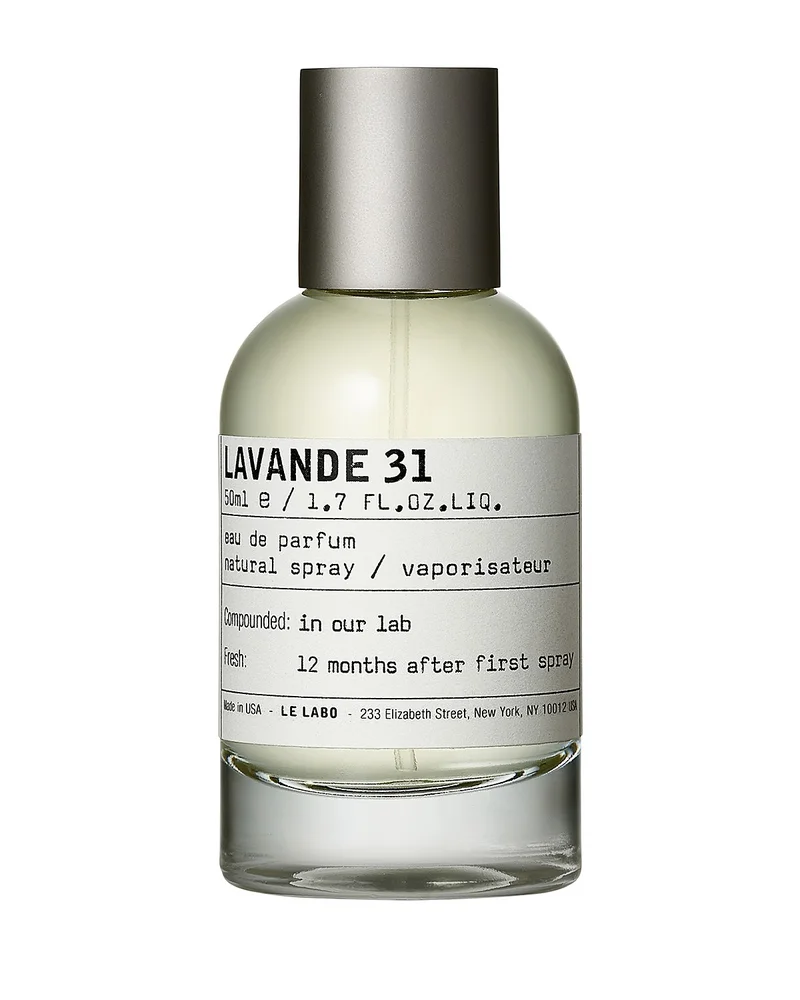
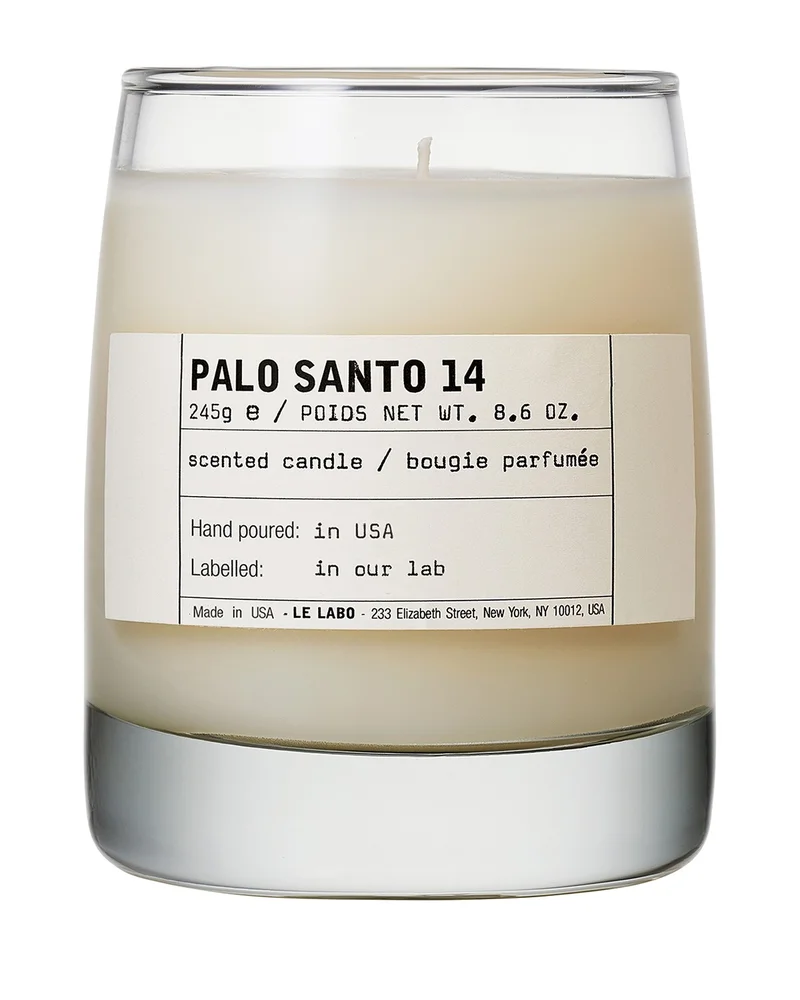
The less familiar scents are where I would test Le Labo beyond the famous sandalwoods. Violette 30 is my pick for an airy floral with white violet, green notes, white tea and cedar; Eucalyptus 20 is cooler, with eucalyptus, cedar, labdanum and musk. Lavande 31 takes lavender through bergamot and neroli, then leans on tonka and musk rather than a powdery soap idea. Palo Santo 14 Classic Candle gives the same warm-wood mood to a room, with cedar, labdanum, incense and patchouli. Le Labo's own descriptions make clear that familiar notes rarely stay simple here.
Buying a fragrance blind is where I would be cautious: its perfumes bend familiar notes in different directions, so a label reading lavender or violet is not a complete forecast. I would skip choosing a full bottle by note name alone. I would start with Violette 30 for floral contrast, Eucalyptus 20 for green woods, or Palo Santo 14 if I am shopping for home rather than skin. Decide where you want the scent to live, then pick the notes you actually enjoy.