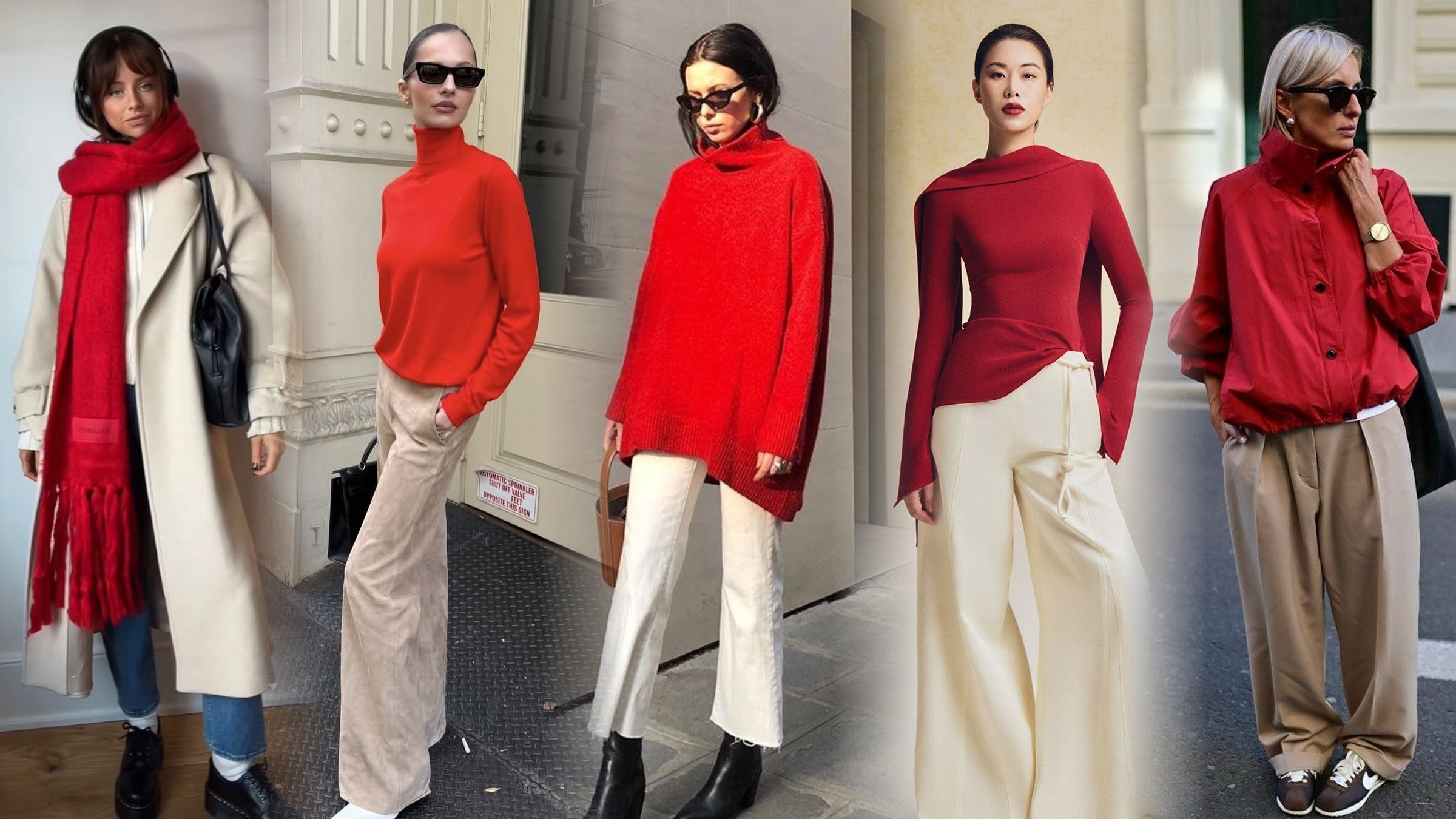
Louis Vuitton belongs to publicly traded LVMH, where the Arnault family held 50.21% as of October 2026; a restructuring vote is still pending.
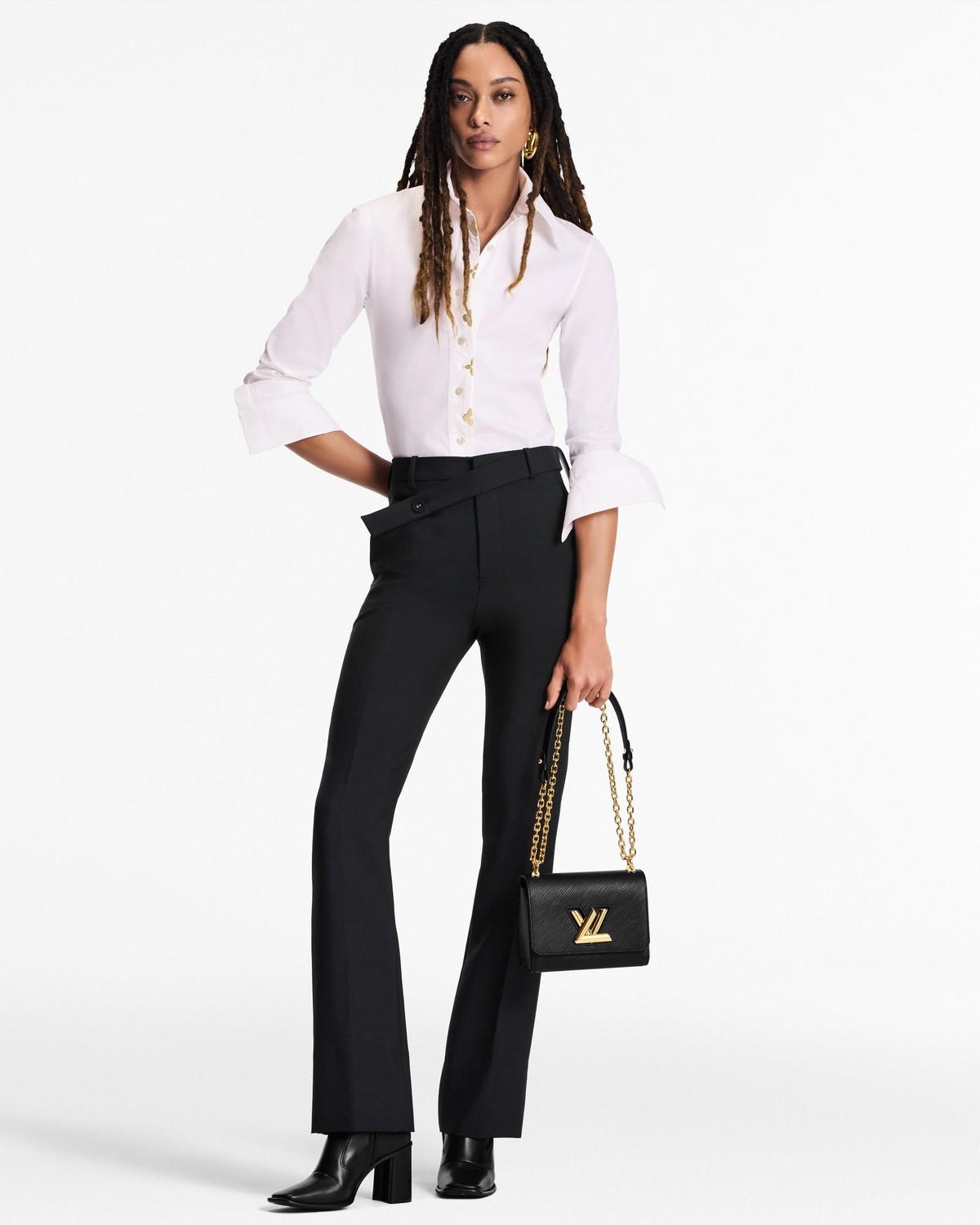
Who Owns Louis Vuitton? LVMH And A Pending Structure Shift
Who Owns The Maison?
Louis Vuitton belongs to LVMH, the publicly traded luxury company formed in 1987 by the merger of Moët Hennessy and Louis Vuitton. This answers who owns Louis Vuitton today: the Maison sits inside LVMH's Fashion & Leather Goods portfolio, rather than being a standalone public company. LVMH shares are listed on Euronext Paris, and the Arnault family held 50.21% of LVMH shares as of October 30, 2026.
The Louis Vuitton parent company is public, but the family stake makes the ownership picture more personal than a typical widely held corporation. Bernard Arnault became LVMH's majority shareholder in 1989 and has led it since then. As for who makes Louis Vuitton, it is the Maison itself: LVMH says it has 17 leather goods workshops in France and that an average leather bag requires 250 operations. I would describe this as a family-controlled public parent, not a bag label owned by one person.
There is one pending wrinkle. Reuters reported on November 20 that Christian Dior's board approved terms for a planned merger involving Agache, the Arnault family holding company, with a shareholder vote scheduled for December 30. If approved, the merged listed company would directly hold 49.76% of LVMH's share capital and 65.55% of its voting rights. The vote had not happened in the latest report, so it is a plan, not a completed transfer.
From Trunks To Monogram
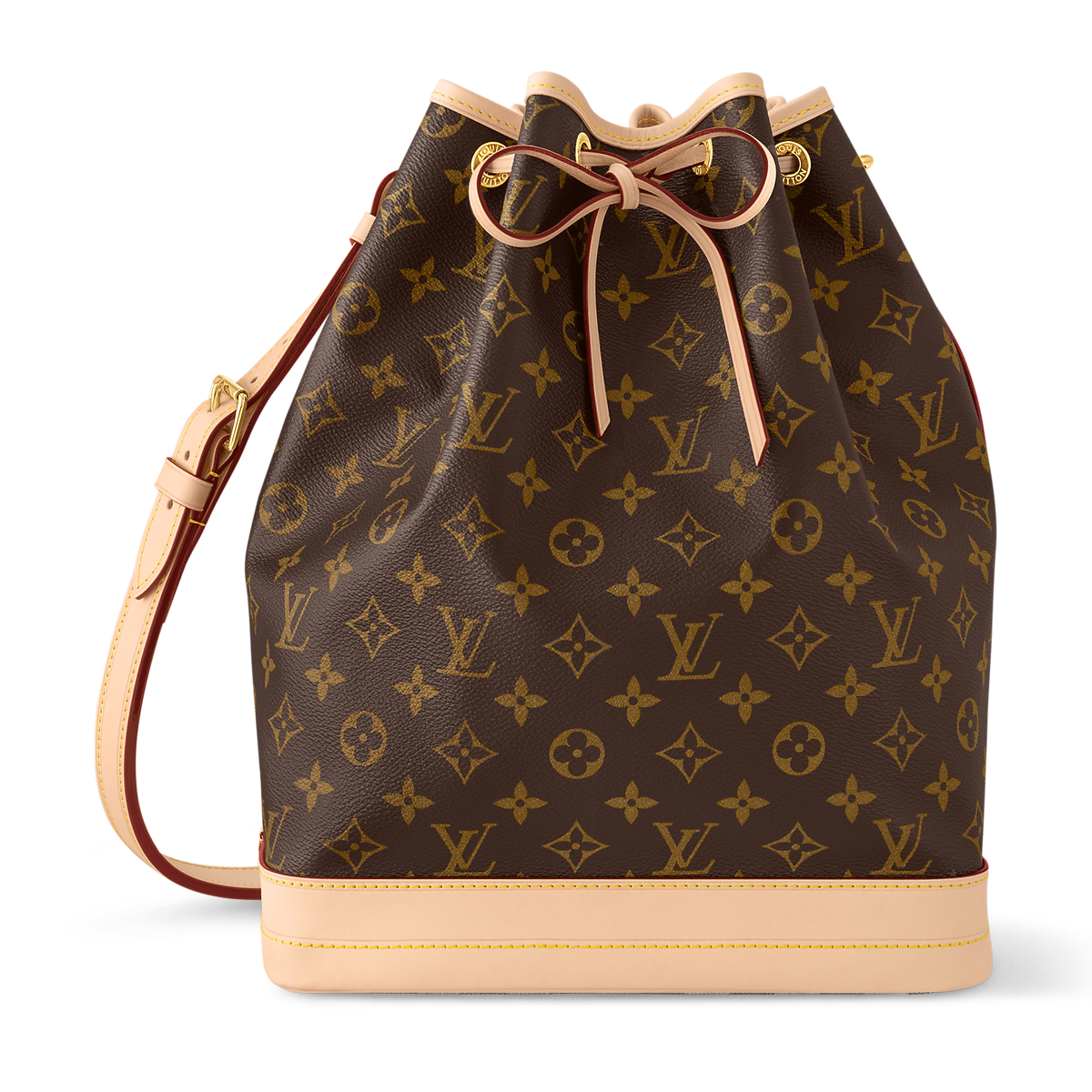
Louis Vuitton was founded in Paris in 1854 by its namesake, who began as a master trunk maker and opened the first store on Rue des Capucines. The idea I like is that a practical travel object became a visual language: Georges Louis Vuitton created the Monogram canvas in 1896 as a tribute to his father. LVMH still notes 17 workshops in France and about 250 operations in the making of an average leather bag, which makes the founder story feel tied to construction rather than just a logo. The Noé's official history traces it to a 1932 request from a Champagne producer for a bag that could carry five bottles. As for who founded Louis Vuitton, it was Louis himself, not a later conglomerate; LVMH became its parent through the 1987 merger.
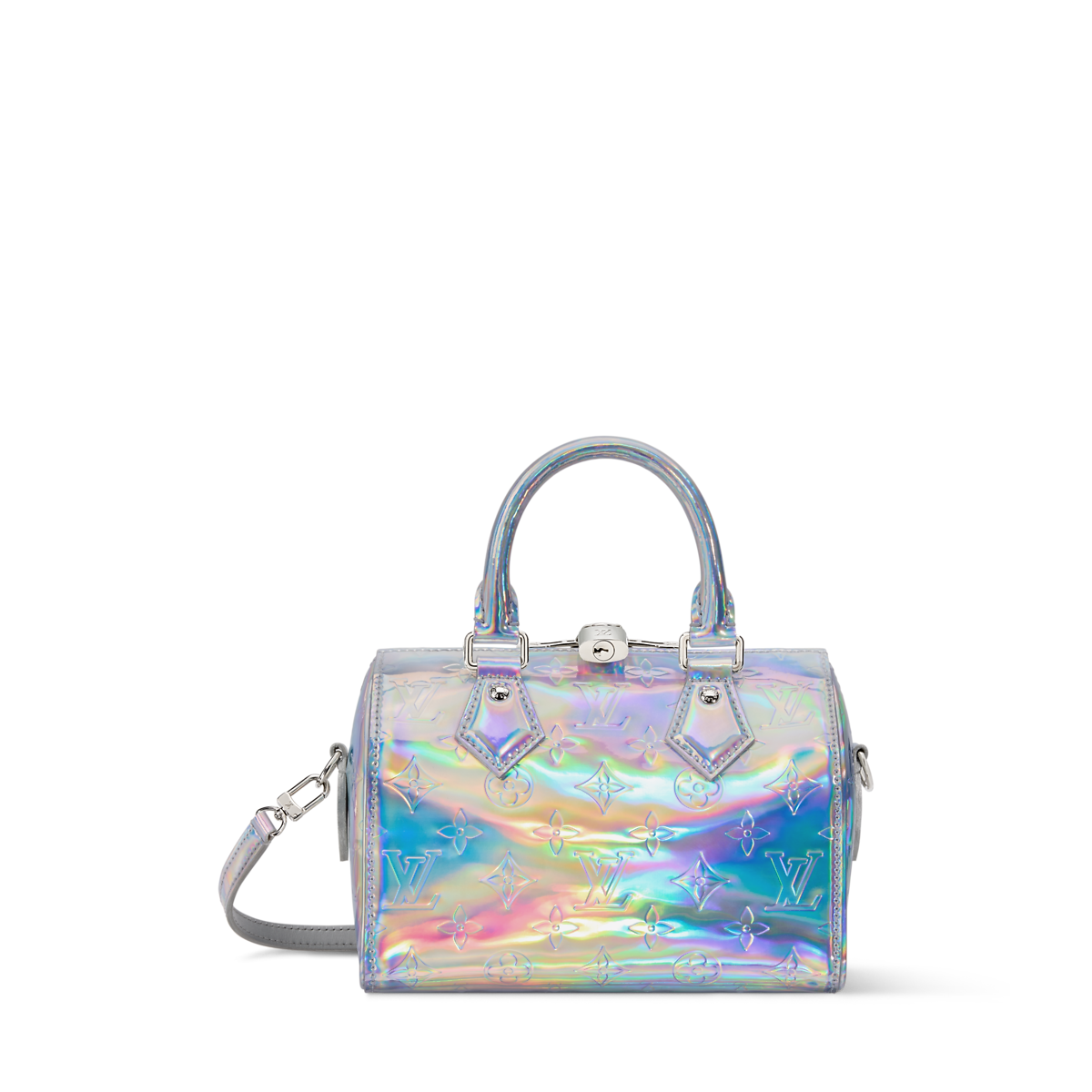
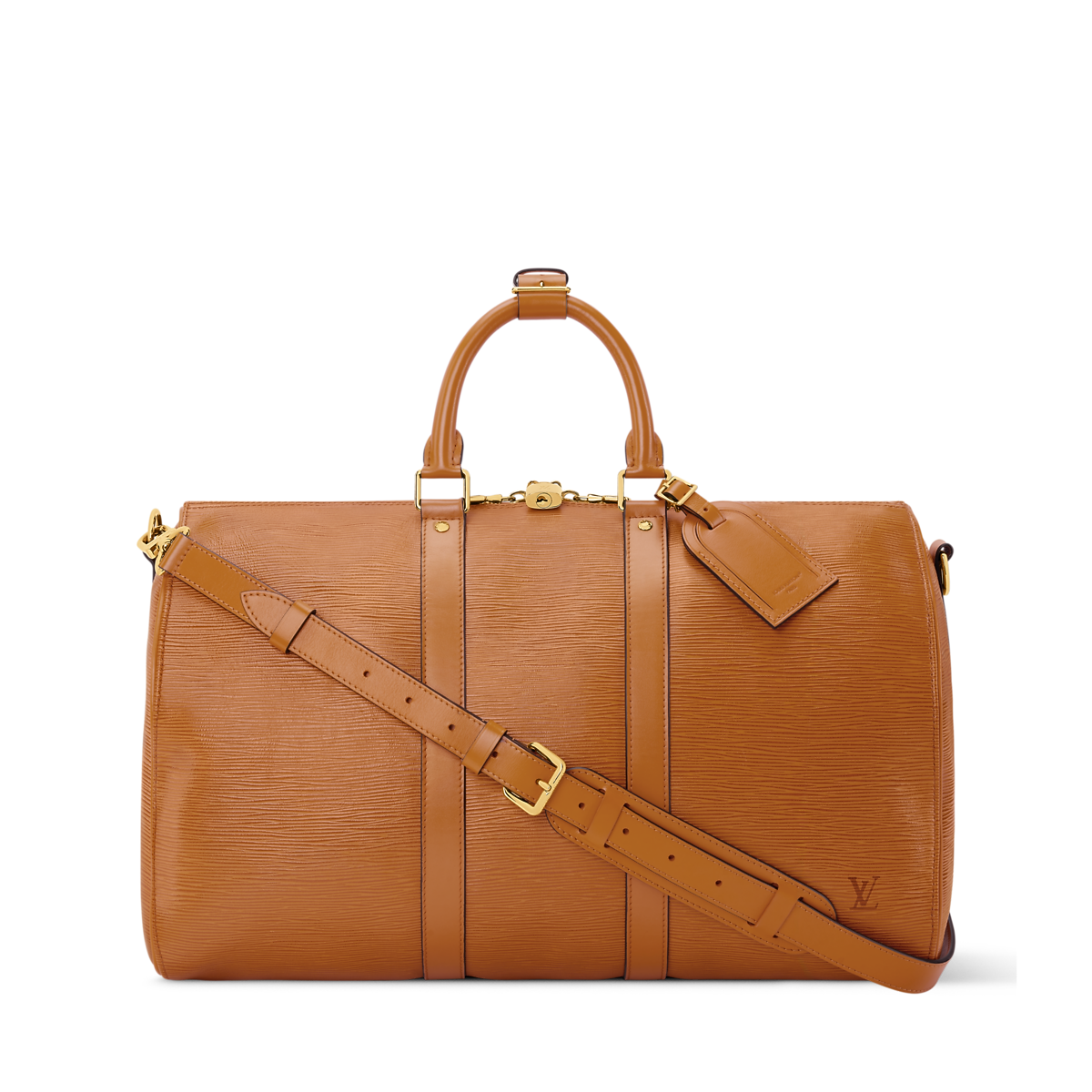
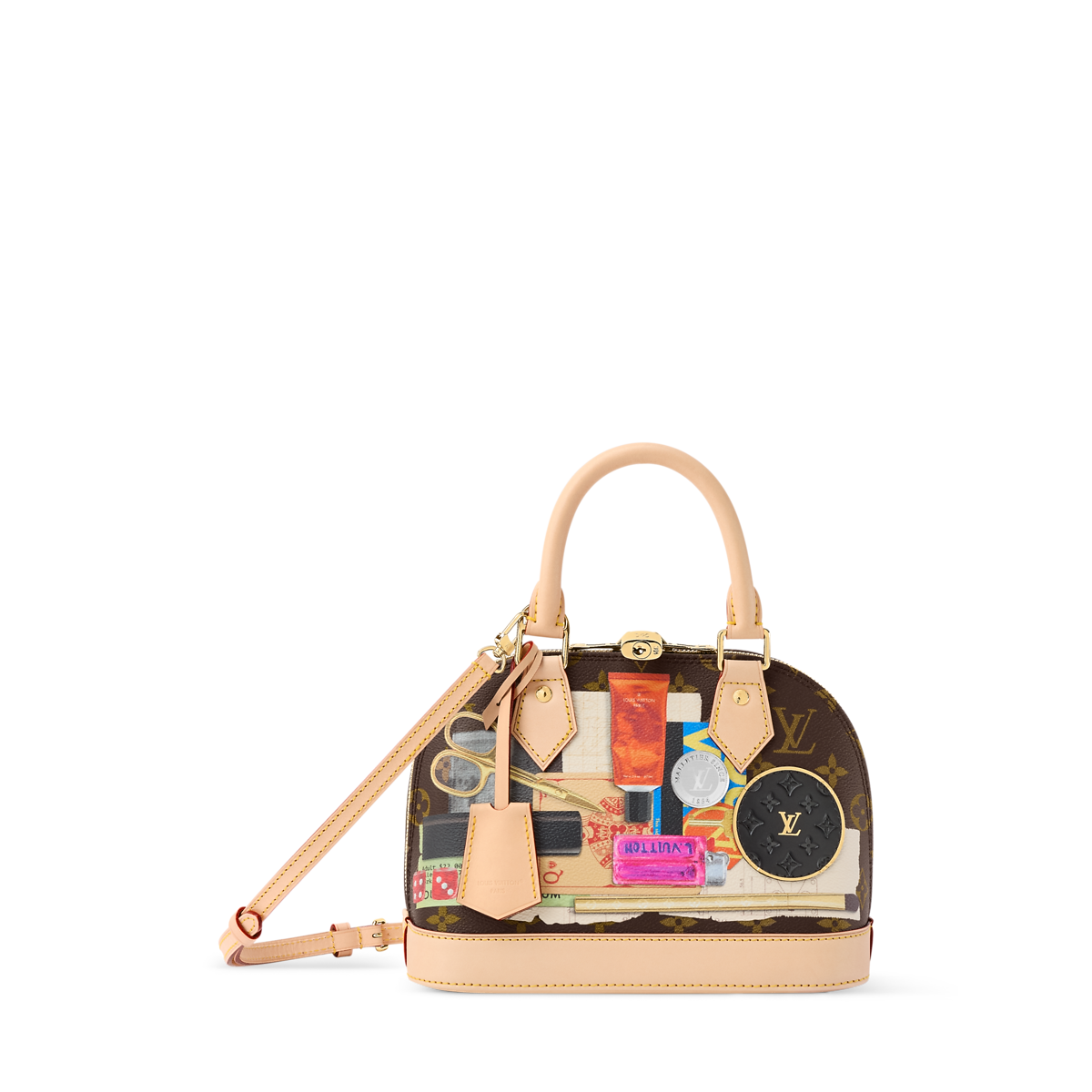
For the bags, I would start with the Noé because the origin story gives it a reason to be here. Speedy 20 would be my everyday choice; Keepall Bandoulière 45 makes sense if travel is the point; Alma BB is the more polished small-bag pick. I would pick the Noé first, though, because it feels like more than buying a monogram for its own sake.
How LVMH Took Shape
That merger story is the useful ownership history: LVMH was created in 1987 when Moët Hennessy merged with Louis Vuitton, and Bernard Arnault became the majority shareholder in 1989. LVMH's Fashion & Leather Goods portfolio also includes Christian Dior, Celine, Loewe, Fendi and Loro Piana, so Louis Vuitton shares a corporate parent with houses that have their own distinct signatures. That does not make the bags interchangeable; the point is that LVMH's business holds several separate Maisons.
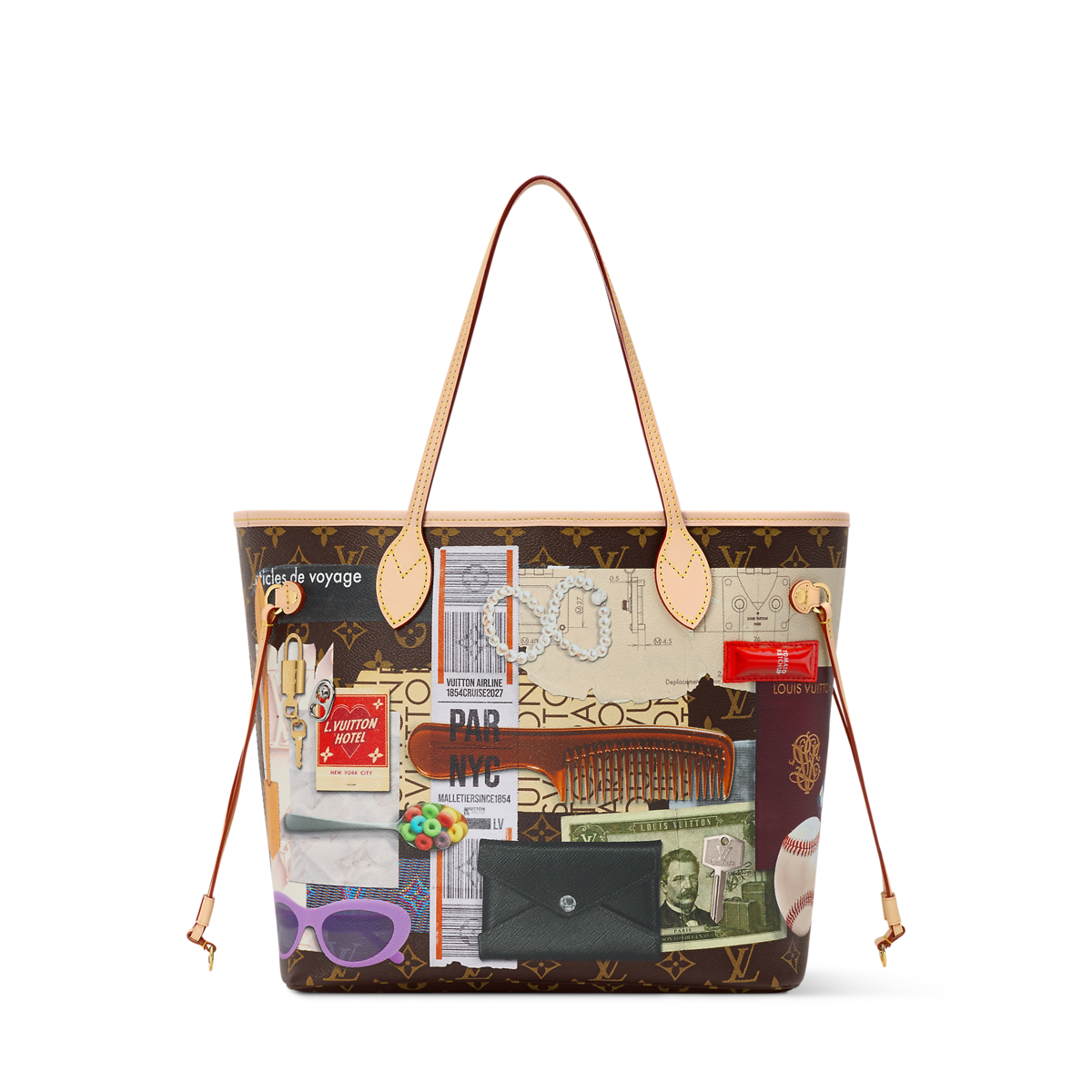
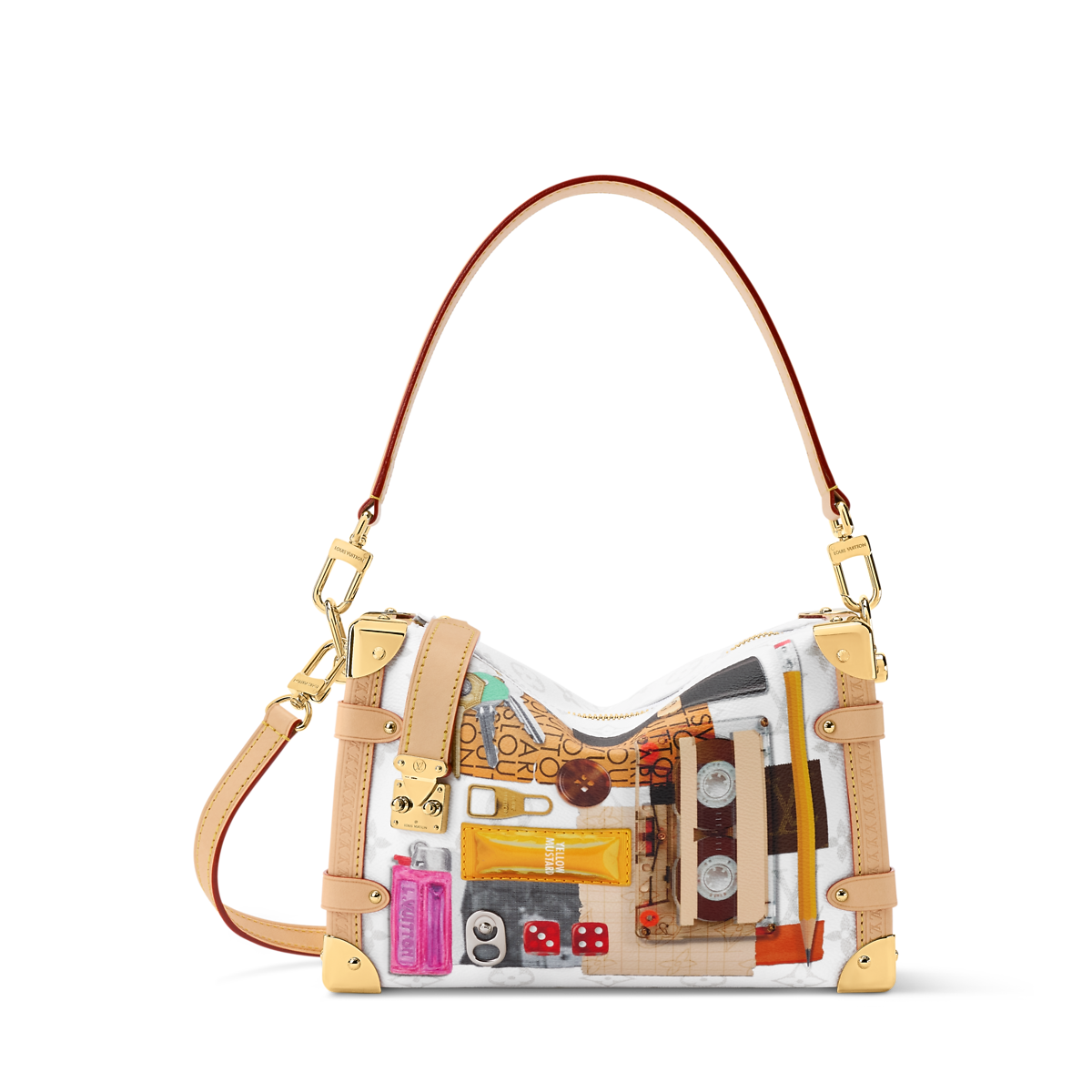
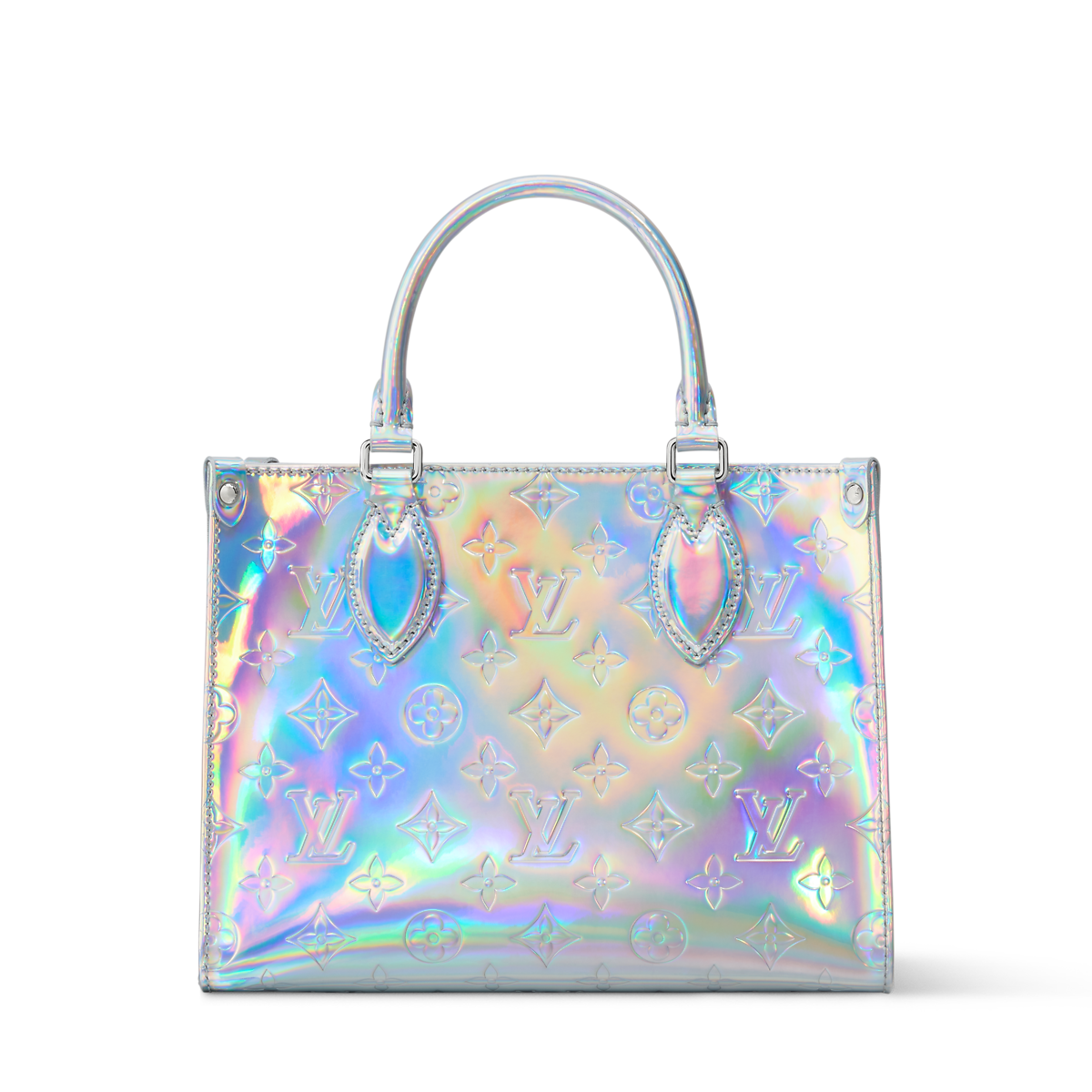
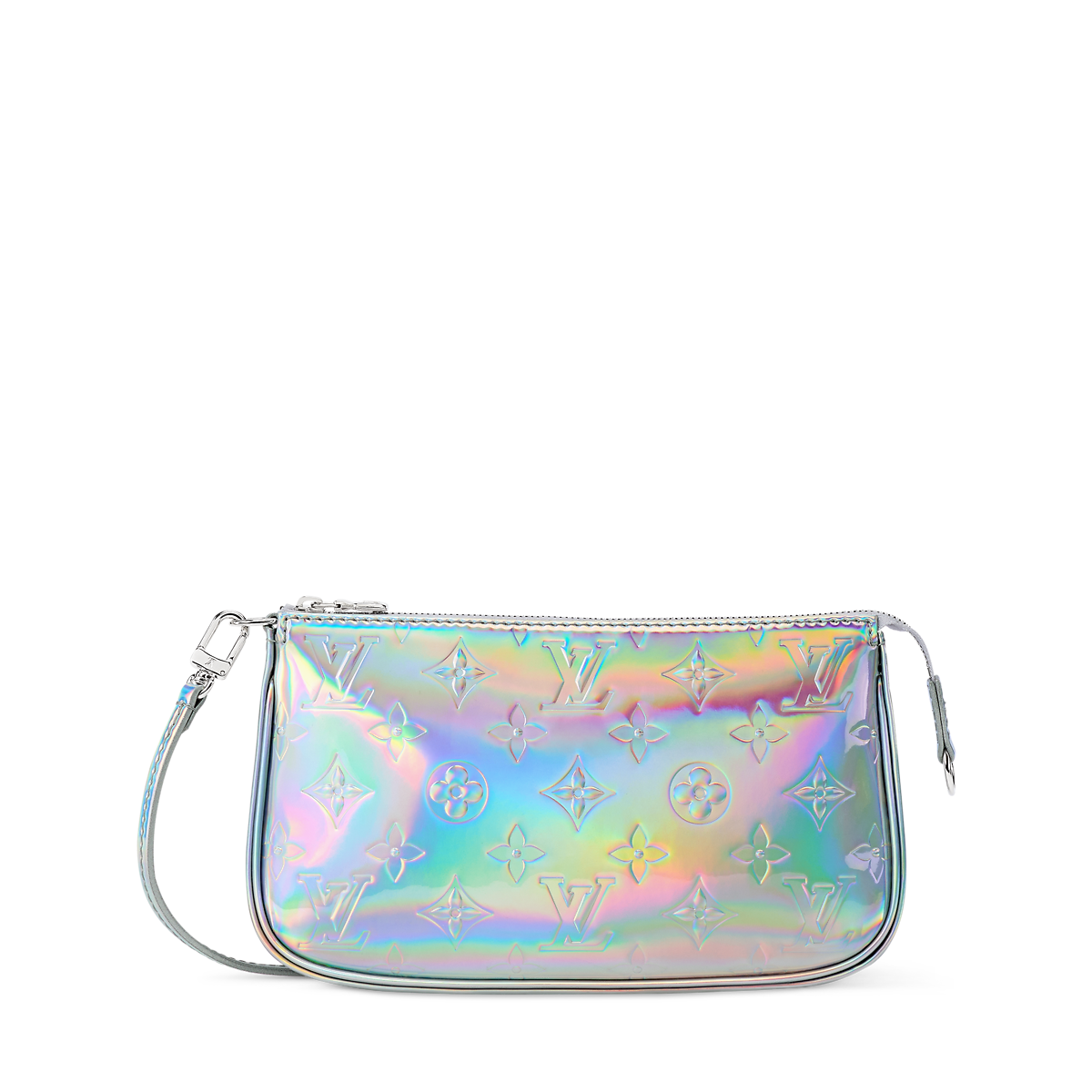
For a present-day Louis Vuitton buy, I would consider the Neverfull MM my practical starting point, the Side Trunk MM if I want a sharper outline, and OnTheGo PM for days when I want a different daily carry. Pochette Accessoires is my smaller, less formal pick. I would start with the Neverfull MM if I needed one daily bag, but I would skip it if I already own a roomy tote.
What I Would Buy First
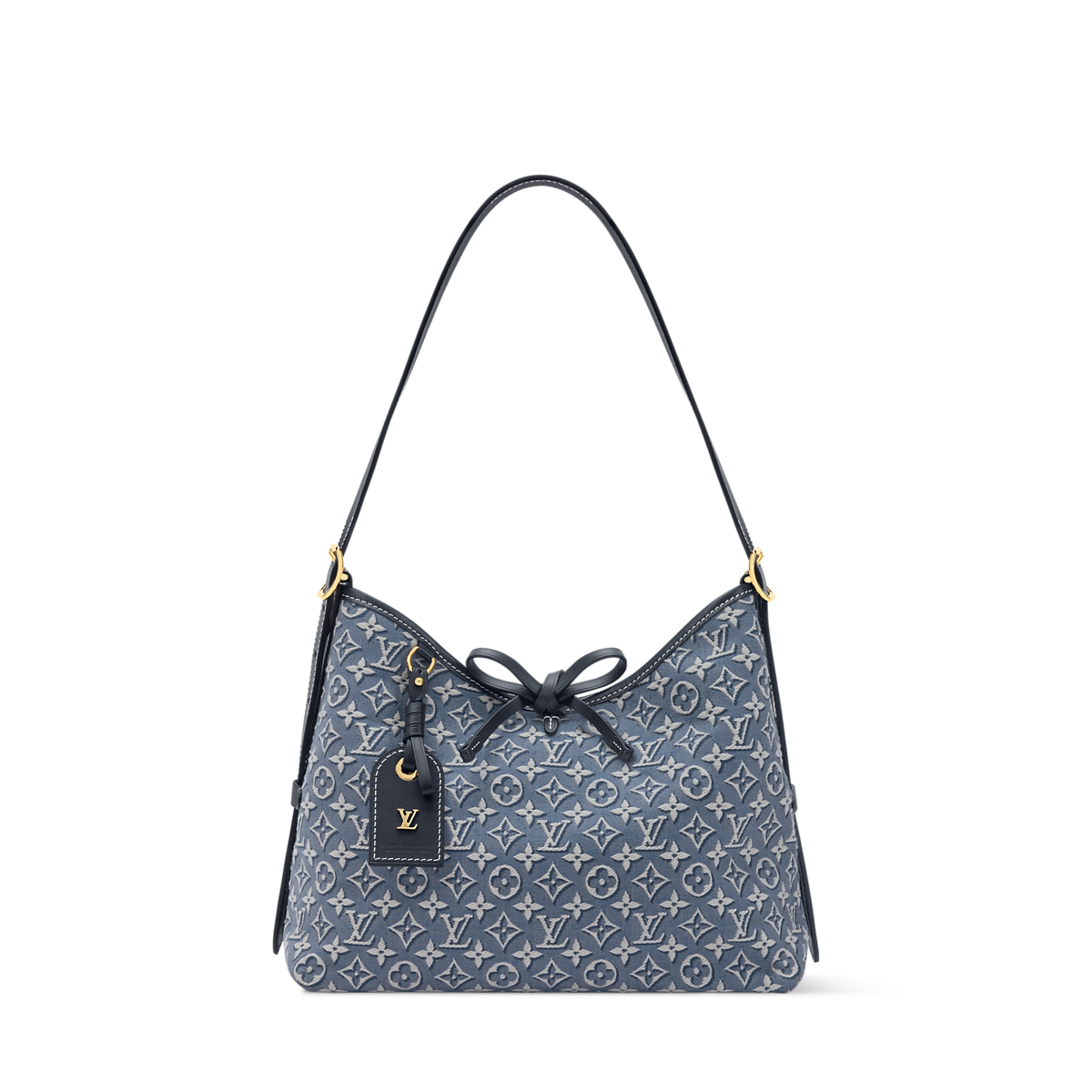
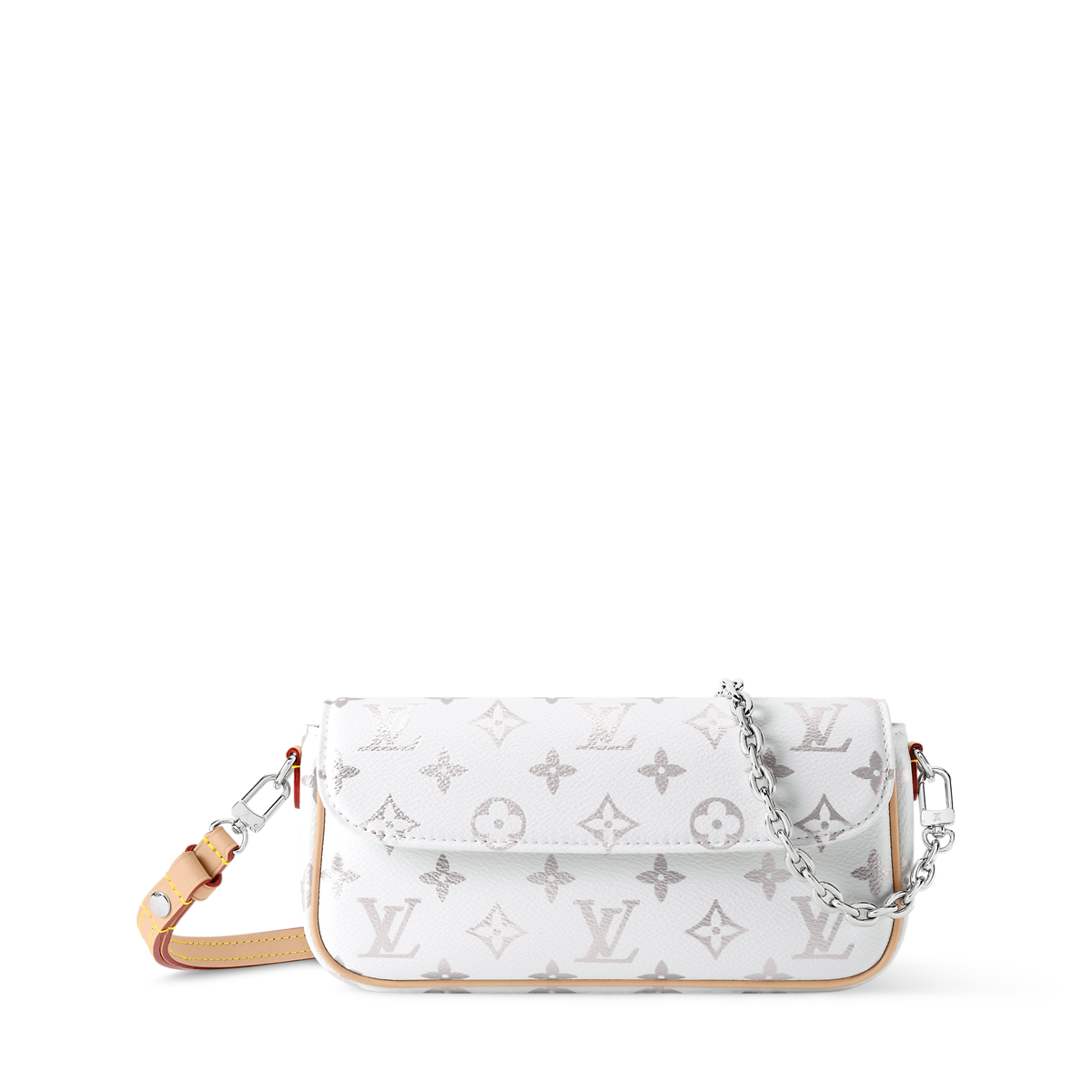
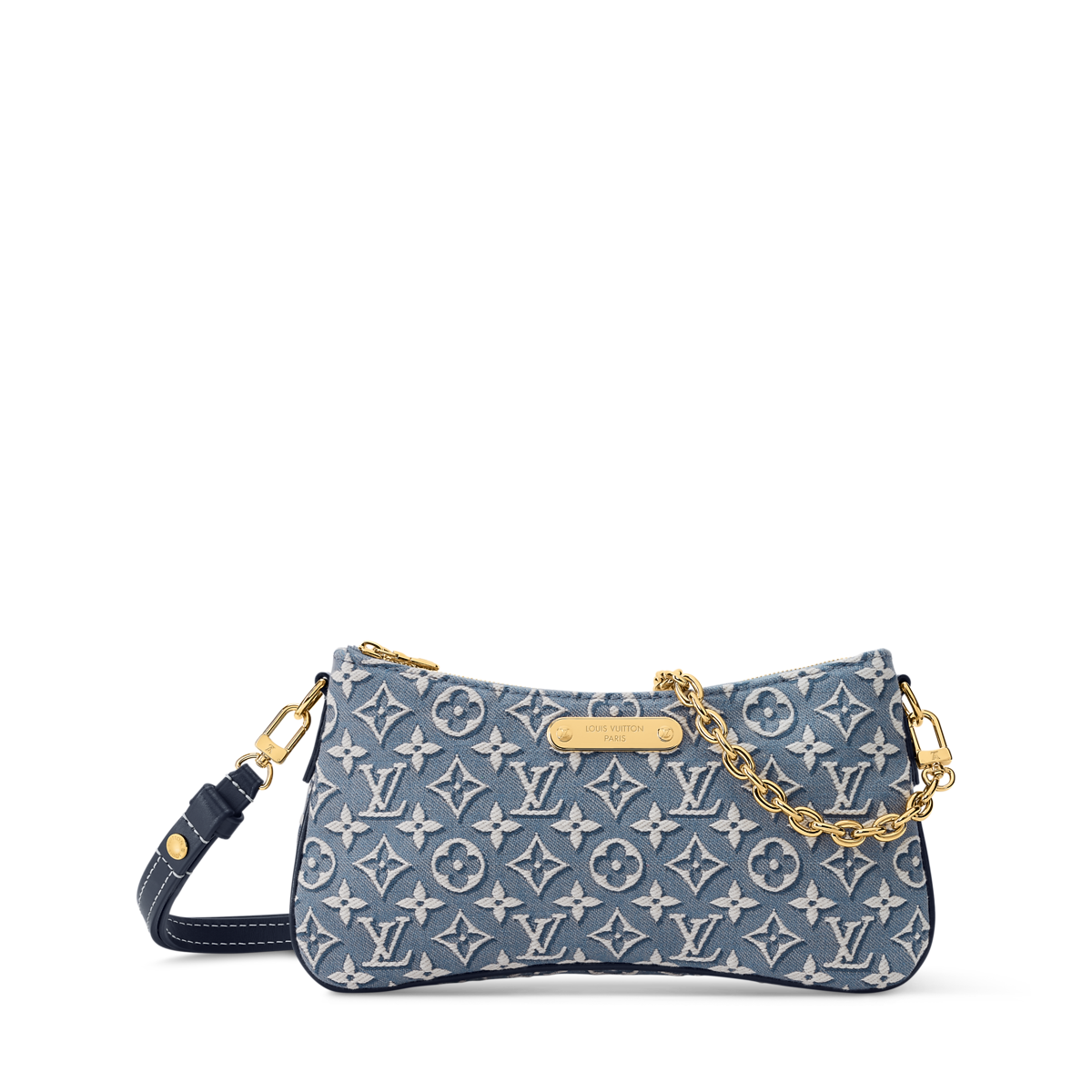
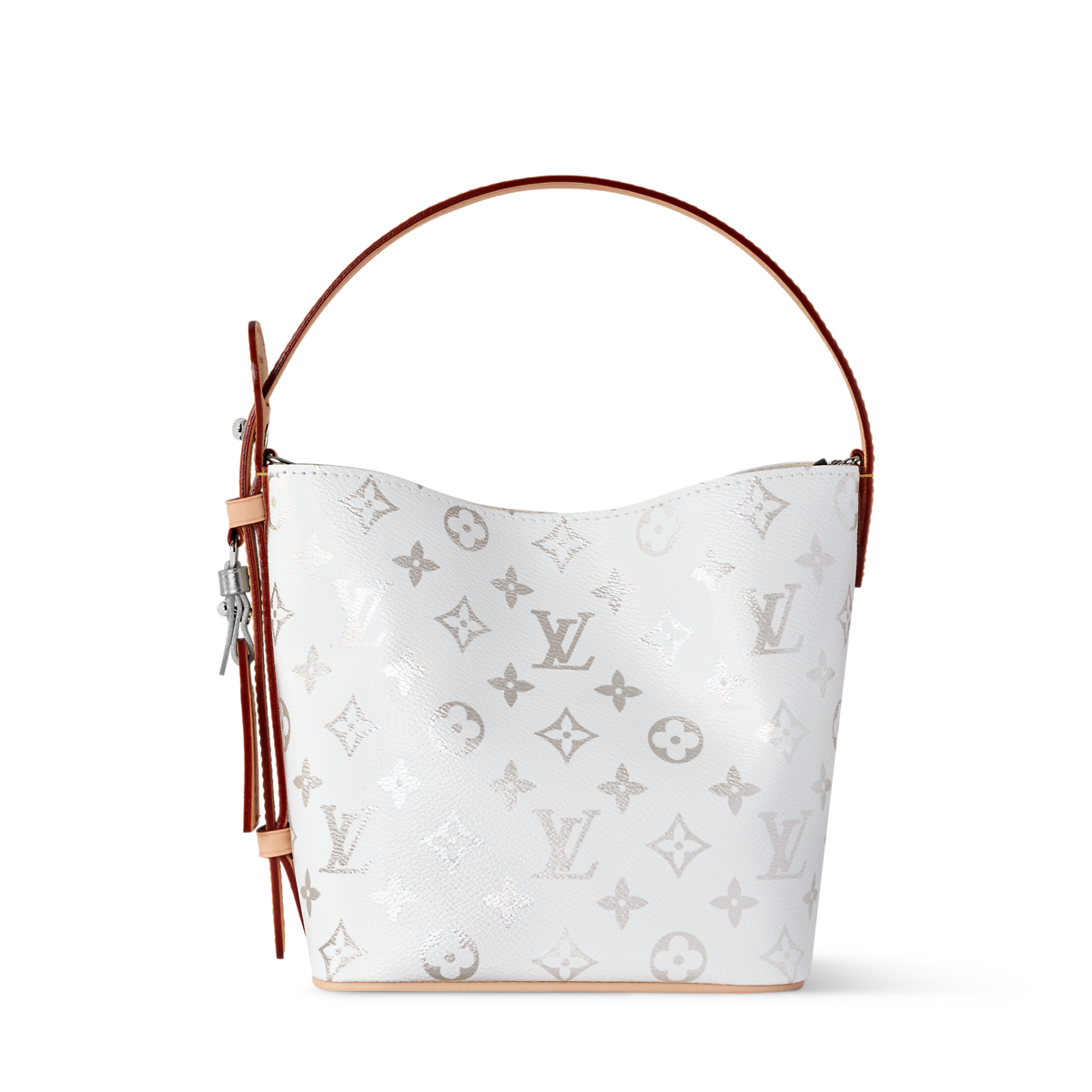
I would buy CarryAll PM first if I wanted a bag for daily errands; Wallet On Chain Ivy is the pick I would reserve for an evening when carrying less sounds appealing. Pochette Liv sits between the two in my mind, while All In BB is my playful compact option. These are personal filters, not an argument that every customer needs a new bag.
What I would skip is a second version of a silhouette already doing the same job in my closet. LVMH's portfolio can make the label feel like a whole universe, but I would not pay a premium just for a logo or a familiar name; I would choose the piece whose proportions and carrying routine fit my week. Of these four, I would begin with CarryAll PM for actual use and Wallet On Chain Ivy only if I have a specific reason for a very small bag. LVMH owns the Maison, and the best first buy is still the one you will reach for.