MAC Cosmetics belongs to publicly traded Estée Lauder Companies, which took a majority stake in 1994 and completed its acquisition in 1998.
Who Owns MAC Cosmetics? Estée Lauder Owns the Brand
The Parent Company
MAC Cosmetics is owned by The Estée Lauder Companies, a publicly traded company on the New York Stock Exchange; ELC began its stake in 1994 and completed the acquisition in 1998. That is the answer to who owns MAC Cosmetics today, and it makes the MAC Cosmetics parent company ELC rather than a separate public cosmetics business.
The ownership story took more than one step: ELC bought a majority interest first, added equity later, and completed the remaining purchase in 1998. Its stock trades as EL on the NYSE. The broader ELC roster includes Clinique, Bobbi Brown Cosmetics, Aveda, Jo Malone London, and Too Faced, so MAC sits in a portfolio rather than standing alone.
MAC itself was created in Toronto in 1984 and now says its products are sold in over 120 countries. The label's parent changed, but the original point of view was professional artistry and color. I like this answer because it separates the founder story from the ownership story: an independent Toronto makeup line became part of a public beauty company, but the brand's name still tells you what it thought makeup was for.
A Camera Ready Beginning
The people who founded MAC Cosmetics were Frank Angelo, a beauty salon owner, and Frank Toskan, a photographer; they started the brand in Toronto in 1984 after becoming frustrated that makeup did not read well in photographs. They made early products in their kitchens and sold them to professionals, and black pots rather than compacts became a recognizable early package. It is a practical origin story, less glamour than lighting problem.
People asking who makes MAC Cosmetics often mean who set the brand in motion: Toskan and Angelo founded it, while ELC is the corporate parent today. Toskan later recalled that the first product was a non-reflective matte lipstick made to look on the lips as it did in the tube, then brushes, lipsticks and powders followed for makeup artists.
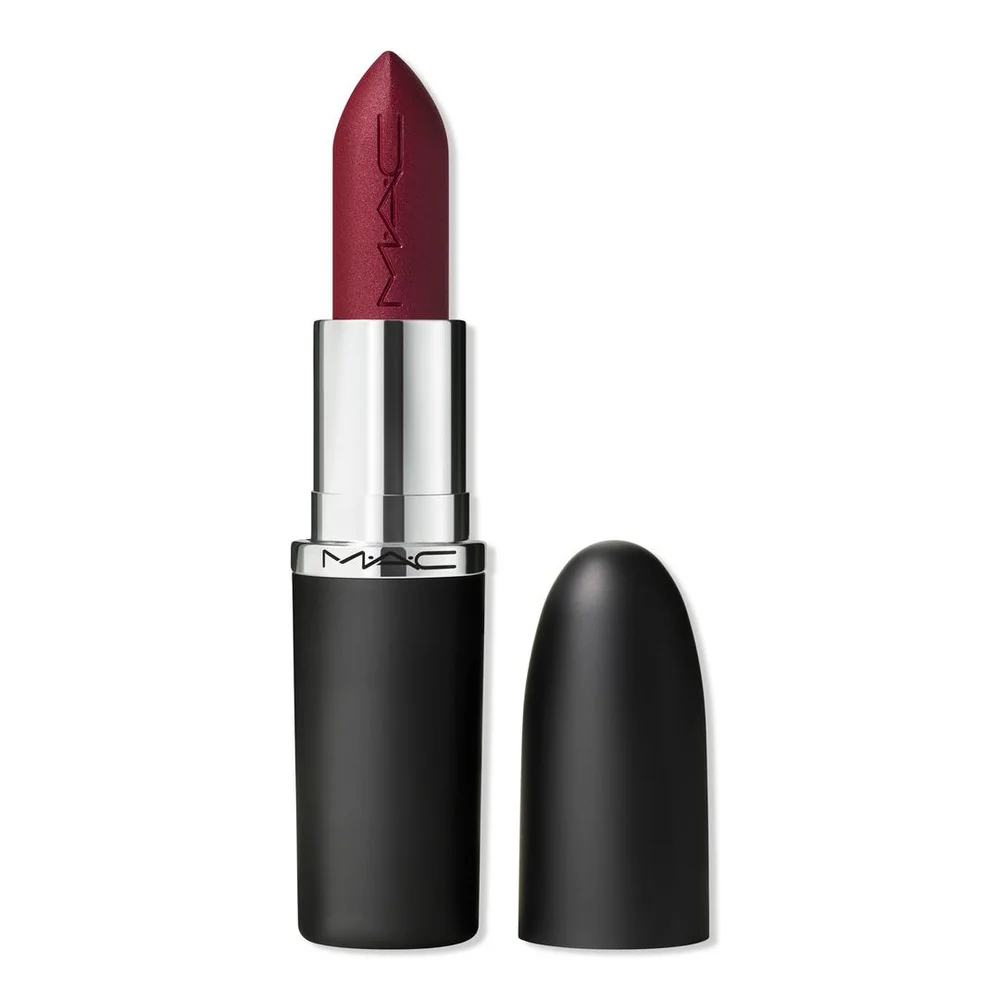
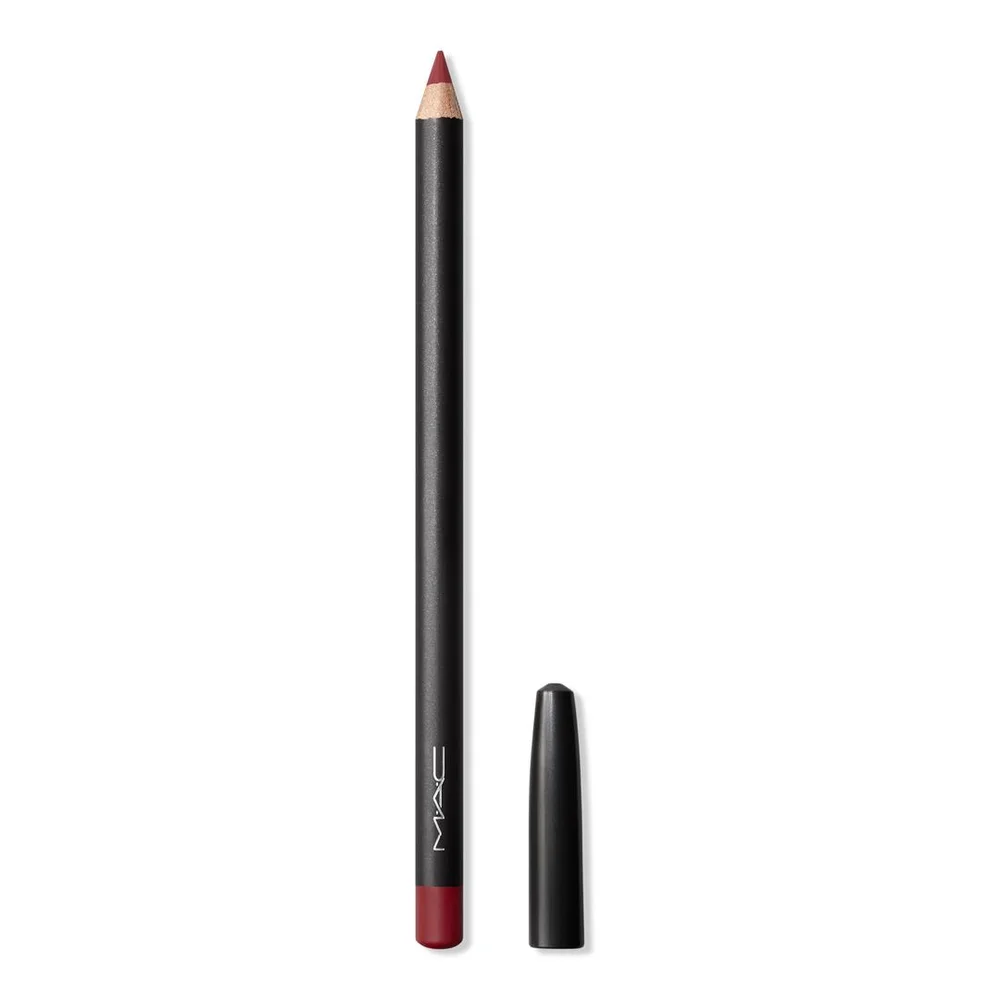
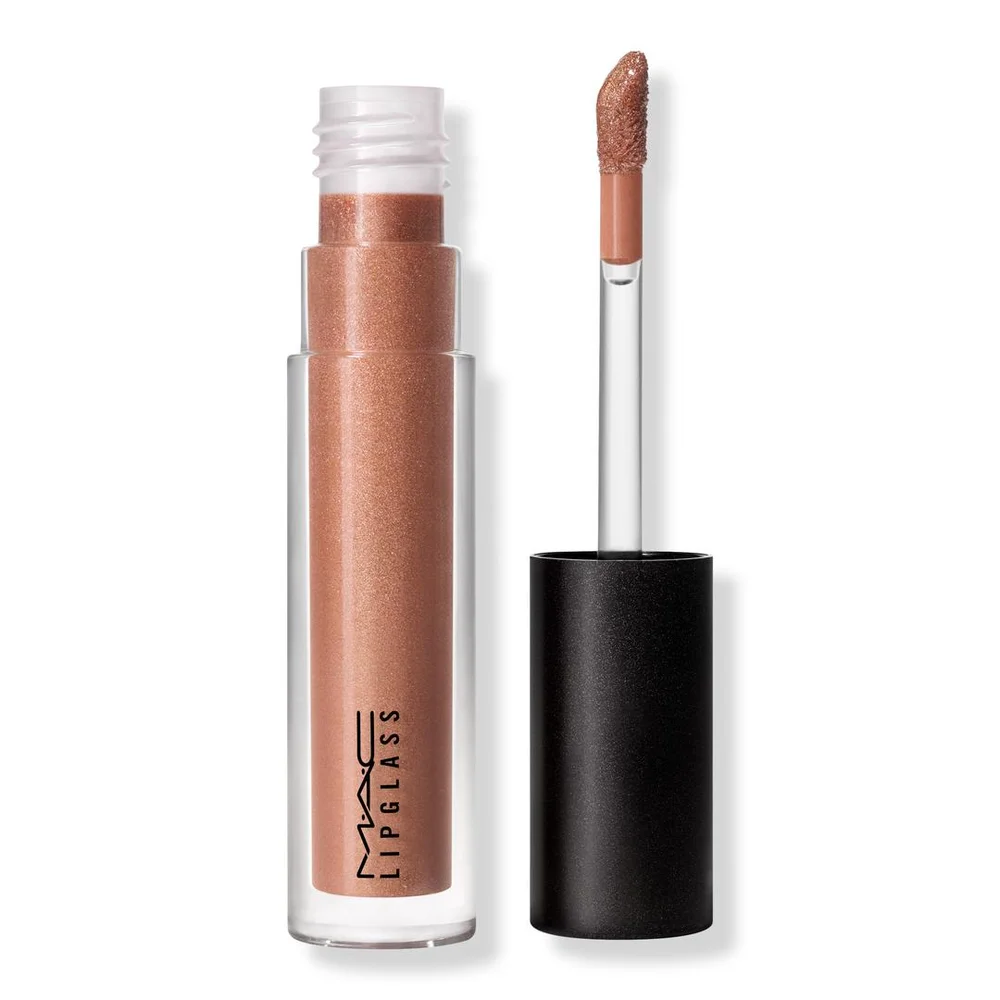
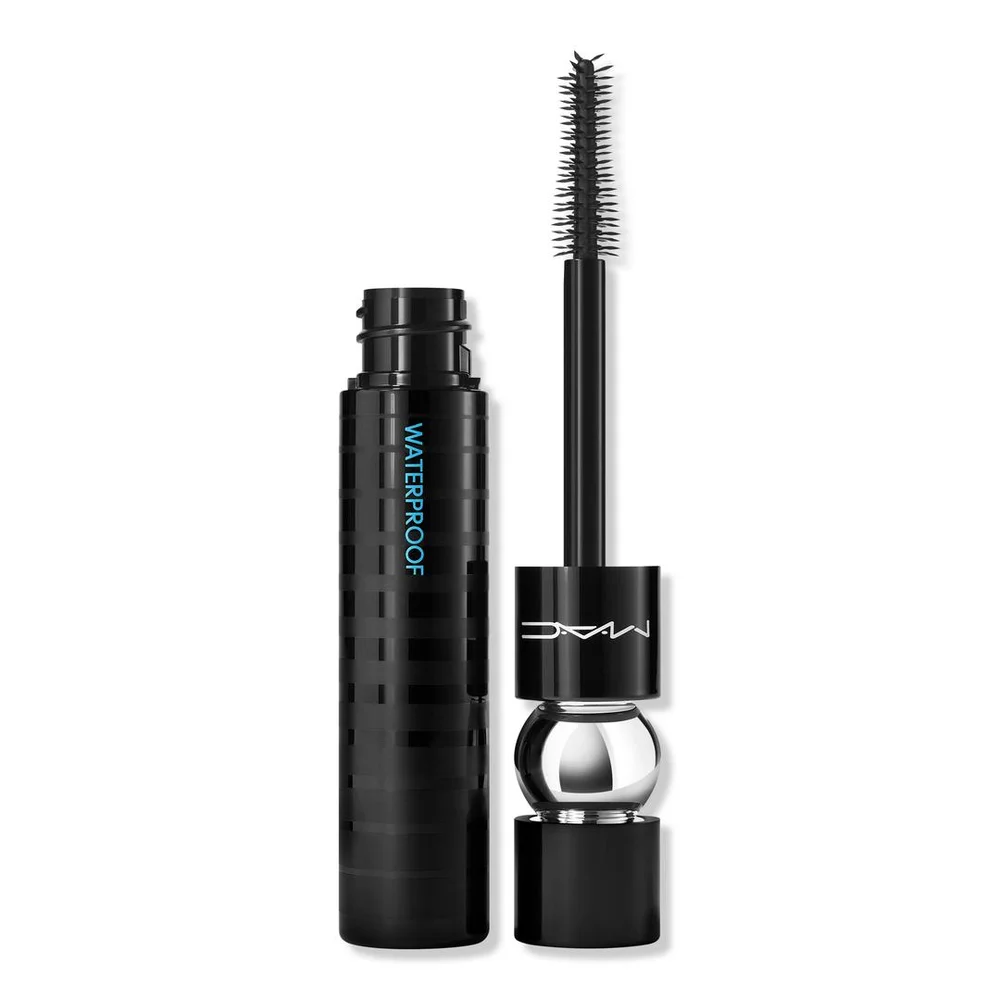
That makes M·A·Cximal Silky Matte Lipstick my first choice from the current assortment; it picks up that matte lip thread without needing the backstory to sell it. Lip Liner Pencil is the edge, Lipglass High Shine Lip Gloss is the shine option, and MACStack Waterproof Mascara keeps the first four picks from being a lipstick-only exercise. I would begin with one lip color.
From Stake to Full Ownership
ELC's ownership did not arrive all at once: it acquired a majority interest in 1994, bought more equity in 1997, and completed the remaining acquisition in 1998. In Frank Toskan's later account, the founders turned to Estée Lauder when they could no longer meet global demand on their own, and the larger company already had distribution vehicles for international expansion. That is the concrete change in the story; I would not infer a formula change from an ownership change alone.
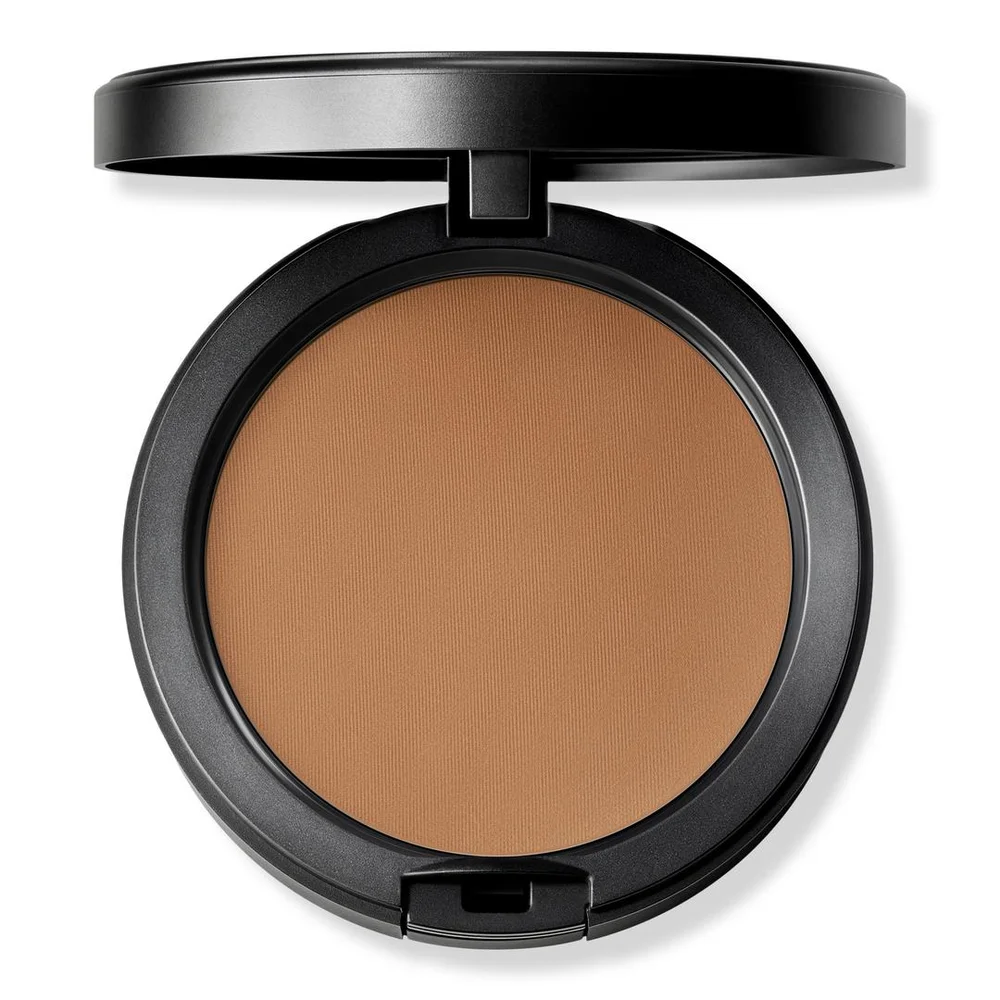
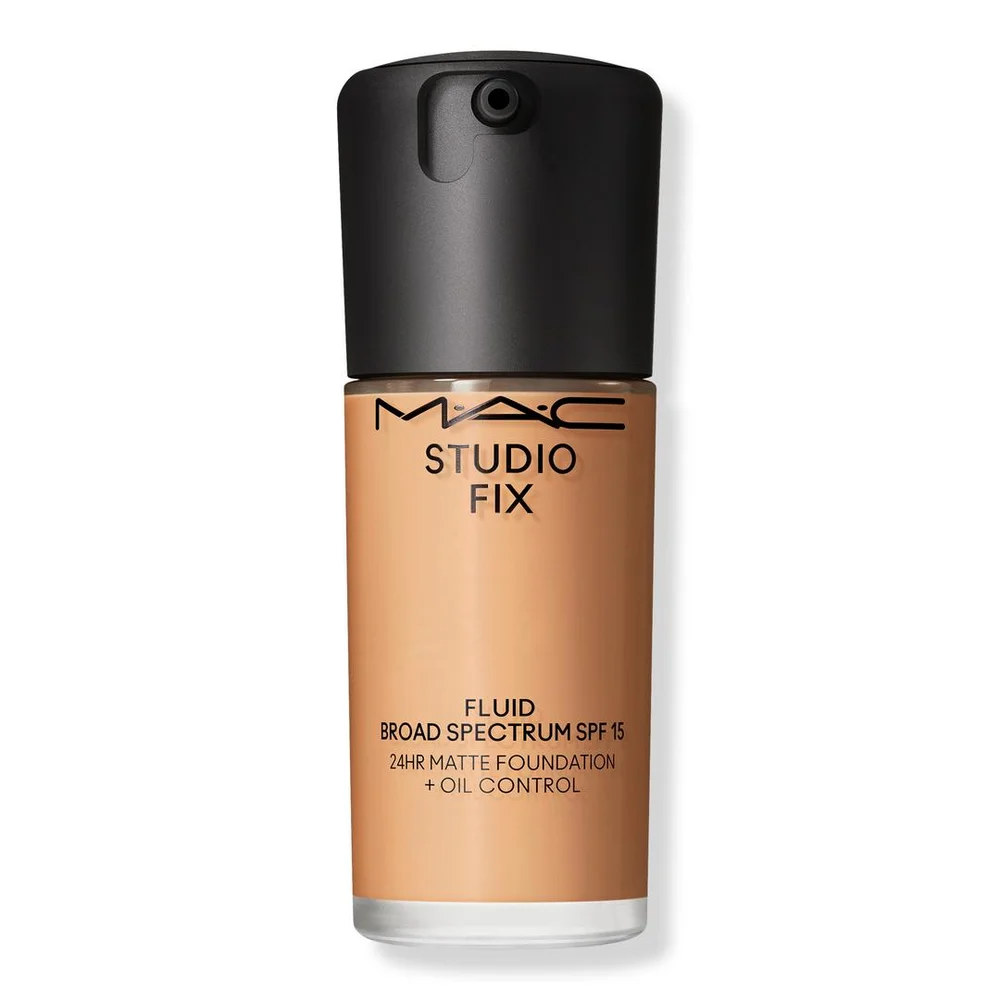
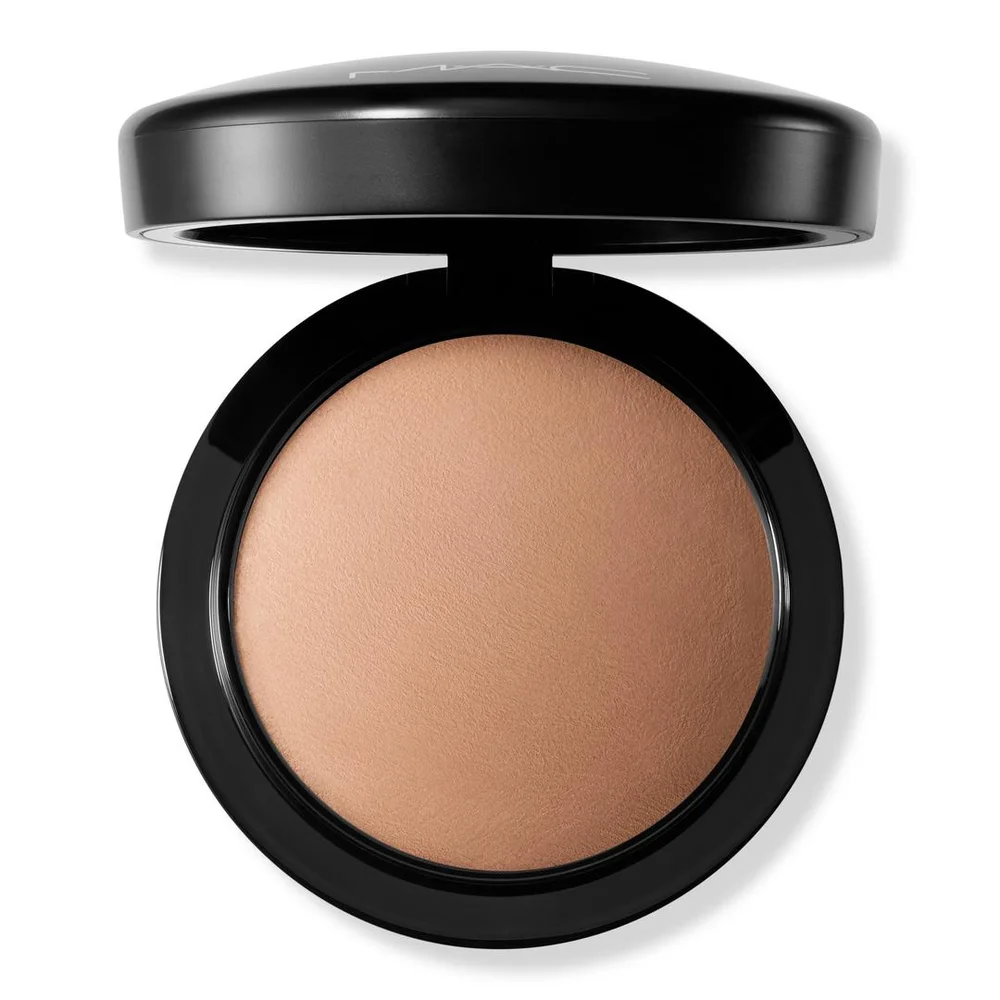
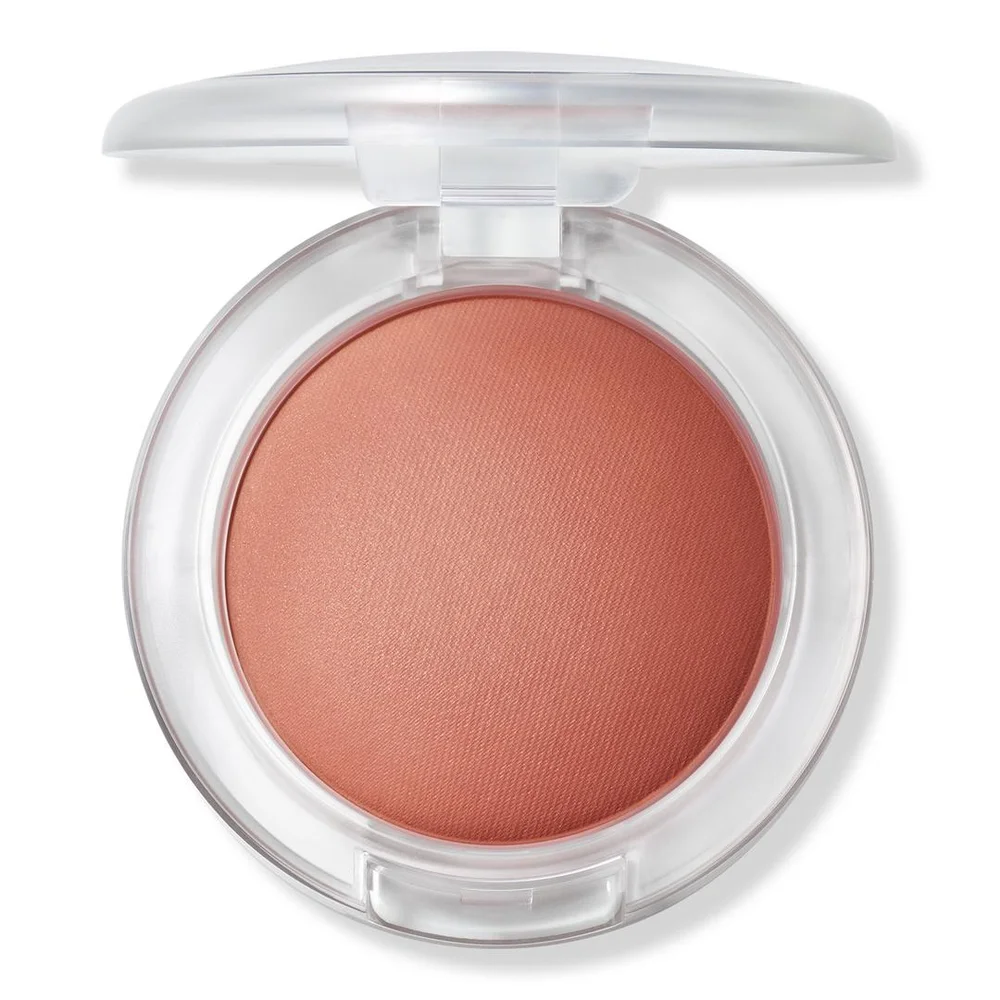
Today, Studio Fix Powder Plus Foundation is the powder base I would consider when I want one item to do foundation and setting-powder work. Studio Fix Fluid SPF 15 24HR Matte Foundation + Oil Control is the liquid option, while Mineralize Skinfinish Natural Face Powder is a separate finishing step and Glow Play Cushiony Blush is the cheek-color pick. These are sensible examples of the core face categories MAC sells; I would choose a single base first rather than layering every complexion formula in sight.
ELC also houses brands with very different identities, including Bobbi Brown, Clinique and Aveda. I like that MAC's story remains its own even when the balance sheet lives inside a bigger portfolio.
My First Buys
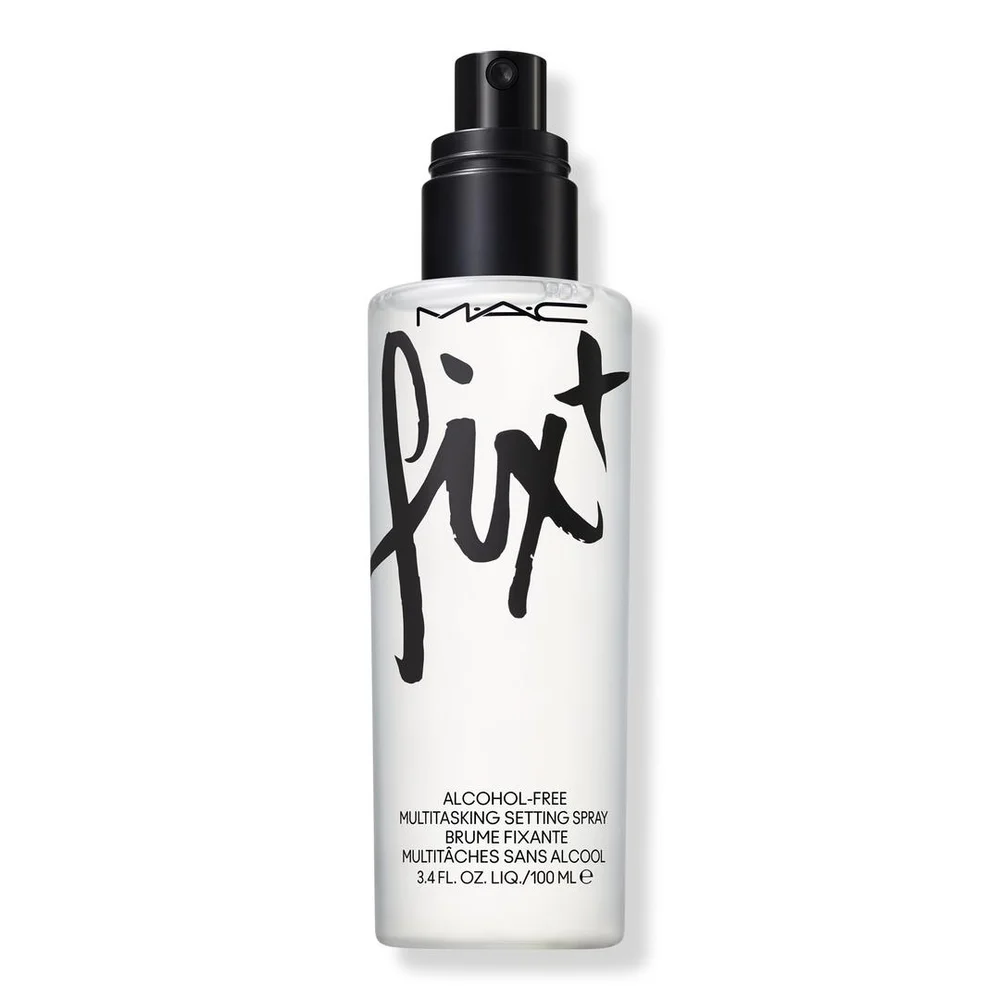
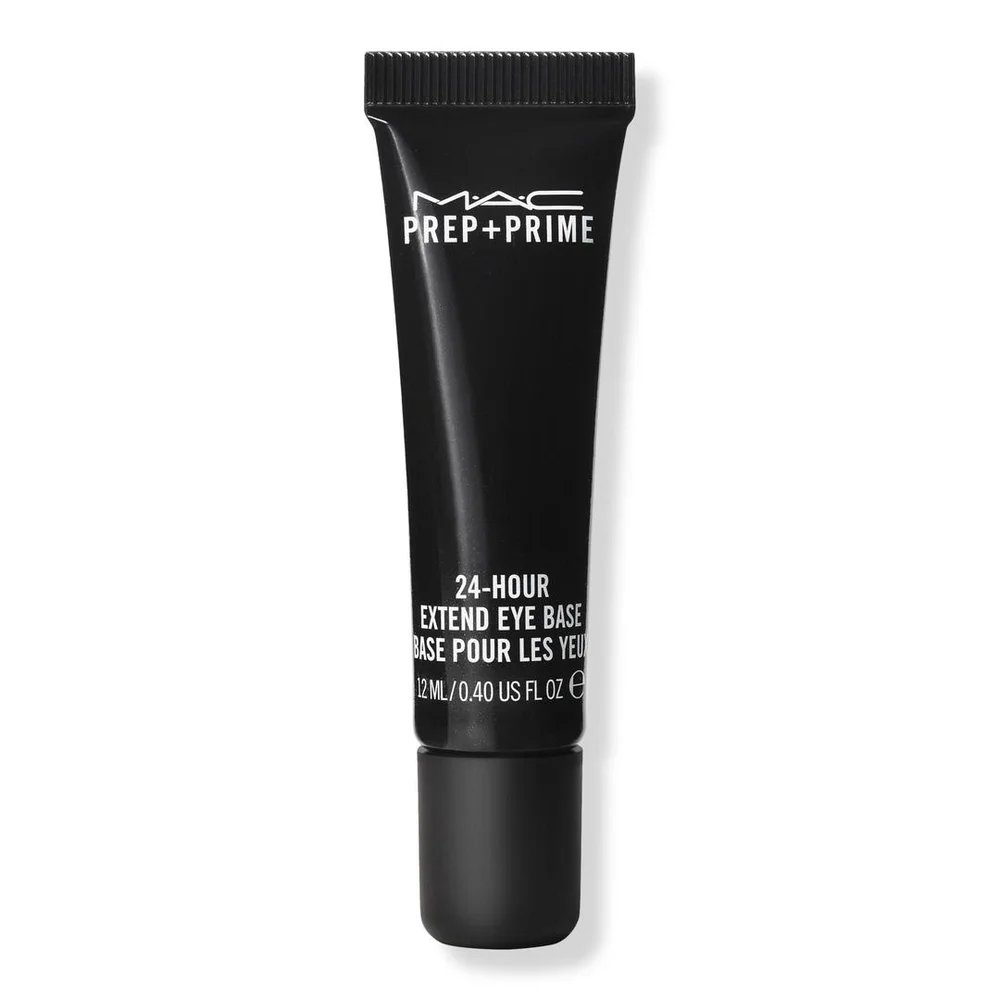
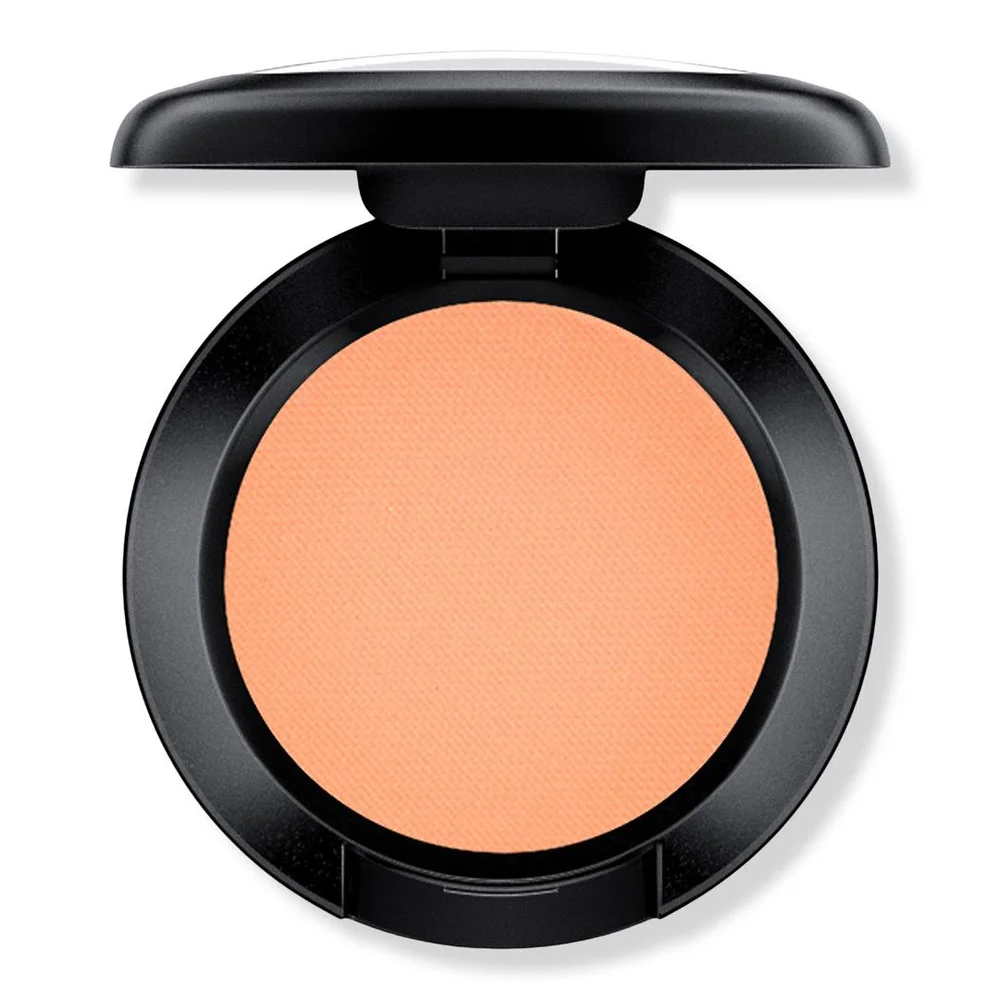
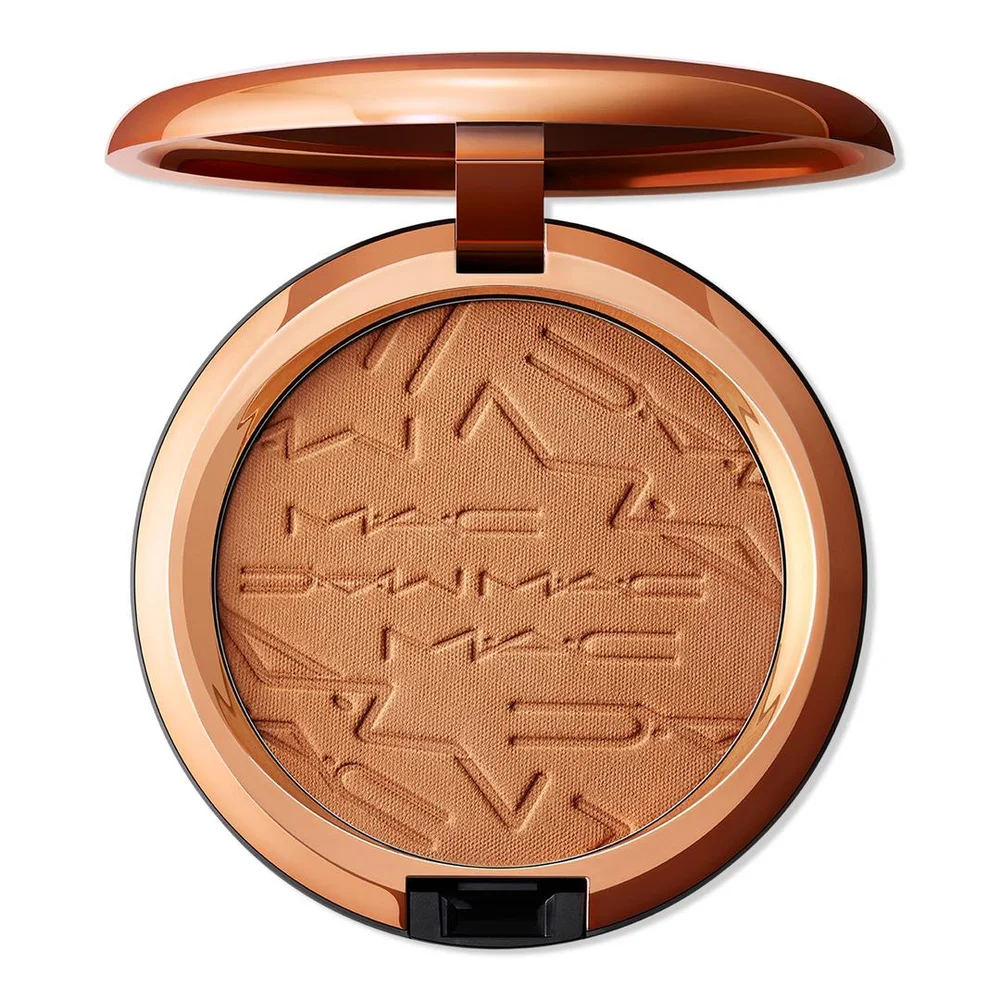
My buying order is modest: start with a reliable base or lipstick, then add the finishing steps you know you use. Fix+ is the one I would choose first among sprays because Ulta describes it as hydrating, priming, refreshing and setting makeup; that is a lot of jobs for one bottle. Prep + Prime 24-Hour Extend Eye Base gives eyeshadow a primer step, Matte Eyeshadow is the color, and Skinfinish Sunstruck Matte Bronzer Powder is the optional warmth step. I like a short routine that leaves room for one deliberate color choice.
What I would skip is buying several complexion products before deciding whether I prefer powder or liquid. MAC's own story describes a brand rooted in artistry and self-expression, but that does not make every category a personal need. If I were choosing one thing first, I would pick the product that solves a real morning annoyance, then leave the rest until it earns space.