Patagonia is privately held by the Patagonia Purpose Trust and Holdfast Collective, a 2022 structure. Here is how it works and what I would buy.

Who Owns Patagonia? The Trust and Collective Behind the Brand
The Owner Today
Patagonia is privately held: since September 2022, Holdfast Collective has owned 98% of the company's nonvoting stock, while Patagonia Purpose Trust holds its 2% voting stake. The useful answer to who owns Patagonia is that economics and control have been split. Holdfast receives dividends from profits left after reinvestment; the Trust can approve board membership and changes to the company charter. Patagonia remains a for-profit business, a certified B Corp and California benefit corporation, not a nonprofit. Its 1% of sales pledge to grassroots environmental nonprofits is part of the charter, too.
The Patagonia parent company question has an unusual answer: two purpose entities hold the stock, rather than a single apparel conglomerate. If by who makes Patagonia you mean the factories, the company says it owns none of the factories that make its products, so the owners are not the same thing as the sewing floor. The 2022 choice was purpose instead of a sale or public market debut, and I like that the distinction makes the ownership story unusually legible. Patagonia explains the split here.
Climbing Gear Became Clothing
Yvon Chouinard founded Patagonia in 1973 after a life in climbing and a first business in steel pitons. He made those pitons by hand, then partnered with Tom Frost; a Scottish rugby shirt bought for climbing in 1970 had a collar that kept gear slings from scraping his neck. By 1972, the company was selling clothing alongside its climbing hardware. I like that origin because the apparel began by solving a practical annoyance, not chasing a trend. The company's own history follows that turn from pitons to apparel.
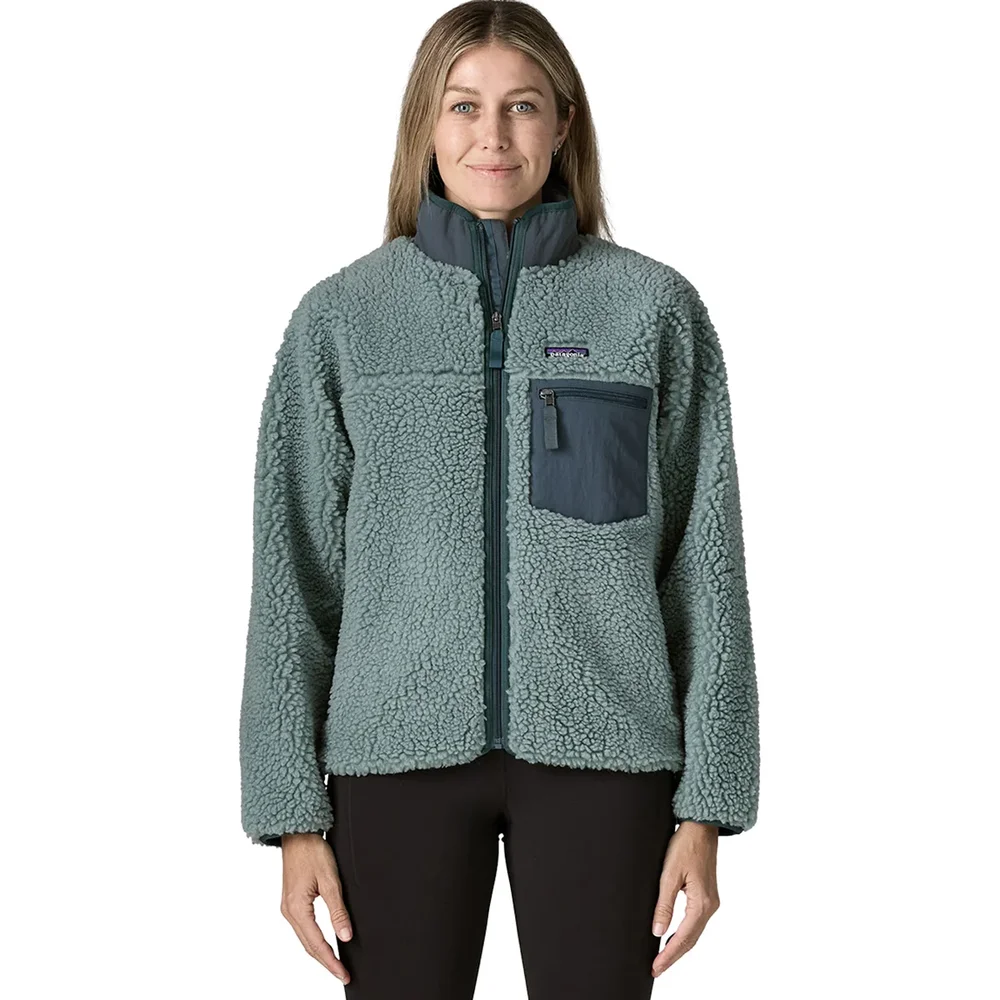
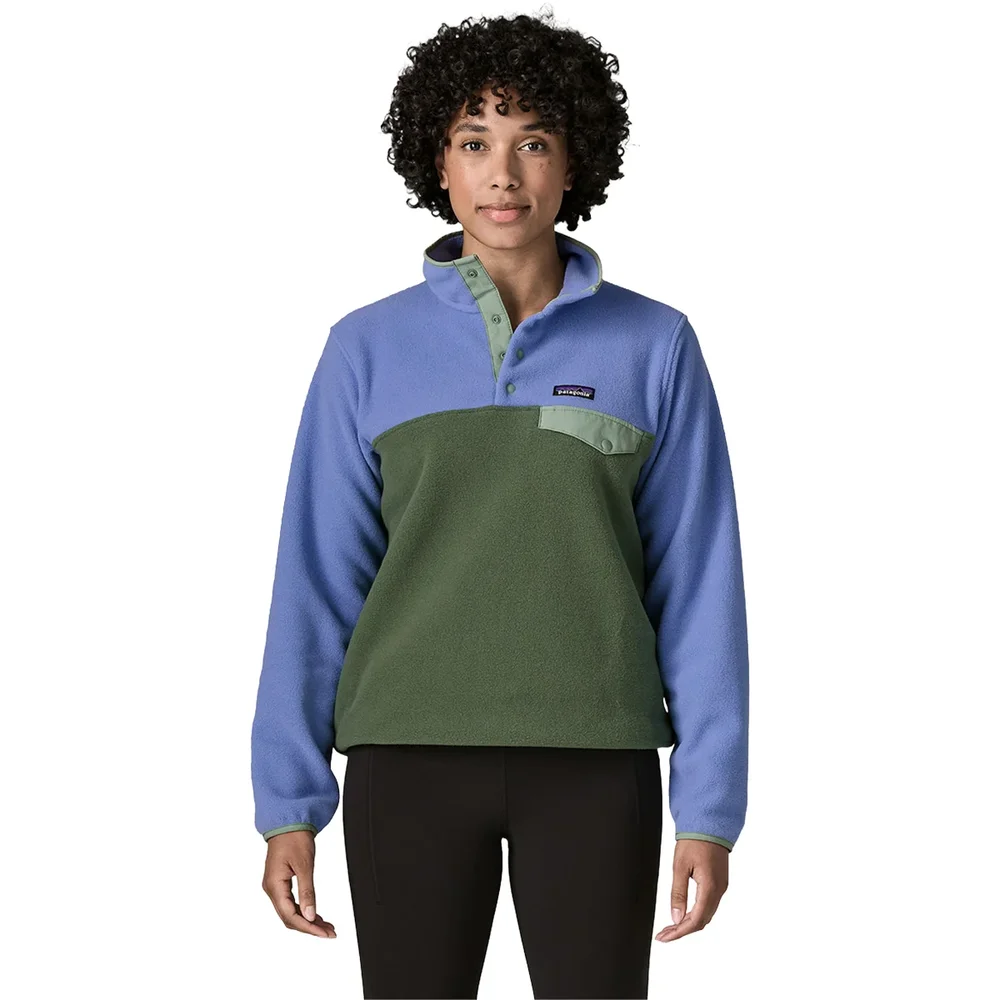
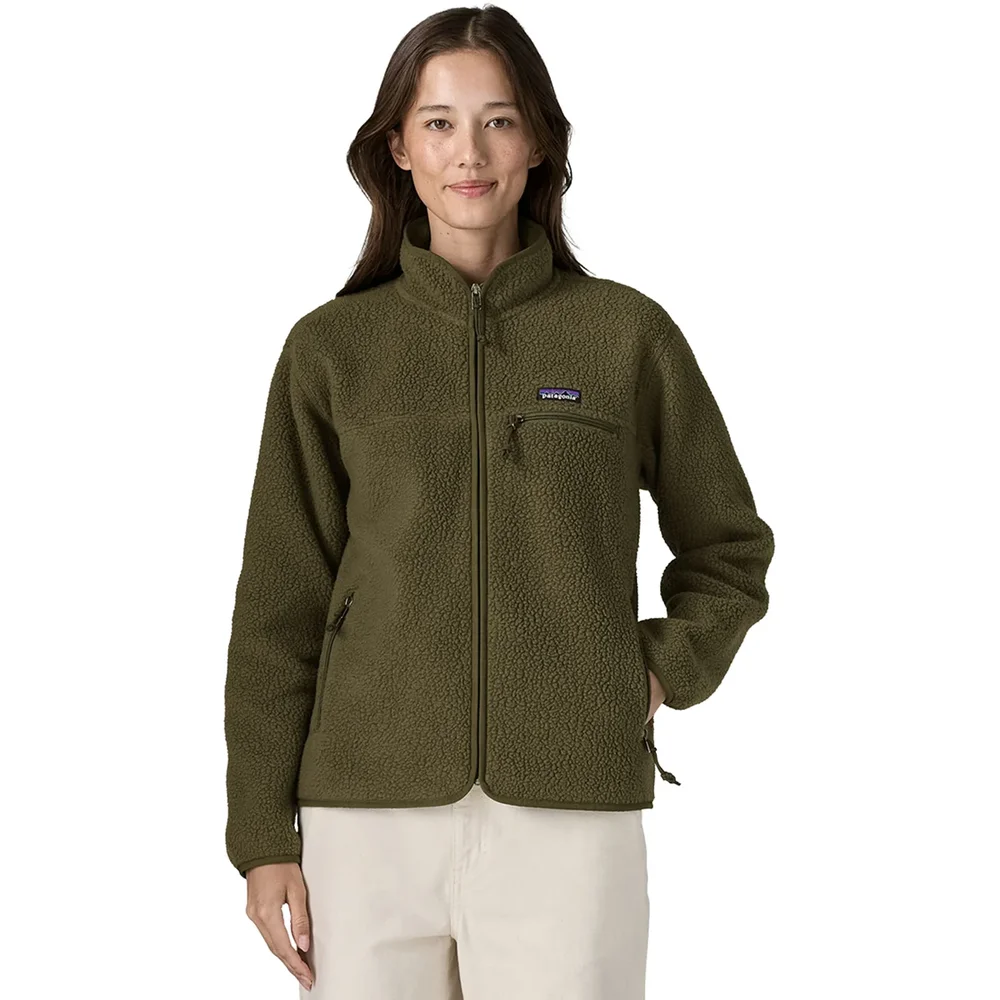
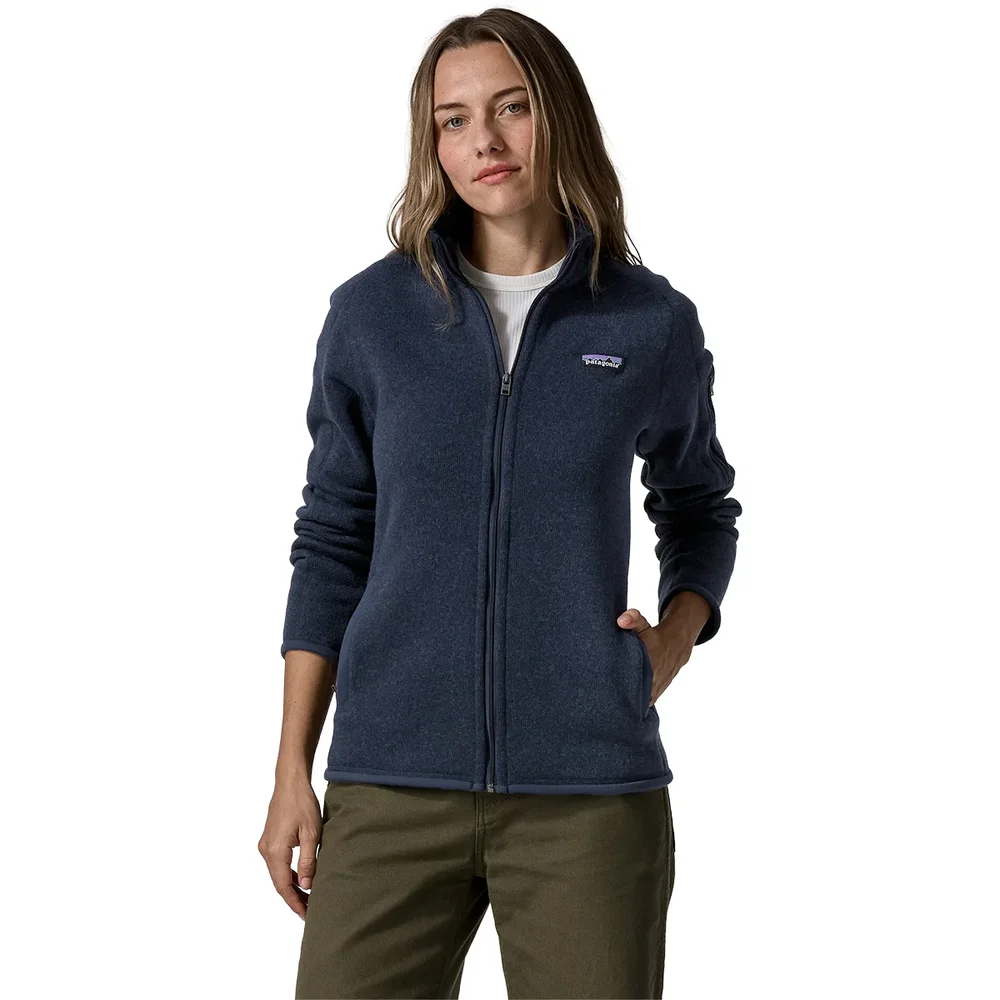
The Classic Retro-X Jacket keeps the wind-blocking pile fleece idea straightforward, with a recycled body and a relaxed length for layering. The Synchilla Lightweight Snap-T Fleece Pullover has a snap placket and chest pocket for small essentials. Retro Pile Fleece Jacket is the plush option, with double-sided fleece and zippered pockets. Better Sweater Jacket is neater under a shell, with a slim cut, sweater-like knit face and five pockets.
What the Transfer Changed
The September 2022 move was not a conventional acquisition: Patagonia chose purpose instead of a sale or public market debut. Voting shares went to Patagonia Purpose Trust, which protects the company's values, while Holdfast Collective received the nonvoting shares and dividends. Patagonia stayed for-profit, with Ryan Gellert and the leadership team continuing to run the business under the board's direction. The company describes the Trust's role as added stewardship. I would read the shift as a new destination for excess profits and a safeguard for the charter, not as evidence that every fabric or design changed overnight.
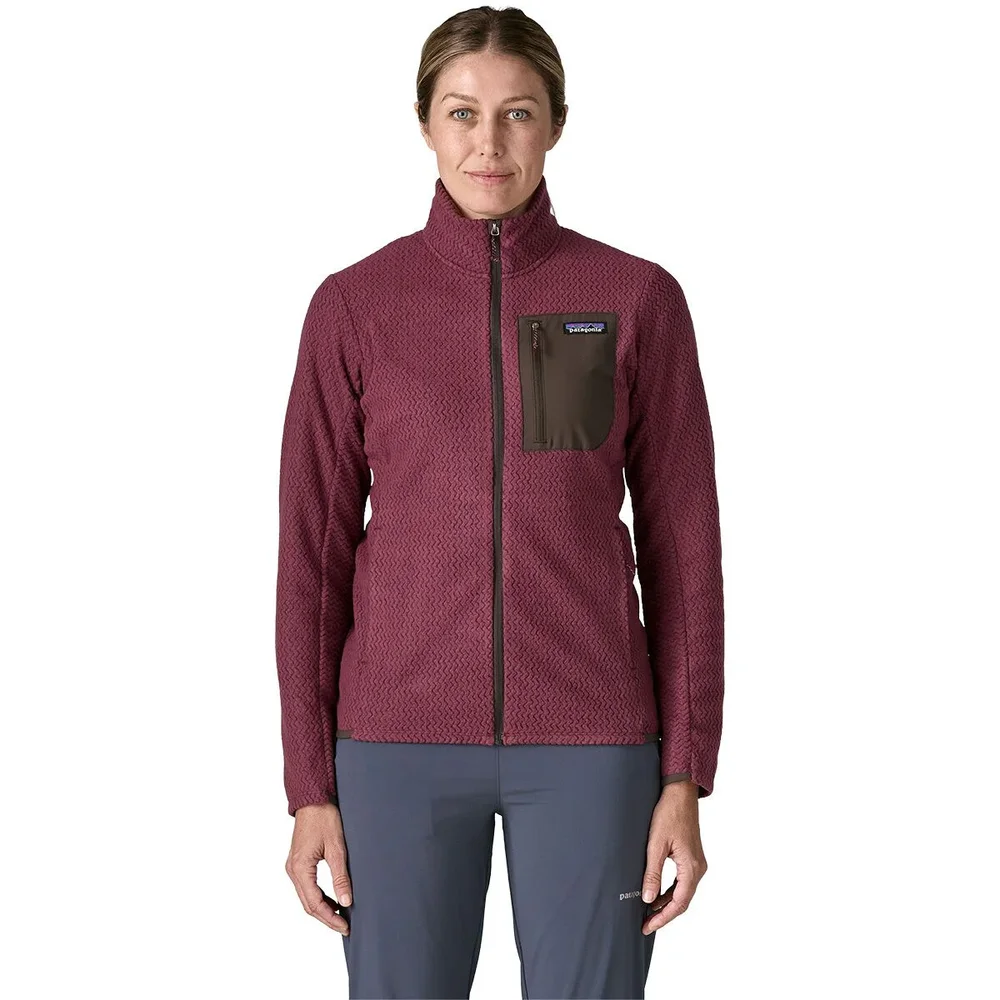
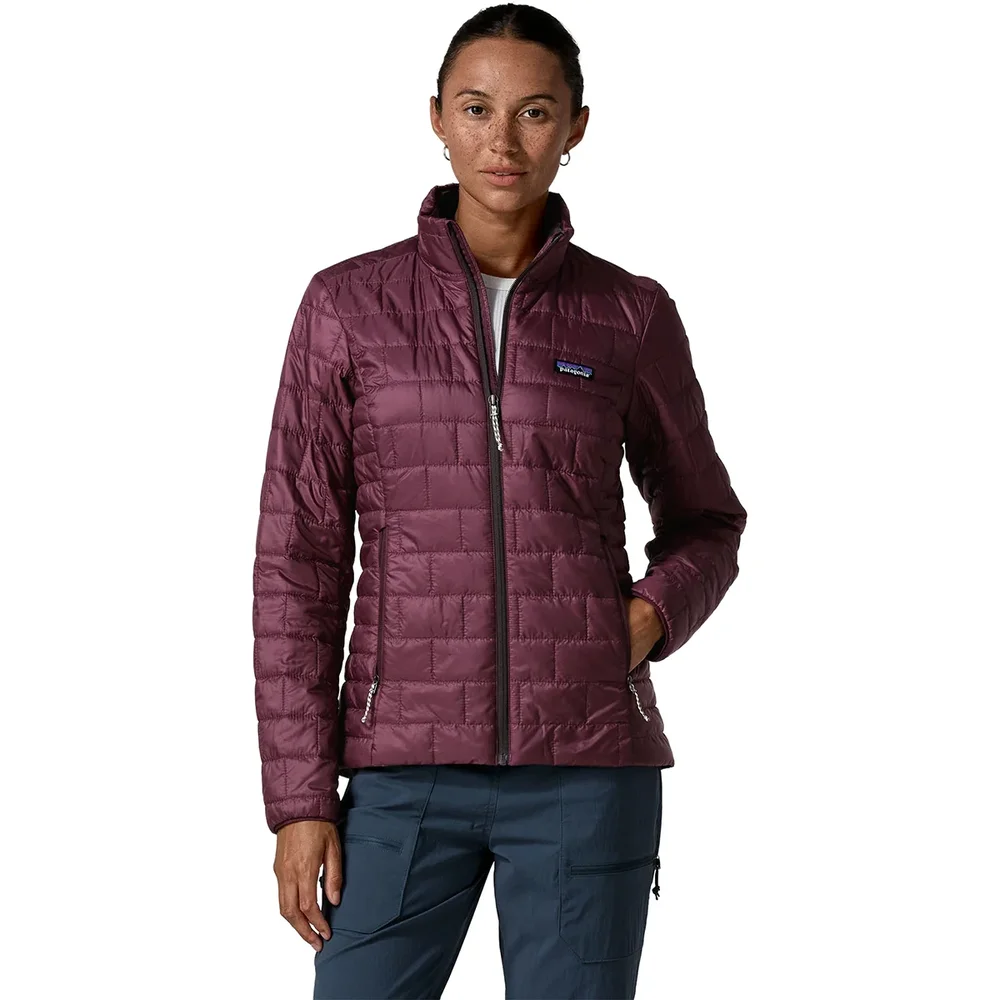
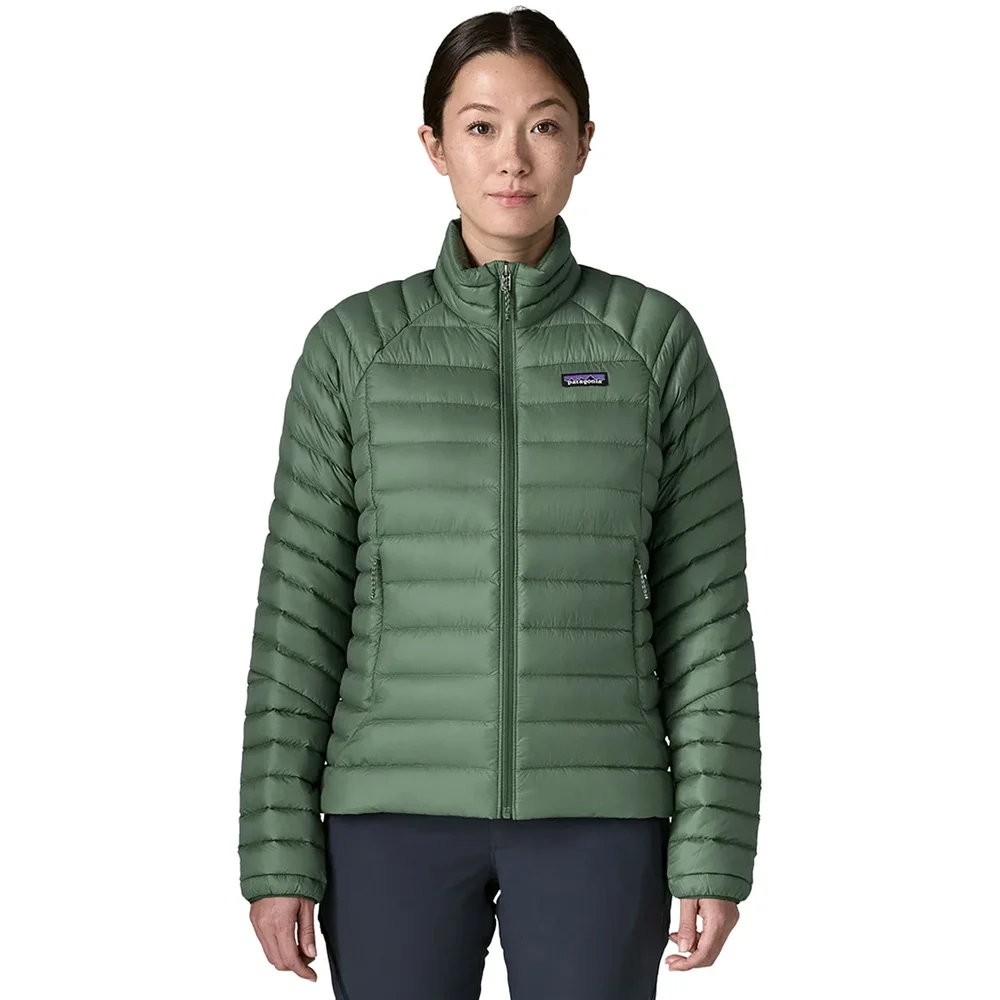
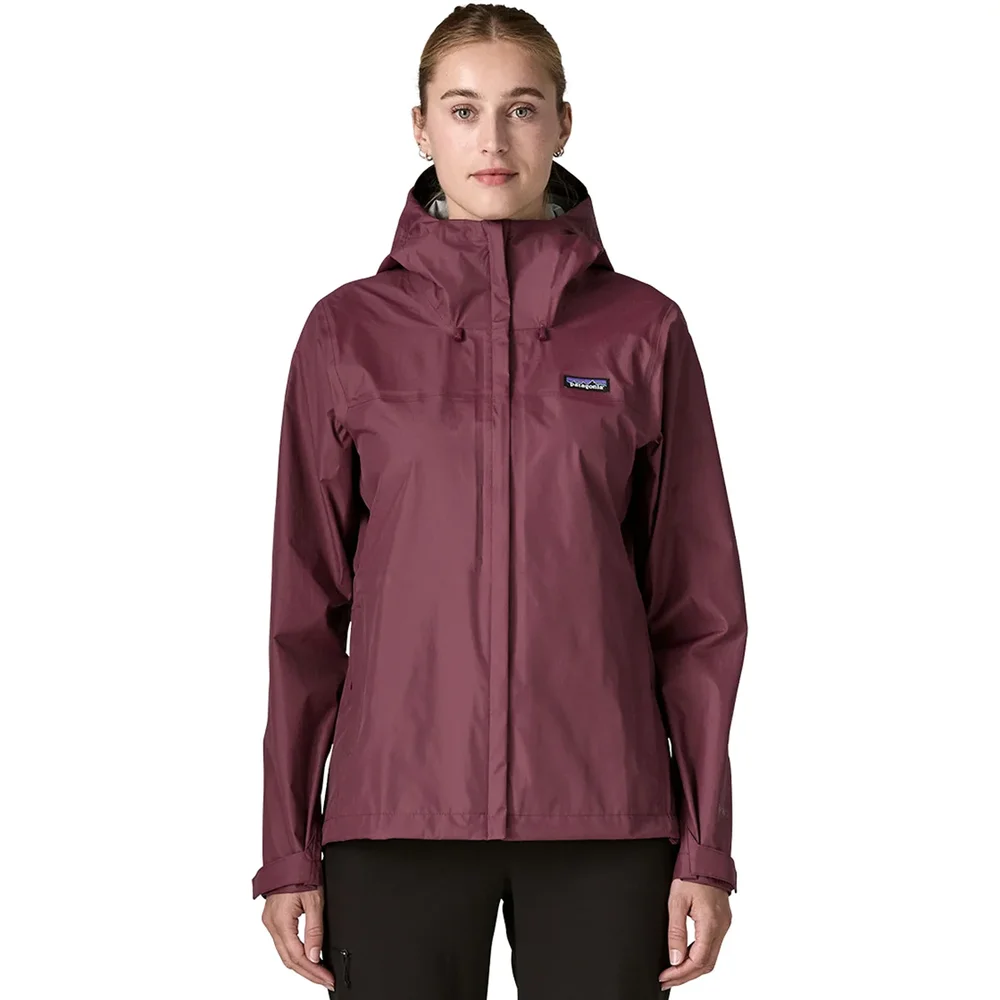
The R1 Air Jacket is the breathable, hollow-core fleece for moving fast. Nano Puff Insulated Jacket is the packable synthetic-insulation layer for wet or variable conditions; Down Sweater Jacket brings 800-fill down in a shell made from recycled fishing nets. Torrentshell 3L Jacket is the rain answer, with a fully sealed waterproof shell and underarm vents. For technical pieces, I would choose by the weather and pace I actually face. The ownership page lays out the Trust's role.
My First Buys and One Skip
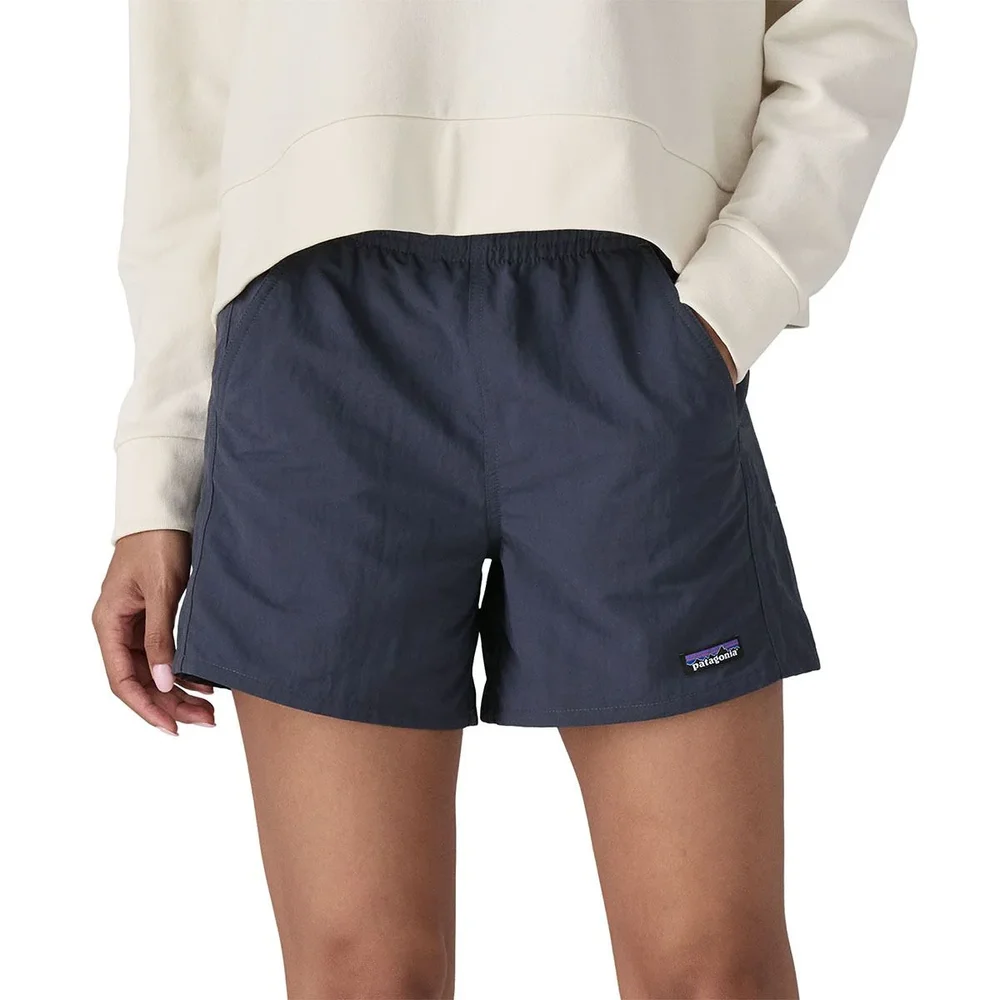
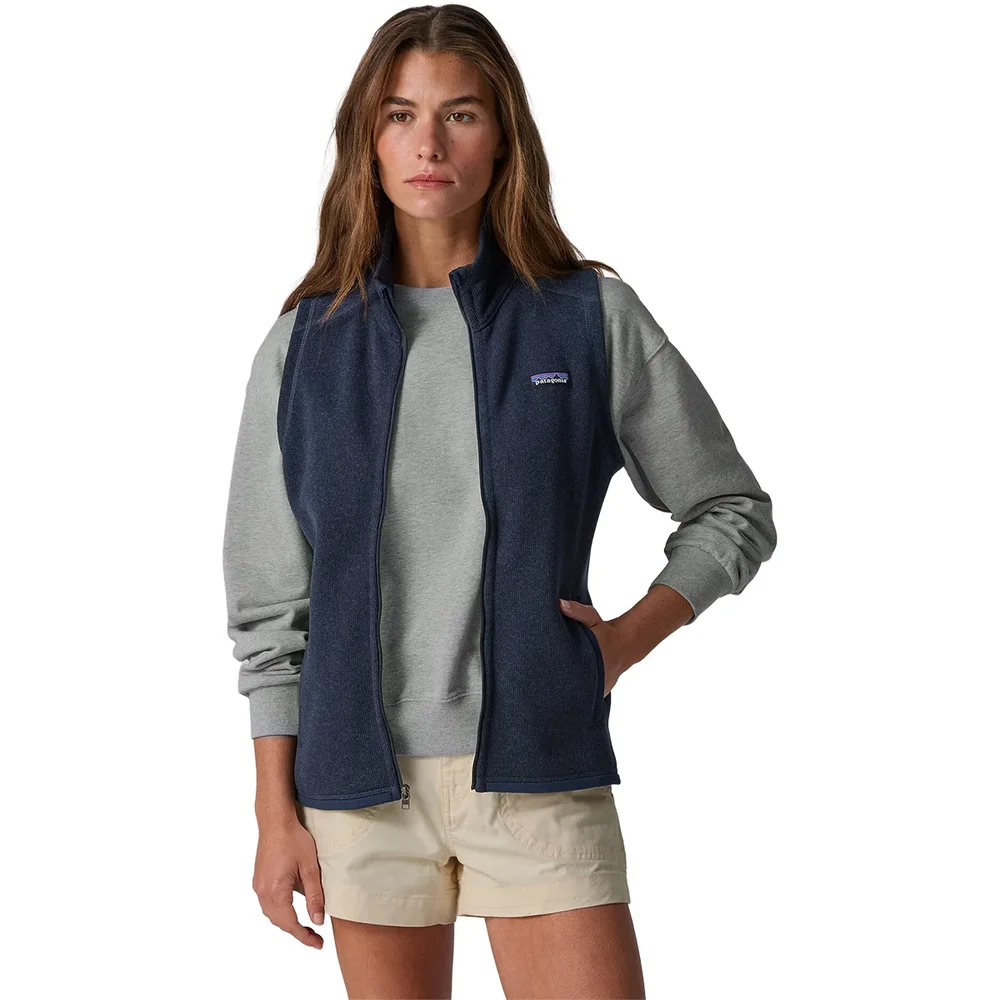
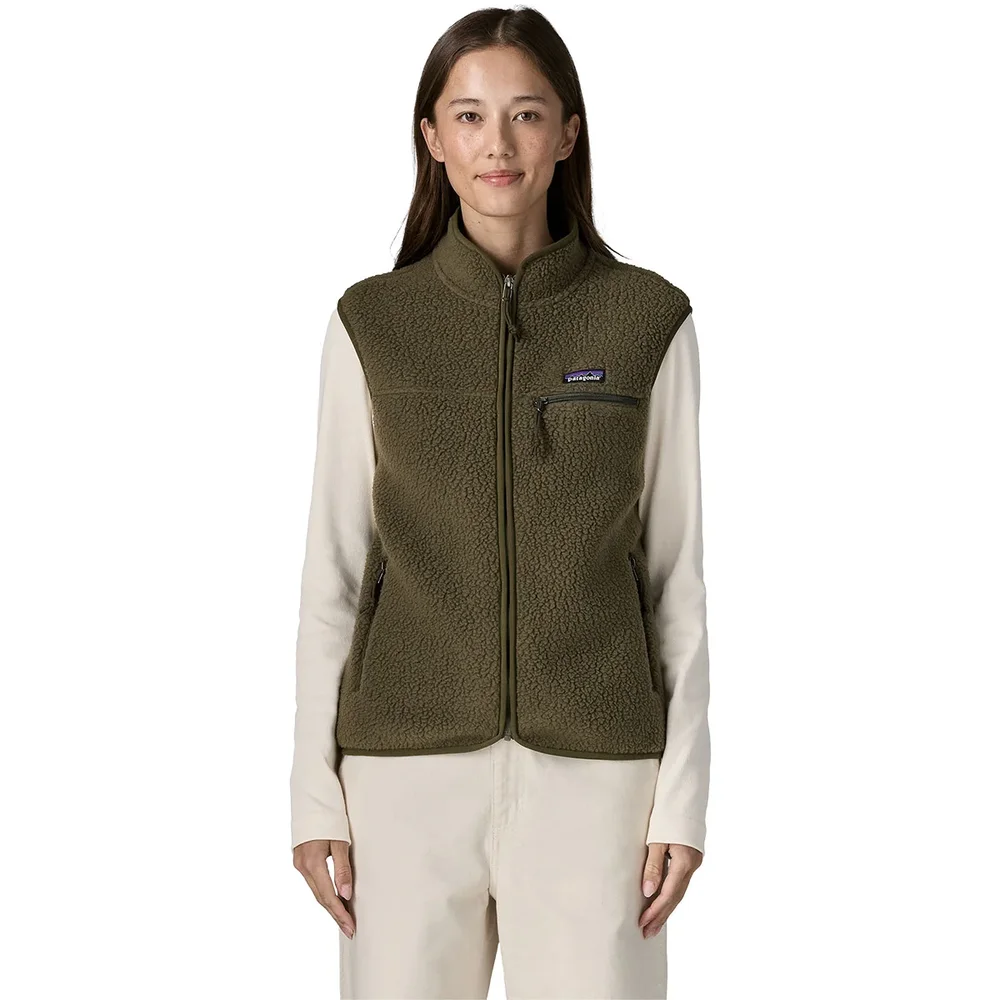
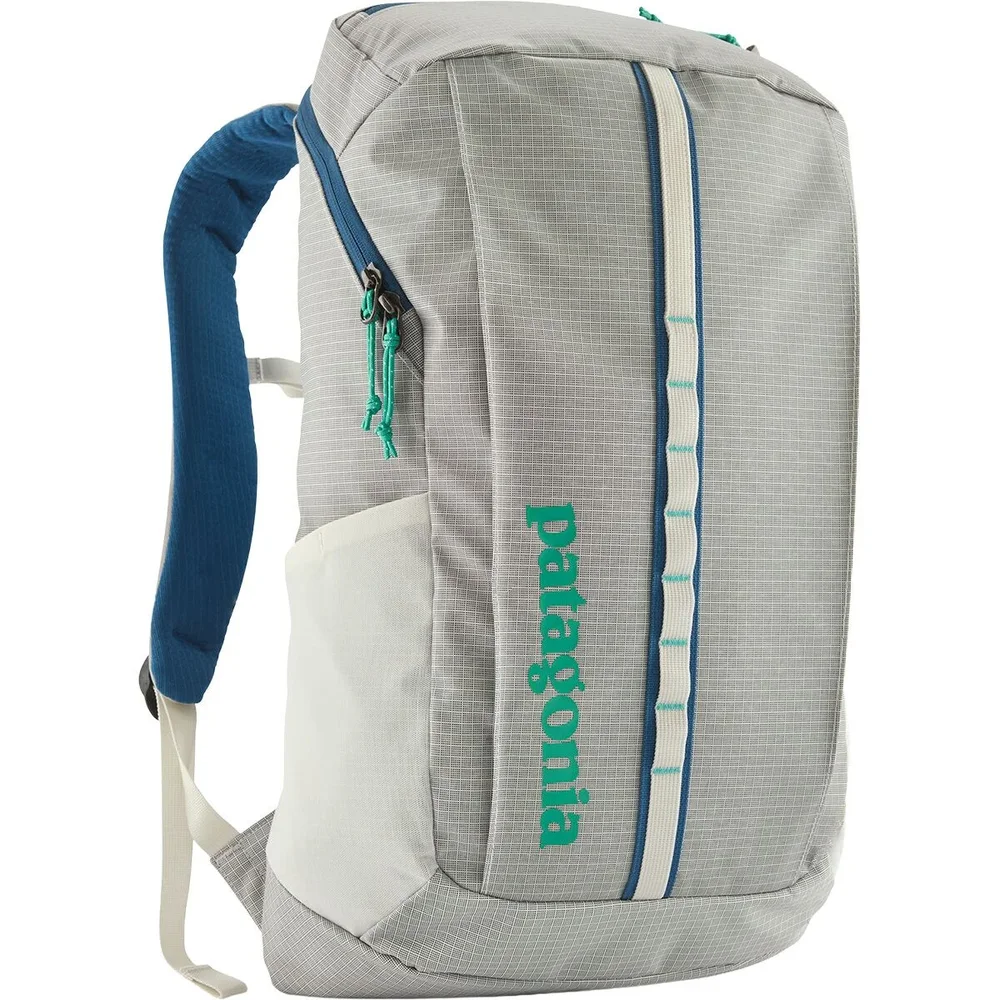
I would buy first based on the gap in your routine: Baggies 5in Short for water-to-land days, Better Sweater Fleece Vest for core warmth with arms free, Retro Pile Vest for a soft zip layer around camp, and Black Hole 25L Backpack for the commute that turns into a weekend. Baggies uses quick-drying NetPlus nylon and a five-inch inseam. The Better Sweater vest is slim and midweight; Retro Pile Vest adds double-sided fleece and three zip pockets. Black Hole carries 25 liters and has a padded laptop sleeve.
What would I skip? I would not treat a fleece vest as a rain shell: it is a layering piece, not waterproof protection. Nor would I buy a technical layer just because the ownership story is unusual. Patagonia's best idea is still useful gear built around a specific problem, and the first piece should solve one you actually have.