Ralph Lauren is publicly traded, but the Lauren family holds about 85% of its voting power. Here is how a tie business became a fashion house.
Who Owns Ralph Lauren? The Lauren Family Controls the Vote
The Founder Still Holds The Vote
Ralph Lauren is publicly traded, but founder Ralph Lauren and Lauren family-controlled entities held about 85% of its voting power as of March 28, 2026, the corporation's 2026 Form 10-K says. The simplest answer to who owns Ralph Lauren is the Lauren family, while public investors hold the listed Class A shares and the family owns all outstanding Class B shares. Ralph Lauren Corporation is the namesake parent company, and the family has controlled it since the business began in 1967. Ralph Lauren remains Executive Chairman and Chief Creative Officer; Patrice Louvet is President and CEO, so the founder still anchors design while a professional executive leads day-to-day operations.
The company owns the Ralph Lauren and Polo trademarks and spans women's apparel and bags, footwear, fragrance, home, and hospitality. As for who makes Ralph Lauren, the company's own description is more precise than a single factory answer: Ralph Lauren and its design teams direct product design, while independent third parties manufacture pieces to company specifications. Ralph Lauren Corporation owns no factories. Anyone searching who founded Ralph Lauren gets the designer himself, who began the business with Polo neckwear in 1967.
A Tie Drawer Becomes A Wardrobe
Ralph Lauren began in 1967 with a Polo neckwear line, not a complete collection. Working from a drawer in the Empire State Building, he made wide ties from high-quality fabrics and took inspiration from Old Hollywood. A full menswear line came in 1968; the first women's shirts followed in 1971, and the first full women's collection in 1972. The brand's official timeline makes the origin sound almost stubbornly simple: one product, then a world around it.
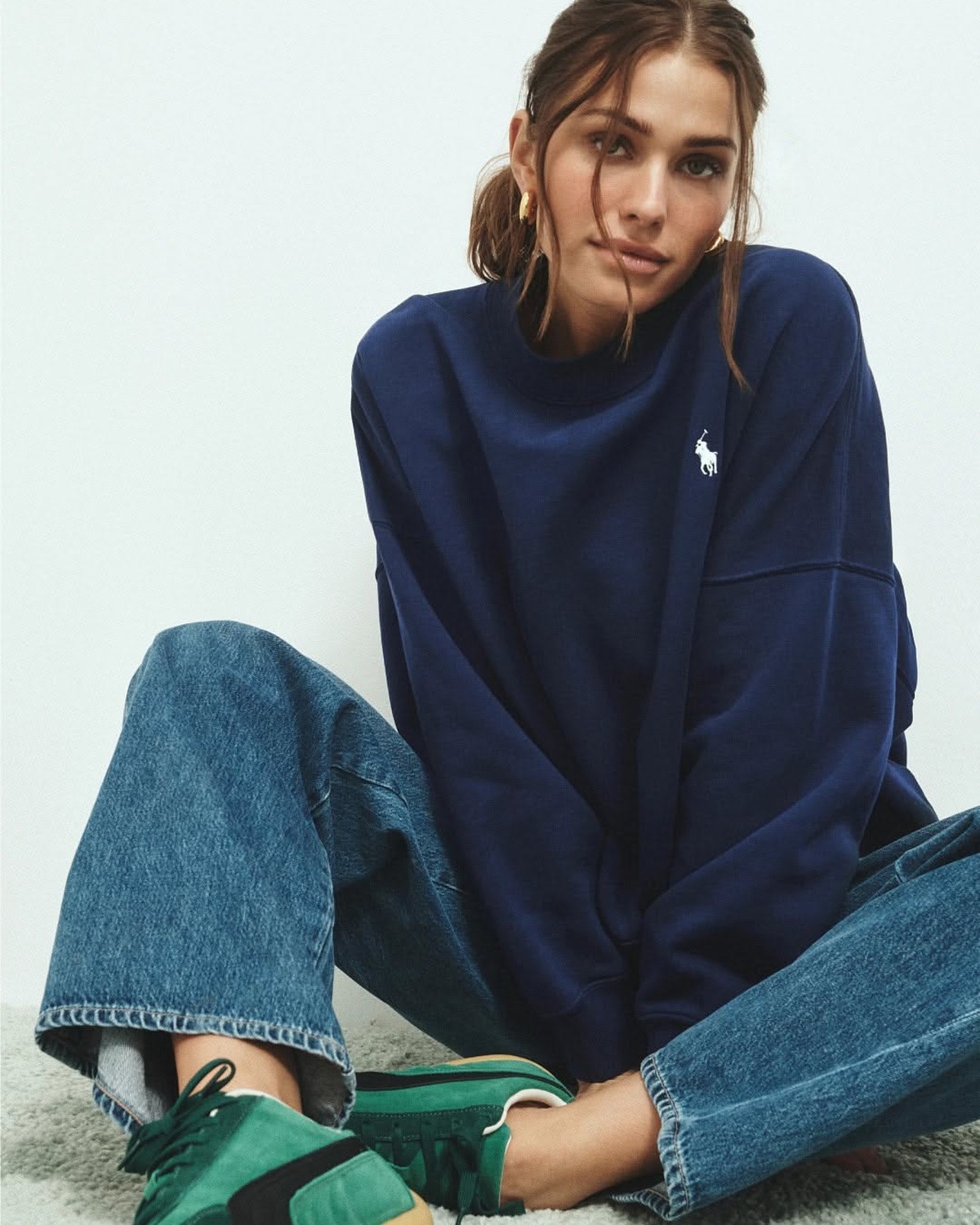
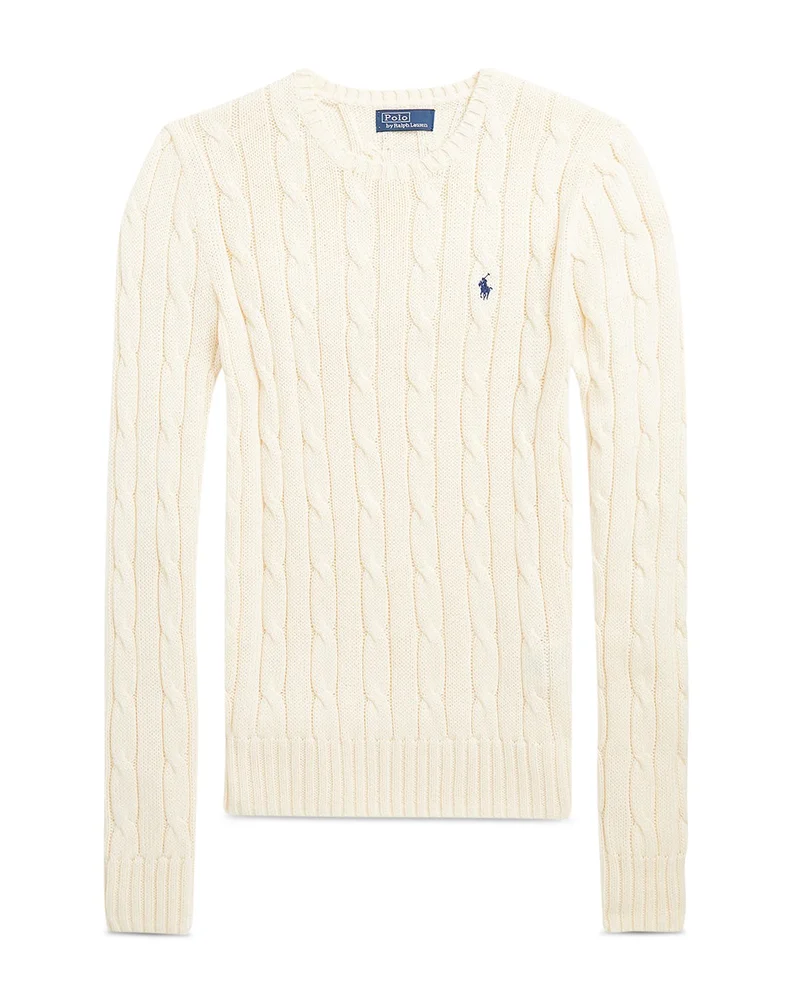
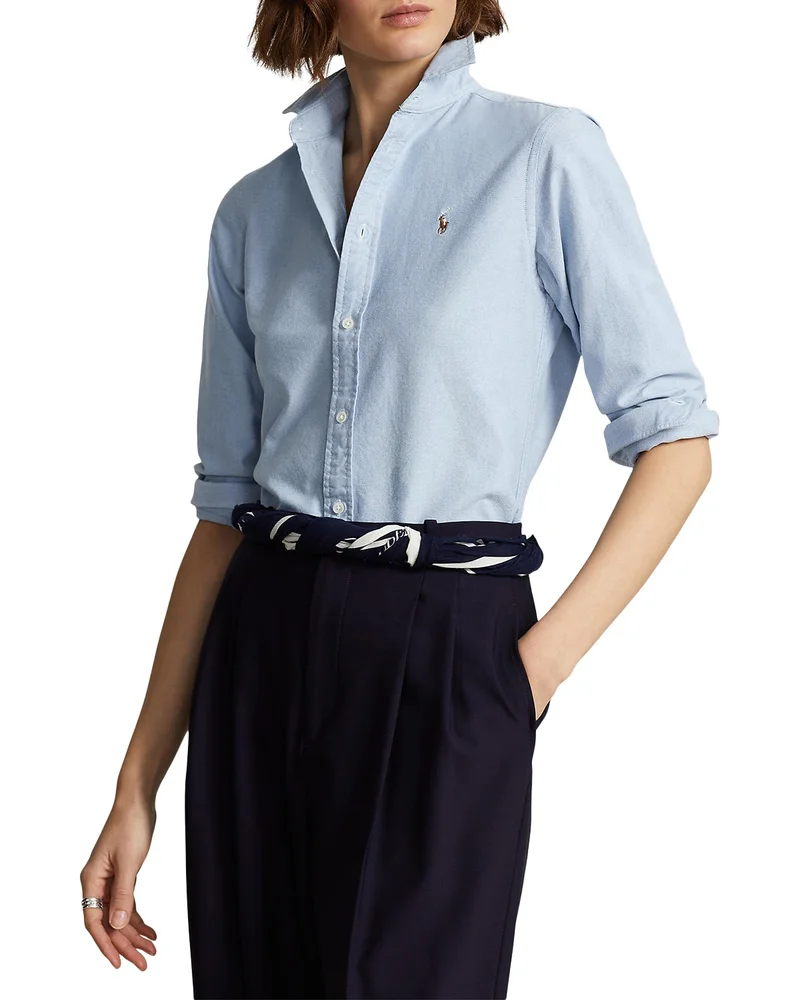
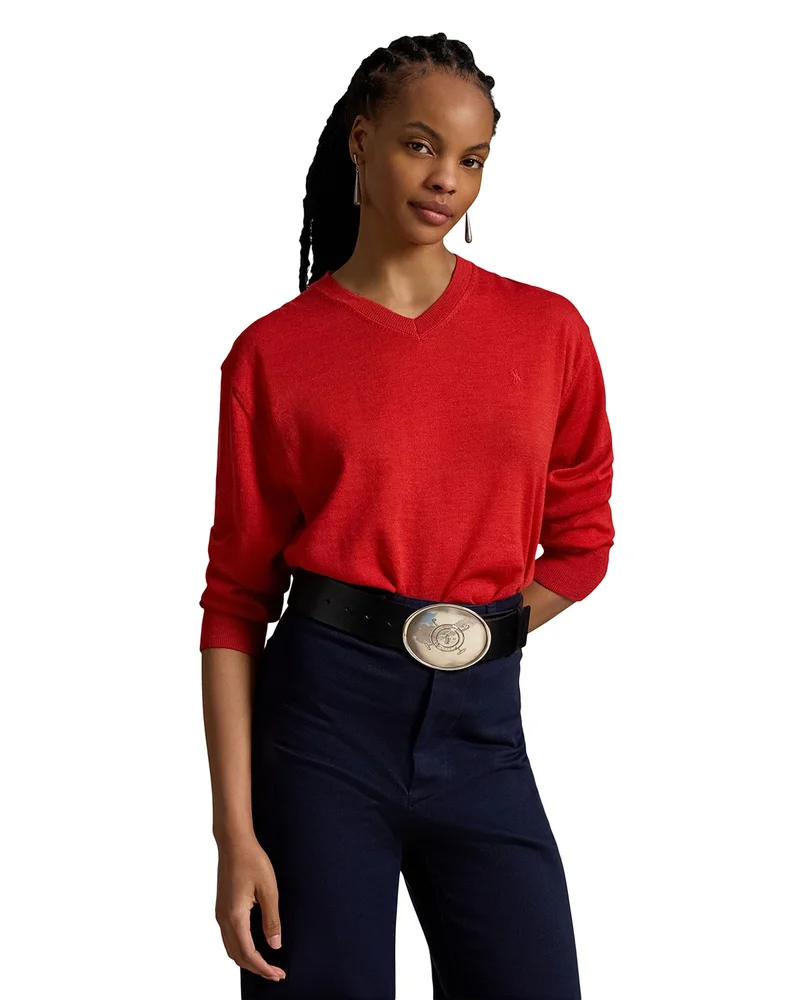
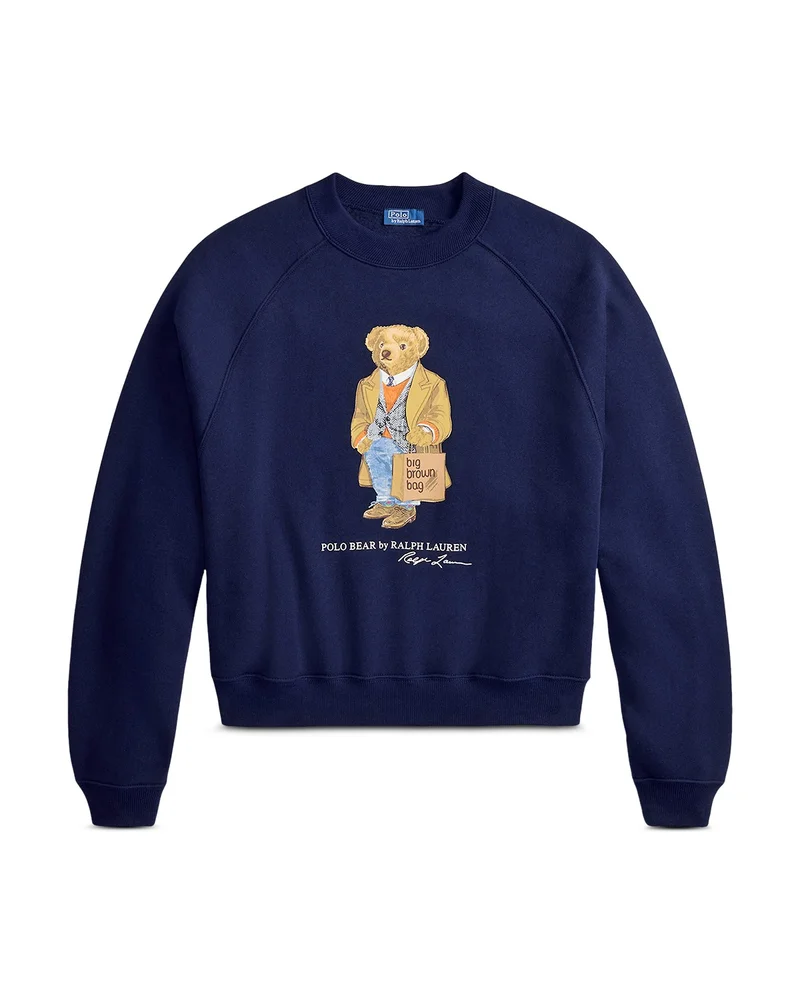
For a modern interpretation, I'd start with the Cable Knit Cotton Crewneck Sweater, a slim cotton layer with the cable texture; the Slim Fit Oxford Shirt is the polished button-down; the Wool V Neck Sweater is a looser drop-shoulder option; and the Polo Bear Fleece Crewneck Sweatshirt lets the bear print carry the fun. I would buy the cable knit first and keep the rest of the outfit plain. That's where the brand's original confidence is most convincing.
A Public Float, A Family Company
Going public was not the same as handing the label to an outside parent. Ralph Lauren took the company public on the NYSE in 1997; the 2026 filing still describes Lauren family control, with about 85% of the vote held by Ralph Lauren or entities the family controls as of March 28, 2026. Public Class A shares trade as RL, while the family owns all outstanding Class B shares. That is the ownership history in brief: public shares trade freely, while control has stayed with the founding family. The company also houses related labels, including Ralph Lauren Collection, Double RL, Lauren Ralph Lauren, and Purple Label.
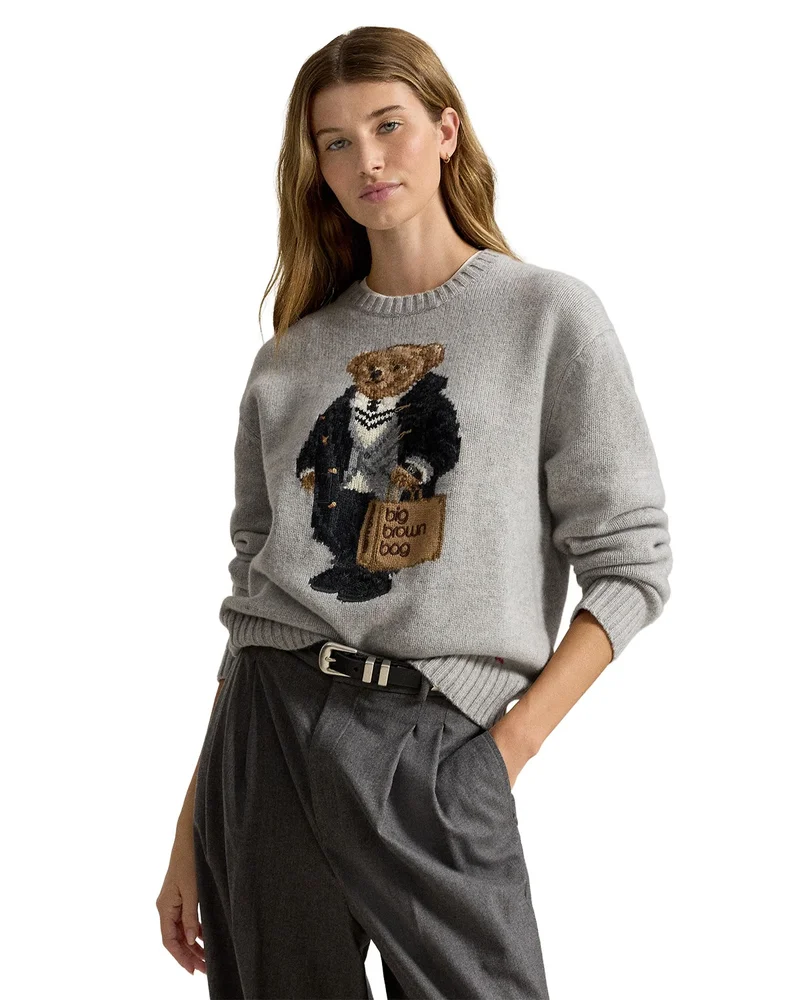
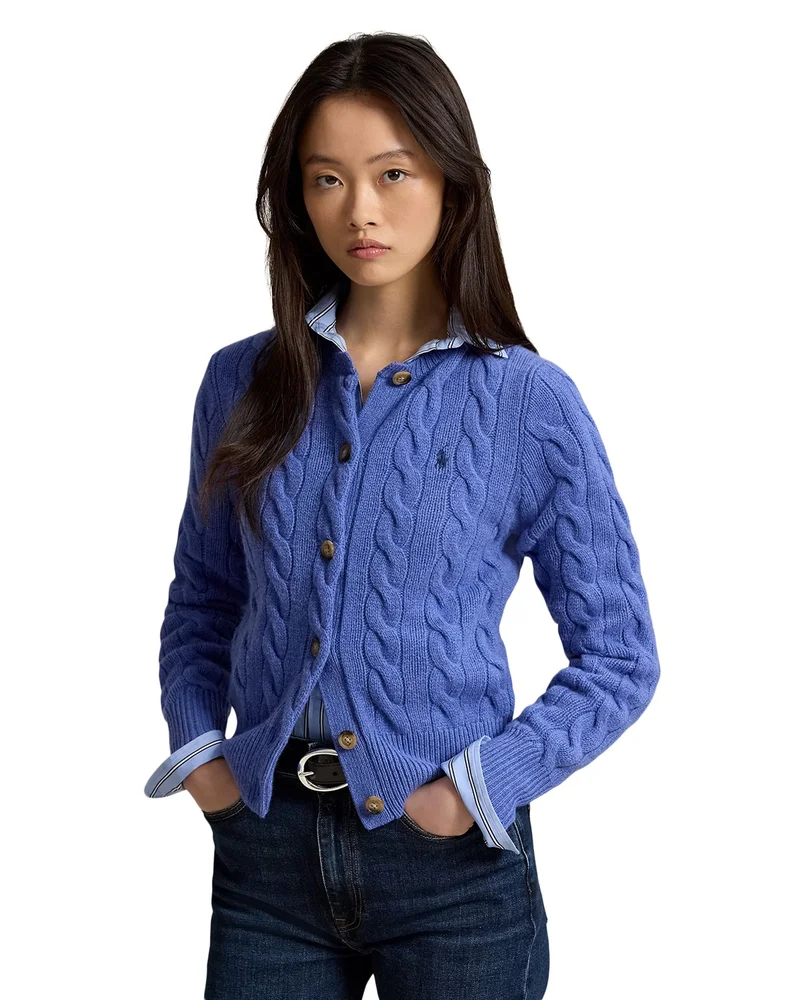
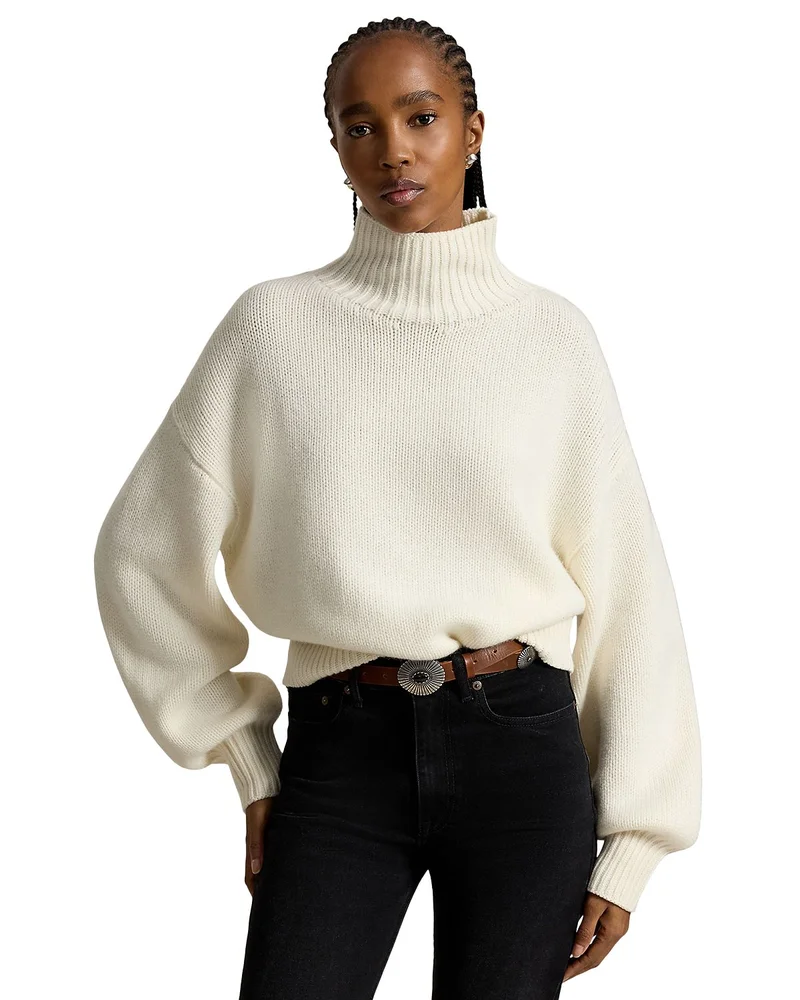
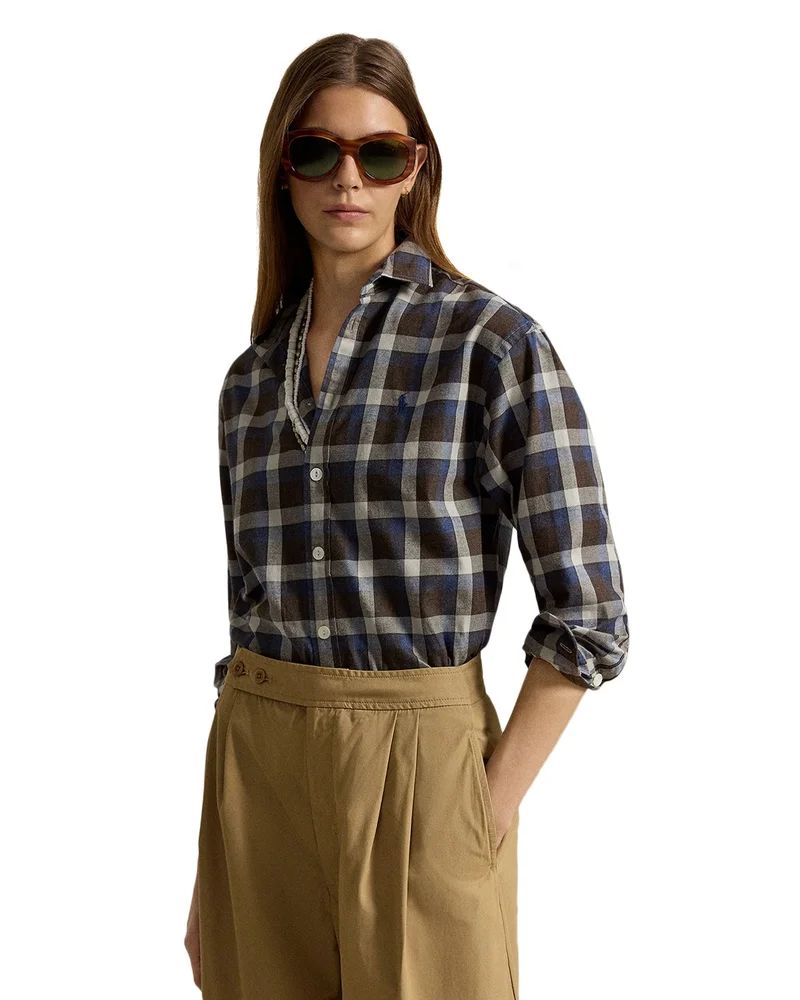
For the current Polo wardrobe, the Polo Bear Wool & Cashmere Crewneck Sweater makes the mascot the focus; the Cable Knit Wool Cashmere Cardigan uses a buttoned front; the Cashmere Funnel Neck Sweater adds volume at the sleeves; the Cotton Plaid Relaxed Fit Shirt is the easy, relaxed layer. My pick is the cardigan, which works as a jacket indoors and a sweater under a coat.
What I Would Buy First
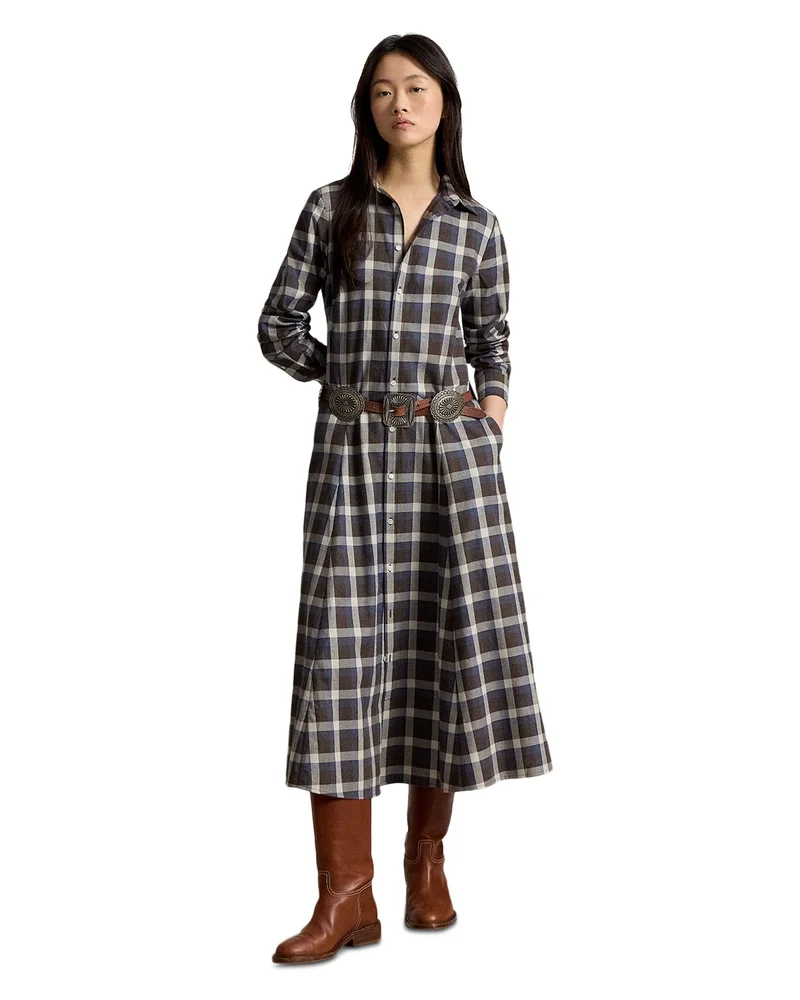
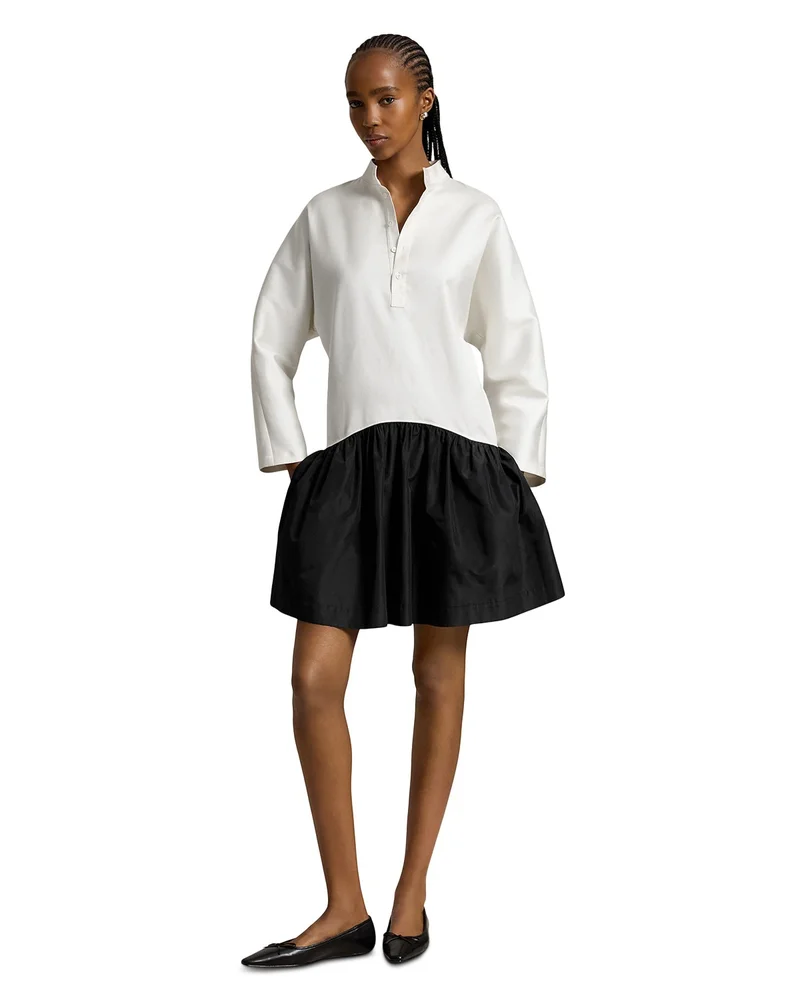
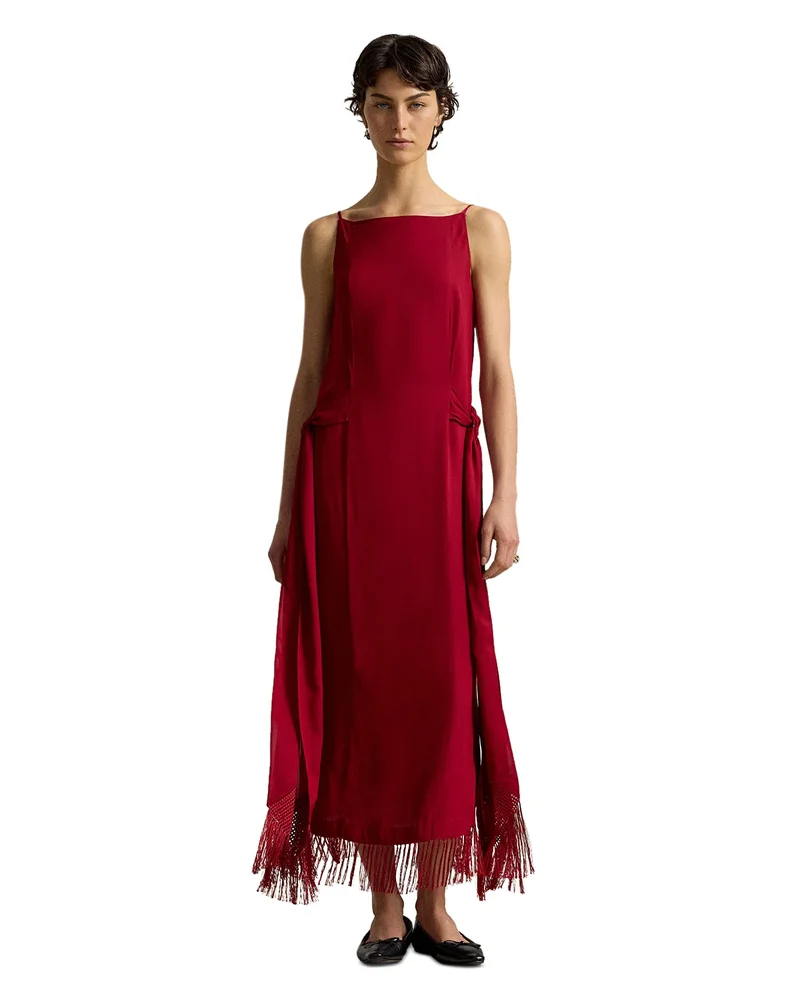
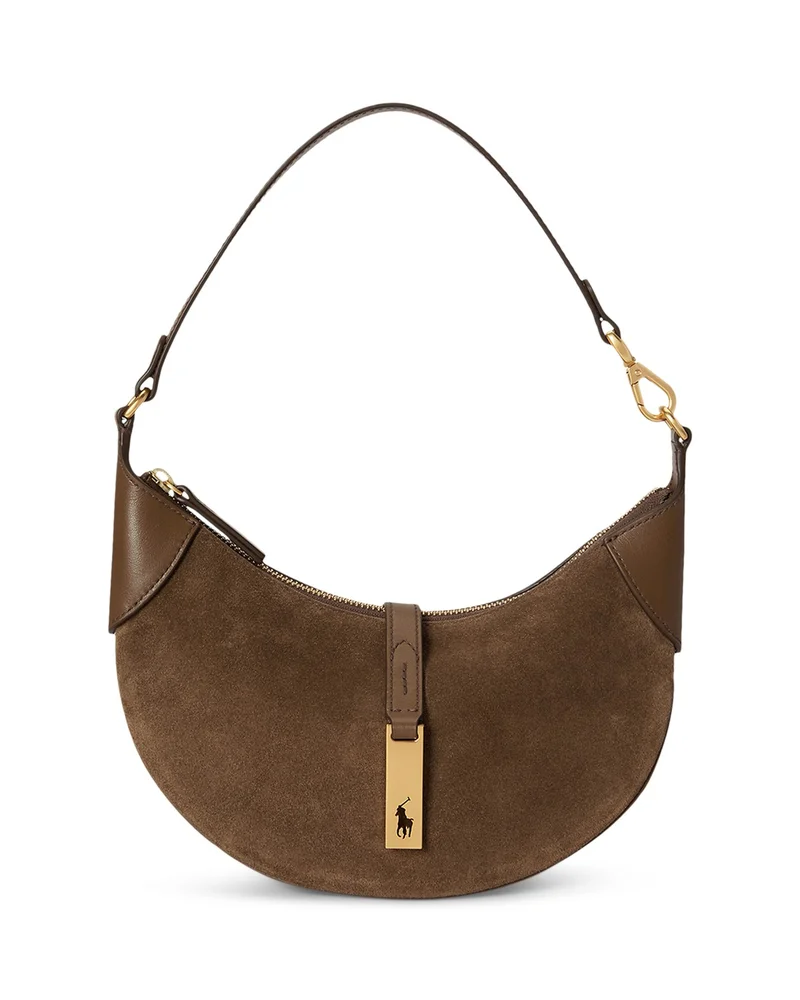
I would buy the Cotton Printed A Line Shirtdress first: its plaid cotton and shirt collar make it the easiest of the dress options to rewear. The Mixed Media Mini Dress is more of an occasion piece, with a cotton-silk bodice and taffeta skirt; the Tied Fringe Maxi Dress takes a column shape with side-waist ties and fringe. The Polo ID Mini Convertible Suede Shoulder Bag has a removable strap and can turn into a wristlet, which is more useful than a party dress if your calendar is mostly errands.
What I would skip is the high-drama piece you already know you will only wear once. The mini is handsome but specific; buy it only if you have somewhere to go. For most closets, the shirtdress is the smarter first buy, and the bag is the good second choice if your current one is tired. I would let the clothes carry the label, not a stack of logos.