Redken is owned by publicly listed L’Oréal, which acquired the salon brand in 1993. Here’s its founder story and the lines I’d start with.
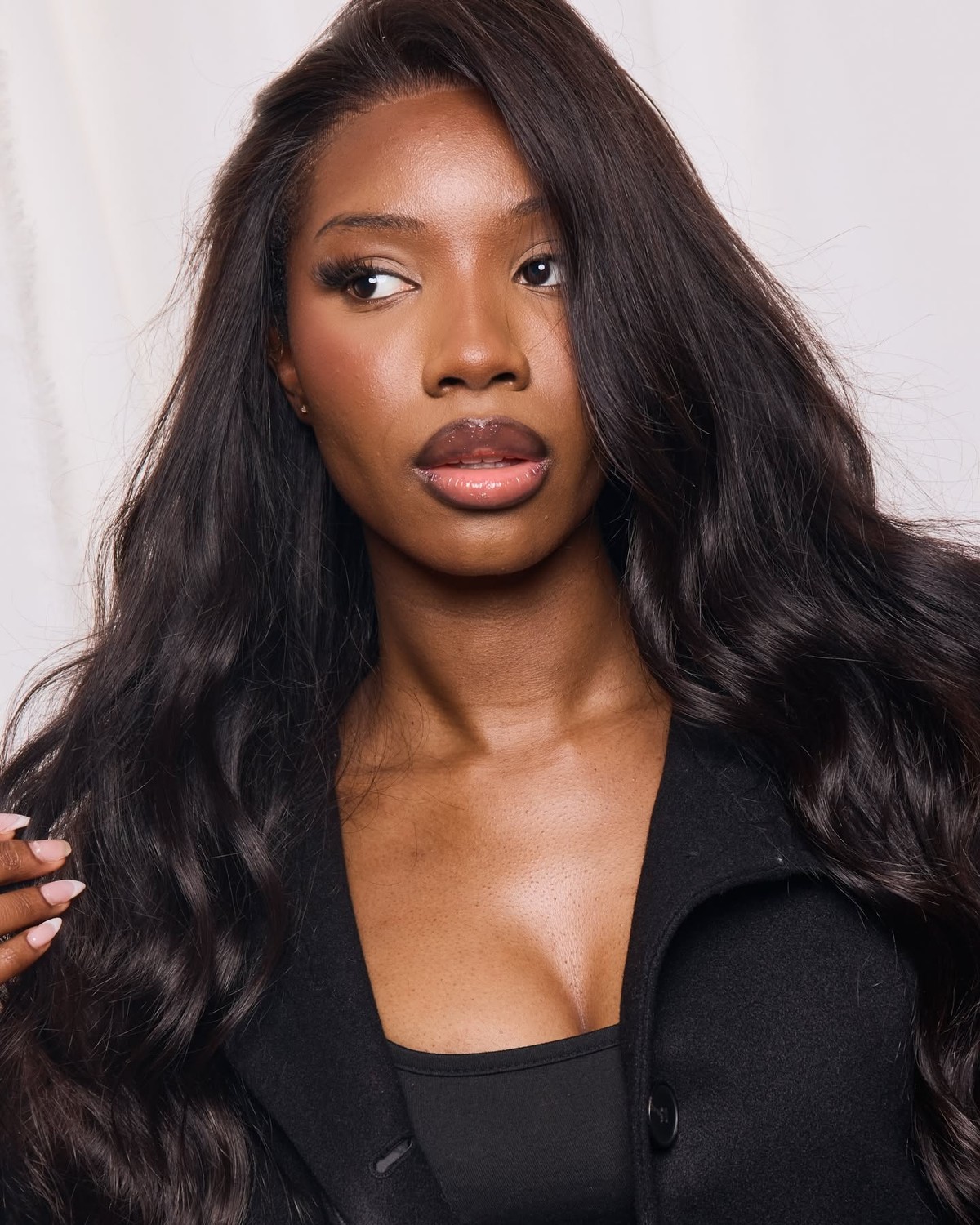
Who Owns Redken? L’Oréal Has Owned It Since 1993
Who Owns Redken Today
If you are asking who owns Redken today, it is L’Oréal, a publicly listed company that has owned the brand since 1993. Redken’s parent company, L’Oréal, places it in the Professional Products Division, beside Kérastase, L’Oréal Professionnel, Matrix, Pureology, Color Wow, Biolage and the rest of its salon portfolio. So who makes Redken? L’Oréal is the parent, but Redken’s sensibility still comes from professional hairdressers, not a generic corporate beauty shelf.
Redken started in California in 1960, when actress Paula Kent teamed with her hairdresser Jheri Redding. The brand was named from their surnames, and Kent’s irritation from hair products used on set was the practical reason she went looking for a more scientific approach. The company launched with three products and an education program for hairdressers, a reminder that Redken has always sold a point of view about how hair care should be explained as well as bottles. I would put that salon-training origin ahead of the ownership trivia: the current parent is large and public, but the brand’s story begins with a stylist and a customer trying to solve a specific hair problem. L’Oréal’s latest 2026 company update still places Redken in Professional Products and names its Redken innovations.
A Founder With A Hair Problem
Who founded Redken? Paula Kent and her hairdresser Jheri Redding did, after Kent ran into reactions to the hair products used around her on Hollywood sets. Redken was named by joining Red from Redding and Ken from Kent, and the business launched in 1960 with three products and an intensive education program for hairdressers. The science was the point: Redken’s early principles paired protein and moisture with acidic pH, rather than selling hair care as a mystery. I like that origin because Kent’s problem and the brand’s teaching instinct sit in the same story.
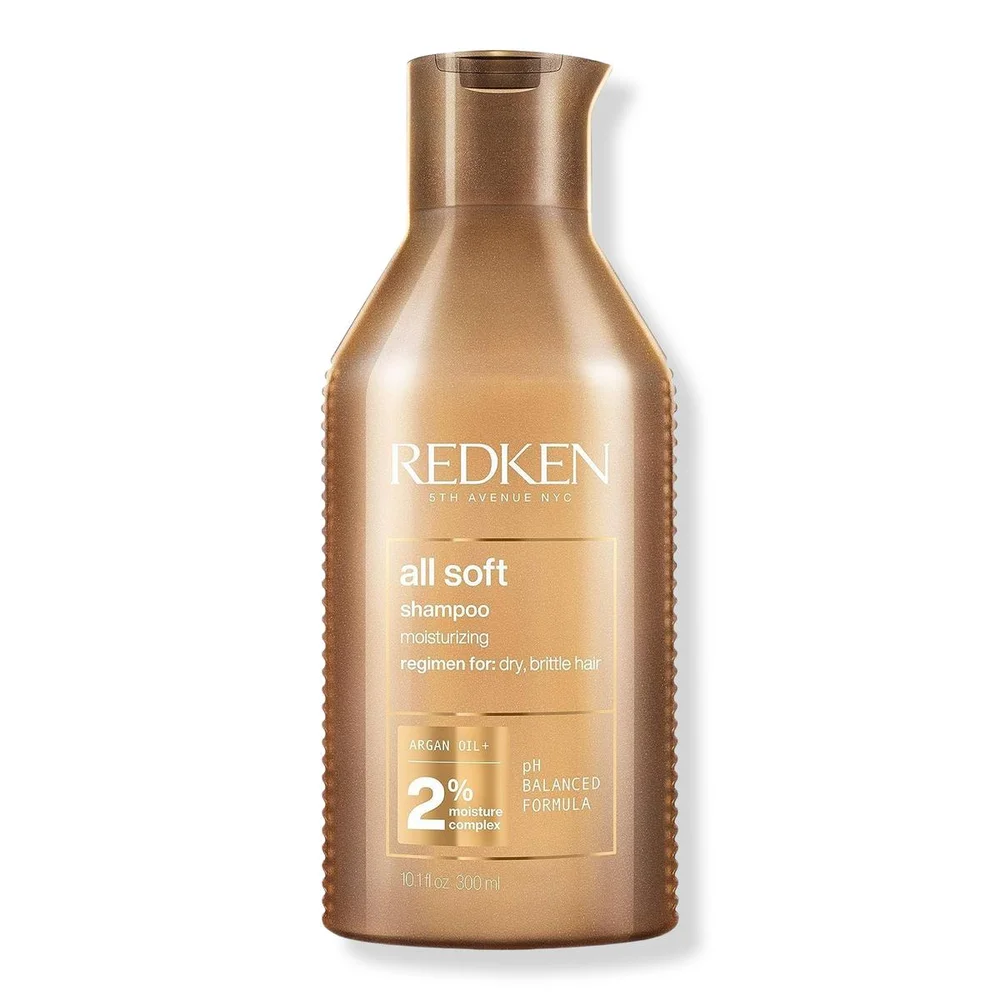
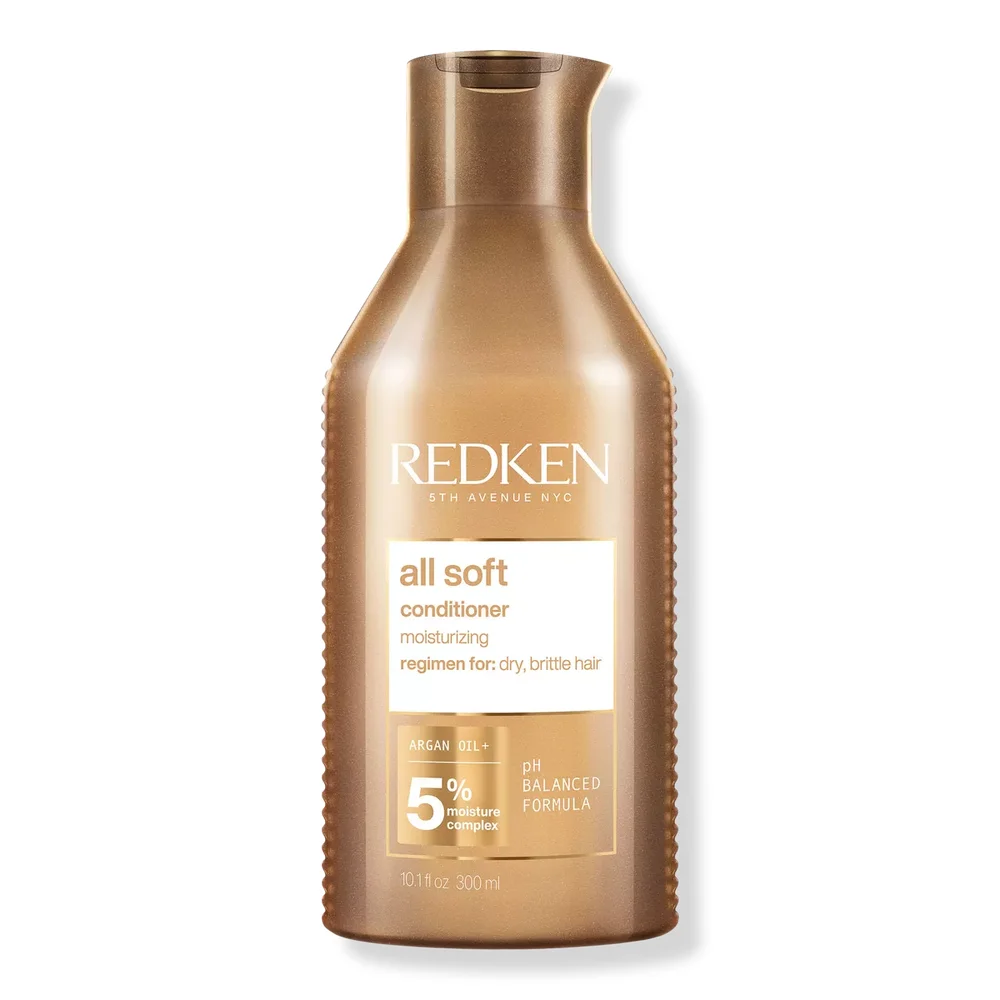
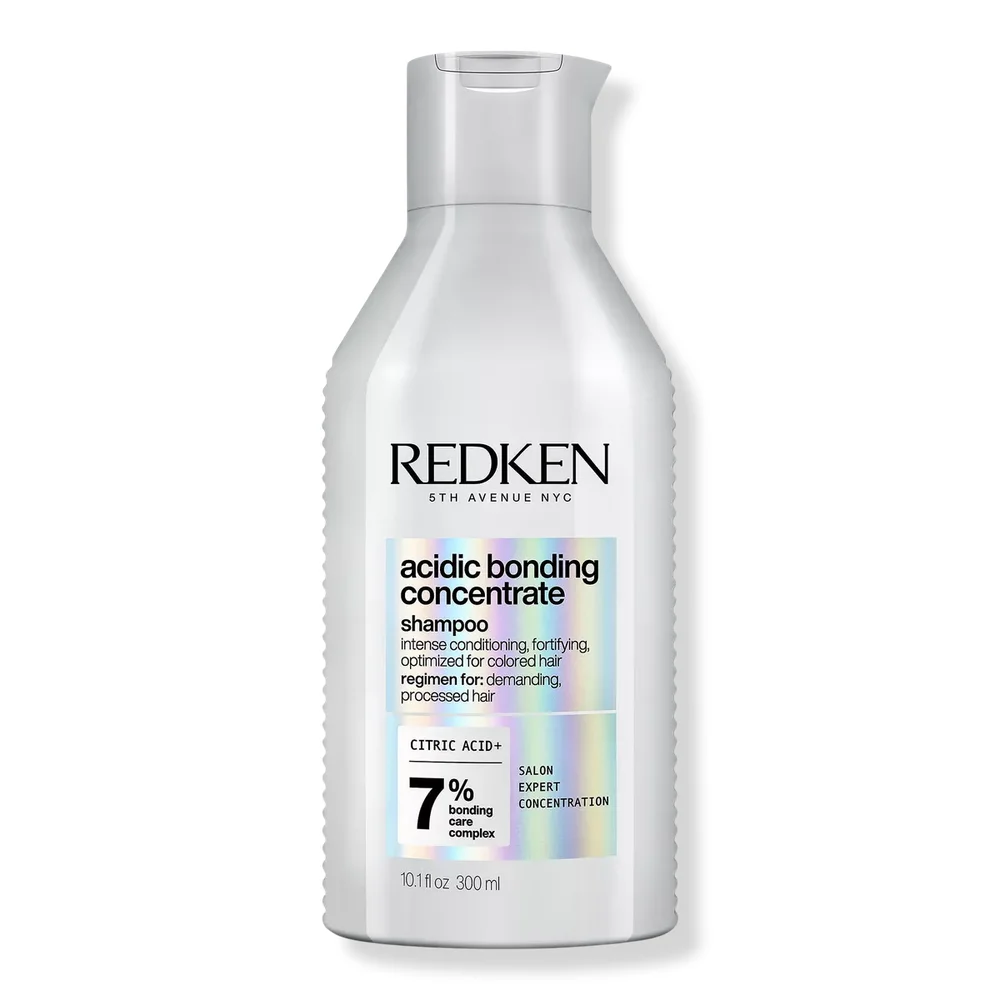
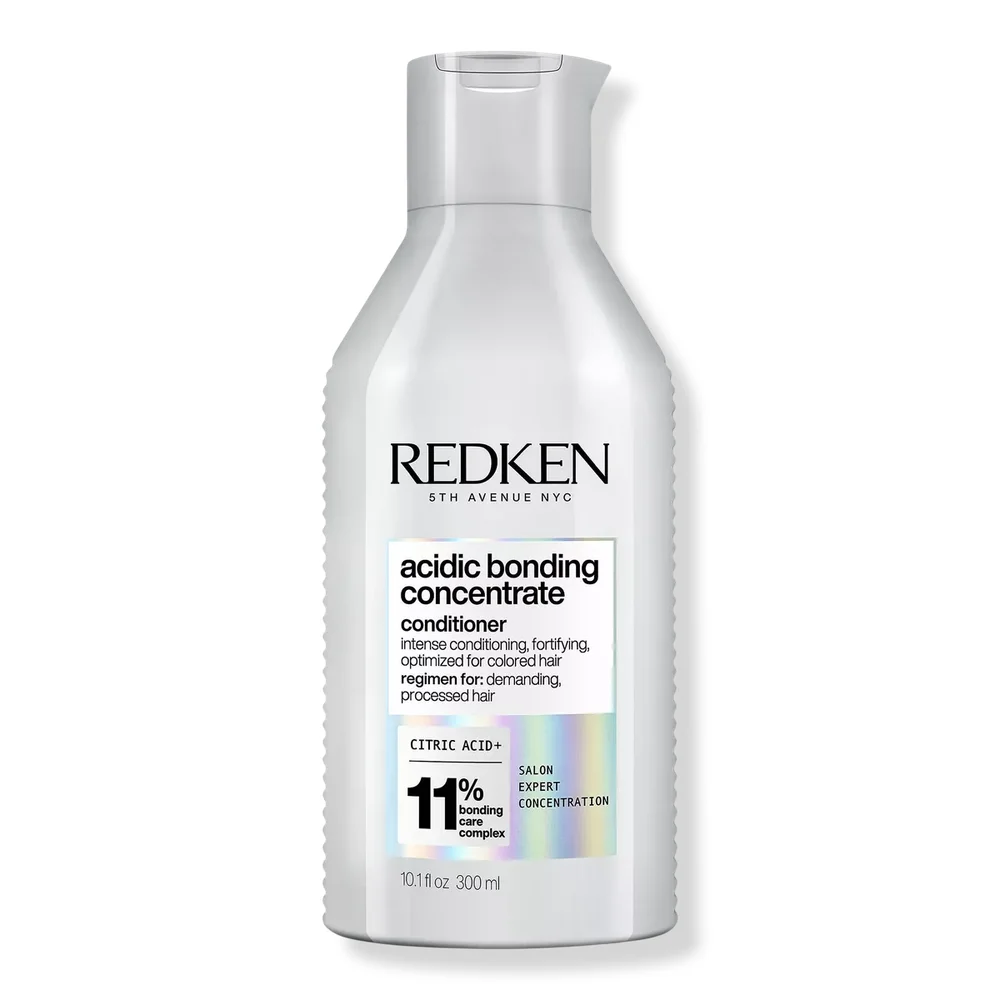
For that first buy, I would keep the routine simple. All Soft Shampoo For Dry, Brittle Hair and All Soft Conditioner are my softness pairing; Acidic Bonding Concentrate Shampoo is the more treatment-minded start, with its matching Acidic Bonding Concentrate Conditioner to make a two-step routine. I’d choose one pair, not both, and decide from what I actually need in the shower. The range is broad, but I like a shampoo shelf that still leaves room to see the bottle.
The Ownership Changes
The company changed hands more than once before L’Oréal. Kent bought out Redding in 1965; Redken went public in 1971, then the Meehans took it private again in 1988. In 1993, Cosmair, L’Oréal’s U.S. licensee, acquired Redken, the point where current ownership begins. The sale changed the scale behind the brand, but not its salon-first focus: Redken continued selling through salons, and L’Oréal’s marketing reach helped it stay relevant. Its fellow Professional Products brands include Kérastase, L’Oréal Professionnel, Matrix, Pureology, Biolage, Color Wow, Shu Uemura Art of Hair, Pulp Riot and Mizani.
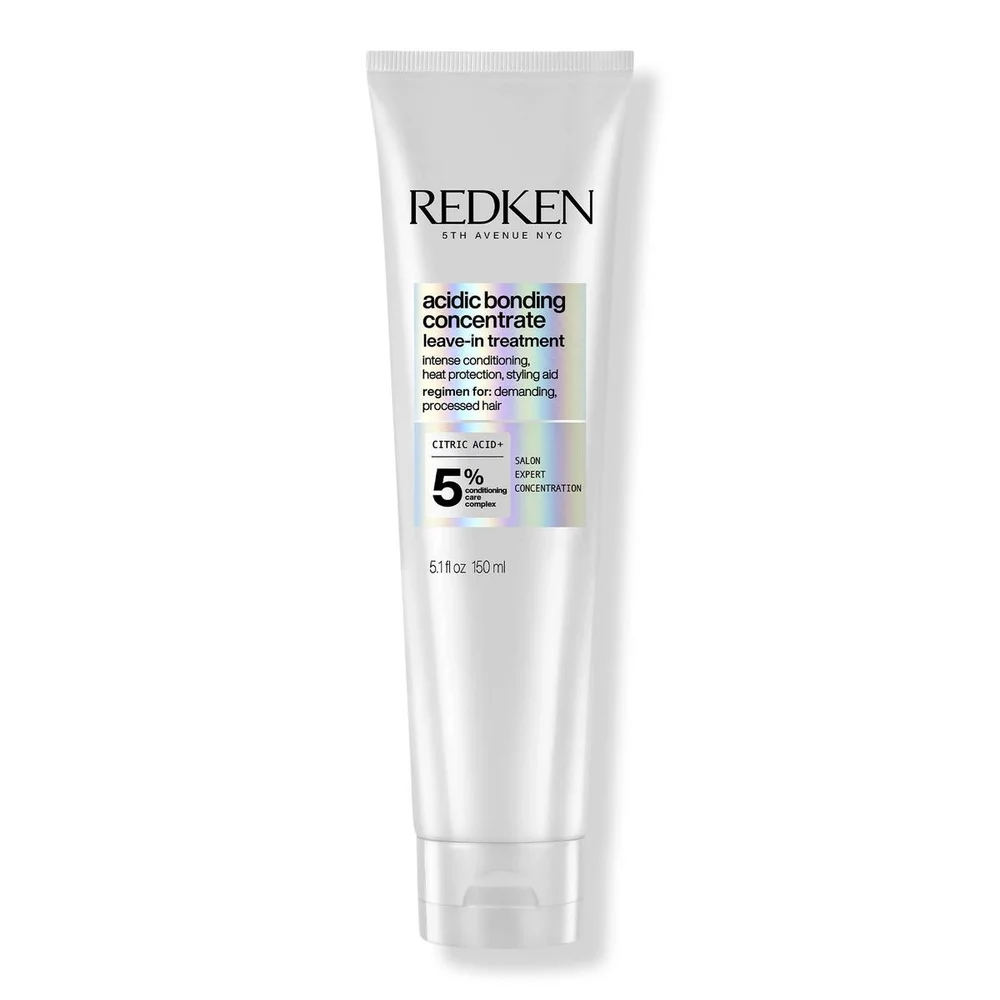
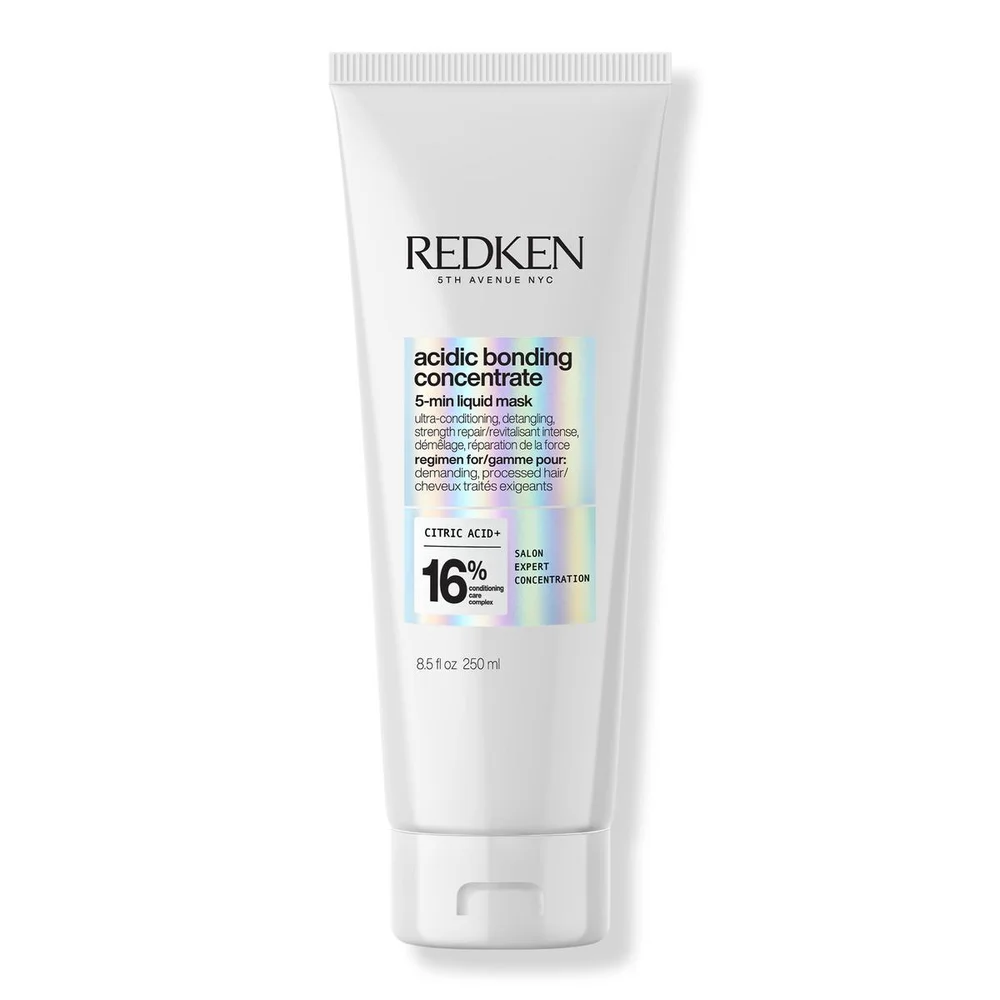
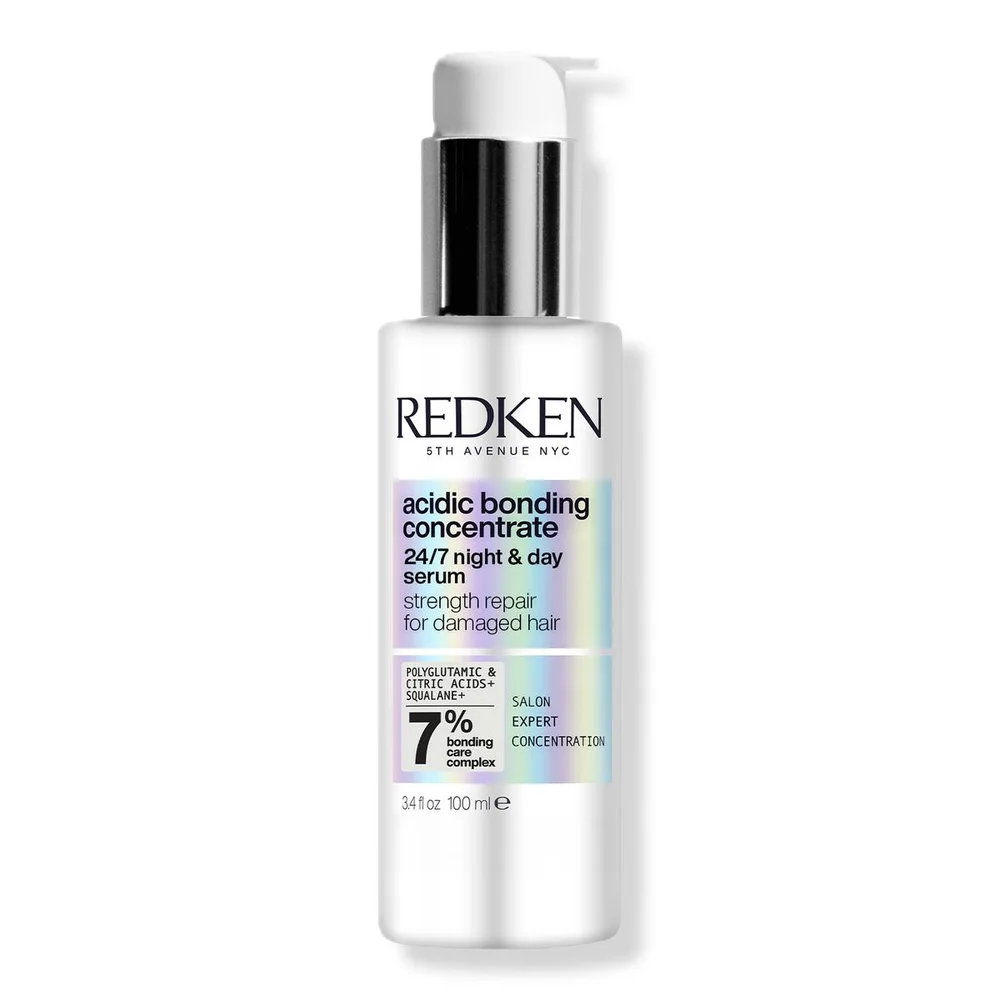
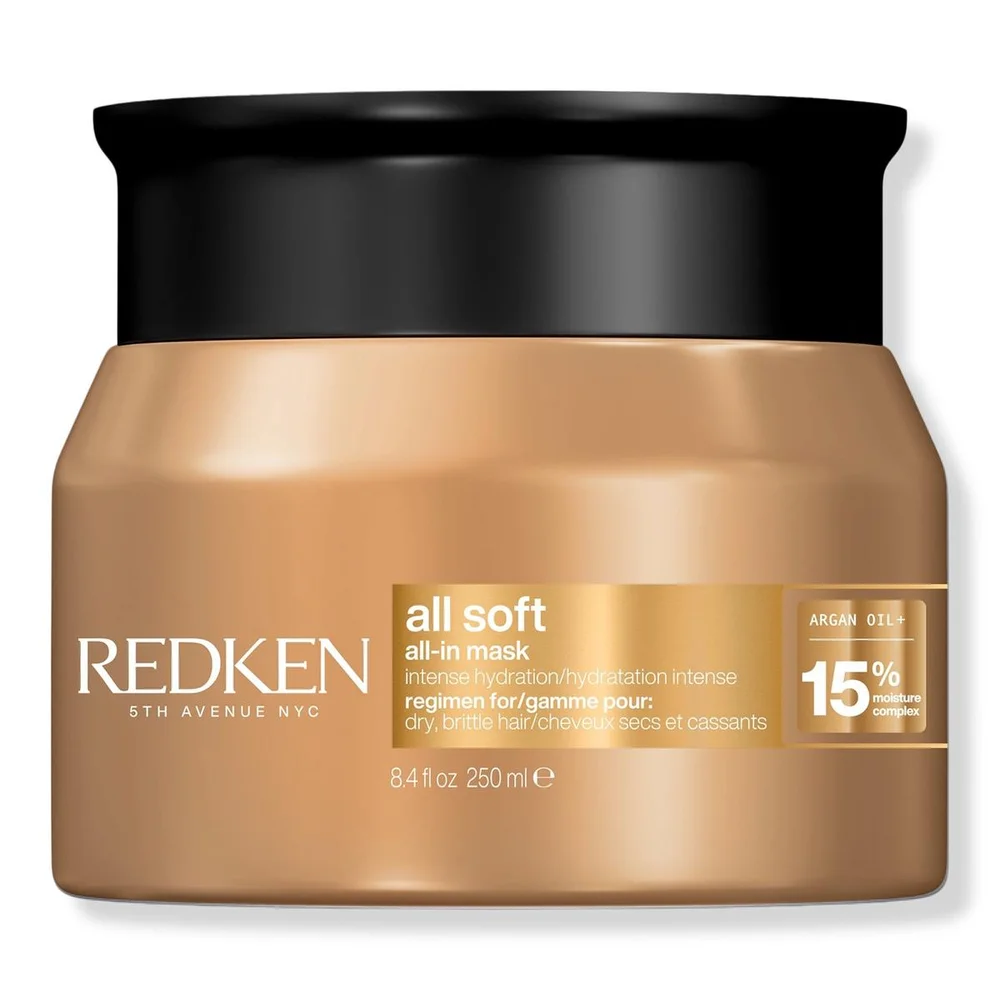
The repair line is where I’d look after the basic pairs. Acidic Bonding Concentrate Leave-In Treatment For Hair Repair is my single-step pick; the 5 Minute Liquid Mask is an occasional treatment; the 24/7 Night And Day Hair Repair Serum is the bottle I’d choose if I wanted one leave-in step across a routine; and All Soft All-In Mask is my softer, richer alternative. I would not buy all four together; one target and one step is enough to test whether that line earns space.
Buy The Styling Step You Need
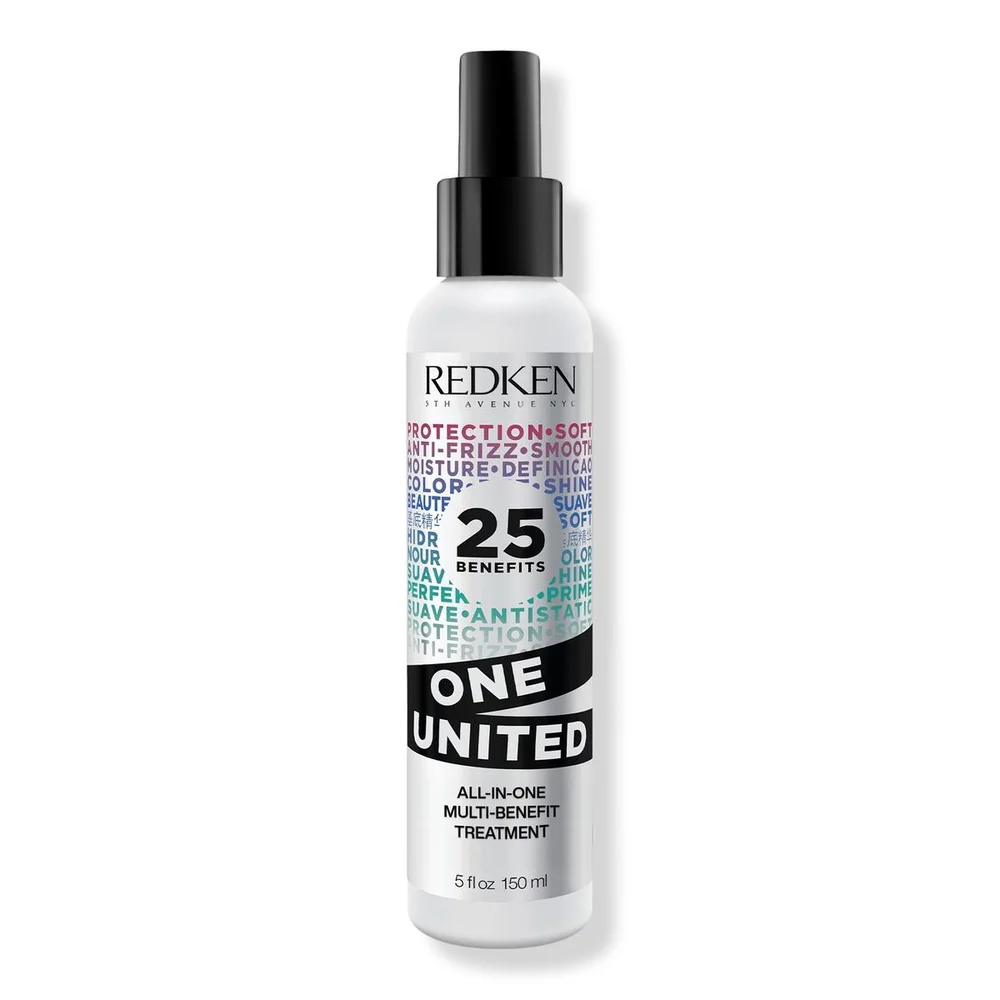
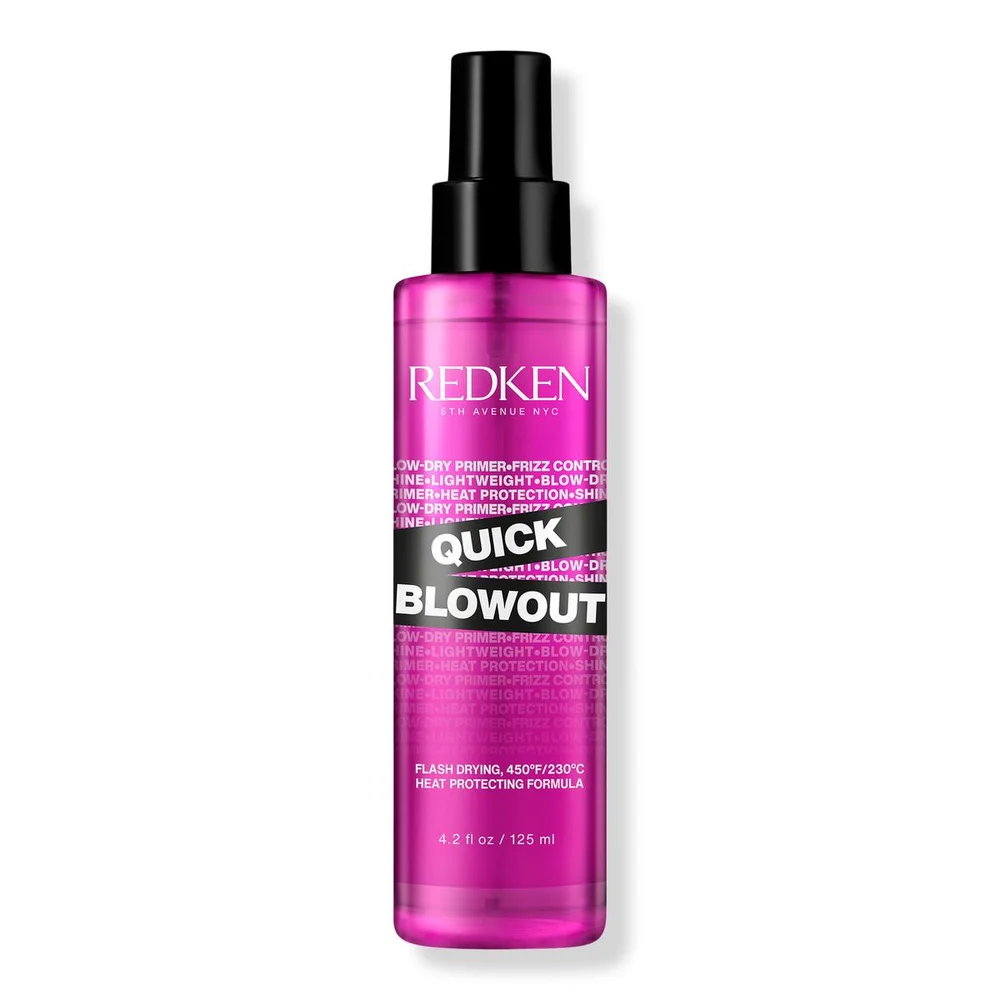
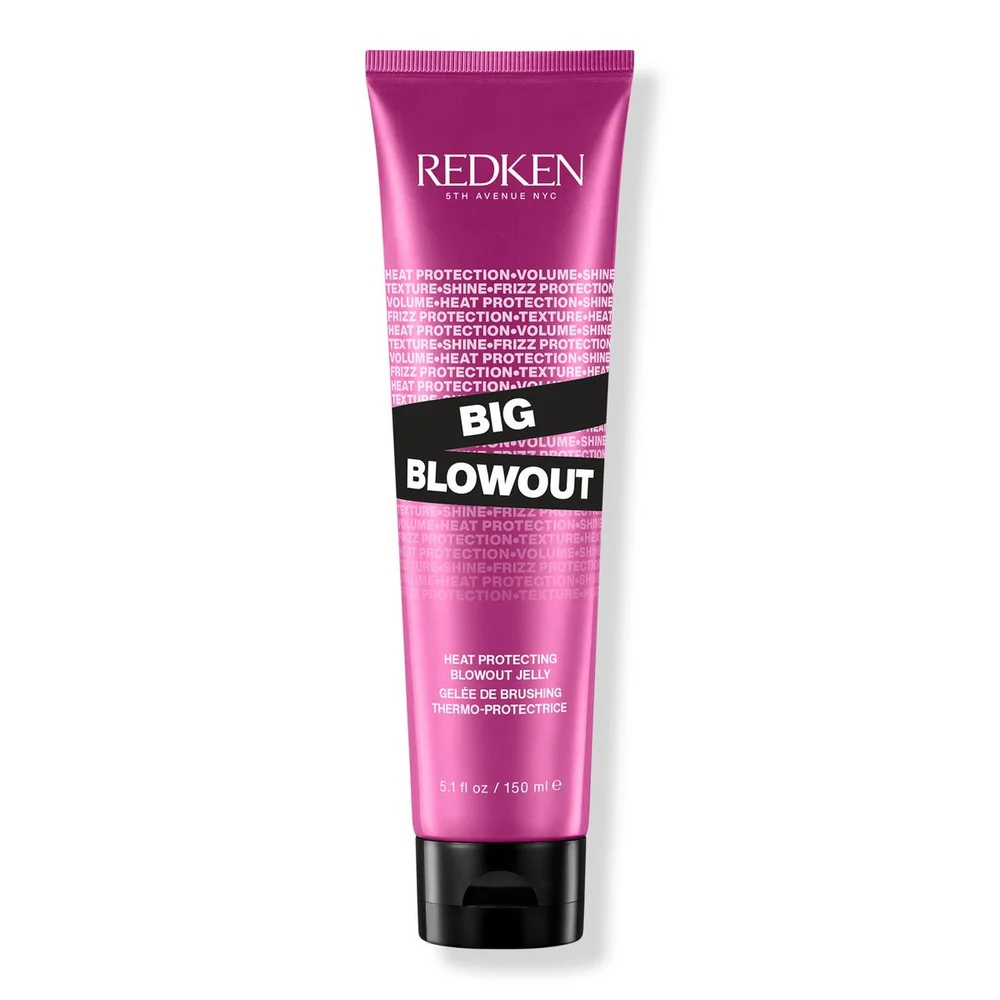
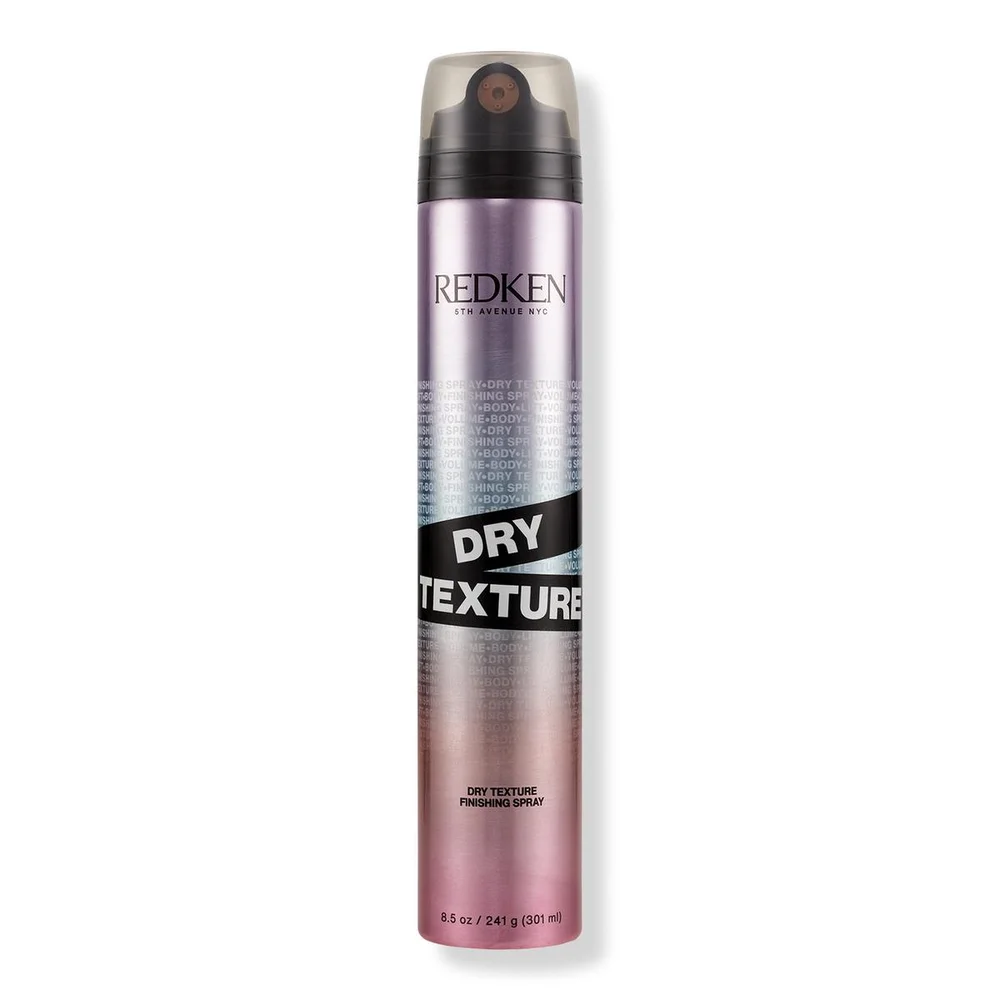
For a first styling purchase, I’d start with One United Multi-Benefit Leave-In Conditioner Spray because it can be a simple multi-use leave-in step. Quick Blowout Heat Protectant Spray is my pick for a straightforward blowout; Big Blowout Heat Protectant Jelly sounds better if I prefer a creamier styling texture, while Dry Texture Finishing Spray is the finish I’d choose for a less polished, piecey result. These are distinct jobs, so I’d buy around the styling habit I already have.
What I would skip is the urge to build a whole salon shelf just because the brand offers a solution for every step. I’d try one treatment or one styling product first, keep the routine otherwise familiar, and decide whether I notice the difference before adding a second formula. Redken’s ownership story is a clean corporate fact, but the reason to buy a bottle is less grand: it fits the way I actually wash, dry or finish my hair.