Tatcha is owned by publicly traded Unilever, which acquired the skincare brand in 2019. Vicky Tsai founded it after a Kyoto trip.
Who Owns Tatcha? The Unilever Story Since 2019
Who Owns Tatcha Today?
Tatcha is owned by publicly traded Unilever, whose ownership began in 2019 when it acquired a 95% stake. That historic figure is not a claim about Unilever's current percentage; it is the deal figure I can verify. So who owns Tatcha today? Unilever does, and its first-half 2026 report still includes Tatcha in Prestige Beauty. The Tatcha parent company trades ordinary shares in London and Amsterdam, with American depositary receipts listed in New York.
If you are asking who makes Tatcha, the distinction is simple: Tatcha is the skincare label, while Unilever is the corporate owner. It is a publicly traded parent, not an independent company owned by its founder. I like a direct ownership answer with a date attached, rather than pretending the 2019 deal figure tells me the current cap table.
For anyone wondering who founded Tatcha, Vicky Tsai started it in 2009 after a 2008 Kyoto trip introduced her to Japanese beauty rituals. That origin matters because the first product, blotting papers, was practical and small, not a conglomerate's idea of a skincare routine.
The Kyoto Beginning
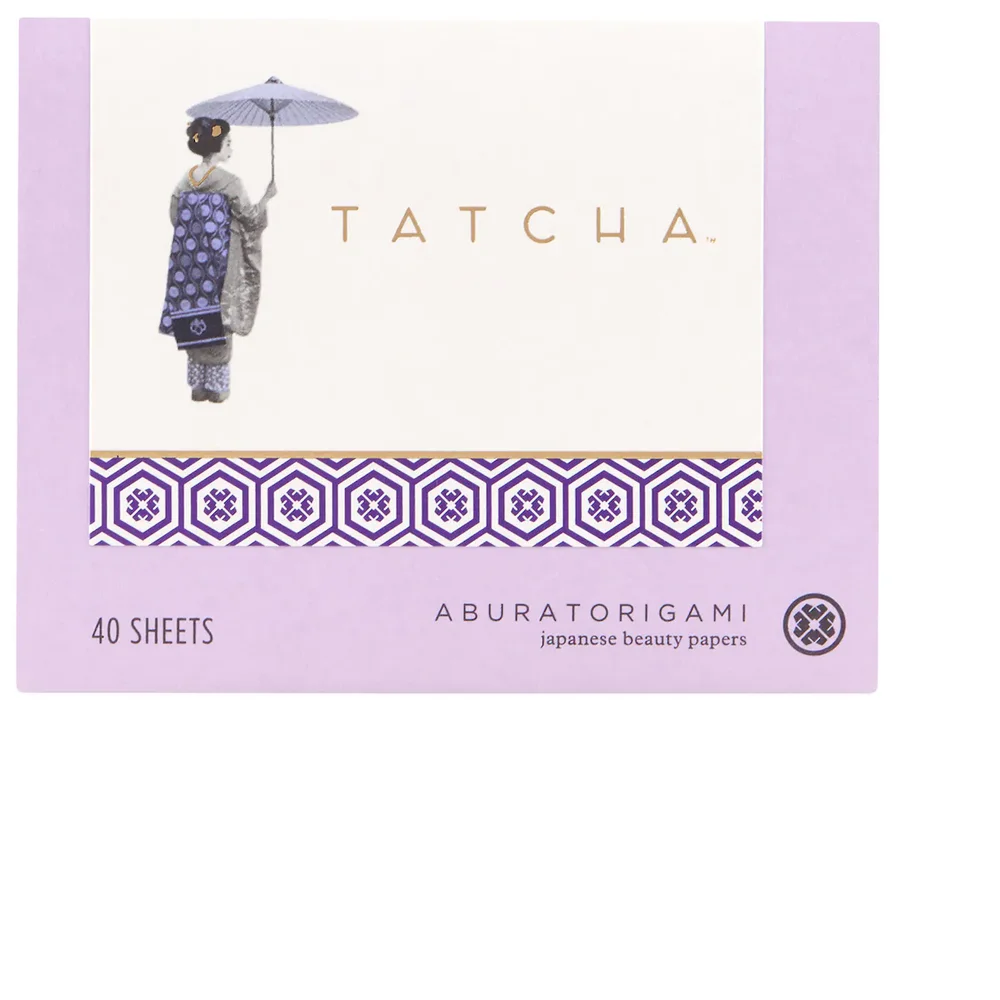
Vicky Tsai founded Tatcha in 2009 after a 2008 trip to Kyoto introduced her to Japanese beauty rituals. Aburatorigami Japanese Blotting Papers were the first launch, absorbing oil without disturbing makeup. That origin feels unusually honest for a luxury label: it began with a small, useful fix, not a promise of a whole new routine. Tatcha's own first-launch story keeps that practical idea at the center.
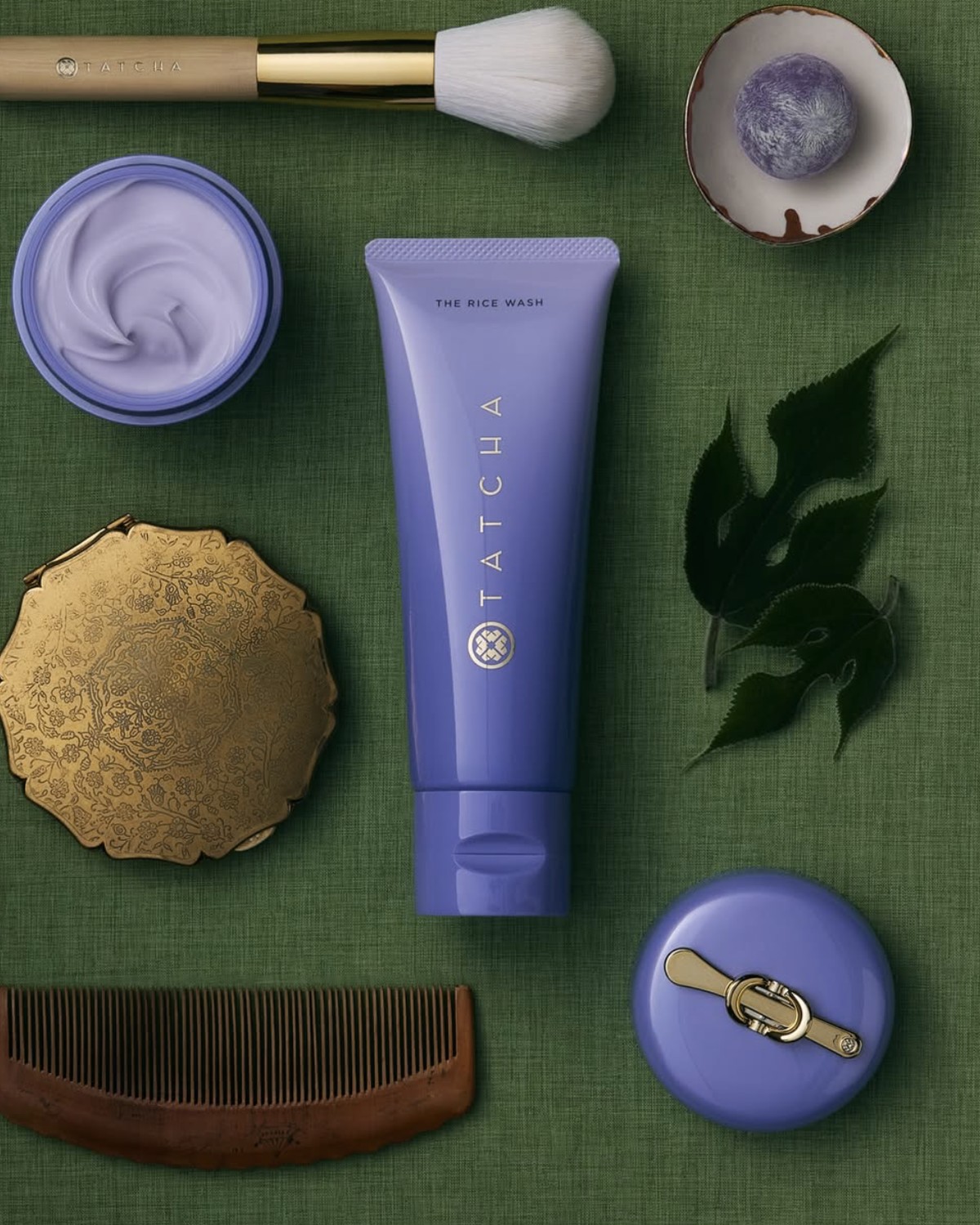
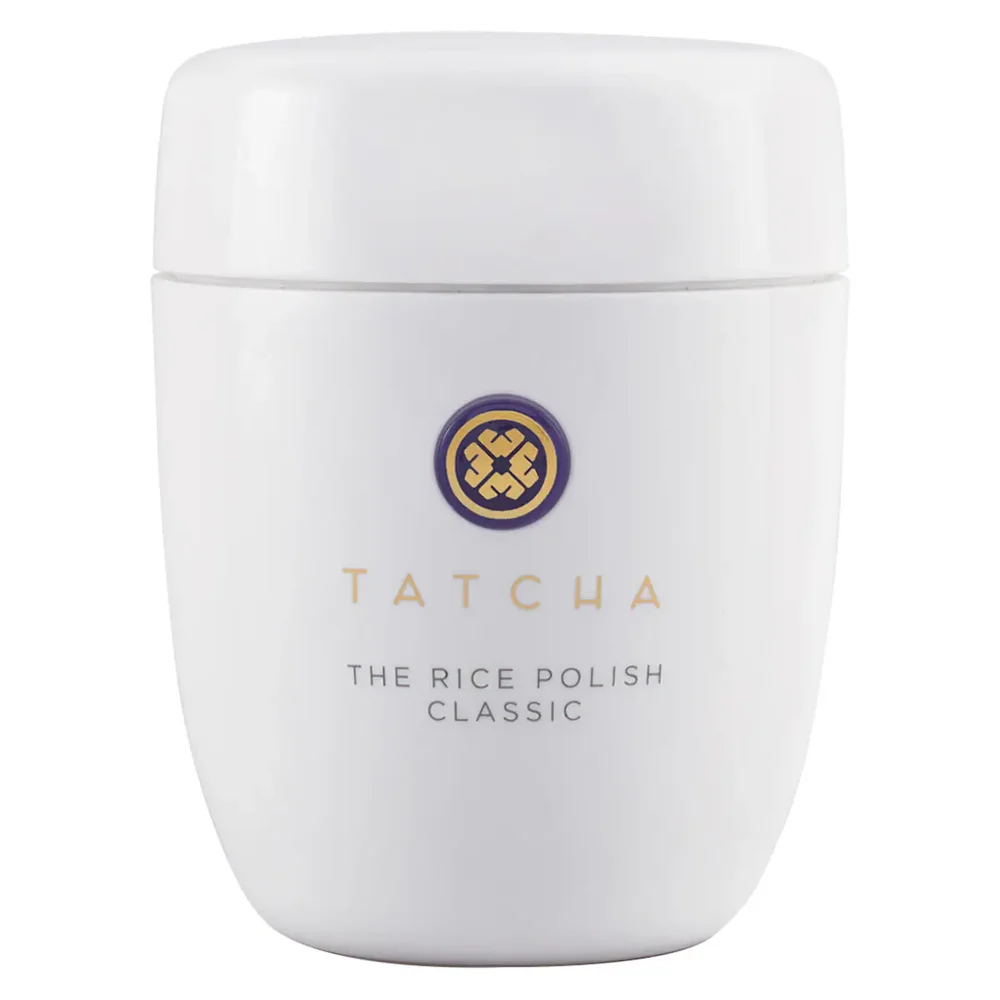
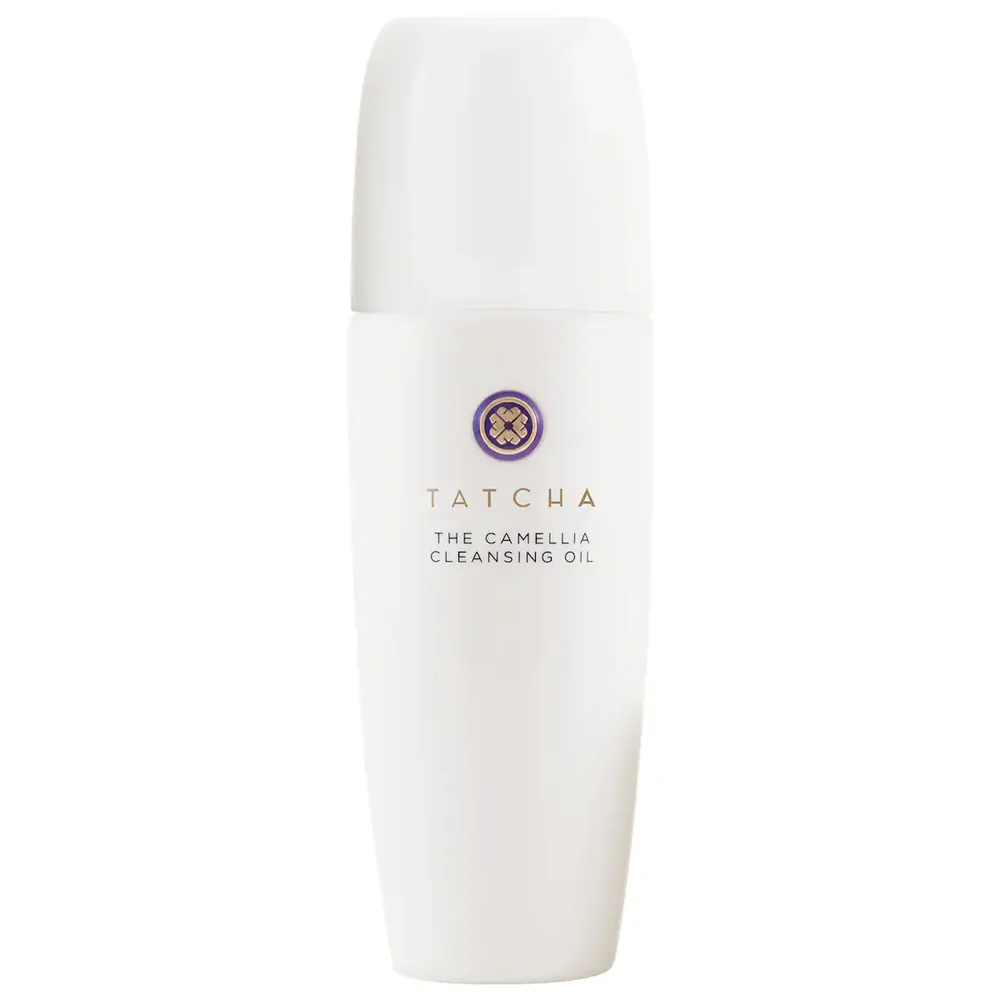
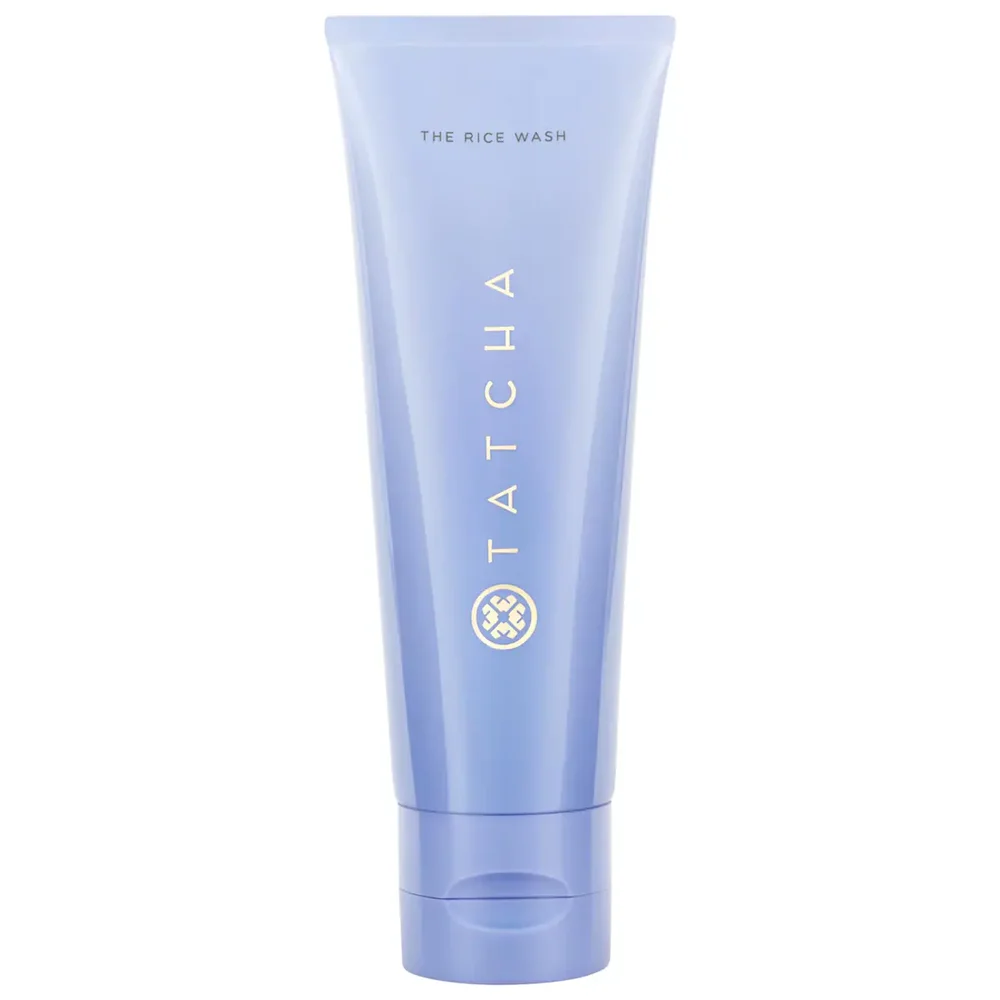
I would start with the blotting papers if shine is why I am curious, then choose one cleanser. The Camellia Oil Makeup Remover and Cleanser removes makeup and sunscreen; The Rice Wash Soft Skin Cleanser is a soft cream cleanser. The Rice Polish Foaming Enzyme Powder is a water-activated rice bran exfoliant that foams, so I would add it only if exfoliation suits my routine. Buying every cleansing product at once would be more ritual than I need.
The Ownership Timeline
Castanea's first investment in Tatcha came in October 2017; Unilever acquired a 95% stake on July 26, 2019. That percentage belongs to the 2019 transaction, not a verified current ownership percentage. Unilever still lists Tatcha in Prestige Beauty, and its first-half 2026 results name Paula's Choice and Hourglass as other particularly strong performers in the second quarter.
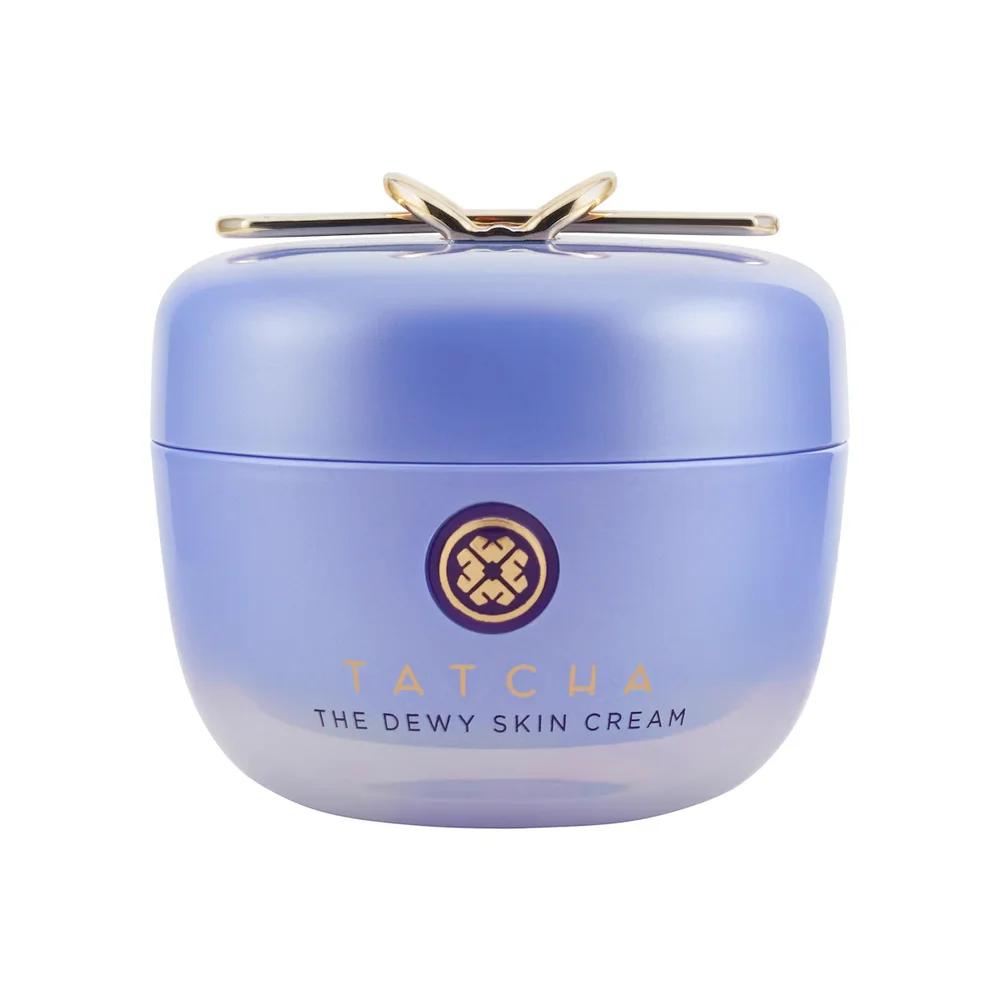
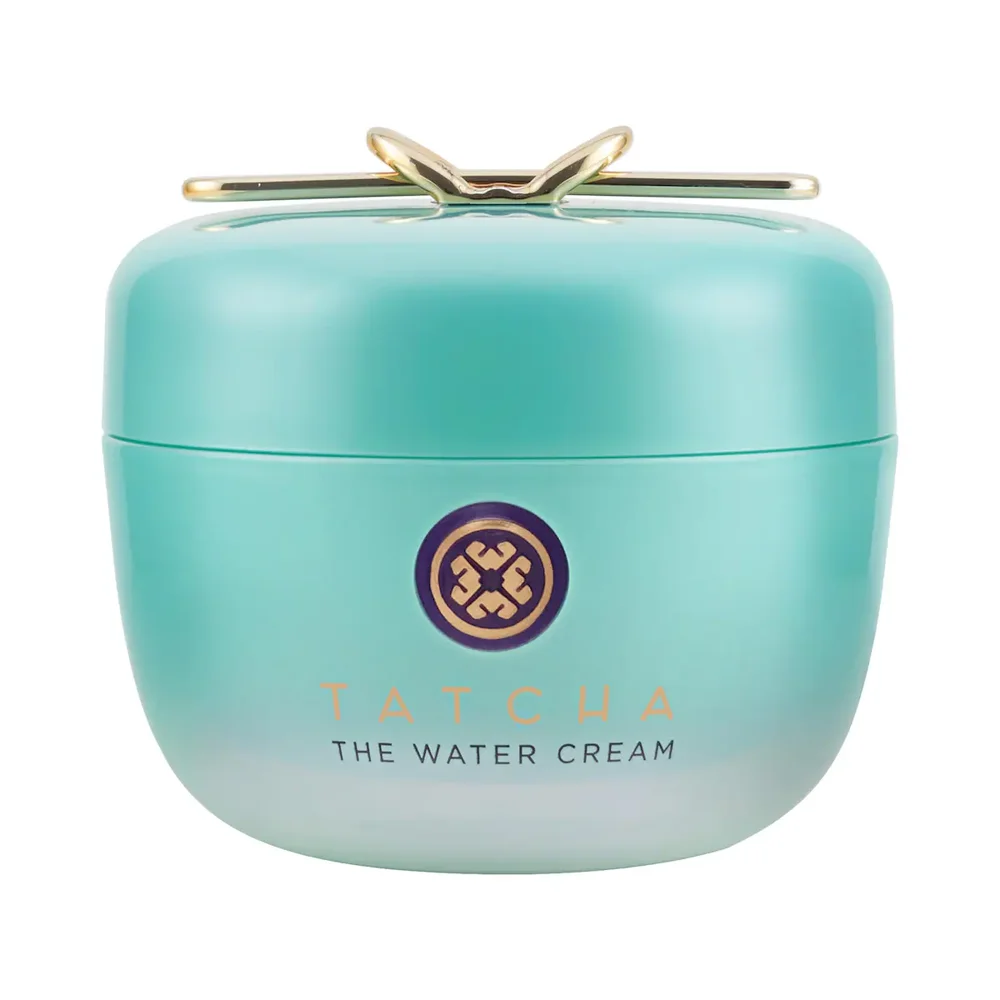
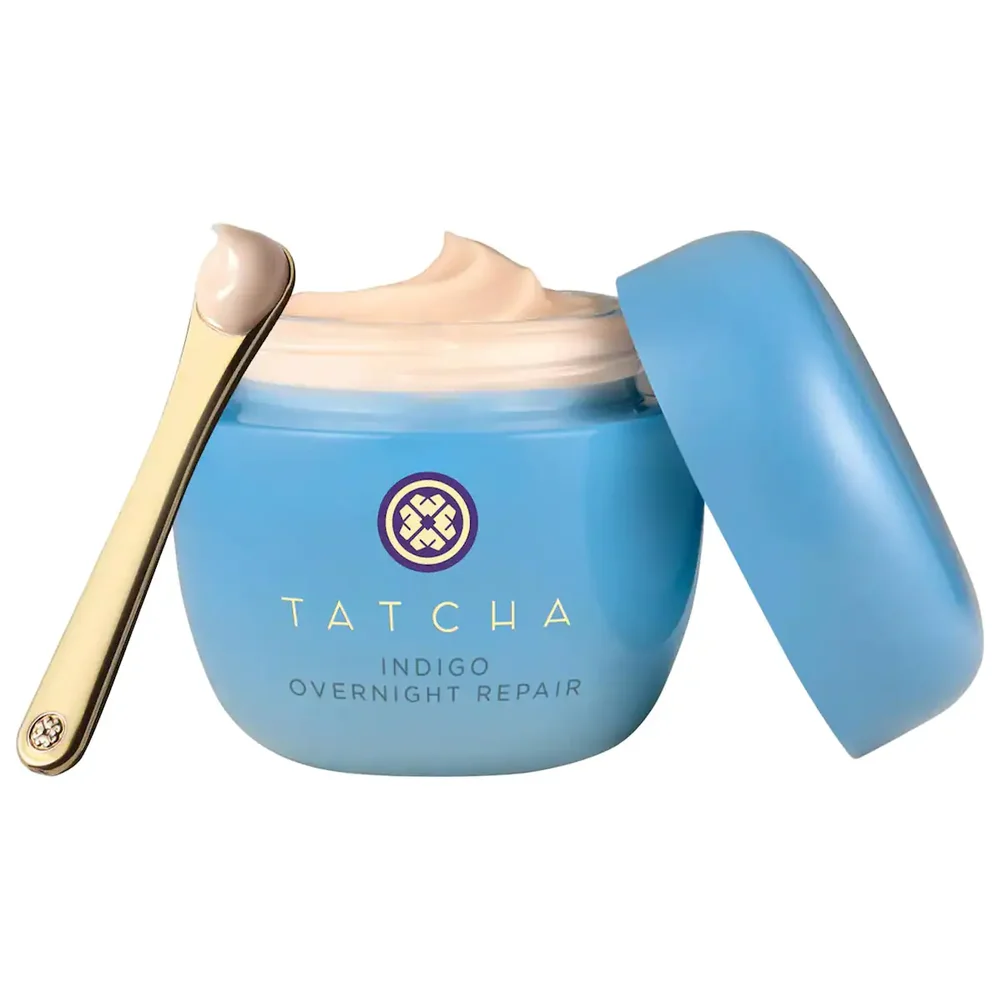
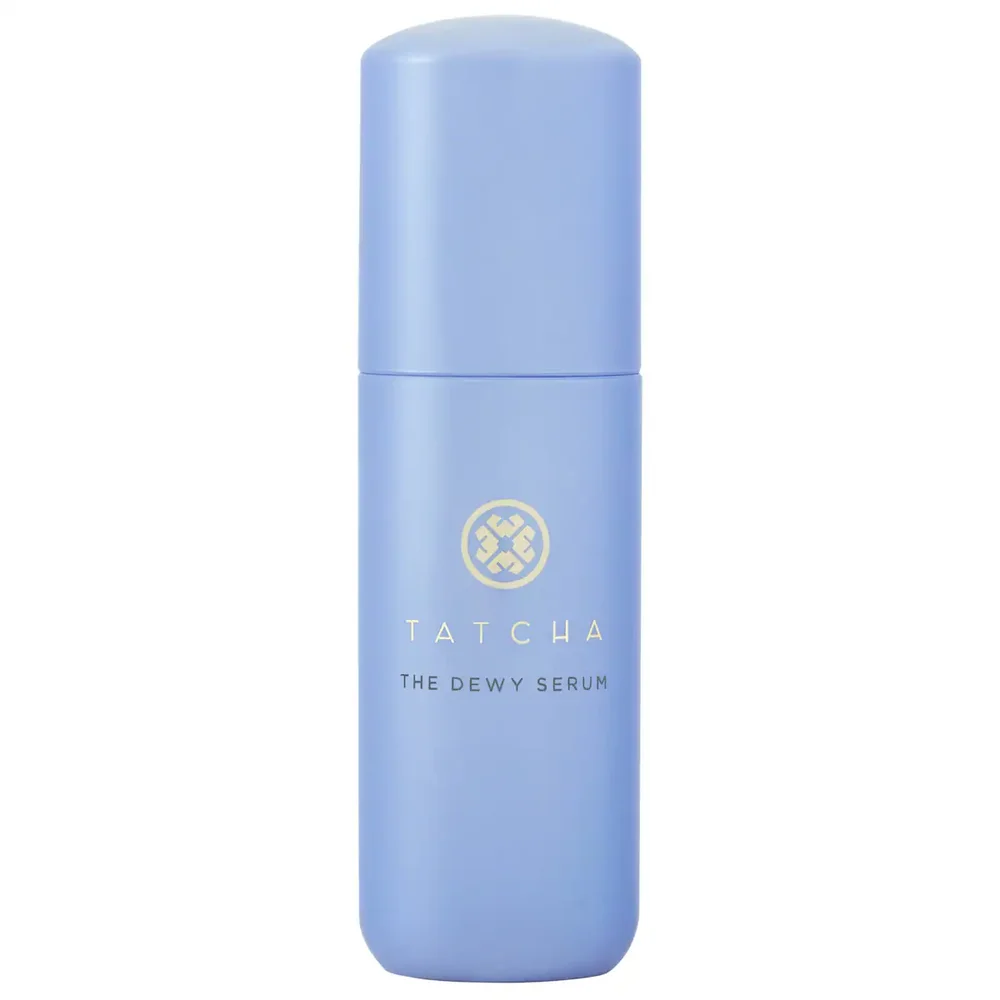
I cannot verify that the ownership change altered Tatcha's formulas, so I would not shop on that assumption. I would choose from the current core by texture: The Dewy Skin Cream is a rich line-plumping moisturizer, The Water Cream is a lightweight pore-refining gel, Indigo Overnight Repair is a redness-reducing barrier cream, and The Dewy Serum uses hyaluronic acid and collagen amino acids. I would buy one moisturizer first, then add the serum only if I want a separate treatment step.
What I Would Buy First
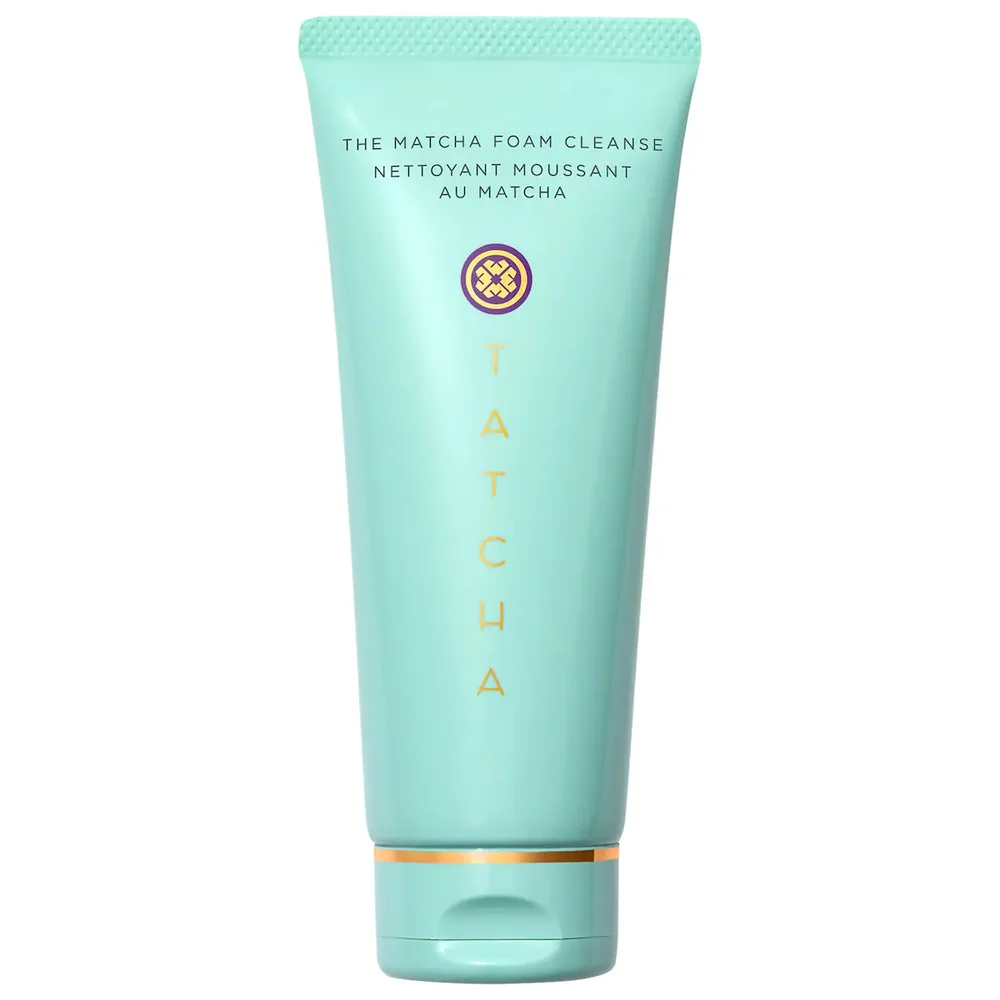
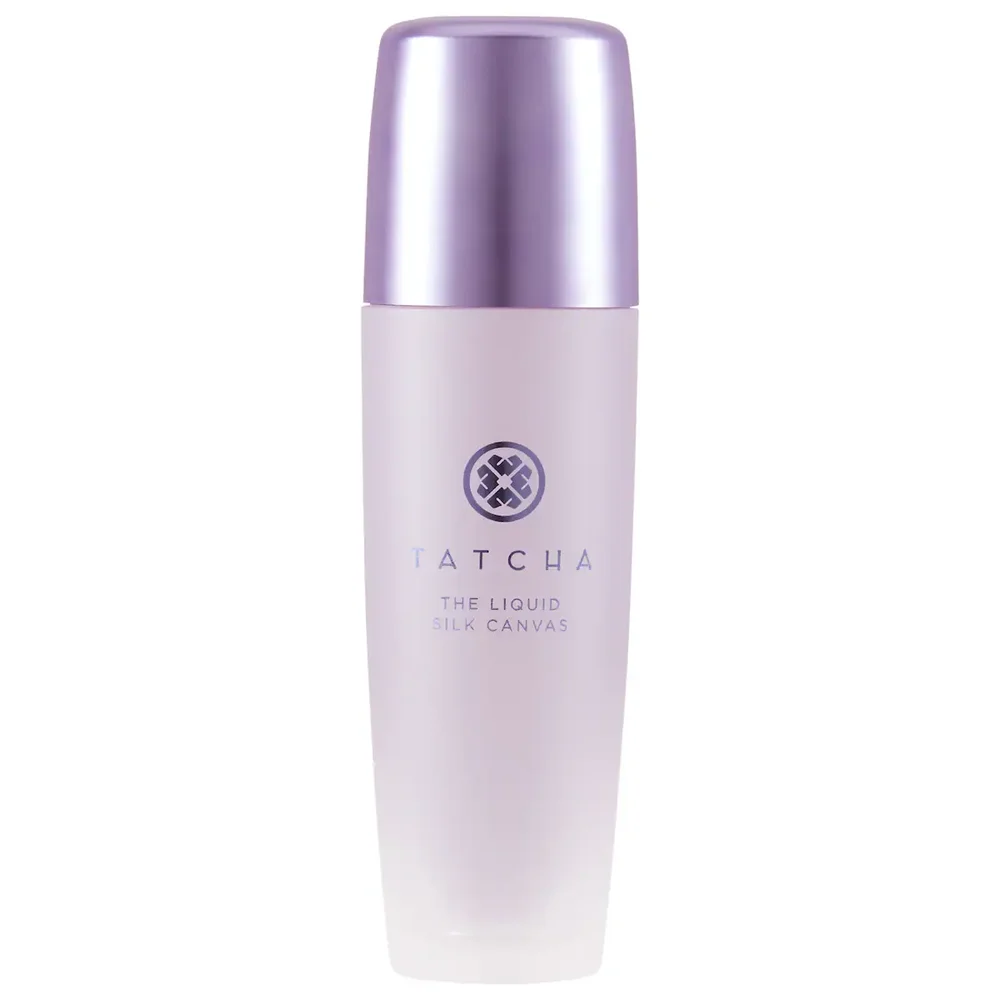
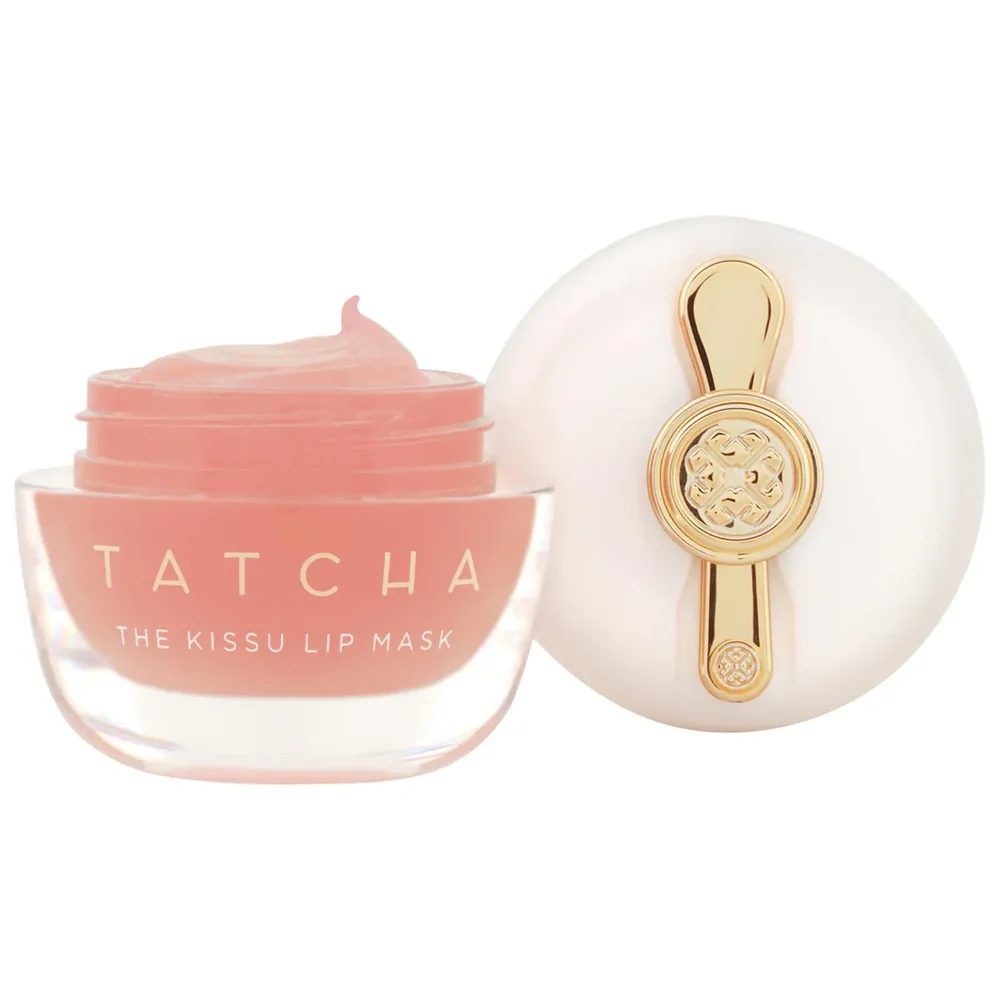
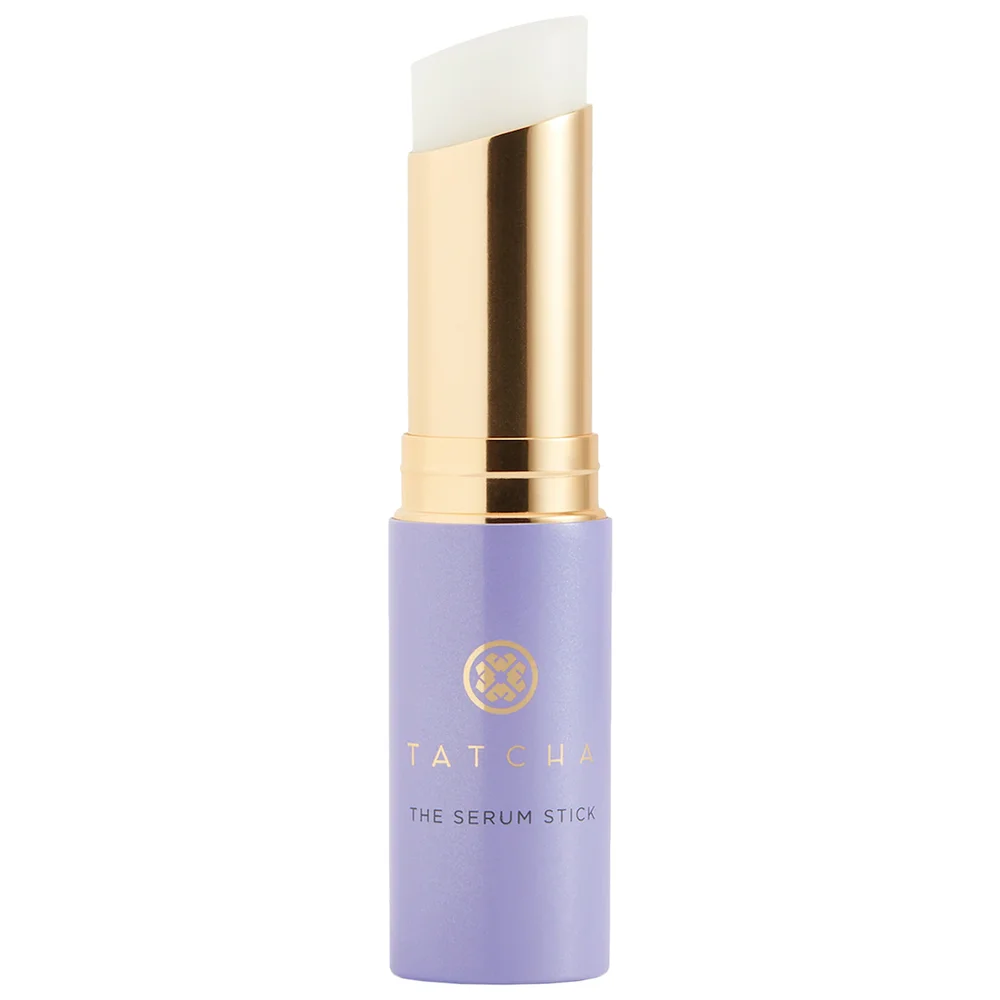
What I would buy first depends on what is missing from my routine. The Matcha Foam Prebiotic Gel Cleanser is a clarifying, pore-decongesting option; I would skip it if my cleanser already leaves my skin comfortable. The Liquid Silk Canvas Protective Primer is a lightweight barrier before makeup. The Kissu Hydrating and Plumping Lip Mask is a restorative lip step, while The Serum Stick Line-Smoothing Touch-Up Balm is a line-smoothing treatment and touch-up balm for dryness.
I would buy one add-on that fixes a real annoyance, not all four. If I wear makeup often, Liquid Silk Canvas has an obvious job; if I do not, it is an easy skip. For dry lips, Kissu is the more direct treat; The Serum Stick makes sense for touch-ups, not as a substitute for a routine. Tatcha's own oil-free notes show how makeup prep sits alongside skincare, but I would start with the step I will actually use.