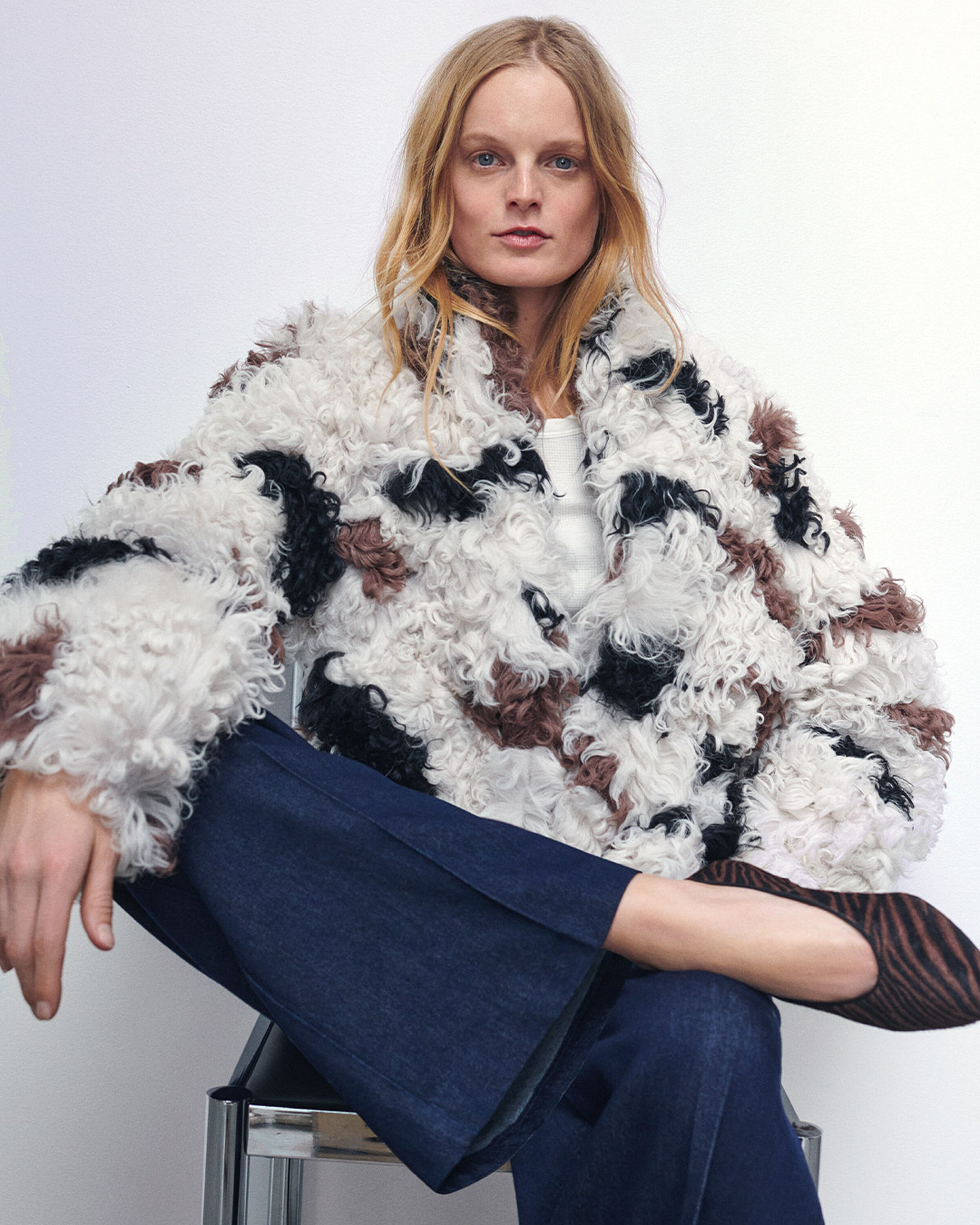
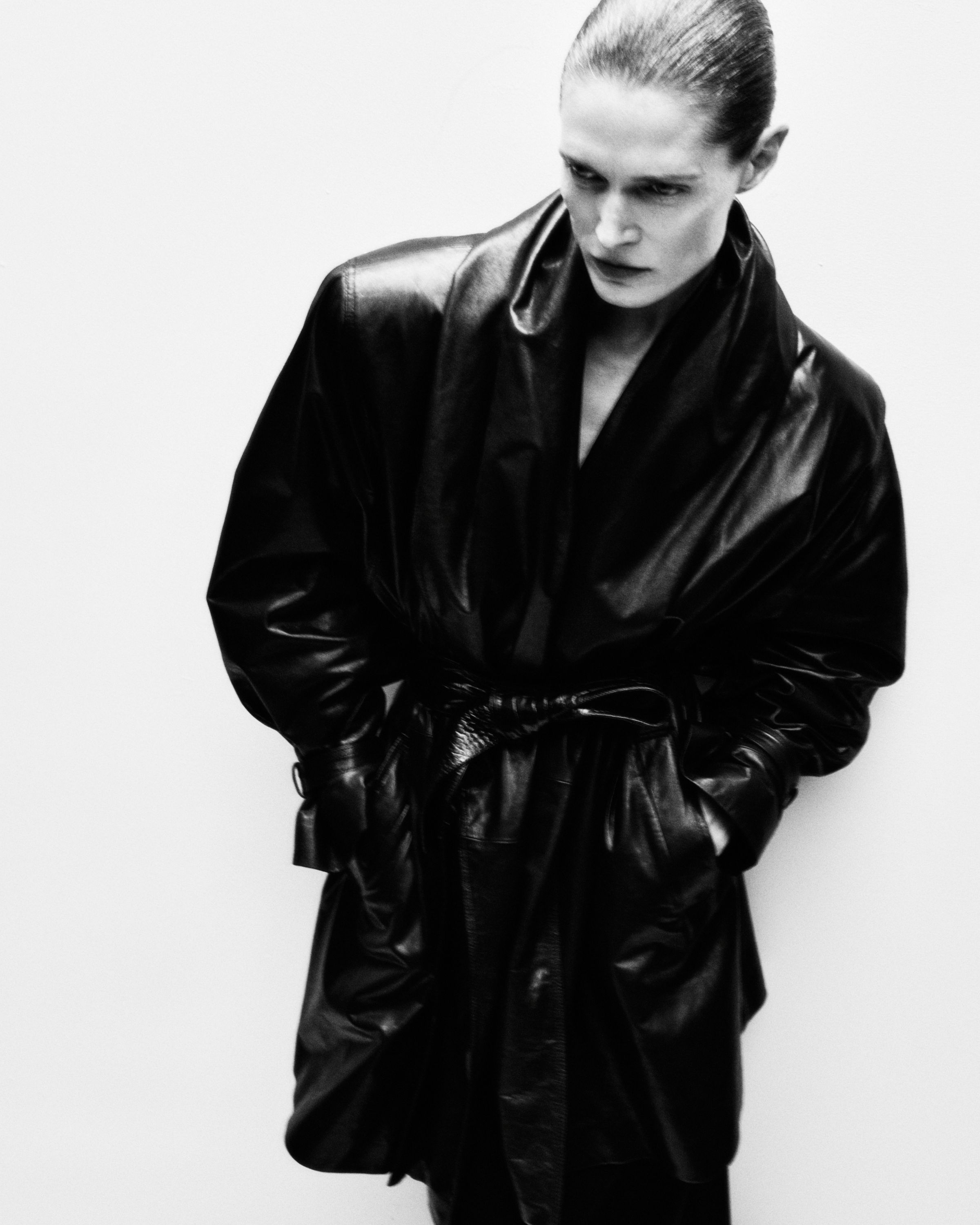
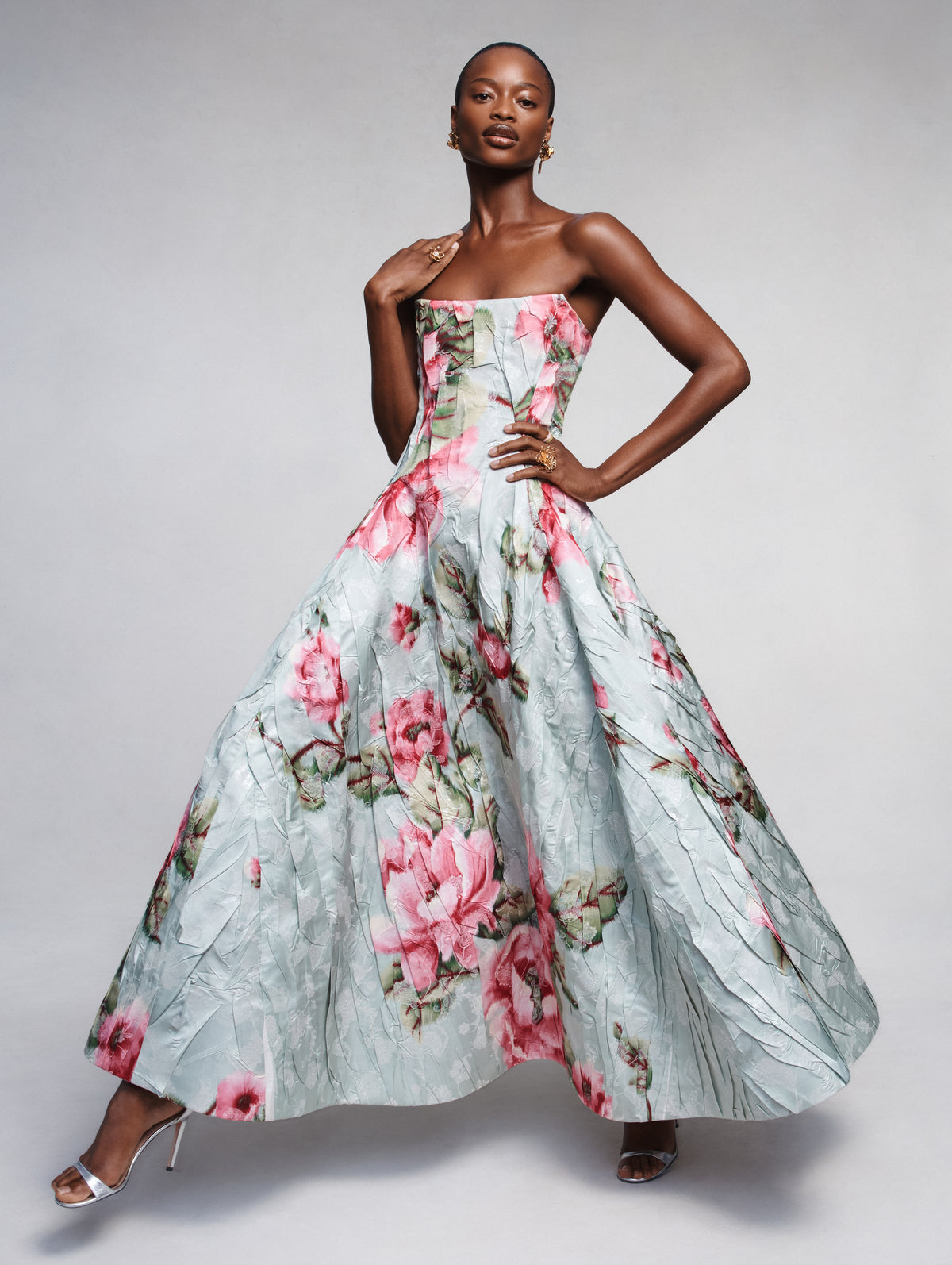
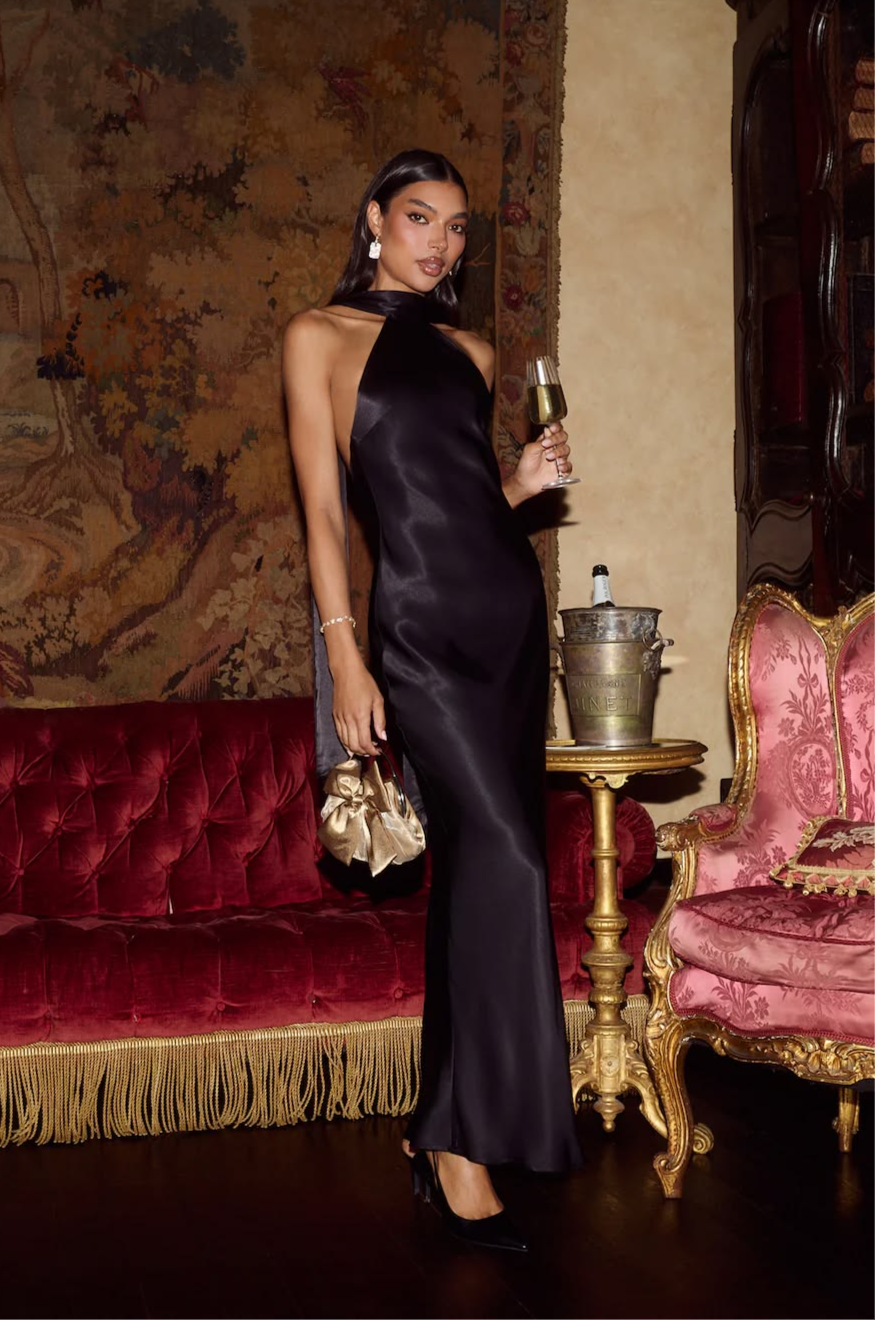
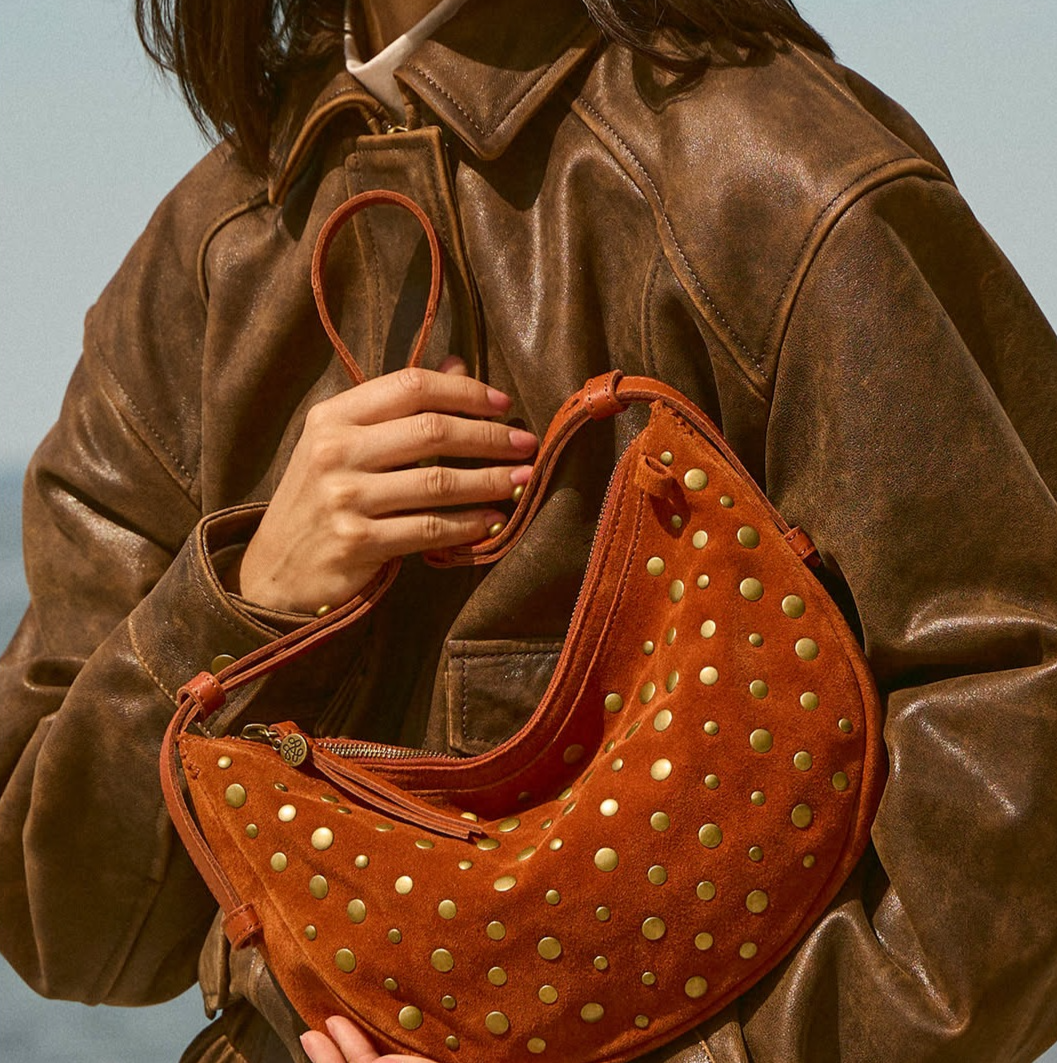
An outfit can be entirely correct and still read as someone else's. The reason is usually that it arrived finished, copied whole from a picture, with no decision left in it. Below, three categories where a small change of your own does the work: shirting, outerwear and shoes.
Why Your Outfit Looks Borrowed
There is a specific feeling I want to name, because I think a lot of people have it and do not have words for it. You get dressed, you look in the mirror, everything technically works, and the outfit still feels like it belongs to somebody else. Nothing is wrong. That is the problem.
Here is what I think is happening. You saw the look somewhere, fully assembled, and you reproduced it. Top, trouser, shoe, bag, in the same order, in the same proportion. That is not inspiration. That is a copy, and copies read as copies even when they are beautiful, because there is no decision anywhere in them.
I do this too, by the way. Not on a Tuesday, when I know exactly who I am, but the second something important lands in my calendar I lose my nerve and go looking for a picture to follow.
So the fix is not a better picture. The fix is putting one thing of your own back in.
Shirts And Blouses


Start with the shirt, because a shirt is the most negotiable thing you own. Buttons undone or done to the top. Sleeves pushed up past the elbow so the forearm shows and the whole line of you reads busier, more capable. Tucked at the front only. Left open over a tank. None of that costs anything, and all of it changes the silhouette, which is the part people actually register.
What to look for when you buy one: a shoulder seam that sits slightly wide of your own shoulder, because that is what lets a shirt fall instead of pull. Cuffs deep enough to roll twice without bunching. Cotton with body to it, poplin or twill rather than something thin and papery, so the collar stands when you leave it open.
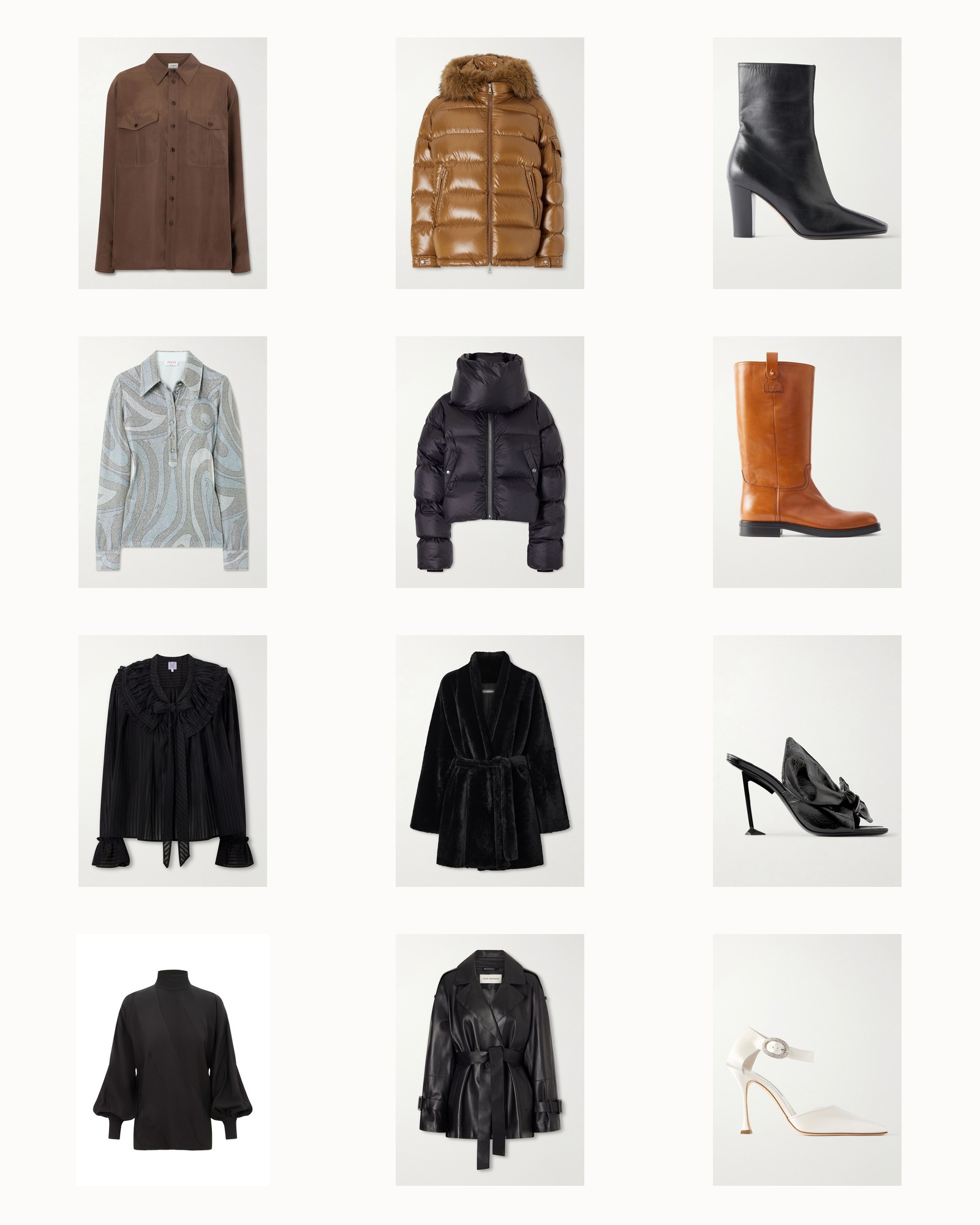
The prints and pussy-bows below are here on purpose. A plain white shirt is a good thing to own and a bad thing to build an identity on, because everybody already owns it.
Coats And Jackets

Hypolais hooded plush-trimmed quilted shell down jacket
Moncler
$3,105

Tower cropped shell jacket
Rick Owens
$2,670

Raquel belted paneled shearling coat
Nour Hammour
$2,120

Nera belted leather jacket
Nour Hammour
$1,825

Checked shell jacket
Burberry
$1,450

Valiant Bomber Jacket
Zimmermann
$1,275

Wool-blend herringbone jacket
Polo Ralph Lauren
$700

Maeve Cotton Utility Jacket
A.L.C.
$355
Outerwear is the layer strangers see, so it carries more of your style than anything underneath. It is also the layer people copy most literally, which is why so many streets look the same by November.
Two things I would push you on. First, buy the coat for the shape rather than the season, and check that shape over the clothes you actually wear, not over jeans and a tee in a fitting room. A cocoon coat over a wide trouser reads very different from the same coat over a slim skirt.
Second, and this is the part nobody does: a coat you already own can be changed. Shorten it. Take the belt off and never put it back. Swap the buttons for something heavier. A tailor will do any of that for less than the cost of a new one, and afterwards nobody else has your coat.
If you are buying rather than altering, weight is the honest signal. A wool coat that feels light in the hand will feel light in February.
Boots, Pumps And Mules

Cindy leather ankle boots
The Row
$1,950

Peyton leather knee boots
Church's
$1,595

Boudoir bow-detailed leather mules
Givenchy
$1,390

Zutonplan 105 crystal-embellished satin pumps
Manolo Blahnik
$1,225

Ask Around 65 satin slingback pumps
Herbert Levine
$1,100

Alchemy Low Boot 75
Zimmermann
$1,050

Culumba 80 patent leather pumps
Neous
$795

Arizona leather ankle boots
Khaite
$1,280
Our honest take
We would rather see you wear one shirt three ways than buy three shirts to wear one way each. The borrowed feeling is not solved at checkout, and anything sold to you as the missing piece of a look you saw online is almost certainly not.
What we would skip: the exact shoe from the picture. Shoes are where a copied outfit gets most expensive and least personal, because a heel height is not a personality. Buy the pair that suits your week and your actual walking, then let it be slightly wrong for the reference image. That wrongness is the interesting part.
We are also not going to pretend every piece here is a forever purchase. The printed blouses are mood, not infrastructure. The boots and the wool coat are infrastructure.
If you take one thing away: before you leave the house, change one thing on purpose. Roll a sleeve, drop a tuck, take the belt off. One deliberate decision is the whole difference between wearing a look and owning it. If you want to keep browsing, I also put together The One-Piece Case for Skipping the Two-Piece Outfit and The Long Lunch Outfit.