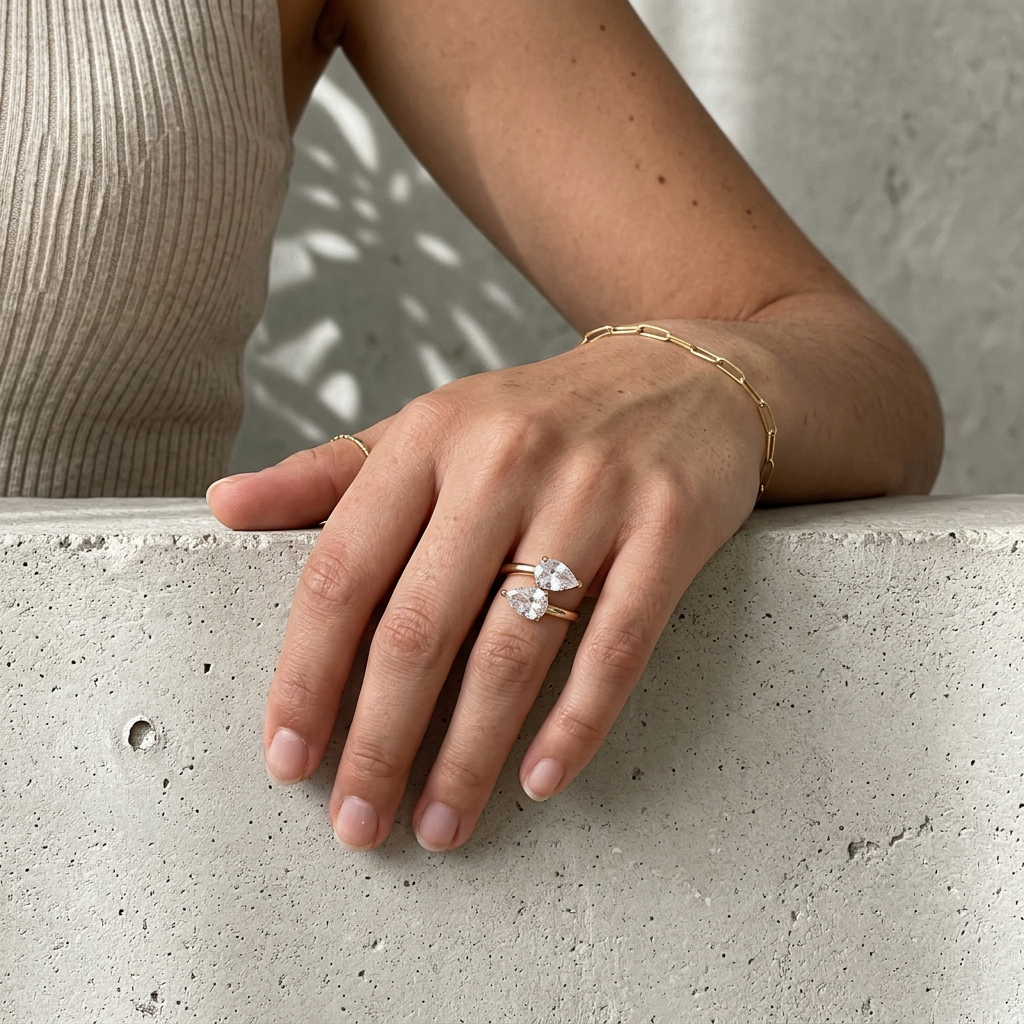
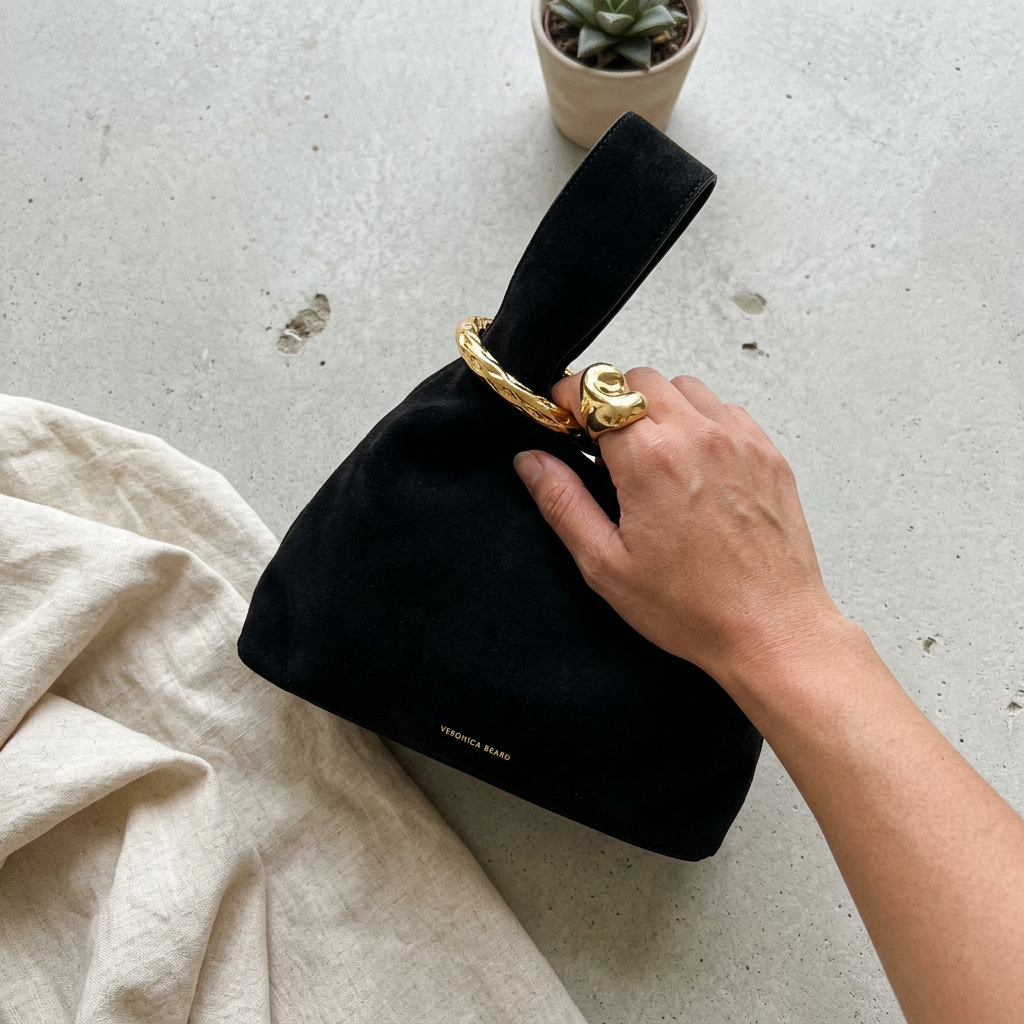
Gold-plated jewelry tarnishes eventually. This is not a problem. It is inevitable. Here is what to expect and how to slow it down.
Will It Tarnish? Caring for Gold-Plated Jewelry

Tarnish is not a failure, it is a timeline
Gold-plated jewelry has a thin layer of gold bonded to a base metal, usually brass. That layer is typically 0.5 to 2.5 microns thick. Under a microscope, it looks solid. In reality, it is thin.
Over time, with wear and exposure, the gold separates from the base metal. The base metal oxidizes and shows through as a darker color. This is called tarnish. It looks like something went wrong. In fact, something is going exactly right. The layer is aging as it should.
The timeline depends on three things. How thick the plating is. How much you wear it. How much you expose it to water and sweat and humidity.
A well-made gold-plated piece worn three times a week and stored dry will last three to five years before obvious tarnish appears. The same piece worn daily and exposed to water will show tarnish in a year or two. This is not bad durability. This is honest durability.
The important thing to know is that tarnish is fixable. It is not permanent damage. It is a cosmetic change that a jeweler can restore, usually for twenty to fifty dollars.
Gold-plated essentials

14K Gold Ear Cuff with Chain
Jenny Bird
$150

14K White Gold Extender Chain
Jenny Bird
$65

14K Gold Extender Chain
Jenny Bird
$65

10K White Gold Extender Chain
Jenny Bird
$55

Renzo Brooch
Jenny Bird
$98

Renzo Brooch
Jenny Bird
$98

Founder's Favorite Ring Set
GLDN
$158

SafSafu ’Not Kawaii’ - Single Earring
VS Vintage Archive
$227
How water breaks down the plating
Water is the enemy of gold-plated jewelry. Not because it dissolves the gold, but because it accelerates oxidation of the base metal underneath.
When you shower, the water lifts the gold plating slightly. Water gets trapped between the plating and the base metal. The base metal oxidizes in that damp environment. When you dry the piece and the water evaporates, the damage is already done.
Sweat does the same thing, but slower. If you swim regularly or exercise in jewelry, the salt in your sweat accelerates the process even more.
This is why removing gold-plated jewelry before showering matters. It is not paranoia. It is basic protection.
Humidity is the slow version of the same problem. A piece stored in a damp bathroom will tarnish faster than one stored in a dry bedroom. The moisture in the air infiltrates the small gaps in the plating. Slow oxidation happens. Months of this equals visible tarnish.
One solution is a small zip-lock bag in your drawer. Seal the jewelry away from the humid air. This alone extends the life significantly.
Another solution is a cloth storage bag designed for jewelry. These bags have low-tarnish materials that slow oxidation further.


Storage and maintenance that actually work
The best storage is a dry drawer in a cloth bag. Cool, dry, and dark, sealed away from air. In these conditions, gold-plated jewelry can last years without visible tarnish.
If you have a humid climate or a humid bathroom, this matters more. Invest in a small hygrometer. If your bedroom humidity is above 50 percent, use sealed storage. If it is below 50 percent, a regular jewelry box is fine.
Wipe your jewelry after you wear it. Your skin oils are actually protective when they are fresh. A soft microfiber cloth removes dust and debris and keeps the surface clean. Do this weekly and tarnish appears later.
Do not use harsh polishing cloths on gold plating. Aggressive polishing can remove the plating faster than time does. A gentle cloth is all you need. If tarnish appears, a jeweler can handle it better than you can.
Remove it before water. Showers, swimming, dishes, washing your hands while wearing jewelry. Every one of these events ages the plating. If you remember this one rule, everything else is easier.
Do not sleep in it unless you have to. Skin oils build up. Dust accumulates. The less time the piece spends exposed to air and moisture, the longer it lasts.
Statement jewelry to rotate


The tarnish questions answered plainly
Can I reverse tarnish myself? You can slow it, but a jeweler will do it better. They have professional polishing tools and chemicals designed not to damage the plating.
Is tarnish a reason to throw the piece away? Absolutely not. It is a reason to have it replated. A five-year-old piece that is replated looks new again.
Can I avoid tarnish entirely? Not really. It is part of the lifetime of a gold-plated piece. You can delay it by months or years, but eventually the day comes. Plan for it.
How often should I replated? This depends on wear. A piece worn heavily might need replating after three years. A piece worn occasionally might go five to seven years. When you see the base metal showing through, that is the time.
Will replating damage the piece? No. A jeweler removes the old plating and applies a new one. It is the same process that created it originally. The base metal underneath is fine.
Is demi-fine worth buying if it will tarnish? This is a personal choice. You are paying for real gold and real materials. The tarnish is the price of affordability. If you love the piece and can accept that it will age, it is absolutely worth it.
Mixed metals to layer

Loire Necklace
Jenny Bird
$164

14K Princess Cut Double Diamond Lariat Necklace
Jenny Bird
$895

14K Princess Cut Double Diamond Lariat Necklace
Jenny Bird
$895

14K Princess Cut Double Diamond Pendant Necklace
Jenny Bird
$795

14K Princess Cut Double Diamond Pendant Necklace
Jenny Bird
$795

THE 14KT THIN CURB LINK BRACELET
The M
$194

Round Lab Grown Sapphire Bracelet
Mejuri
$158