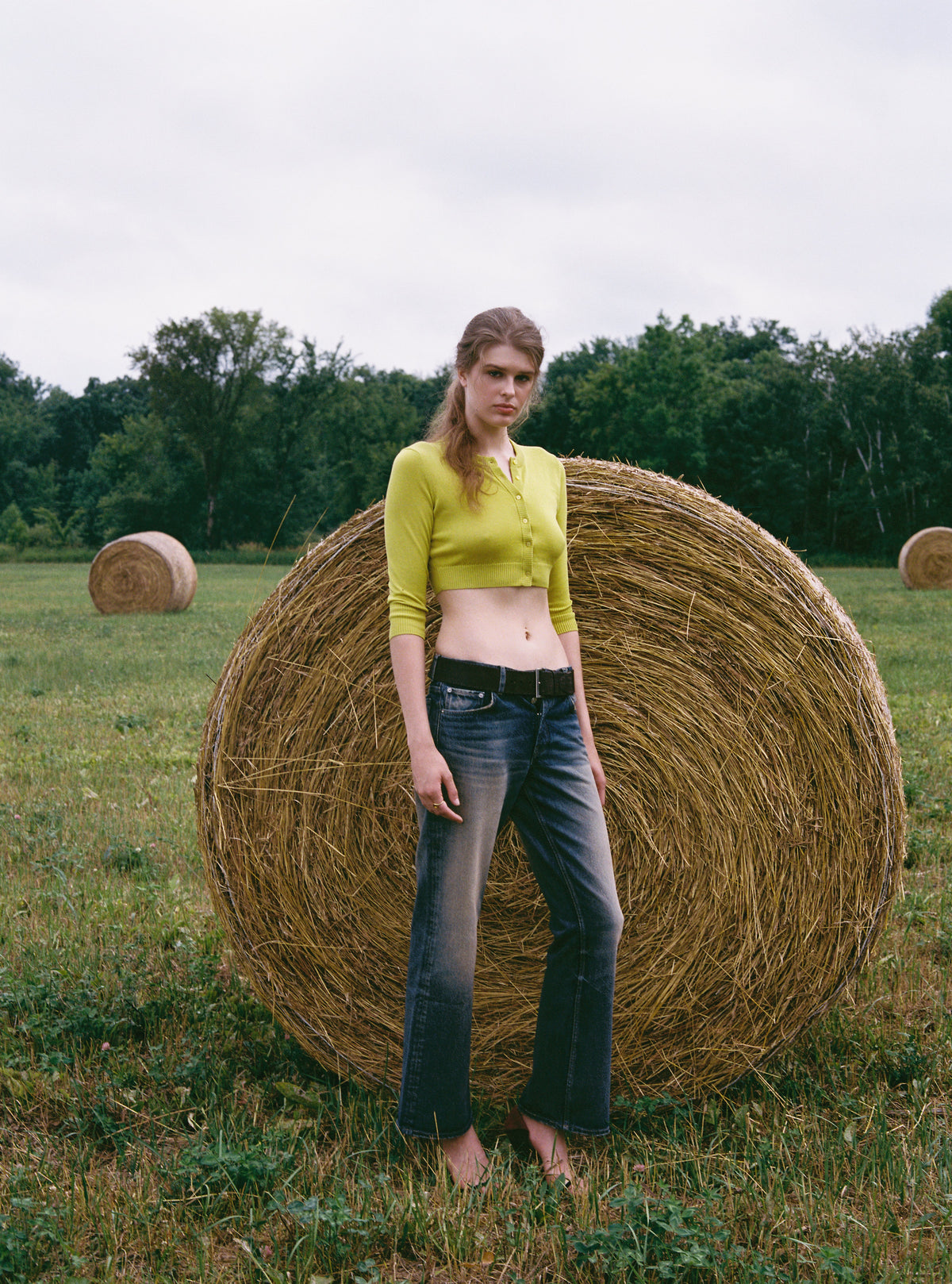
A belt is the smallest thing a house can sell that still carries its whole design language. The dior belt range proves that by fitting four separate house codes onto a strip of leather. This edit runs through the buckles and reversible options.
A Dior Belt
AKA Hardware Doing All The Talking

Four House Codes, One Strap
The house has an unusually large vocabulary of marks, which creates a problem on small leather goods where only one can be used at a time. Belts solve it by offering each code as its own product rather than combining them, so the Oblique jacquard, the CD Icon buckle, the 30 Montaigne hardware and the Medaillon each get a strap of their own. Reversibility then doubles the utility of the ones that carry a pattern. That approach descends from the mid-century couture practice of building a house signature into every accessory so the client reads as dressed by one person.


Reversible, Saddle And Medaillon
The reversible CD Icon and reversible Dior Oblique belts are the most practical pieces here, giving two finishes on one strap. A 30 Montaigne dior belt comes in standard, reversible and Loop versions, and the Loop is the most contemporary shape of the three. The Saddle belt borrows its hardware from the bag that defined the house's 2000s, which makes it the most recognisable thing in the group. The Medaillon and Legende belts sit at the quieter end, where the buckle does the identifying rather than the strap.


Our honest take
Belt sizing is where most people go wrong, and the rule is to measure an existing belt from the buckle fold to the hole you use rather than trusting your trouser size. Reversible belts use a rotating buckle mechanism that is the first component to loosen, so check it feels solid rather than fiddly. Jacquard straps will fray at the punched holes in a way leather does not. Wide belts need wide loops and most trousers do not have them. If you take one thing away, measure a belt you already own before ordering anything here.