Abercrombie Curve Love vs Regular jeans comes down to hip and thigh room; compare rise, stretch and matching cuts before choosing your waist size.

Abercrombie Curve Love vs Regular Jeans: Fit by Proportion
Abercrombie Curve Love vs Regular by proportion
Abercrombie Curve Love vs Regular is a choice about hip and thigh room, not a reason to change your waist size automatically. Curve Love adds two inches through the hip and thigh; I would compare it with the same waist in the Classic Fit and see whether the waistband lies flat once the seat feels right.
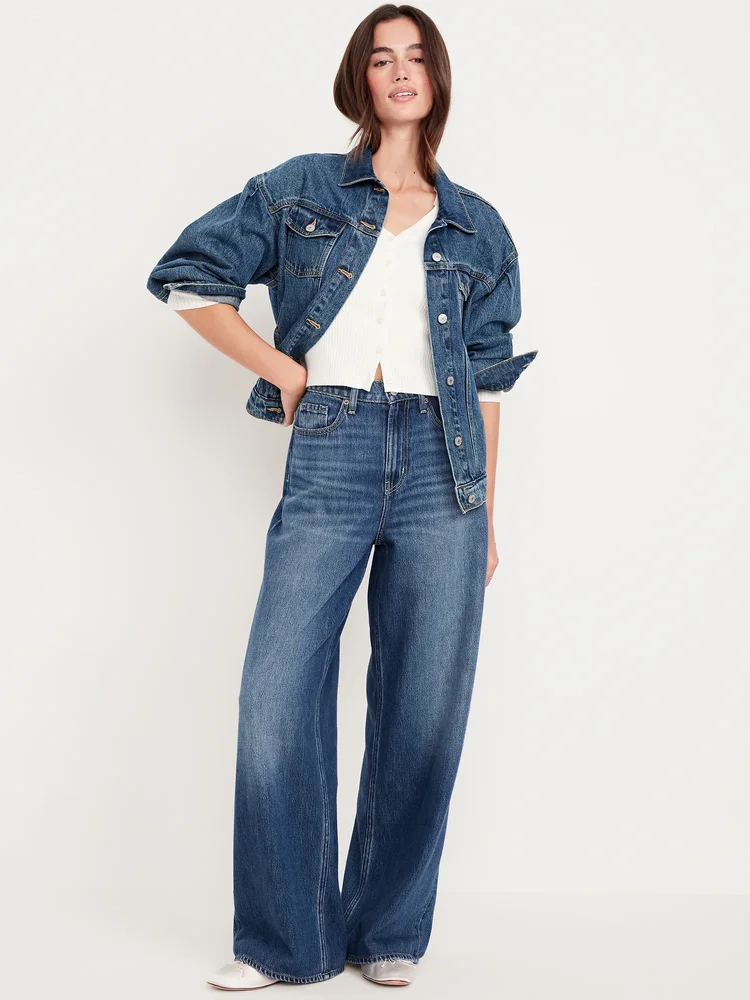
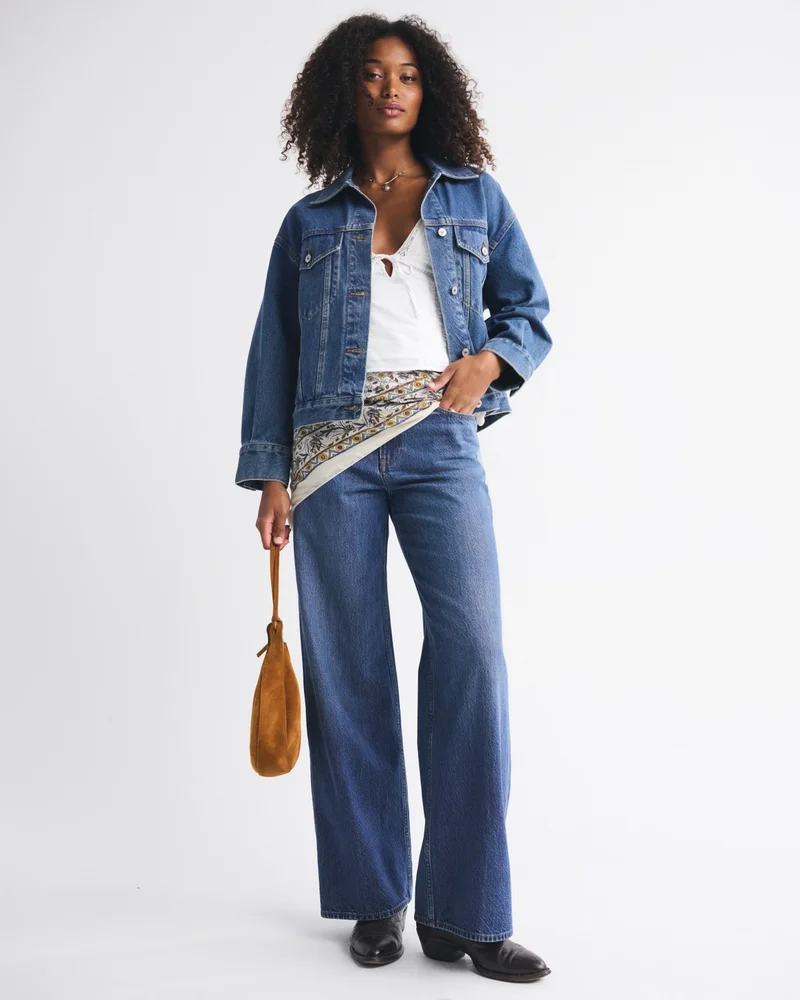
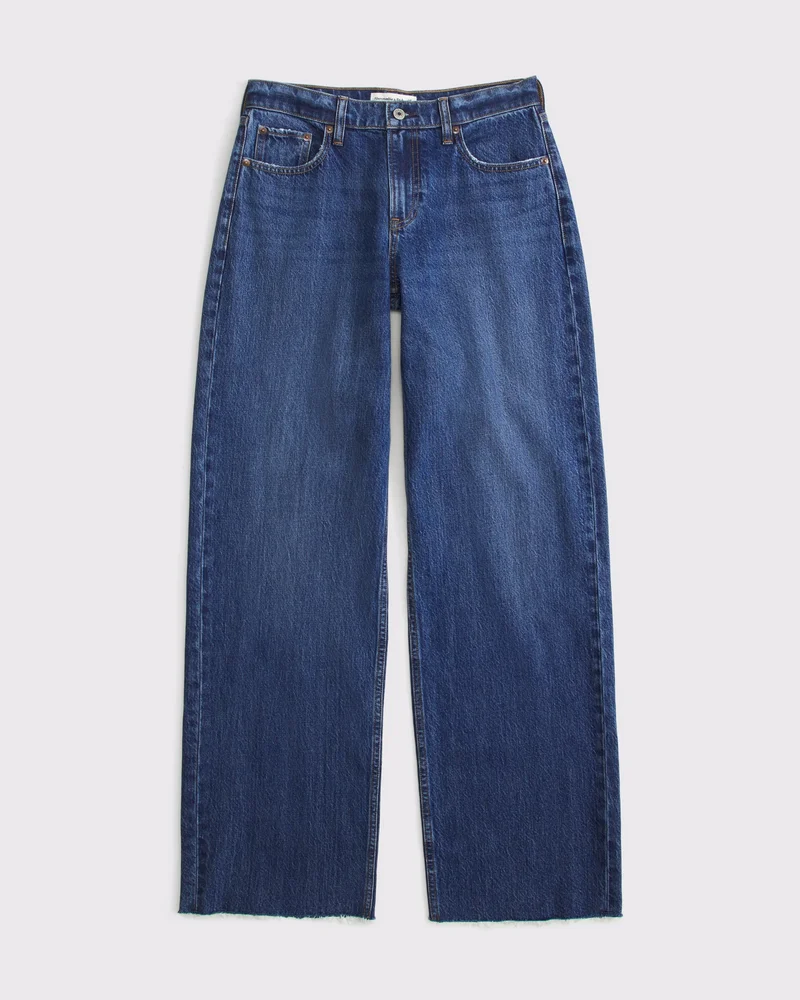
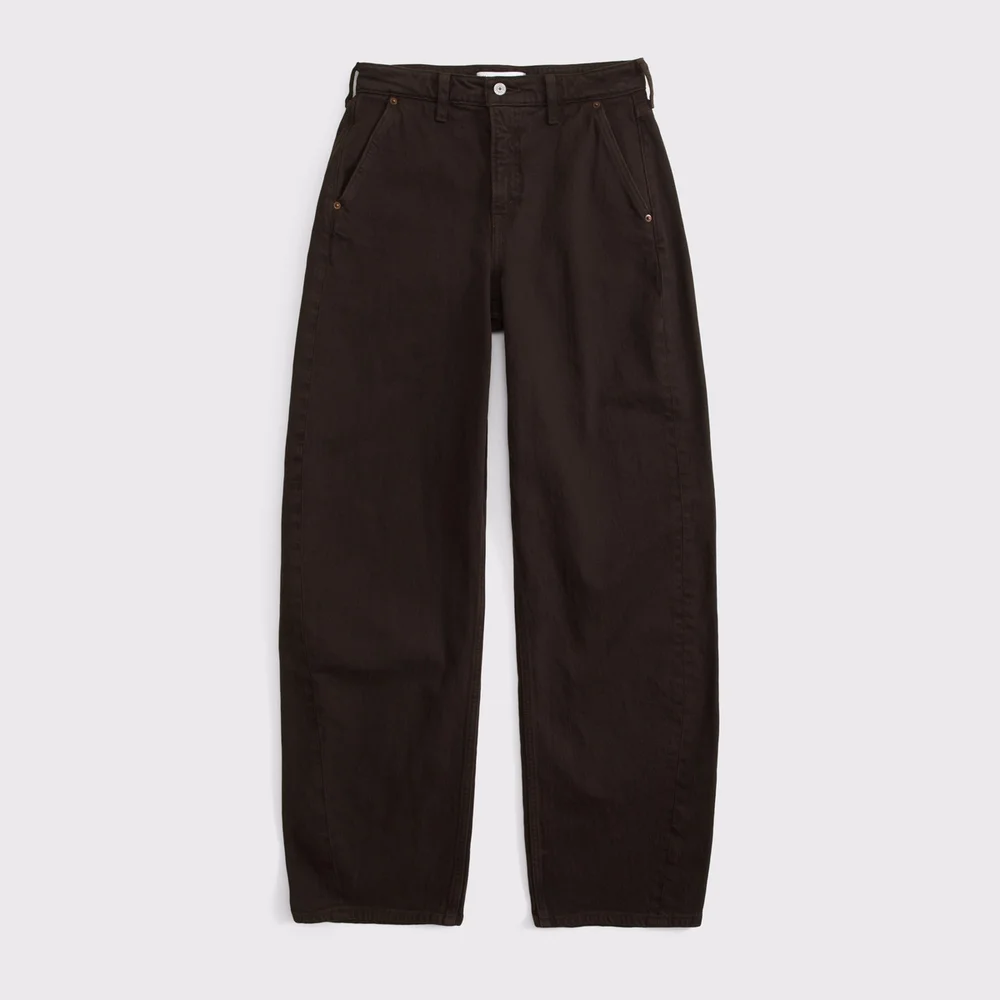
The Curve Love High Rise Wide Leg keeps the waist high and the leg wide. The High Rise 90s Relaxed is close through the waist and seat, then eases at the thigh in Vintage Comfort Stretch denim. Low Rise Ultra Loose sits at an 8.5-inch rise in nonstretch Drapey Rigid denim, while the High Rise Barrel changes the leg shape without changing the extra-room idea. Check the particular style’s length and stretch before deciding the fit label is enough. If the waist fits but the seat pulls, I would test Curve Love first; if there is already a gap at the back, start with Classic.
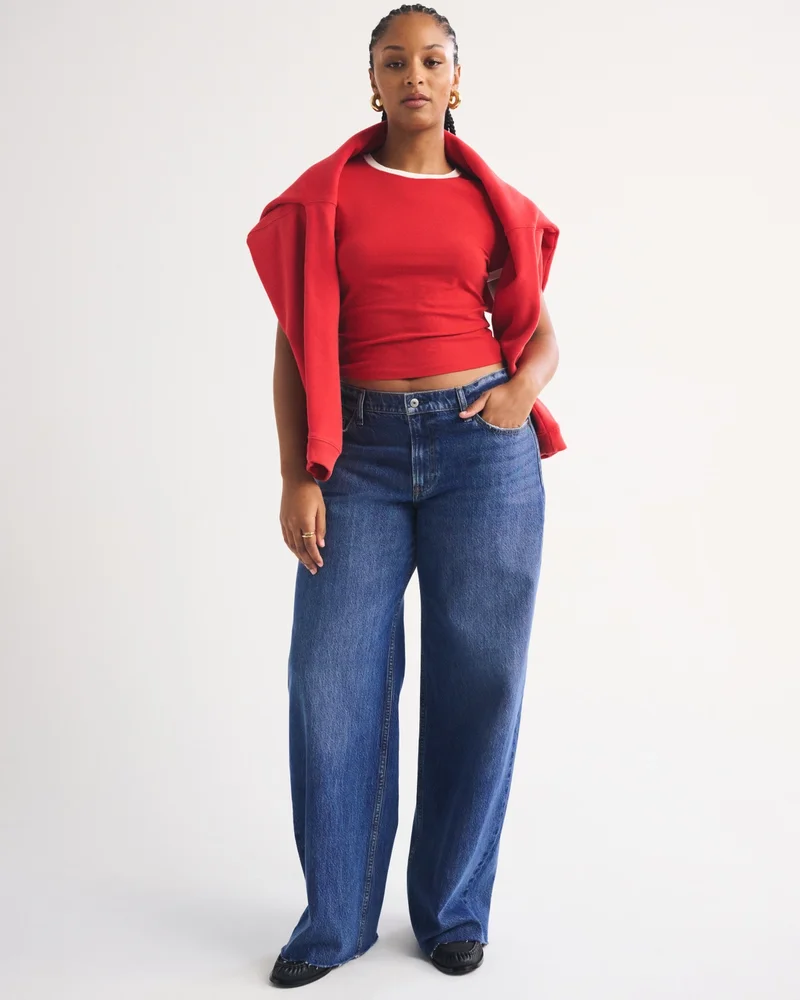
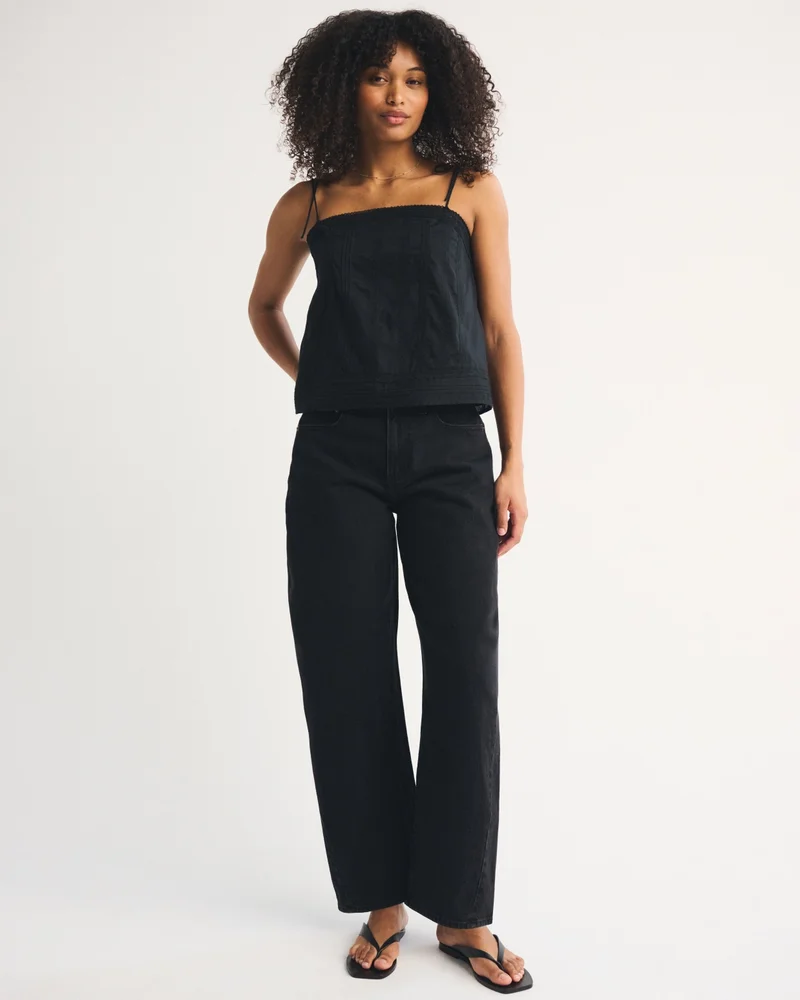
Classic Fit and its range of leg shapes
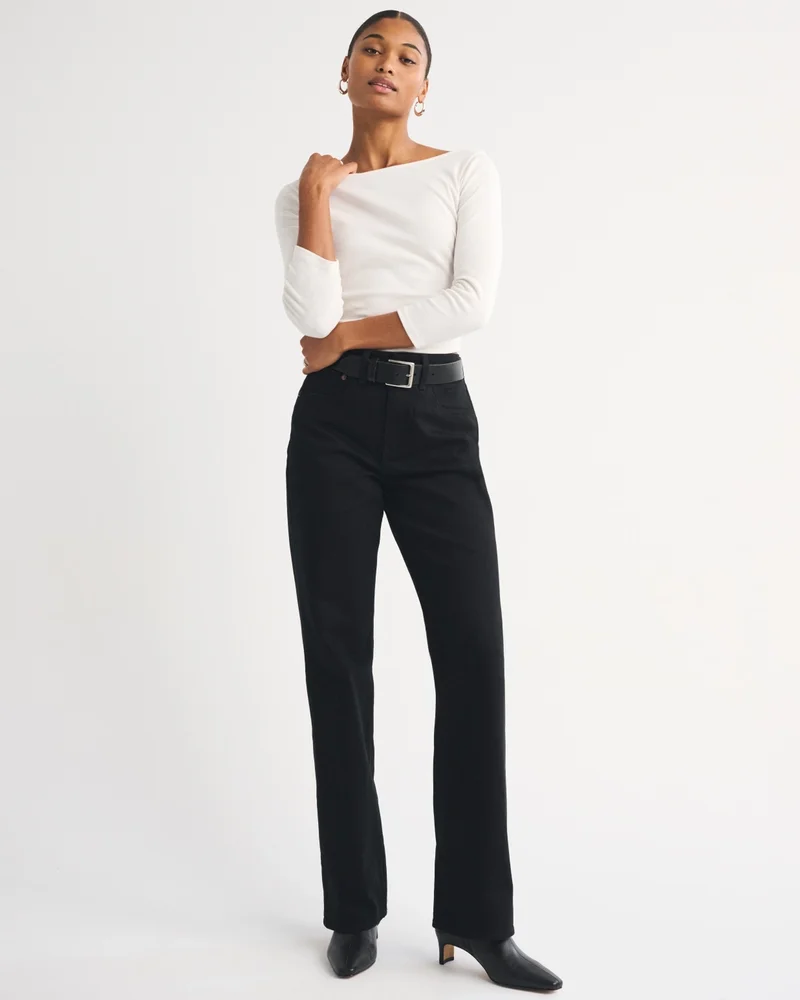
Abercrombie Curve Love vs Regular also depends on what the word Regular is describing: the brand now labels the standard cut Classic Fit, while the leg can still vary. The High Rise Wide Leg pairs a high waist with a wider leg; the High Rise 90s Relaxed sits close at the waist and seat before easing through the thigh, with a little give in Vintage Comfort Stretch denim. Low Rise Ultra Loose has an 8.5-inch rise and nonstretch Drapey Rigid denim, and High Rise Barrel offers the barrel silhouette in the Classic fit.
I would try the same waist size first, then look at the back waistband and seat while standing and sitting. If the seat is comfortable but the waist floats, try Curve Love; if the waist lies flat without pulling across the hips, Classic may be the cleaner fit. The company says customer feedback has informed its assortment, but a fit label is still a starting point. Choose the leg and length you actually want, not the one that seems easiest to size.
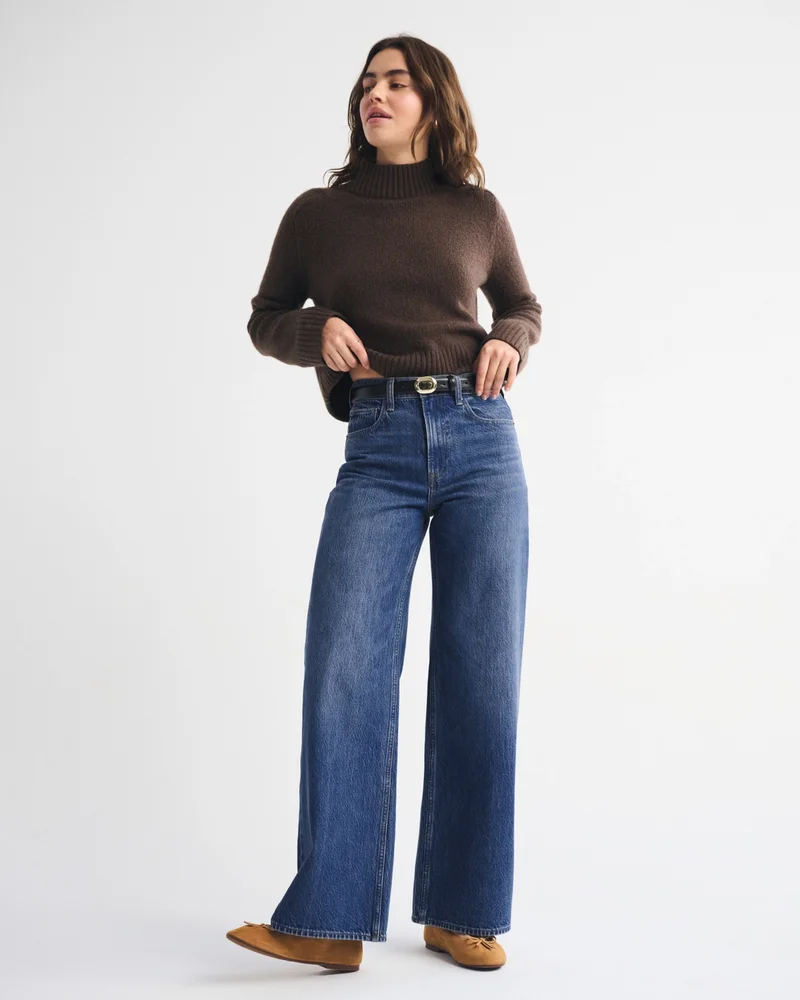
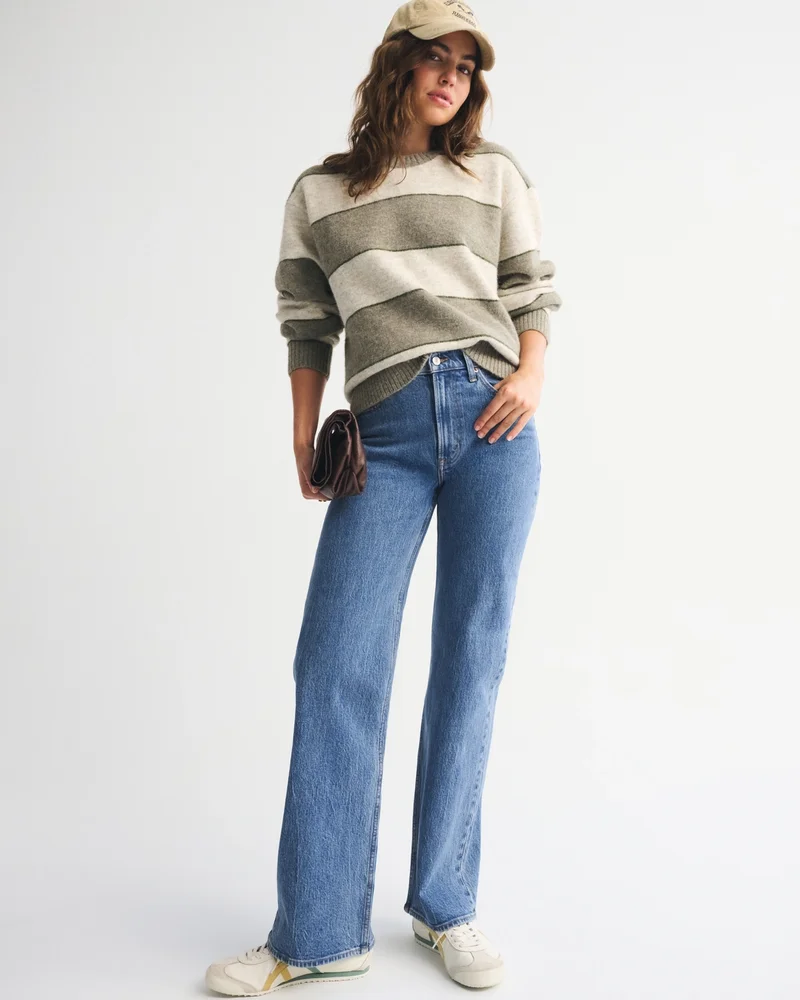
Compare matching straight-leg jeans
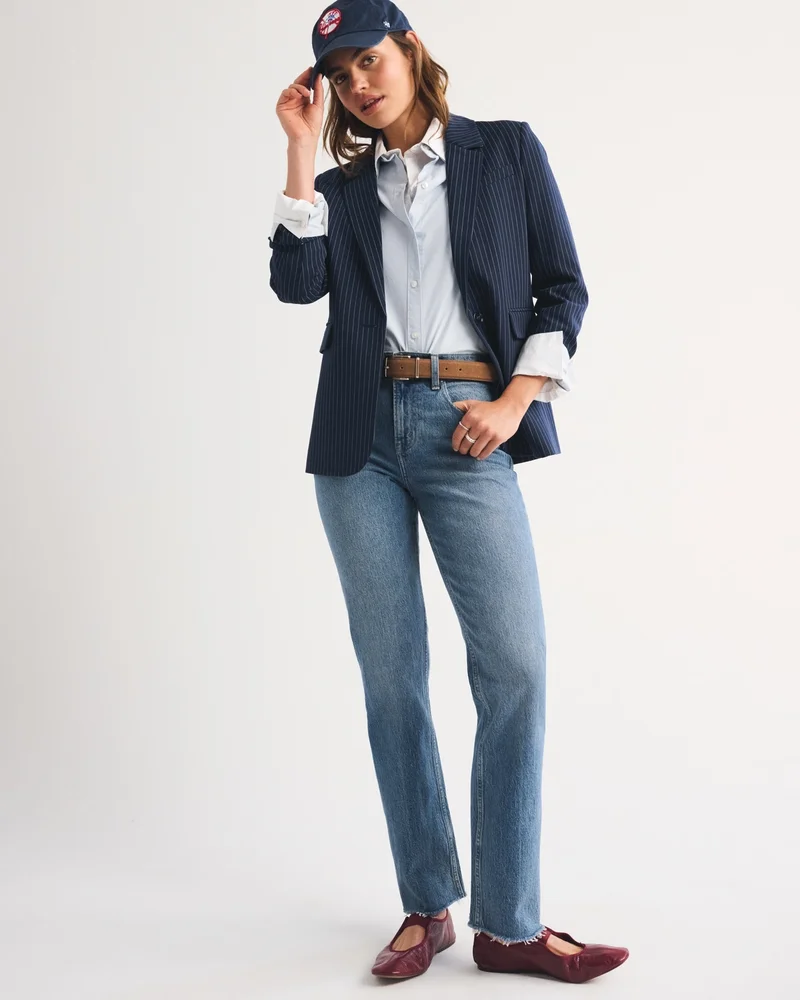
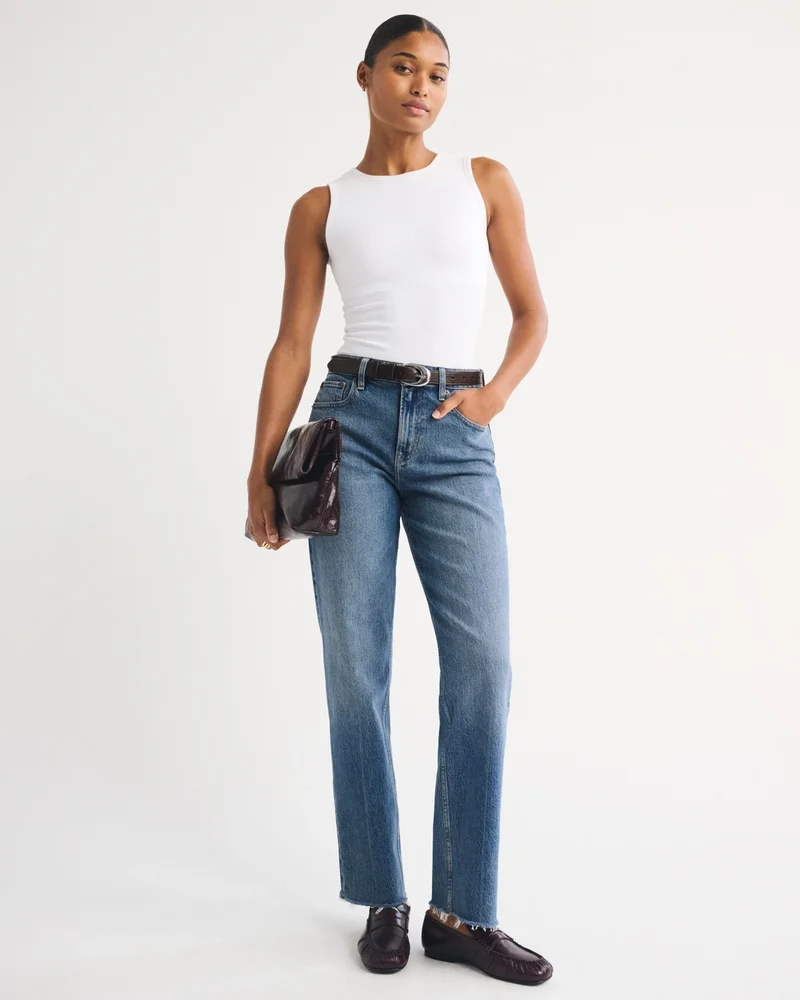
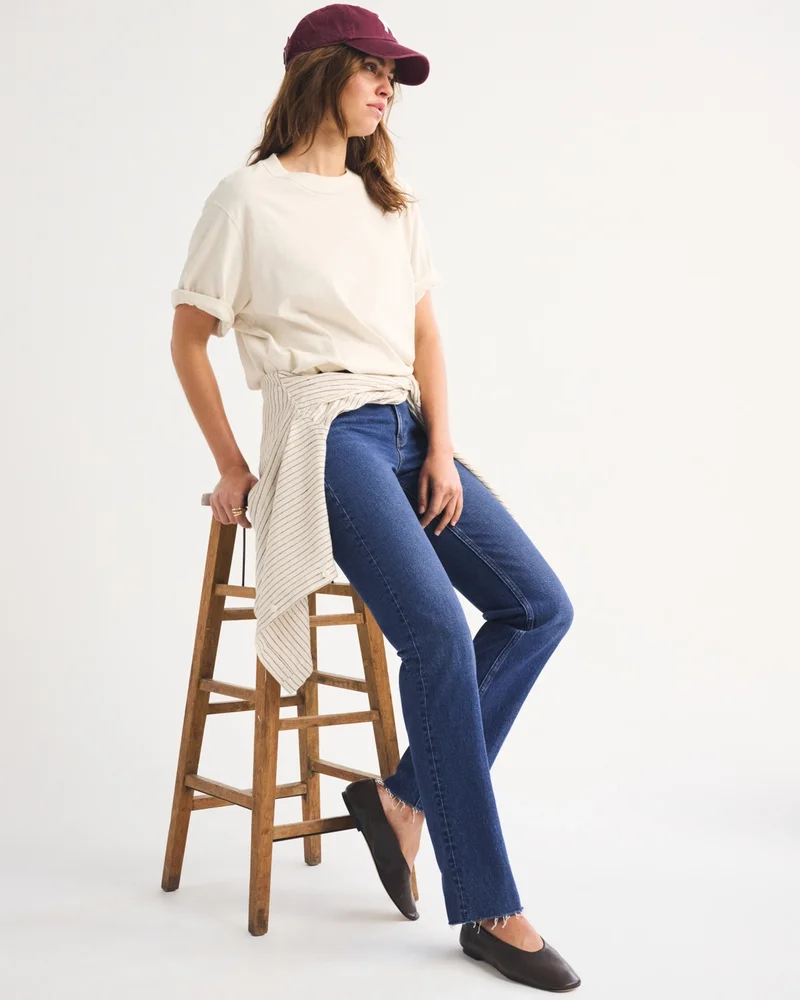
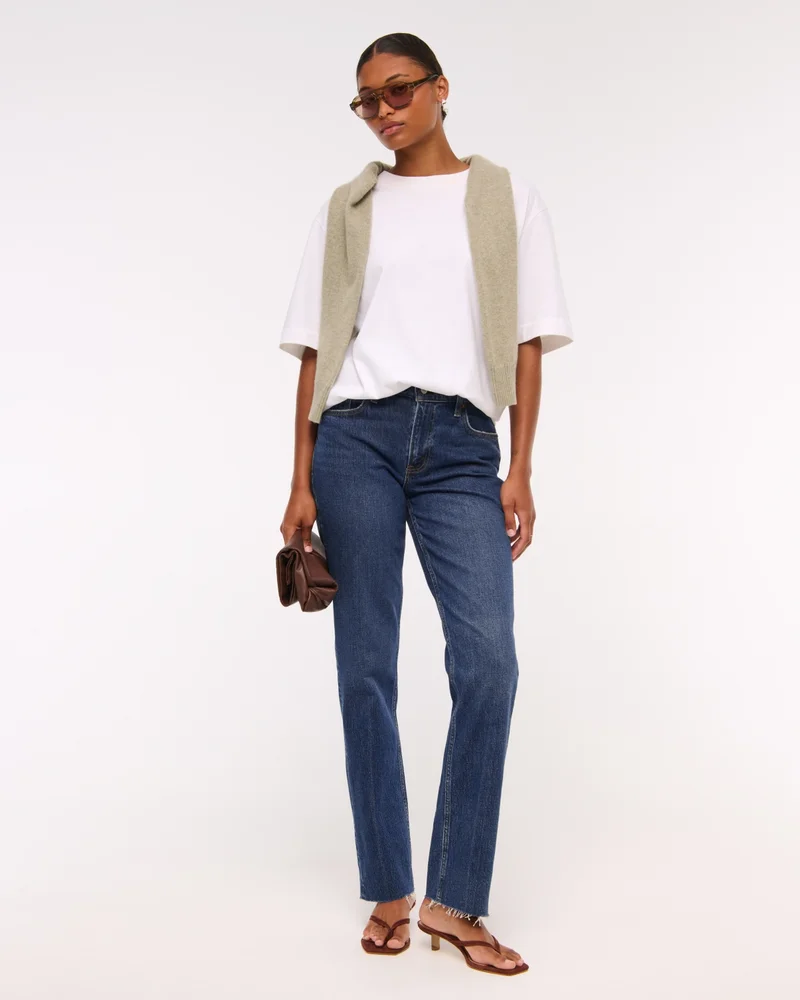
The clearest Abercrombie Curve Love vs Regular comparison is a pair of straight jeans with the same rise and hem. The High Rise 90s Straight and Curve Love High Rise 90s Straight keep the high rise and straight leg steady while changing the waist-to-hip cut. The Mid Rise 90s Straight Frayed Hem and its Curve Love counterpart do the same at a mid rise, with a frayed hem to distinguish them from a clean finish.
The Strategist's try-on across 20 pairs generally favored Curve Love for tighter shapes and Classic for looser ones, which is a reminder that silhouette matters alongside proportions. I would try one matching straight style in both cuts, then compare the back waist and thigh while moving around. Keep the waist, rise and leg family steady for that test; changing all three at once makes it harder to tell what actually fixed the fit.
Abercrombie Curve Love questions I get
Which fit would I try first?
If the waist fits but pulls at the seat or thighs, I would try Curve Love in the same waist size. If the waist-to-hip line already lies flat, I would start with Classic Fit.
Does Curve Love change the waist size?
No, the fit adds room through the hip and thigh rather than asking you to choose a different waist size. Check the individual rise, inseam and fabric notes; this curve jeans fit guide is a useful next read.
How can I compare the two fits fairly?
Try the same leg and rise in both cuts, then compare the back waist and seat while standing and sitting. Avoid changing the size and silhouette at the same time.
What else is in the denim range?
The brand’s jeans sit alongside knits and coats, as covered in this Abercrombie wardrobe overview.