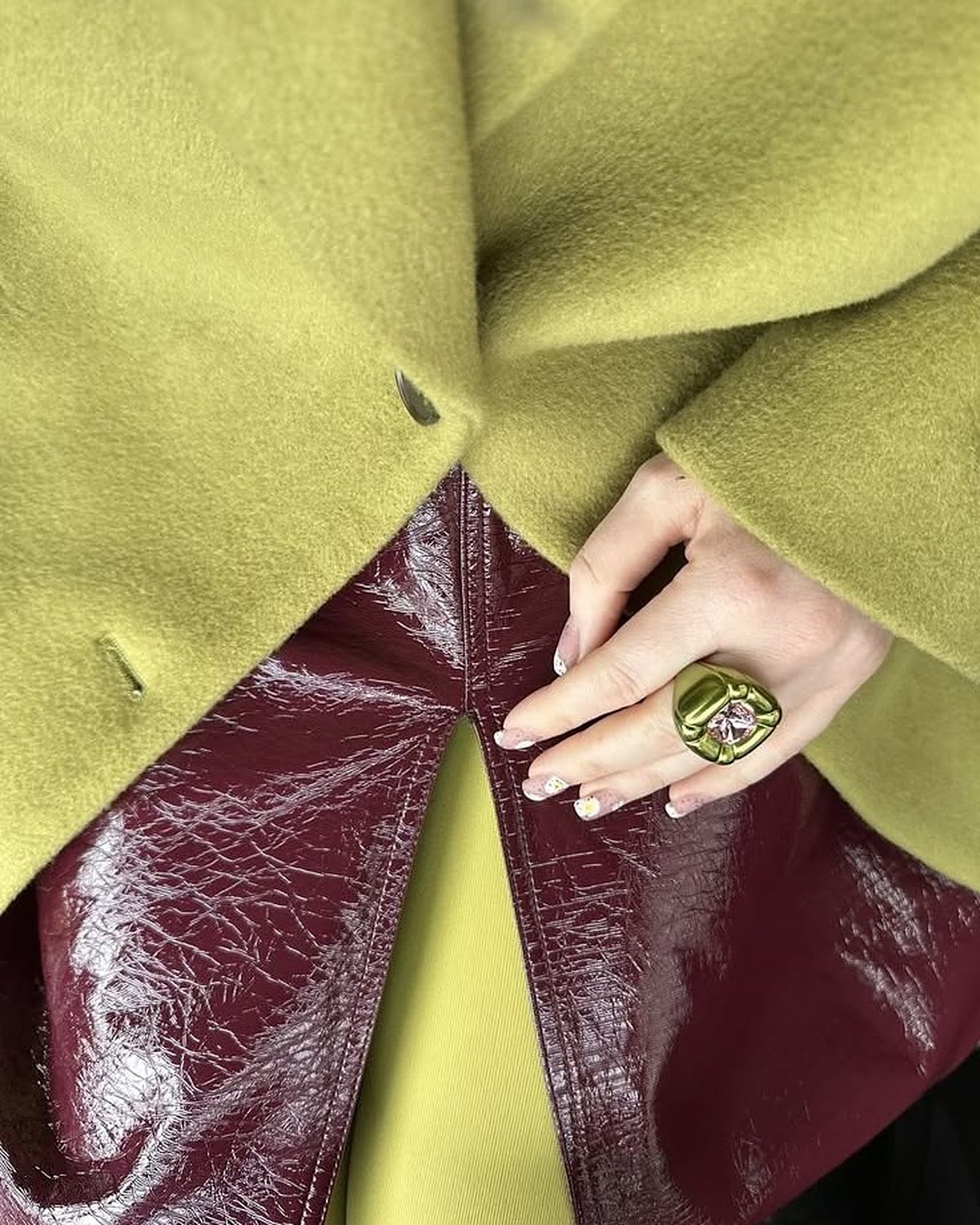
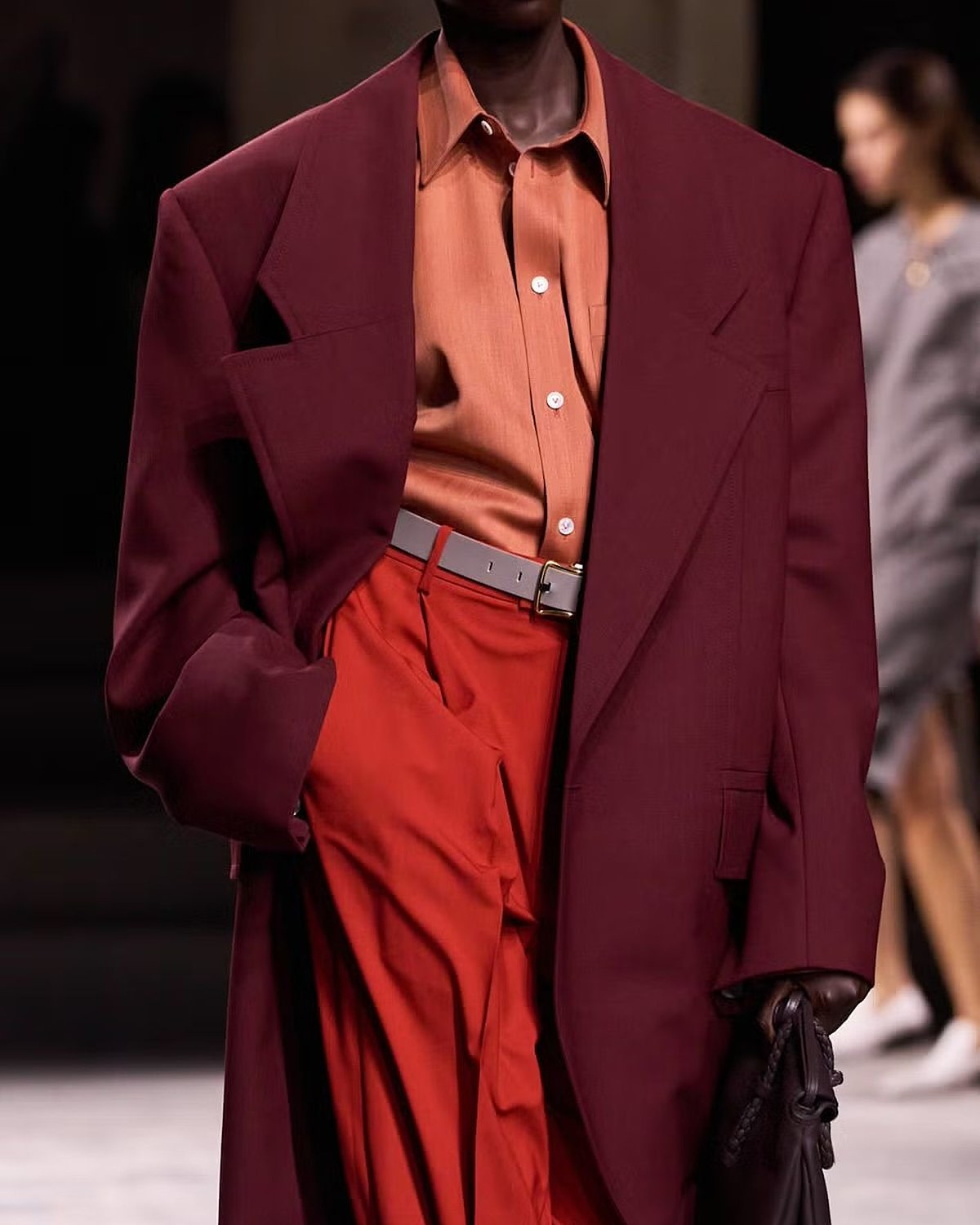
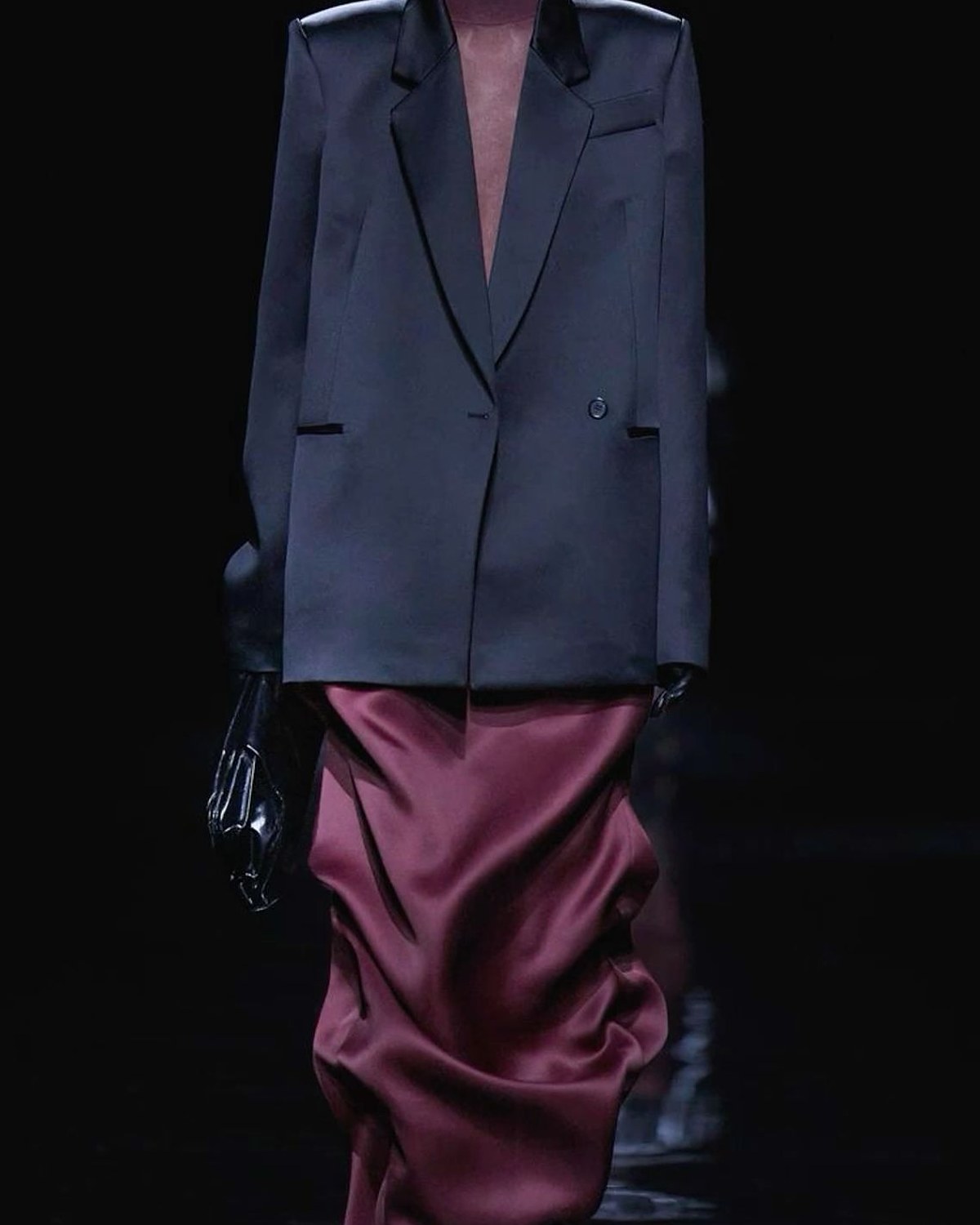
Agolde started in Los Angeles in 1993 as A. Gold E., founded by Adriano Goldschmied and the retailer Ron Herman, and the New York Times described it then as a feminine no-pocket jeans line. It was relaunched in 2014 by Jerome Dahan and has been owned by the parent company of Citizens of Humanity since 2017.
Agolde
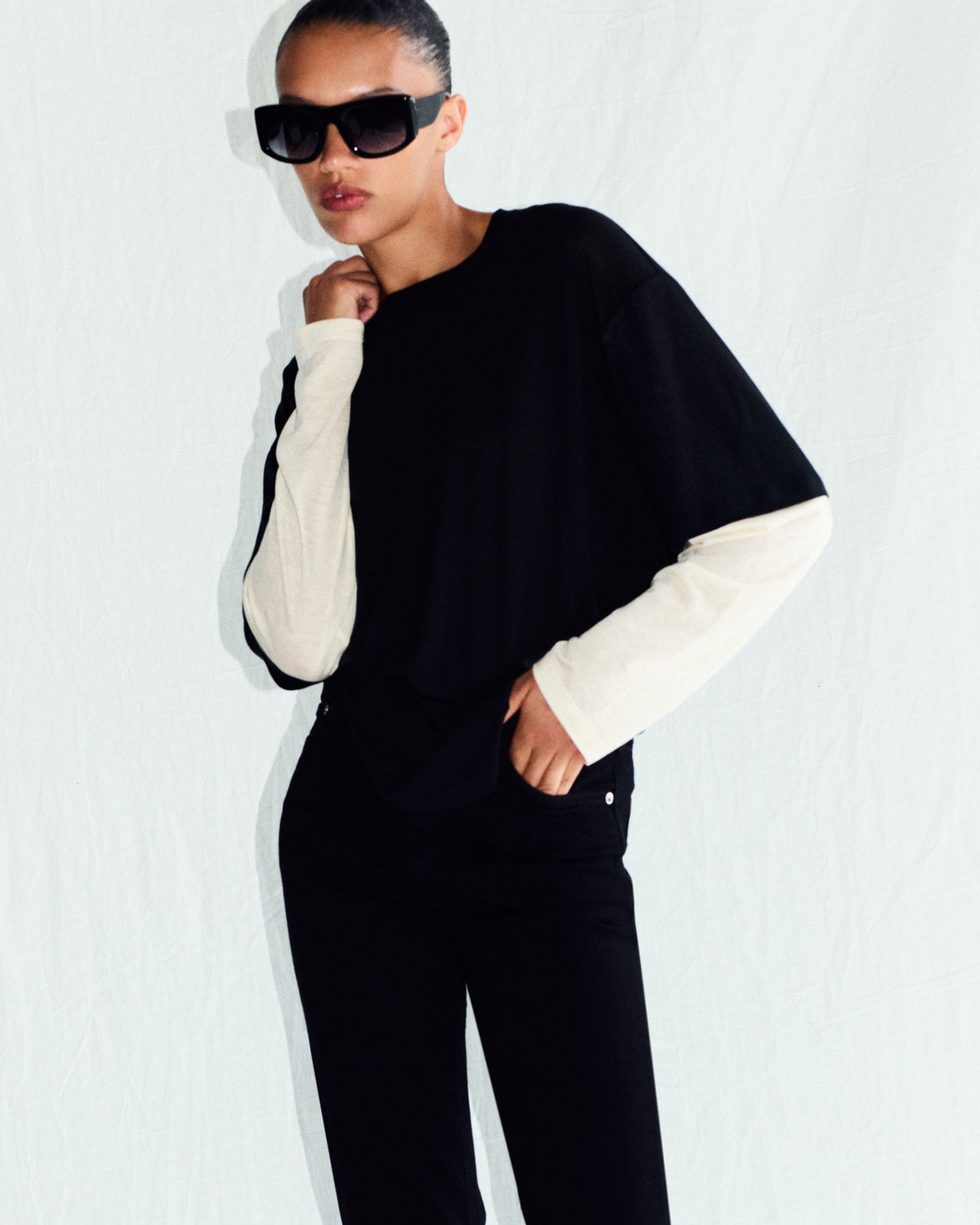
Denim
Denim is the reason this brand exists, so start there. Agolde was founded in Los Angeles in 1993 by Adriano Goldschmied, the man behind Diesel and Replay before it, and Ron Herman of the eponymous LA store. The original pitch was a jean that ignored the standard five-pocket blueprint, which in 1993 was mildly heretical.

Low Curve Rigid Jeans
Agolde
$258

Harper Mid Rise Relaxed Straight Jeans
AGOLDE
$218

Elson High Rise Loose Jeans
AGOLDE
$269

Rigid Low-Rise Loose Jeans
Agolde
$258

Morgan Rigid Mid-Rise Straight-Leg Jeans
Agolde
$298

Arc Rigid Mid-Rise Bow-Leg Jeans
Agolde
$278

Big Cuff Rigid High-Rise Straight-Leg Jeans
Agolde
$288

Reena Jean
AGOLDE
$298

Morgan Rigid Mid-Rise Straight-Leg Jeans
Agolde
$325

Lana Rigid Mid-Rise Straight-Leg Jeans
Agolde
$258

Arc Rigid Mid-Rise Wide-Leg Jeans
Agolde
$268

Ritmo Rigid Mid-Rise Wide-Leg Trouser Jeans
Agolde
$298

Ren Rigid Mid-Rise Straight-Leg Jeans
Agolde
$238

90s Pinch Waist Rigid High-Rise Straight-Leg Jeans
Agolde
$208

Vintage Loose Jeans
Agolde
$258

Lana Rigid Mid-Rise Straight-Leg Jeans
Agolde
$208

Lana Rigid High-Rise Straight-Leg Jeans
Agolde
$258

Ren Rigid High-Rise Wide-Leg Jeans
Agolde
$238

90s Pinch Waist Rigid High-Rise Straight-Leg Jeans
Agolde
$228

Arc Rigid Bow-Leg Jeans
Agolde
$258

80's Rigid High-Rise Tapered Jeans
Agolde
$248

Nate Rigid Low-Rise Tapered Jeans
Agolde
$258

90s Pinch Waist Cropped Jeans
agolde
$238

Low Slung Baggy Jeans
agolde
$238
More Denim
The 1990s silhouettes are the house language: high and mid rises, loose legs, sturdy rigid fabrics. The recurring styles worth knowing by name are the 1990s mid-rise loose fit, the Riley with its raw-cut cropped hem, and the Criss Cross with the asymmetric waist. Those three account for most of what people mean when they say they own Agolde.

Ren Wide-Leg Jeans
agolde
$228

Low Curve Jeans
agolde
$238

Ren Wide Cropped Jeans
agolde
$228

Low Curve Crop Jeans
AGOLDE
$248

Lana Jean
AGOLDE
$258

Ren Corduroy Jean
AGOLDE
$258

Arc Jeans
AGOLDE
$258

Low Curve Wide Leg Jeans
AGOLDE
$248

Lyndon Jean
AGOLDE
$288

80's high-rise tapered jeans
Agolde
$250

Kelly high-rise straight-leg jeans
Agolde
$260

Luna Pieced high-rise barrel-leg jeans
Agolde
$280

Low Slung Baggy low-rise wide-leg jeans
Agolde
$270

Lana mid-rise straight-leg jeans
Agolde
$260

Vintage Loose high-rise straight-leg jeans
Agolde
$270

Spiral mid-rise barrel-leg jeans
AGOLDE
$290
Tops and shirting
The brand went quiet and came back. Jerome Dahan, who co-founded Seven For All Mankind and Citizens of Humanity, took ownership and relaunched it in 2014. Between 2014 and 2017 it ran collaborations with A$AP Ferg, Opening Ceremony and Aritzia, which is how a denim label buys itself relevance.

Lupin Bodysuit
AGOLDE
$238

Adine Shrunken Tee
AGOLDE
$88

Kembra Leather Top
Agolde
$298

Agata Jersey Bodysuit
Agolde
$158

Pascale Jersey Turtleneck Top
Agolde
$158

Aris Felted Wool Shirt
Agolde
$298

Carlin Jersey Top
Agolde
$178

Long Line Adine Tee Shirt
AGOLDE
$82

Souline Cotton T-Shirt
Agolde
$158

Poppy Cotton-Blend Tank Top
Agolde
$98

Poppy Cotton-Blend Tank Top
Agolde
$98

Maria Ribbed Tank Bodysuit
Agolde
$118

Poppy Shrunken Jersey Tank Top
Agolde
$98

Gwynne Denim Tube Top
Agolde
$198

Corbin Denim Top
Agolde
$218

Lotta Long-Sleeve Denim Shirt
agolde
$228

Ester Twist Tank Top
agolde
$178

Kembra Top
AGOLDE
$325

Amica Zip Polo Shirt
AGOLDE
$188

Pascale Turtleneck Top
AGOLDE
$168
Trousers and shorts
In 2017 ownership passed to the parent company of Citizens of Humanity, which also owns Goldsign, and Dahan stayed on as a consultant. Being inside that group is why the fabric quality is consistent in a way small denim labels rarely manage. It also means this is not an independent business, whatever the branding suggests.

Vintage Loose Corduroy Wide-Leg Pants
Agolde
$298

Lana Leather Straight-Leg Pants
Agolde
$308

Sathia Felted Wool Wide-Leg Pants
Agolde
$358

Luna Twill High-Rise Tapered-Leg Trousers
Agolde
$358

80's Denim Gaucho Shorts
Agolde
$218

Leith Denim Shorts
Agolde
$158

Parker Long Denim Shorts
Agolde
$158

Parker Long Denim Shorts
Agolde
$158

Lydia Cotton-Blend Drawstring Shorts
Agolde
$188

Ramona Denim Shorts
Agolde
$188

Stella Denim Shorts
Agolde
$160

Rhode Denim Shorts
Agolde
$198
Jackets and blazers
The former Gap denim designer Erin Meehan joined in a design leadership role, and chief executive Amy Williams has been open about pushing the brand beyond jeans into full ready-to-wear. The jackets are the clearest evidence of that expansion. They are still cut like denim pieces, which is a compliment.


More from the collection
One housekeeping note: a few retailers list the founding year as 1989, but the weight of sourcing, including Sourcing Journal and the brand's stockists, says 1993. No awards circuit here either. Denim labels are judged on fit, not prizes.

Vintage Loose high-rise straight-leg jeans
Agolde
$260

Ren Long high-rise wide-leg jeans
Agolde
$250

Carlin off-the-shoulder cotton-jersey tank
Agolde
$180

Saige ribbed stretch-jersey T-shirt
Agolde
$160

Lyndon Pant
AGOLDE
$358

Arc recycled leather-blend mid-rise wide-leg pants
Agolde
$310

Hikson Recycled Leather Skirt
Agolde
$338

Hikson Skirt
AGOLDE
$338
Our honest take
This is the most reliable denim on the list and the least romantic story, and both of those are fine. Buy the 1990s or the Riley if you want the house at its most characteristic, and treat the ready-to-wear as a competent extension rather than the reason to shop. The fabric is the product.