The tub most people mean when they search for an Aztec clay mask comes from a small family company, and around it sit eleven other clay masks with very different temperaments. Here is how to tell a Death Valley powder from a whipped jar of pore clay.
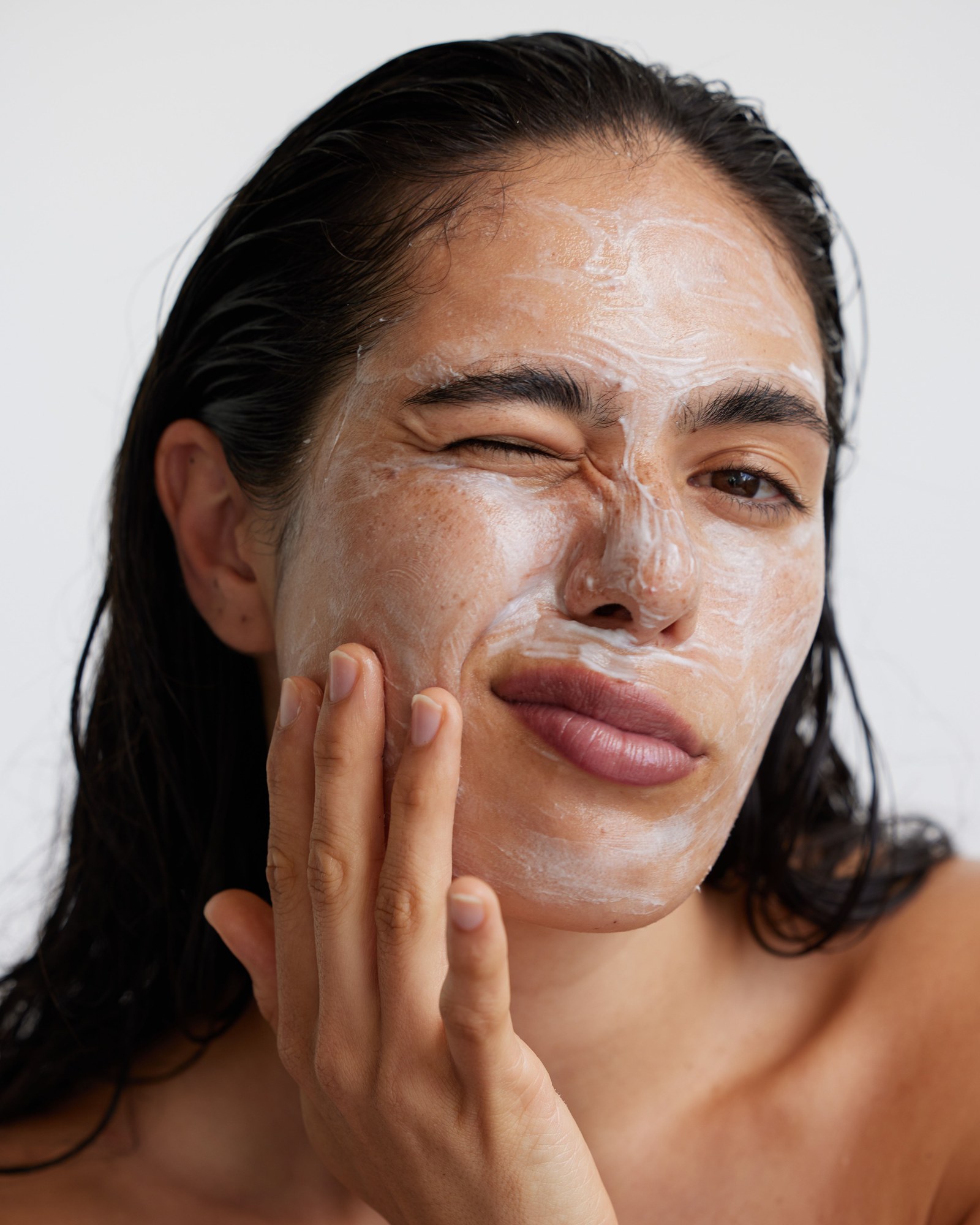
An Aztec Clay Mask Built by a Son and His Mother in 1982
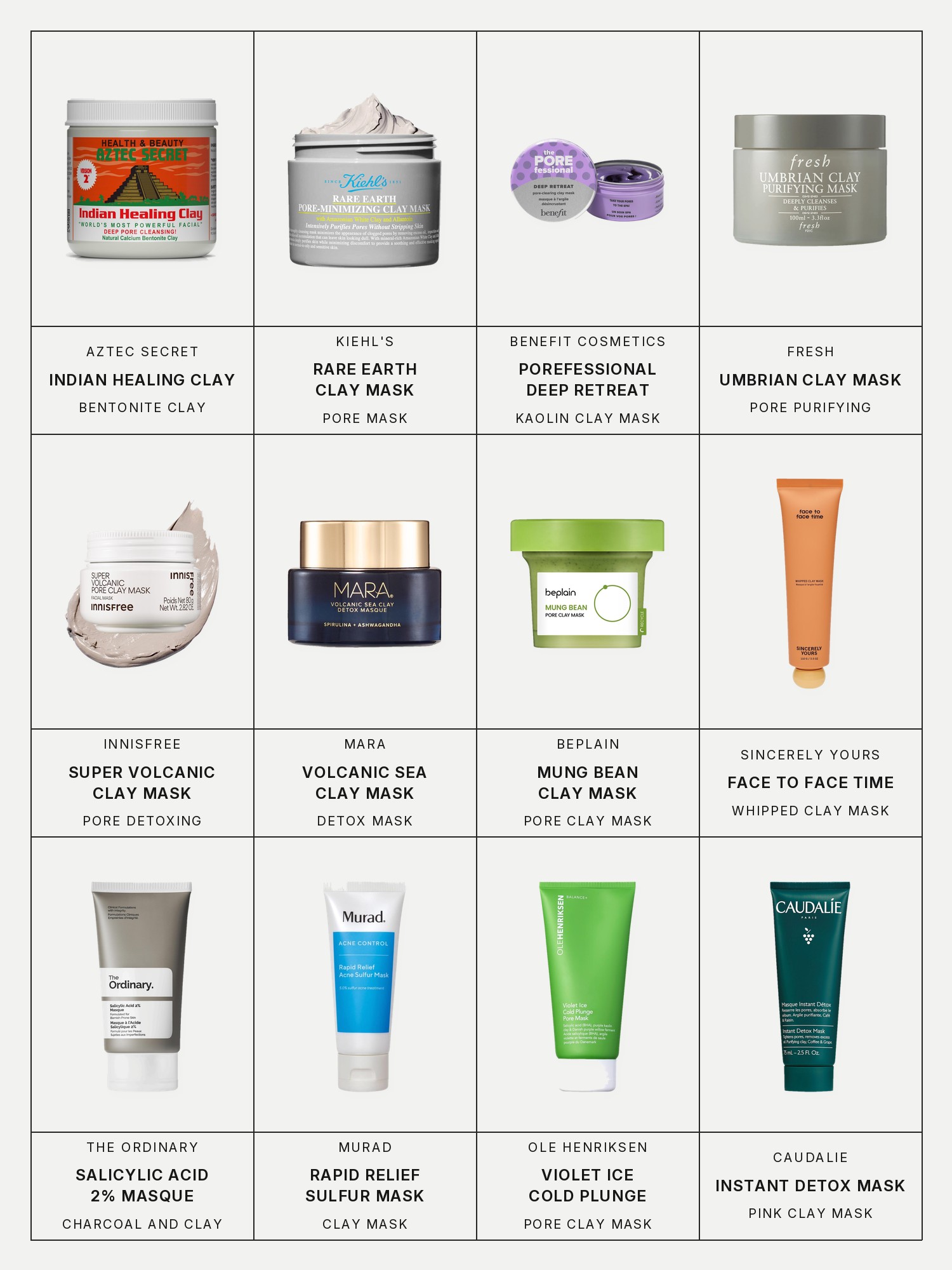
Most people who search for an Aztec clay mask are really looking for one tub: Aztec Secret Indian Healing Clay. The company behind it was founded in 1982 by Patrick K. Roman and his mother, Mary K. Roman, and his sister Denise joined in 2011. The brand says its calcium bentonite clay comes from Death Valley, California, where it is sun-dried for up to six months in heat that can reach 134 degrees. Indian Healing Clay is the product's name, not a promise, so I will only repeat what the brand says it does: it is a deep pore cleansing mask for face, hair and body. It arrives as a powder, and the brand suggests mixing it with water or apple cider vinegar. I like how firm the label is about restraint, with no more than five to ten minutes for sensitive skin and a forearm patch test before the face. Grid one stays with the classics. Kiehl's Rare Earth comes from a pharmacy that opened in 1851, Benefit's POREfessional mask from a brand started by twins Jean and Jane Ford in 1976, and Fresh's Umbrian Clay mask from a Boston label founded in 1991 around a hand-wrapped soap.


Clay got friendlier
Grid two is where clay got friendlier. In 2000 innisfree launched as Korea's first clean beauty brand, built on Jeju Island, and its Super Volcanic Pore Clay Mask pairs volcanic clusters with lactic acid in what the brand calls a ten-minute facial in a jar. Mara is Allison McNamara's algae label, and she has said she began formulating the mask in 2017 and did not launch it until 2021, after more than fifteen versions, which is the kind of patience I trust. Its sea clay sits beside volcanic ash from Jeju, ashwagandha and honey. Beplain, a Korean brand that began in 2018, builds its mask on mung bean, with AHA and niacinamide alongside six clay powders. Sincerely Yours is the whipped one, with ceramides, hyaluronic acid and pineapple enzymes. All four are built to exfoliate, through an acid, an enzyme or a gritty volcanic texture, so patch test first, keep to once or twice a week, and wear sunscreen the next morning.


Stronger backstories, stronger actives
Grid three has the clays with a stronger backstory or a stronger active. The Ordinary names its products for what is inside, so the Salicylic Acid 2% Masque with charcoal and clay tells you the strength before you open it. Murad was founded in 1989 by Dr. Howard Murad, a dermatologist and pharmacist who started the company at fifty, and his Rapid Relief mask pairs 5% sulfur with salicylic acid and peat extract; the brand says to leave it on for up to ten minutes, two to three times weekly. Ole Henriksen opened his Los Angeles skin care center in 1975 after growing up in Denmark, and the Violet Ice Cold Plunge mask is a whipped purple kaolin that dries to a marbled finish, which the brand says has no added fragrances or dyes. Caudalie began in 1995 at a Bordeaux wine estate, and its pink clay mask uses upcycled grapes and caffeine. What I would skip is leaving any of these on until the clay cracks and pulls. Set a timer, rinse with lukewarm water while the mask is still slightly tacky, and never stack two acid masks in one week.


A weekly ritual, not a daily one
Twelve masks make a wide range, and I would not use more than one or two of them in a week. Think of clay as a scheduled event: clean skin, a thin even layer, a timer, a gentle rinse, then a plain moisturizer. The powder in a tub asks you to do the mixing and the watching, while the jars do more of it for you. Pick the one that matches how much effort you want to put in on a Sunday night. If you want to keep browsing, I also put together Hair Wax, Pomade or Clay.