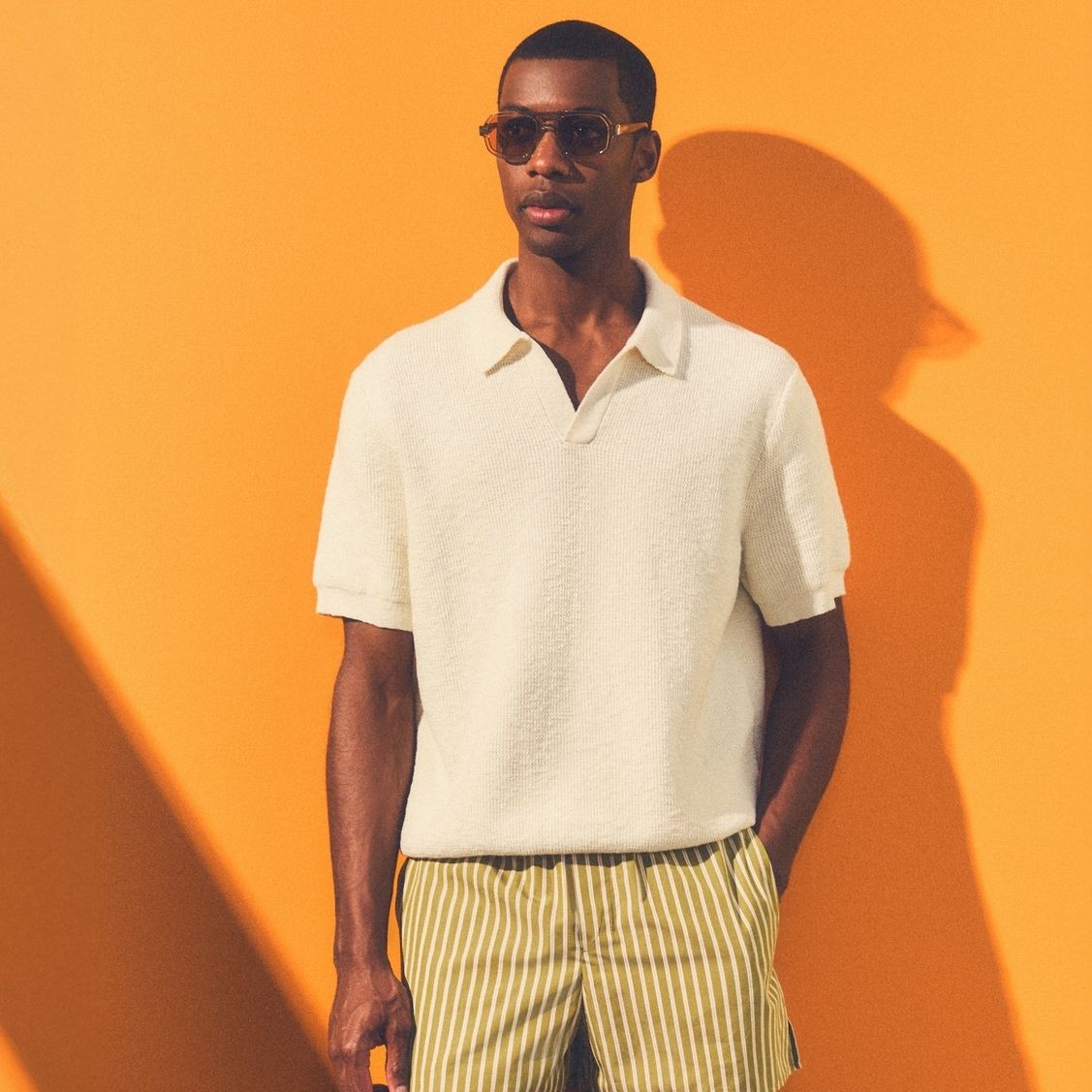
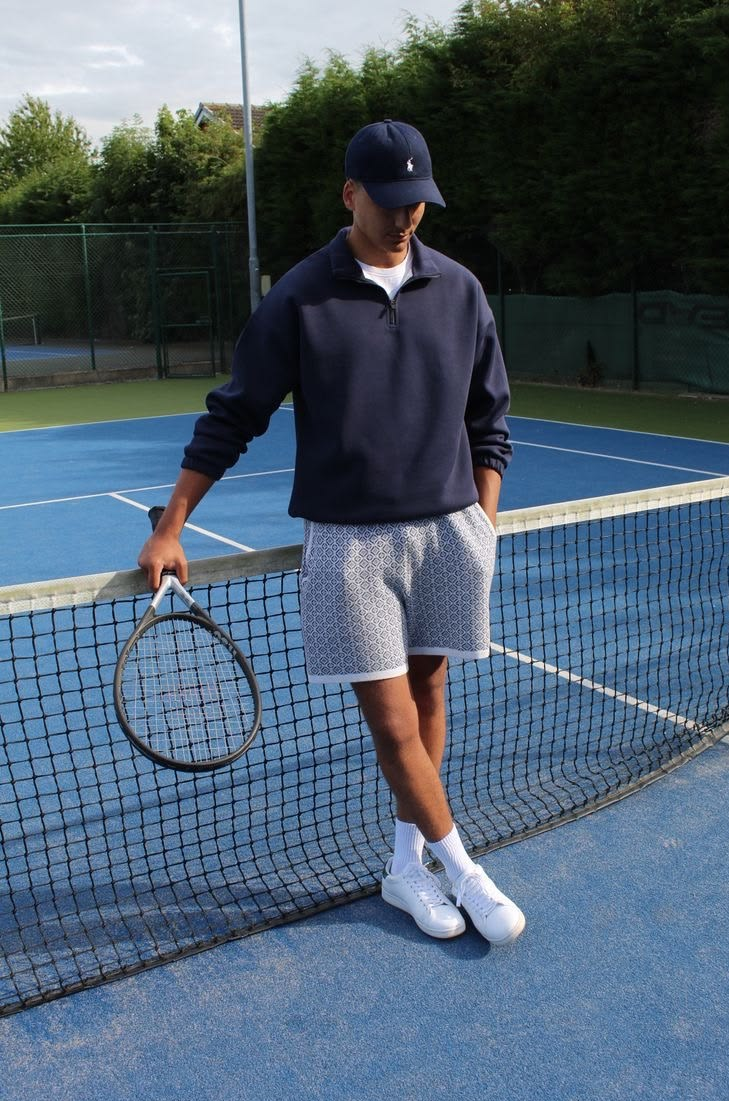
Bausch and Lomb developed the aviator for pilots, with a prototype in 1936 and public sale in 1937 under the Ray-Ban name. It has been the sunglass shape of choice for movie stars and presidents ever since. This is how to choose the right frame, lens and size for your face.
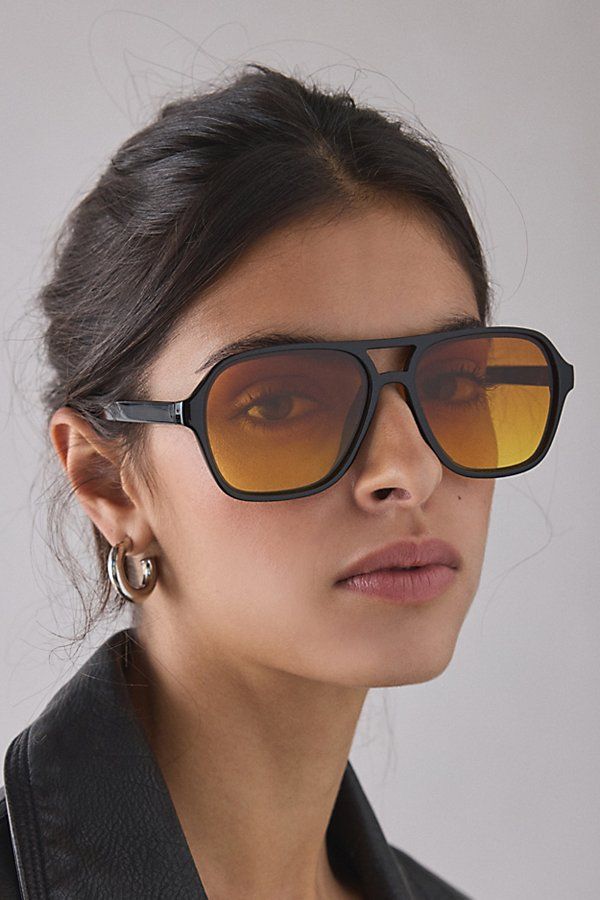
Aviator Sunglasses: From Pilots to Everyone, Since 1937
Built for the cockpit
The aviator began with a practical problem. Bausch and Lomb worked with the US Army Air Corps, including John Macready from 1929, to design a glare-reducing lens for pilots. A prototype appeared in 1936 and the glasses went on sale to the public in 1937 as Ray-Ban. After years of tiny shield frames and oversized squares, the aviator feels like a classic returning. The teardrop shape is flattering on most faces, and it has an instant swagger.
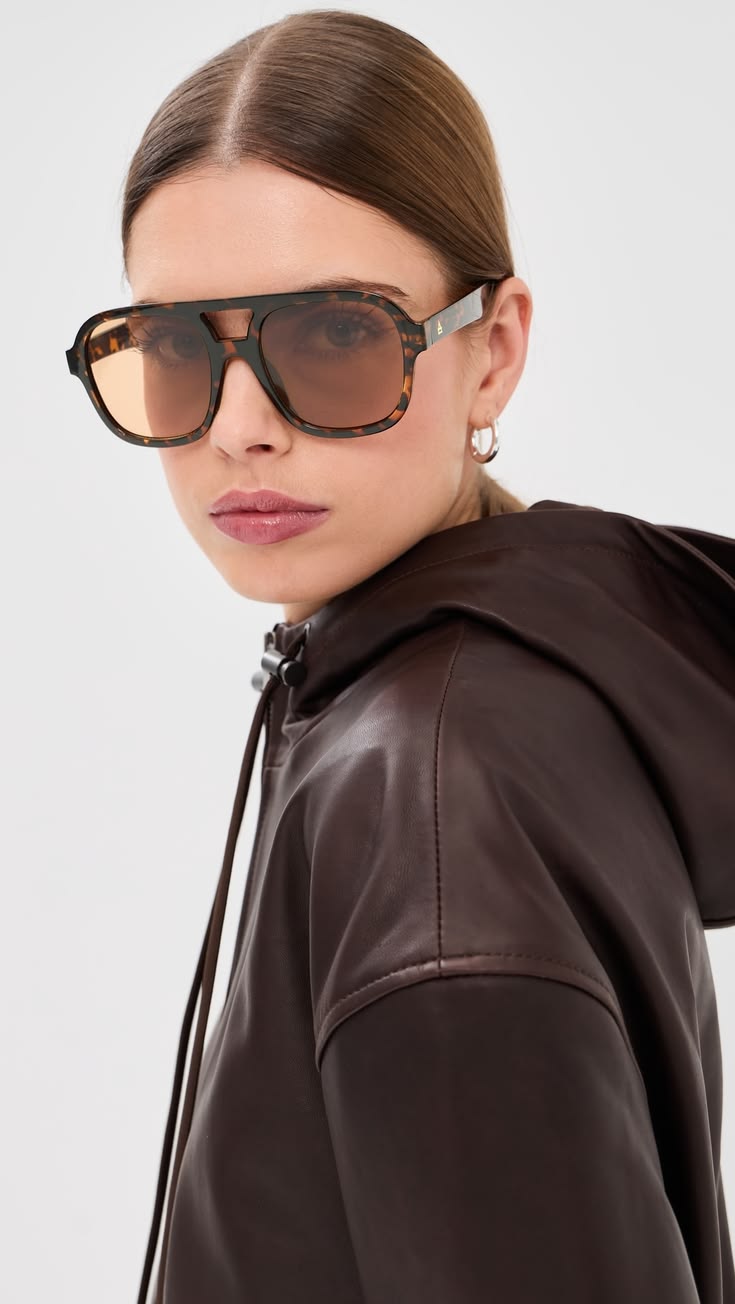
Frame, shape and size
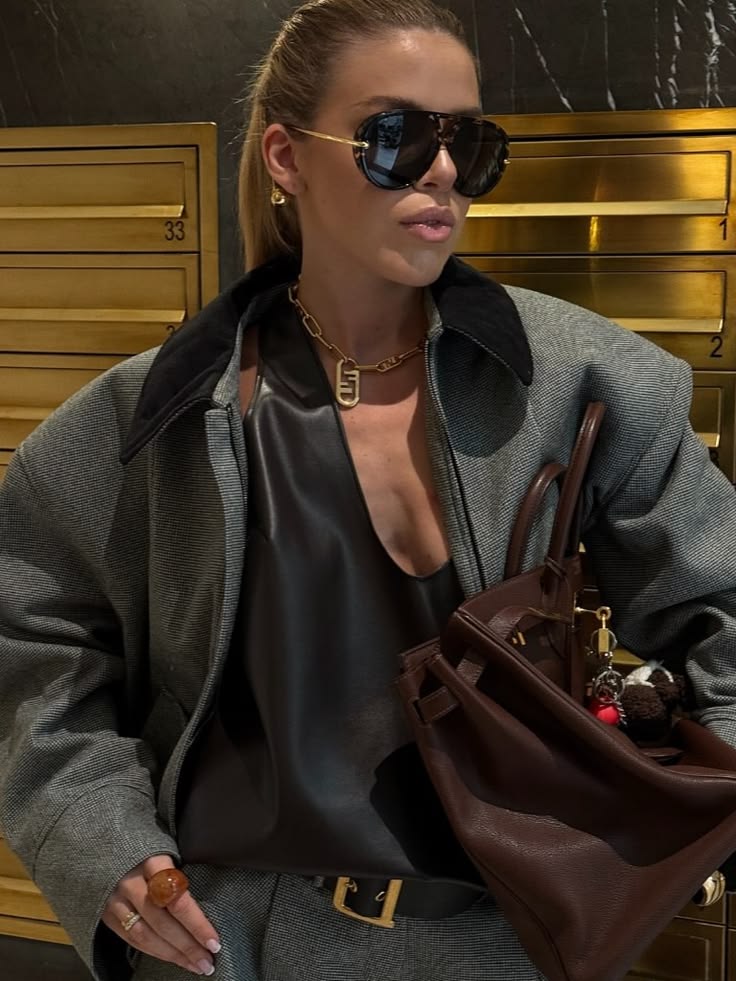
A classic aviator has a thin metal frame and a double bridge. Ray-Ban makes the original, and Saint Laurent, Celine, Fendi and Prada have more fashion-forward takes. Tom Ford and Gucci make oversized aviators with a thicker frame. Choose the width of the lens to match your face. A pair that is too wide will slide, and a pair that is too narrow will pinch. The frame should not extend beyond the widest part of your face.


Lens color and tint
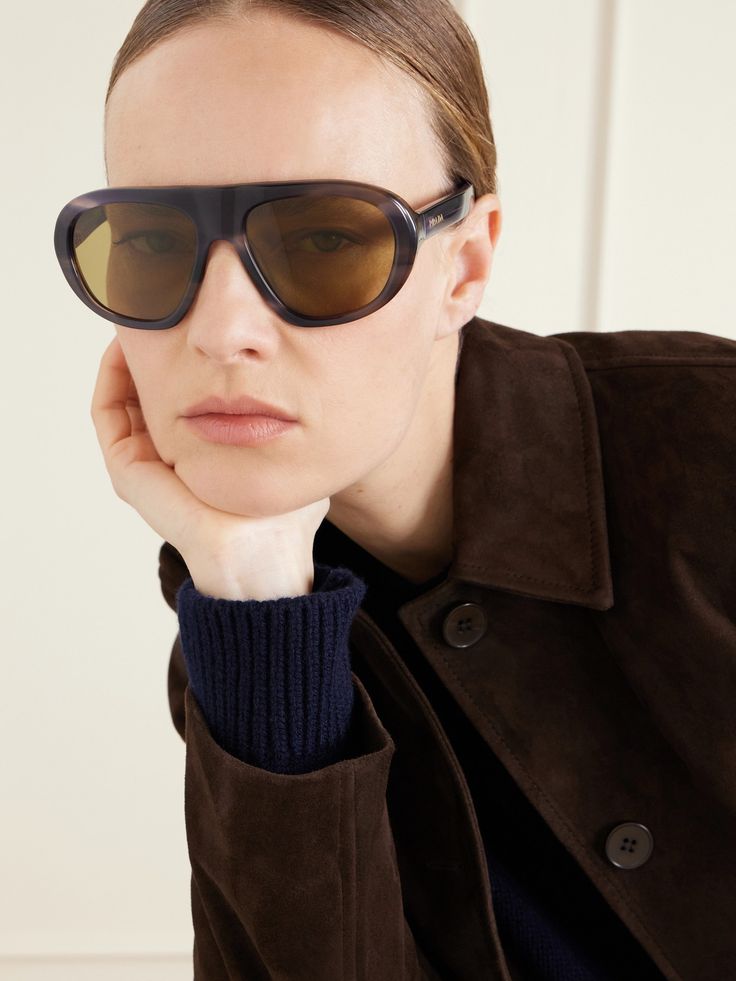
Green lenses are the classic. Brown lenses give more contrast and warmth. Gray lenses are the most neutral. Gradient lenses are fashionable and darker on top, which is good for driving. Polarization reduces glare on water and roads. Picture her in a white shirt and gold aviators, one hand on the steering wheel, a scarf tied around her hair. The glasses give her the confidence of someone who has somewhere to be.


Wear them with attitude
Aviators go with a leather jacket, a trench coat, a white shirt, or a simple summer dress. They also pair well with a low bun. In our fashion dreams she wears gold aviators with a cashmere sweater at a ski lodge, and the lenses hold the reflection of the mountain. Wipe them with the proper cloth, never your shirt, and keep them in a hard case. The nose pads can be adjusted by an optician for a better fit.


What I would skip
I would skip lenses without UV protection, since dark lenses without UV can harm your eyes. I would skip very mirrored lenses if you want a classic look. And I would skip a frame that sits too high on your face. A good pair should disappear on your face and do their job.