Pilling is a texture problem, not a sign of a bad formula, and it is usually fixed by changing the order you apply things.
Best Clean Sunscreen for Face That Does Not Pill Under Makeup

Pilling is a texture problem, not a formula problem
That little rolling, balling texture you get when sunscreen sits under makeup has nothing to do with whether the formula is good. Pilling happens when products don't bond to your skin or to each other in the right sequence. It is purely a layering problem.
The good news is it is entirely solvable, and usually the solution is simpler than buying a different sunscreen.
Most clean sunscreen formulas are less likely to pill than their conventional counterparts, especially if they are mineral-based. Mineral sunscreens sit on top of skin rather than sinking in, which sounds like it would cause problems but actually makes them more stable under makeup. The real problem is not the sunscreen itself but the order you apply it in and what you are putting on top of it.
Pilling typically happens in one of three ways. Your skin is still damp from moisturizer when you apply sunscreen. You applied too much sunscreen, so there is excess product. Or your primer or foundation is incompatible with your sunscreen texture and they slip against each other.
Once you know where the problem lives, the fix is obvious. That is why the order you apply things matters more than which sunscreen you buy.
Facial sunscreens for daily wear

ReFresh Eye Brightener Broad Spectrum SPF 30
rms beauty
$49

Every Tone SPF 30
lesse
$68

Luxury Sun Ritual Pore Smoothing SPF 30
saint jane
$38

Weekend Skin SPF 50 + Vitamin C + Glow
iris&romeo
$50

The Mineral Sunscreen SPF 50
augustinus bader
$145
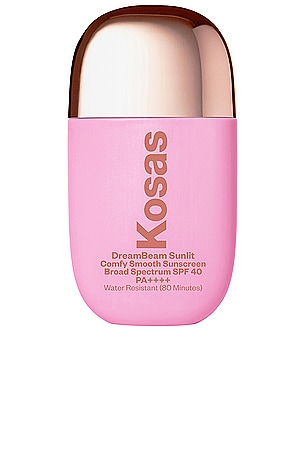
Dreambeam Comfy Smooth Sunscreen Broad Spectrum SPF 40
Kosas
$40
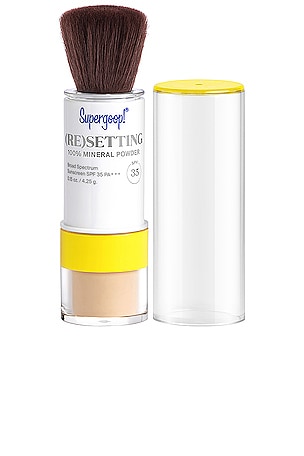
(Re)setting 100% Mineral Powder SPF 35
Supergoop!
$35
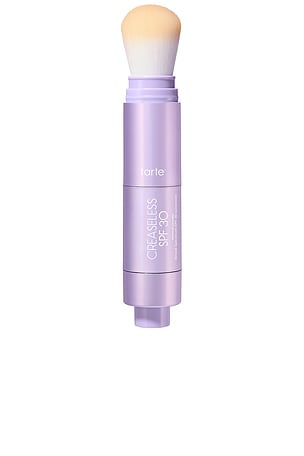
Creaseless SPF 30 Mineral Powder Broad Spectrum SPF 30 Sunscreen
tarte
$37
The application sequence that stops pilling
Clean up your layering sequence and pilling stops. Here is the order that works for most people.
Start with a hydrating moisturizer. Wait thirty seconds for it to set. Your sunscreen needs a dry base, not a wet one.
Apply your sunscreen next. Use the correct amount: approximately a quarter teaspoon for the face. Most people under-apply. Let the sunscreen sit for a minute so it can set into a protective layer.
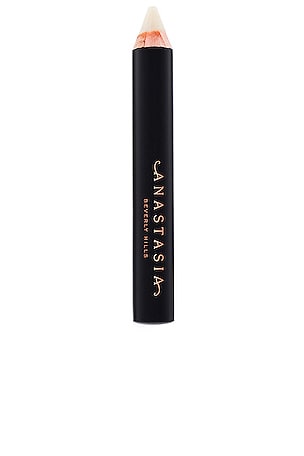
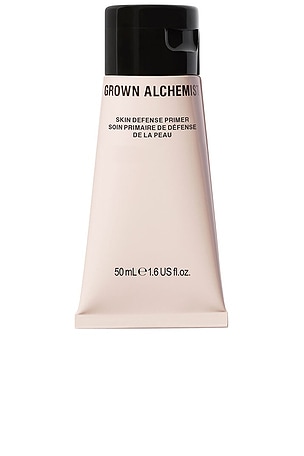
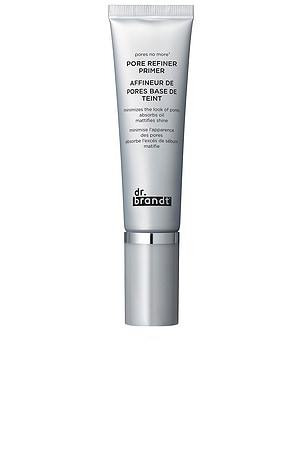
Now the optional step. If you use a primer, apply it now, after the sunscreen has set. A primer applied to wet sunscreen causes pilling. A primer applied to set sunscreen adheres properly.
Then apply foundation or tint. The texture of your foundation matters here. A very thick foundation over lightweight mineral sunscreen can cause them to slip against each other instead of sitting together. If that is happening, your primer might be doing too much, or you need a foundation with more slip.
The rule underneath all of this is simple: let each layer set before adding the next. Do that and nearly every sunscreen stays in place all day.
Tinted SPF, skin tints and mineral powders

The Tinted Balm
augustinus bader
$47

Chria High Performance Tinted Lip Filler
macrene actives
$65

HydroBalm Tinted Lipstick
westman atelier
$50
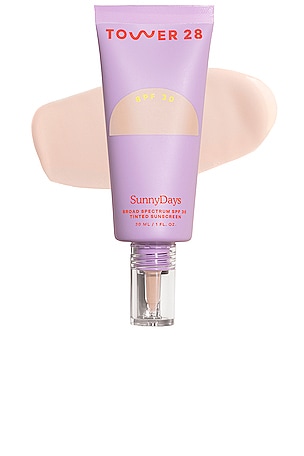
SunnyDays Tinted SPF
Tower 28
$32
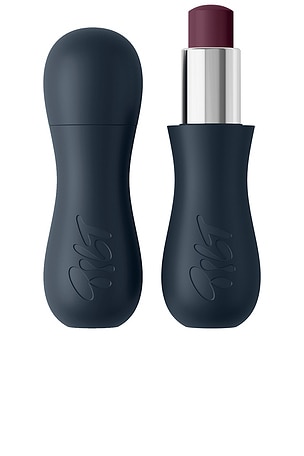
Grip Stick Hydrating Tinted Lip Treatment
TILT Beauty
$26
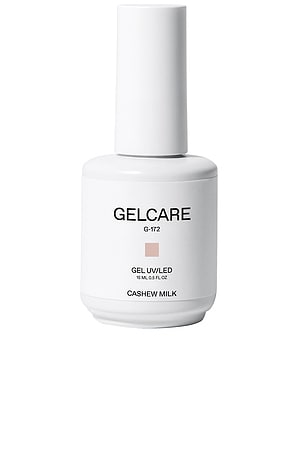
Cashew Milk Bb Cream Gel Nail Polish
Gelcare
$20
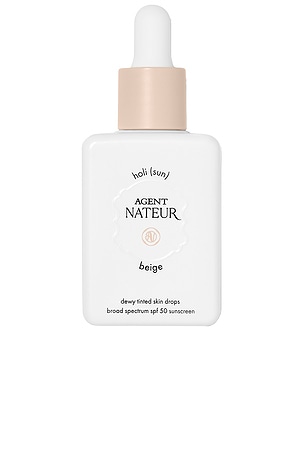
Holi (sun) Dewy Tinted Skin Drops
Agent Nateur
$58
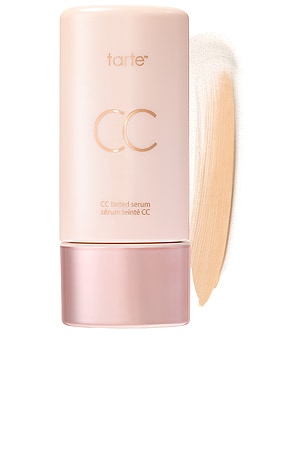
CC Color-Correcting Tinted Serum
tarte
$42
Choosing which sunscreen suits your routine
The sunscreen that works best for you is the one that plays well with what comes after it.
If your skin tends toward oil, a lightweight mineral powder sunscreen is your template. Powders set immediately and give foundation a clean, dry surface to adhere to. They are practically made for layering under makeup.
If your skin is drier, a nourishing lotion-based sunscreen paired with a lighter moisturizer often works better than a heavy cream. The sunscreen becomes your second hydrating layer. Wait for it to set, then apply makeup.
For very sensitive skin, simpler is better. Mineral sunscreens are the safest choice because they sit on skin rather than absorbing into it. This means fewer potential irritants and less interaction with your other products. They are also the least likely to pill because they do not react chemically with primers or foundations the way chemical sunscreens sometimes do.
If you are someone who enjoys tinted SPF products or tinted sunscreen, you can skip foundation altogether or use it very lightly over the tint. This reduces the number of layers sitting on top of each other, which nearly eliminates pilling.


The questions people actually search
Why does sunscreen pill under makeup? Pilling happens when sunscreen does not bond to your skin or to the layers above it. The three main causes are: your skin is still damp from moisturizer, you used too much sunscreen, or your primer or foundation is incompatible with your sunscreen texture. The fix is letting each layer dry before adding the next one and using the correct amount (about a quarter teaspoon for the face).
Does mineral sunscreen pill less? Yes. Mineral sunscreens sit on top of skin and create a stable physical barrier. They are less likely to interact badly with makeup. Chemical sunscreens absorb into skin and sometimes react with primers or foundations in ways that cause pilling. If you are prone to pilling, mineral is the safer choice.
What order do I apply sunscreen? Moisturizer (allow to dry), then sunscreen (allow one minute to set), then primer if you use one, then foundation or tint. The key is waiting between layers. Sunscreen applied to damp skin or primer applied to wet sunscreen causes pilling.
Can I skip sunscreen if I use tinted SPF? No. Tinted SPF products rarely offer enough coverage to meet the SPF number on the label. Use them as a makeup layer over a full-strength sunscreen, not as a replacement.


Shop brands in this edit

Next read

How to Style Slouchy Wide-Leg Jeans
Wide-leg jeans work when the proportions above and below them are deliberate. Rise, hem length and the top decide everything.
Read Editorial
What to Wear to a Fall Wedding as a Guest
A fall wedding usually means a cold outdoor ceremony and a warm indoor reception. One outfit has to survive both.


