Silk is a fiber. Satin is a weave. Knowing the difference tells you what you are paying for and how it will wear.
Silk vs Satin: What the Difference Means When You Are Buying

One is a fiber. The other is a weave.
This is the whole confusion in one sentence, and once you have it the rest of the category makes sense.
Silk is a natural protein fiber, spun by the silkworm, chemically closer to hair than to plastic. Satin is not a fiber at all. It is a weave structure, one where each surface thread floats over four or more threads before tucking under, which is what produces the long uninterrupted shine. Because satin describes construction, it can be woven from anything: silk, polyester, rayon, acetate, nylon.
So silk satin exists, and so does polyester satin, and they look similar on a screen and behave nothing alike. Silk woven in a plain weave, like habotai or crepe de chine, is still silk but has almost no shine. A shiny fabric is not necessarily silk, and a matte one is not necessarily synthetic.
This matters because the label tells you which question was answered. "100% silk" tells you the fiber. "Satin" tells you the weave. Neither one tells you both.

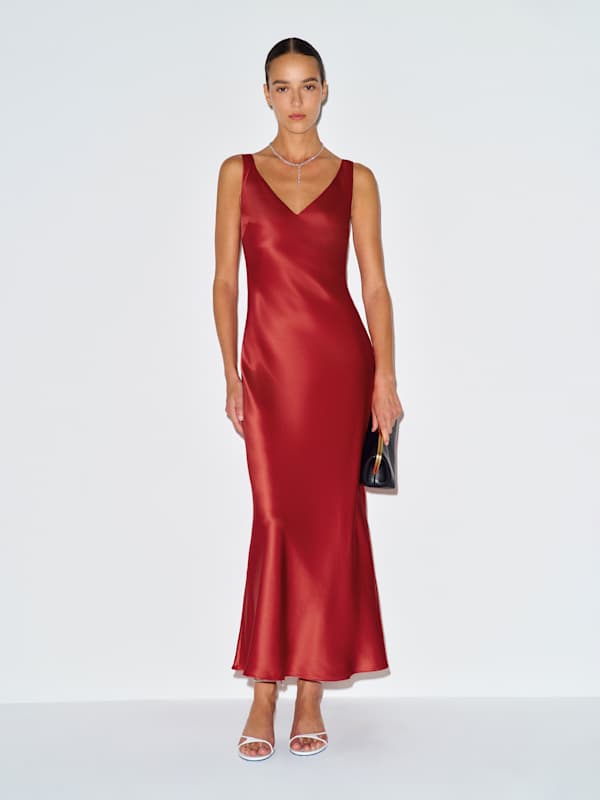
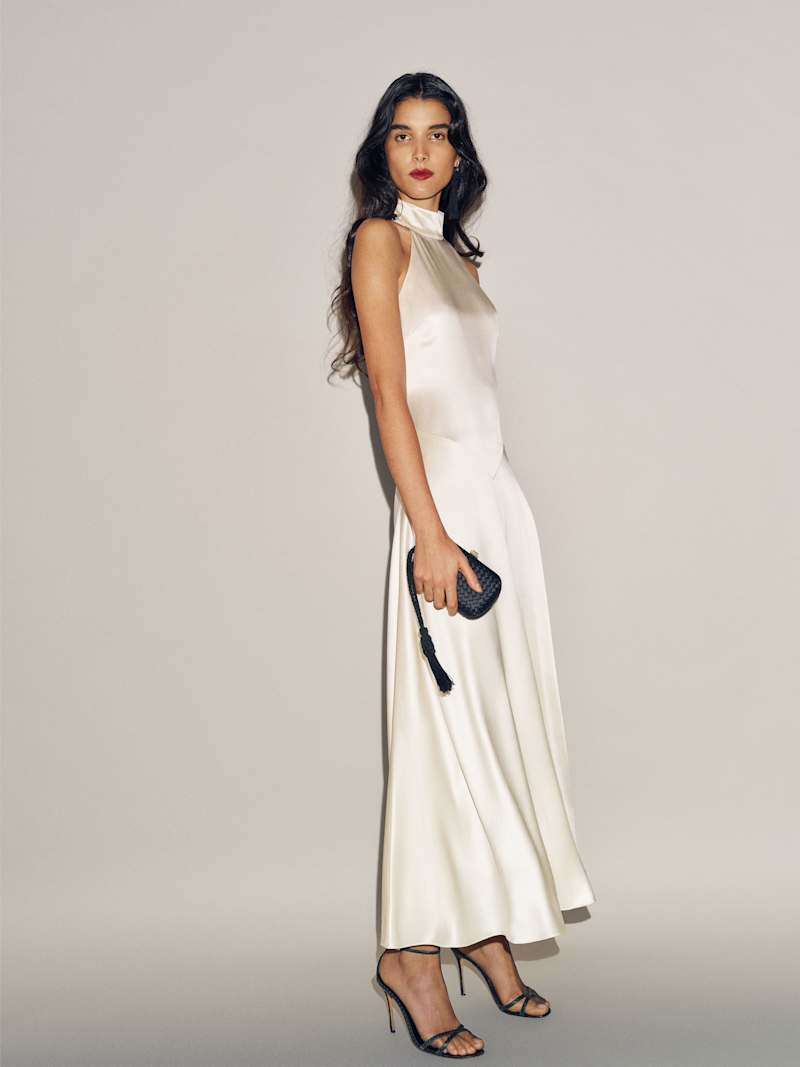
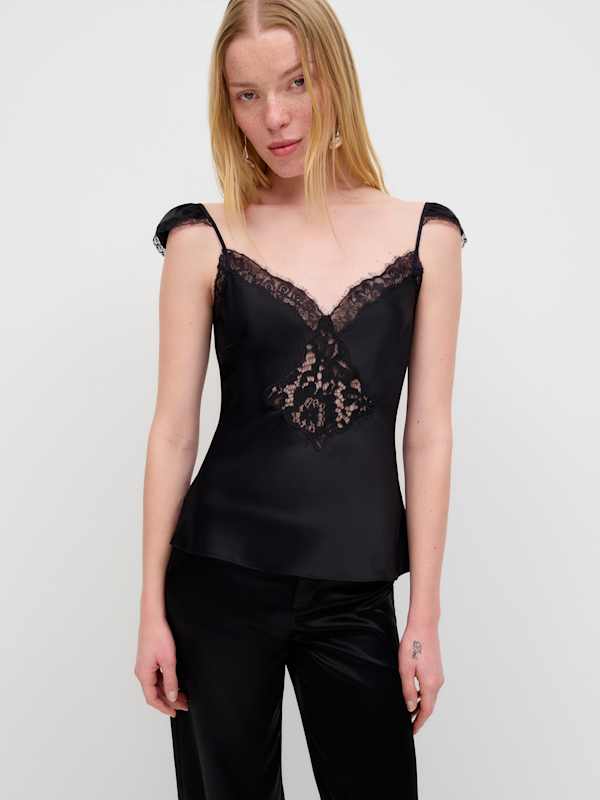
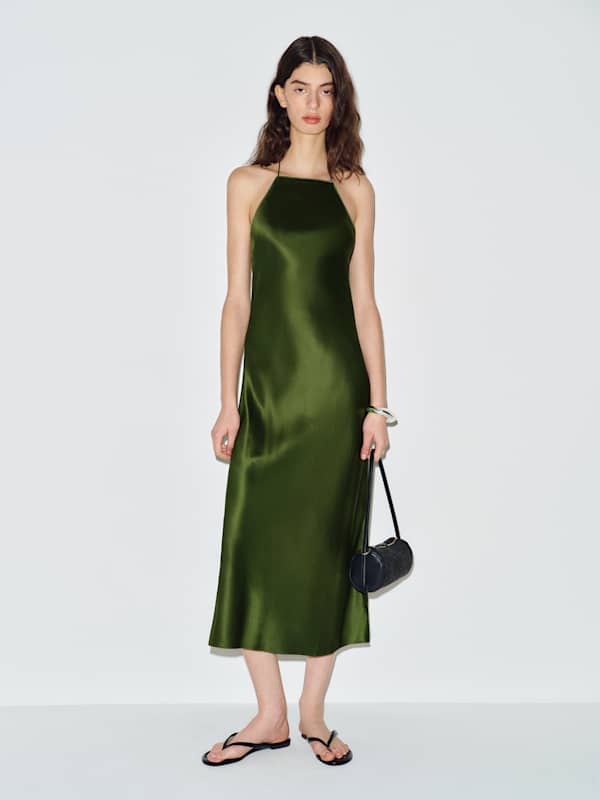
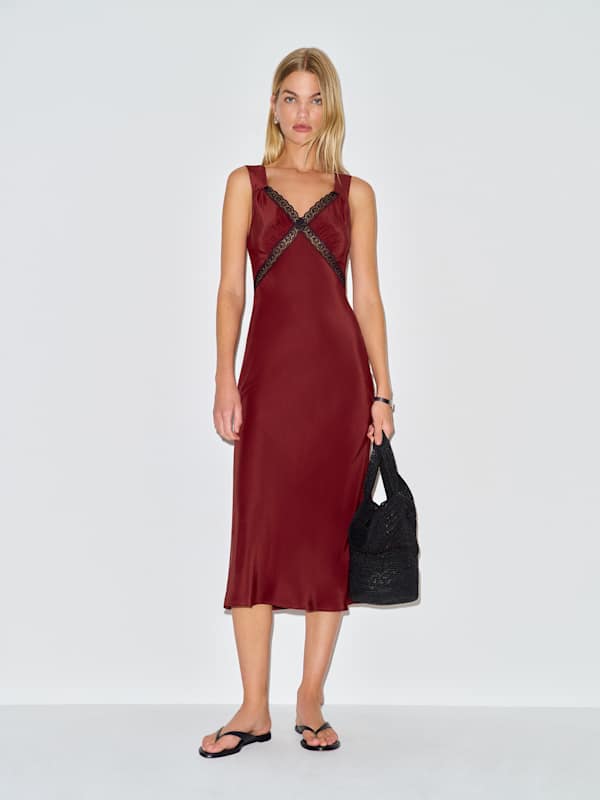
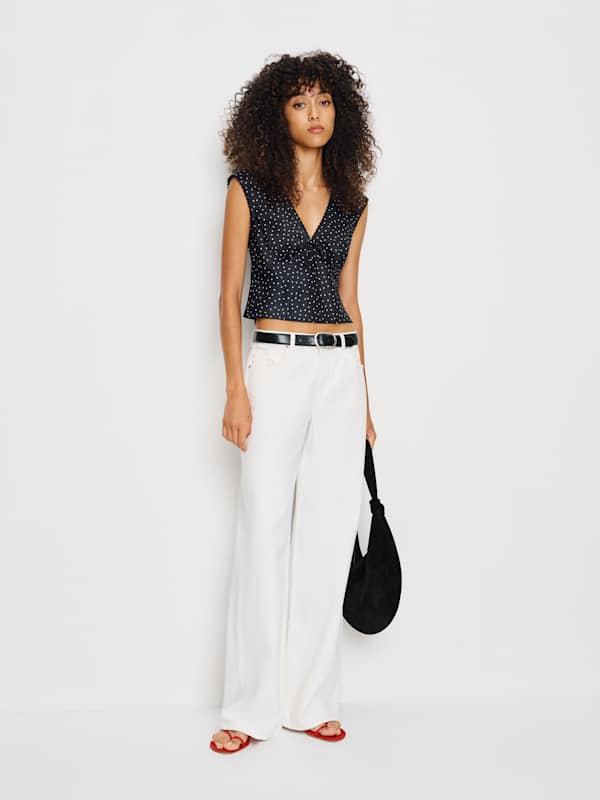
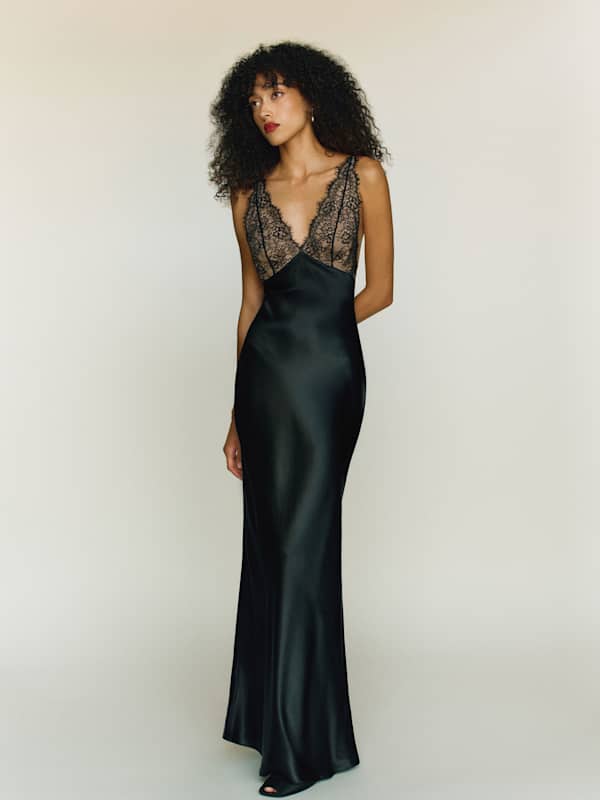
How to tell what you are actually buying
Read the composition line, not the product name. A product called a satin dress may be 100% silk, 100% polyester or a viscose blend, and the composition line is the only place that is stated. If a listing names a weave and never names a fiber, assume the fiber is the cheaper option until told otherwise.
Then use the properties, because they diverge sharply. Silk has a moisture regain of roughly 11 percent, meaning it absorbs and releases water vapor. Polyester sits near 0.4 percent. In practice that is the difference between a fabric that breathes against skin and one that holds heat and shows sweat. For a dress you will wear for six hours in a warm room, that number matters more than the shine does.
Silk also takes dye with more depth and develops a softer drape with wear. Polyester satin holds a crisper shape, resists wrinkling, survives a washing machine and costs a fraction as much. Neither is the right answer for everything.
Satin weaves worth owning


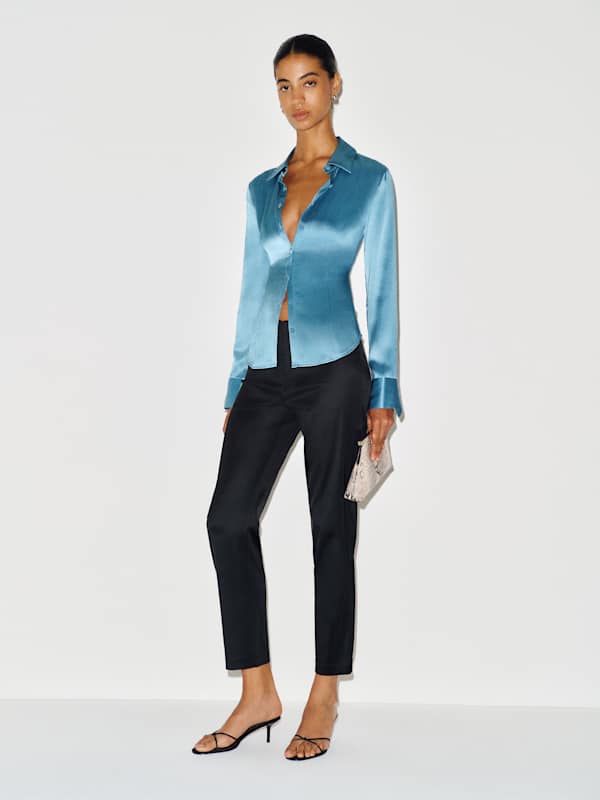

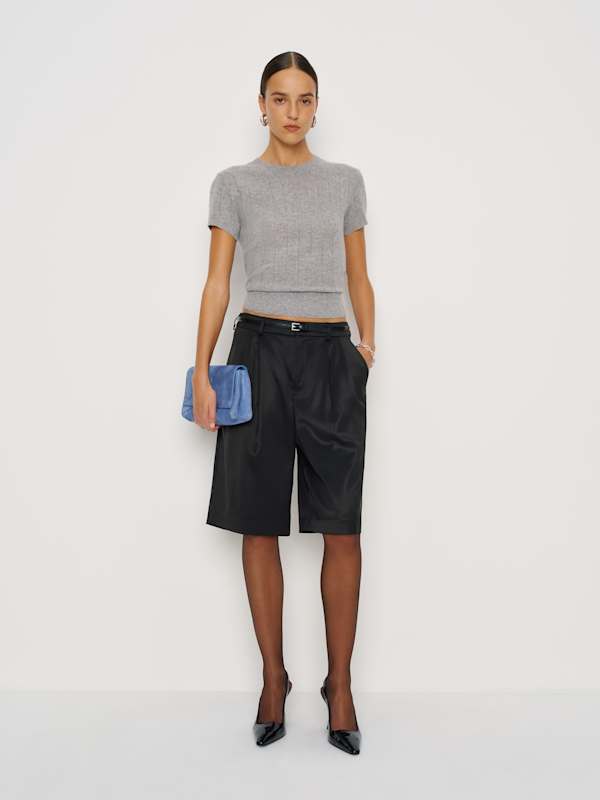

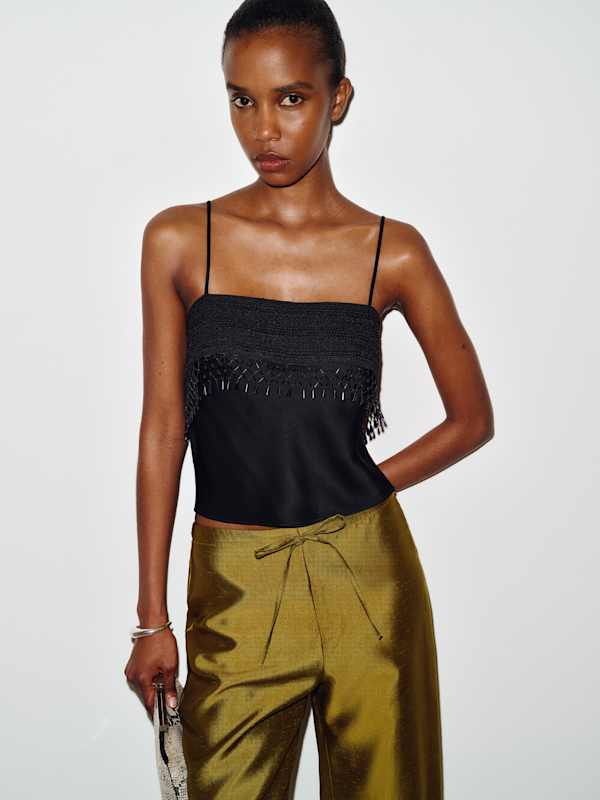
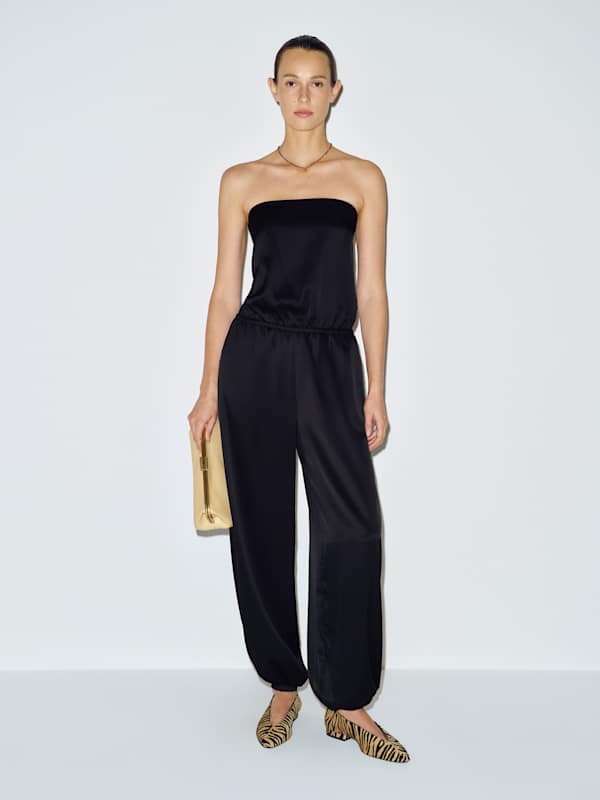
Where each one belongs in a wardrobe
Buy silk where the fabric touches you for a long time or where the drape is the point. Blouses worn against skin all day, bias-cut dresses and skirts that need to move, anything you want to still like in five years. Silk earns its price over time rather than at the register, and it improves as it softens.
Buy satin, including synthetic satin, where you want structure, high shine and low anxiety. A satin trouser that needs to hold a clean line, a short you will wear hard through summer, a party piece you would rather not hand-wash. Gale Satin Mid Rise Bias Pant at $198 is the useful version of this: bias cut for movement, satin for the surface.
The mistake in both directions is paying silk prices for shine you could get cheaper, or buying synthetic for something you will wear against skin in the heat. Match the fiber to the job and the price stops feeling arbitrary.
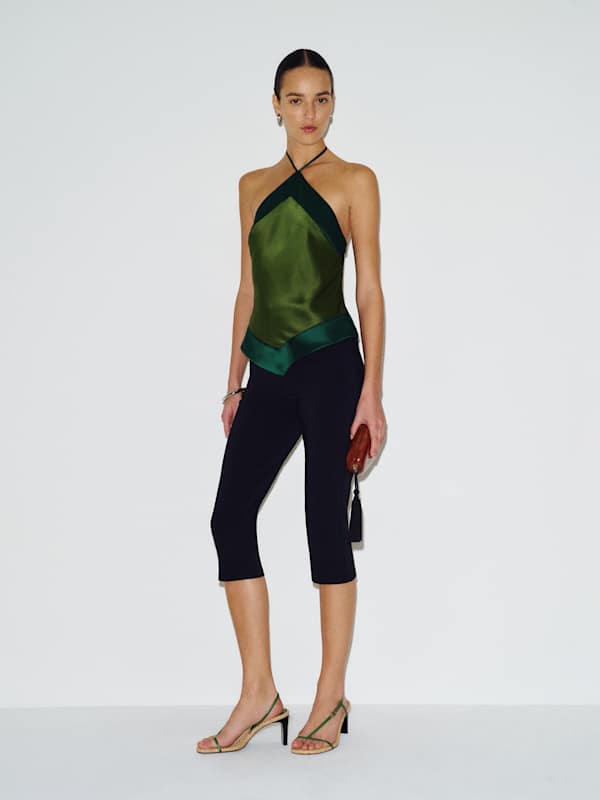

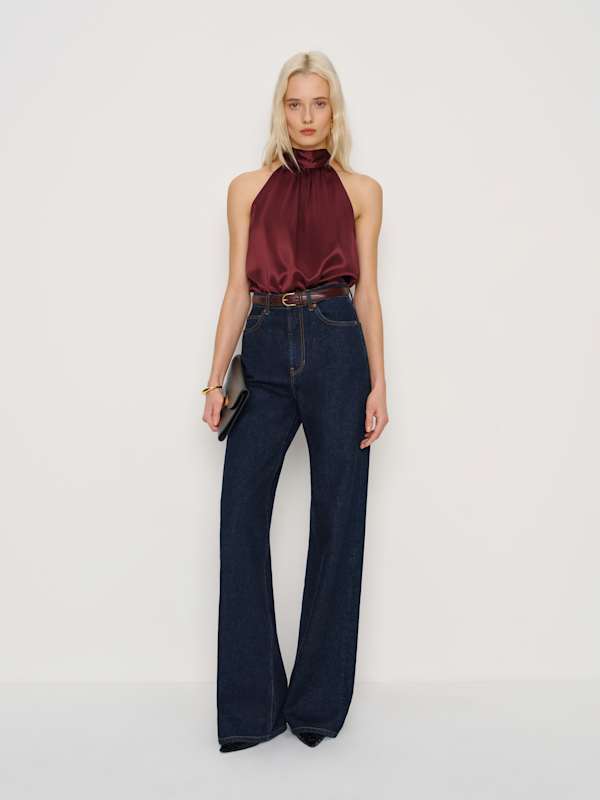
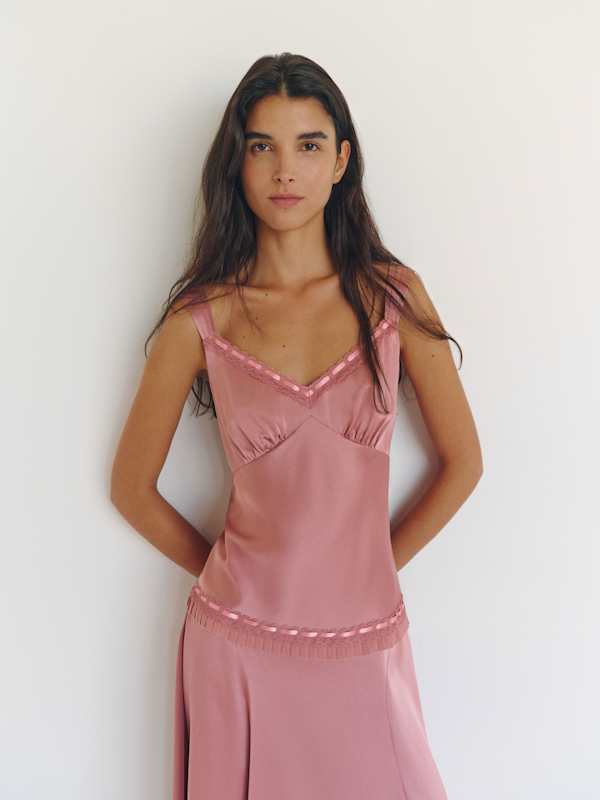
Common questions, answered plainly
Is satin the same as silk? No. Satin is a weave, silk is a fiber. Satin can be made from silk or from polyester, rayon or acetate. Silk can be woven as satin, crepe, chiffon or twill.
Which is more expensive? Silk, by a wide margin, because the fiber is harvested rather than manufactured. Polyester satin can cost a tenth as much as silk satin with a similar look.
Which is cooler to wear? Silk. It absorbs and releases moisture at around 11 percent regain, where polyester is near 0.4 percent, so silk breathes and synthetic satin traps heat.
Can you machine wash either? Most polyester satin, yes, cold and gentle. Silk, generally no. Hand wash cool with a pH-neutral soap or dry clean, and never wring it.
Which wrinkles more? Silk, especially lighter weights. Polyester satin resists creasing, which is a genuine advantage for travel.
Does shine mean synthetic? No. Silk satin is very shiny. Matte silk exists too. Shine tells you the weave, not the fiber.


Shop brands in this edit


Next read

How to Style Slouchy Wide-Leg Jeans
Wide-leg jeans work when the proportions above and below them are deliberate. Rise, hem length and the top decide everything.
Read Editorial
What to Wear to a Fall Wedding as a Guest
A fall wedding usually means a cold outdoor ceremony and a warm indoor reception. One outfit has to survive both.


