A clear-eyed guide to wearables, rings, watches, and bedside sensors that help you understand your sleep routine.
Best Sleep Trackers
What a sleep tracker can actually tell you
The best sleep tracker is not the one with the longest list of metrics. It is the one that fits your bedtime, stays comfortable overnight, and presents patterns you can use. Wearables typically combine movement and heart-rate signals, while a bedside or under-mattress sensor can collect information without putting anything on your wrist. Treat every score as a directional tool rather than a diagnosis.
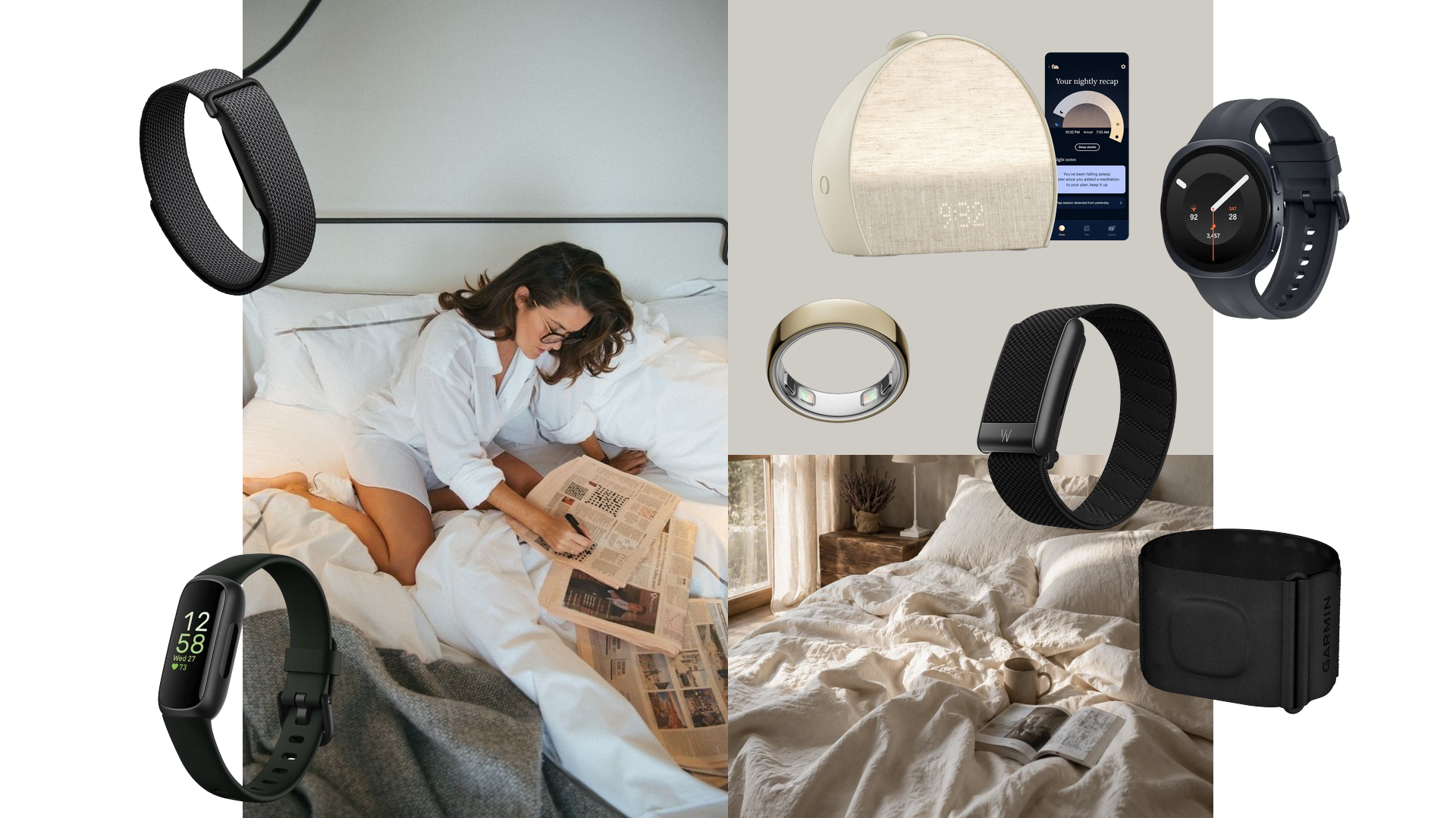
WHOOP 5.0/MG centers the experience on coaching and recovery prompts, while the Oura Ring 5 keeps the hardware discreet on your finger. The Fitbit Google Air is screenless, which suits anyone who does not want another glowing display, and the Samsung Galaxy Watch9 folds sleep data into a broader smartwatch routine. If your main concern is a quiet bedroom, Withings Sleep works from under the mattress. Choose the form you will wear or install consistently, then give it enough nights to reveal a pattern. One restless evening is context, not a verdict.


Match the tracker to your bedtime habits
Start with the question you want the device to answer. If you want help connecting sleep, training, and daily routines, WHOOP 5.0/MG offers a coaching-led format. If you want sleep information with minimal interaction, the Oura Ring 5 and Fitbit Google Air keep the experience more contained. A smartwatch such as Samsung Galaxy Watch9 makes sense when sleep is one part of a larger health and notification routine.
For people who dislike wearing technology to bed, Withings Sleep is an appealing alternative because the sensor sits beneath the mattress. Hatch Sleep Clock takes a different approach by pairing bedside light and sound with sleep-oriented tracking, so it may be most useful for a deliberate wind-down ritual. Fitbit Inspire 3 is a lighter, familiar entry into overnight tracking, though its small band and display will not suit everyone. Check comfort, charging rhythm, app style, and any ongoing membership before buying. The most sophisticated dashboard is still unhelpful if you stop wearing the device after a week.
Best for a quieter bedroom routine

Hatch Sleep Clock Bedside Sleep Tracker, Smart Light, Sound Machine, Putty
Hatch
$249.99

Fitbit Google Air Screenless Activity Tracker Obsidian
Fitbit
$99

Withings Sleep Sleep Tracking Pad Under The Mattress With Sleep Cycle Analysis
Withings
$199.95

Google Fitbit Inspire 3 Midnight Zen Black Small and Large Bands
Fitbit
$79.95
Our honest take
We would start with the Oura Ring 5 for someone who wants a discreet overnight form and a focused sleep experience, while WHOOP 5.0/MG is a stronger match for people who genuinely enjoy coaching around training and recovery. Withings Sleep is the most appealing choice for anyone who finds wrist wear distracting. The Fitbit Google Air offers a straightforward screenless direction, but its narrower format will not replace a full smartwatch for everyone.
We are less interested in chasing a perfect nightly score than in spotting repeatable habits: a late meal, a warm room, or a bedtime that moves around. Do not buy a tracker expecting it to diagnose insomnia or explain every tired morning. Use the data as a prompt to notice patterns, and speak with a clinician when sleep problems persist. If you take one thing away, choose the least intrusive tracker you can use for a full month and review trends instead of single-night results.