If standard sizes gap at your bridge or slide down your nose, here is exactly what to look for.
Best Sunglasses for Small Faces: Frames That Actually Fit

Why standard sizing does not work for everyone
Sunglasses are built around an average face size. The bridge width is usually 16 to 20mm, which works if your nose fits that range. The temple length is usually 135 to 145mm, which is fine if your head measures that way. The lens height assumes a certain cheekbone-to-brow distance.
If you have a small face, you live outside the average. A standard bridge gapes on your nose and the glasses slide down when you look up. The temples sit too far back on your head. The lenses are so large they cover half your face and make you look like you are playing dress-up.
This is not a problem with you or your face. It is a problem with sizing. The solution is straightforward: smaller numbers in every direction. But small-sized frames are harder to find than standard sizes, which is why this becomes a search.
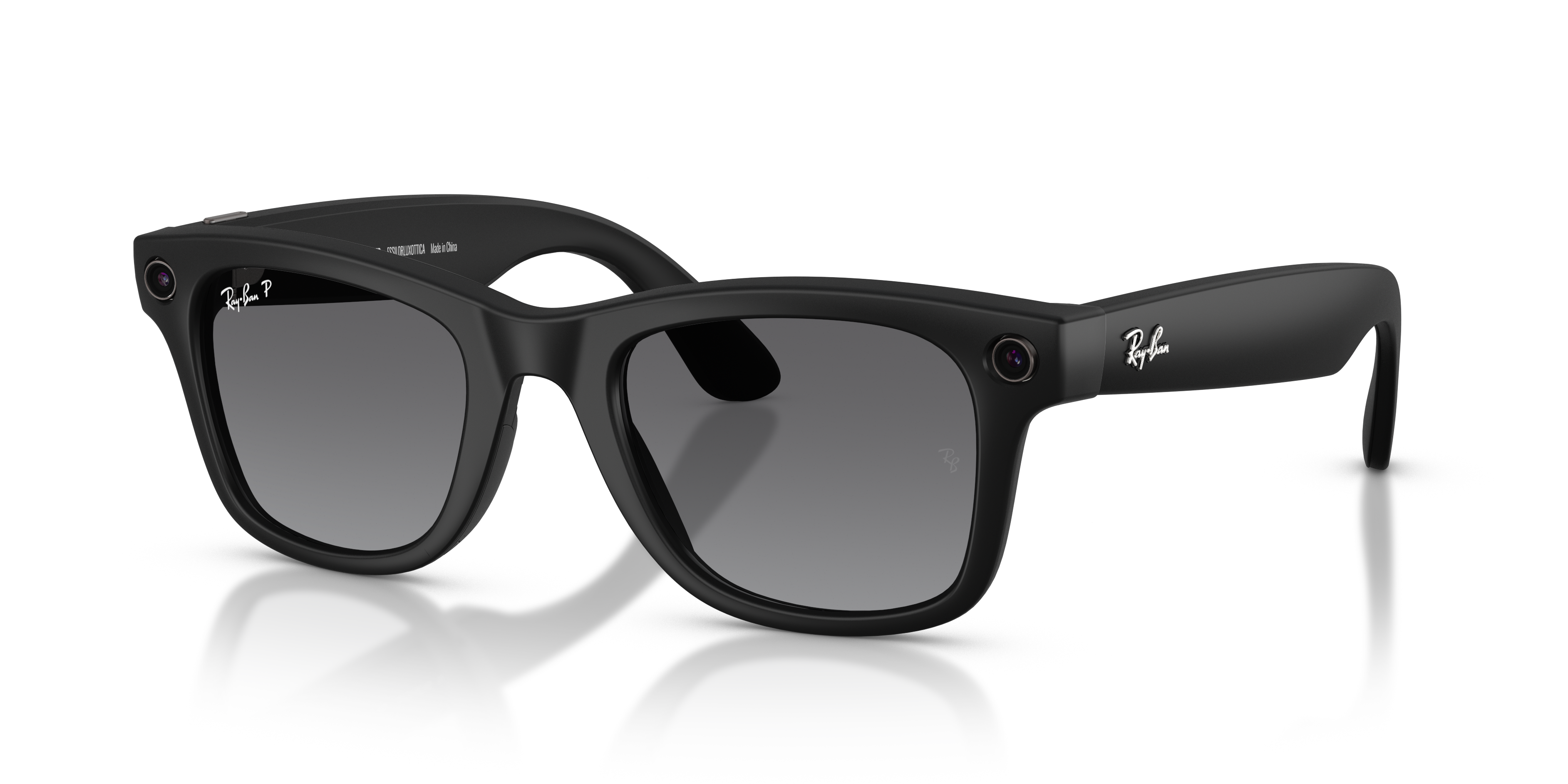
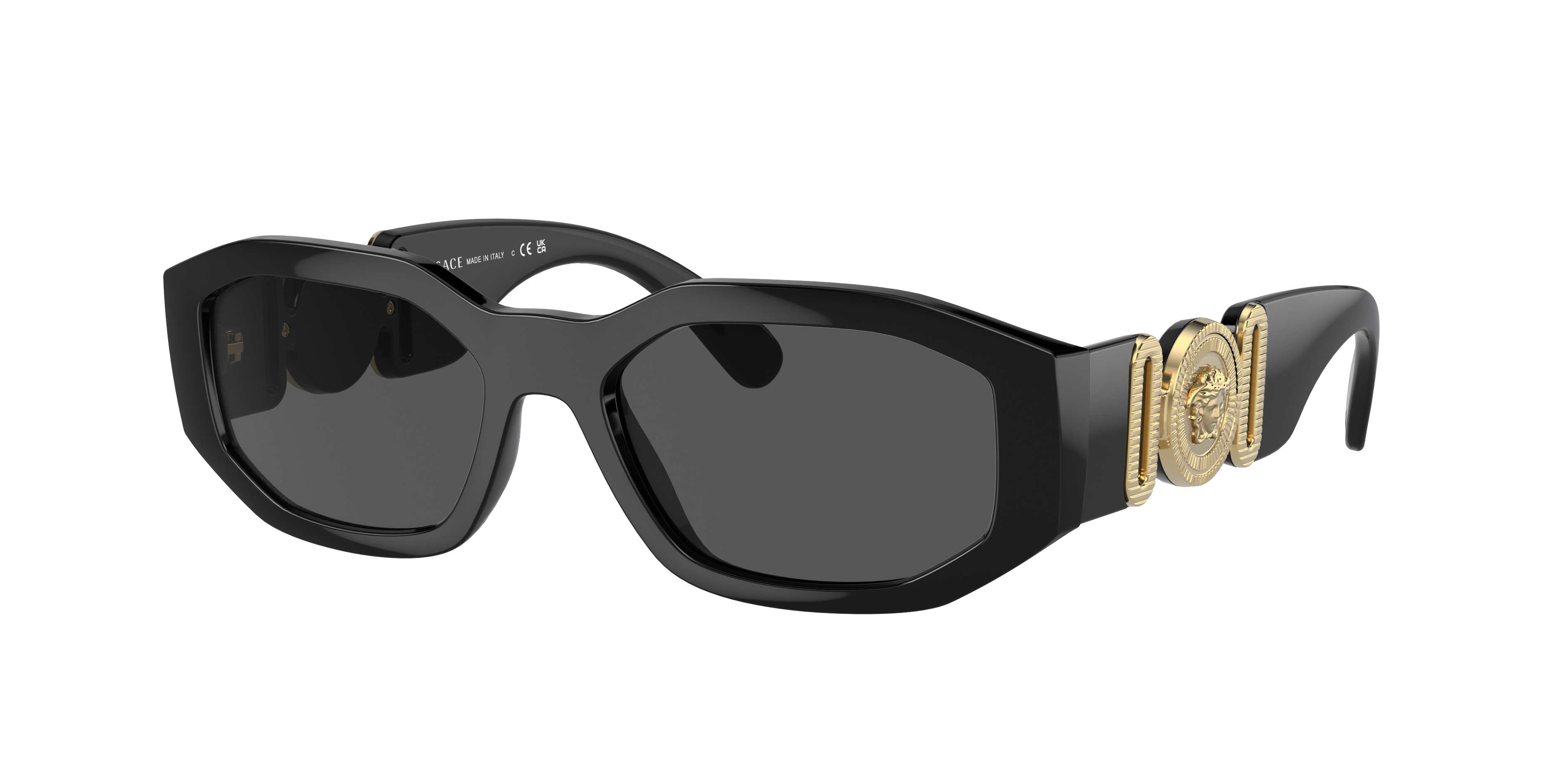
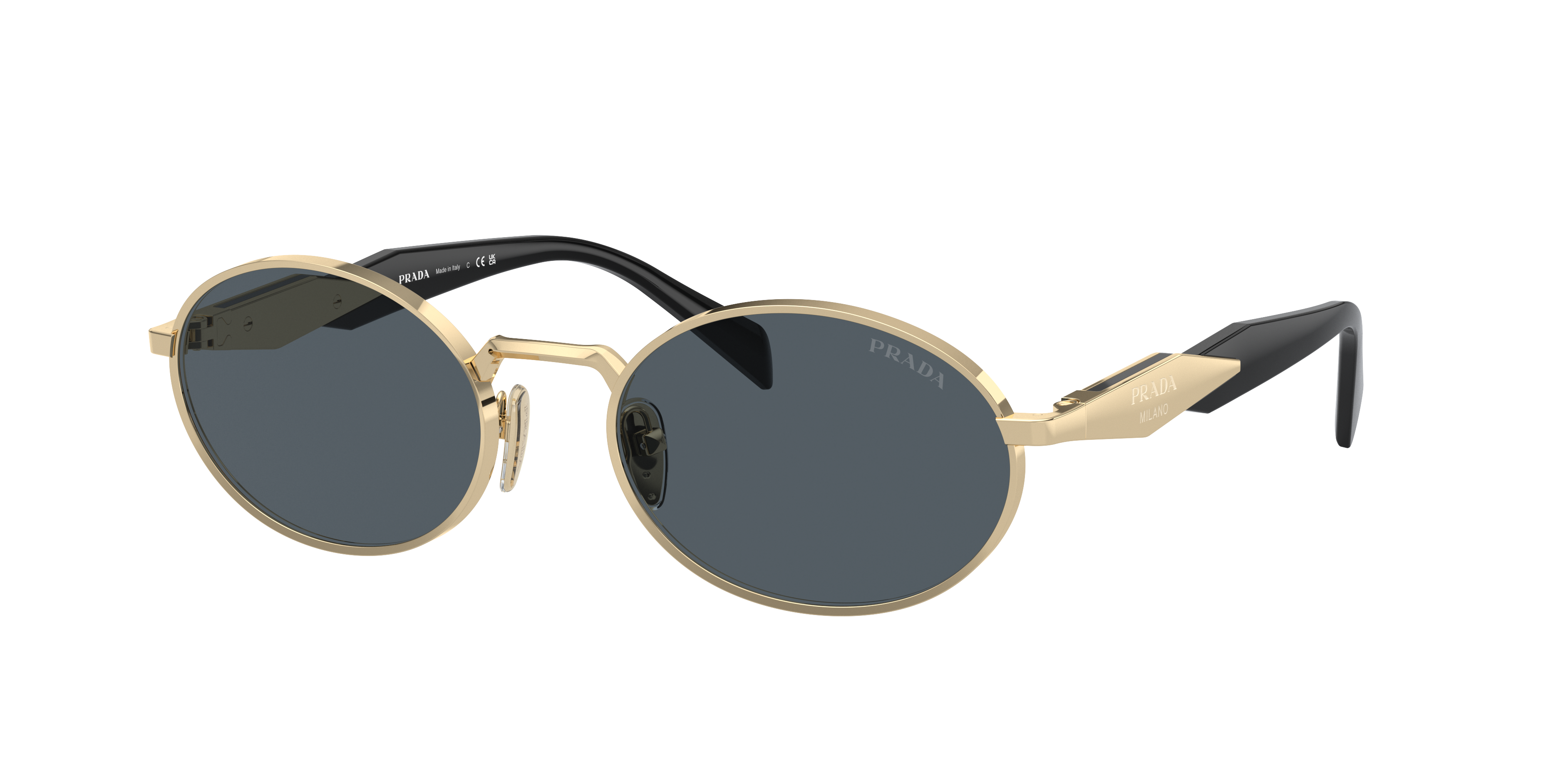


What to measure before you search
Bridge width is the space between the two lenses. Measure your nose at the widest point with a ruler. Most people with small faces have bridges between 14 and 16mm. Standard is 16 to 20mm. If you are consistently buying frames that gap, you likely need 14 to 16mm.
Temple length is how long the arm is. Measure your face from the corner of your eye to behind your ear. Add about 1cm for comfort. If you measure around 130mm, you need temple lengths around 130 to 135mm. Standard is 135 to 145mm. Ask before you buy; most brands do not list this on the website.
Lens width and height are trickier to measure but look at photos. Does the frame cover most of your face or only part of it? For a small face, you want the frame to sit roughly from mid-brow to cheekbone, not from hairline to jawline.
There is also face proportion. A small face might be narrow across the cheekbones (narrow width) or narrow nose-to-ear (which affects temple length). Know which one you are.
Asian-fit and compact sizing
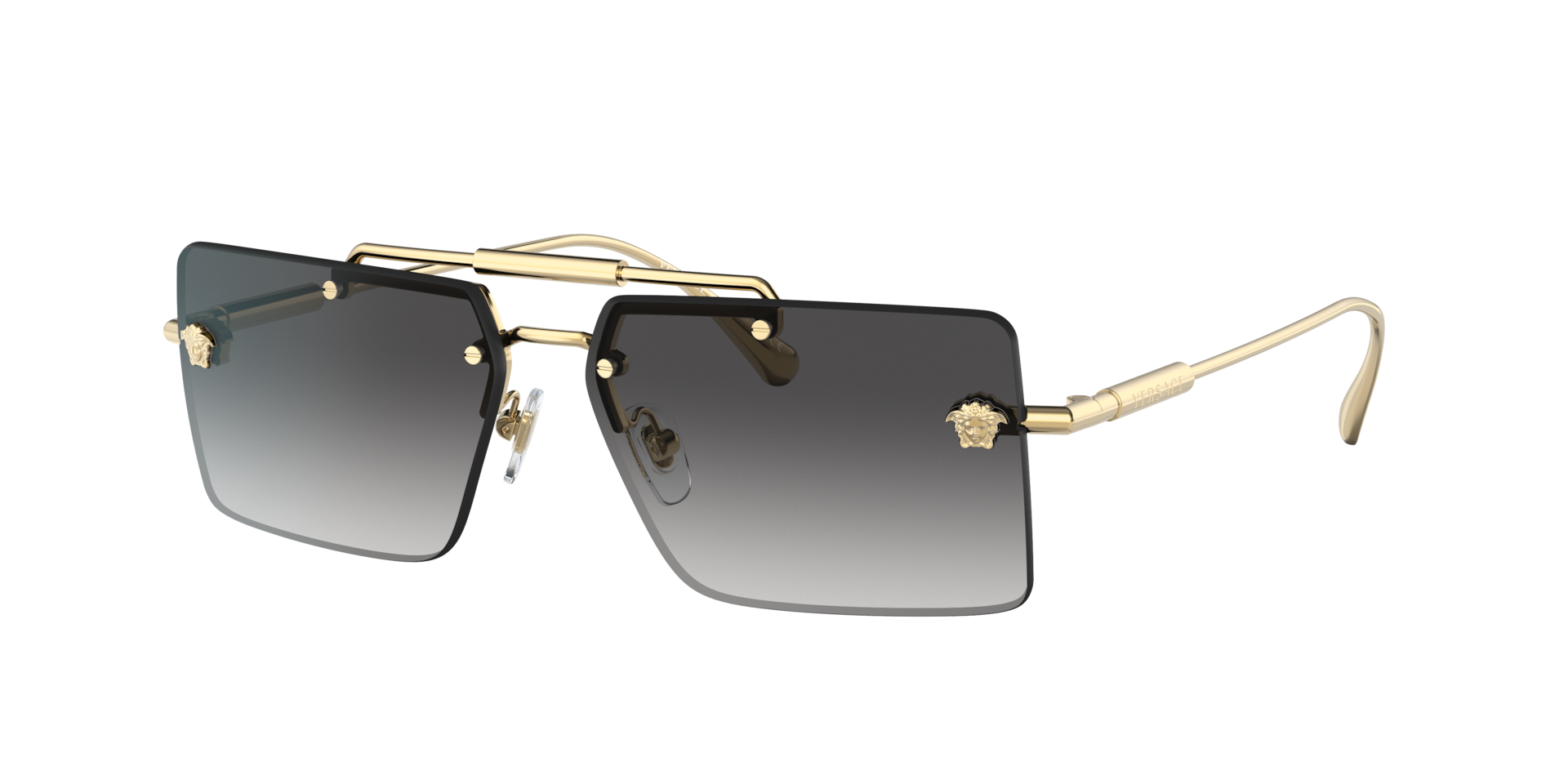


Brands that build for smaller frames
Some brands offer explicit small or petite sizes. Warby Parker has a Small size category. Ray-Ban has several models that come in smaller proportions. Coach and Burberry often have more refined proportions than mass-market brands, which sometimes translates to smaller sizes.
Asian eyewear brands tend to build with smaller average face sizes in mind. If you are shopping online internationally, Japanese and Korean frames often have better proportions for smaller faces.
Low-bridge-fit frames are also helpful. The low bridge fit is designed for noses where the bridge sits lower, which usually correlates with a shorter nose and sometimes a smaller face overall. These frames have a shallower bridge and slightly closer temple positioning. Worth trying even if you do not have a particularly low bridge.
Cat-eye frames, by design, sometimes sit smaller because the shape is already tapered at the temple. Oversized frames are out. Slim browlines often come in smaller proportions.


How to shop when standard sizing fails
Try before you buy. Online shopping for small frames is risky because proportions are hard to judge in photos. If you can visit a store, do. Hold frames against your face and notice where the temple sits on your ear. Notice if the bridge sits flush on your nose.
Call the brand. If you know your measurements, call and ask. Many brands will tell you which models come in which sizes and which models have the smallest bridge width. This five-minute phone call saves ordering and returning.
Be specific in your searches. Search for 'small frame sunglasses' or 'sunglasses low bridge fit' rather than just 'sunglasses.' The specificity helps algorithms point you to what you need.
Once you find a brand that works, buy again. Small-frame sunglasses that fit are valuable. When you find one, consider buying a second pair in a different colour or style. Discontinued styles are particularly painful when you finally found something that fits.