How to break in new shoes is mostly a question of pacing. Wear them for short periods first, because a sandal that feels fine for ten minutes can still rub once the foot has warmed and started to
Breaking In New Footwear
Breaking in starts before the first long day
How to break in new shoes is mostly a question of pacing. Wear them for short periods first, because a sandal that feels fine for ten minutes can still rub once the foot has warmed and started to swell. The aim is not to force the leather or embellishment to give way in one afternoon. It is to find the pressure points while you are still close to home.
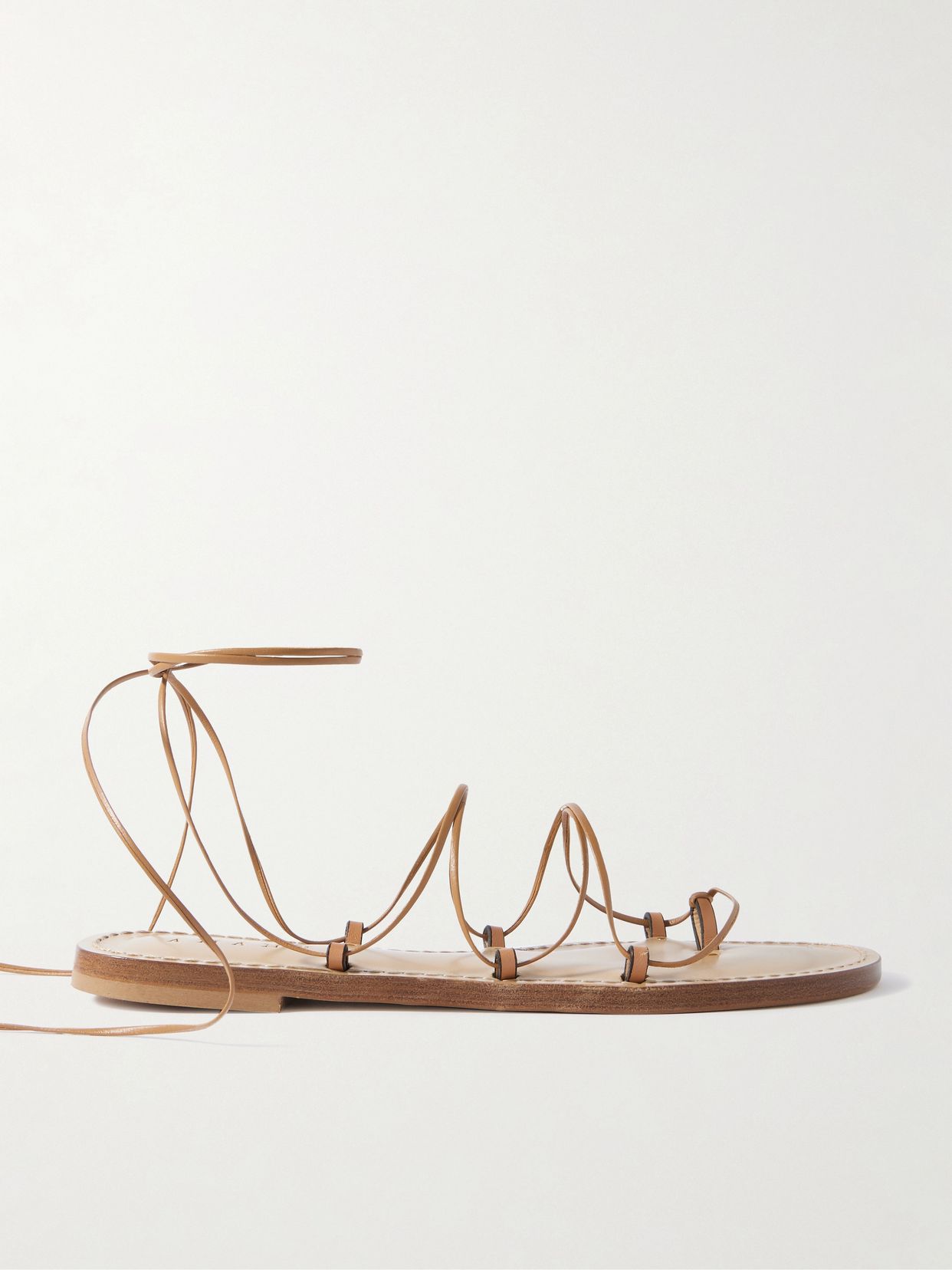
The Leather grid runs from $118 to $375. The Serengeti leather sandals are the simplest place to begin, while The Marrakech embellished leather flats sit at the top of that grid with more detail to protect and more surfaces to check. In between, The Kalahari embellished leather sandals, The Samburu embellished leather sandals and The Naivasha embellished leather sandals show why the word leather alone does not tell you how a shoe will feel. Straps, edges and decoration decide where the foot meets the shoe.
Leather
The Serengeti leather sandals
AMANU
$118
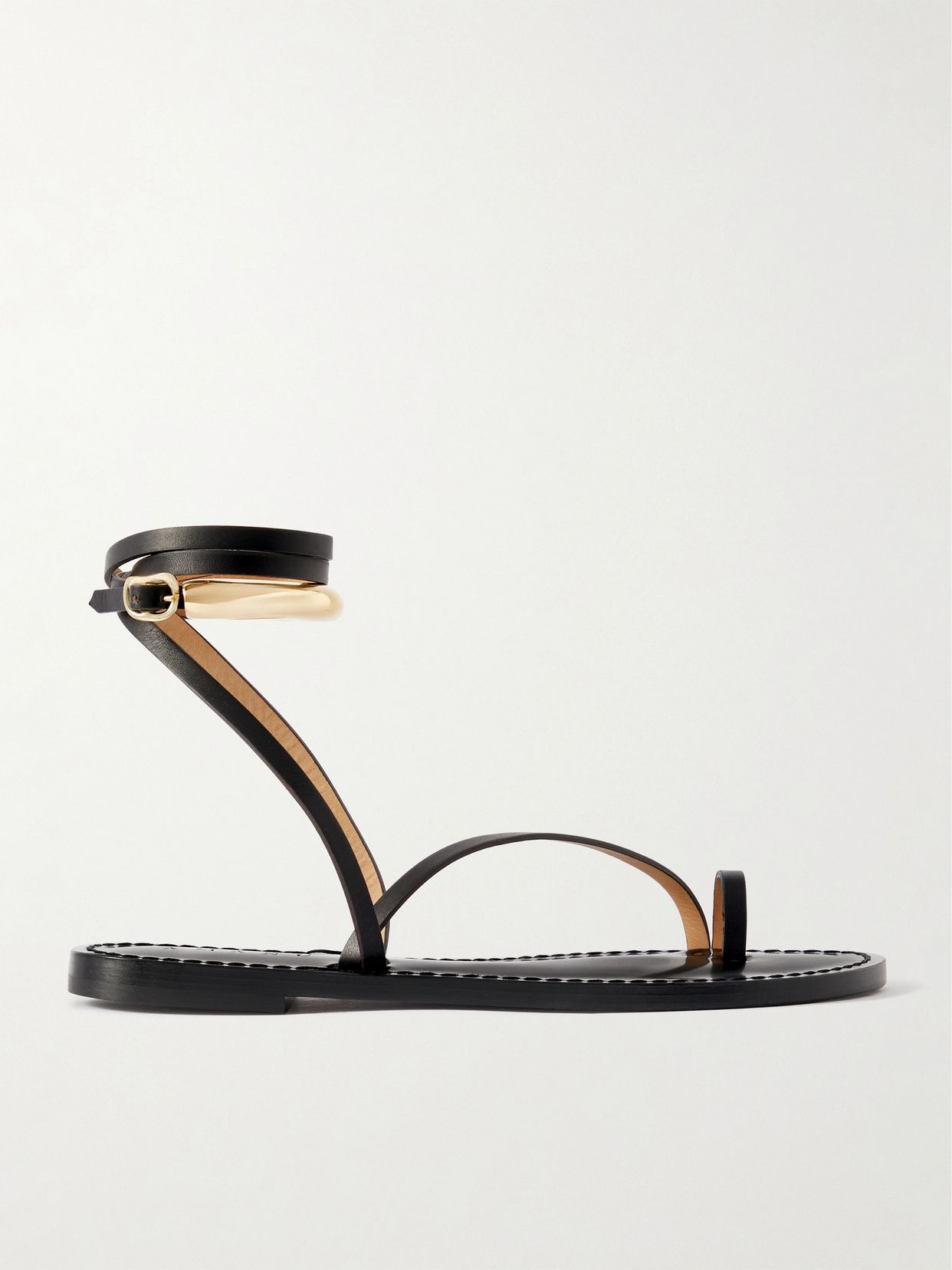
The Kalahari embellished leather sandals
AMANU
$170
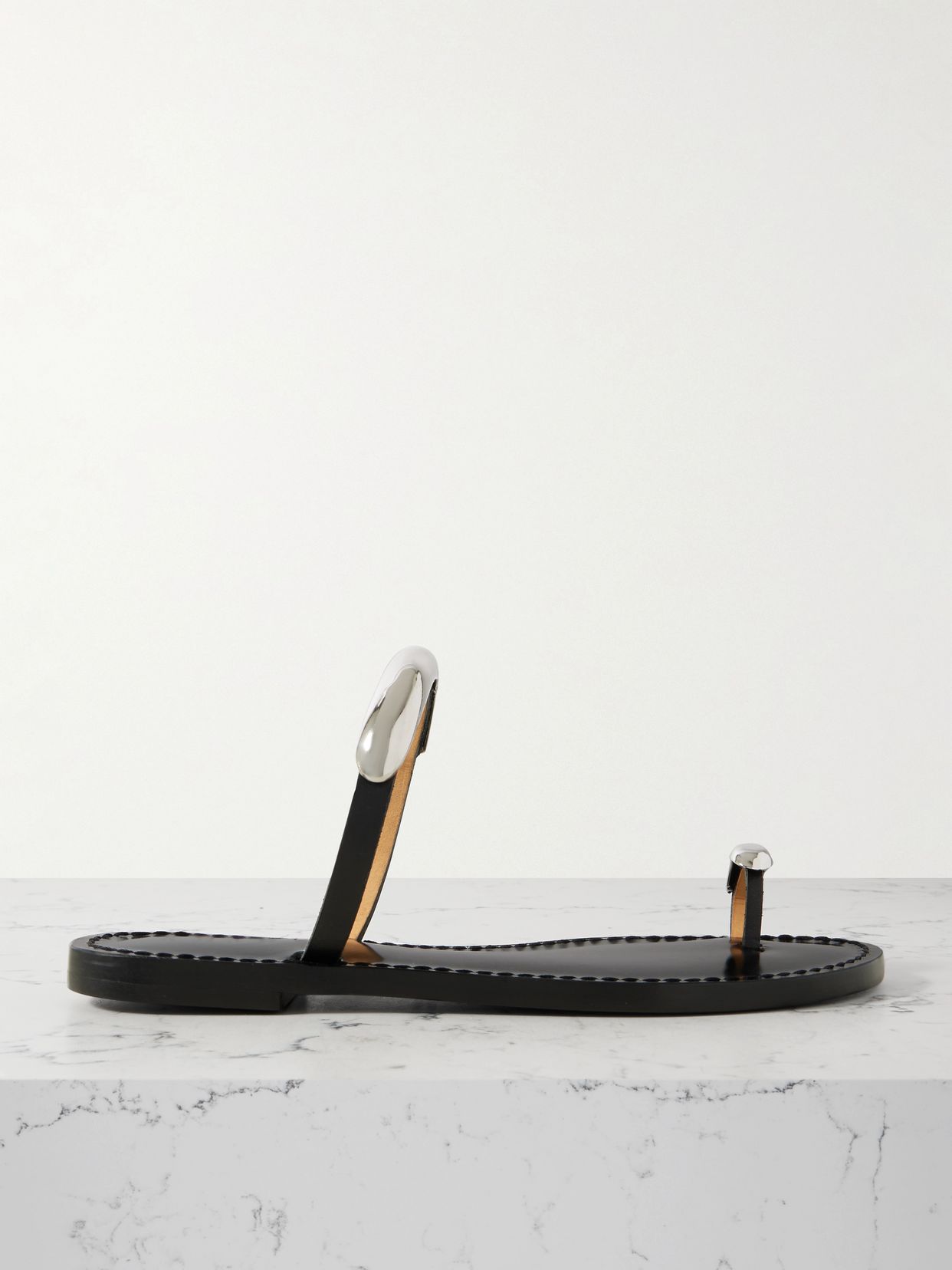
The Samburu embellished leather sandals
AMANU
$275
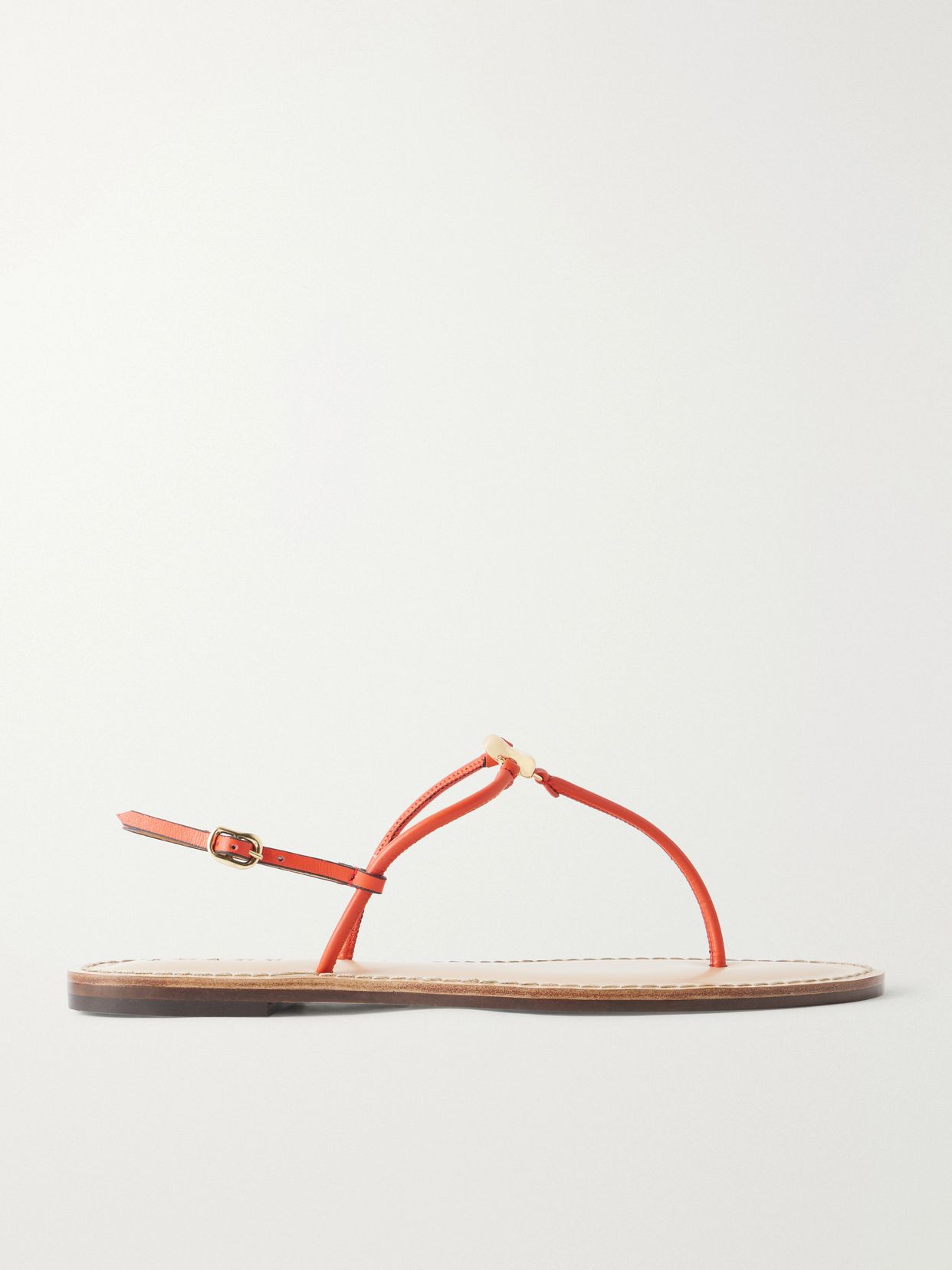
The Naivasha embellished leather sandals
AMANU
$295
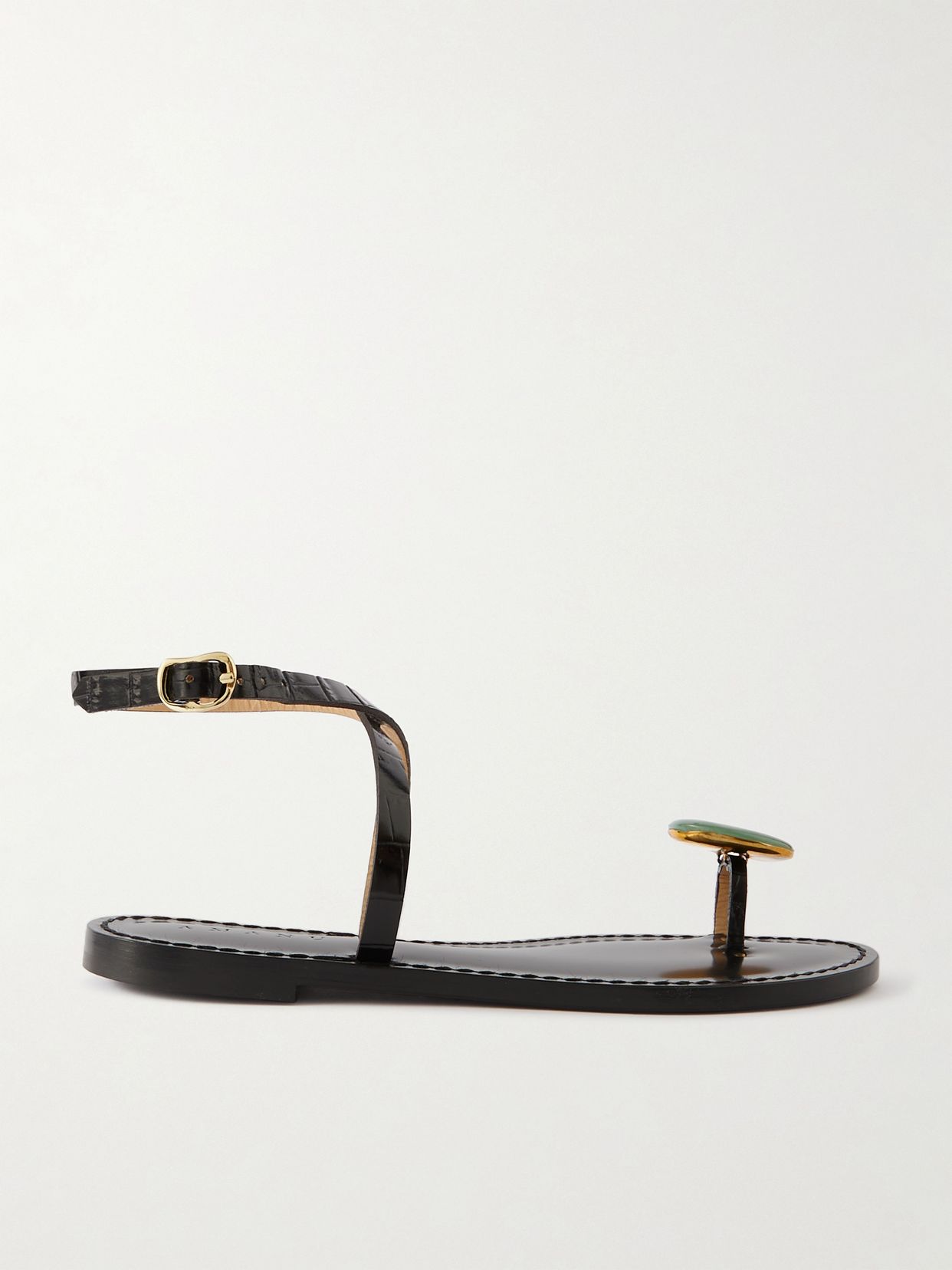
The Kigali aventurine-embellished croc-effect leather sandals
AMANU
$295
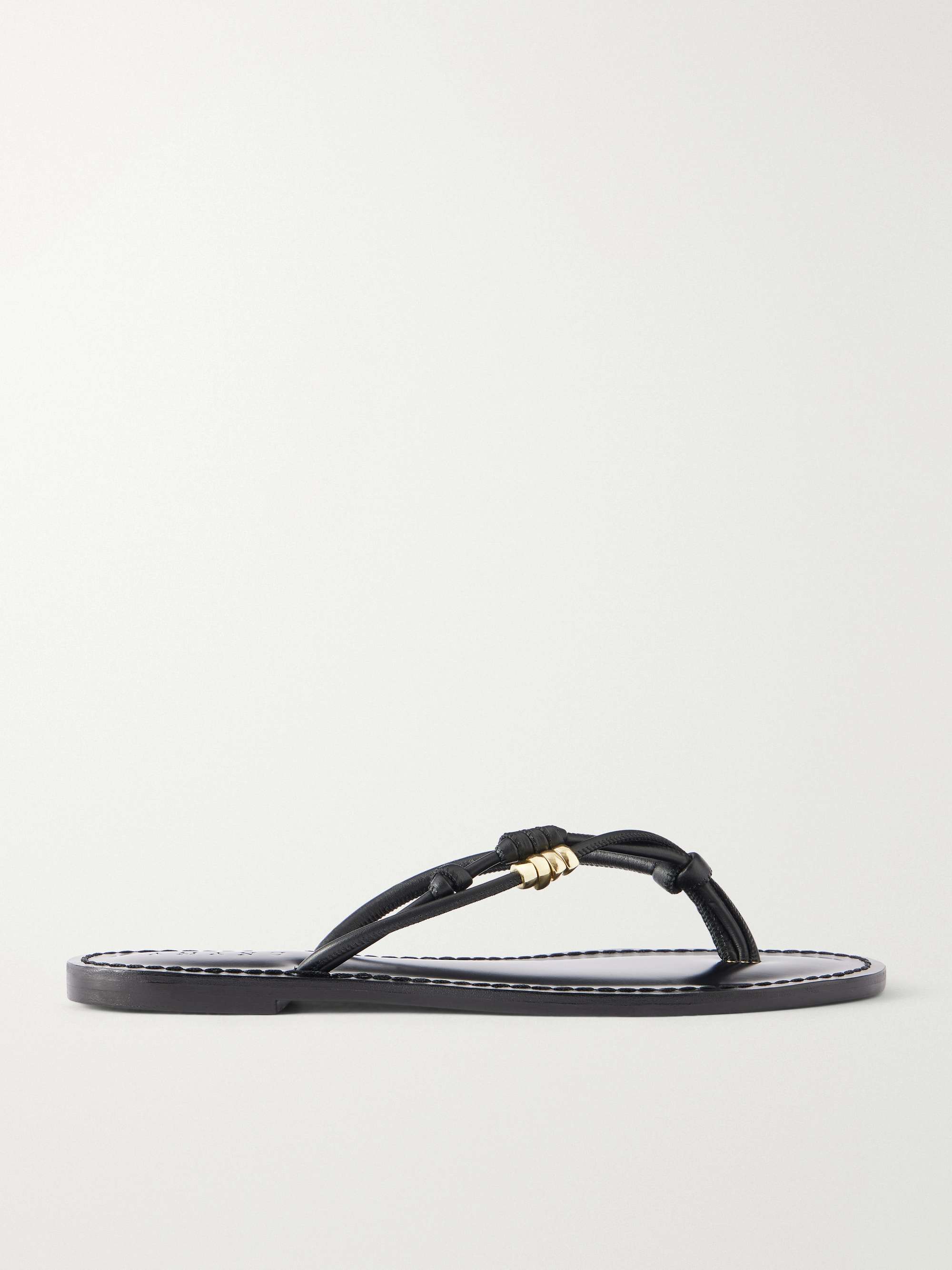
The Kiwayu embellished leather sandals
AMANU
$350
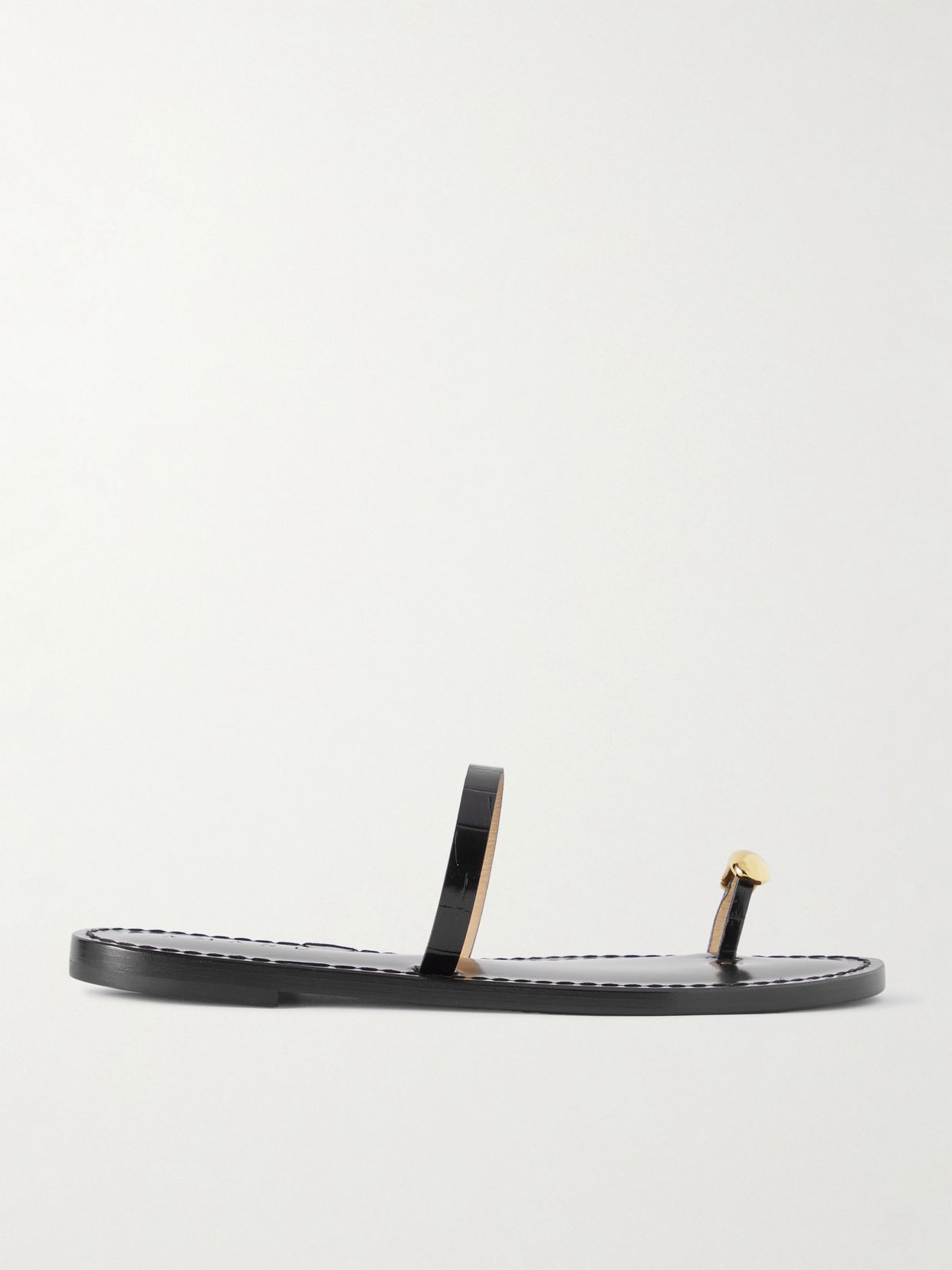
The Kibera embellished croc-effect leather sandals
AMANU
$350
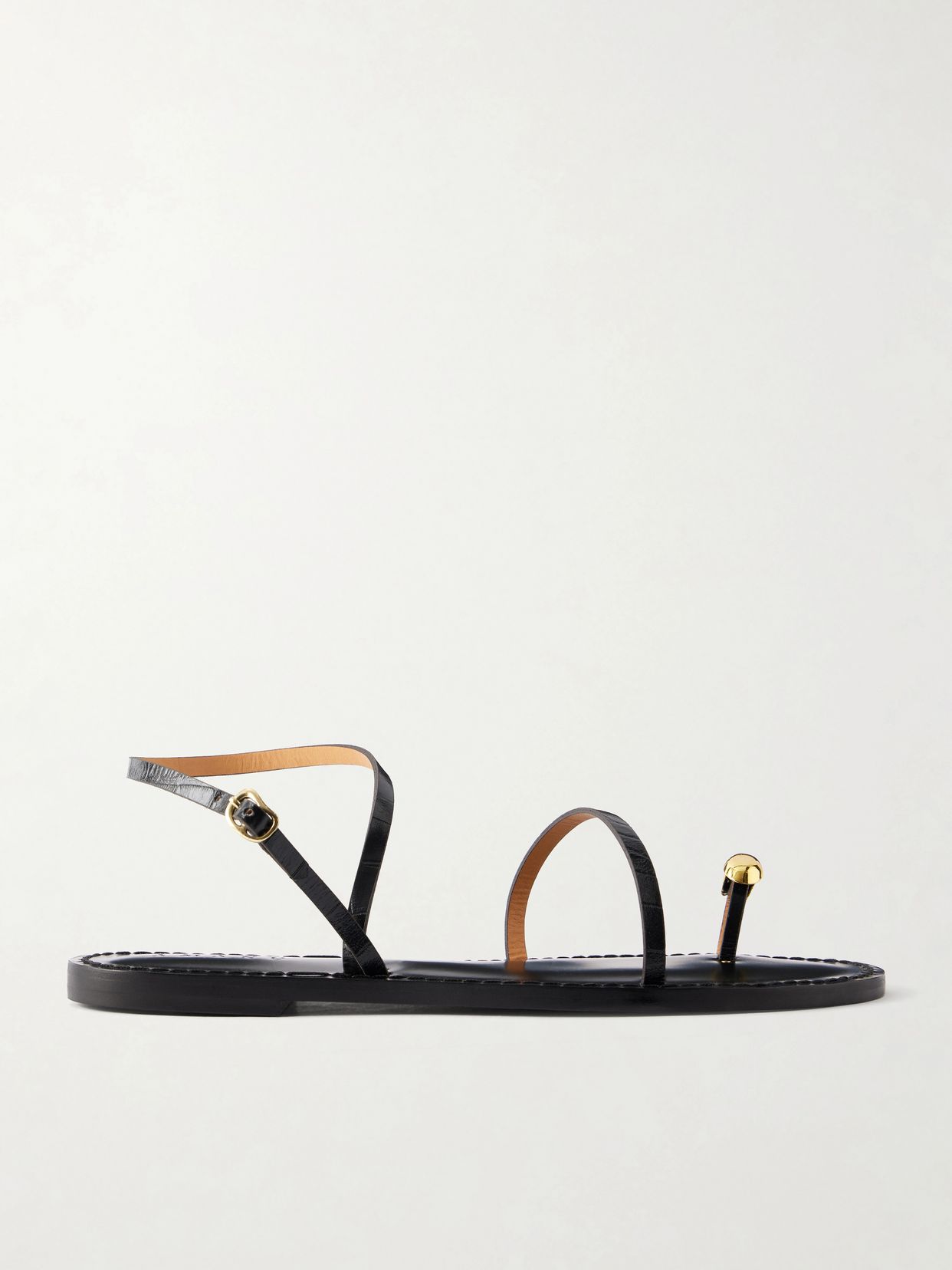
The Marrakech embellished leather flats
AMANU
$375
Find the rub before it becomes a blister
Put the sandals on with the socks or bare feet you expect to wear, then walk on a clean indoor floor. Pay attention to three places: the edge that crosses the toes, the strap near the ankle and any ornament that presses on the top of the foot. A hot spot is an early warning, not something to ignore. Take the shoes off when the feeling changes from pressure to heat, since the skin is already telling you the next walk will be worse.
Leather can soften with wear, but it will not reliably move away from a seam or a raised embellishment. Do not soak the shoe, heat it with a hairdryer or bend a decorated strap aggressively. Those shortcuts can mark the surface and put stress on the places that hold the sandal together. A little room at the toes helps, especially on a warm day, but a loose heel creates its own friction because the foot slides forward with every step.
The suede and satin options need a different kind of caution. The Kigali embellished suede sandals, The Kibera embellished satin sandals and The Constantia leather-trimmed suede sandals appear in the Flat sandals grid, which runs from $242 to $550. Keep those surfaces dry during the first few wears and inspect the lining and trim rather than judging comfort from the upper alone. A secure foot should not need to grip the sandal with its toes.
Flat sandals
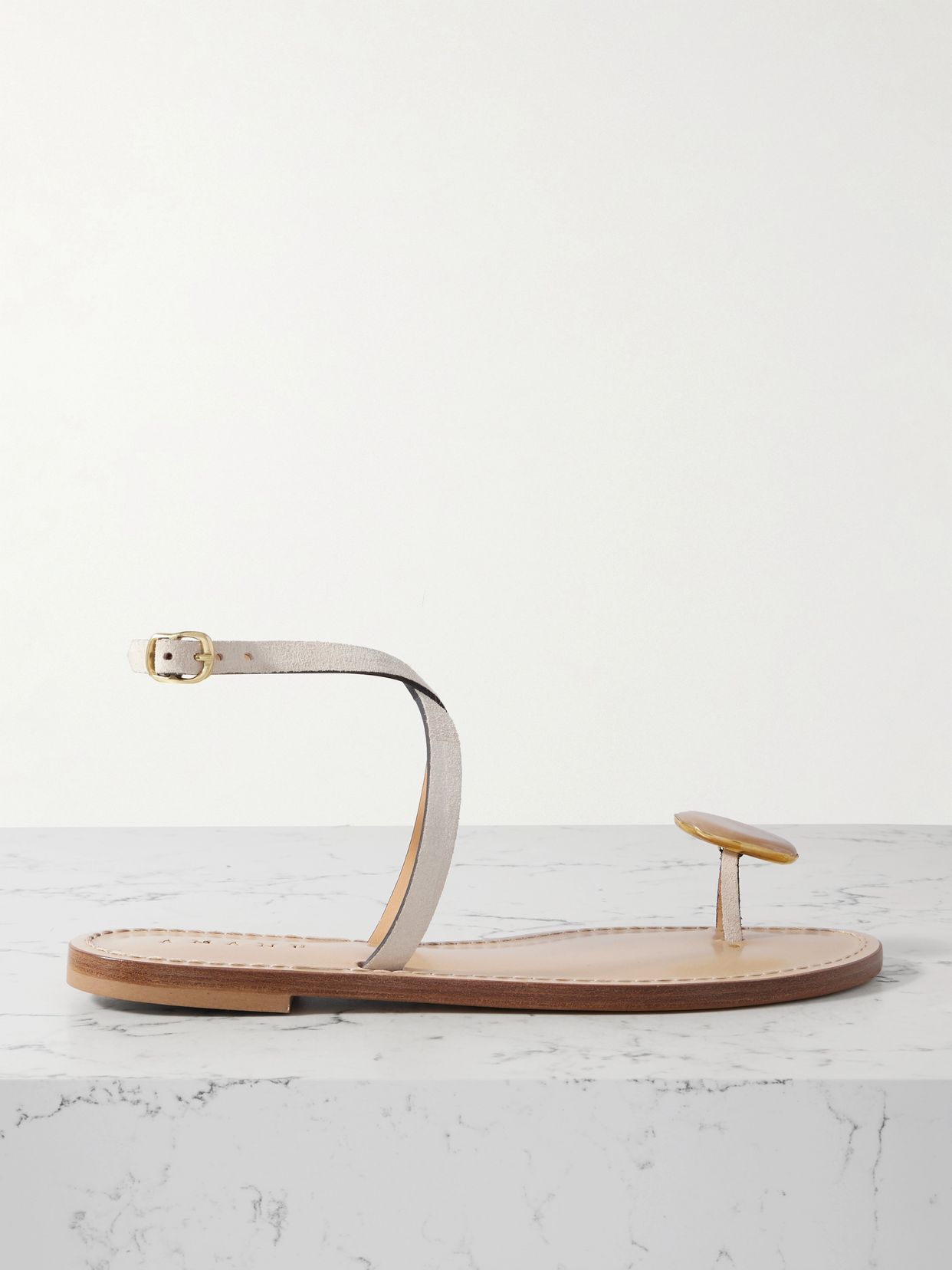
The Kigali embellished suede sandals
AMANU
$295
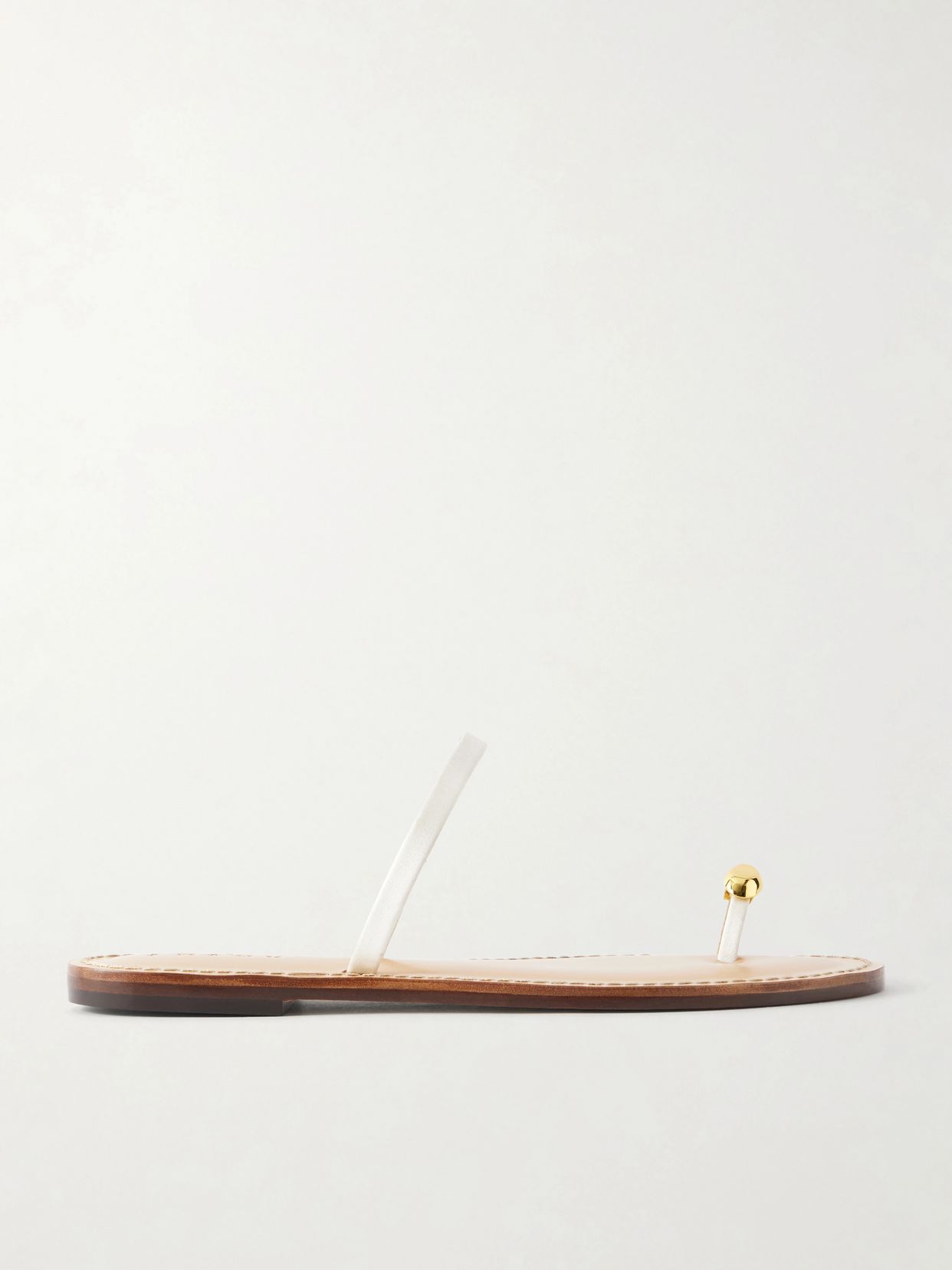
the kibera embellished satin sandals
AMANU
$325
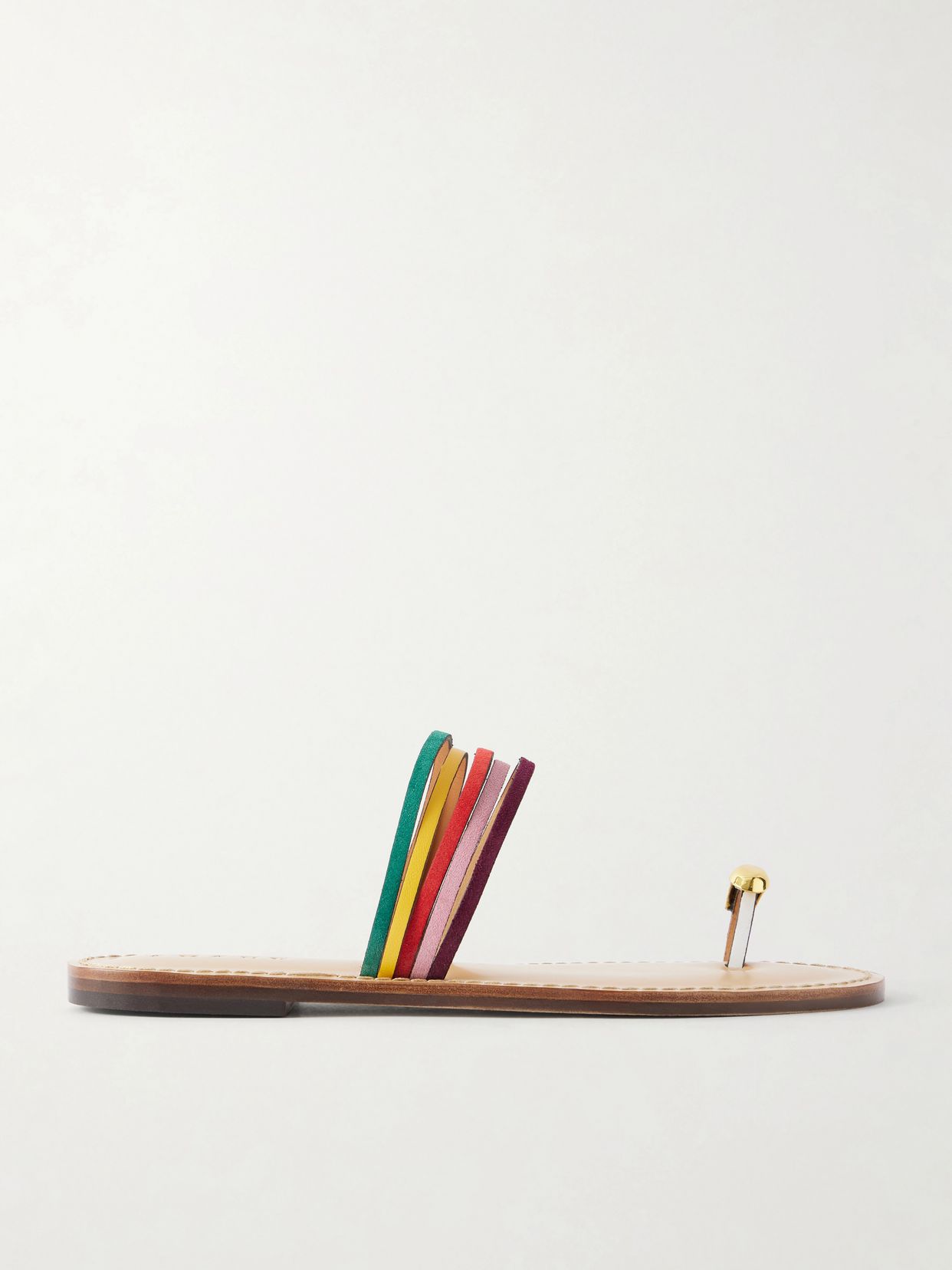
the lusaka embellished leather trimmed suede sandals
AMANU
$350
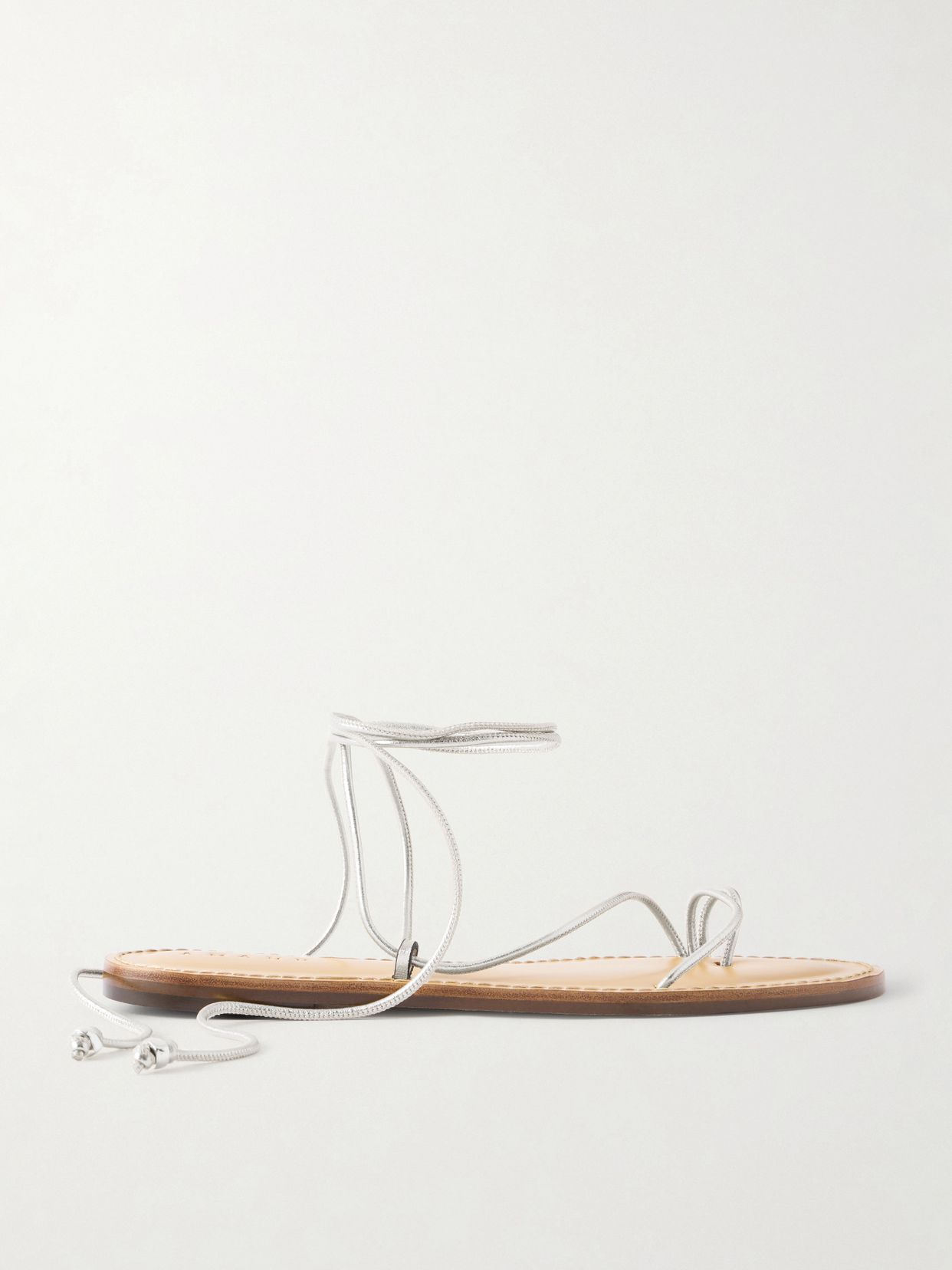
The Karima leather sandals
AMANU
$375
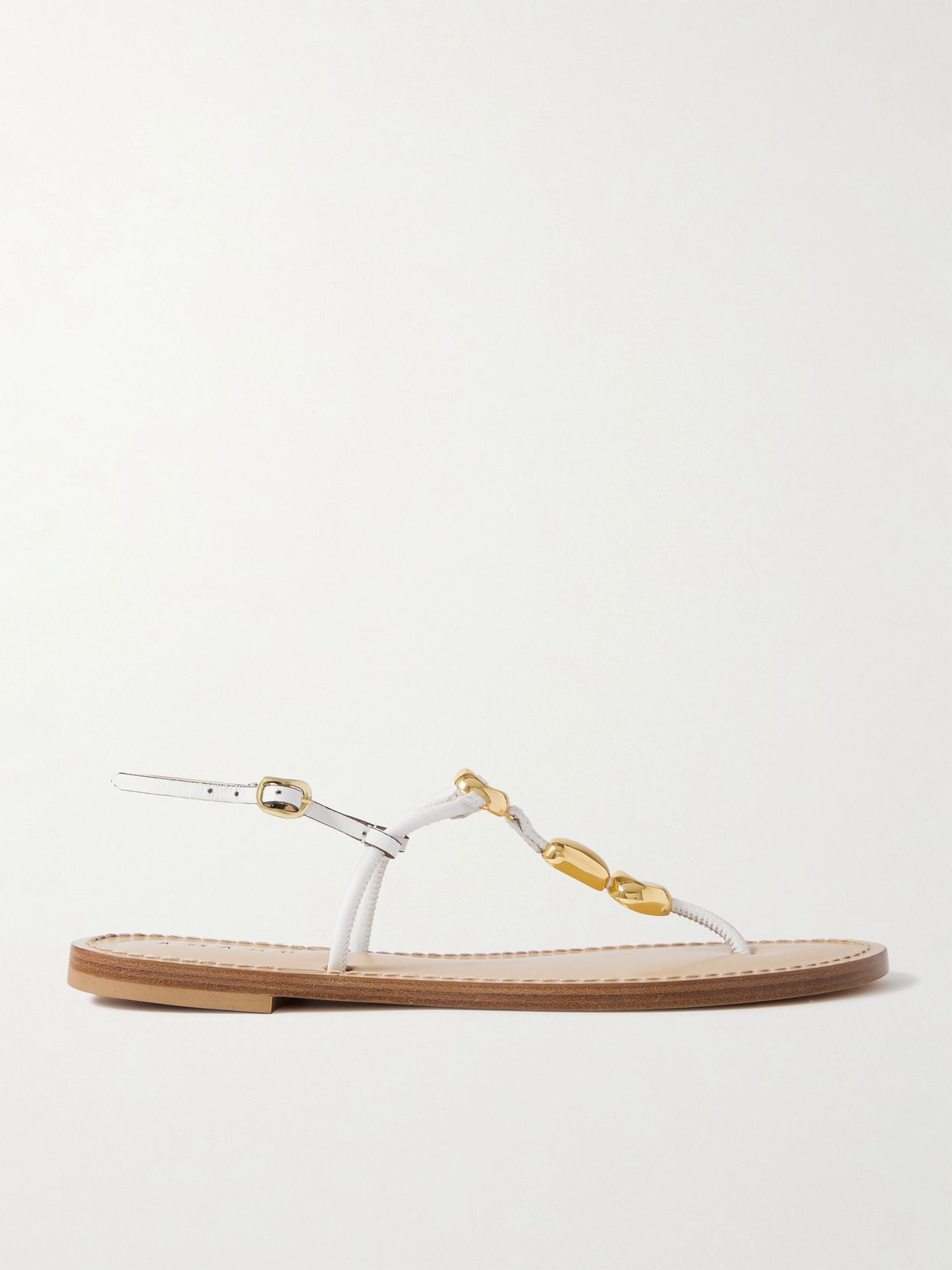
The Nairobi embellished leather sandals
AMANU
$375
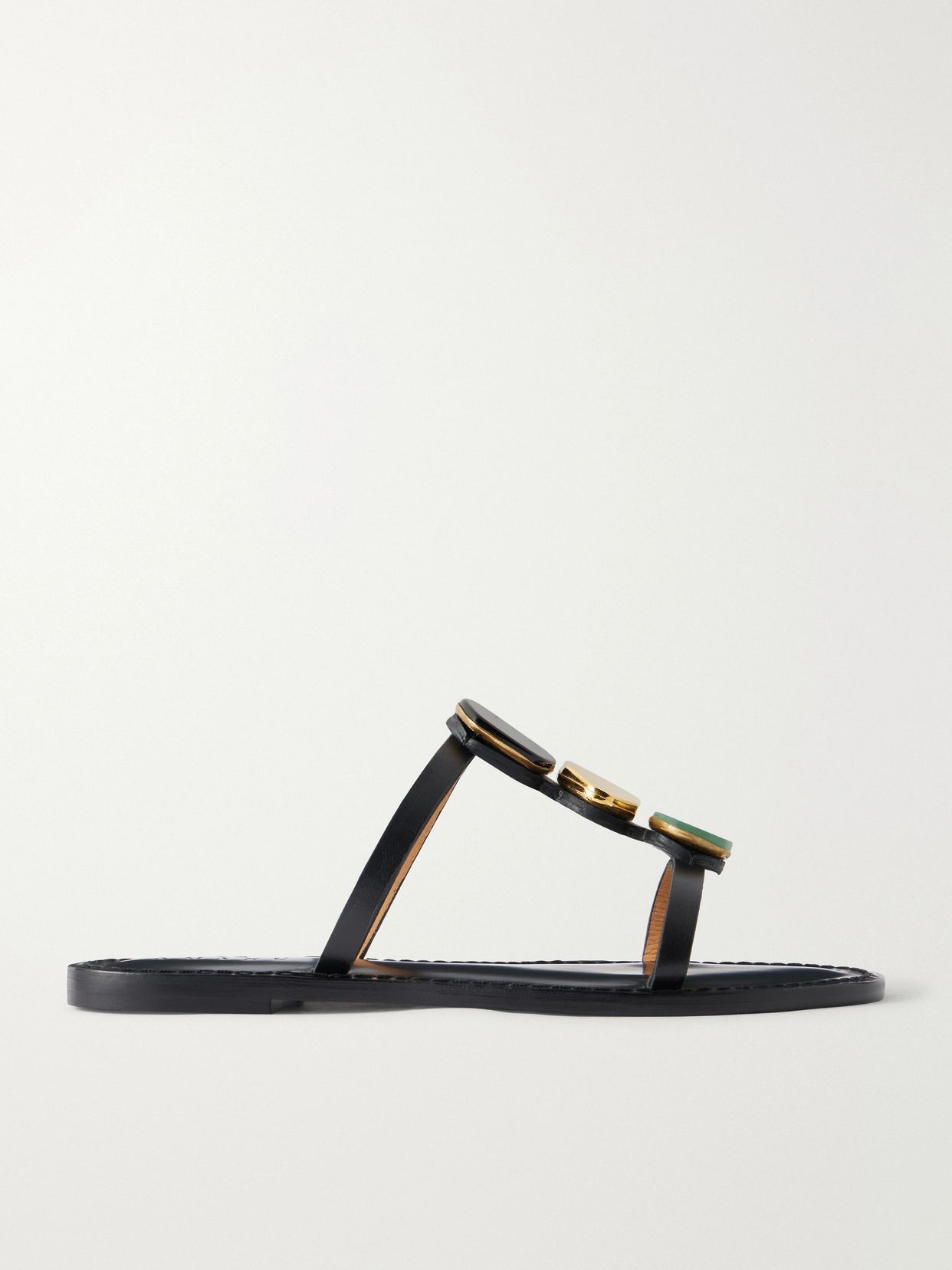
The Matobo embellished leather sandals
AMANU
$450
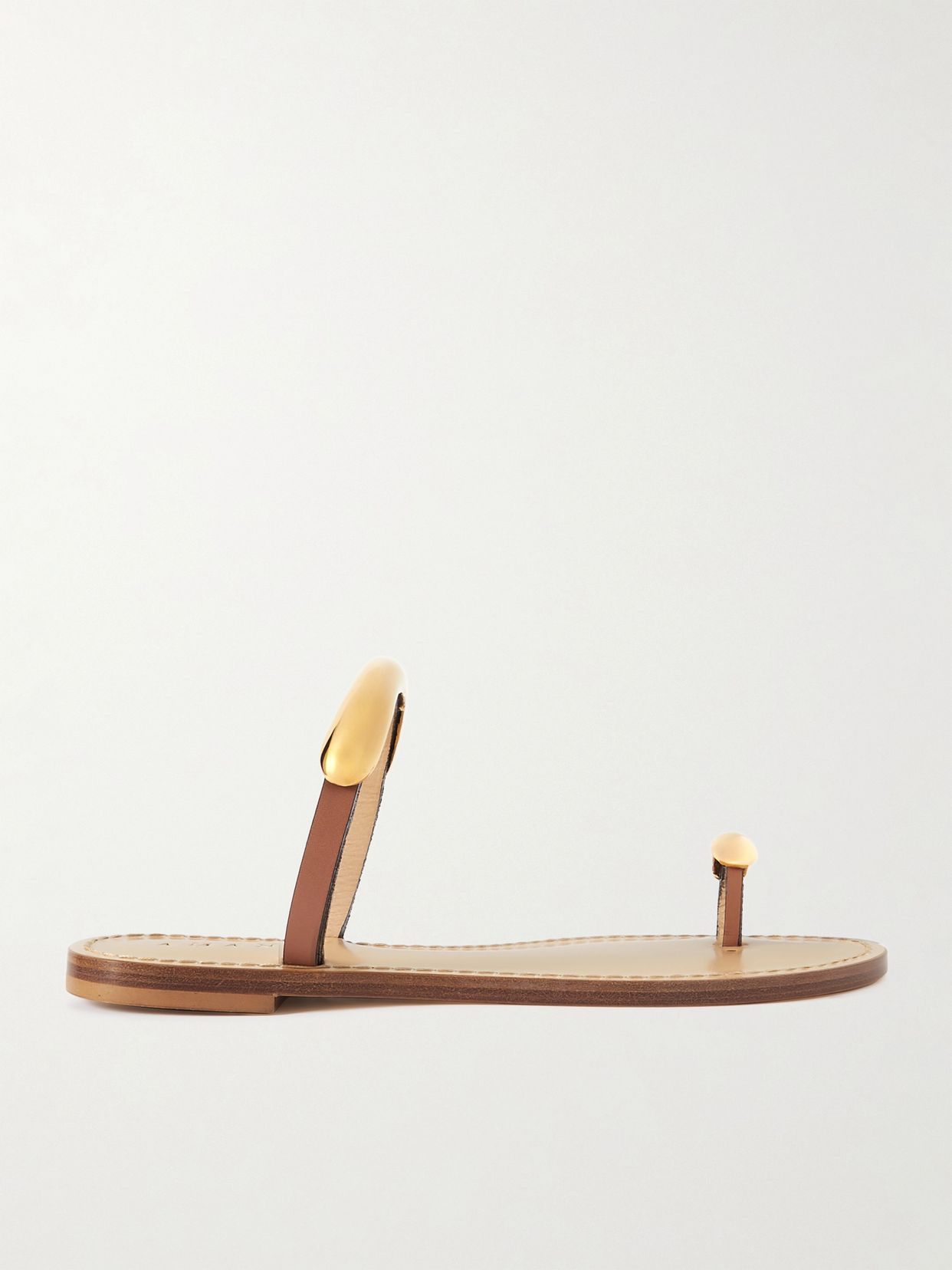
Samburu embellished leather sandals
AMANU
$550
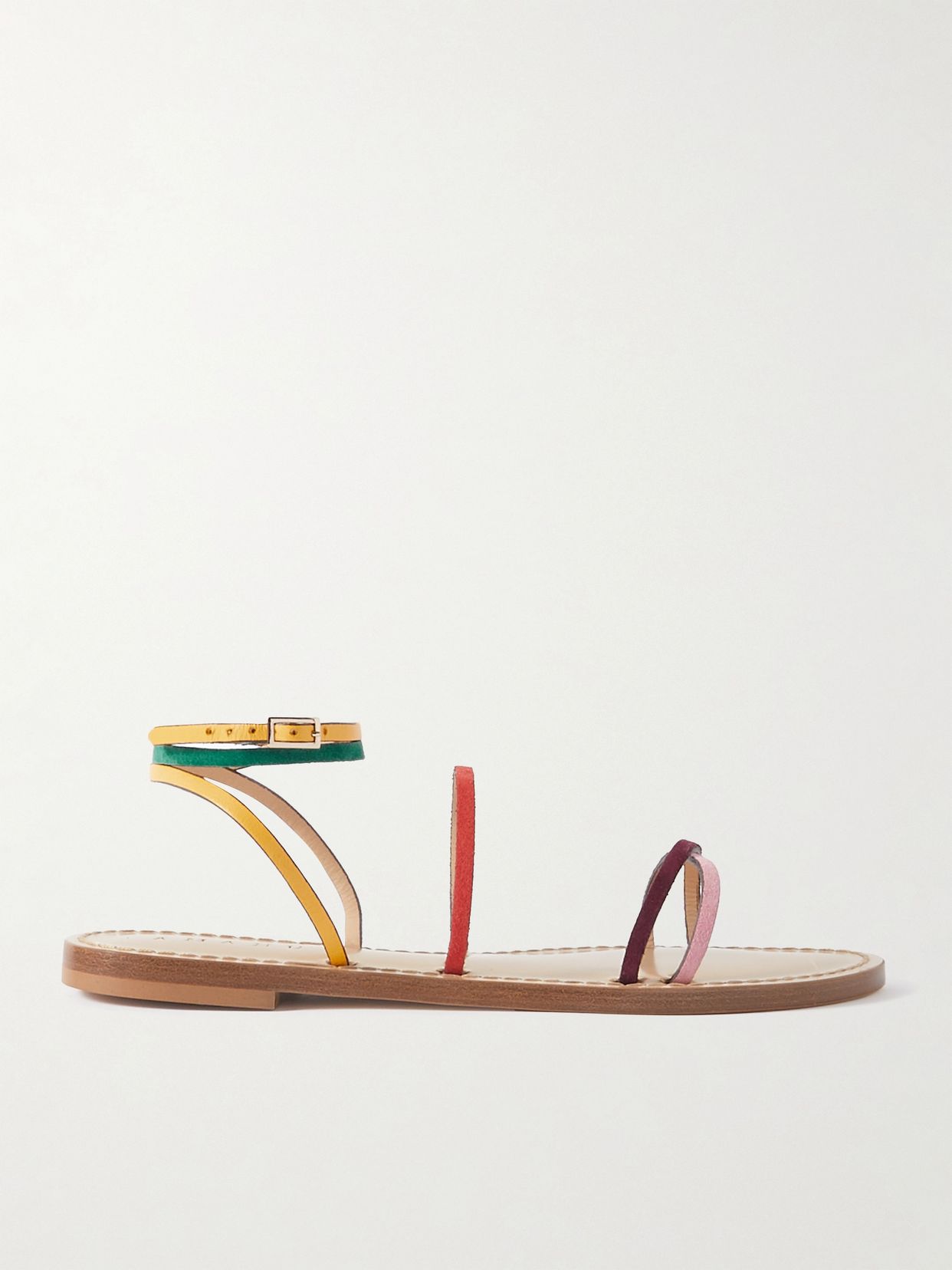
The Constantia leather-trimmed suede sandals
AMANU
$242
A gentle schedule for real wear
Start with ten or fifteen minutes indoors, then leave the shoes off for a while and check the skin. Repeat on a second day before taking them to a full meal, a commute or an event where sitting down is not guaranteed. On the third or fourth short wear, add a brief outdoor walk on an easy route. Carry a small plaster, but treat it as insurance rather than permission to continue through pain.
Alternate pressure points when you can. The flat sandals here include The Karima leather sandals, The Nairobi embellished leather sandals and The Matobo embellished leather sandals, so a second pair can give one area of the foot a rest while the first settles. This is especially useful when the shoes have different strap placements. The Kigali embellished croc-effect leather sandals and The Kigali embellished suede sandals share a name but not the same upper, a useful reminder to assess the actual pair rather than relying on a familiar style name.
Style the shoes for the trial walk as well as the final outfit. A loose trouser can catch on an ankle strap, while a cropped hem exposes a sandal that may need more visual balance. A simple dress lets you notice the shoe without adding another point of friction. Keep the first long outing close to a route with places to sit, and avoid making a new pair responsible for the most important day of the month.
Our honest take
We would begin with a short indoor wear and choose the simplest pressure pattern, not the most decorated pair. The Serengeti leather sandals at $118 are the sensible test of whether the shape suits the foot, while the embellished styles deserve patience because a raised detail will not become comfortable just because the surrounding leather softens. We would be especially careful with satin and suede, and we would keep the first outdoor walk brief. A plaster belongs in the bag, but pain is still a reason to stop. If you take one thing away: break in the foot and the shoe gradually, and never schedule the first full day for an occasion you cannot leave.
Shop brands in this edit

Next read
Secondhand Louis Vuitton Damier Ebene Or Damier Azur
Damier Ebene and Damier Azur are the same coated canvas in two colourways, and the secondhand market treats them as two different products.
Read Editorial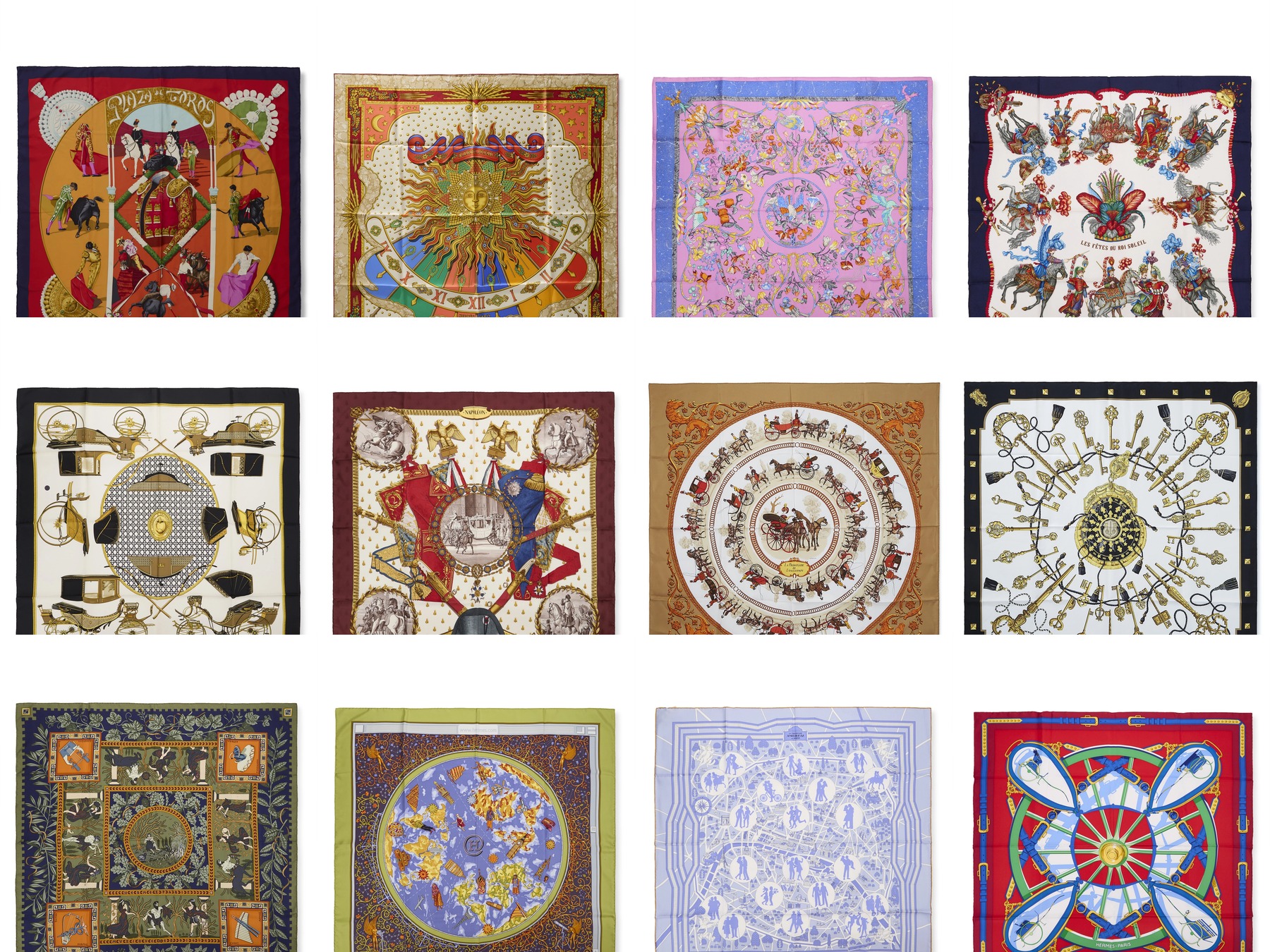
Secondhand Silk My Favs
My sixteen selects of scarves below are all ninety centimetre squares, split into two price bands