What holds up in a vintage blazer and a vintage knit, which fibres age well, and where to look before you trust a listing.
Vintage Blazers And Knits
Buying Structure Secondhand
Vintage tailoring was cut for a different silhouette
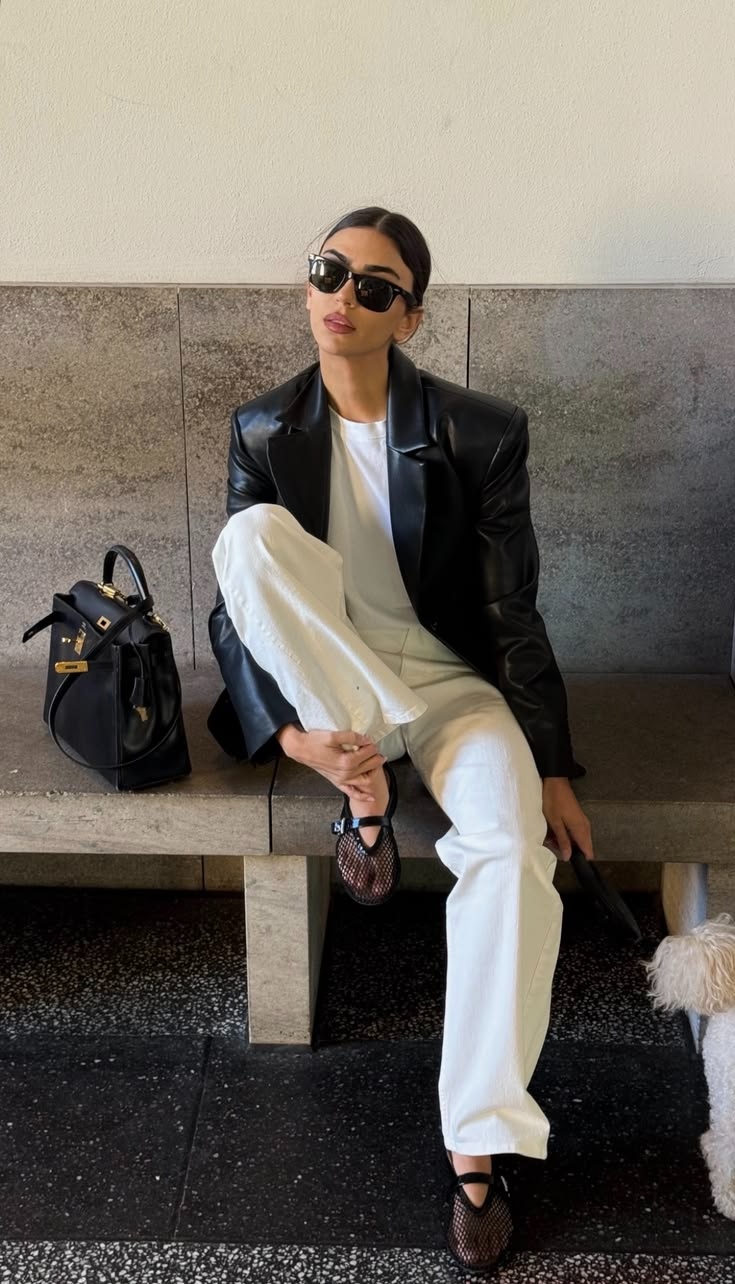
A vintage blazer often fits better than a new one at the same price, and the reason is construction rather than nostalgia. Older jackets were more likely to be built with a canvassed or interfaced front and a properly shaped shoulder, which is the part that decides whether a jacket looks like a jacket. That work is what costs money in tailoring now, and it survives decades of wear largely intact. What has changed is the silhouette. Blazers from the eighties and nineties carry a wider, higher shoulder and a longer body, and if you try them on expecting a modern cut you will read that as the wrong size. It is not. It is a different shape, and the shoulder is the one part you should not try to alter, so buy for the shoulder and adjust everything else. Sleeves, waist and hem are all straightforward for a tailor. A shoulder is not.
Vintage blazers

Vintage Brown Herringbone Fitted Blazer Size Medium
Select Vintage NYC
$95

Vintage Black Velvet Fitted Blazer Size Small
Select Vintage NYC
$125

Vintage Light Grey Fitted Blazer Size Small
Select Vintage NYC
$125

Vintage Black + White Cropped Blazer Size X-Small
Select Vintage NYC
$128

Vintage Ivory Blazer W/ Satin Trim Size Large
Select Vintage NYC
$128

Vintage Brown Wool Blazer With Gold Details Size Medium
Select Vintage NYC
$128

Vintage Gingham Black and Tan Blazer Size Large
Select Vintage NYC
$128

Vintage Tan Multi Buttoned Collarless Blazer Size 10
Select Vintage NYC
$138
How to judge wool, cashmere and angora from a listing
On the knitwear side the question is fibre condition rather than fit, because a sweater will meet most bodies halfway. Look at the friction points, which are the inner arm, the underarm and the front where a bag strap sits, and judge the pilling there rather than on the flat of the chest. Pilling that has already been shaved once leaves a slightly flattened, glossy patch, and that is worth spotting since it means the surface fibre is thinning. Then check the cuffs and the hem ribbing, which is where a knit loses its recovery and starts to sag. Moth damage is the fault to ask about directly, since a single small hole is often not photographed and rarely mentioned, and it will not stay a single hole. On fibre, expect angora and mohair to shed and accept it, expect cashmere to soften and pill and treat light pilling as normal rather than as damage, and treat a dense lambswool or a geometric wool knit as the most durable thing in the category. Ask whether the piece has been dry cleaned recently, because a clean knit that still smells of storage has not been.
Vintage sweaters, cardigans and knits

Vintage White Semi Sheer Knit Wrap Size Large
Select Vintage NYC
$68

Vintage Beige Knit Sweater Vest Size Large
Select Vintage NYC
$68

Vintage Teal Angora Knit Sweater Size Large
Select Vintage NYC
$78

Vintage Black + Cream Striped Silk Knit Cardigan Size X-Large
Select Vintage NYC
$88

Vintage Dark Brown Button + Belted Cable Knit Size Small
Select Vintage NYC
$88

Vintage Cashmere Forest Green V-Neck Sweater Size Small
Select Vintage NYC
$88

Vintage Wool Blue Geometric Sweater Size Large
Select Vintage NYC
$125

Vintage Ivory Belted Cardigan Sweater Size Large
Select Vintage NYC
$128
Our honest take
Buy vintage tailoring for the shoulder and vintage knitwear for the fibre, and budget for a tailor either way. A hundred and twenty five dollar blazer plus forty dollars of sleeve shortening is a better jacket than anything new at that combined price, and it is the single most reliable trade in secondhand. We would be more careful with the knits, not because they are worse value but because moth damage and lost recovery are the two faults that photograph badly and matter most. Ask about holes explicitly. On fit, the honest warning is that a vintage fitted blazer sized small will be genuinely small through the back and arm, because bodies and blocks have both changed, so read the measurements rather than the size word. If you take one thing away, make it this: try the shoulder seam against the point of your own shoulder, and if it overhangs by more than about half an inch, let the jacket go however good the rest of it is.
Next read
Secondhand Heirlooms to Keep for Life
Pieces that last generations
Read Editorial
The Silver Secondhand Jewelry Selection
Tiffany and Company is probably the most liquid name in secondhand jewelry, because it made an enormous amount of sterling silver in the nineteen nineties and two thousands alongside a serious high jewelry business. That is why the resale price range is so wide. Here's some of our favorites