What a secondhand party dress should actually cost. How resale prices behave against retail, where the real savings sit, and when a low price is telling you something.
How Much Should A Secondhand Party Dress Cost?
What a party dress should actually cost
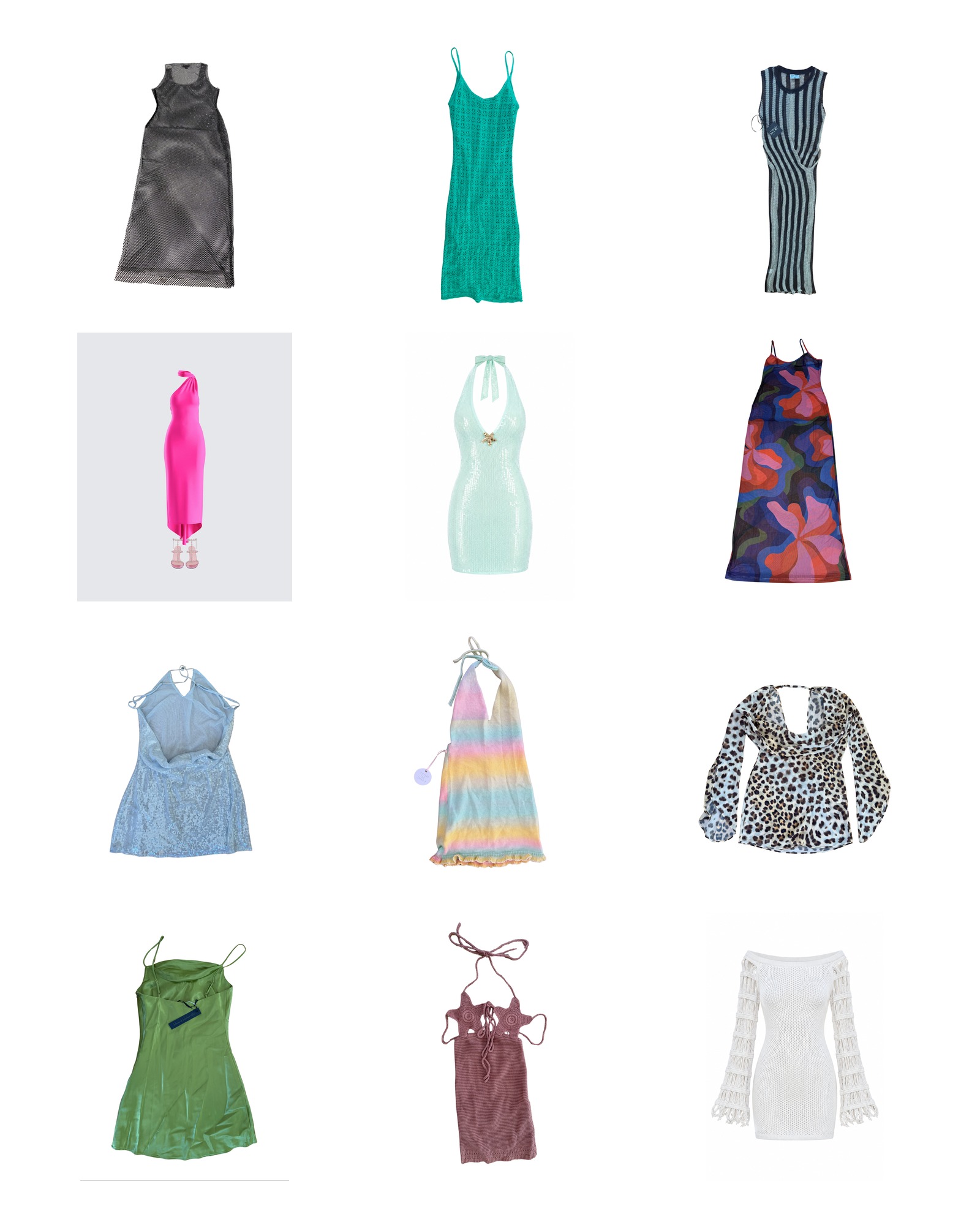
A party dress is worn between one and three times by most people who buy one, which means the sensible way to price it is per wear rather than per garment. At full retail a going out dress from the labels in this edit runs roughly eighty to two hundred dollars, so one wear costs you most of that. Secondhand changes the arithmetic rather than the dress: the same garments here run from fifteen to seventy dollars, which turns a one time purchase into something closer to a rental price you get to keep. That is the real argument, and it is stronger than any sustainability framing, because it survives contact with how people actually shop. The number worth fixing in your head before you browse is your own per wear ceiling. If you will genuinely wear a dress twice, a forty dollar dress costs you twenty a wear, and that is the comparison to make against a rental or against wearing something you own.


How to tell an underpriced dress from a tired one
Cheap and worn out are different things, and on a resale platform the price does not reliably separate them. What separates them is fabric and construction. A fifteen dollar knit or mesh dress from a fast fashion label is cheap because it was cheap new, and it will do exactly one season, which may be all you need. A forty dollar satin slip or a sixty dollar crochet dress from a contemporary label is cheap because occasion stock loses value fast, and that one will last. So look at what the garment is rather than what it costs. Lining is the fastest signal: a lined dress was made to a higher standard than an unlined one at the same price, and lining is visible in the photographs if the seller has shot the inside. Then look at the closure, because an invisible zip and a hook are a sign of care while an exposed plastic zip is a sign of cost cutting. Sequins are the one thing to price down, since they shed and a shedding dress does not survive being packed.
Dresses, $30 to $100

VICI Green Crochet Knit Midi Dress - XS
VICI
$30

Finesse Hot Pink One-Shoulder Scarf Midi Dress
Finesse
$40

Peppermayo - Love on The Run Maxi Dress - US 8
Peppermayo
$40

More To Come - Pastel Rainbow Knit Halter Mini Dress - XS
More To Come
$45

I AM GIA - Cheetah Mini Dress Long Sleeve - XS
I AM GIA
$60

House of Harlow 1960 - Green Satin Slip Mini Dress - XS
House of Harlow 1960
$60

Lovers and Friends - Delphi Crochet Star Fish Dress - XS
Lovers and Friends
$65

Camila Coelho White Crochet Cold-Shoulder Mini Dress
Camila Coelho
$70
Our honest take
Our honest answer is that a secondhand party dress should cost you no more than a third of what it cost new, and in this edit most of them cost considerably less than that. The under thirty dollar dresses are the right call if you have a specific event and no intention of wearing the thing again. The thirty to a hundred dollar dresses are the better purchase if you want something that survives being worn, packed and worn again, and the satin and crochet pieces in that band are the ones we would actually spend on. What we would not do is buy at the bottom of the market simply because it is cheap, since an unworn fifteen dollar dress is still fifteen dollars wasted and a hanger taken. If you take one thing away, make it this: decide how many times you will wear it before you look at the price, then divide, and let that number make the decision for you.
Shop brands in this edit



Next read
Secondhand Heirlooms to Keep for Life
Pieces that last generations
Read Editorial
The Silver Secondhand Jewelry Selection
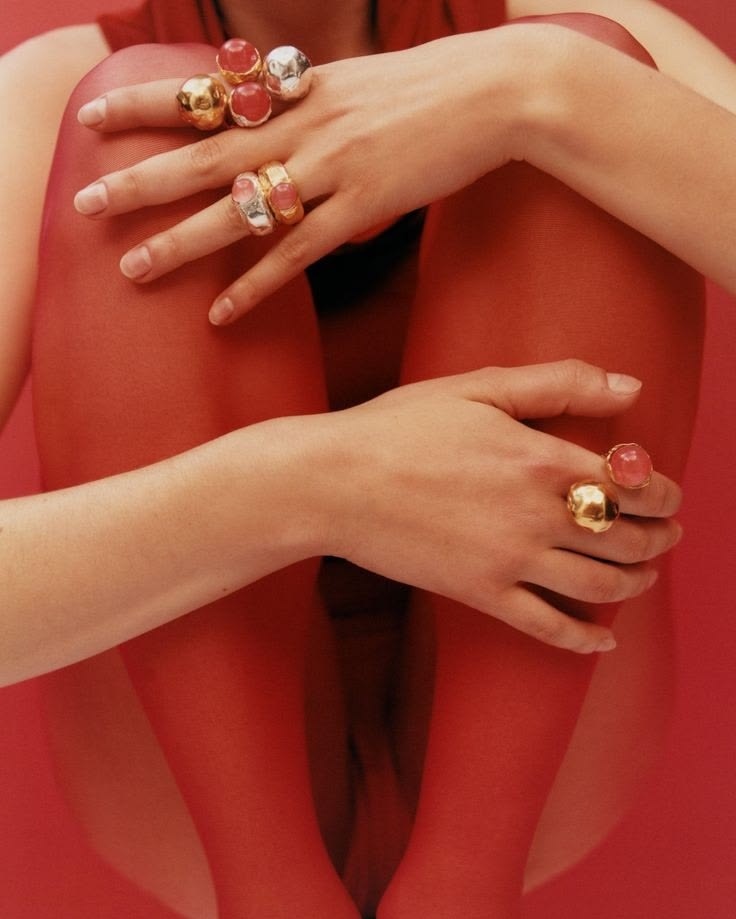
Tiffany and Company is probably the most liquid name in secondhand jewelry, because it made an enormous amount of sterling silver in the nineteen nineties and two thousands alongside a serious high jewelry business. That is why the resale price range is so wide. Here's some of our favorites