Canada Goose parkas suit sustained cold, while The North Face has wet-city options. Compare coverage, weather resistance and insulation before choosing.

Canada Goose Parkas vs The North Face: Warmth and Weather
Choose by the weather you actually face
Canada Goose parkas make the most sense for long stretches in bitter cold; The North Face has practical choices for wet city winters. The Canada Goose vs The North Face decision is less about a winning logo than how long you stand outside and what the weather is doing. Canada Goose grew from Metro Sportswear in Toronto, founded in 1957, and later made its Expedition Parka for McMurdo Station scientists. The North Face began as Doug Tompkins's 1966 San Francisco climbing shop, with early work in internal-frame packs and technical outerwear.
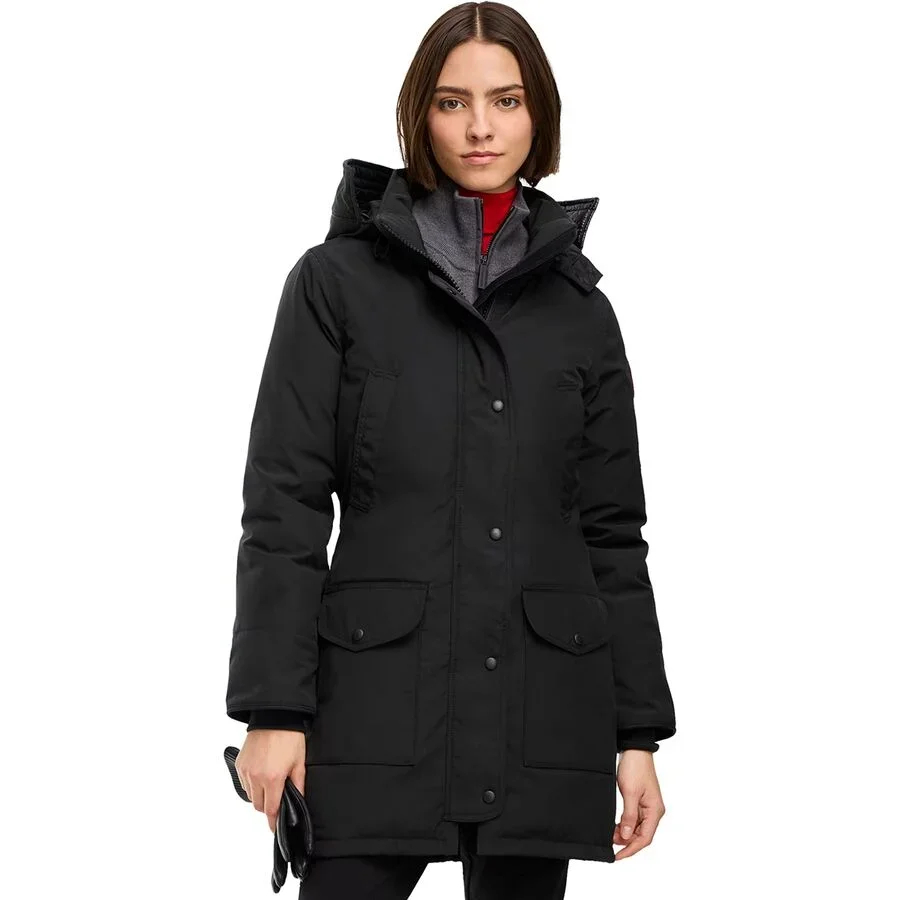
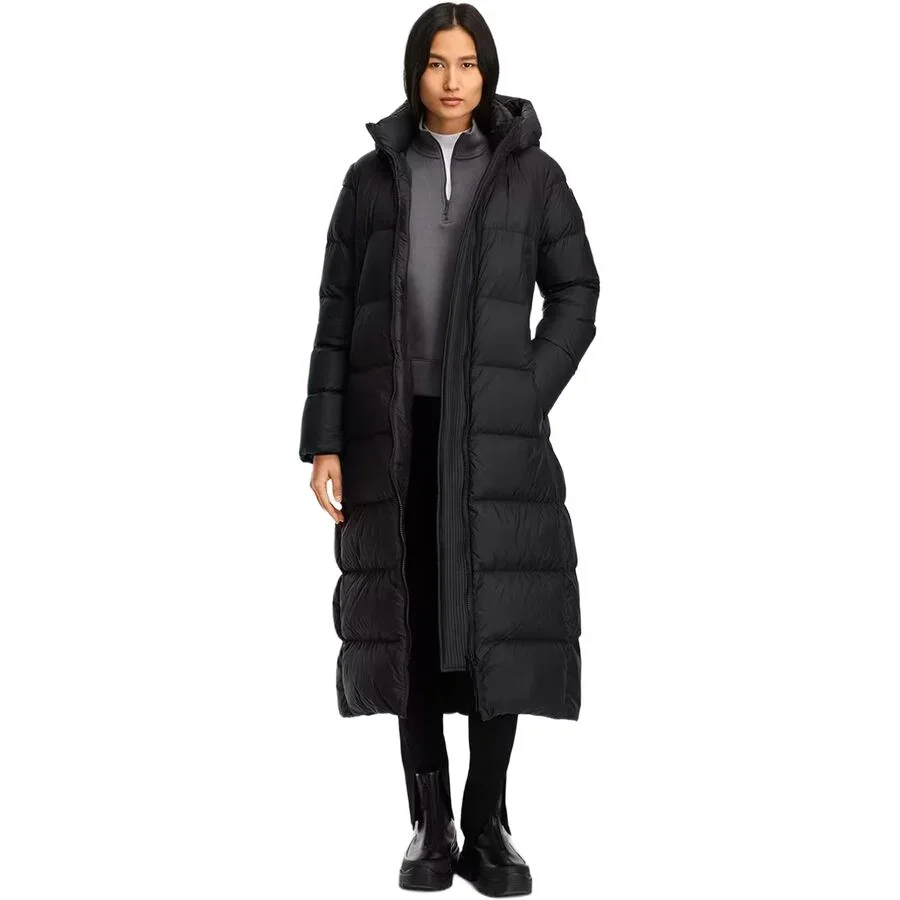
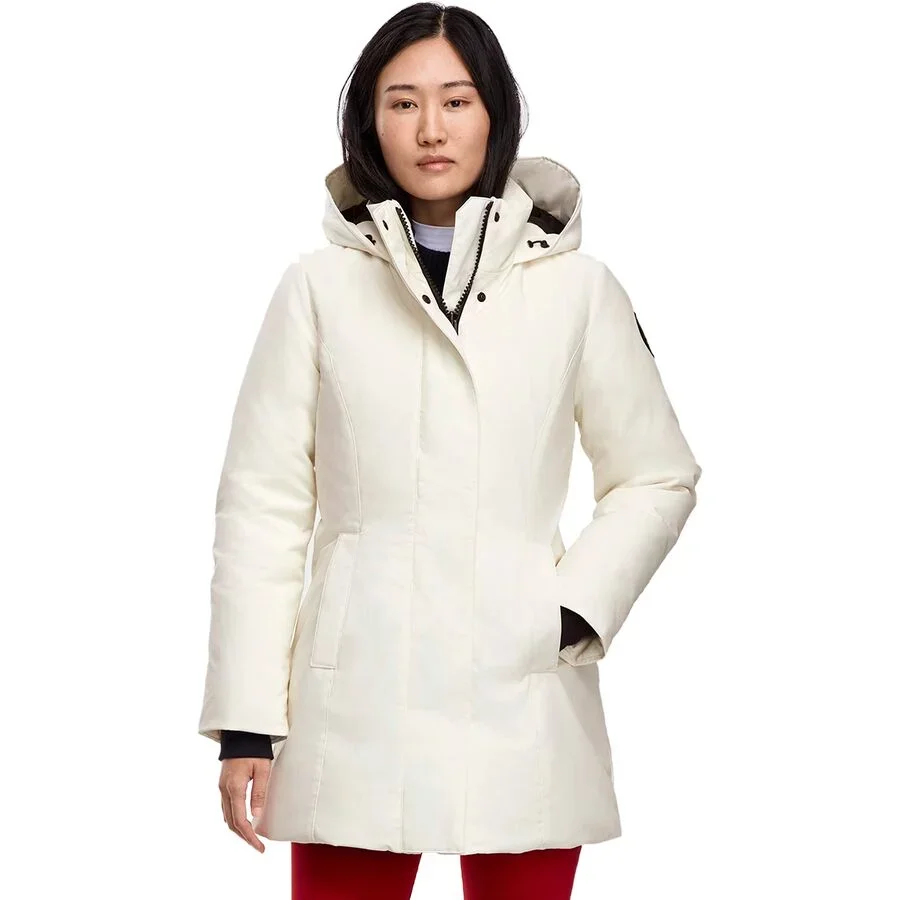
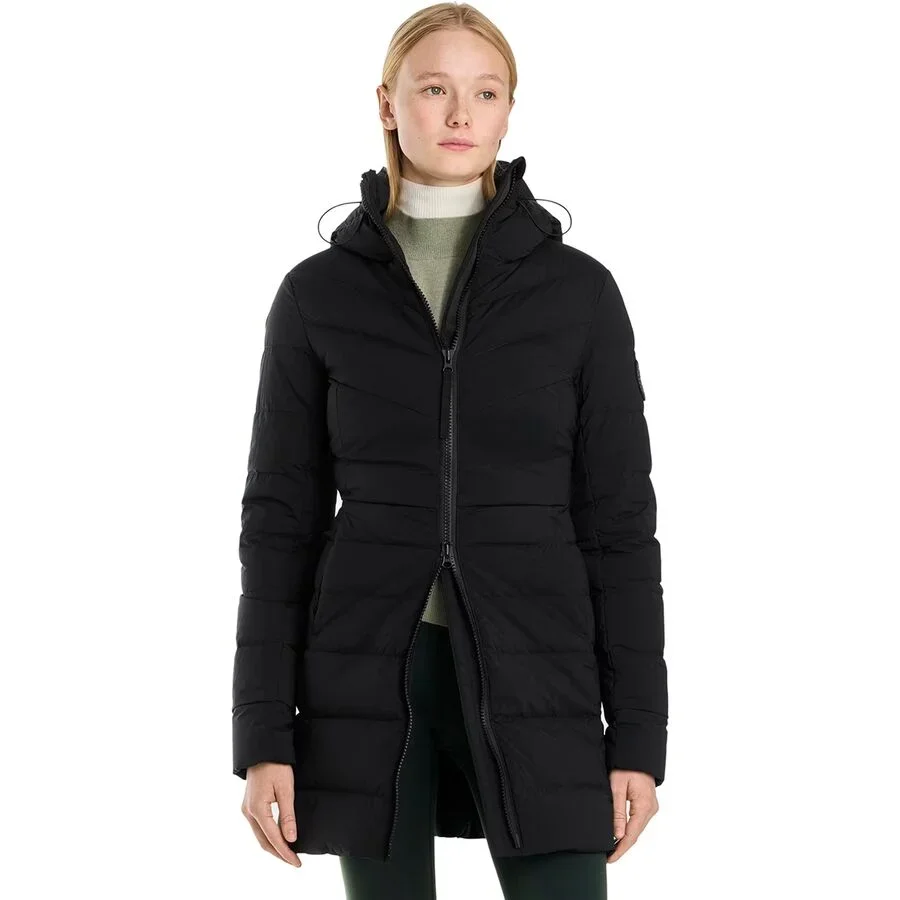
In this Canada Goose group, Trillium is a shaped city parka with 625-fill down, a water-repellent Arctic Tech shell and TEI 4 rating. Mystique adds a full-length cut and 750-fill down; Leslie is a hip-length A-line, and Clair is the mid-thigh, milder-weather option. OutdoorGearLab's comparison of different models gave the Arctic Down Parka 7.5 for warmth and 8.5 for weather resistance, and the Expedition 10 and 9. I would not treat that as a direct score for these four coats.
The North Face for wet commutes
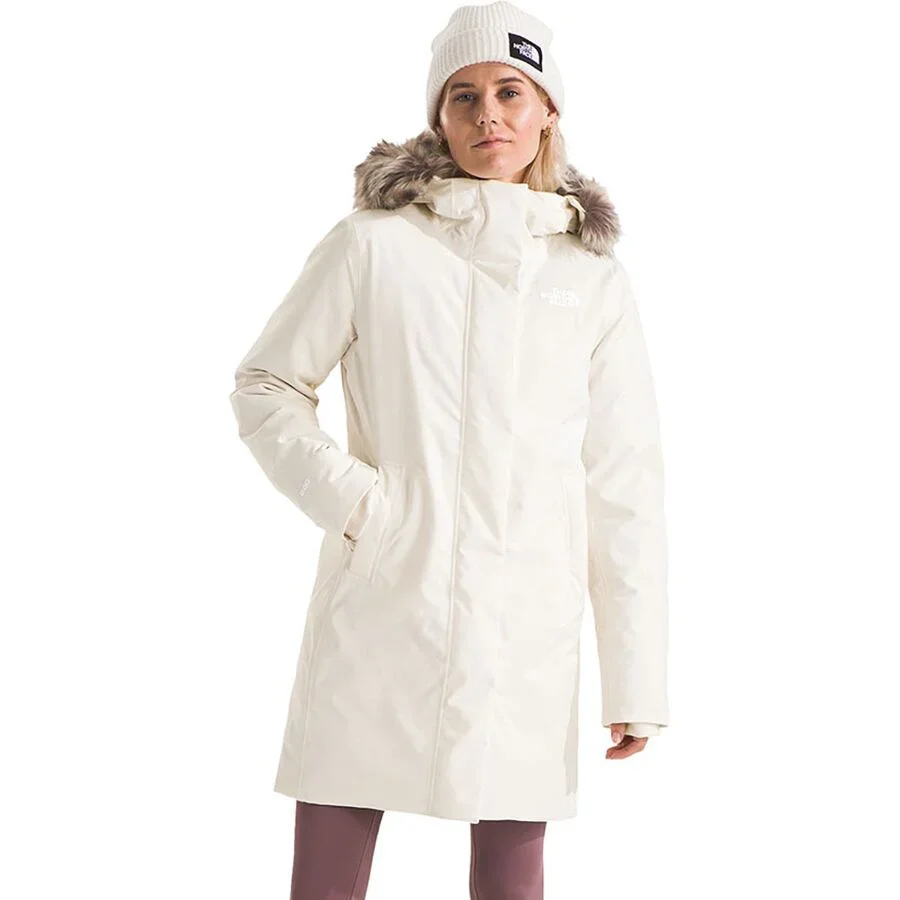
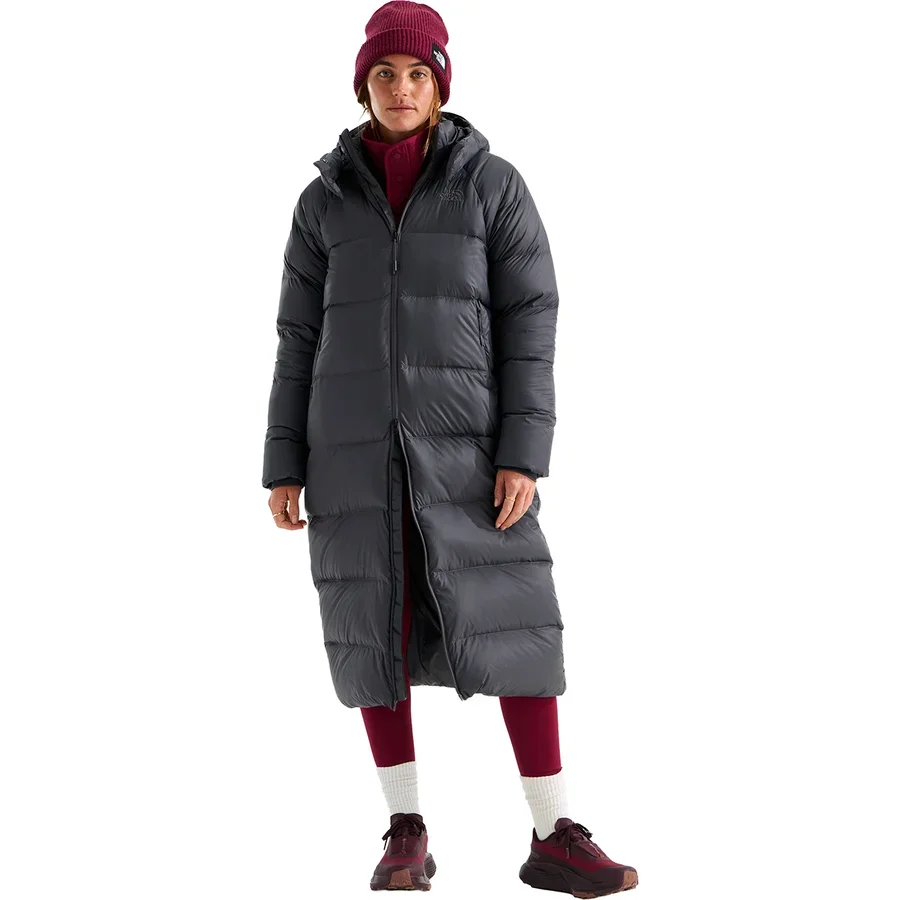
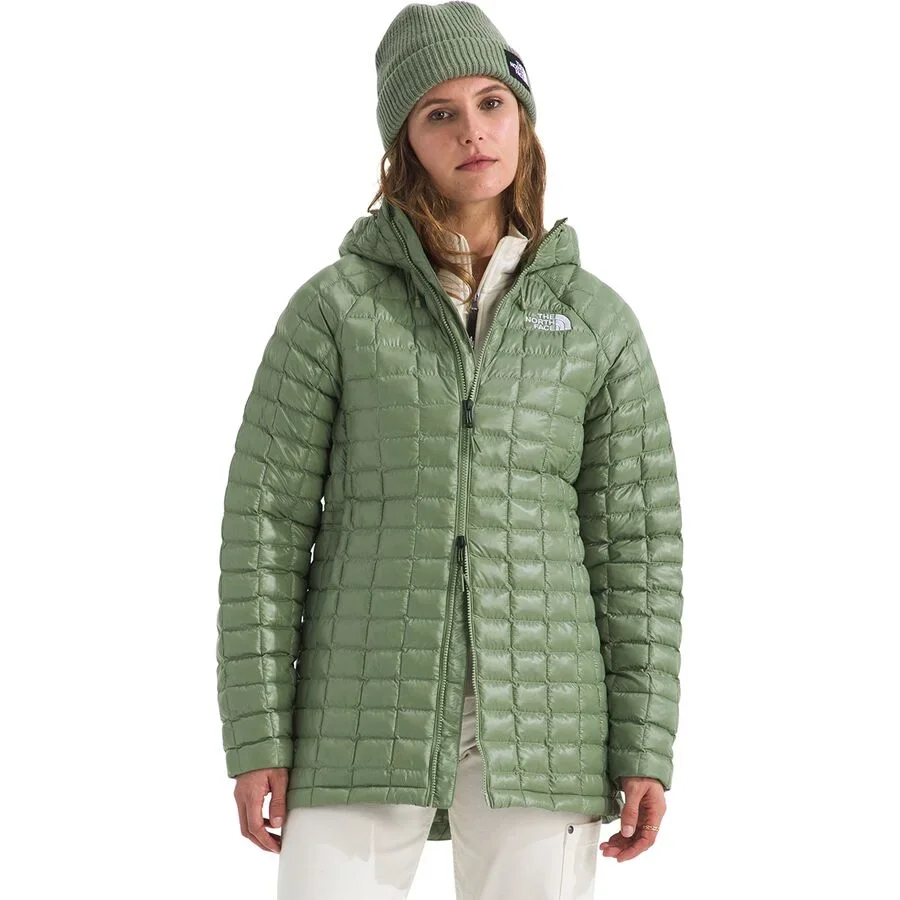
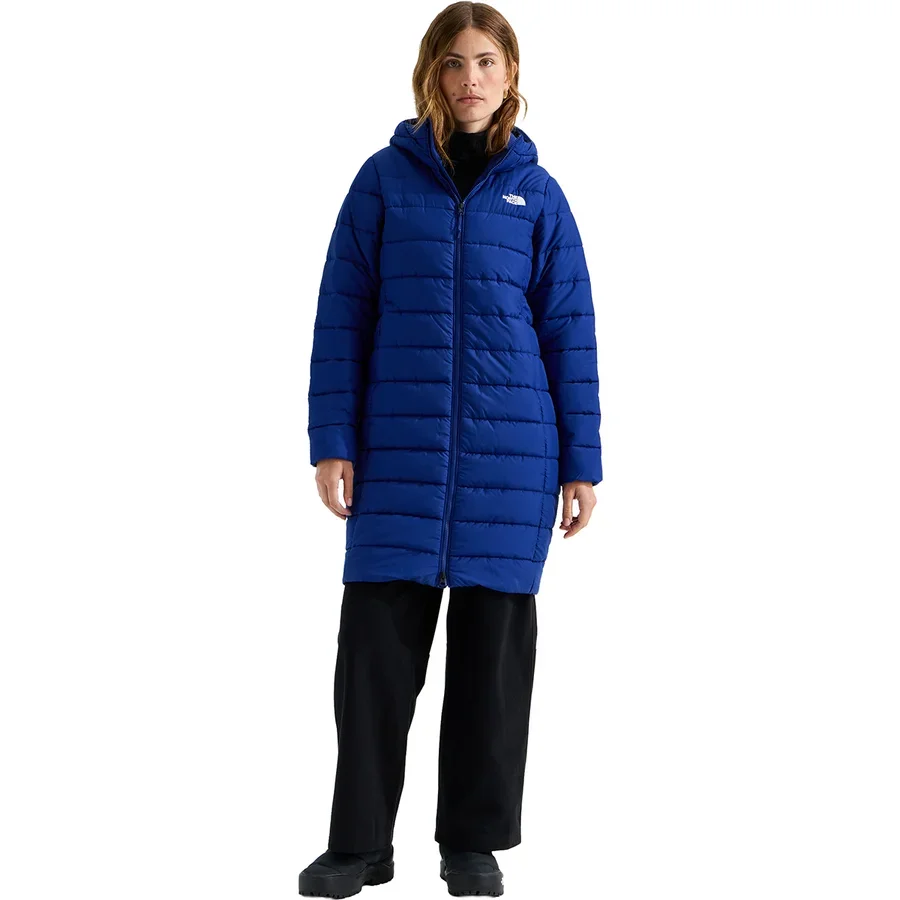
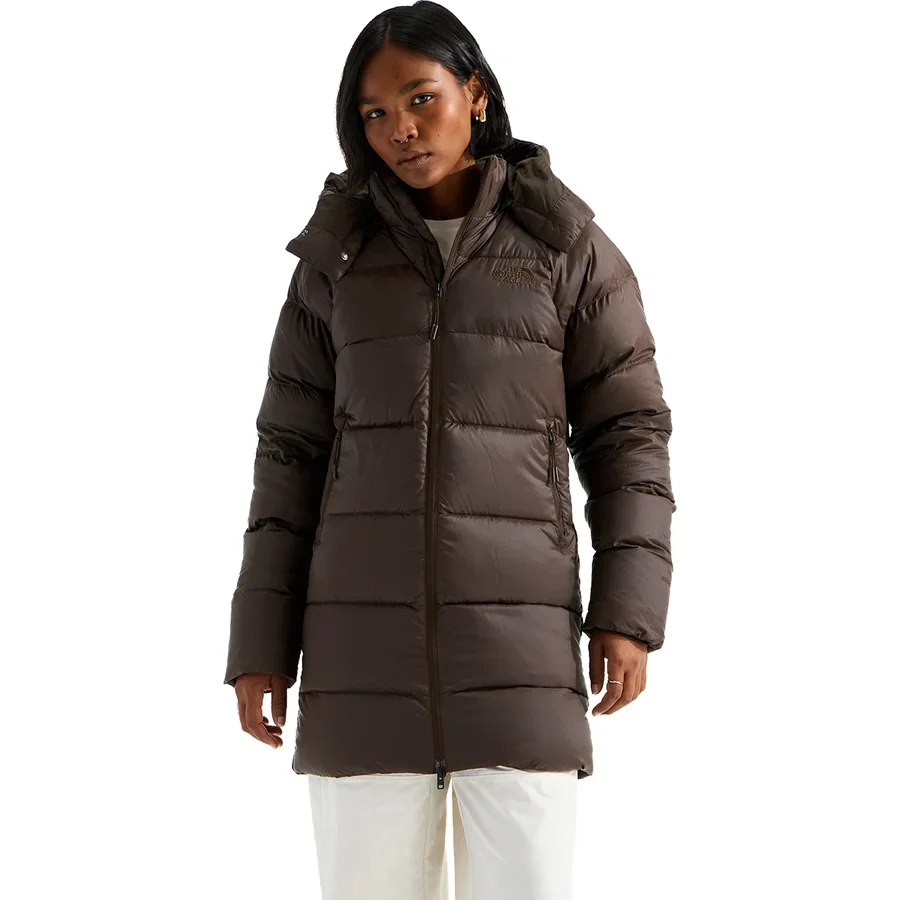
The North Face side of this Canada Goose parka comparison is strongest when rain, slush and everyday errands matter more than expedition-level cold. Arctic Down Parka has a waterproof, breathable, seam-sealed DRYVENT shell and 600-fill recycled down, a useful contrast with Trillium's water-repellent Arctic Tech. Hydrenalite City Long adds knee-length coverage, though its DWR finish is for light moisture rather than a fully waterproof shell.
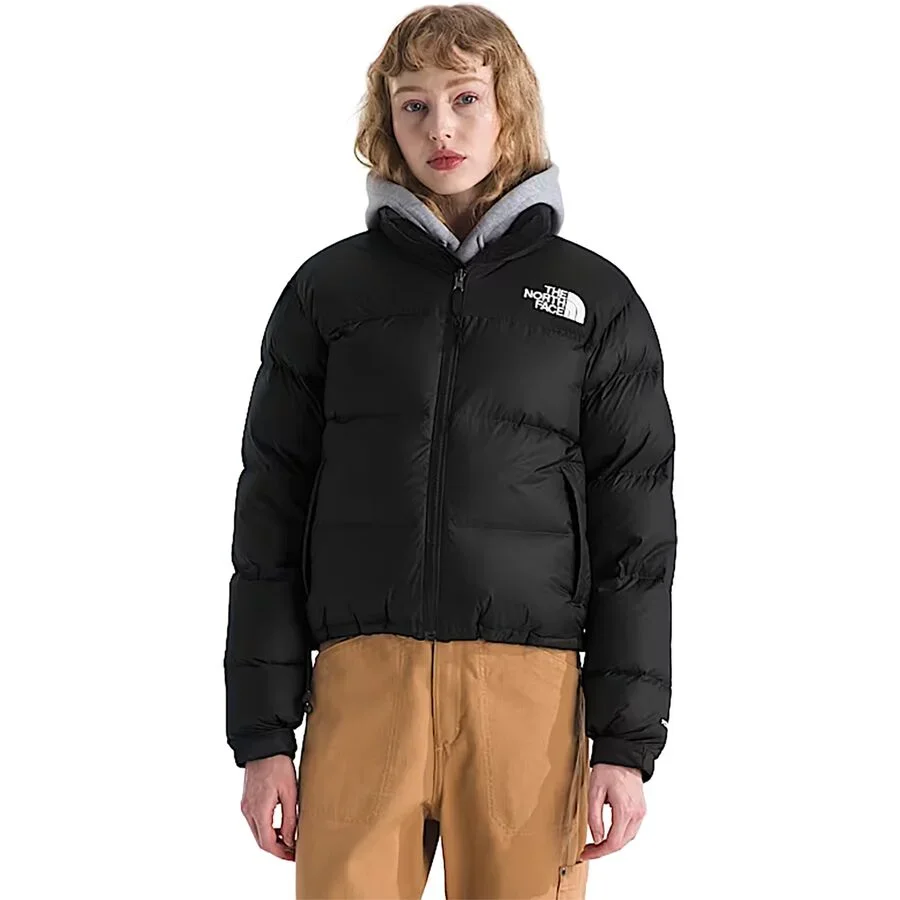
The 1996 Retro Nuptse has a shorter, hip-length shape and 700-fill down. ThermoBall Hooded Parka uses synthetic insulation that retains warmth when damp. Before choosing, I would match the coat to the longest stretch you spend outside: waterproof protection matters on a wet commute, while longer coverage is useful when you wait in the cold. This North Face women's coat guide is another useful look at the brand's outerwear shapes.
Shorter layers for moving around town
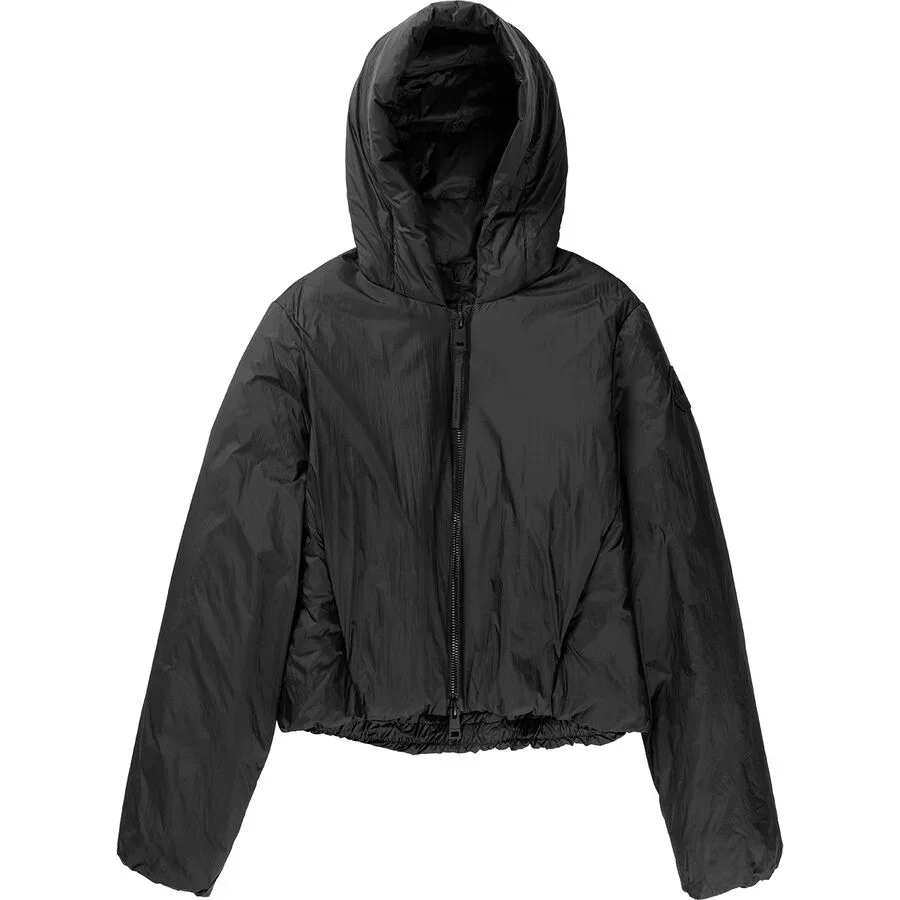
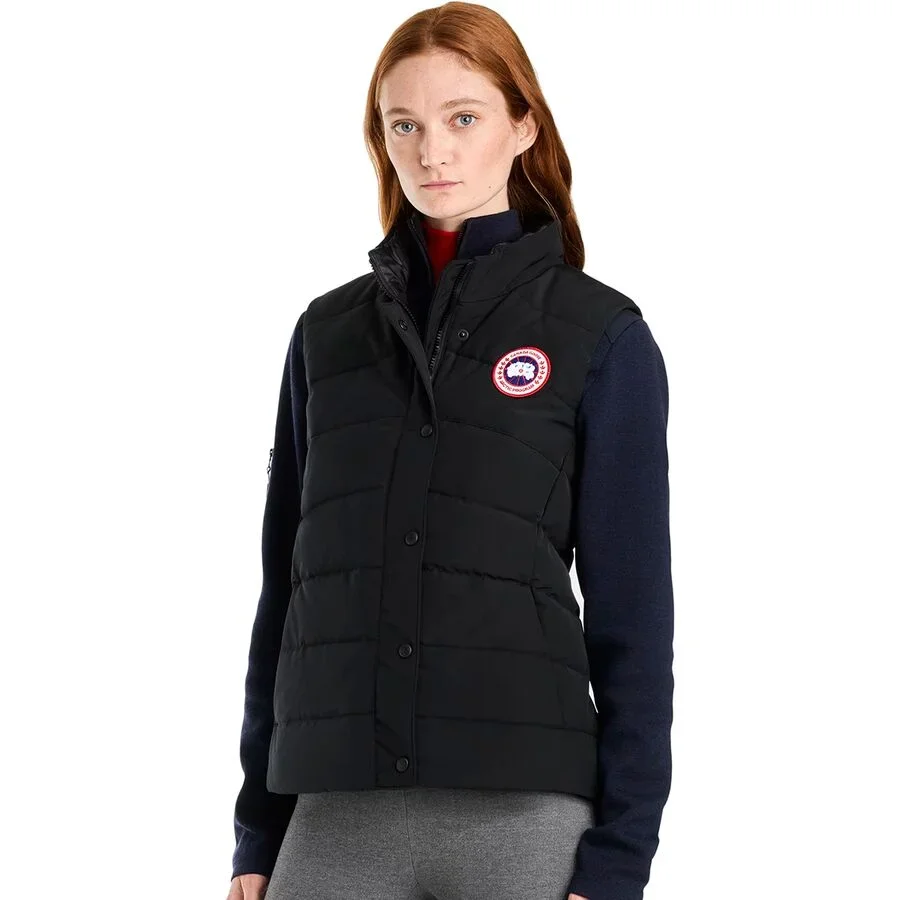
The mixed Canada Goose and The North Face group is a good check on how much coverage your winter actually requires. Elba is a jacket rather than a full-length parka; Freestyle Down Vest leaves the arms free for layering. The North Face Aconcagua Hooded Parka and Hydrenalite City Down Hooded Parka both add a hood, with down insulation in the Hydrenalite City style.
I would try these over the sweater I expect to wear most and check whether I can still move comfortably at the shoulders. A vest makes sense as a layer when I am walking between warm indoor stops; a hooded parka covers more when I will be outside longer. The practical distinction is coverage, not a contest in fill numbers. For a closer look at the label's longer, shorter and lighter outerwear, see this Canada Goose jacket guide.
Canada Goose parka questions, answered
Which parka would I buy first?
I would start with The North Face Arctic Down Parka. Its waterproof, seam-sealed DRYVENT shell addresses wet commutes more directly than a water-repellent shell, and the down fill is a practical winter layer.
Does fill power tell me how warm a coat will be?
Not on its own. Fill power describes down quality, not how much insulation the coat contains; fill weight, coverage and construction matter too. I would check the whole coat rather than decide from one number.
Which Canada Goose parka would I try for deeper cold?
Trillium is a shaped city option with a TEI 4 rating and a suggested range of 5°F to -13°F. Mystique has a full-length cut and 750-fill down, but its listed temperature range is the same.
How do the warranties differ?
Canada Goose's insulated outerwear warranty covers manufacturing defects for the product's life, subject to exclusions, and can include later owners if the coat is traceable. The North Face limits its coverage to the original owner for the product's practical expected life, and excludes normal wear and tear.