Cane and rattan are not the same material, and they age in very different ways. What holds up indoors, and what dries out.
Cane And Rattan Furniture
Cane and rattan are related, not the same
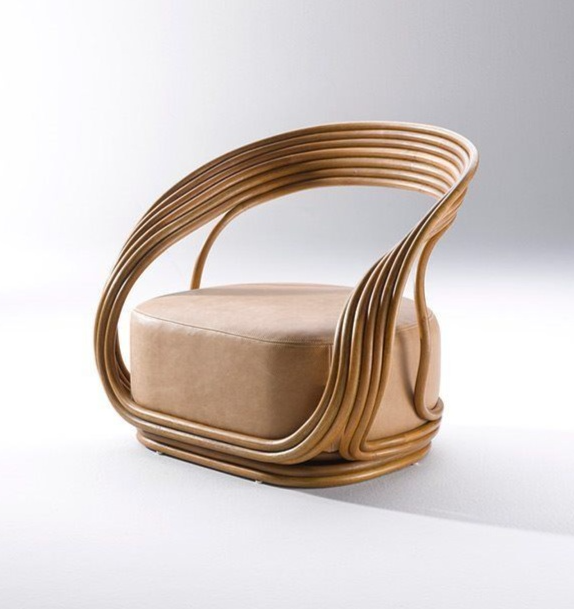
Rattan is a solid climbing palm, closer to a vine than to bamboo, and it is used as poles for frames or split into strands for weaving. Cane is a specific part of rattan, the peeled outer skin, and it is what gets woven into the open webbing you see across chair backs and cabinet doors. Wicker is not a material at all, it is a weaving technique that can be done in rattan, willow or synthetic fibre. This matters when you shop because the words are used loosely and the pieces behave differently. A rattan pole frame carries structural load. Cane webbing is a surface: it flexes, it takes weight in a distributed way, and it will not tolerate a concentrated point load. That single difference explains most of the damage people report.
Cane and rattan seating

Momentum Moves Admiral Power Recliner
Ornate Furniture
$919

Time-Piece Earth Power Recliner
Ornate Furniture
$849

Snodoodle Arctic Oversized Swivel Accent Chair
Ornate Furniture
$619

Tarrant Charcoal Reclining Sofa with Drop Down Table
Ornate Furniture
$789
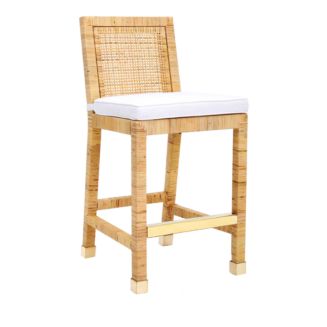
Amara Rattan Counter Stool
TOV Furniture
$575
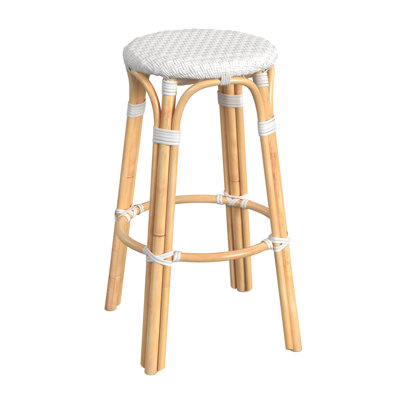
Alastair Hand-Woven Rattan Bar & Counter Stool
Wayfair
$179
Amara Rattan Counter Stool
TOV Furniture
$575
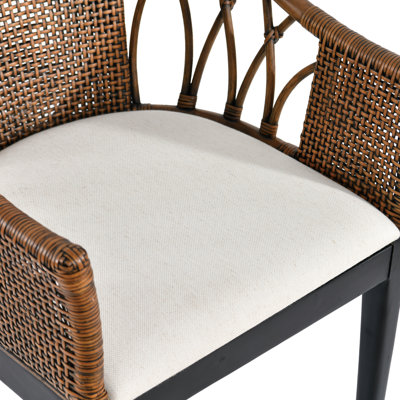
Rattan Barrel Back Design Solid Wood Base Upholstered Seat Accent Chair
Wayfair
$209.99

Odessa 31" Performance Faux Leather Dining Chair
TOV Furniture
$355.31
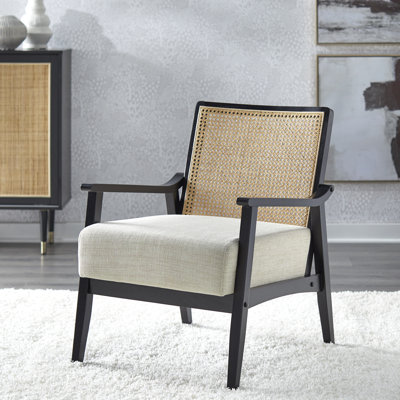
Shonda Cane and Solid Wood Accent Chair
Wayfair
$224.99
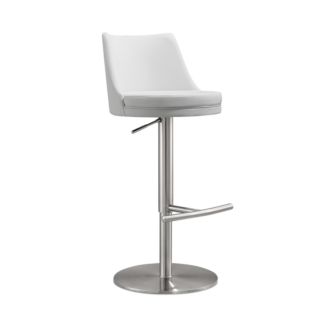
Reagan Performance Faux Leather Adjustable Stool
TOV Furniture
$335
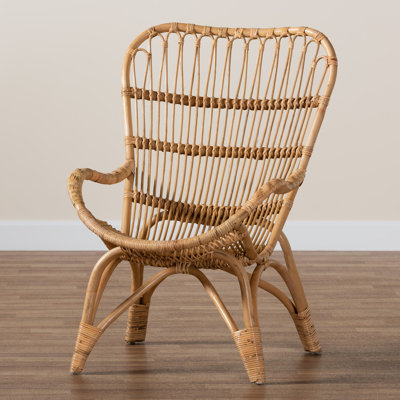
Aylinne Rattan Armchair
Wayfair
$233.99
How they fail, and how slowly
Both are natural fibres that respond to the air around them. Very dry heat, a radiator or a hard sun spot dries cane out and makes it brittle, which is when the strands crack. Persistent damp does the opposite: it relaxes and stretches the weave, which shows up as a sagging seat, and in the worst case brings mould. The good news is the timescale. Indoors, away from direct sun and with reasonable humidity, high grade cane webbing lasts decades, and the same material outdoors and unprotected can be finished in a few years. Practical care is undramatic. Dust it, keep it out of direct sunlight and away from heater ducts, run a humidifier in a dry winter if you have a lot of it, and wipe an oil such as lemon or mineral oil across the webbing sparingly a couple of times a year to keep it supple.
Woven and rattan tables

Gilda Oval Dining Table
Lulu and Georgia
$1,399
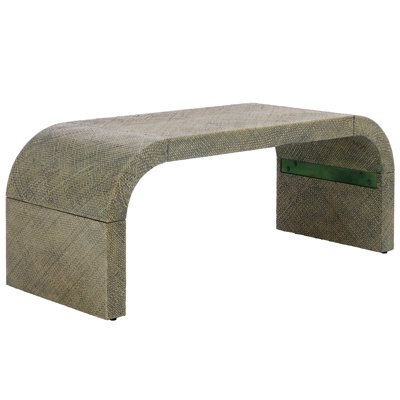
Pipat Curved Pandan Coffee Table
Wayfair
$276.99

Fisk Round Dining Table
Lulu and Georgia
$1,098
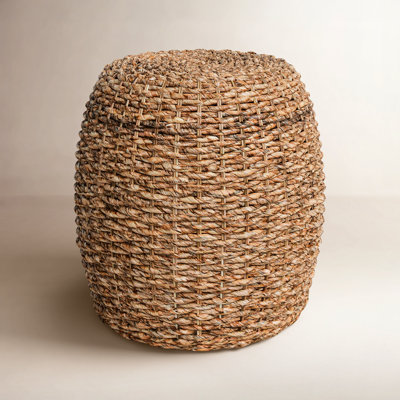
Ellsberg Woven Rattan End Table
Wayfair
$139.99

Cannella Dining Table
Lulu and Georgia
$1,298
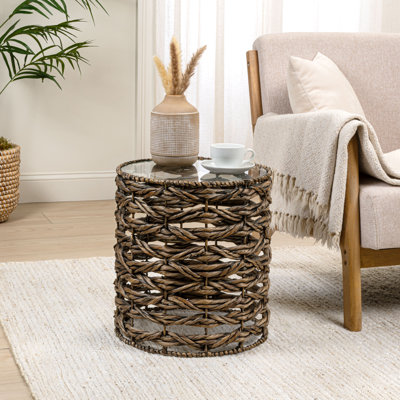
Malaya 16" Bohemian Handwoven Brown Water Hyacinth Round End Table with Glass Top, Fully Assembled Open Weave Wicker Accent Side Table
Wayfair
$74.99

33.5" Wood Square Coffee Table
TOV Furniture
$873.75

19.7'' Vintage Round Rattan Solid Natural Wood Side Table With 2 Tier Storage Farmhouse For Living Room&bedroom
Wayfair
$172.99
Where to use it, and what to buy
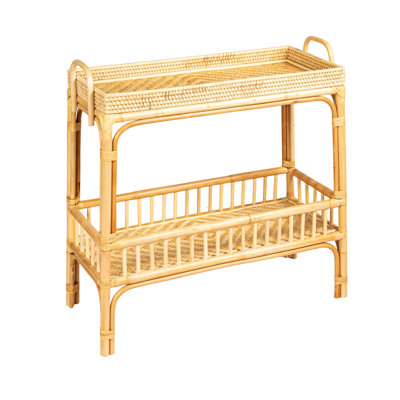
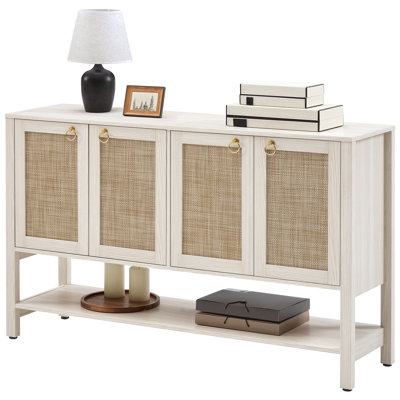
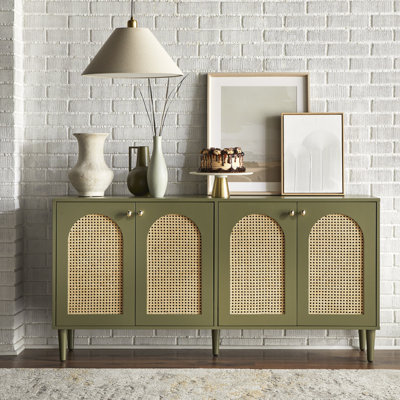
Cane fronted storage is the most forgiving application, because the webbing is vertical, nothing sits on it and nothing sits against it. It also breathes, which suits a cabinet. Cane and rattan seating is next, and the thing to check is the frame: a solid rattan pole frame with a woven seat is a chair you can keep for years, and a decorative cane panel glued into a thin frame is not. Never kneel or stand on a cane seat, since concentrated weight is what breaks strands and forces a reweave. Woven and rattan tables are light and easy to move, which is their advantage, and the reason to keep drinks on a coaster rather than directly on the weave. Synthetic rattan exists and is the right answer for anywhere with real damp or sun, at the cost of the depth and variation of the real thing.
Cane fronted storage

Brooke Sideboard
Lulu and Georgia
$1,399
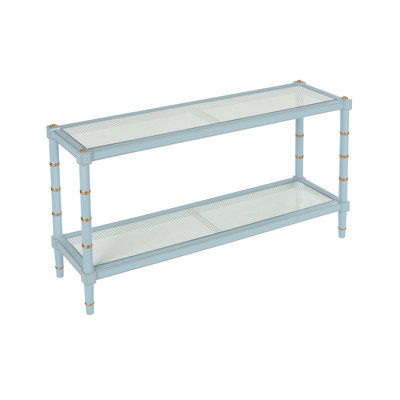
Conner Cane Console
Wayfair
$2,757.7

Nathalie Bar Cart
Lulu and Georgia
$943
Rattan and Bamboo Console Table with Shelf
Wayfair
$415
Alfalfa 2 Drawer Desk
TOV Furniture
$839
Rattan Sideboard Buffet Cabinet – 4-Door Storage with Adjustable Shelves, Boho Console for Kitchen or Hallway
Wayfair
$277.99

Laird Cabinet
Lulu and Georgia
$1,099
Montello Cane Door Sideboard
Wayfair
$379.99
Our honest take
If you take one thing away, buy cane and rattan for the parts of a room that stay dry and out of direct sun, and treat any piece that will live in a conservatory or a bright window as a different decision. The material is far more durable than its delicate appearance suggests, and it is let down by placement rather than by use. We would happily put cane fronted storage in almost any room and would think twice about a fully caned seat in a house where people perch on chair arms and kneel on seats. One last thing worth checking before you order: ask whether the webbing is a replaceable panel held in a spline groove. If it is, a damaged seat is a repair rather than a loss, and that changes what the piece is worth keeping.
Shop brands in this edit


Next read
Secondhand Louis Vuitton Damier Ebene Or Damier Azur
Damier Ebene and Damier Azur are the same coated canvas in two colourways, and the secondhand market treats them as two different products.
Read Editorial
Secondhand Silk My Favs
My sixteen selects of scarves below are all ninety centimetre squares, split into two price bands