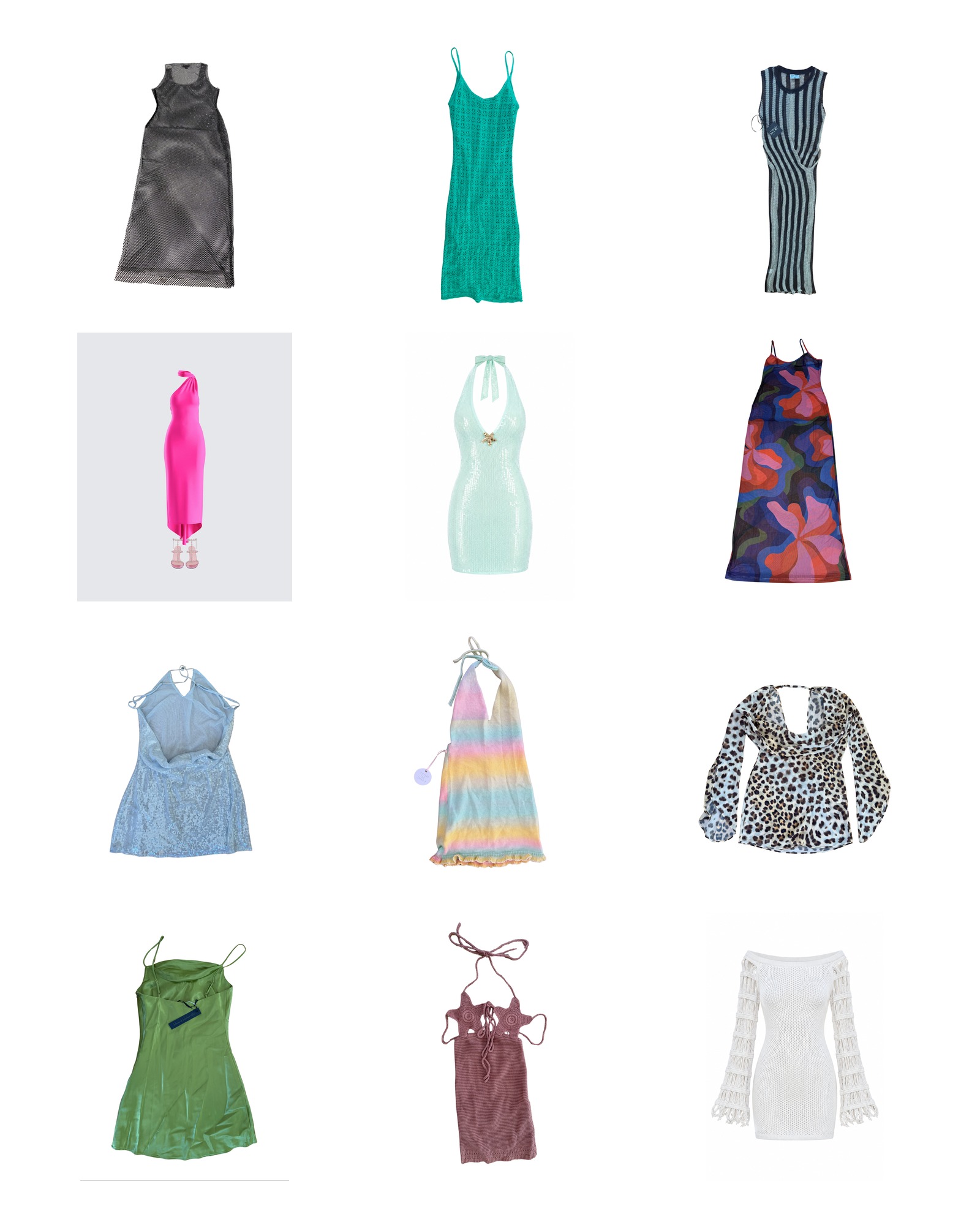
How to read a knitwear label, what fibre diameter and ply actually tell you, and when wool is the better buy than cashmere.
Cashmere Or Wool
Cashmere or wool: how to tell which one you are buying
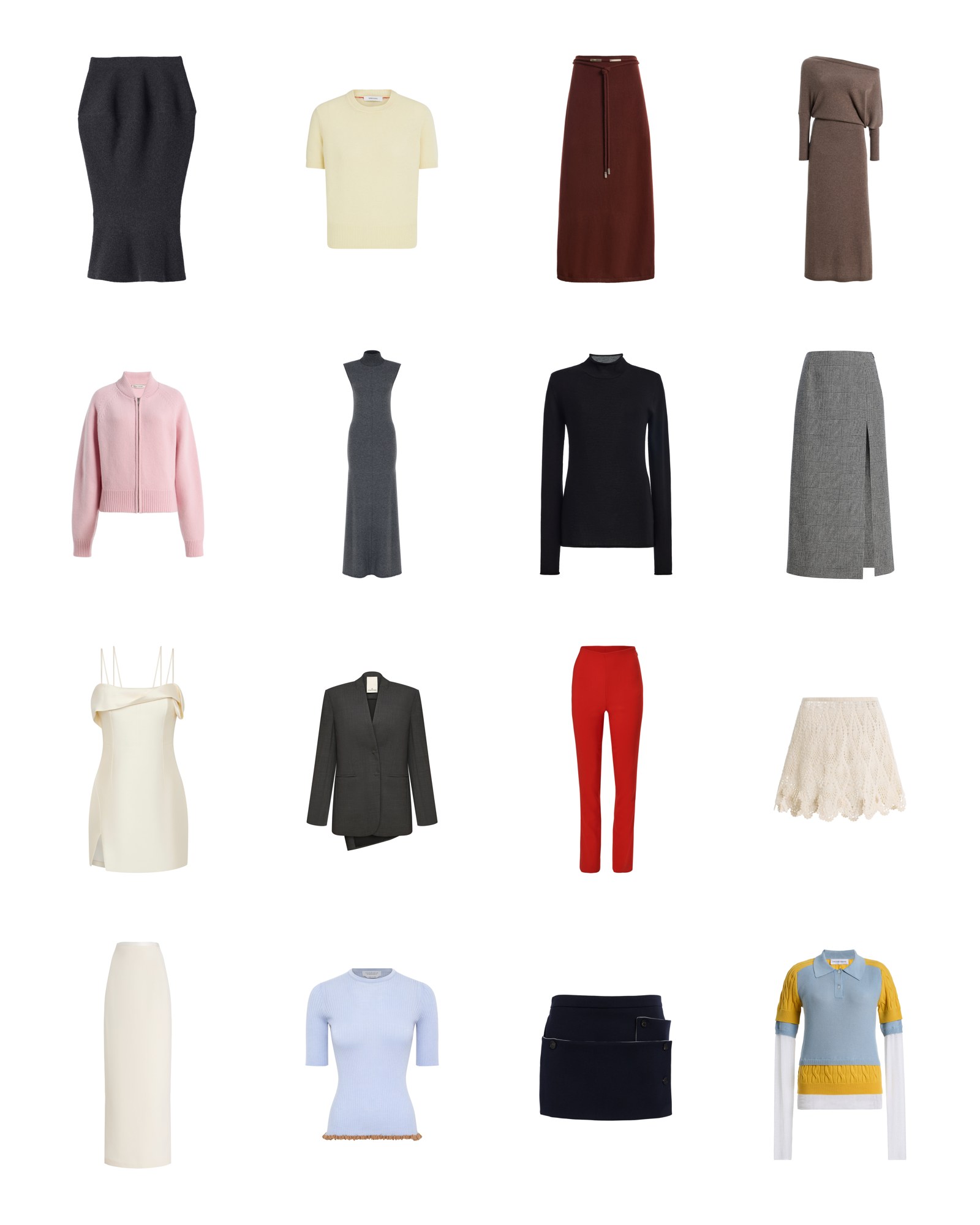
The label is doing more work than most people read. Cashmere comes from the undercoat of a goat and typically measures around 14 to 19 microns in diameter, while merino and other fine wools sit closer to 20 to 24 microns, according to fibre comparisons published by knitwear specialists including SELVANE and TextileTuts. That single measurement explains the softness, the warmth for the weight and most of the price. Supply explains the rest: a cashmere goat yields roughly 150 to 200 grams of usable fibre a year against three to five kilograms of fleece from a sheep. The two grids below are separated strictly by what the product names state, and the price bands overlap far more than the reputations do.
Cashmere and cashmere blends

The Fiocco Contoured Wool-Cashmere Midi Skirt
Jacquemus
$1,250

Cashmere Sweater
Ferragamo
$1,290

Cashmere Long Skirt
Max Mara
$1,240

Kasos Cashmere Midi Dress
Altuzarra
$1,395

Velma Zip-Up Wool-Cashmere Jacket
High Sport
$1,140

x Camille Charrière Wool-Cashmere Maxi Dress
Zeynep Arçay
$1,100

Phaed Cashmere Top
The Row
$1,450

Car Wash Wool-Cashmere Midi Skirt
Michael Kors Collection
$1,490
What to look at instead of the fibre name
Ply and gauge tell you more about how a knit will wear than the fibre does. A two-ply cashmere in a tight gauge outlasts a loose single-ply every time, and a heavy lambswool in a firm knit will beat a thin cashmere for years of service. Feel for density rather than softness, since softness at the point of sale is often a finishing treatment that washes out. Hold a piece up to the light and look at how evenly the stitches sit. Check the seams, because a linked shoulder lies flat and an overlocked one does not. Then read the blend honestly. A wool-cashmere mix is frequently the more practical buy, taking the softness of one and the resilience of the other, and it is what several of the pieces here actually are. Pilling is normal in the first weeks on any short fibre, and a comb fixes it.
Wool and wool blends

Bronte Wool-Silk Satin Mini Dress
Rachel Gilbert
$1,100

Brera Wool Jacket
Di Stavnitser
$1,100

Tailored Wool-Blend Cigarette Pants
Carolina Herrera
$1,090

Crocheted Wool Lace Mini Skirt
JW Anderson
$1,080

Wool-Crepe Maxi Skirt
SEV
$1,135

Mireya Lace-Trimmed Ribbed Wool-Silk Top
Gabriela Hearst
$1,150

Asymmetric Wool-Blend Mini Skirt
Ferragamo
$1,150

Polo All In Cotton-Wool Top
Marie Adam-Leenaerdt
$1,030
Our honest take
Cashmere is worth it for things worn against skin and rarely: a fine sweater, a scarf, a top. It is a poor choice for anything that takes friction, which means bags rubbing at the shoulder, coats worn over it daily, or a skirt you sit in for eight hours. Wool and wool blends are the better buy for structure, for tailored knits and for anything you want to keep its shape, and the prices here show they are not the budget option. What we would avoid is thin, cheap cashmere sold as a bargain, because low ply and short fibre pill immediately and it is the fastest way to conclude the material is overrated. If you take one thing away, buy the knit by its weight and its ply, and treat the fibre name as the last thing you check.