Accessories
Accessories
UGG
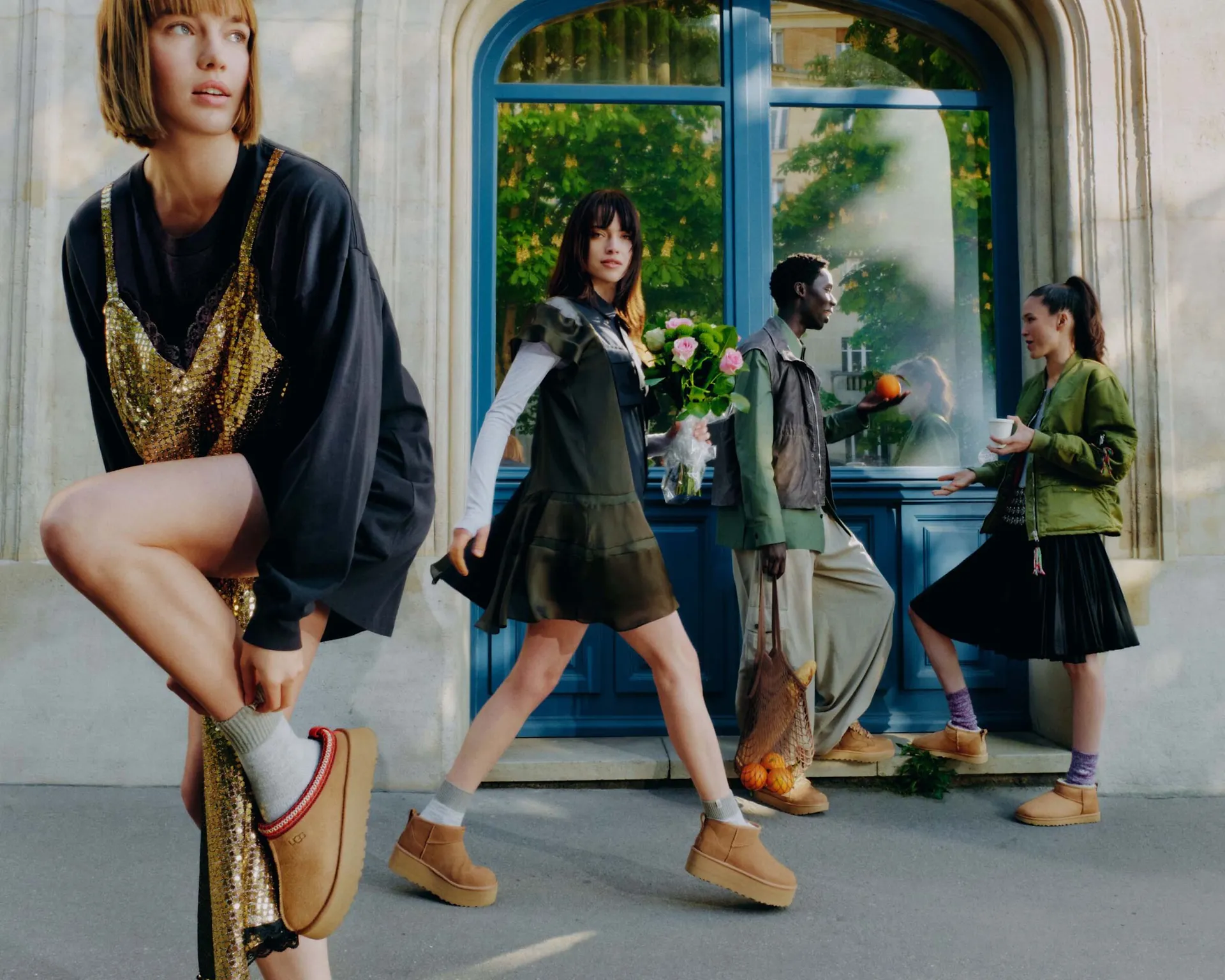
Brian Smith, an Australian surfer studying business at UCLA, founded Ugg Imports in Santa Monica in 1978 with Doug Jensen, betting that the sheepskin boots Australians wore after cold surf sessions could find an American market. The company sold just 28 pairs its first season, and Smith kept building the brand himself, including selling boots out of the back of his van at Malibu, before selling it to Deckers Outdoor Corporation in 1995.
Lié Studio
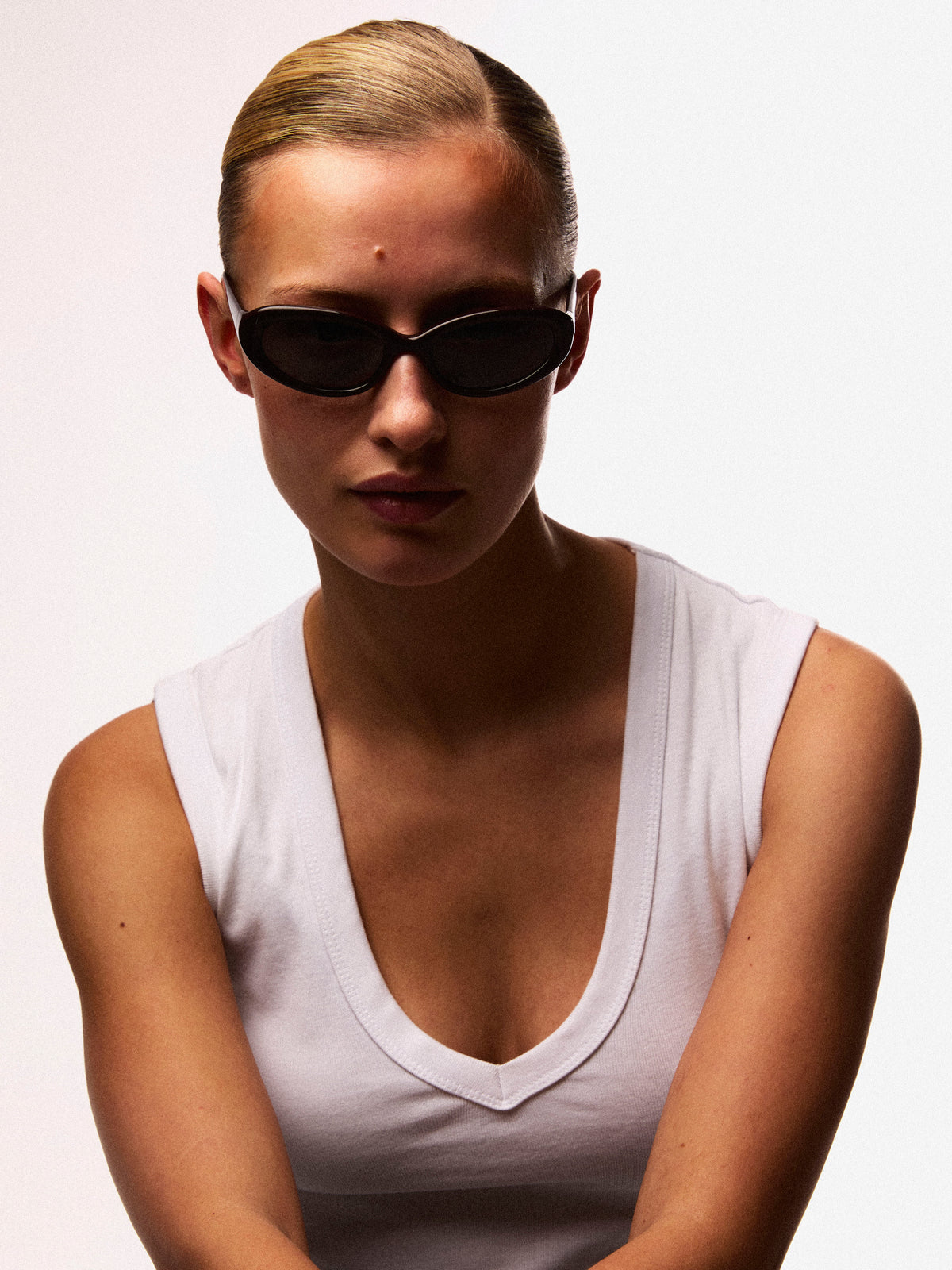
Lié Studio was founded in Copenhagen in November 2021 by twin sisters Amalie and Cecilie Moosgaard, former runway models who had walked for Gucci, Valentino and Prada before building their own label with business partners at Brand Institute. The specific thing that makes the brand what it is: a small set of core minimalist gold and silver jewelry pieces, designed by two people who by their own account were not natural jewelry buyers before they started making it themselves.
Heaven Mayhem
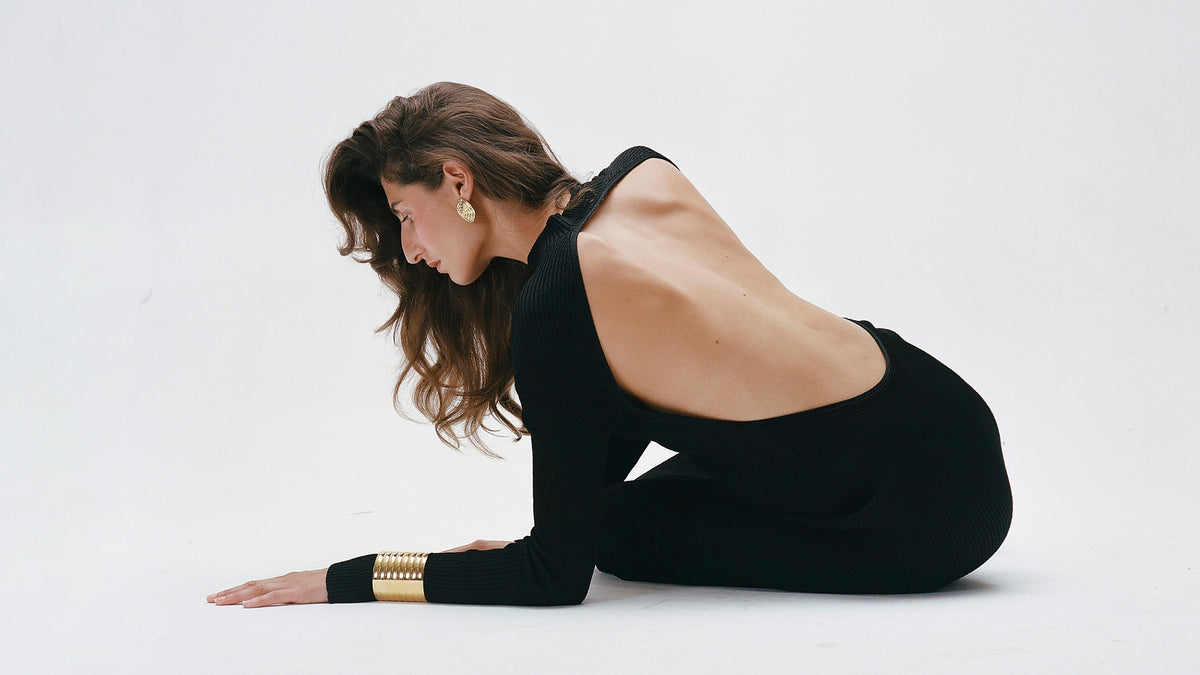
Pia Mance started Heaven Mayhem in Los Angeles in 2022 with a small amount of starting capital, hand-tying cord necklaces from vintage pendants she sourced herself and packing every order alone. A chance run-in with Hailey Bieber at an LA coffee shop in 2023 turned the brand's earrings into a recurring celebrity fixture and pushed it into wider retail.
Swedish Stockings
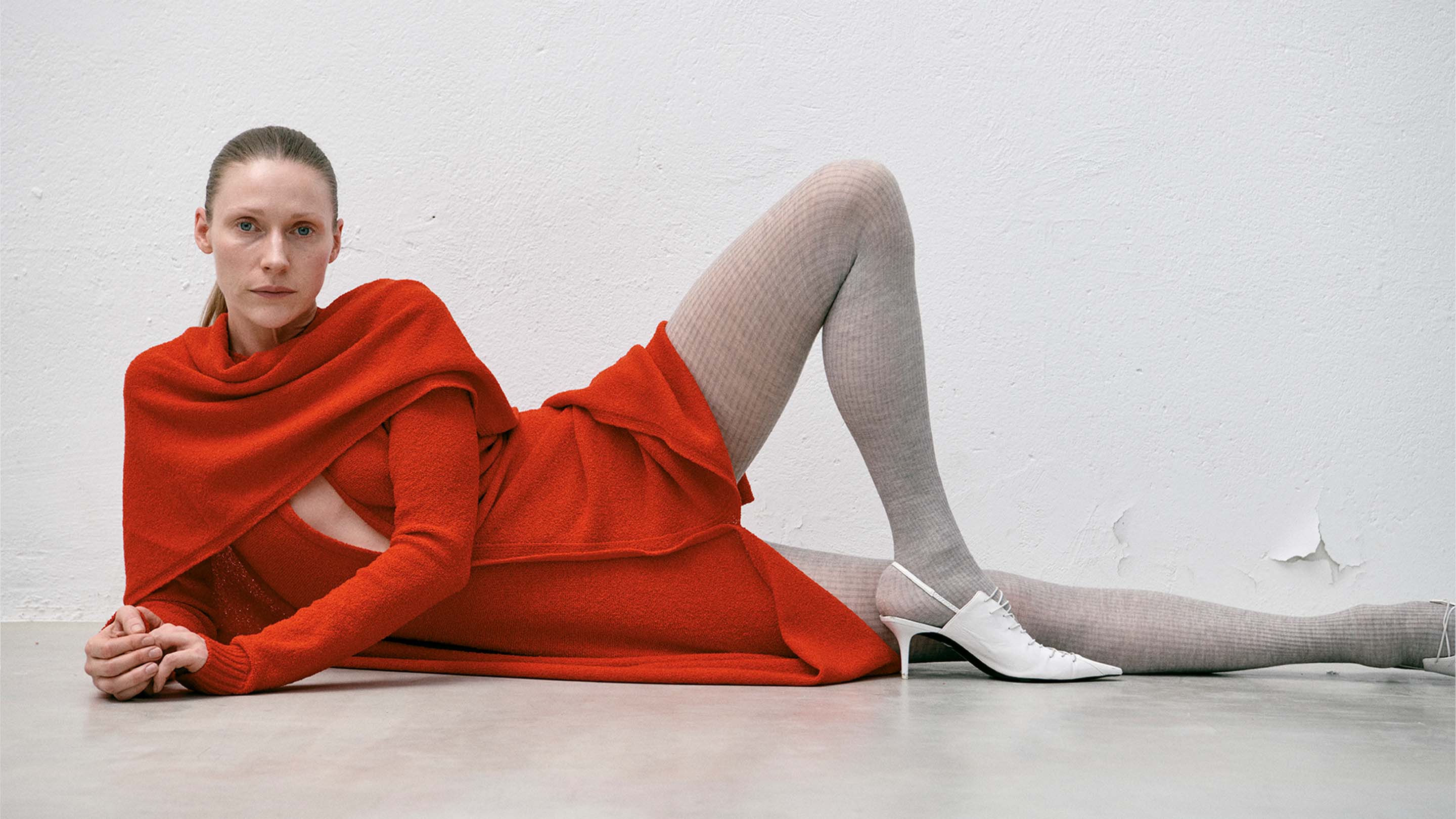
Linn Frisinger and Nadja Forsberg founded Swedish Stockings in Stockholm in 2013, after Frisinger watched a documentary on planned obsolescence that used disposable tights as its example. The brand makes hosiery from recycled nylon in a solar-powered factory in Italy and runs a take-back program that grinds old tights, any brand, into material for furniture.
Fiametta
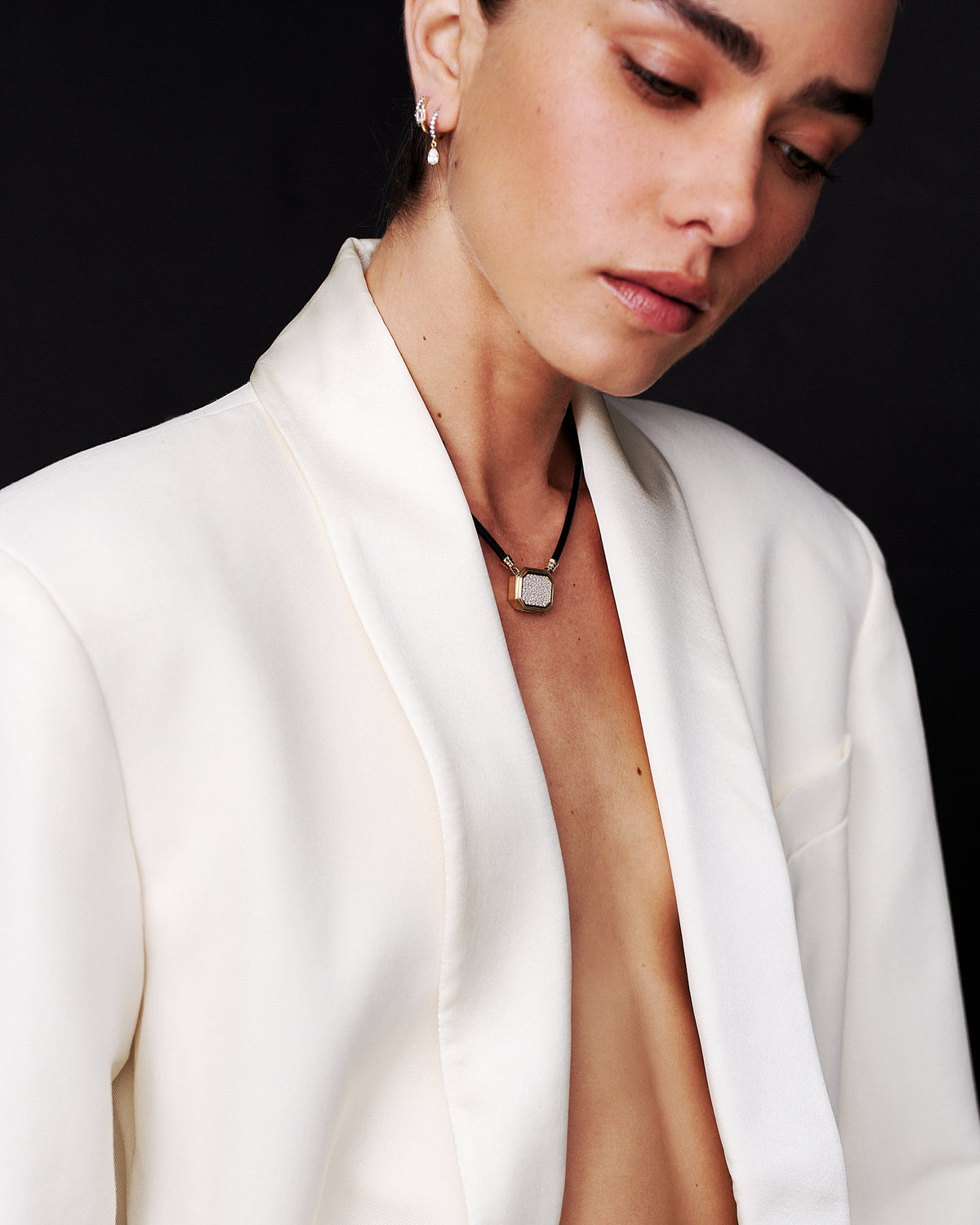
Merill Hollander founded Fiametta in New York in 2023 after a career that started at Bloomingdale's buying desk and ran through a Wharton MBA. The label works exclusively in lab-grown diamonds and frames itself as a rewrite of fine jewelry's rulebook, drawing openly on Hollander's experience as a queer woman deciding which traditions to keep and which to drop.

Savette
Amy Zurek founded Savette in New York in 2020, after studying art history and fashion design at Parsons, then working at The Row and building Khaite's handbag line from scratch alongside founder Cate Holstein. She named the label after her mother's maiden name and built its design language around two women, her mother's classic taste in leather goods and her grandmother's eye for sculptural jewelry.
Lizzie Fortunato
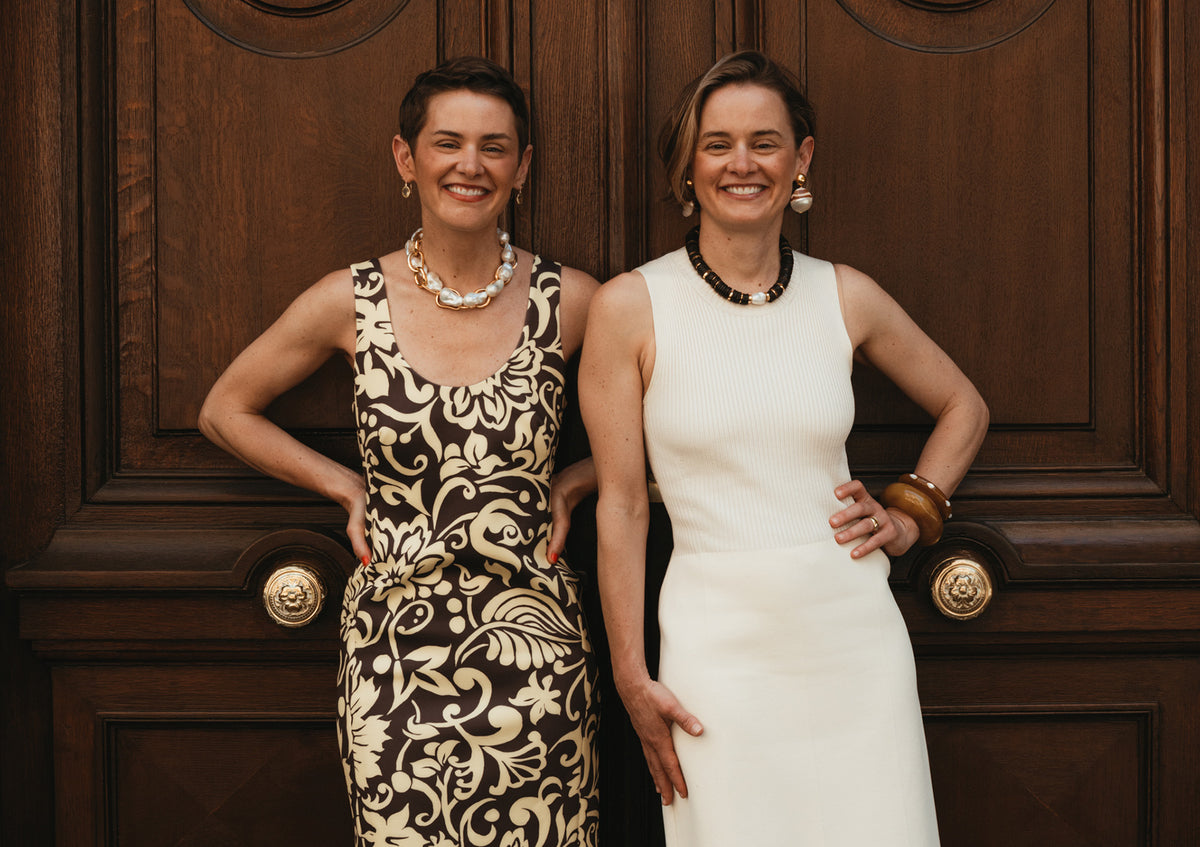
Twin sisters Lizzie and Kathryn Fortunato started making jewelry as a Duke University side hustle in the early 2000s, then founded Lizzie Fortunato in 2008 from a Lower East Side apartment on the strength of a ten-thousand-dollar bonus check Kathryn handed her sister with instructions to follow her dreams.
Gianvito Rossi
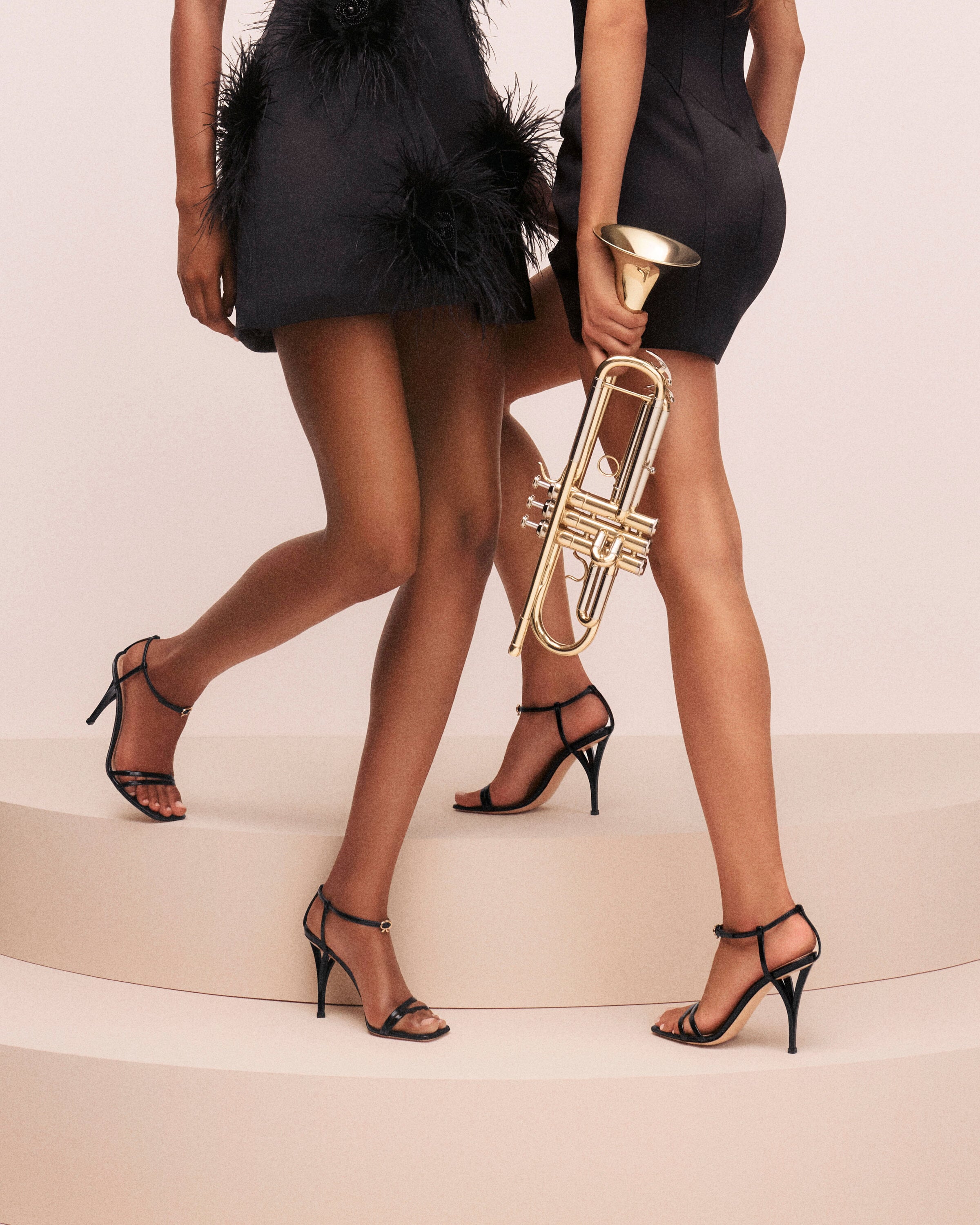
Gianvito Rossi launched his own footwear label in Milan in 2006, after years working alongside his father, the shoe designer Sergio Rossi, in the family's factories in San Mauro Pascoli. The house built its name on a handful of disciplined, unembellished silhouettes, chiefly the Gianvito 105 pump and the Portofino sandal, made with the same regional Italian craftsmanship he grew up around.
STAUD
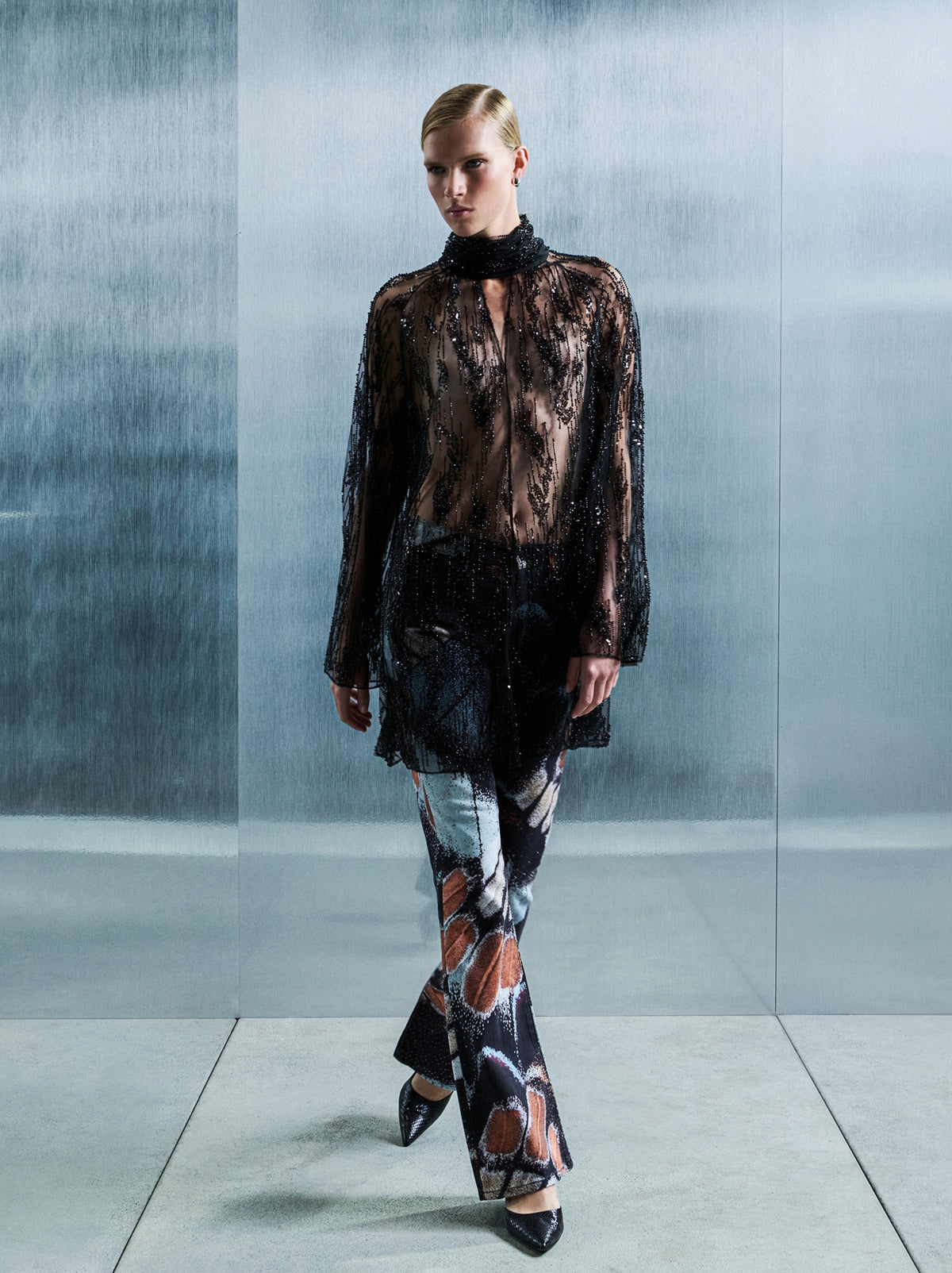
Sarah Staudinger, previously the fashion director at Reformation, launched Staud in Los Angeles in 2015 with business partner George Augusto, naming it after her own childhood nickname. The brand started as a made-to-order customization concept before pivoting to ready-to-wear once customers made clear they wanted the bags and dresses as designed, a shift that produced breakout accessories like the Bissett and Moreau bucket bags.

Dries Van Noten
Dries Van Noten launched his first menswear collection in 1986 in Antwerp, showing it in London with five classmates from the Royal Academy who became known as the Antwerp Six. What set him apart from the group was a refusal to chase a single signature look, instead building a reputation on pattern mixing, botanical prints and a stubborn independence from the usual industry calendar.

Olympia Le-Tan
Olympia Le-Tan turns the clutch into a small, hand-held argument for taking culture out at night. Founded in 2009 by Gregory Bernard and Olympia Le-Tan, the label is known for hand-embroidered designs that borrow from books, art, and cinema. These are not quiet accessories, and that is precisely why they work.

KAMYEN
Kamyen comes from three generations of diamantaires, with creative director Kumud Hirawat rooted in a family of gemstone merchants from Jaipur. The family business now works from Mumbai and draws on that stones-first knowledge for high jewelry and prêt-à-porter pieces. In this selection, enamel, colored gems and diamonds keep the mood bright rather than purely formal.

Thom Browne
Thom Browne built a new uniform from the old ingredients of American tailoring. He began in New York’s West Village in 2001 with five made-to-measure suits, then made shrunken proportions, cropped trousers and red-white-blue grosgrain part of a very recognizable vocabulary. The clothes are disciplined, but the humor is always close to the surface.

Buccellati
Buccellati’s story begins with Mario Buccellati, who opened his first enterprise in Milan in 1919 after apprenticing with local goldsmiths. His work interpreted Italian techniques through finely textured gold and an unusually sculptural sense of nature. Rings, cuffs, necklaces and earrings in this selection carry that workshop language forward.
AMANU
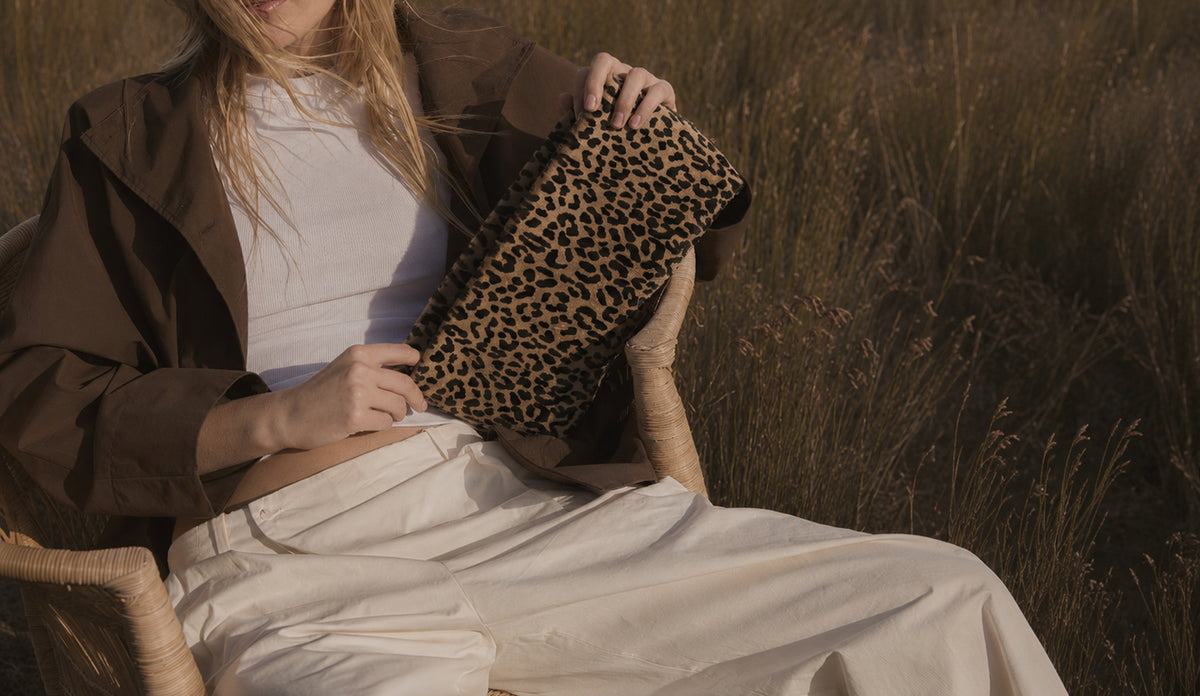
Amanu makes sandals, bags and belts around a simple idea: everyday accessories should carry the trace of the hands that made them. Founded by stylist Anita Patrickson in 2018, the label works with African artisans and grew from made-to-measure sandals into a wider collection of leather and woven pieces. The mood is tactile, resourceful and quietly connected to place.

Birkenstock 1774
The Trending Collection and a New Wave for the Brand
Acne Studios
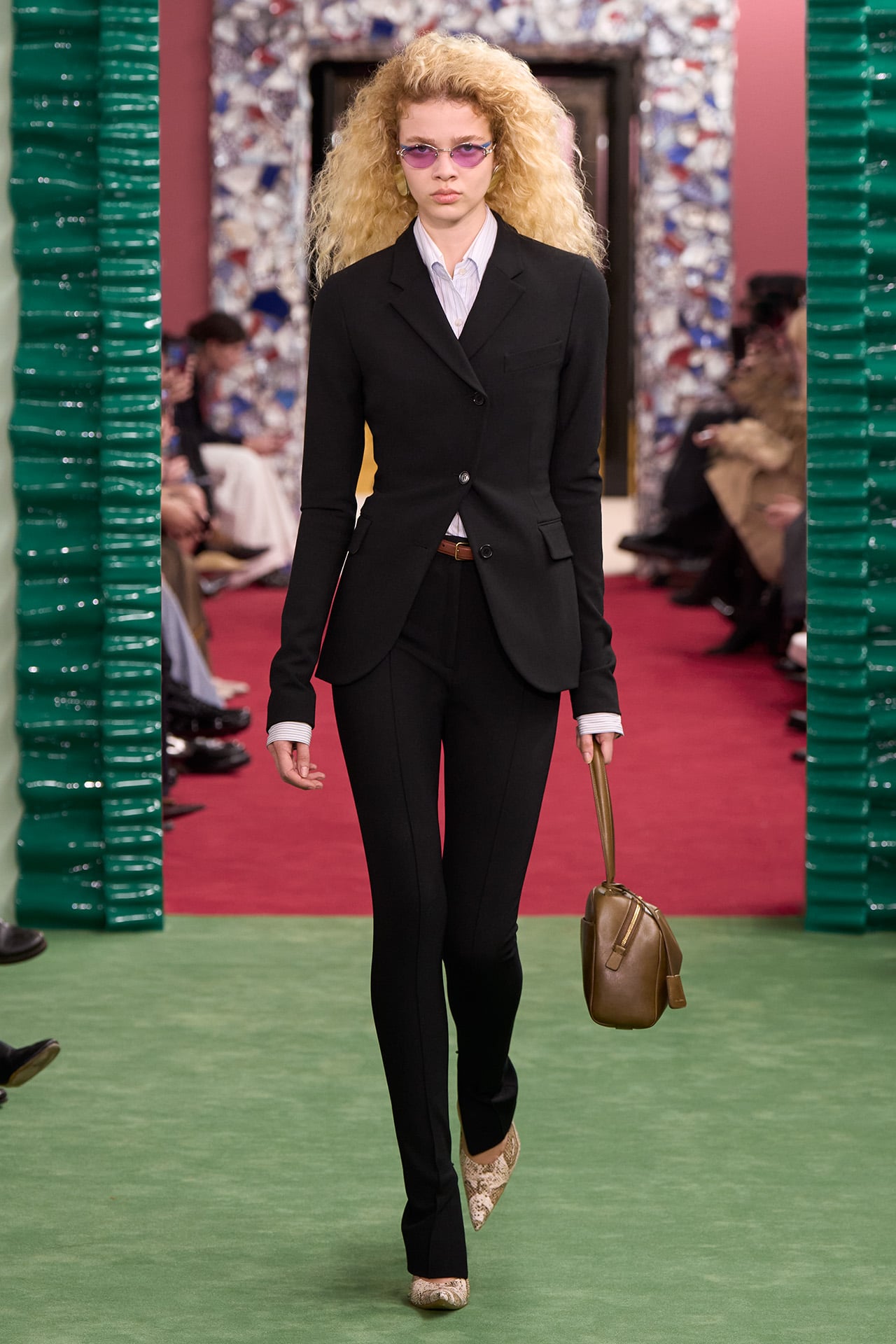
Acne Studios brings Stockholm cool into a wardrobe of denim, oversized texture and slyly offbeat accessories. Founded in 1996 as part of a creative collective, the house grew from Jonny Johansson's red-stitched jeans into a full fashion practice. The clothes still reward a little friction, especially when clean Scandinavian lines meet an unexpected proportion or print.
AGMES
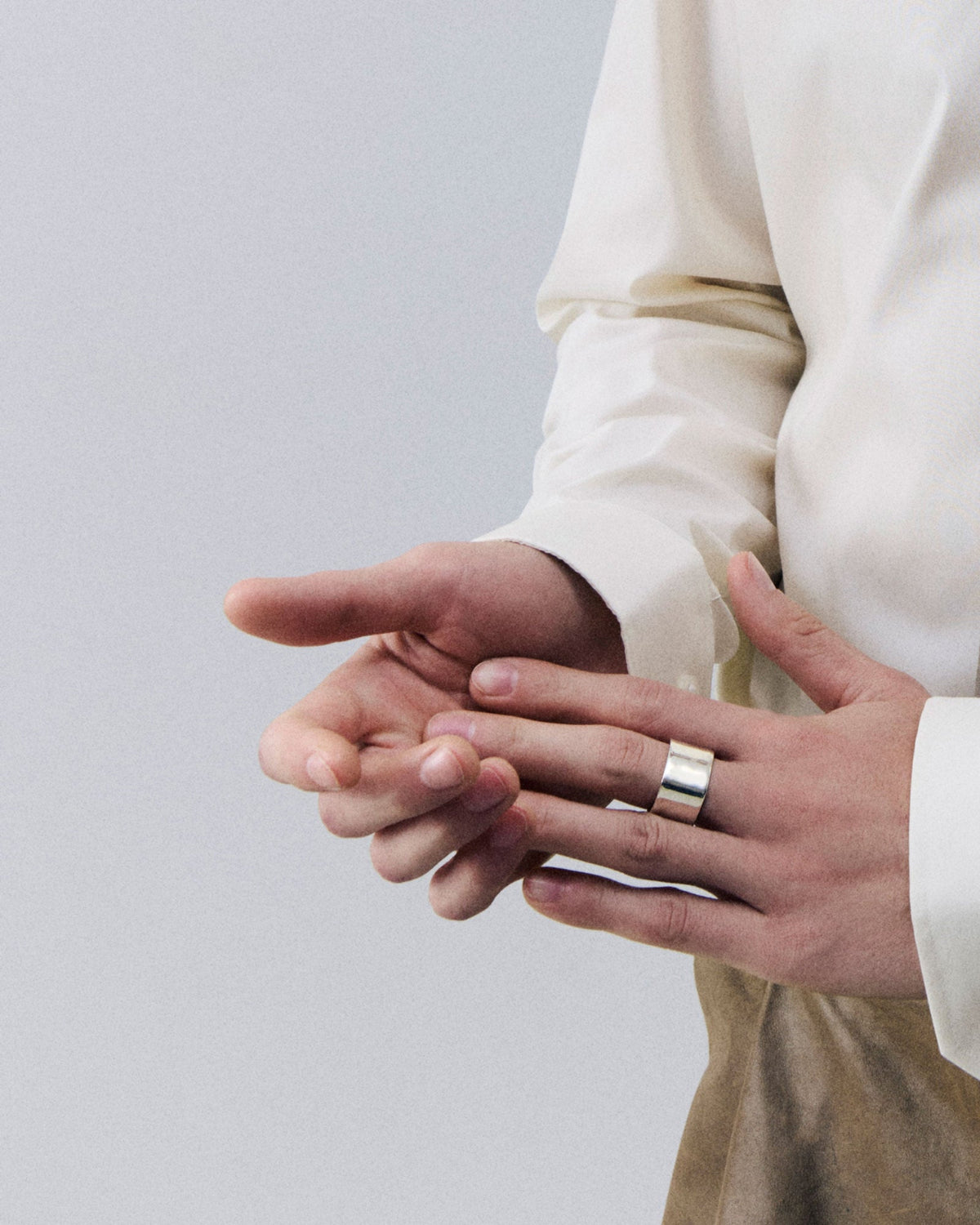
AGMES makes New York jewelry with the clarity of small sculpture, using clean lines, recycled metals and forms that feel closer to architecture than ornament. Sisters Morgan and Jaclyn Solomon founded the label in 2016, drawing on modernist art, urban settings and the idea of the modern heirloom. The pieces are distinctive without asking for a maximalist outfit around them.

Barton Perreira
Barton Perreira was started in 2007 by Bill Barton and Patty Perreira, whose earlier careers included building Oliver Peoples. Their first collection contained 42 eyewear models and the brand is known for frames made by hand in Japan. The appeal is in engineering, proportion and the small decisions that make a frame feel settled on the face.
By Pariah
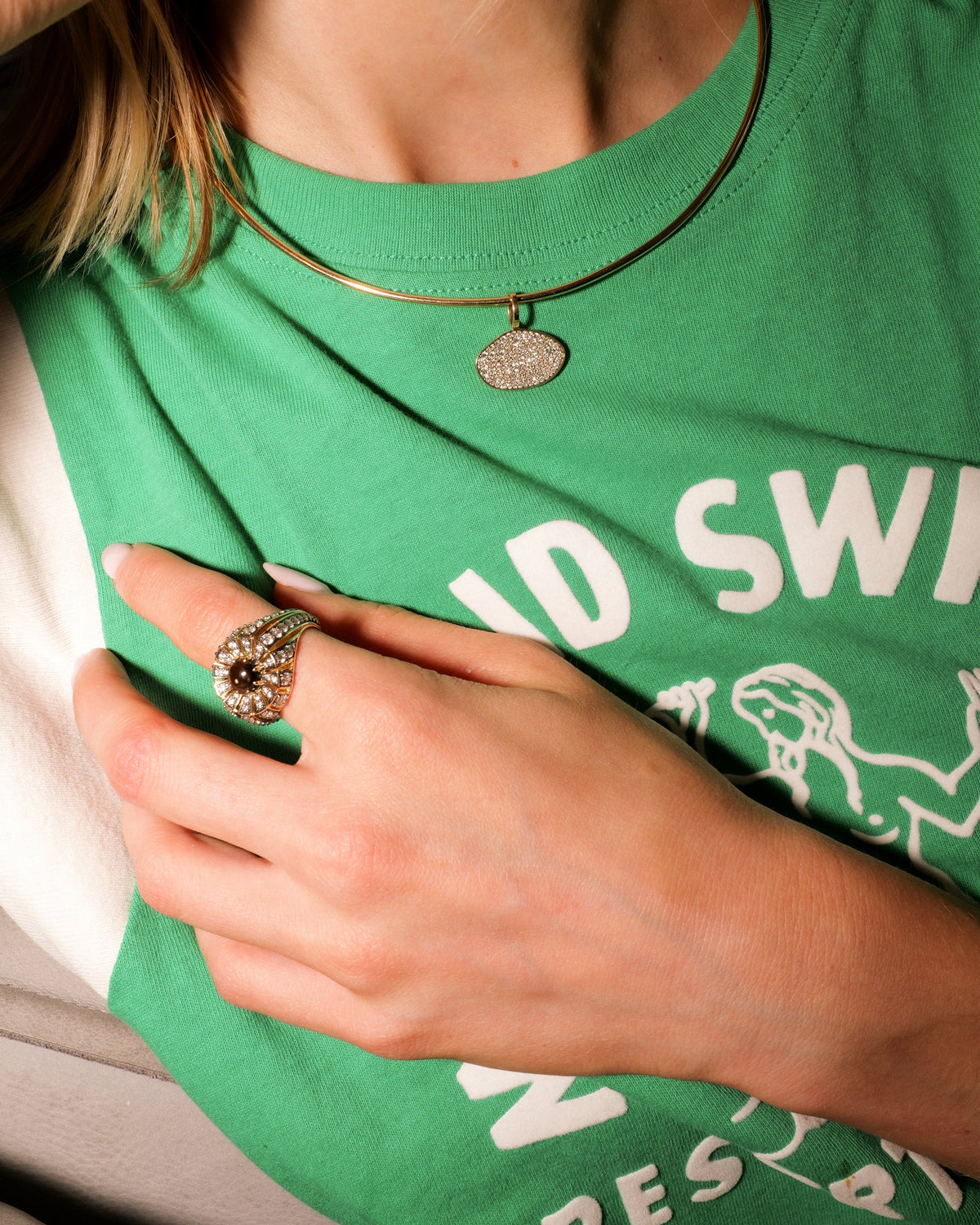
By Pariah was founded in London in 2016 by Sophie Karg, after a career in luxury fashion communications and a longstanding interest in materials. Karg named the brand after a National Geographic story about remote parts of the Caribbean and began with raw stones, recycled metals and sculptural forms. The jewelry feels considered but not over-polished, as if the material is allowed to keep its weather.
Anita Ko
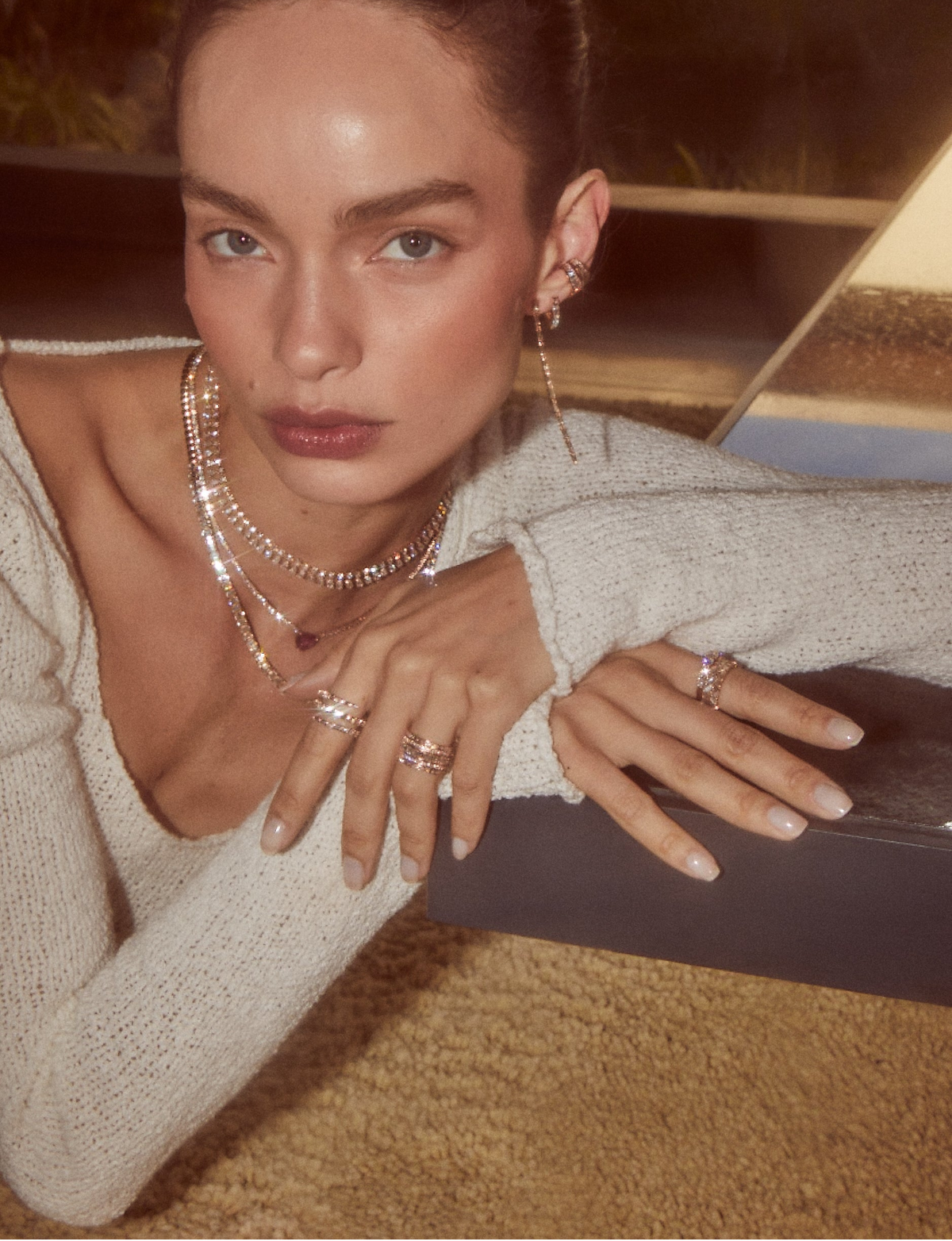
Anita Ko brings a distinctly Los Angeles ease to fine jewelry, pairing diamonds and 18-karat gold with hoops, bamboo motifs and clean shapes designed for daily wear. Ko launched her namesake label in 2006 after making jewelry from a young age, building a contemporary alternative to the more formal codes she saw around her. The result is polished, personal and meant to leave the house.
DESTREE
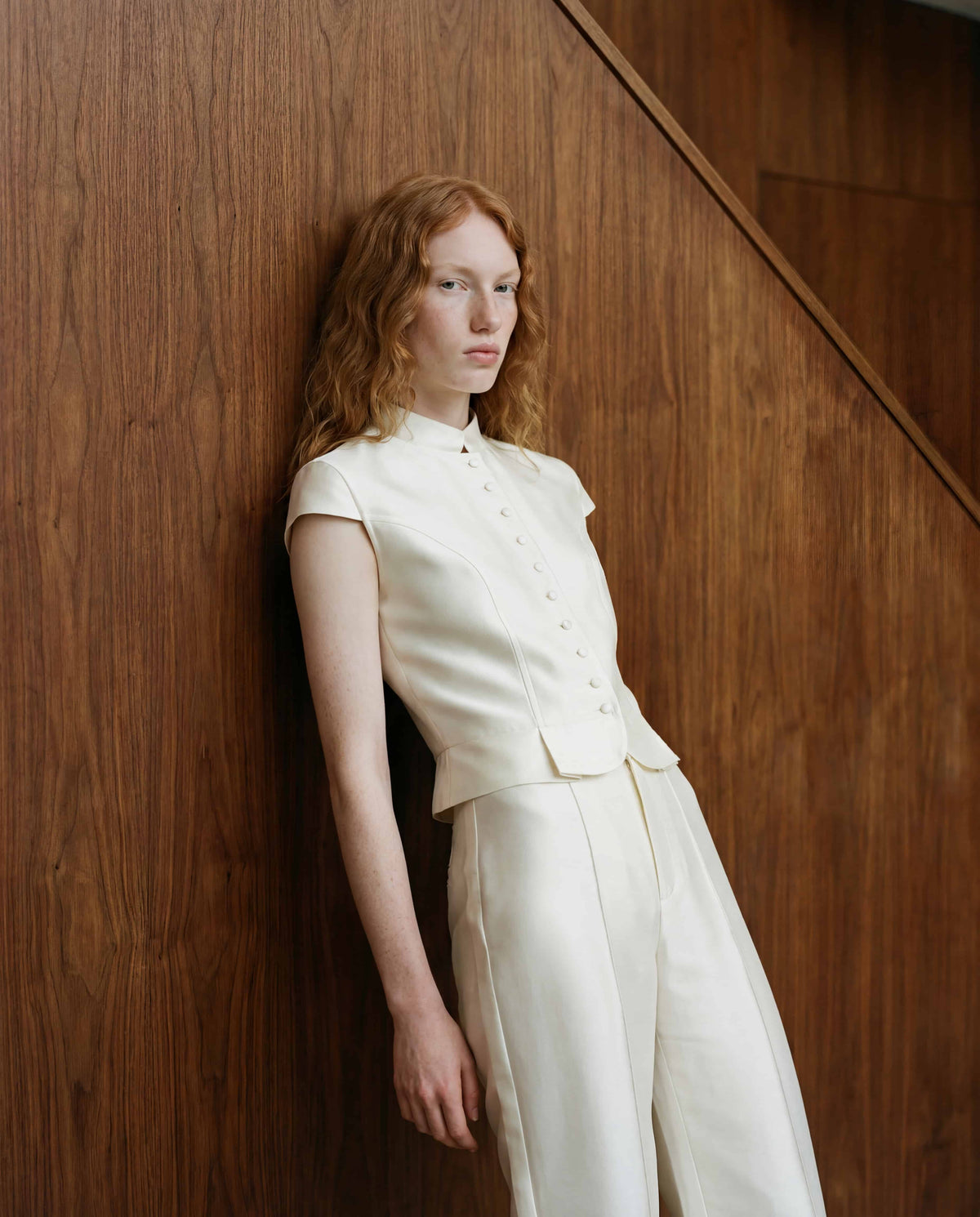
Destree was created in Paris in 2016 by Géraldine Guyot and Laetitia Lumbroso, with a point of view shaped by contemporary art. The label started with hats, moved through leather goods and jewellery, then expanded into ready-to-wear with the same structured, colourful and slightly off-centre attitude. These pieces are for a wardrobe that can handle a strong line and does not need everything to match.
ALAÏA
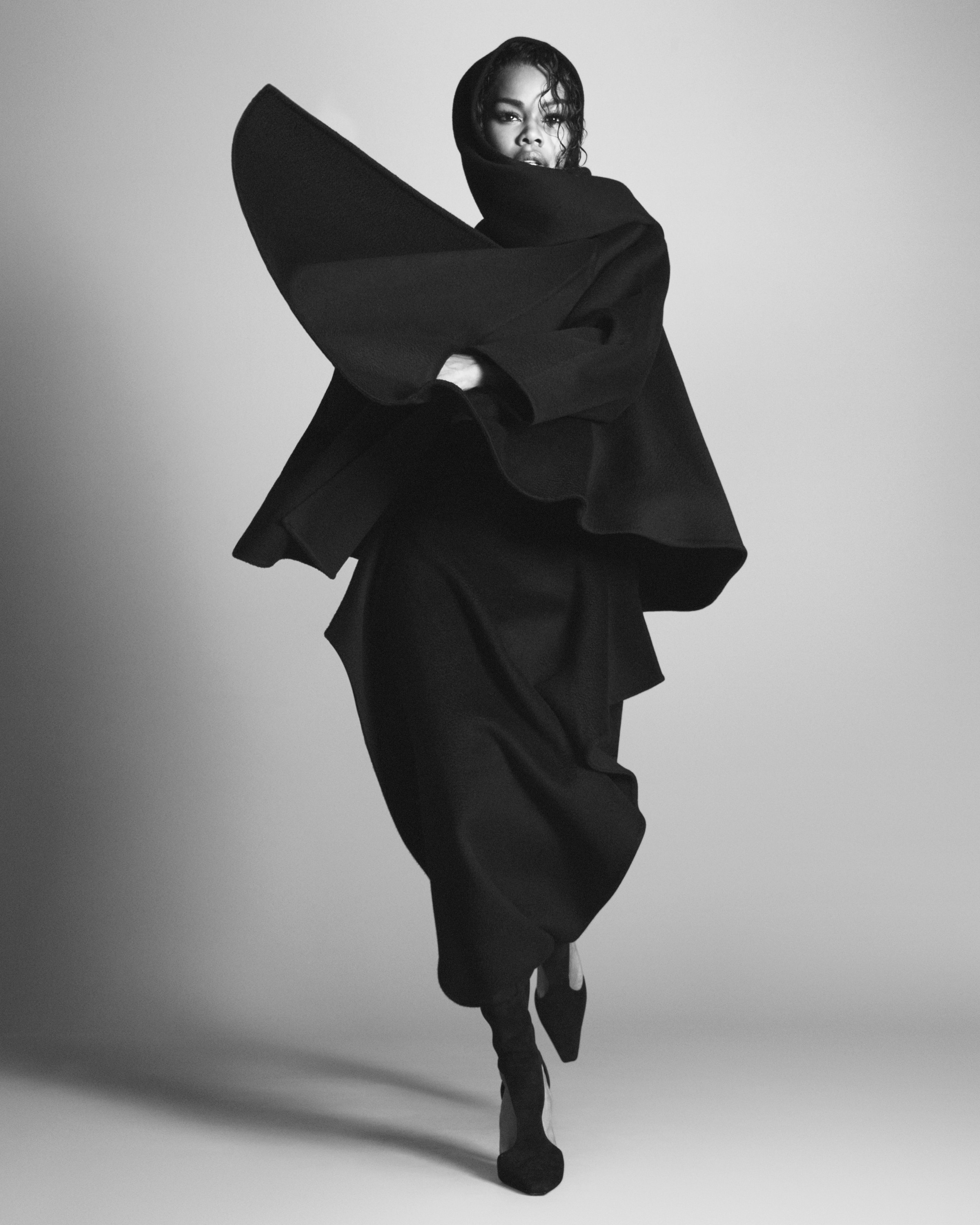
Azzedine Alaïa trained as a sculptor in Tunis before he ever cut a pattern, and it shows in everything the house has made since. He worked briefly at Dior, then Guy Laroche and Thierry Mugler, opened his own atelier in a Paris apartment on rue de Bellechasse in 1979, and built a body-first vocabulary that the industry has been borrowing ever since.

Alexis Bittar
Alexis Bittar started selling vintage jewellery on St Mark's Place in Manhattan at about thirteen, and by 1990 was hand-carving Lucite in his one-bedroom apartment with no design training at all. Bergdorf Goodman's fashion director Dawn Mello discovered him in 1992, which is the placement that made the career.