Accessories
Accessories
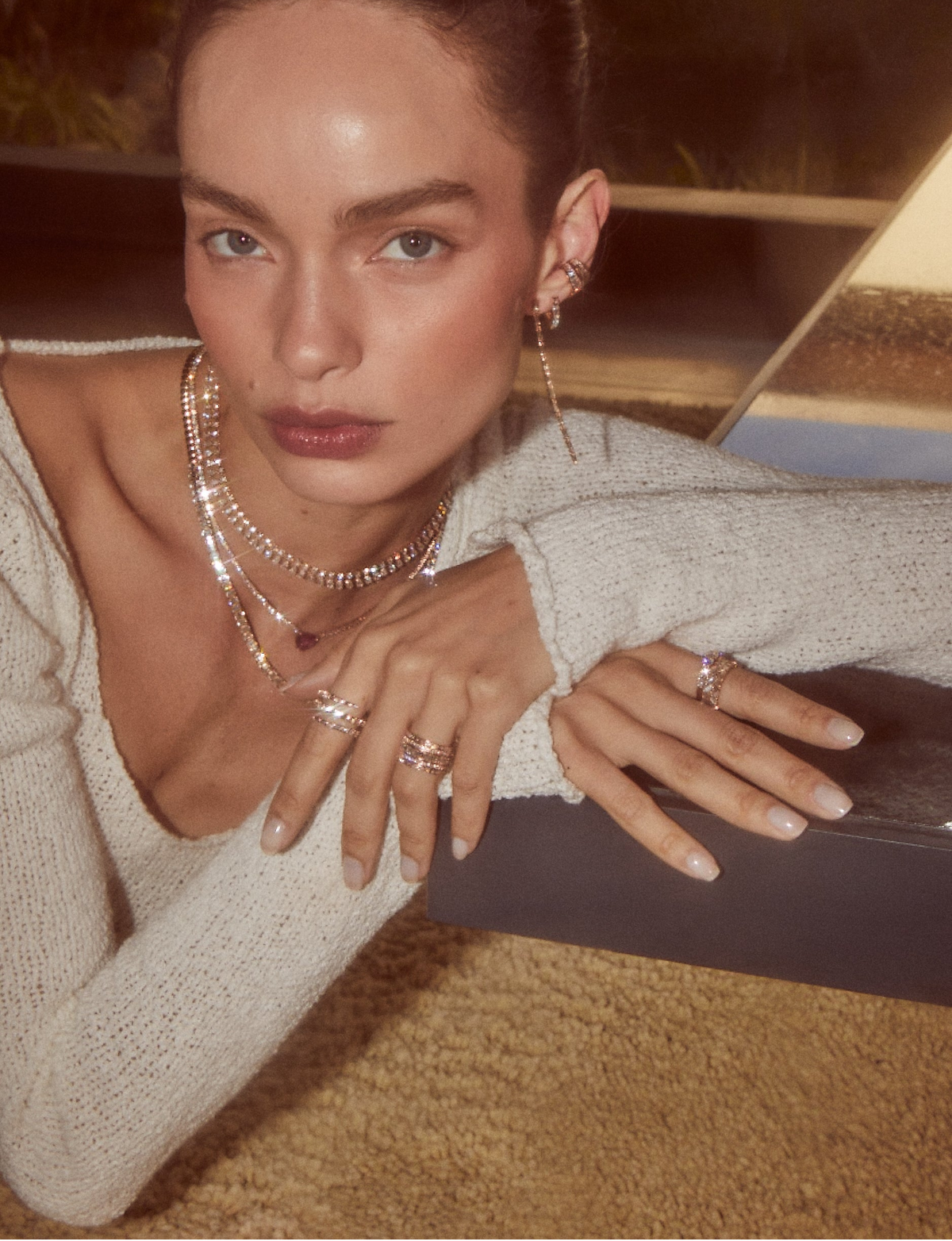
Anita Ko
Anita Ko brings a distinctly Los Angeles ease to fine jewelry, pairing diamonds and 18-karat gold with hoops, bamboo motifs and clean shapes designed for daily wear. Ko launched her namesake label in 2006 after making jewelry from a young age, building a contemporary alternative to the more formal codes she saw around her. The result is polished, personal and meant to leave the house.
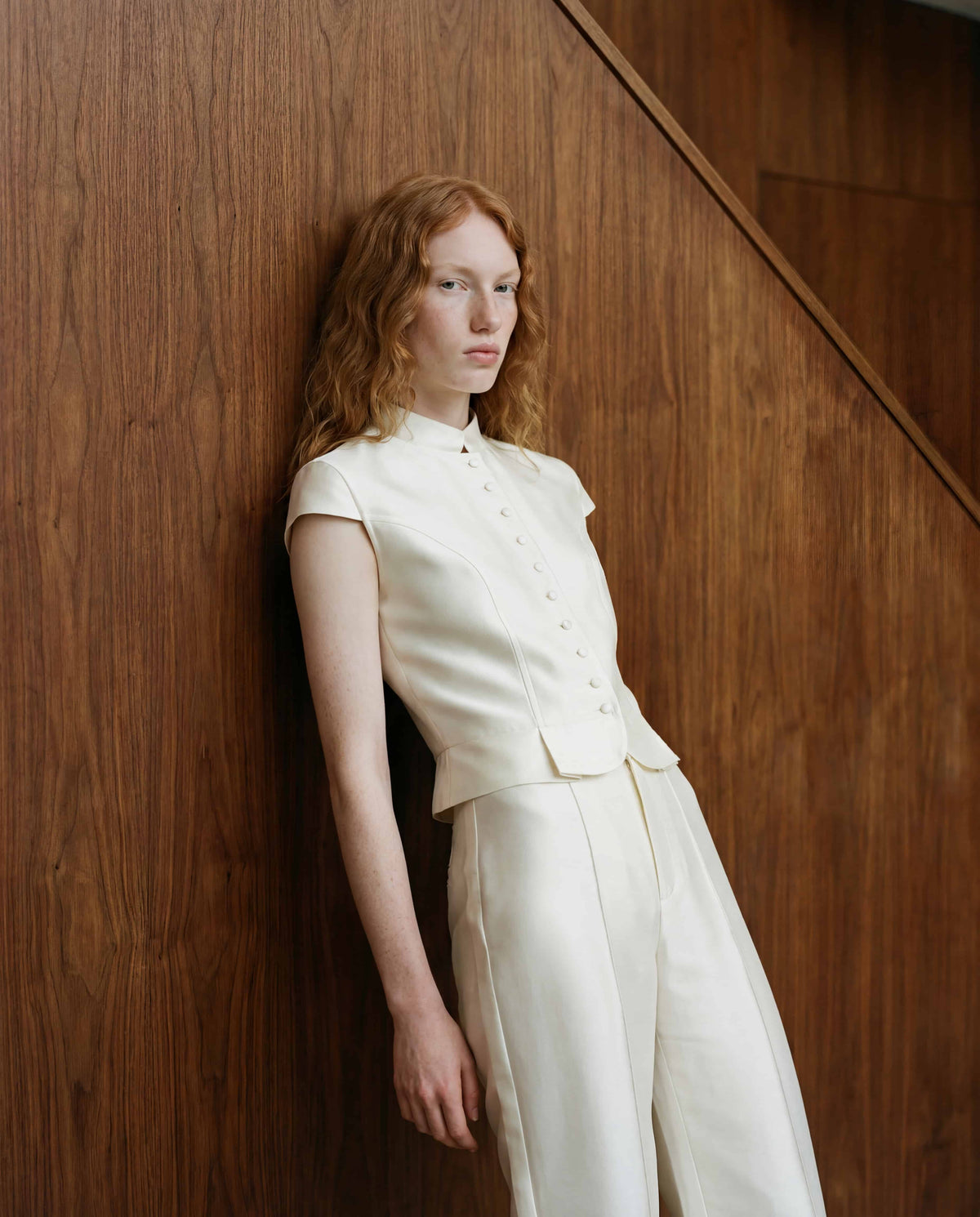
DESTREE
Destree was created in Paris in 2016 by Géraldine Guyot and Laetitia Lumbroso, with a point of view shaped by contemporary art. The label started with hats, moved through leather goods and jewellery, then expanded into ready-to-wear with the same structured, colourful and slightly off-centre attitude. These pieces are for a wardrobe that can handle a strong line and does not need everything to match.
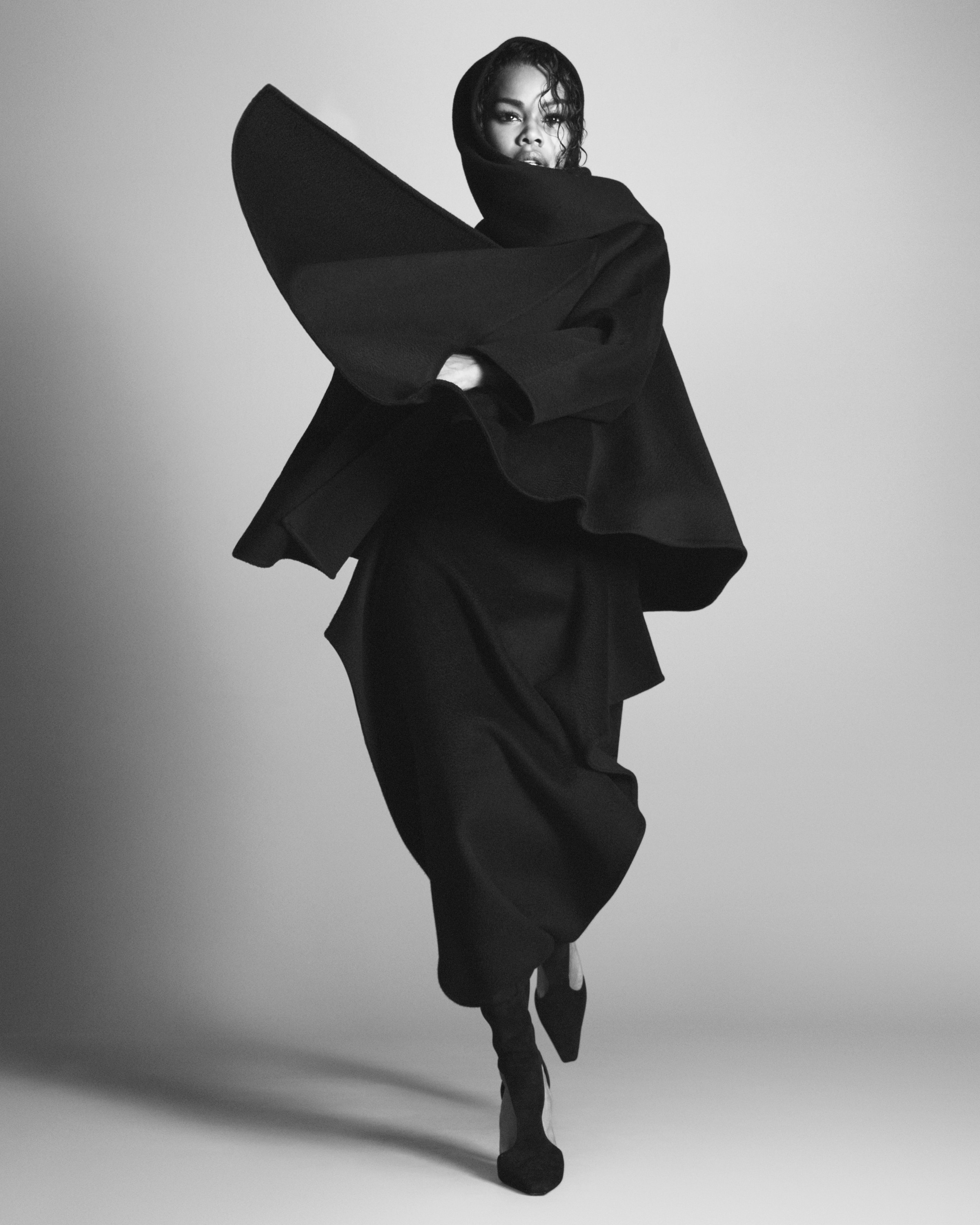
ALAÏA
Azzedine Alaïa trained as a sculptor in Tunis before he ever cut a pattern, and it shows in everything the house has made since. He worked briefly at Dior, then Guy Laroche and Thierry Mugler, opened his own atelier in a Paris apartment on rue de Bellechasse in 1979, and built a body-first vocabulary that the industry has been borrowing ever since.

Alexis Bittar
Alexis Bittar started selling vintage jewellery on St Mark's Place in Manhattan at about thirteen, and by 1990 was hand-carving Lucite in his one-bedroom apartment with no design training at all. Bergdorf Goodman's fashion director Dawn Mello discovered him in 1992, which is the placement that made the career.
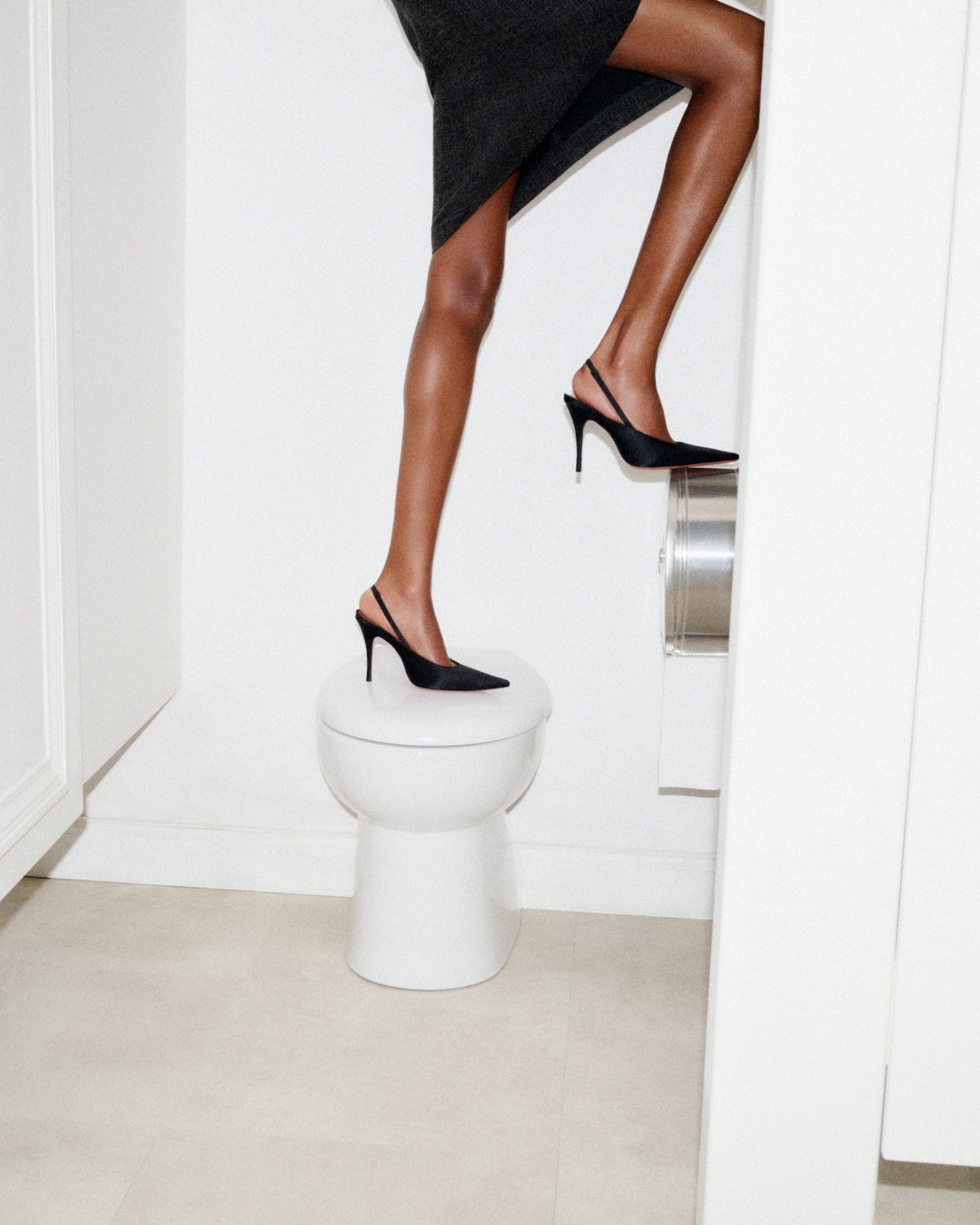
Amina Muaddi
Amina Muaddi was born in Romania in 1986 to a Jordanian father and a Romanian mother, studied fashion communication at IED in Milan, and worked as an assistant stylist at L'Uomo Vogue, Vogue Italia and American GQ. She then spent a year learning shoemaking from artisans in Riviera del Brenta, co-founded Oscar Tiye, left it, and launched her own label in August 2018.
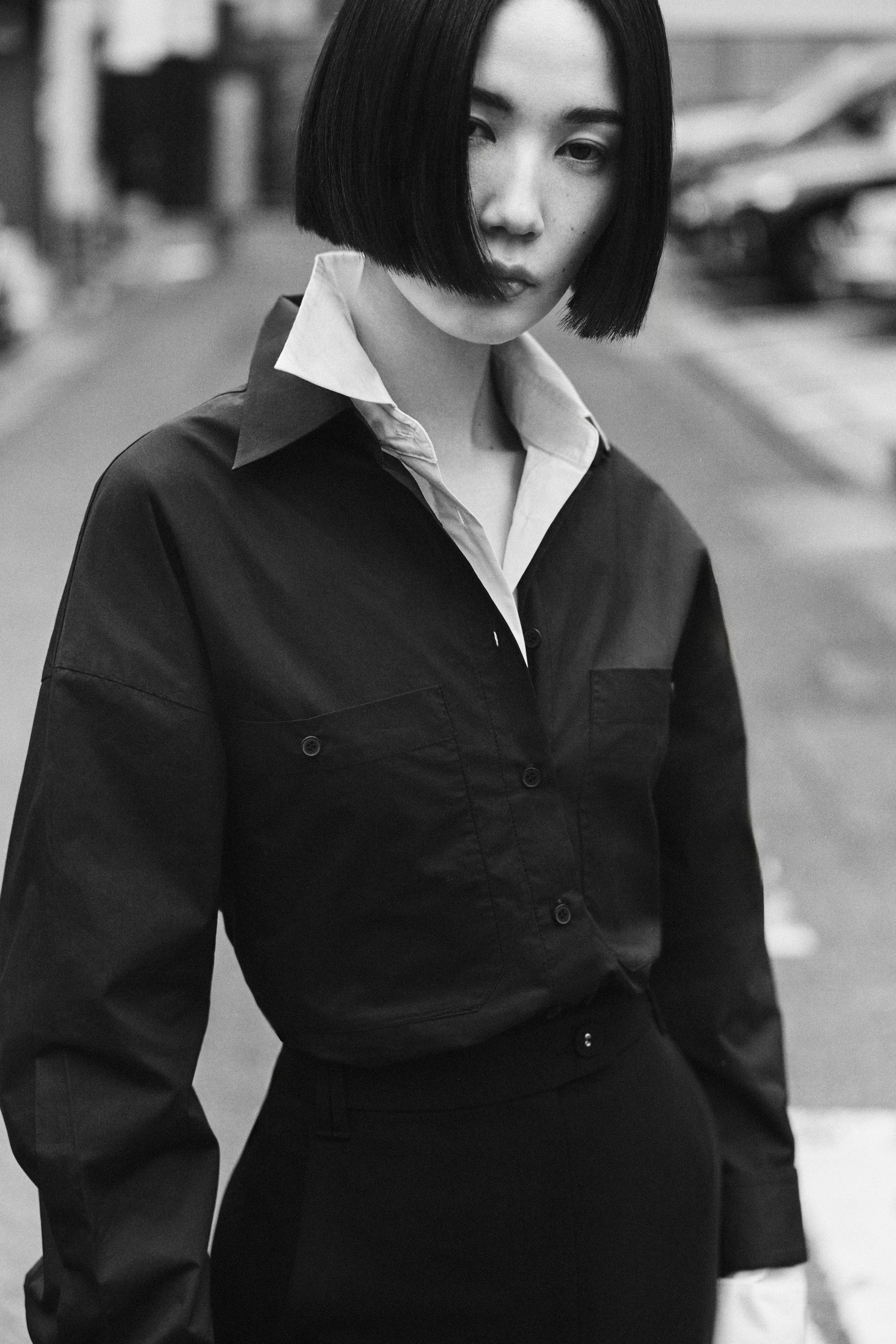
A.Emery
Anna McLaren interned at The Row, spent 2014 to 2017 designing womenswear at the Australian retailer Witchery, and launched A.Emery in Melbourne in 2017 with six sandal styles, all of them entirely black. It is still self-funded.

Salomon
Salomon was founded in 1947 in Annecy, France, by François Salomon, who began by making wood saw blades and steel ski edges with his wife and son Georges in a small workshop. Georges pushed the company toward skiing specifically, patenting safety bindings and eventually the first rear-entry ski boot, and that same engineering-first approach now defines the trail and outdoor shoes the brand is known for.
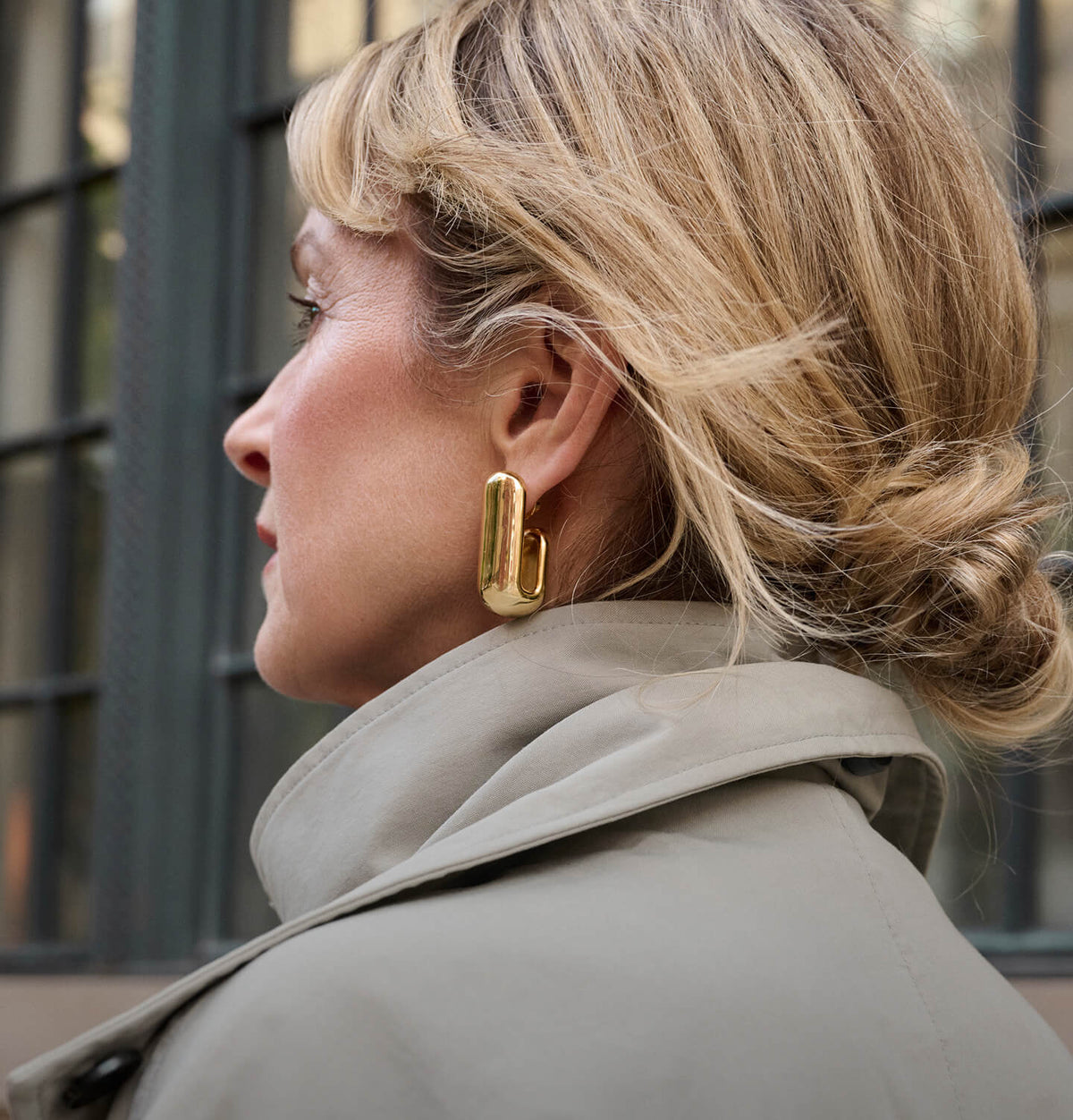
The Fall Accessory Reset
Accessories stopped being the afterthought somewhere around the time clothes got quieter. When the outfit is a coat and a trouser, the bag and the earring carry the entire argument. This edit sorts the season's crop by what each piece is actually doing.
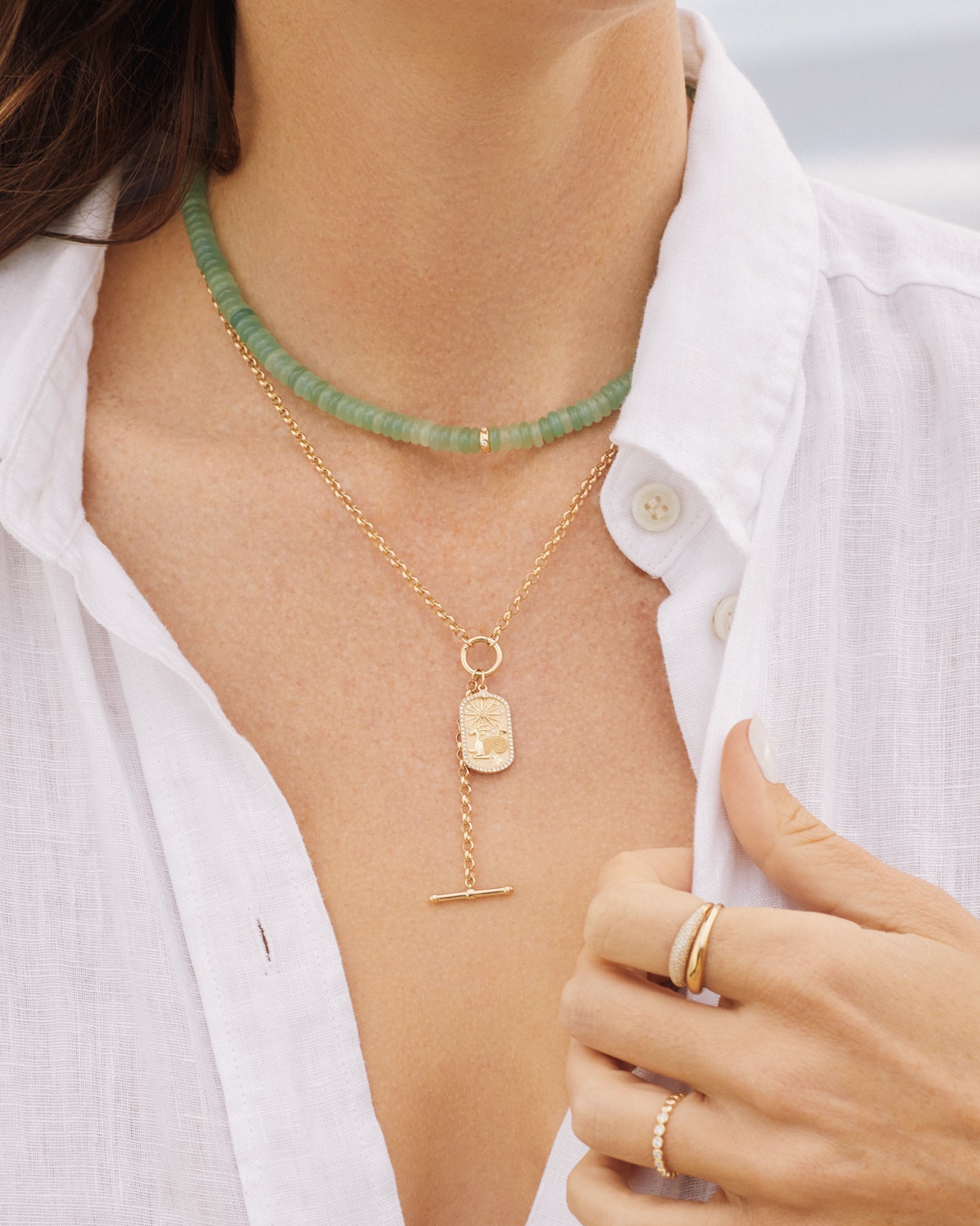
EF Collection
Emily Faith Strauss started EF Collection in Los Angeles in 2010, initially curating other designers' jewelry for trunk shows before she began designing her own pieces by 2013. The line took its name from her own initials and built a following on 14 karat gold and diamonds in stacking, huggie and charm formats that read as fine jewelry without the stiffness.
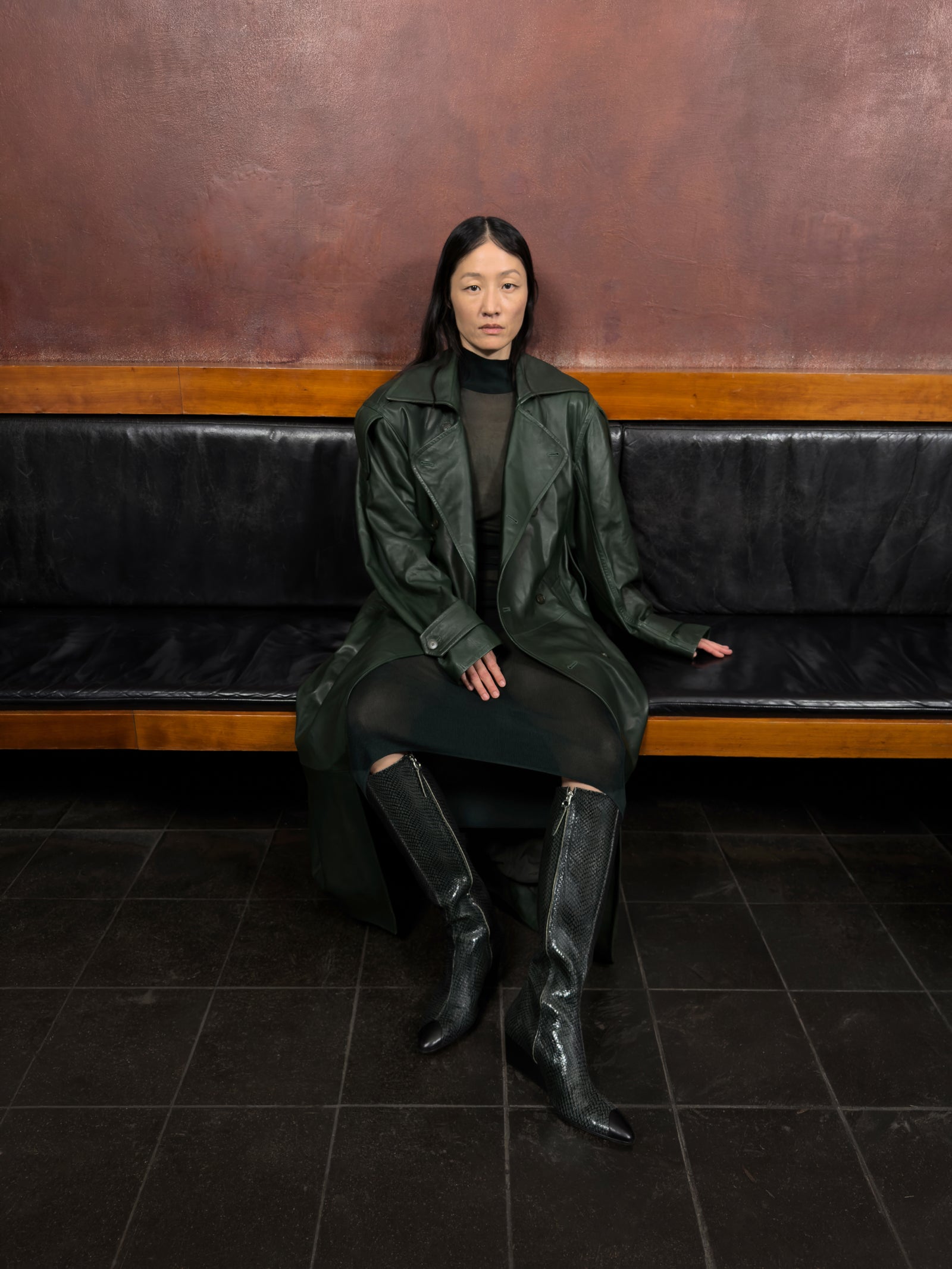
Aeyde
Aeyde was founded in Berlin in spring 2015 by Luisa Dames and Constantin Langholz-Baikousis, who met in 2011 working at Zalando, where Dames ran the private-label division and its production across India, Bangladesh and China. They launched with about twelve pairs of shoes made in family-owned factories in Italy's Marche region.
Cult Gaia
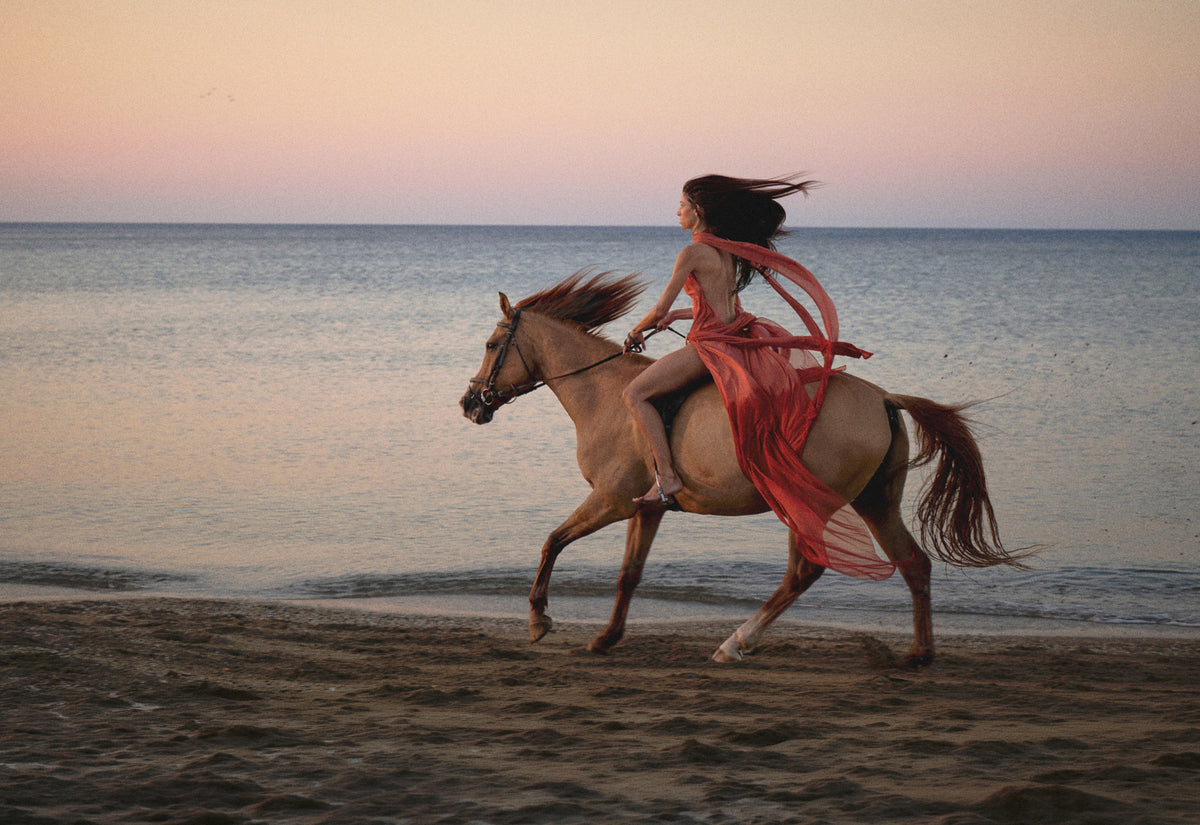
Jasmin Larian started Cult Gaia in 2012, making flower crowns and wired-fabric headbands for friends around New York while she was training at FIT. The label found its real signature in the bamboo Ark bag, a sculptural, unmistakable shape that turned a slow-burning accessory into one of the decade's most photographed bags and pushed the brand into ready-to-wear, footwear and eventually bridal.

Déhanche
Erin Webb, a California native who had already spent fourteen years in Paris and co-founded the outerwear label Nour Hammour, launched Déhanche in March 2022 with four belt styles. The name is French for the asymmetrical hip tilt seen in ancient Greek statues, and Webb designs each buckle like a piece of jewelry, cast-moulded rather than stamped, made in Italy to a specification she spent a year perfecting.

Bembien
Yi-Mei Truxes launched Bembien in 2017 in Brooklyn after six years running marketing for Vogue, following a chance sighting of a stranger's disheveled straw bag on a downtown street. The label works almost entirely through artisan weavers in Bali, treating a basket bag as a craft object rather than a factory good

Golden Goose
Alessandro Gallo and Francesca Rinaldo started Golden Goose in a garage in Marghera, near Venice, in 2000, when they were both in their early twenties. The brand's entire identity rests on a single idea introduced in 2007, the Super-Star sneaker, hand-distressed until it looks like it has already lived a life before you bought it.
Chan Luu
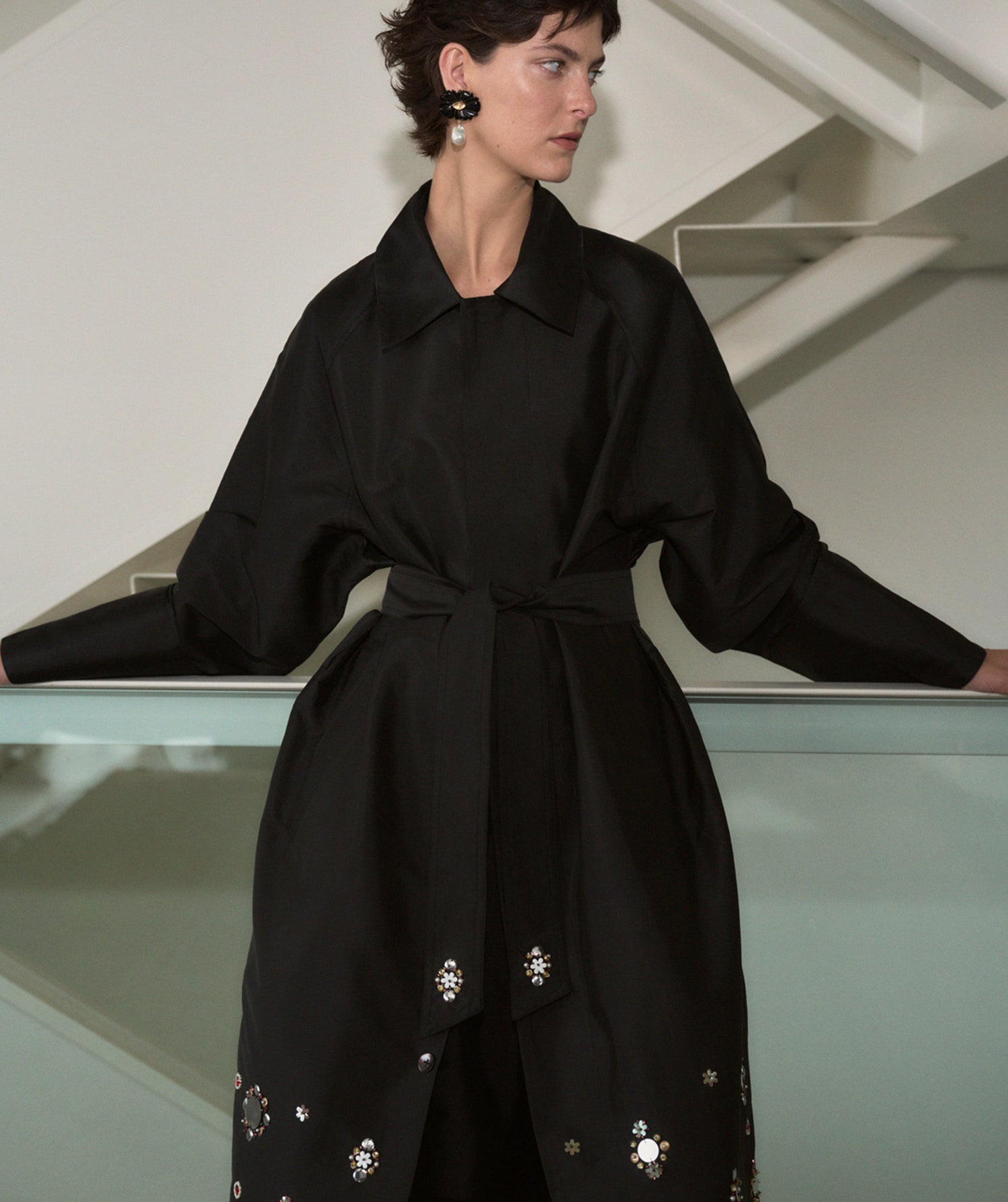
Chan Luu started her namesake line in 1996 out of a Los Angeles garage, after two decades working retail floors and buying desks around the fashion industry. The label built its name on handmade jewelry produced with artisans in Vietnam and India, the kind of wrap bracelets and beaded pieces that made her a fixture on 2000s red carpets long before hers was a household name.

Ben-Amun
Isaac Manevitz, an Egyptian-born designer who had worked for costume houses like Trifari, started Ben-Amun in New York in 1980, naming it for his eldest son and the pharaoh Tutankhamun. The brand never pretended to be fine jewelry: it built its name on hand-finished pieces in electroplated gold, Czech glass and Majorca pearls, made to photograph and move like the real thing, which is exactly what got a Ben-Amun cuff onto Jackie Kennedy Onassis's wrist in 1989.
Black Suede Studio
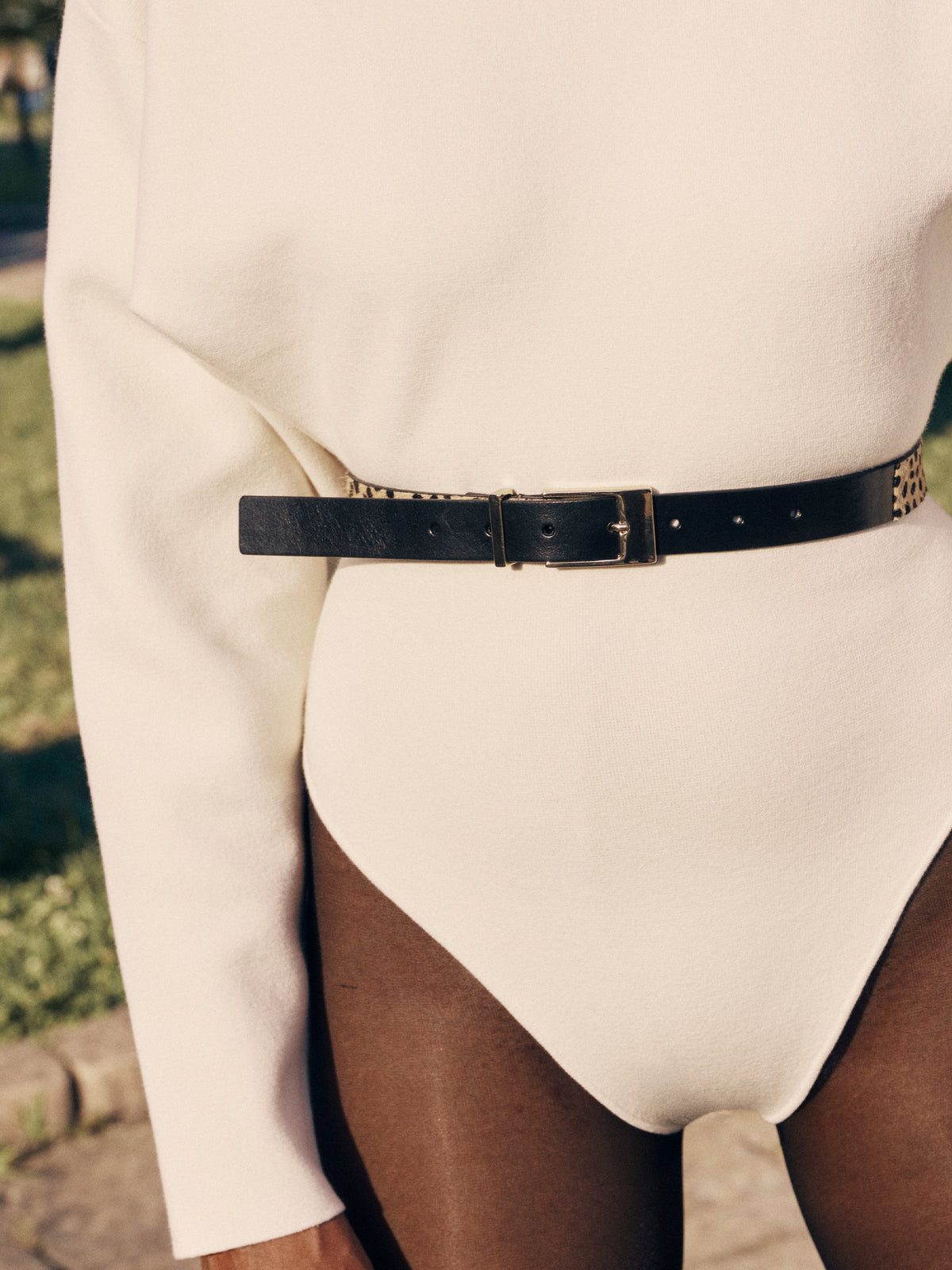
Kris Avakian launched Black Suede Studio out of Montreal in 2018, after years spent inside his family's accessories manufacturing business, including a stint running quality control at their factory in Qingdao, China. The label's whole premise was closing a gap he saw in footwear: shoes with real quality and comfort at a level nobody else was hitting, a conviction strong enough that he later moved production to Brazil to get the craftsmanship right.
Jacquemus
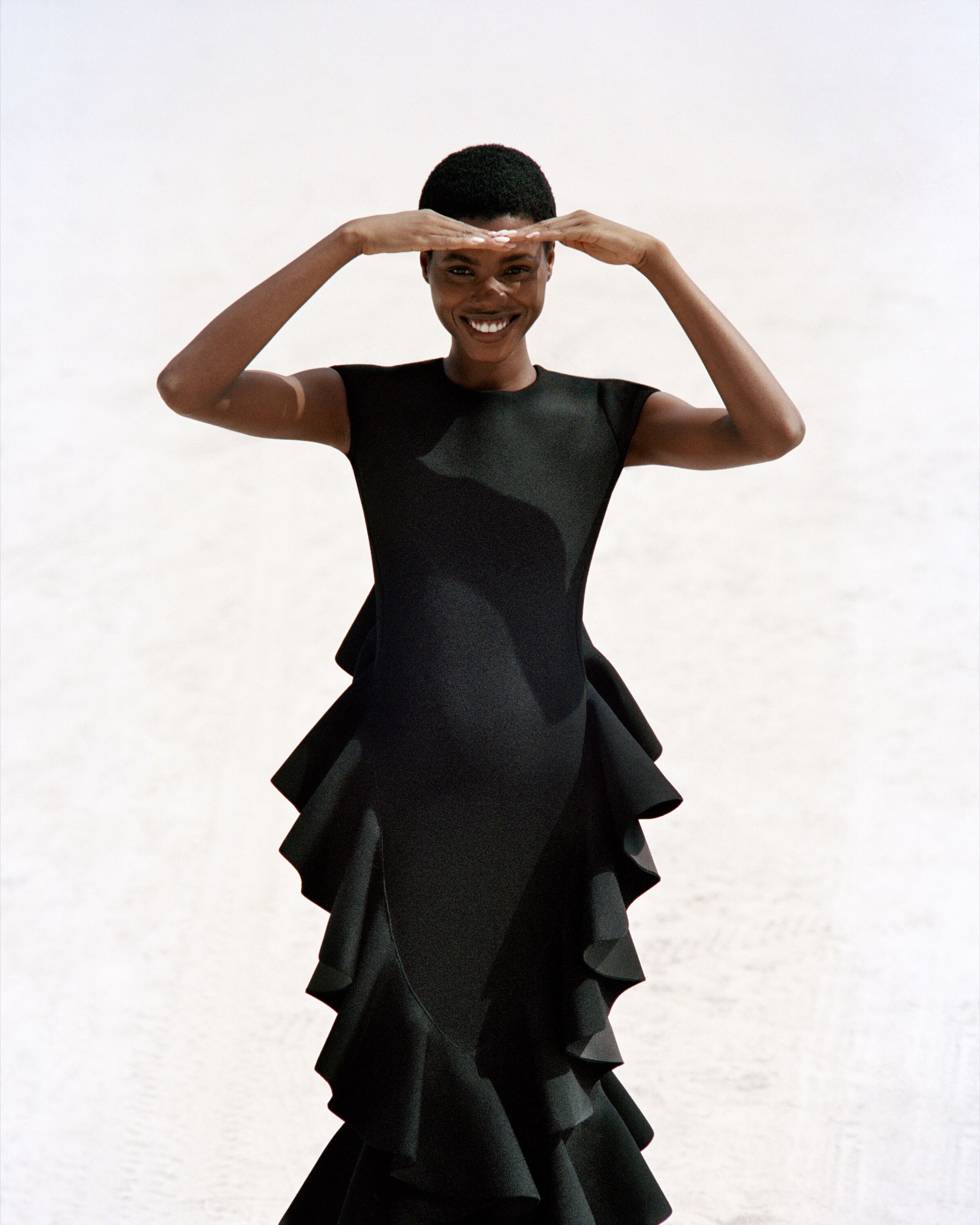
Simon Porte Jacquemus founded his label in Paris in 2009, at twenty, naming it after his mother's maiden name the same year she died, a loss he has described as the shock that pushed him to start designing. The house grew from a one-man operation into an independent fashion company with hundreds of employees, opening its first permanent store on Avenue Montaigne in 2022 after years of building a name through inventive presentations and a fast-growing digital following.

Chloé
Gaby Aghion started Chloé in Paris in 1952, naming the house after a friend because a woman of her social standing was not supposed to have a job. The label made its name by treating luxury as something you could wear off the rack rather than have fitted at a couture house, and it kept proving that with the designers who passed through, from Karl Lagerfeld to Stella McCartney to Phoebe Philo.
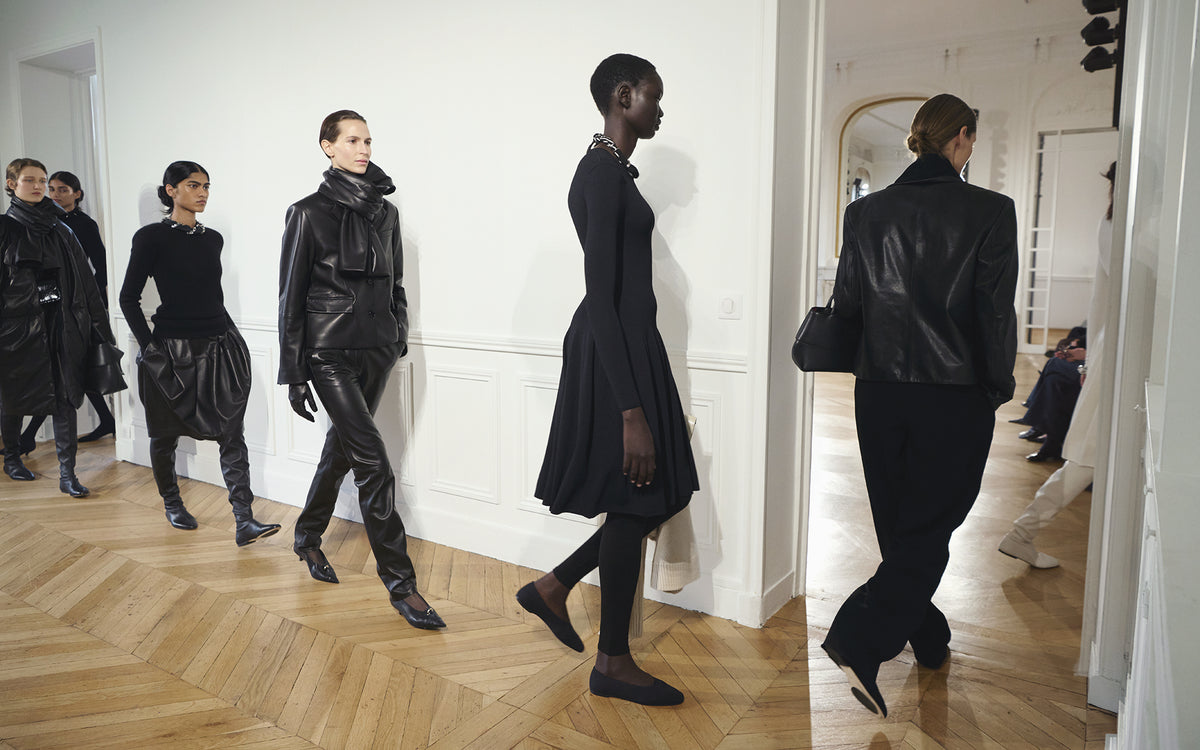
Toteme
Elin Kling, a Swedish fashion journalist, and Karl Lindman, an art director who had worked with Interview magazine, founded Toteme in New York in 2014, the same year they married, before moving the company back to their native Stockholm in 2016. The name started as Totem until Kling suggested softening it with a final e, and the label built its identity on pared-back Scandinavian tailoring: poplin shirtdresses, boxy bouclé jackets and a signature fringed scarf detail.
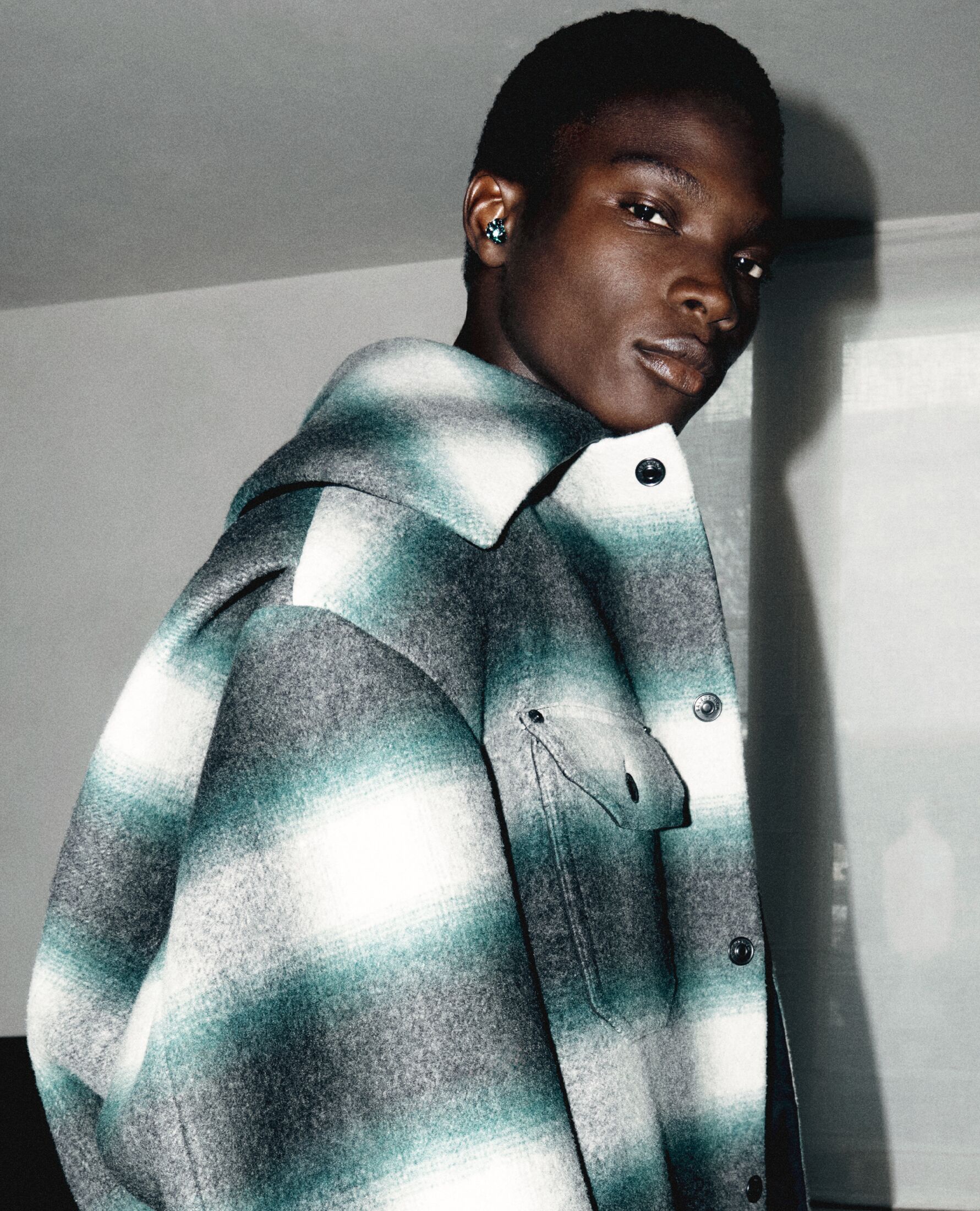
Balenciaga
Cristóbal Balenciaga opened his first atelier in San Sebastián in 1917, then moved the whole operation to Paris in 1937 once the Spanish Civil War made staying home impossible. What he built there was less about decoration than engineering: the sack dress, the cocoon coat, silhouettes cut with such structural control that Dior reportedly called him the master of the rest of them.
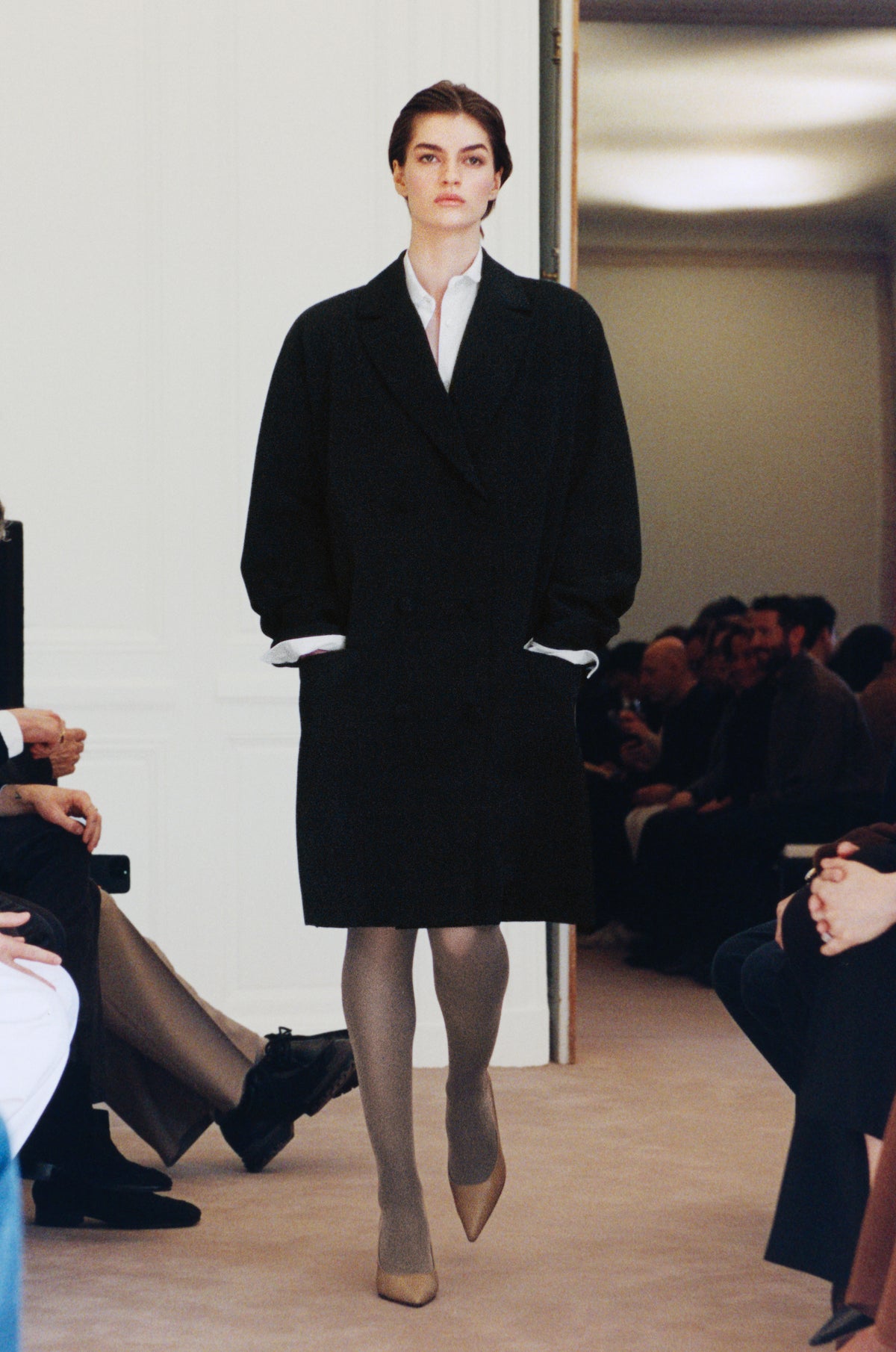
The Row
Mary-Kate and Ashley Olsen founded The Row in New York in 2006, after Ashley spent a year trying to design an ideal, no-logo white T-shirt and the pair built it into a seven-piece debut collection that Barneys bought in full. They named it after Savile Row and, for its first three years, gave no interviews about it at all, betting the clothes could carry the label without their names on it.
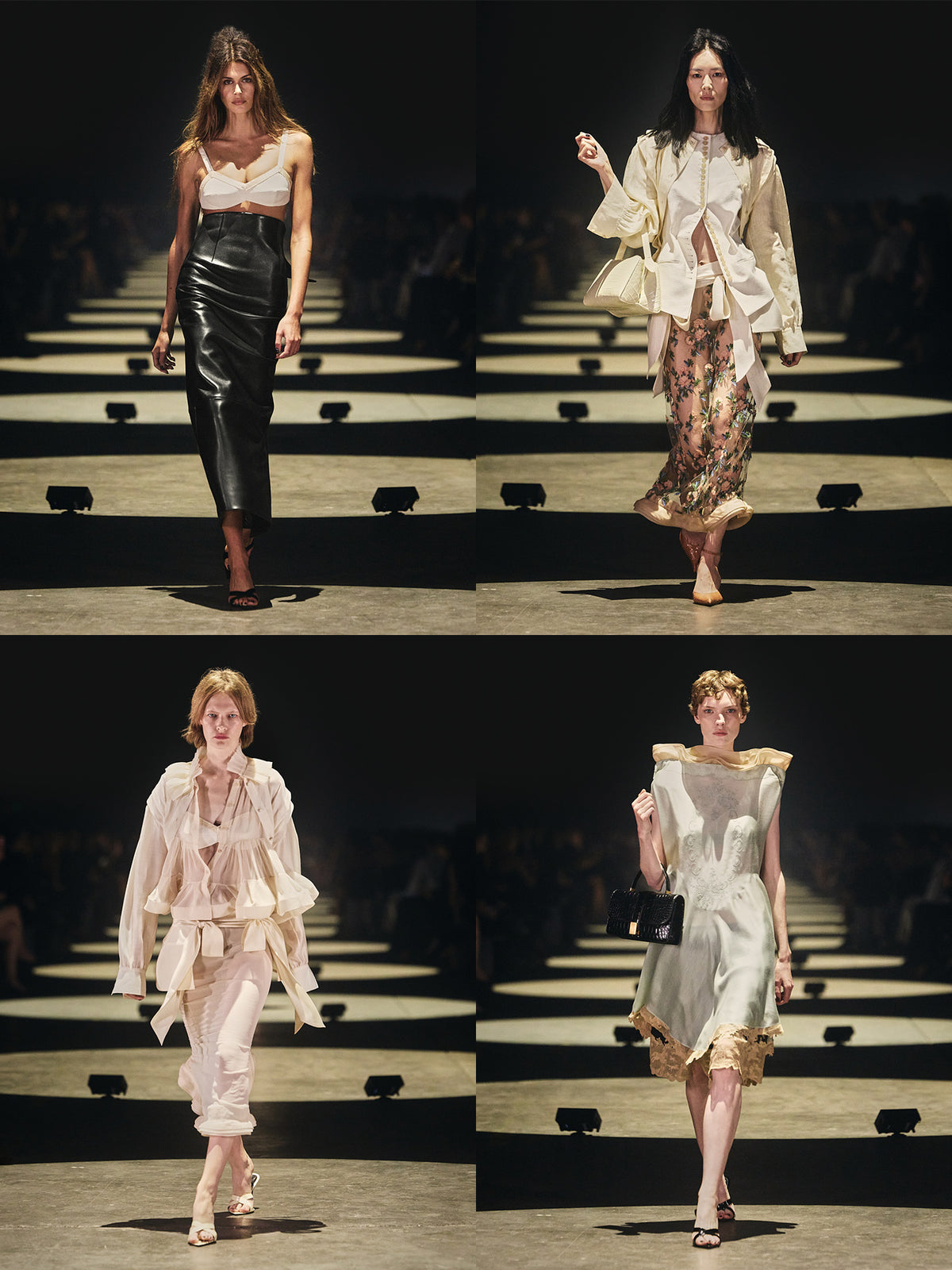
Khaite
Catherine Holstein launched Khaite in New York in 2016 with backing from Adam Pritzker's Assembled Brands, after a first eponymous label she started as a Parsons student closed in the 2008 financial crisis and a five-year run designing for Gap, Vera Wang and The Elder Statesman taught her the parts of the business she'd missed the first time. The label opened on denim and cashmere knitwear before adding runway shows in 2019 and an in-house bags and footwear line the same season, and Holstein still designs under a name modeled on the Greek word for long, flowing hair.

Roxanne First
Roxanne First makes fine jewelry feel personal, playful, and easy to wear before it becomes formal. South Africa-born, London-based founder Roxanne First launched her namesake studio in 2018 after a decade in luxury marketing and a growing side practice designing engagement rings for friends. Diamonds, colored stones, and charming shapes give the collection its direct emotional pull.