Bags
Bags

Why Everyone Suddenly Owns a Demellier Bag
A demellier bag is the quiet answer to a decade of logo-forward handbags, built by a London label that treats a curved handle and a soft structure as the whole design. The brand runs eight core shapes rather than seasonal drops, so buying one is closer to picking a silhouette than chasing a trend. Below is how those shapes actually differ once you need to choose between them.

The Tabby Coach Bag
Why Nineties Hardware Never Left

Steel Magnolia
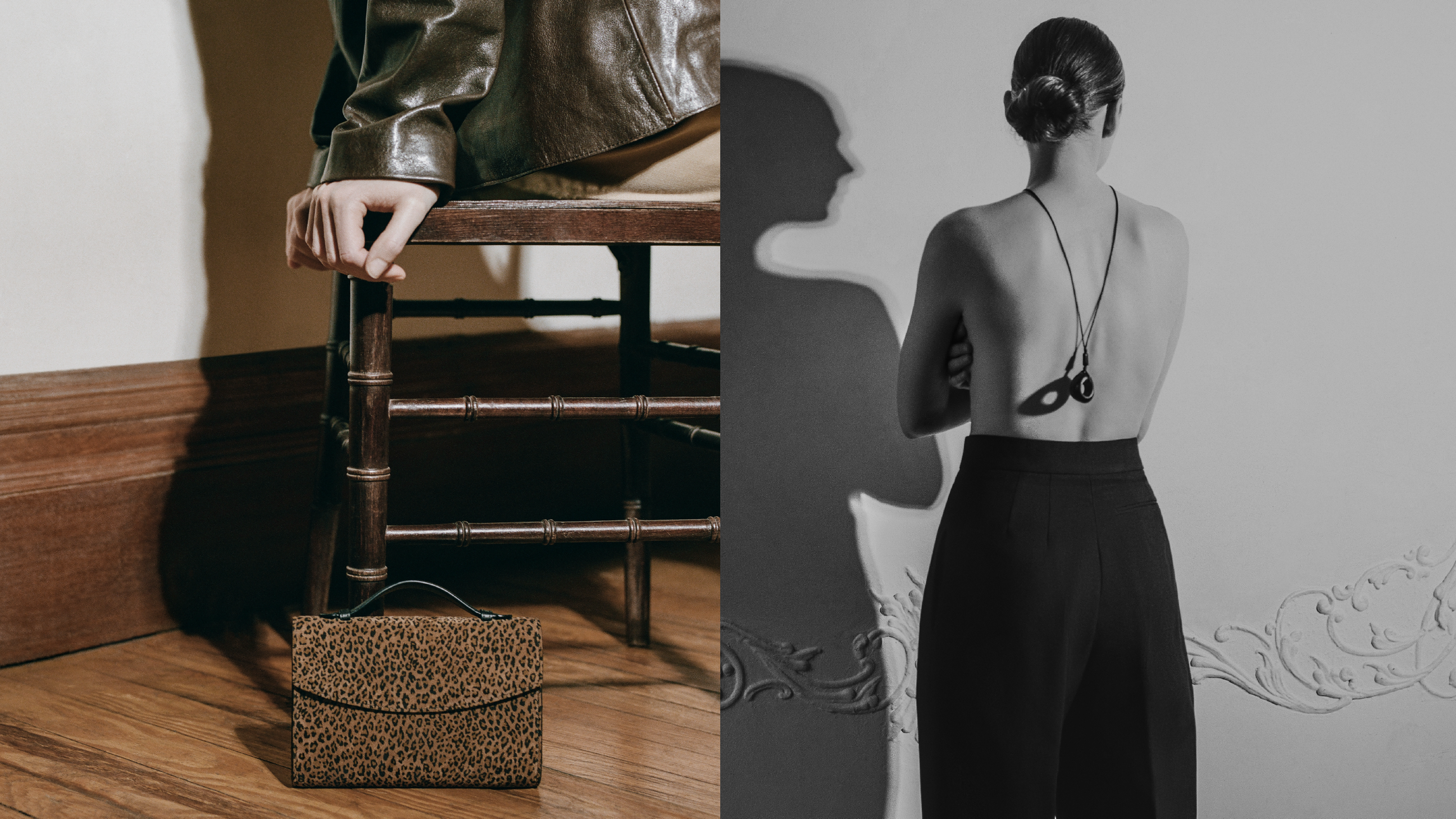
metallic and cool-toned rigid fabrics all in one spot.
Hunting Season
Hunting Season was founded by Danielle Corona in 2006 after her time at Valentino, with a point of view shaped by old films, English manor houses and the idea that a handbag can be wearable art. Production now works with artisans in Colombia, where natural fibers and tagua seeds become woven bags, leather pieces and jewelry. The result is restrained enough for daily use but never anonymous.

Isabel Marant
Isabel Marant started sewing at fifteen after asking her father for a machine, then trained at Studio Bercot and apprenticed under Michel Klein before launching her own label in 1994 out of a Paris squat courtyard runway show. Her first boutique opened in 1998 on rue de Charonne and remains the flagship today, the same neighborhood logic she's built her entire aesthetic around: Parisian, unbothered, dressed like you didn't try. She's the designer credited with putting the wedge into the sneaker around 2010, a shoe that a decade later is still copied more than it's matched.
Loeffler Randall
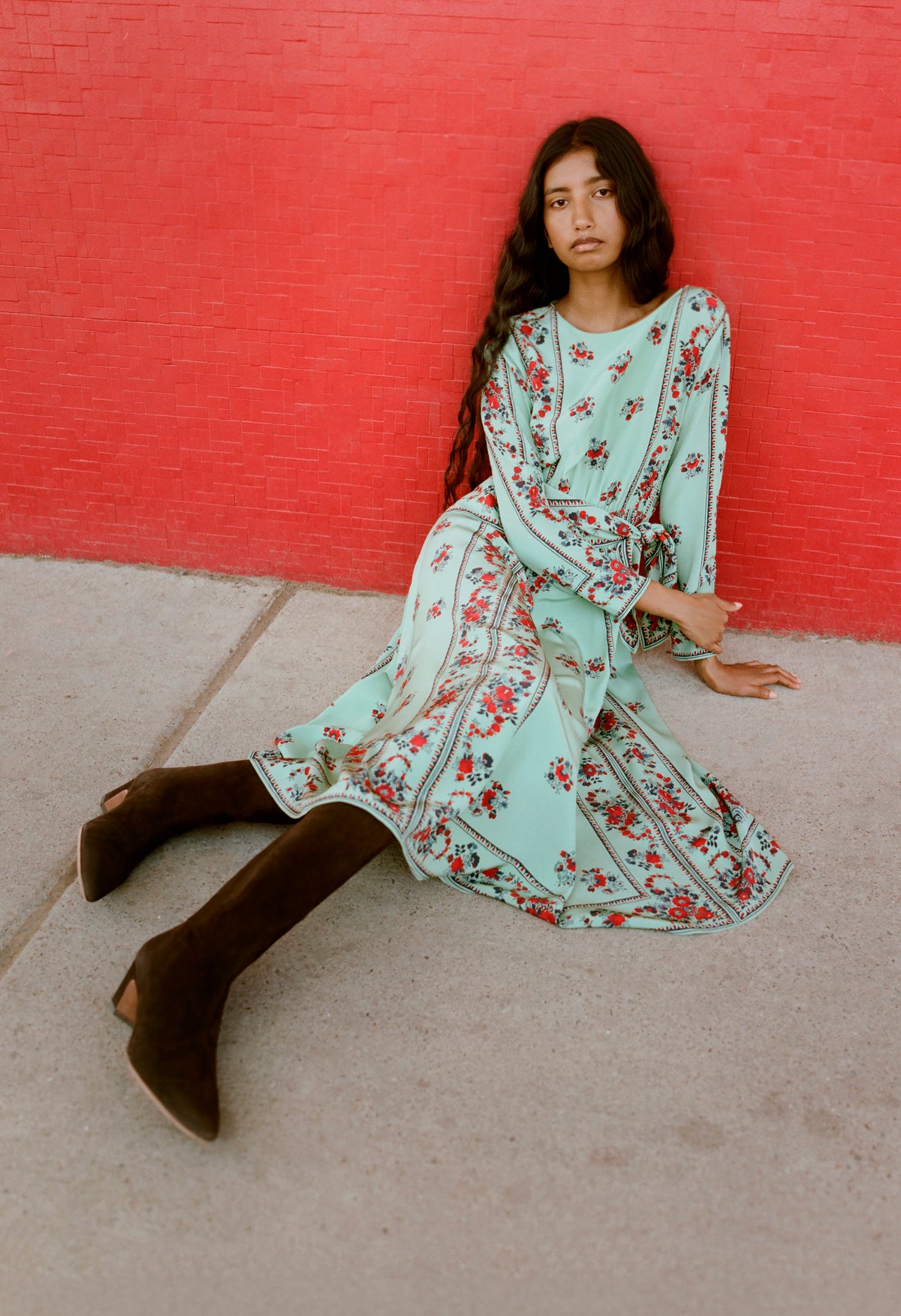
Jessie Randall sketched the brand's first collection from a Cobble Hill garden apartment in 2004, her dog in her lap, while her husband Brian worked full-time in advertising to support them both. He cut up their wedding invitation and tucked pieces of it into the footbed of an early prototype alongside her middle and last names, which is how the brand got its own. Bergdorf Goodman picked up that debut collection in its very first season, and Jessie went on to win the CFDA's Swarovski Award for Accessory Design just two years later.
NEOUS
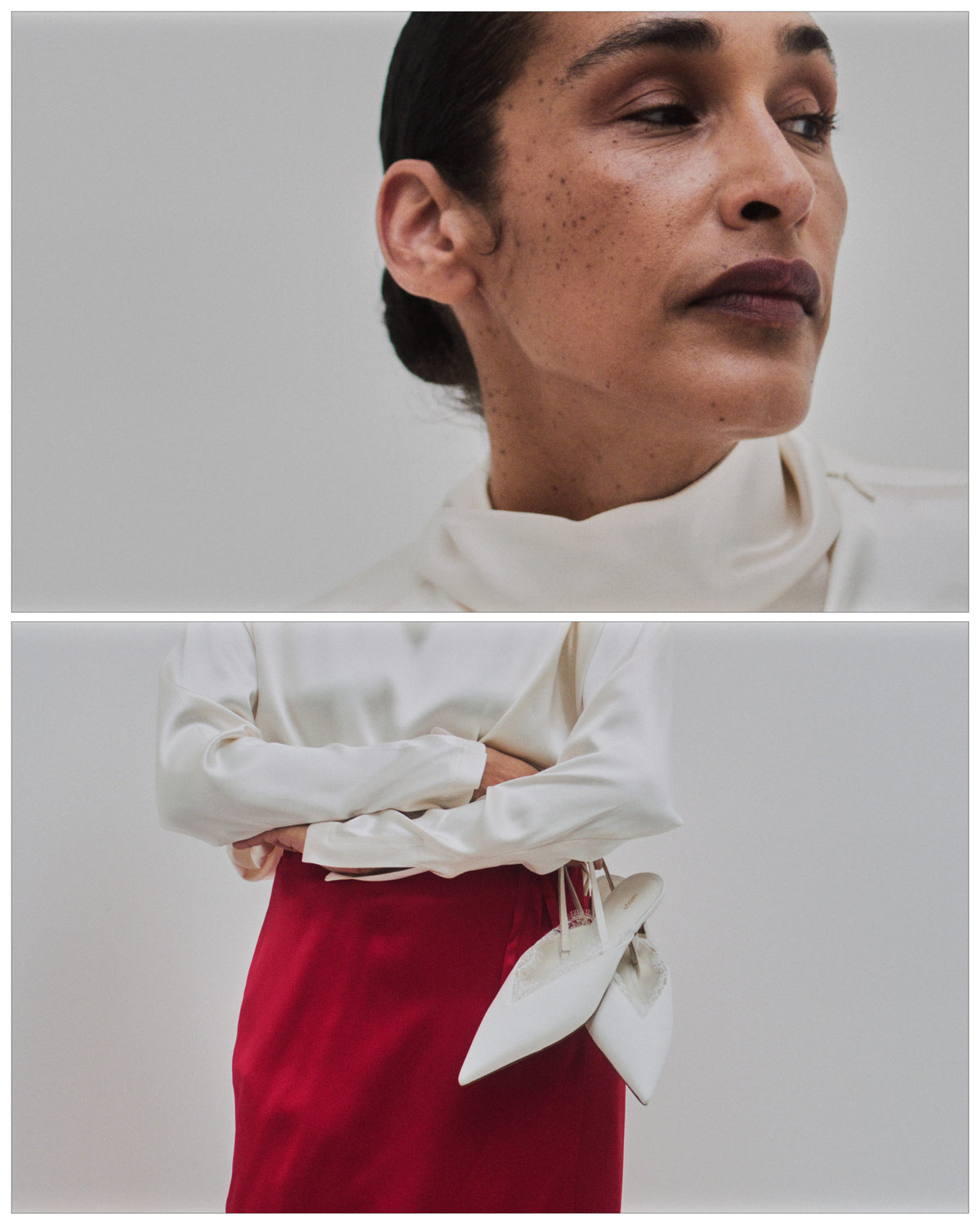
NEOUS makes shoes and bags for people who like a little architecture in their wardrobe. Founded in London by Australian stylist Vanissa Antonious in 2017, the label began with wearable heels and later expanded into handbags. The shapes are clean, but the materials and curves keep them from reading as anonymous minimalism.

Liffner
Liffner builds handbags around the Scandinavian idea that restraint can still have a pulse. Founded in Stockholm in 2012 by Paulina Liffner von Sydow, the brand pairs expressive minimalism with Italian craftsmanship and small-batch production. Croc effects, calf hair, raffia and tassels add a little mischief to shapes that remain remarkably composed.
RUE de VERNEUIL
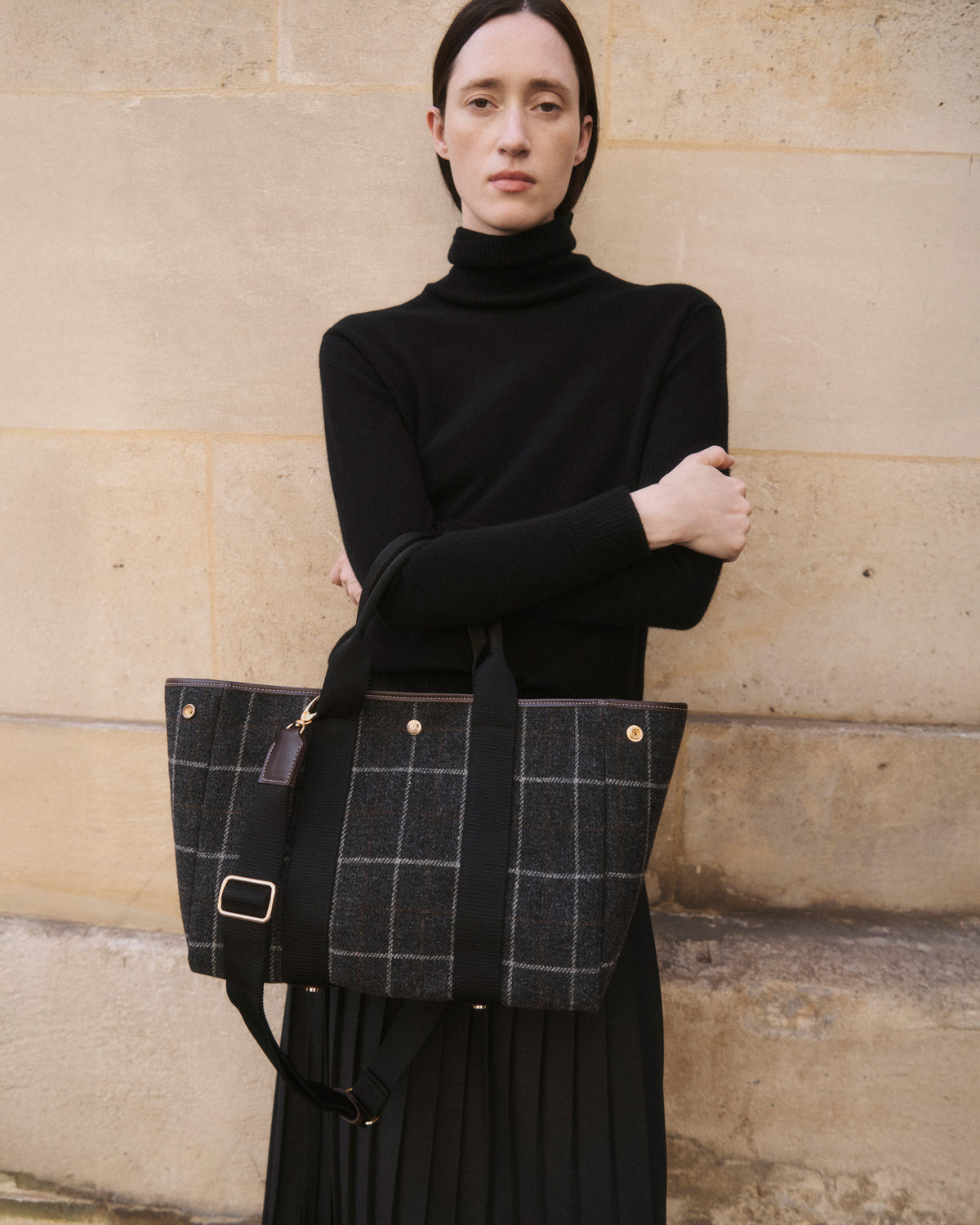
RUE de VERNEUIL treats the everyday tote as a small piece of Parisian architecture. Founded in 2014 by Vincent Ribat, a former interior designer, the label draws on the American tool bag and the quiet order of Saint-Germain-des-Prés. Its appeal is practical rather than performative, with sturdy textiles, leather trim and shapes that make room for actual life.
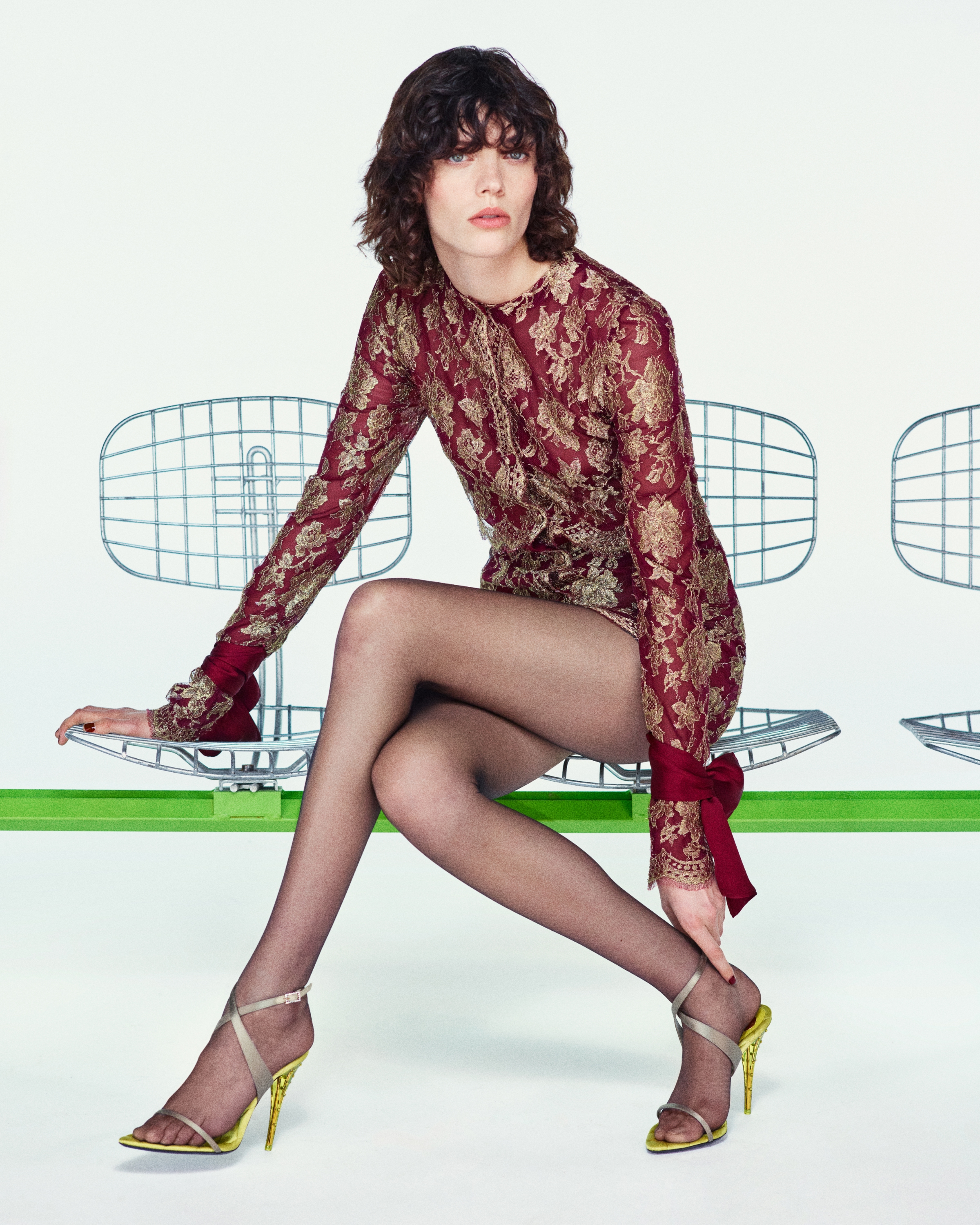
Saint Laurent
Yves Saint Laurent and Pierre Bergé opened the house in Paris on December 4, 1961, after Saint Laurent's dismissal from Christian Dior, where he had been chief designer since age twenty one. The label reshaped fashion twice over, first with Le Smoking, the tuxedo suit for women, then with the 1966 Rive Gauche line that made designer ready-to-wear a real category, and it has since passed through Tom Ford, Stefano Pilati, Hedi Slimane and now Anthony Vaccarello.
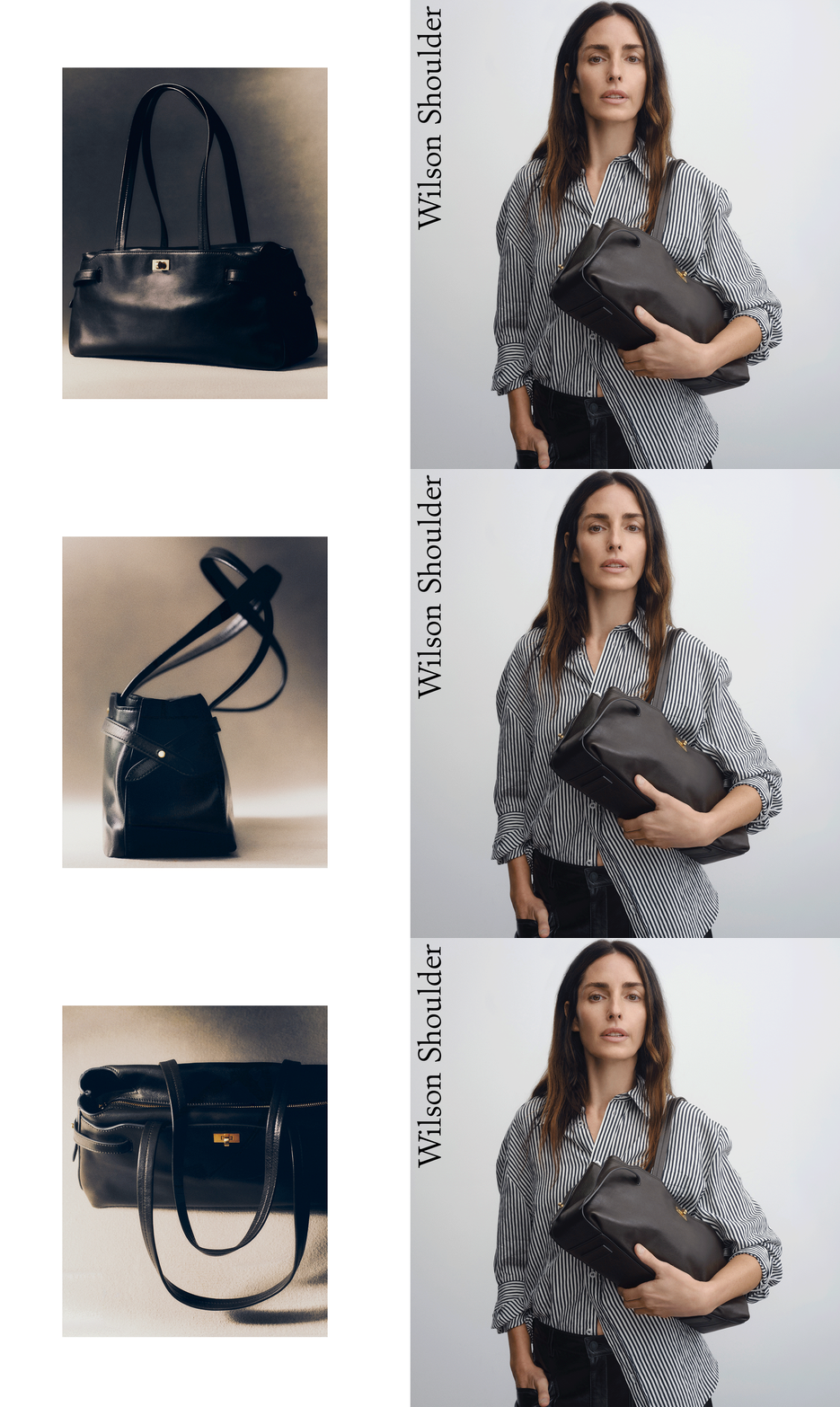
Anya Hindmarch
Anya Hindmarch started her label in London in 1987 at nineteen, with no design school behind her, after a year in Florence learning the leather trade from the craftsmen who worked in it. She sold her first five hundred bags through a magazine offer and used the proceeds as start-up capital.
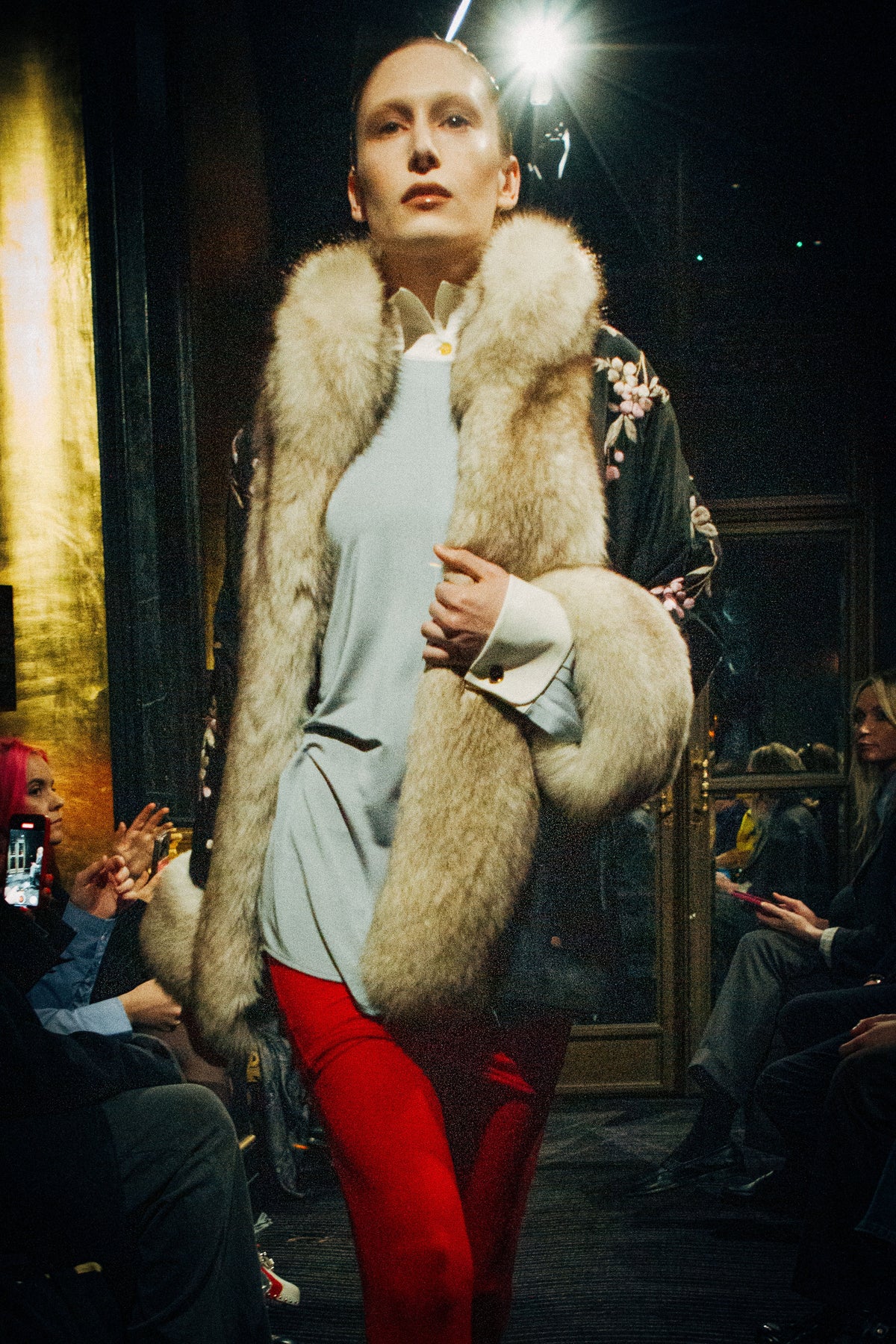
Conner Ives
Conner Ives is the American designer who moved from Bedford, New York to London in 2014, studied at Central Saint Martins, and turned his graduate line into an independent label in 2021, the same year he was named an LVMH Prize finalist. The label runs two tracks side by side: hand-cut demi-couture built from vintage garments and deadstock scarves, and repeatable ready-to-wear made from recycled fabrics in London factories, both circling back to his signature patchworked T-shirt dress, pieced together from four or more secondhand tees he sources himself from UK wholesale warehouses.
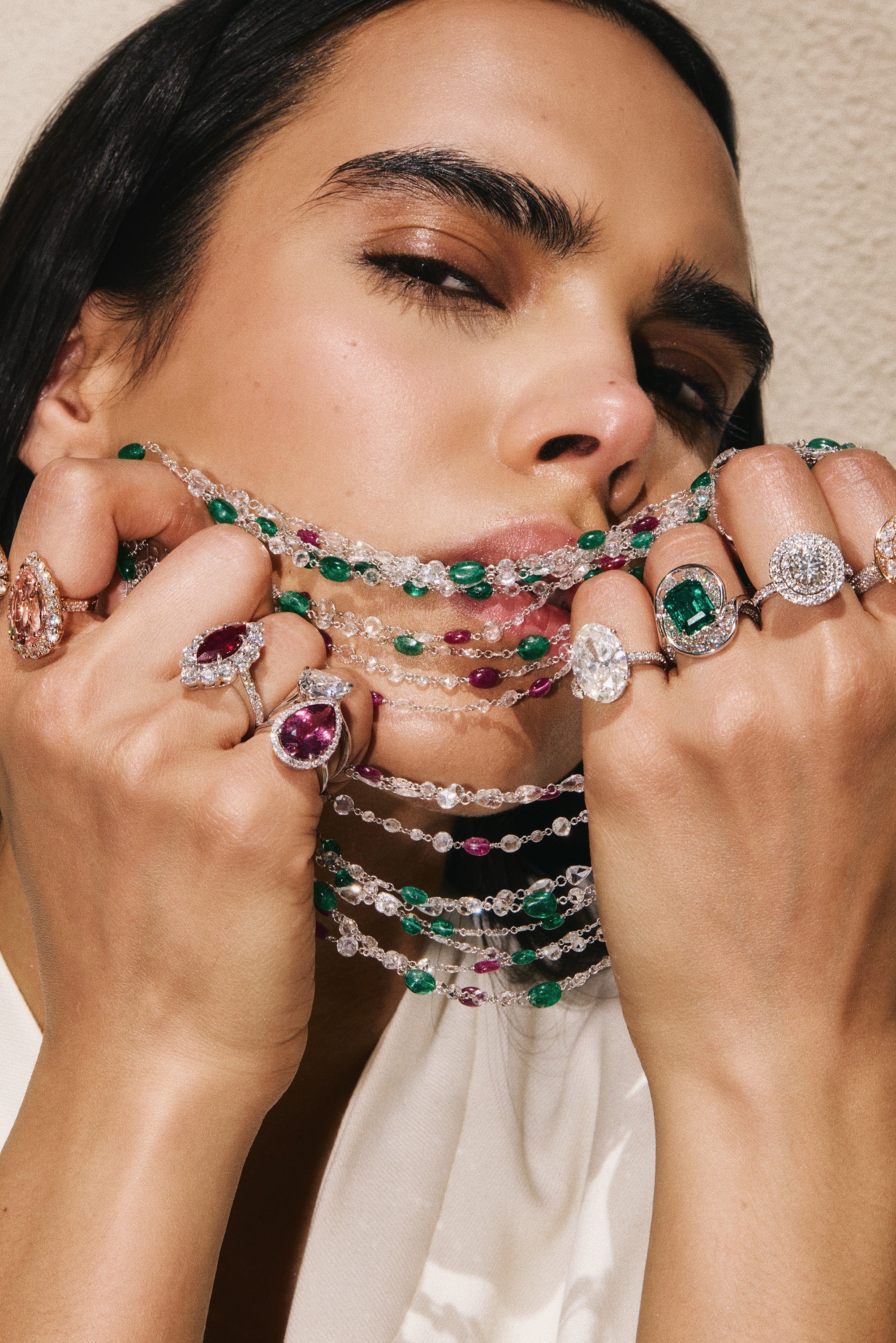
Ashna Mehta
Ashna Mehta is a third-generation diamantaire from the Rosy Blue family, one of the largest diamond manufacturers in the world, and she founded her own jewellery brand in 2022. Her signature is Bag Bijoux, diamond charms engineered to clip onto a Birkin or Kelly and convert into pendants, developed with her sister Aria.
Merlette
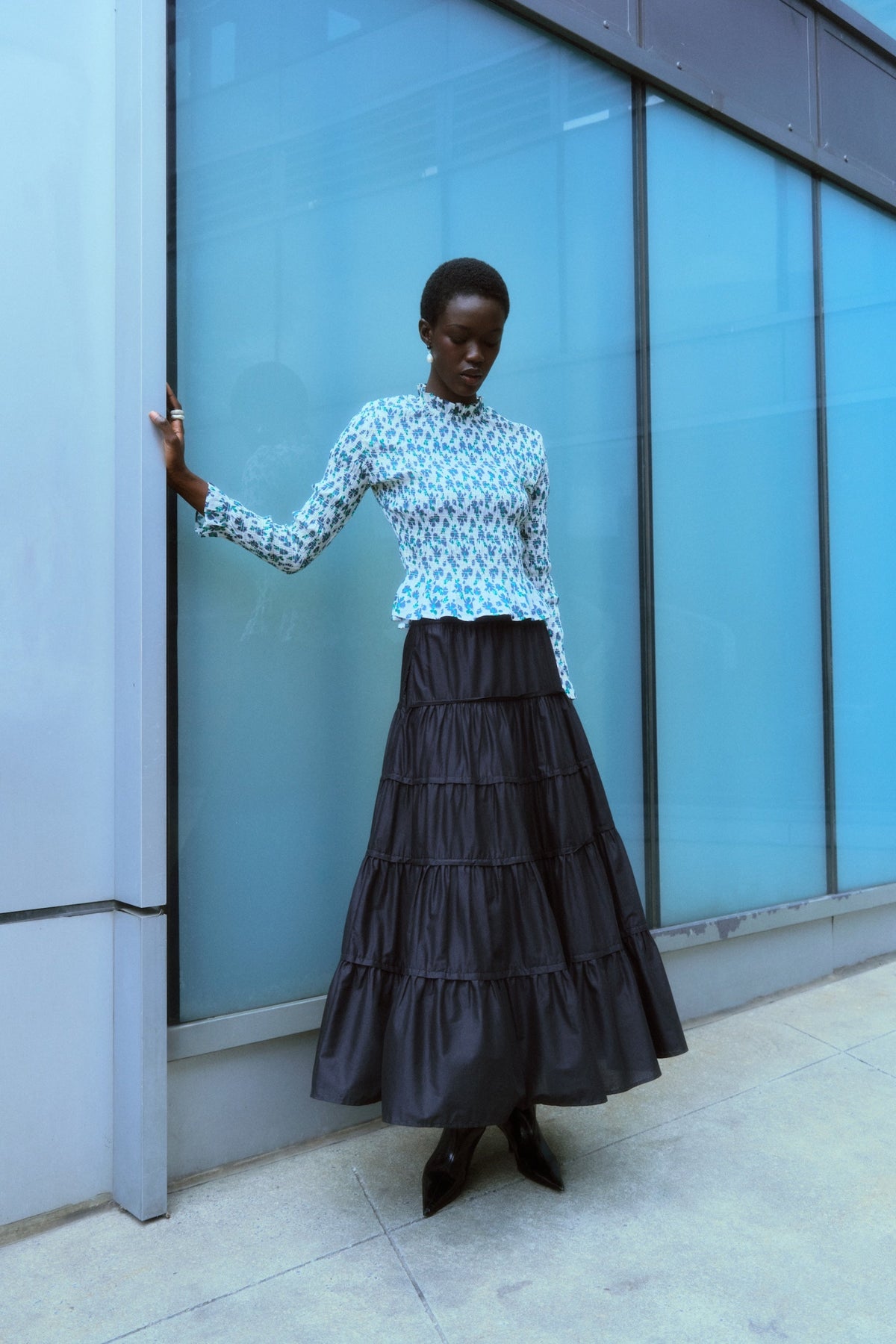
Marina Cortbawi, an Australian who had spent years running international sales for Oscar de la Renta and Carolina Herrera, founded Merlette in New York in 2016 without any formal design training. She built the label around a gap she saw from the inside of those two houses, women who had evening wear covered but wanted seasonless, lightweight everyday clothes that traveled well.
Emm Kuo
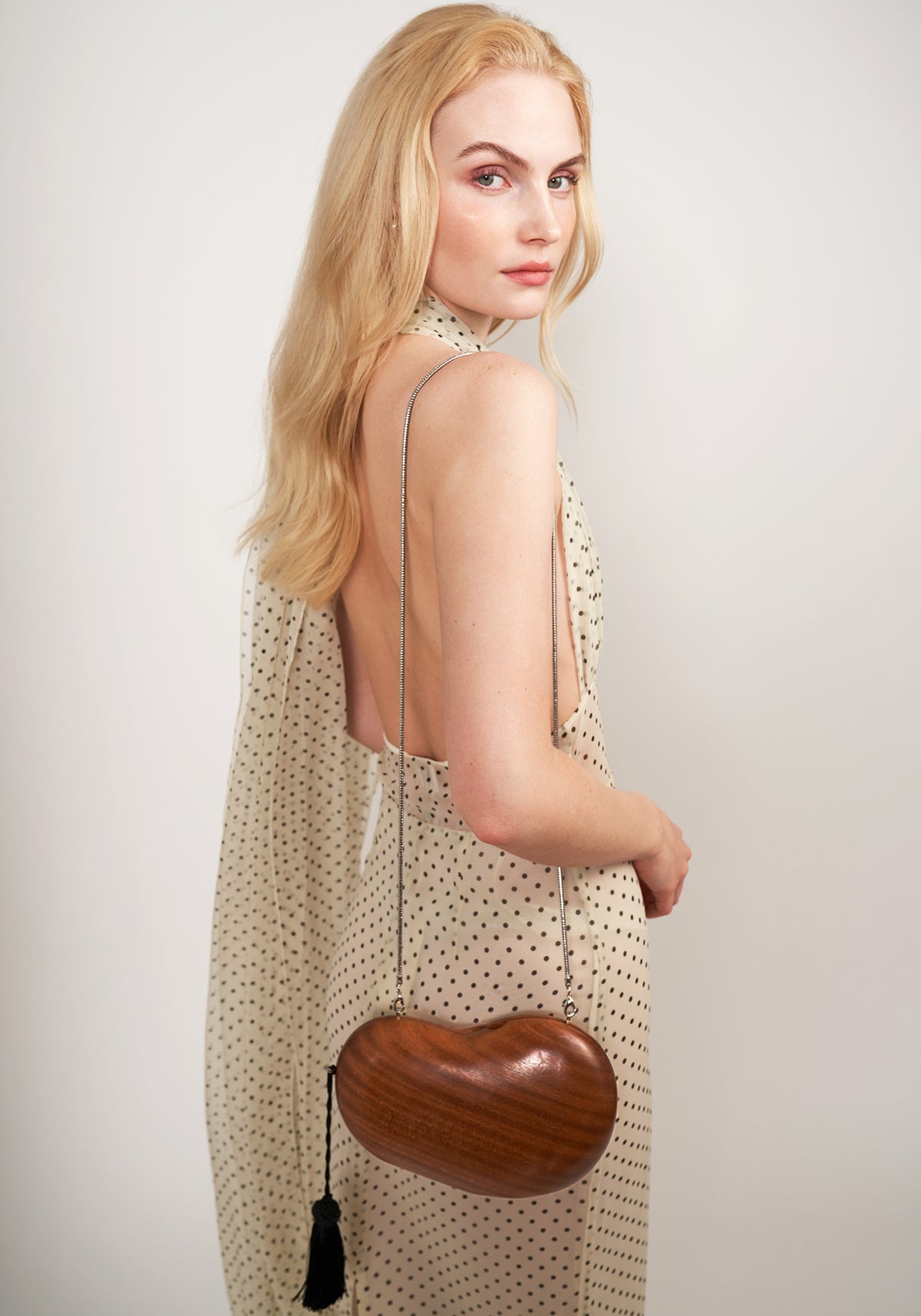
Emm Kuo is the handbag and accessories label of Emmaline Kuo Ranzman, a Parsons trained designer who grew up between Taipei, Hawaii, New York and Hong Kong before launching her own line in New York after working for Catherine Malandrino and Stephen Burrows. The specific thing that makes it hers is the global material sourcing, with evening bags handmade in studios in the Philippines under sustainability practices like natural dyeing and water conservation.

Judith Leiber Couture
Judith Leiber, a Budapest-trained handbag maker who survived the Nazi occupation and emigrated to New York in 1947, started her own company there in 1963 after twelve years working for designer Nettie Rosenstein. A shipment of poorly plated brass frames pushed her to cover the flaws in crystals, and that fix became the house's signature minaudière, the small, sculptural evening bag later carried by numerous First Ladies.

SIMKHAI
Jonathan Simkhai launched his namesake label in New York in 2010, coming out of his family's apparel manufacturing business and training at Parsons and the Fashion Institute of Technology. The brand built its name on draped eveningwear and body-conscious tailoring, won the CFDA/Vogue Fashion Fund in 2015, moved its studio to Los Angeles in 2018, and dropped Jonathan's first name from the label in 2023 to put the focus on the wider team.
The Marc Jacobs Tote Bag Pink Edit
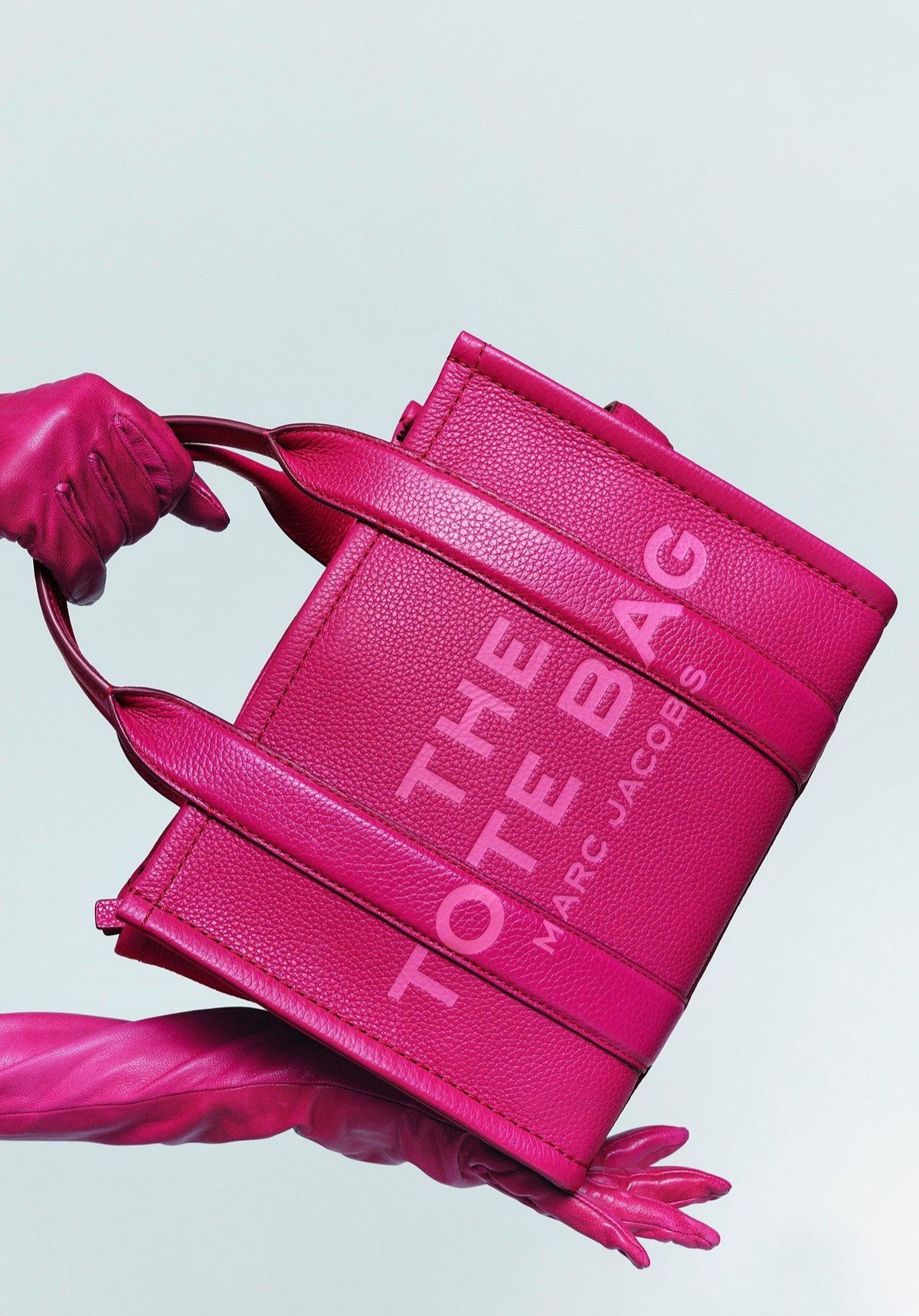
Logo bags came back, but only the ones with something to say about typography. The Marc Jacobs Tote Bag pink colourways are the clearest case, because the embossed lettering is the whole design and the colour decides how loud it gets. This edit runs the pinks together and then the rest of the label's smaller bags.
Janessa Leone
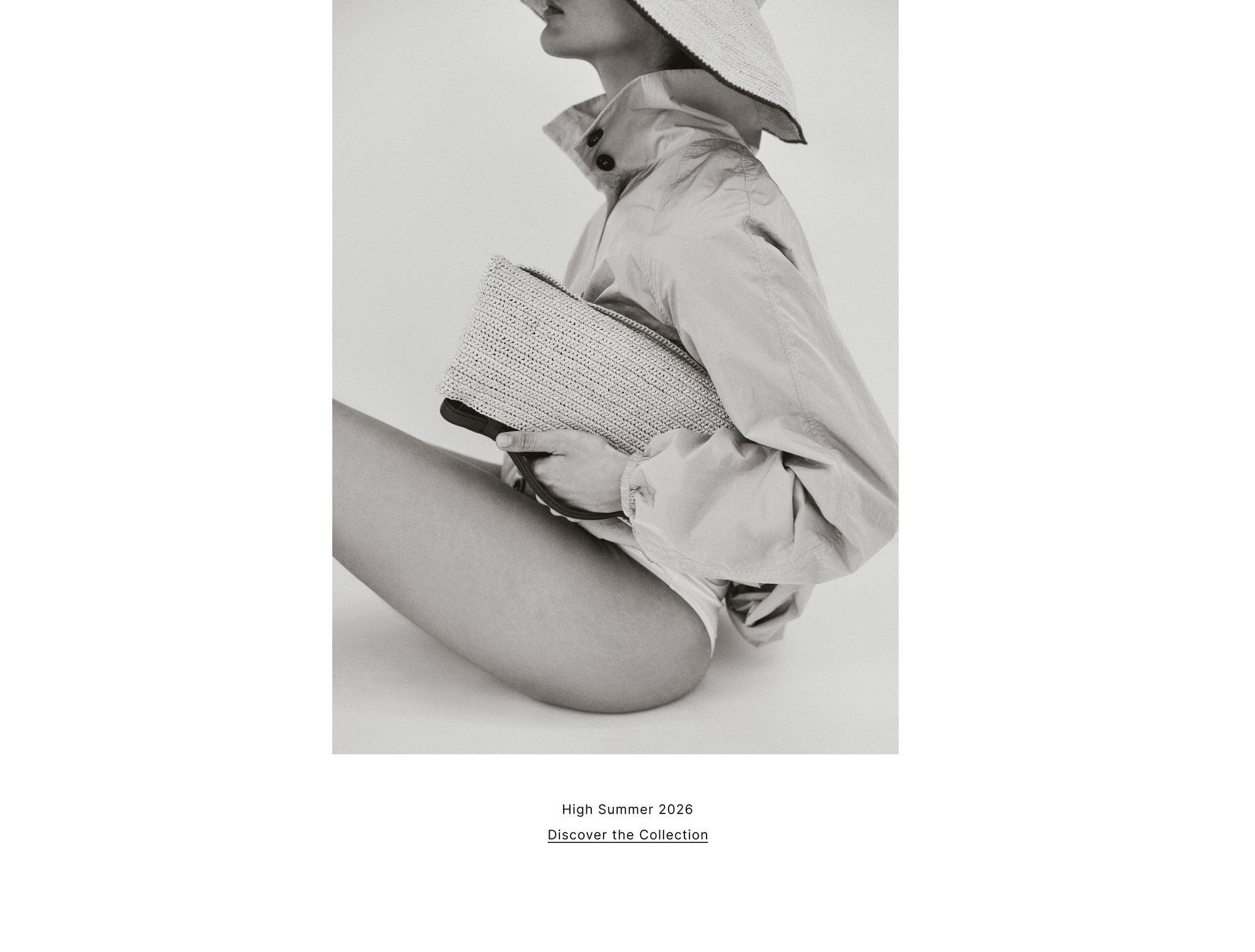
Janessa Leone launched her eponymous hat line in Los Angeles in 2013, funded with personal savings from years of nannying while she considered law school. The origin story is oddly literal: on a trip to Paris she bought a vintage men's hat, opened the sweatband, and found the milliner's surname stitched inside, the same as her own.
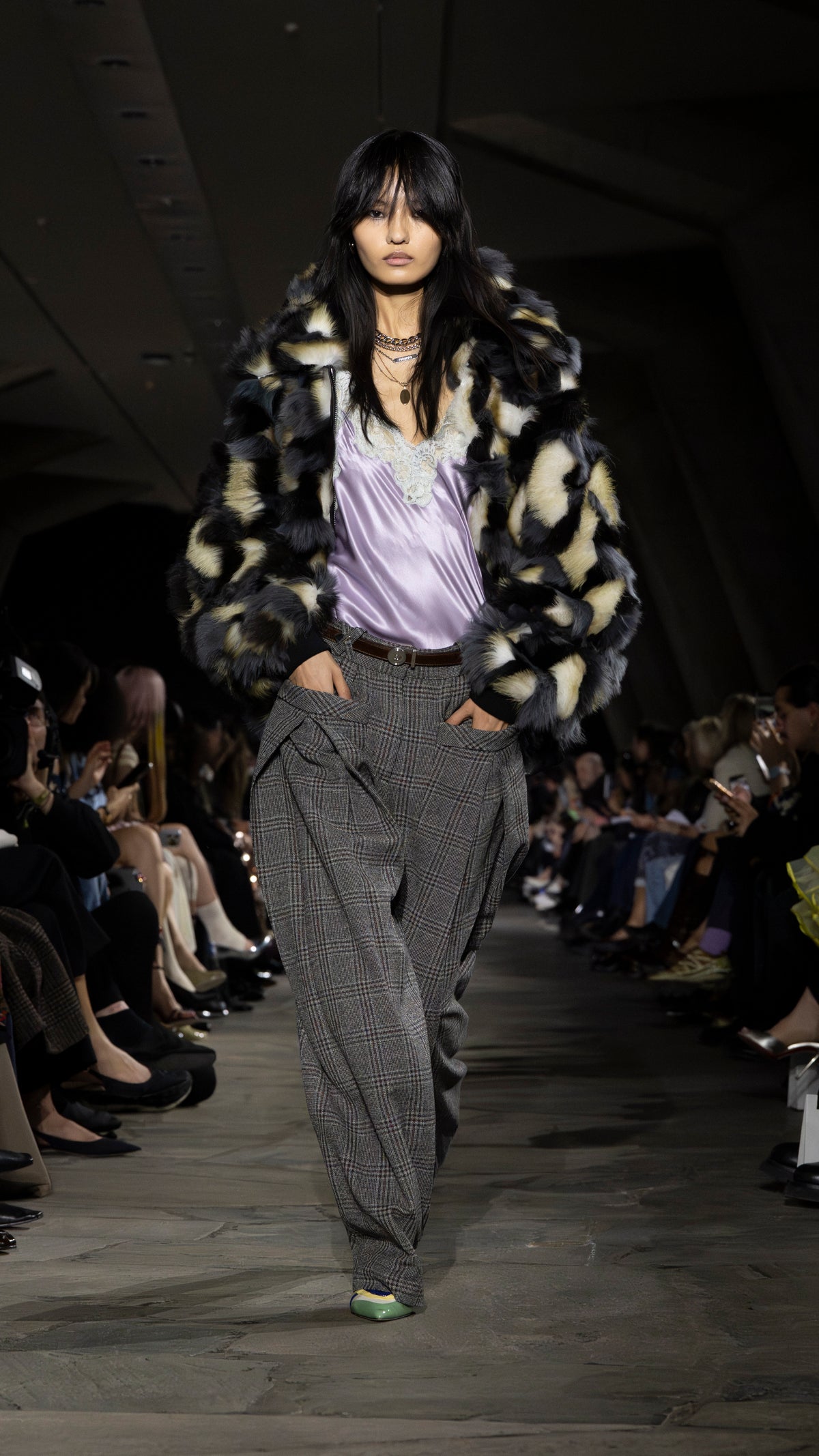
Rabanne
Paco Rabanne, born Francisco Rabaneda Cuervo and trained as an architect, founded his house in Paris in 1966 with a debut collection of dresses built from metal and plastic plates linked like chainmail, a look Coco Chanel reportedly dismissed by calling him a metal worker rather than a couturier. The house's futurist, industrial materials went on to dress Jane Fonda in Barbarella, and after Julien Dossena was named creative director in 2013 the label sharpened that archive into contemporary ready-to-wear before dropping Paco from its name in 2023.
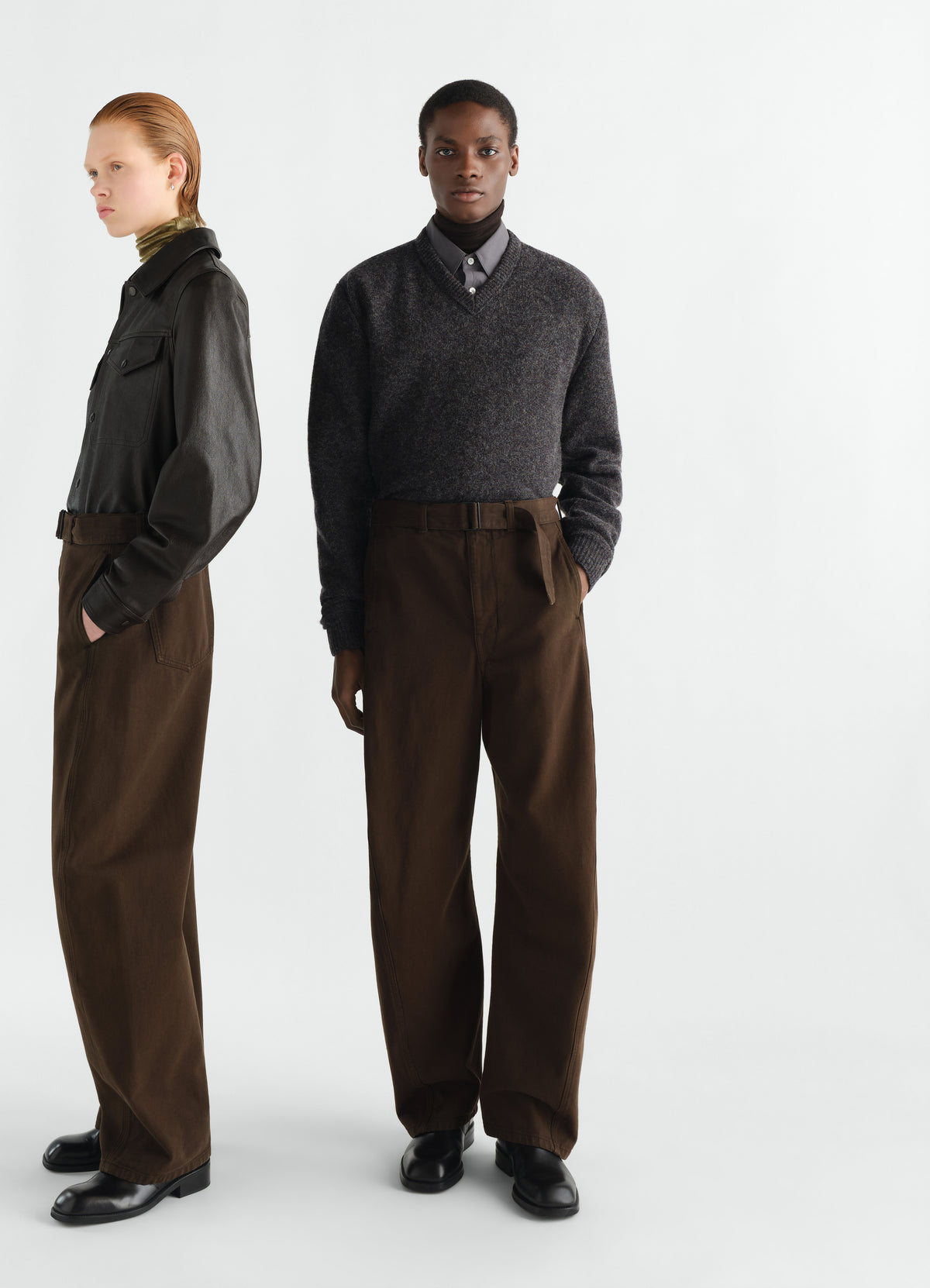
Lemaire
Christophe Lemaire founded his label in Paris in 1991, put it on pause for a stint at Lacoste, then relaunched it in 2007 before Sarah-Linh Tran joined as co-artistic director in 2010 and the two rebranded it simply as Lemaire. After years spent refining wearable, unfussy silhouettes rather than headline grabbing ones, the house is now known for a crescent shaped bag and a design language people describe as quiet luxury.
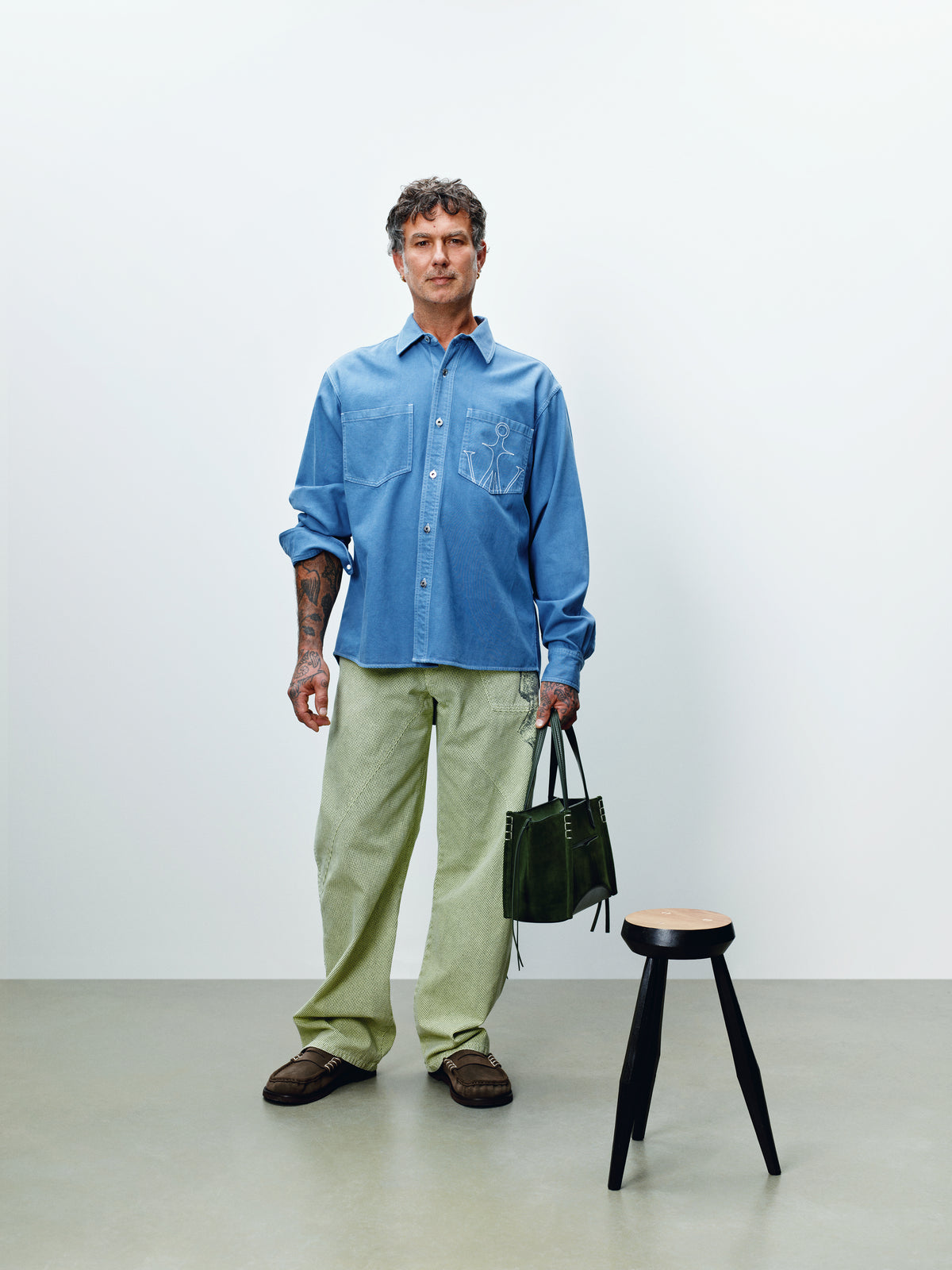
JW Anderson
Jonathan Anderson, a Northern Irish designer who trained at London College of Fashion and worked as a visual merchandiser at Prada, founded JW Anderson in London in 2008. The label made its name on a deliberate blur between menswear and womenswear silhouettes, an idea Anderson later called a shared wardrobe, and it built a cult following well before he was named creative director of Loewe in 2013.
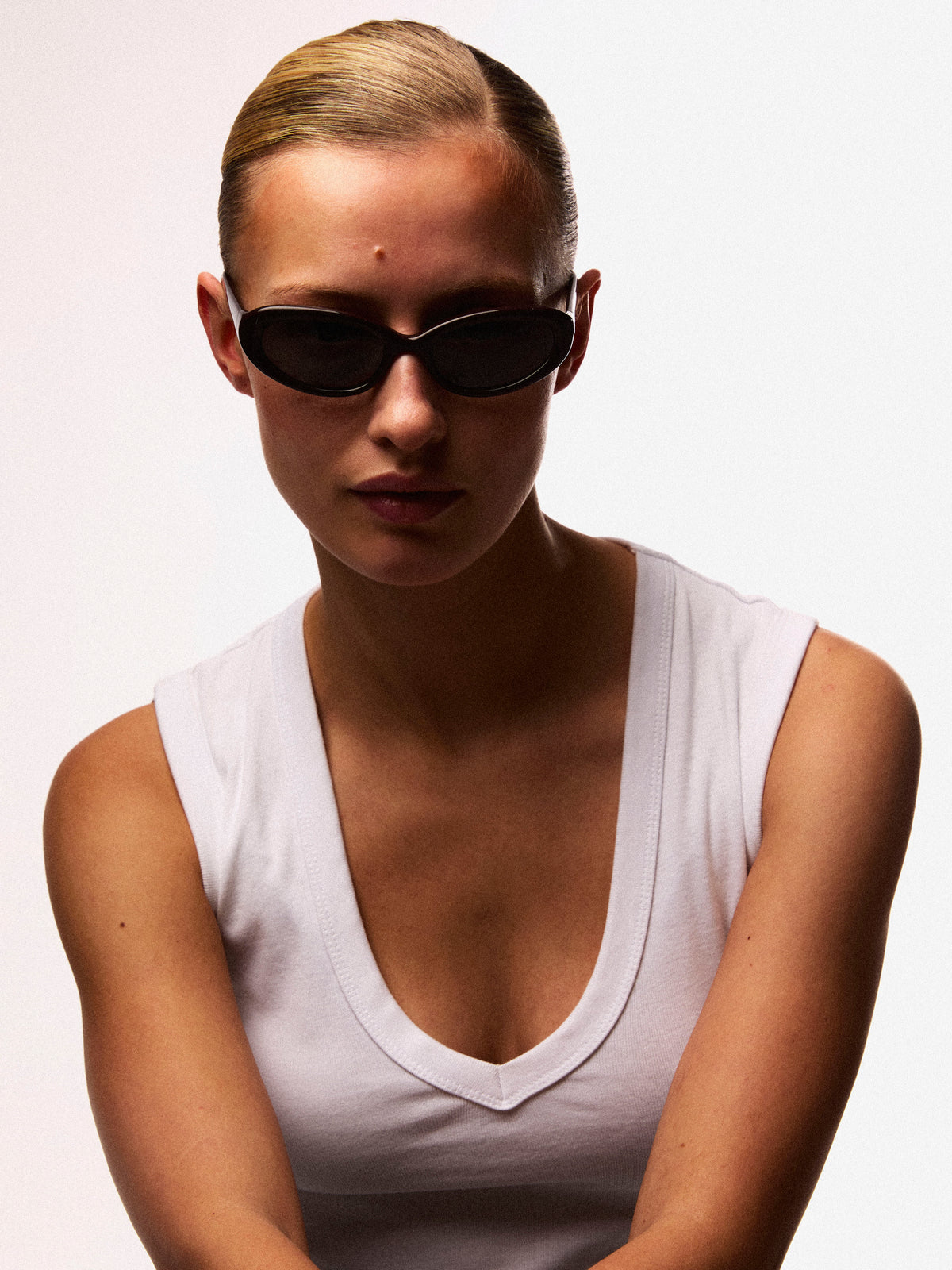
Lié Studio
Lié Studio was founded in Copenhagen in November 2021 by twin sisters Amalie and Cecilie Moosgaard, former runway models who had walked for Gucci, Valentino and Prada before building their own label with business partners at Brand Institute. The specific thing that makes the brand what it is: a small set of core minimalist gold and silver jewelry pieces, designed by two people who by their own account were not natural jewelry buyers before they started making it themselves.

Savette
Amy Zurek founded Savette in New York in 2020, after studying art history and fashion design at Parsons, then working at The Row and building Khaite's handbag line from scratch alongside founder Cate Holstein. She named the label after her mother's maiden name and built its design language around two women, her mother's classic taste in leather goods and her grandmother's eye for sculptural jewelry.