Bags
Bags
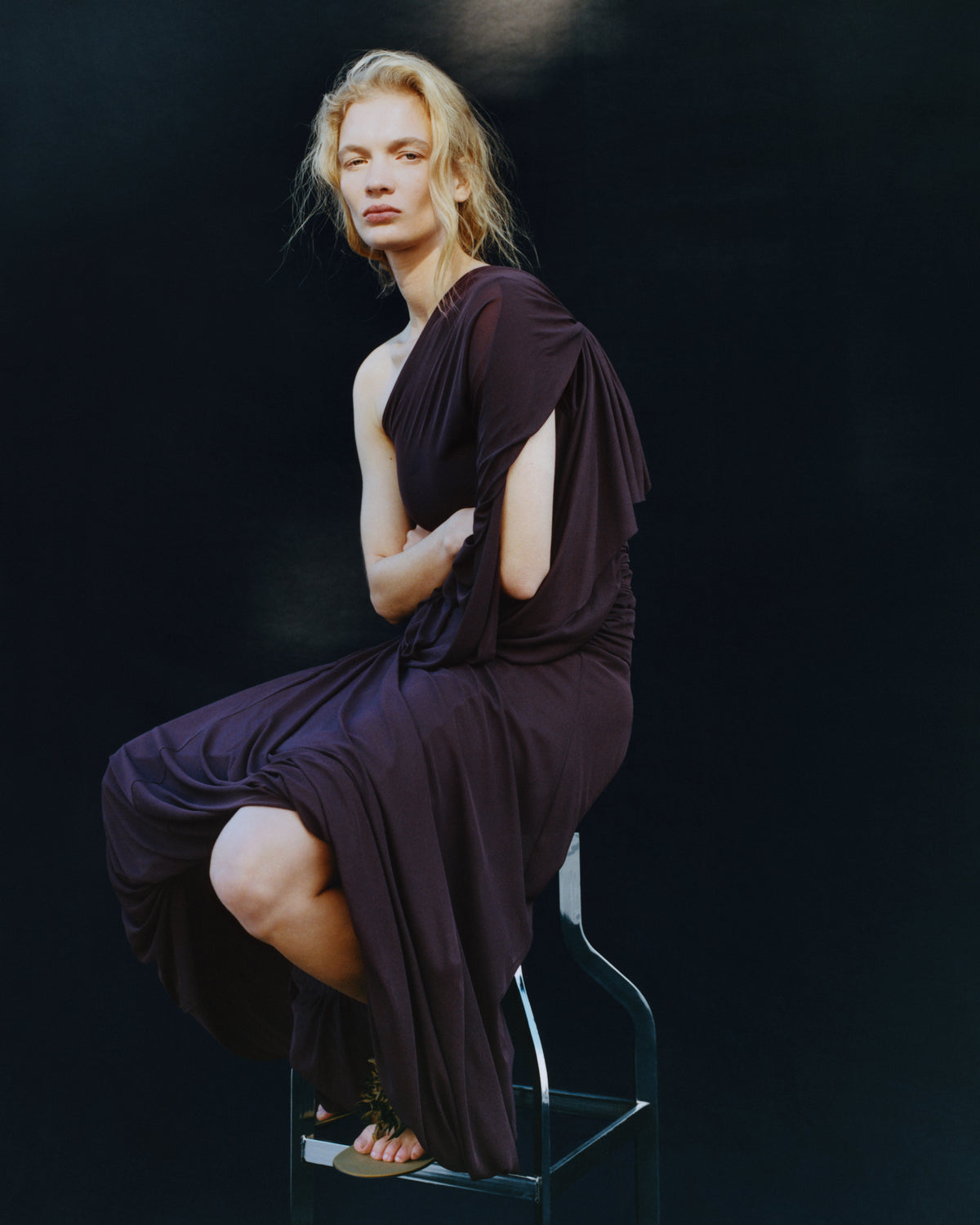
Proenza Schouler
Jack McCollough and Lazaro Hernandez met at Parsons in New York and founded Proenza Schouler, named for their mothers' maiden names, when Barneys bought their senior thesis collection outright in 2002. The label built its reputation on the PS1 satchel, introduced in 2008, and on a run of CFDA awards including the first-ever CFDA and Vogue Fashion Fund prize in 2004.
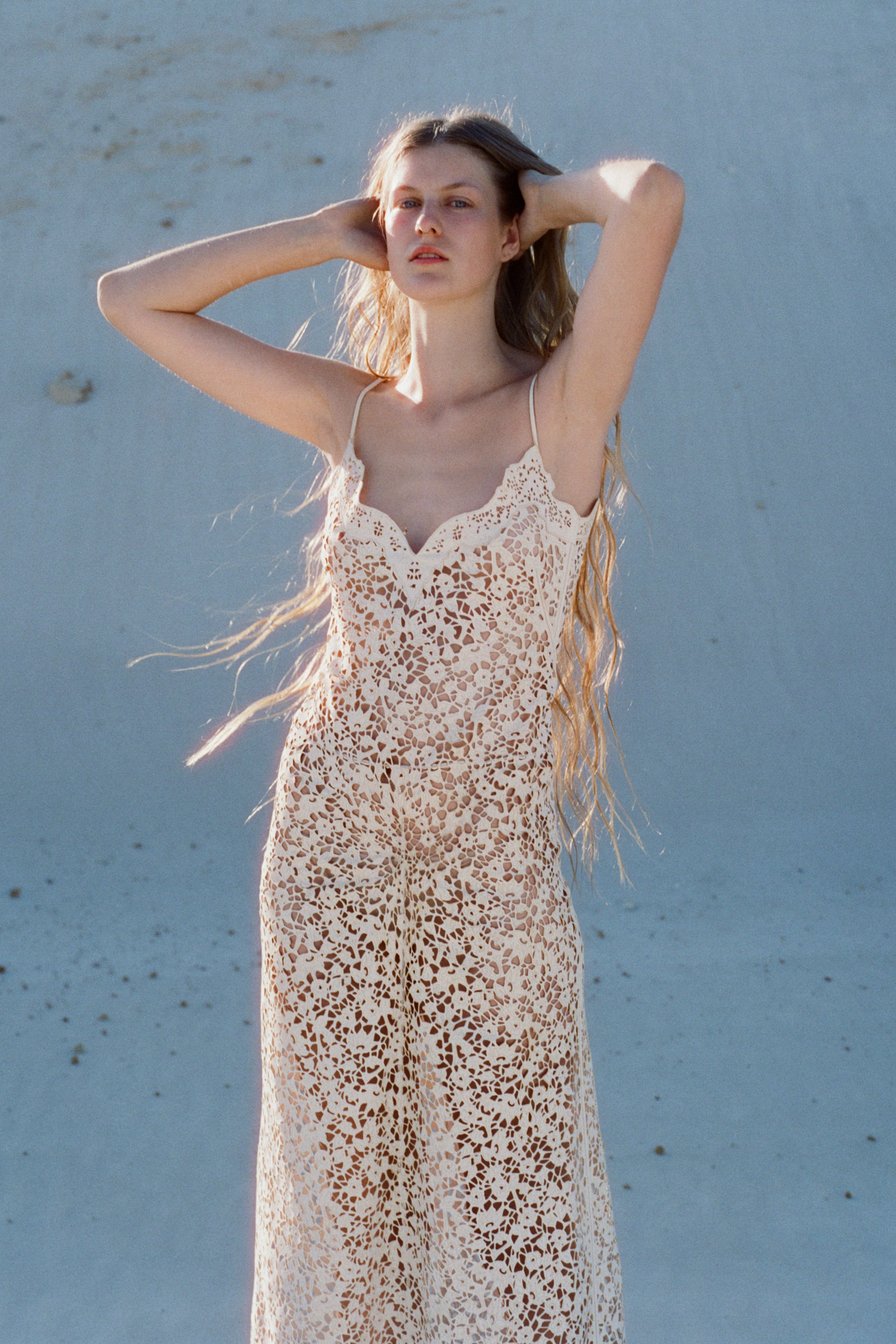
Gabriela Hearst
Gabriela Hearst grew up on her family's ranch in Paysandu, Uruguay, and after more than a decade working in New York design, launched her eponymous label for fall 2015 built explicitly around sustainability and a long-term view of clothing. The house has stayed close to that premise, from a partnership with the Uruguayan knitting cooperative Manos del Uruguay to a 2017 runway show run on roughly 30 percent deadstock fabric, while Hearst herself went on to lead Chloe from 2020 to 2023 as its first Latin American creative director.
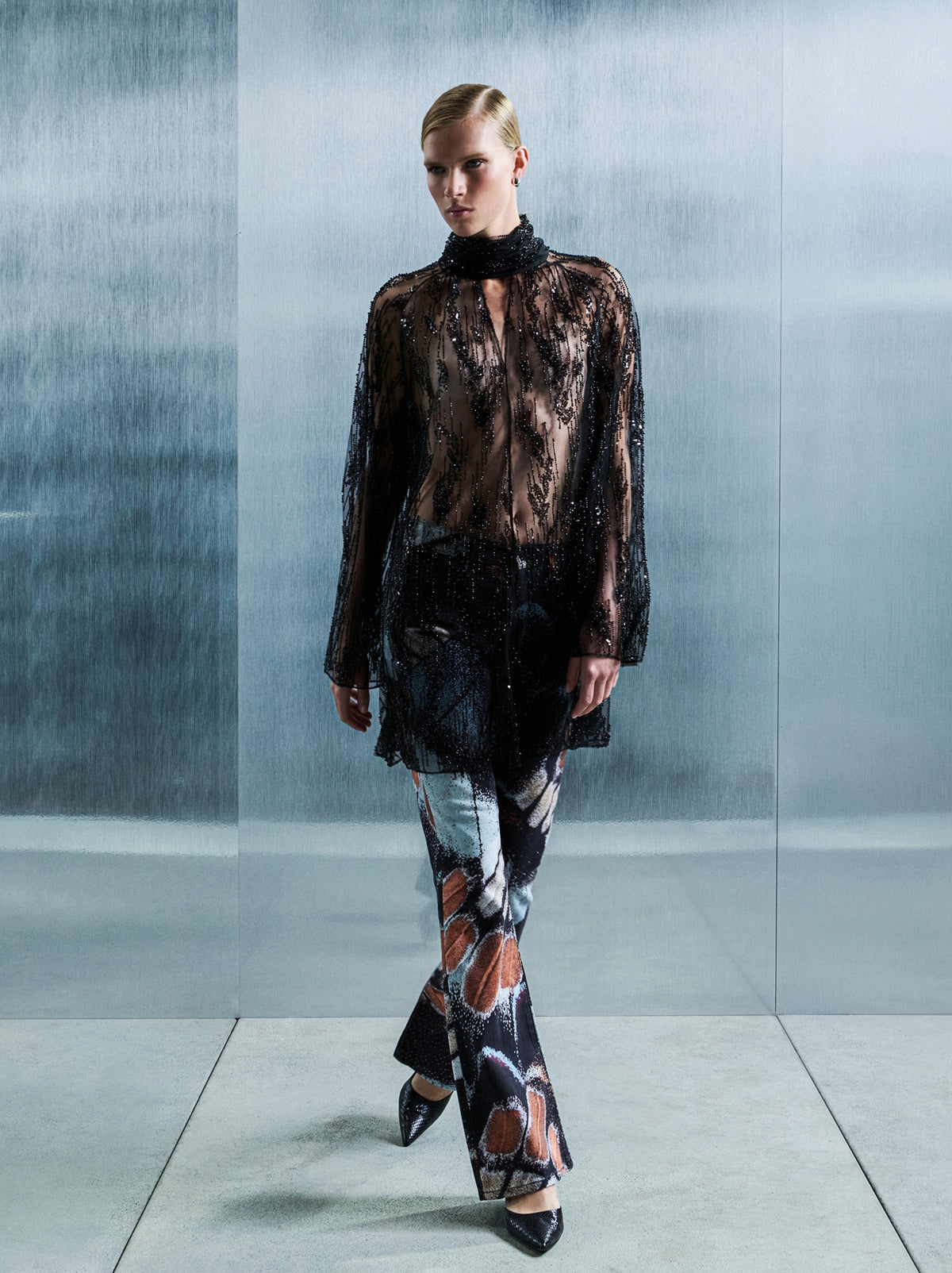
STAUD
Sarah Staudinger, previously the fashion director at Reformation, launched Staud in Los Angeles in 2015 with business partner George Augusto, naming it after her own childhood nickname. The brand started as a made-to-order customization concept before pivoting to ready-to-wear once customers made clear they wanted the bags and dresses as designed, a shift that produced breakout accessories like the Bissett and Moreau bucket bags.
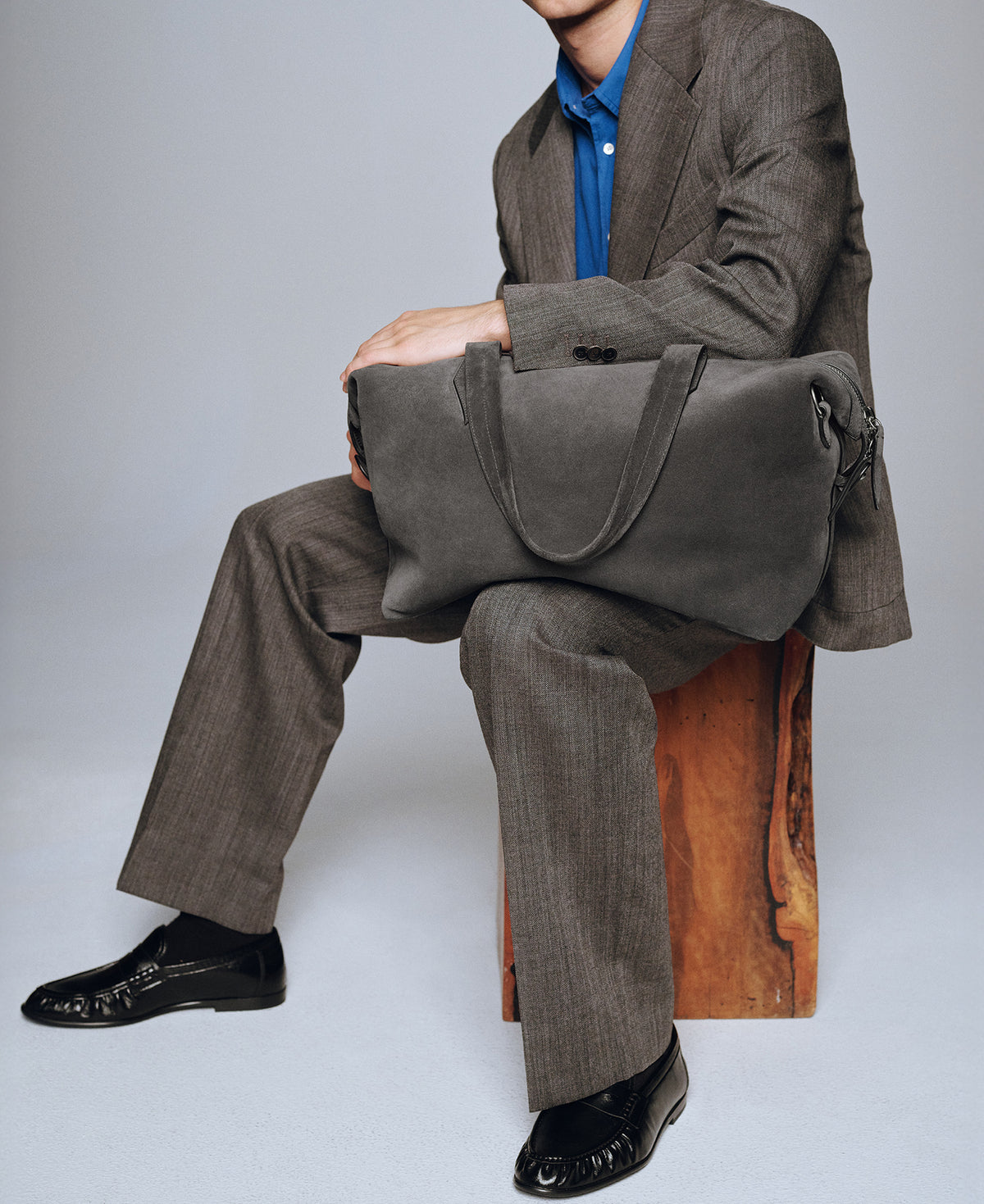
Métier
Métier was founded in London in 2017 by Melissa Morris, who came to bags through sculpture, merchandising and a frustration with losing essentials inside them. The brand prototypes are tested to simulate years of use, with storage and movement treated as design problems rather than afterthoughts. These are bags for people who want their logistics to look composed.

Olympia Le-Tan
Olympia Le-Tan turns the clutch into a small, hand-held argument for taking culture out at night. Founded in 2009 by Gregory Bernard and Olympia Le-Tan, the label is known for hand-embroidered designs that borrow from books, art, and cinema. These are not quiet accessories, and that is precisely why they work.
Mansur Gavriel
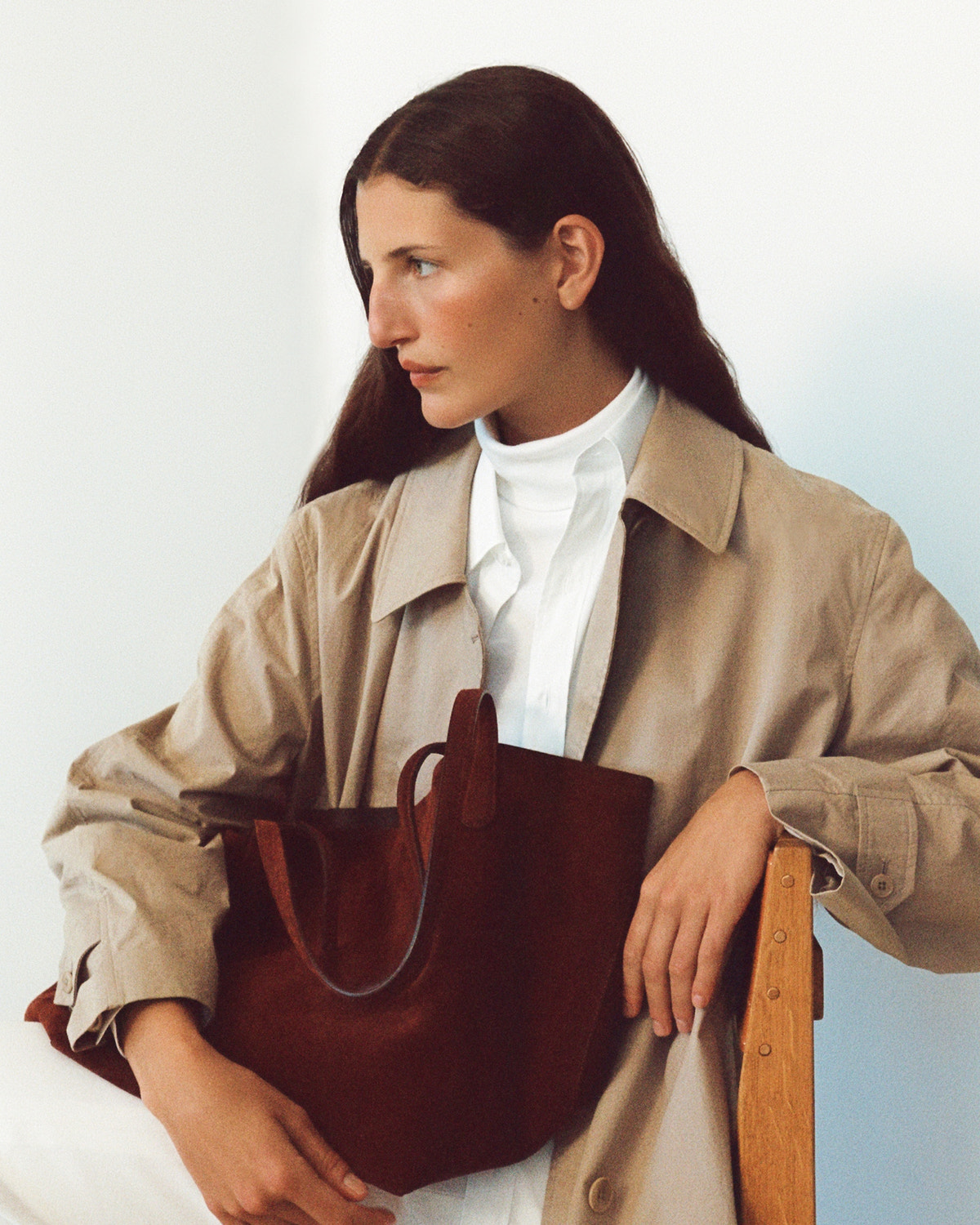
Our Phia favorites from Mansur Gavriel's Fall 2025 collection.

Woven And Canvas Carryalls
The big bag came back because people started carrying laptops again. What changed is the material. Canvas, raffia and plain leather all do the same job differently.
ALAÏA
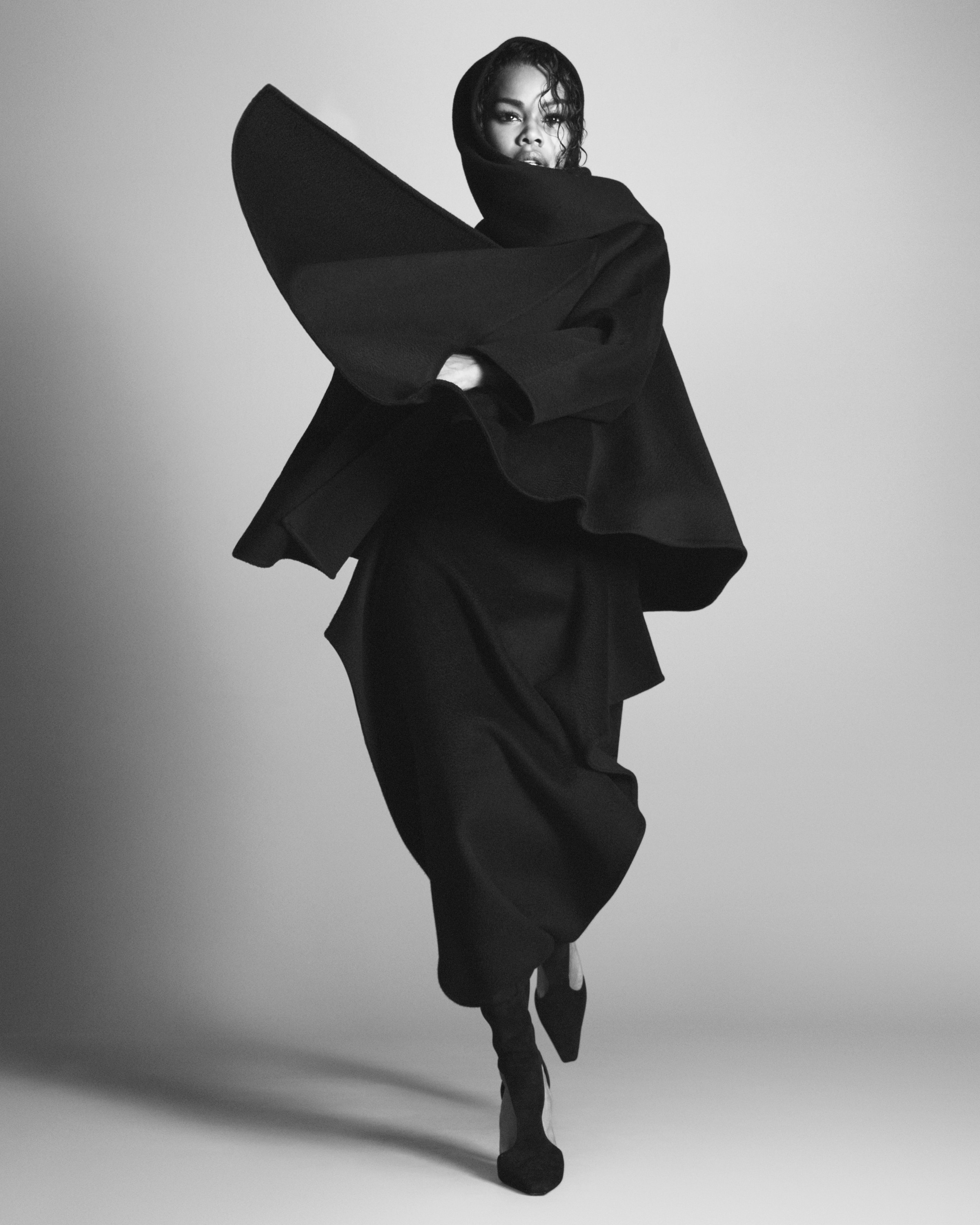
Azzedine Alaïa trained as a sculptor in Tunis before he ever cut a pattern, and it shows in everything the house has made since. He worked briefly at Dior, then Guy Laroche and Thierry Mugler, opened his own atelier in a Paris apartment on rue de Bellechasse in 1979, and built a body-first vocabulary that the industry has been borrowing ever since.
The Fall Accessory Reset
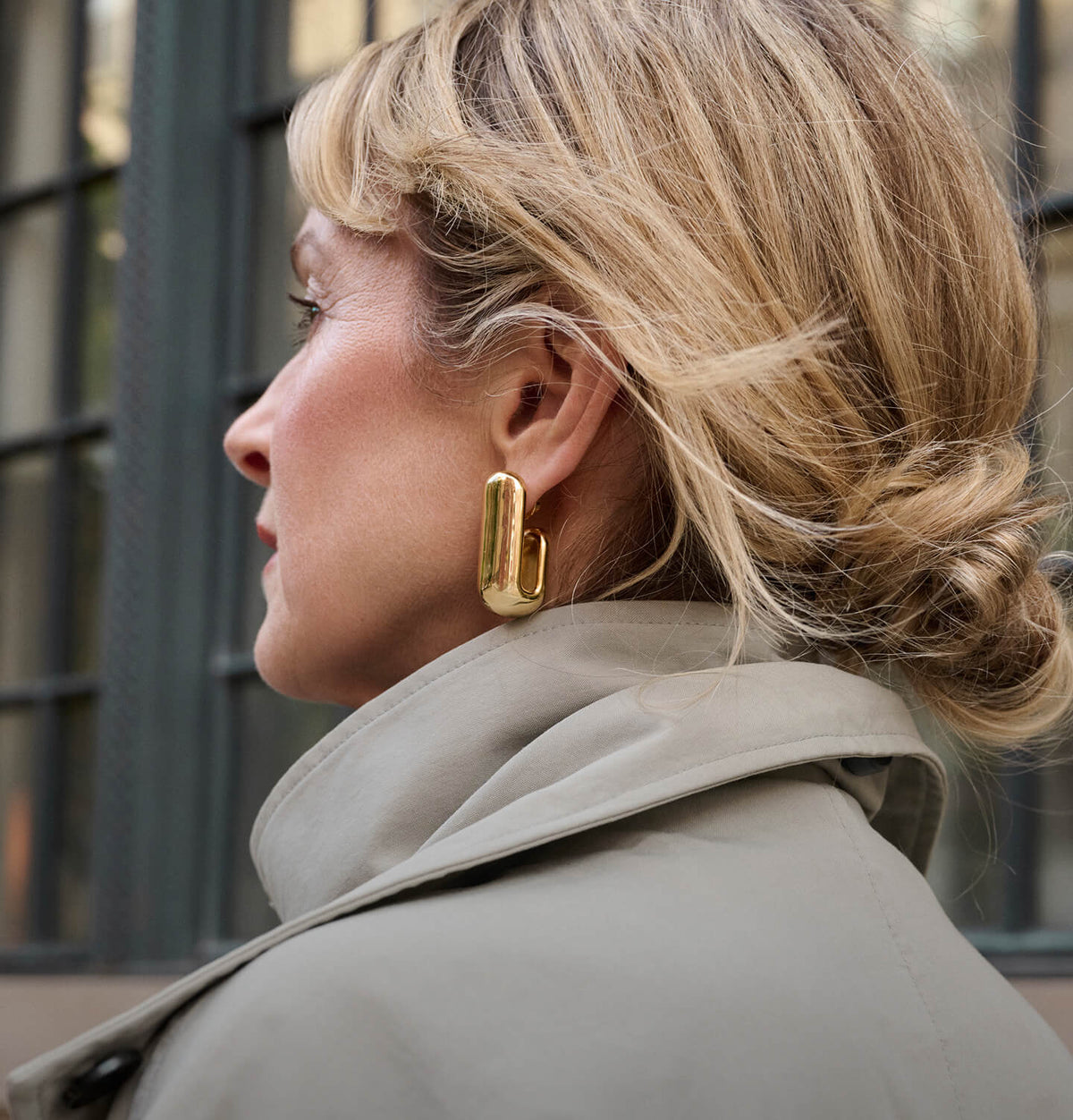
Accessories stopped being the afterthought somewhere around the time clothes got quieter. When the outfit is a coat and a trouser, the bag and the earring carry the entire argument. This edit sorts the season's crop by what each piece is actually doing.
Cult Gaia
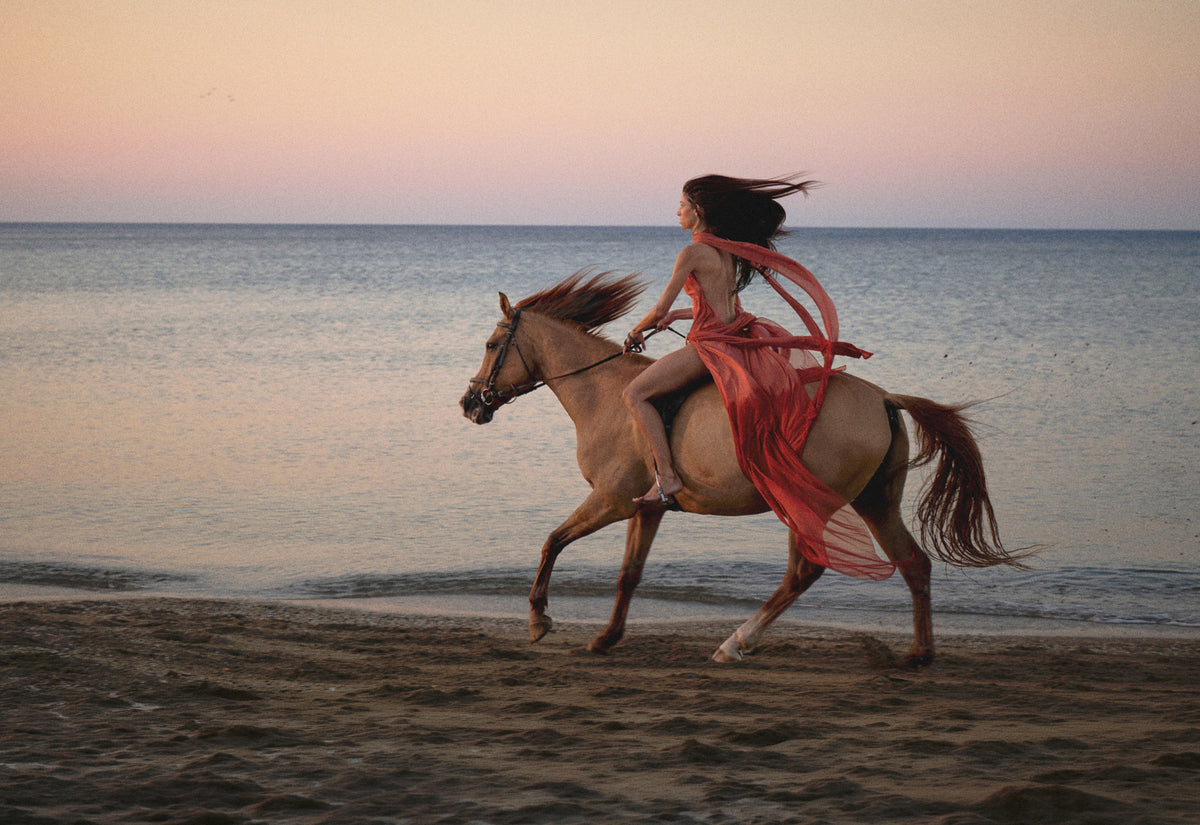
Jasmin Larian started Cult Gaia in 2012, making flower crowns and wired-fabric headbands for friends around New York while she was training at FIT. The label found its real signature in the bamboo Ark bag, a sculptural, unmistakable shape that turned a slow-burning accessory into one of the decade's most photographed bags and pushed the brand into ready-to-wear, footwear and eventually bridal.

Bembien
Yi-Mei Truxes launched Bembien in 2017 in Brooklyn after six years running marketing for Vogue, following a chance sighting of a stranger's disheveled straw bag on a downtown street. The label works almost entirely through artisan weavers in Bali, treating a basket bag as a craft object rather than a factory good

Etro
Gimmo Etro started this Milan house in 1968 as a textile company, not a clothing label, built on a private collection of antique paisley shawls he and his wife Roberta had spent years assembling. The paisley did not become the brand's signature until 1981, after a trip to India, and it took until the early 1990s for Etro to sell a full ready-to-wear wardrobe at all.
Jacquemus
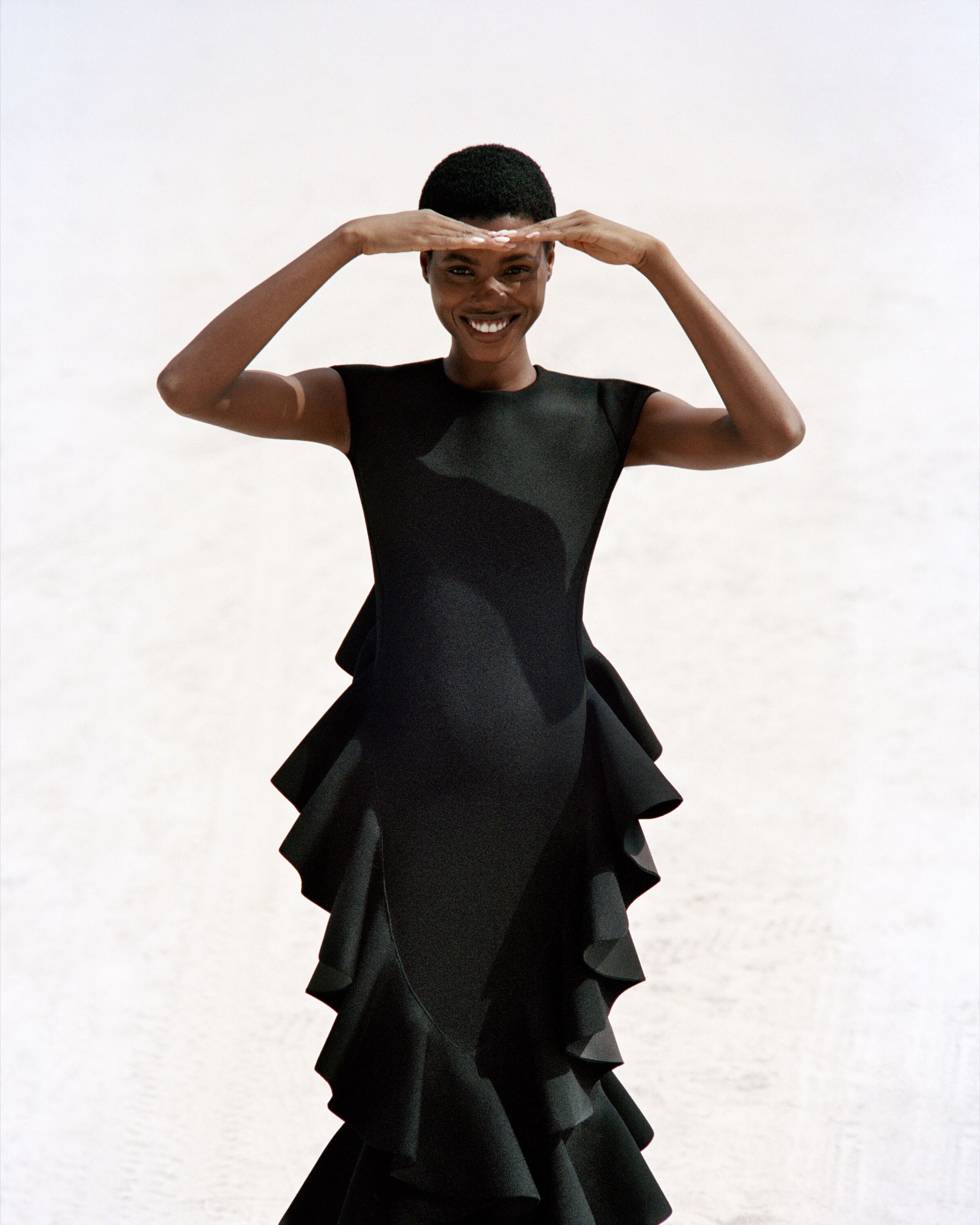
Simon Porte Jacquemus founded his label in Paris in 2009, at twenty, naming it after his mother's maiden name the same year she died, a loss he has described as the shock that pushed him to start designing. The house grew from a one-man operation into an independent fashion company with hundreds of employees, opening its first permanent store on Avenue Montaigne in 2022 after years of building a name through inventive presentations and a fast-growing digital following.

Chloé
Gaby Aghion started Chloé in Paris in 1952, naming the house after a friend because a woman of her social standing was not supposed to have a job. The label made its name by treating luxury as something you could wear off the rack rather than have fitted at a couture house, and it kept proving that with the designers who passed through, from Karl Lagerfeld to Stella McCartney to Phoebe Philo.
Toteme
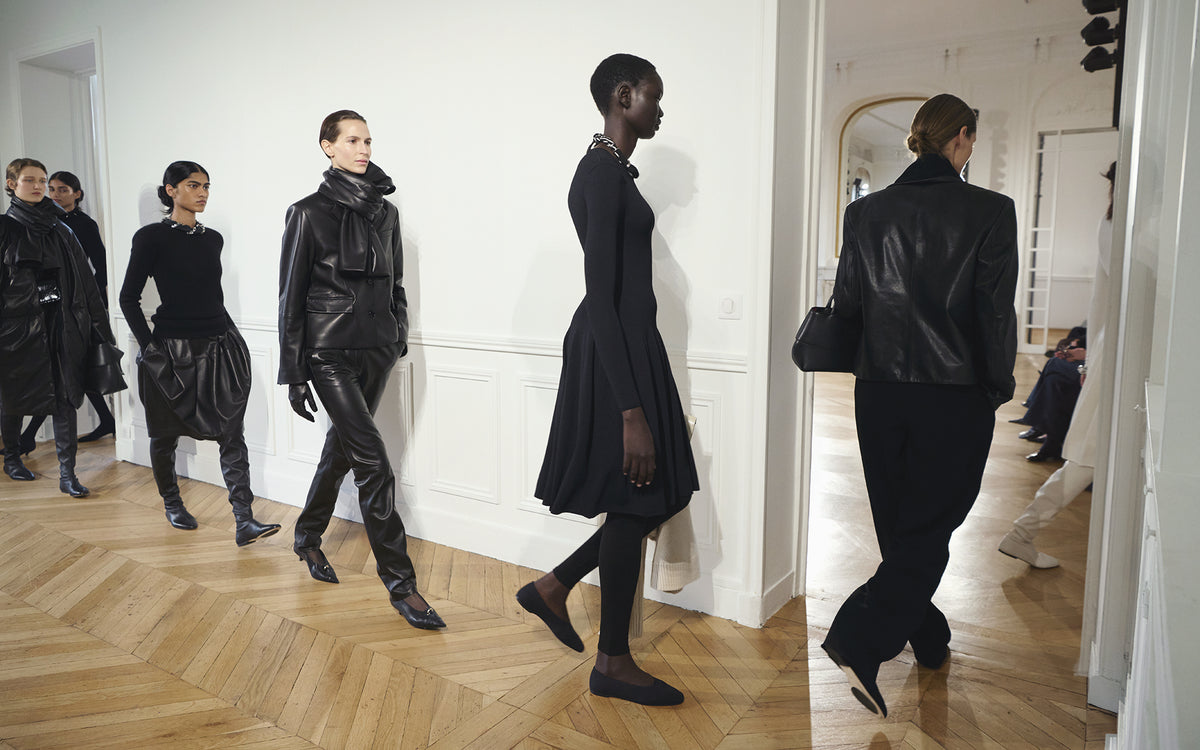
Elin Kling, a Swedish fashion journalist, and Karl Lindman, an art director who had worked with Interview magazine, founded Toteme in New York in 2014, the same year they married, before moving the company back to their native Stockholm in 2016. The name started as Totem until Kling suggested softening it with a final e, and the label built its identity on pared-back Scandinavian tailoring: poplin shirtdresses, boxy bouclé jackets and a signature fringed scarf detail.
Balenciaga
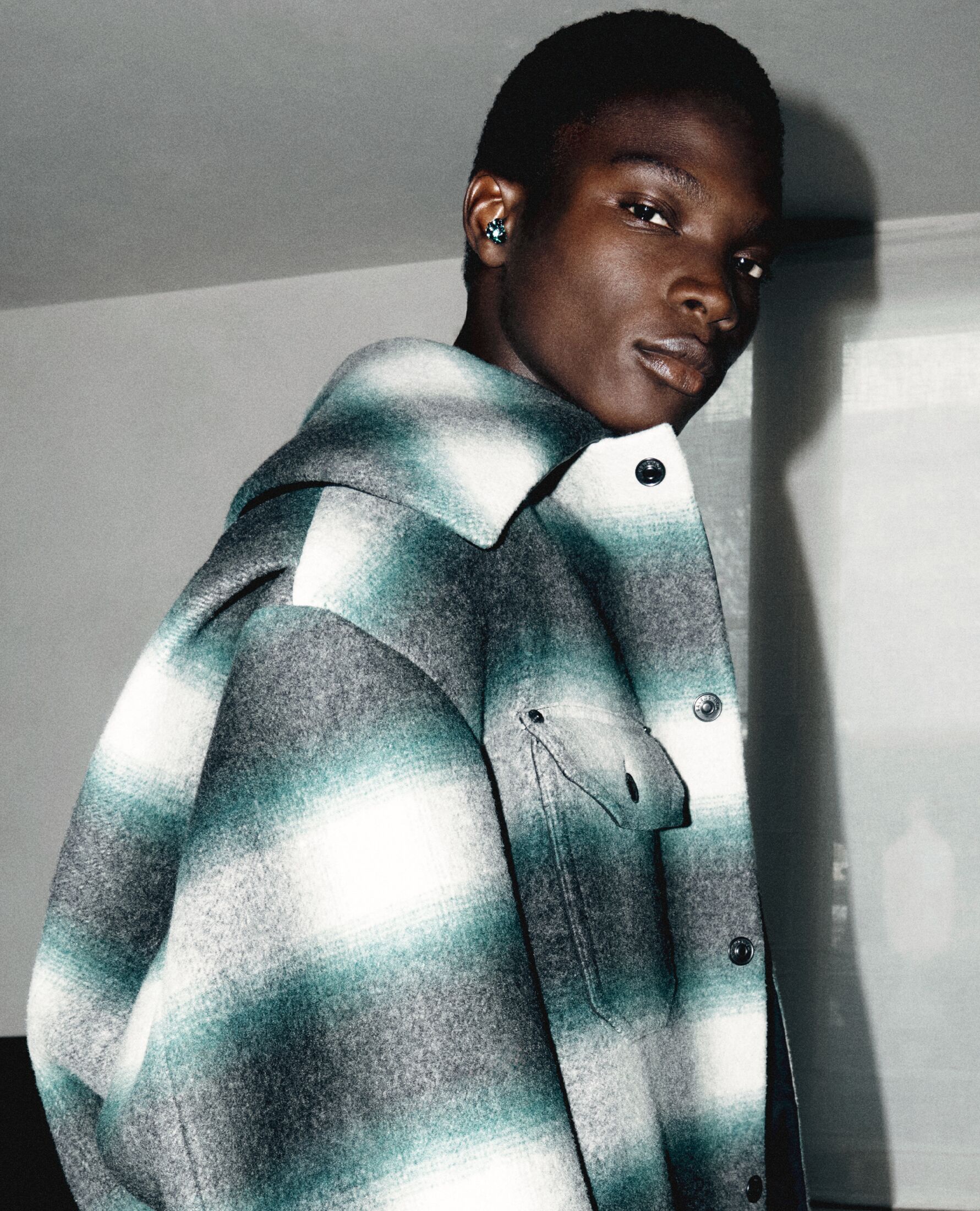
Cristóbal Balenciaga opened his first atelier in San Sebastián in 1917, then moved the whole operation to Paris in 1937 once the Spanish Civil War made staying home impossible. What he built there was less about decoration than engineering: the sack dress, the cocoon coat, silhouettes cut with such structural control that Dior reportedly called him the master of the rest of them.

Givenchy
Hubert de Givenchy opened his own Paris couture house in 1952 at just 24, after training under Jacques Fath, Robert Piguet, Lucien Lelong and Elsa Schiaparelli. His debut collection of interchangeable separates in raw cotton shirting, anchored by the white Bettina blouse, made practicality itself the news, and the house's identity was cemented a year later when he met Audrey Hepburn and began dressing her both on screen and off.
The Row
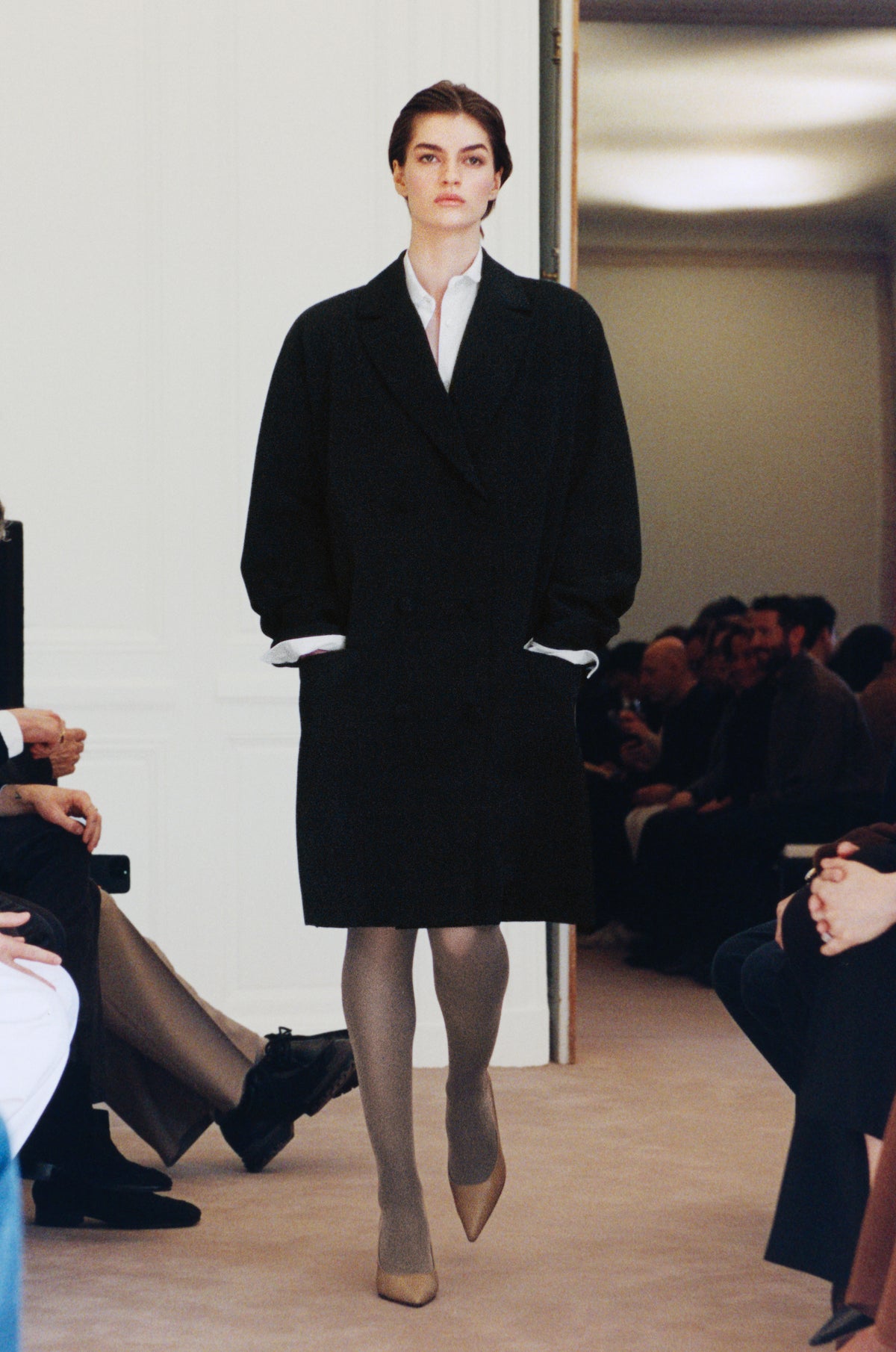
Mary-Kate and Ashley Olsen founded The Row in New York in 2006, after Ashley spent a year trying to design an ideal, no-logo white T-shirt and the pair built it into a seven-piece debut collection that Barneys bought in full. They named it after Savile Row and, for its first three years, gave no interviews about it at all, betting the clothes could carry the label without their names on it.
Khaite
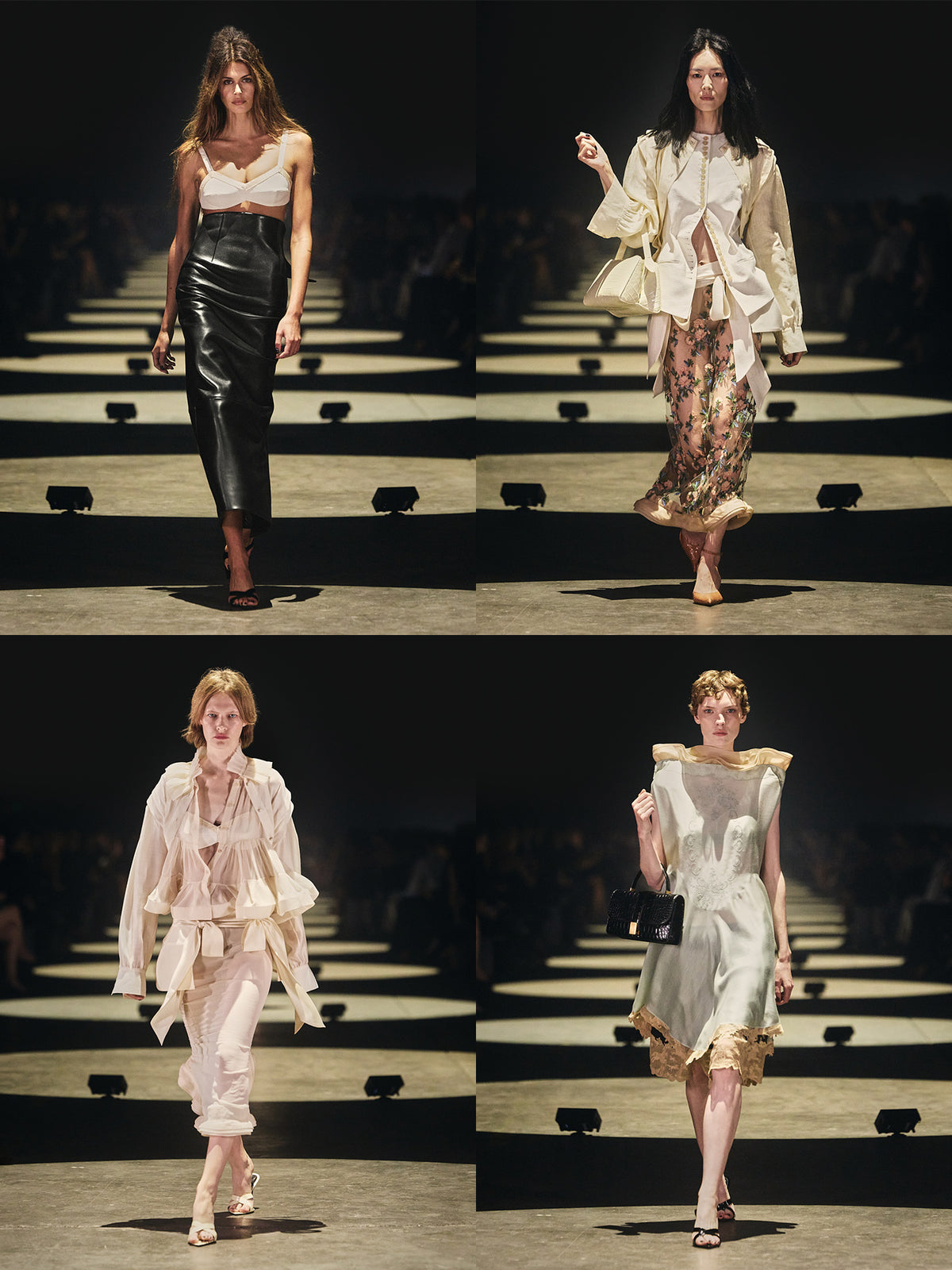
Catherine Holstein launched Khaite in New York in 2016 with backing from Adam Pritzker's Assembled Brands, after a first eponymous label she started as a Parsons student closed in the 2008 financial crisis and a five-year run designing for Gap, Vera Wang and The Elder Statesman taught her the parts of the business she'd missed the first time. The label opened on denim and cashmere knitwear before adding runway shows in 2019 and an in-house bags and footwear line the same season, and Holstein still designs under a name modeled on the Greek word for long, flowing hair.
Bottega Veneta
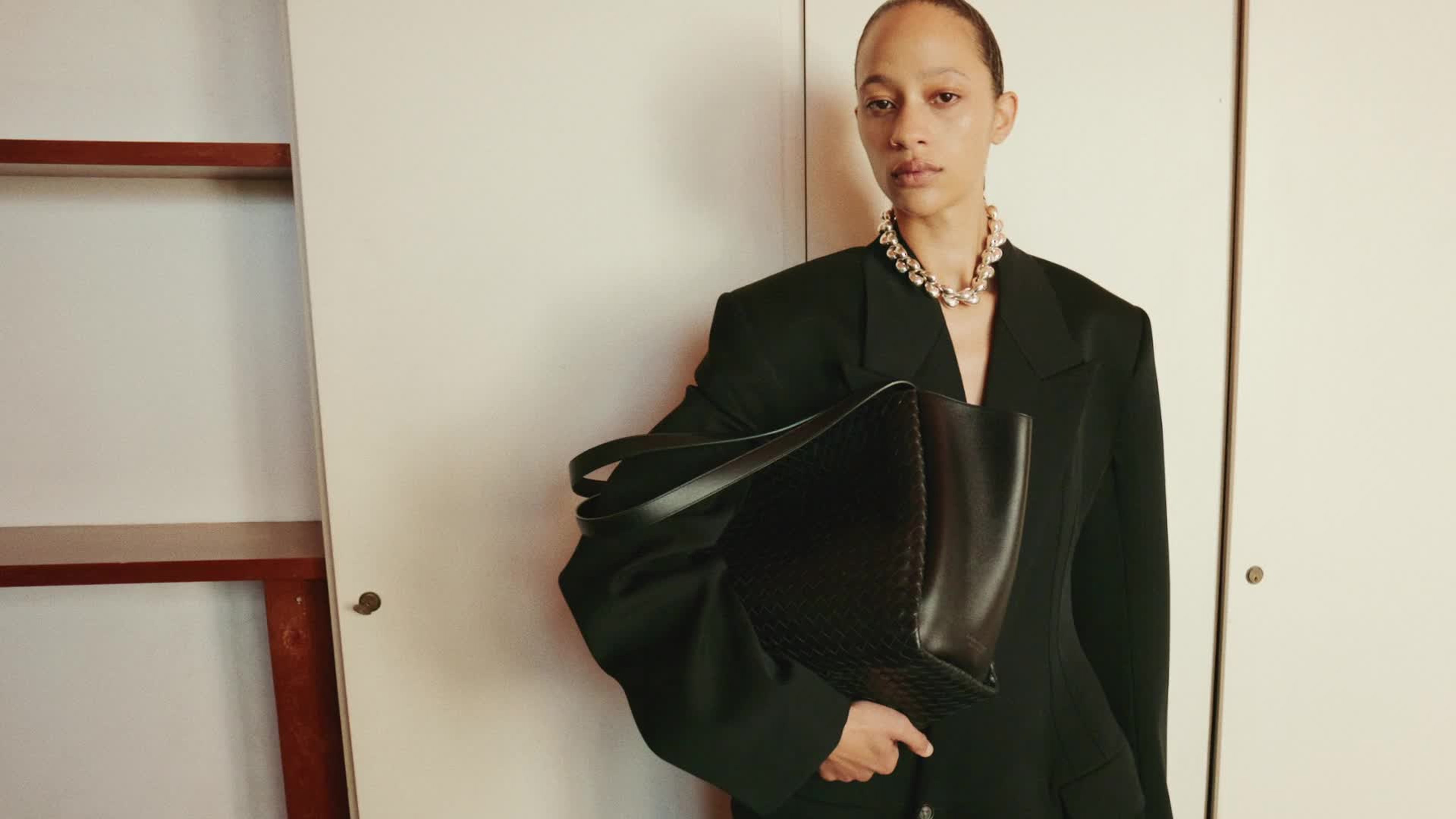
Bottega Veneta was started in 1966 in Vicenza by Michele Taddei and Renzo Zengiaro, two leathermakers who decided the House would never need a logo. The specific thing they built instead was intrecciato, the woven leather technique introduced in 1975 that turned a manufacturing workaround into the label's entire visual language.

The Gucci Ophidia Mini Bag
Small bags stopped being a novelty and became the default the moment phones got too big for pockets anyway. The Gucci Ophidia mini bag is the house's most durable version of that, because the green and red web does the decoration and the shape stays plain. This edit runs the smallest shapes first and then the larger Ophidia bags.

Shoulder Bags For Fall
The shoulder bag is back in the position it held before crossbody straps took over. Carried high and tucked under the arm, it changes posture as much as proportion. Three shapes to choose between.

The BDG Cindy Shoulder Bag
The shoulder bag has quietly won back the territory the crossbody took in the 2010s. The BDG Cindy shoulder bag is the version that got there first at a level people would actually experiment with, which is why it spread. This edit lines up the colourways next to the rest of the label's shoulder bags.

Valentino Garavani
Valentino Garavani opened his own atelier on Rome's Via Condotti in 1959 and formally established the house in 1960 with Giancarlo Giammetti, an architecture student he met that year who became the business partner running the commercial side. The 1962 haute couture debut at Palazzo Pitti in Florence made the house's name almost overnight, and its saturated signature red, nicknamed Rosso Valentino, has stayed a house code ever since.