Shoes
Shoes
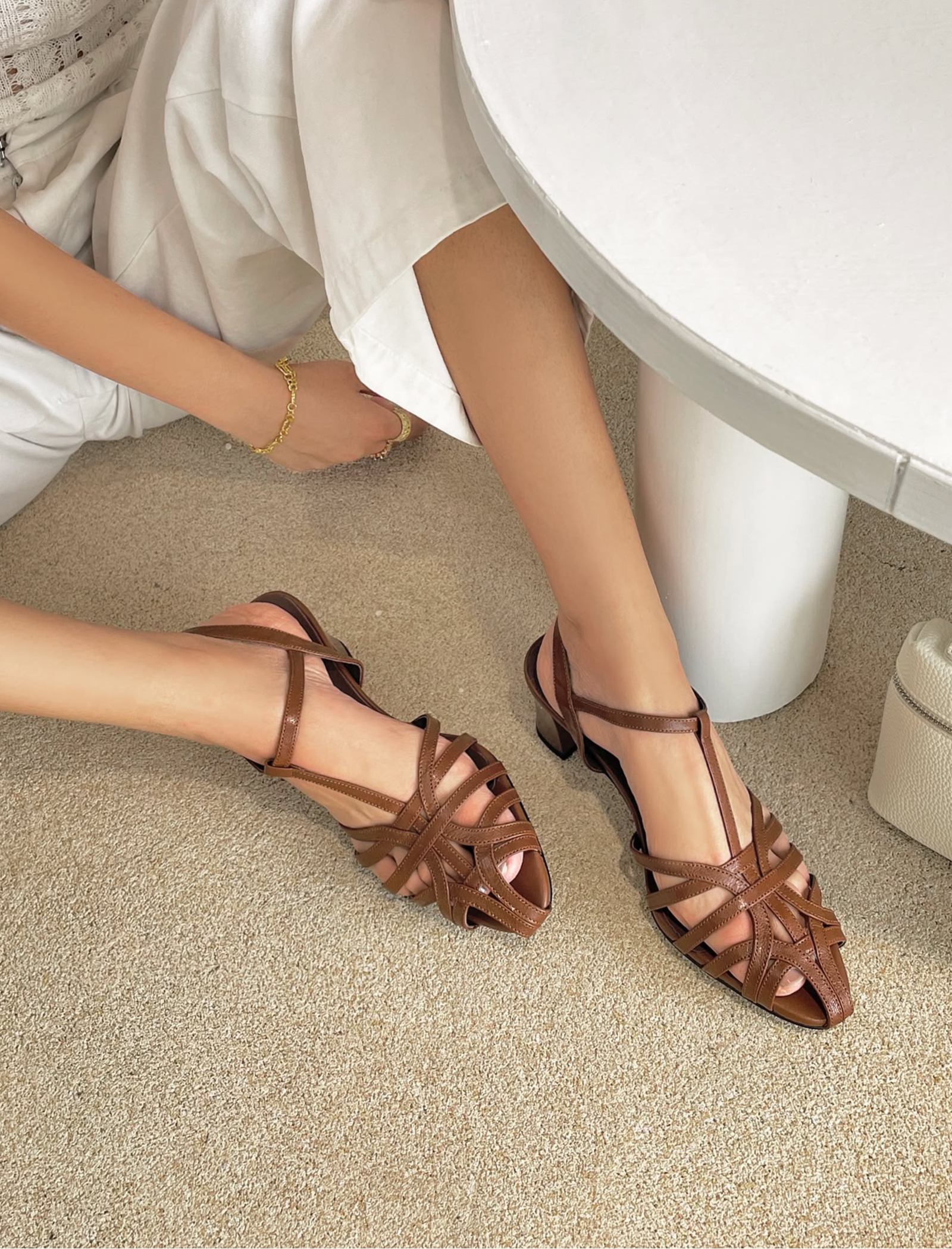
Fisherman Sandals
Comparing Tory Burch Fisherman Sandals comes down to two or three measurable differences rather than a general sense of quality. A strap across the widest part of the foot is what stops slipping, not a tighter buckle.
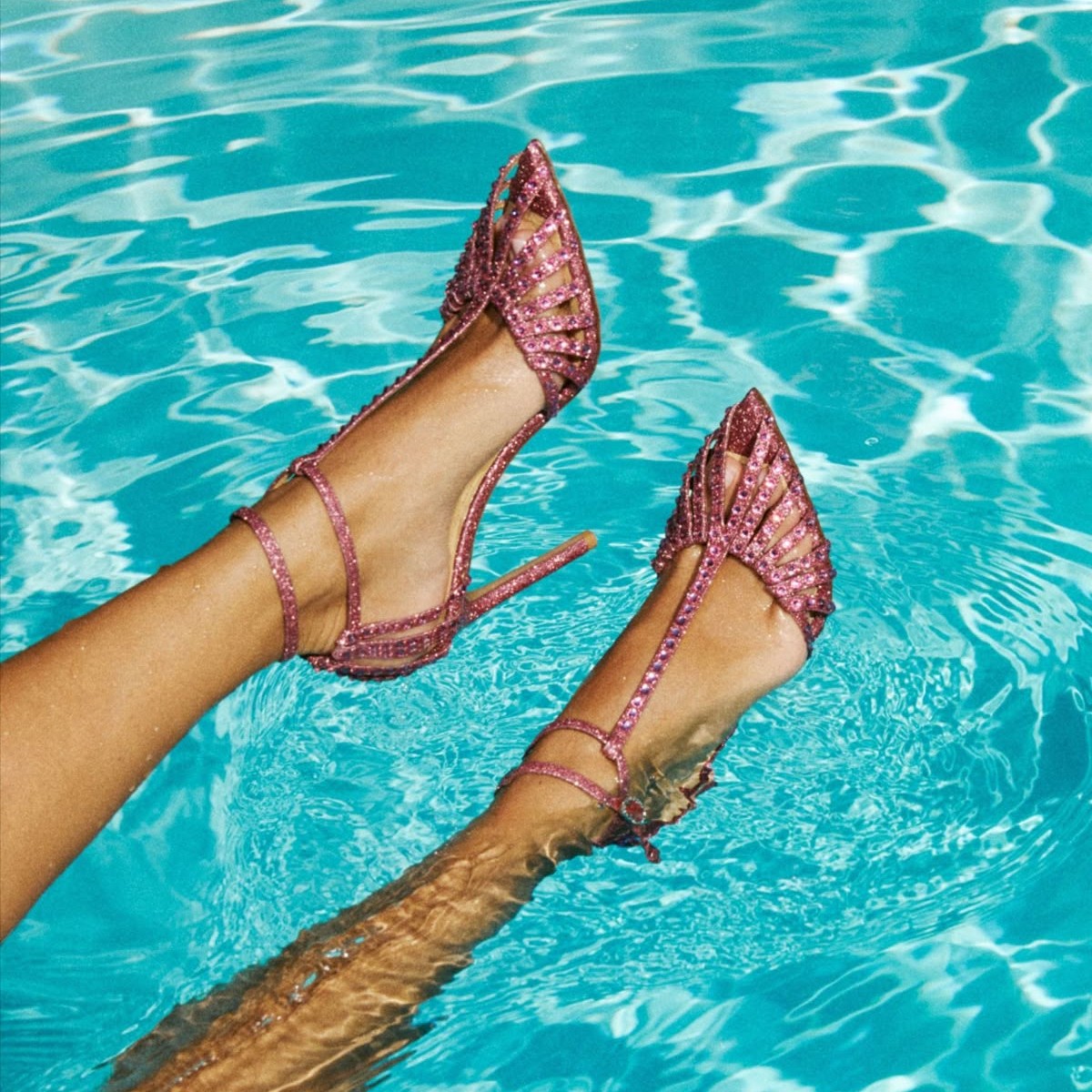
Sandals you Can Walk Miles In: How to Wear Them
The short answer on Sandals you Can Walk Miles In: pick one anchor piece, keep the palette to two colours, and let the shoes decide how formal the whole thing reads. One piece should lead and the rest should stay quiet; two competing pieces read as an accident.
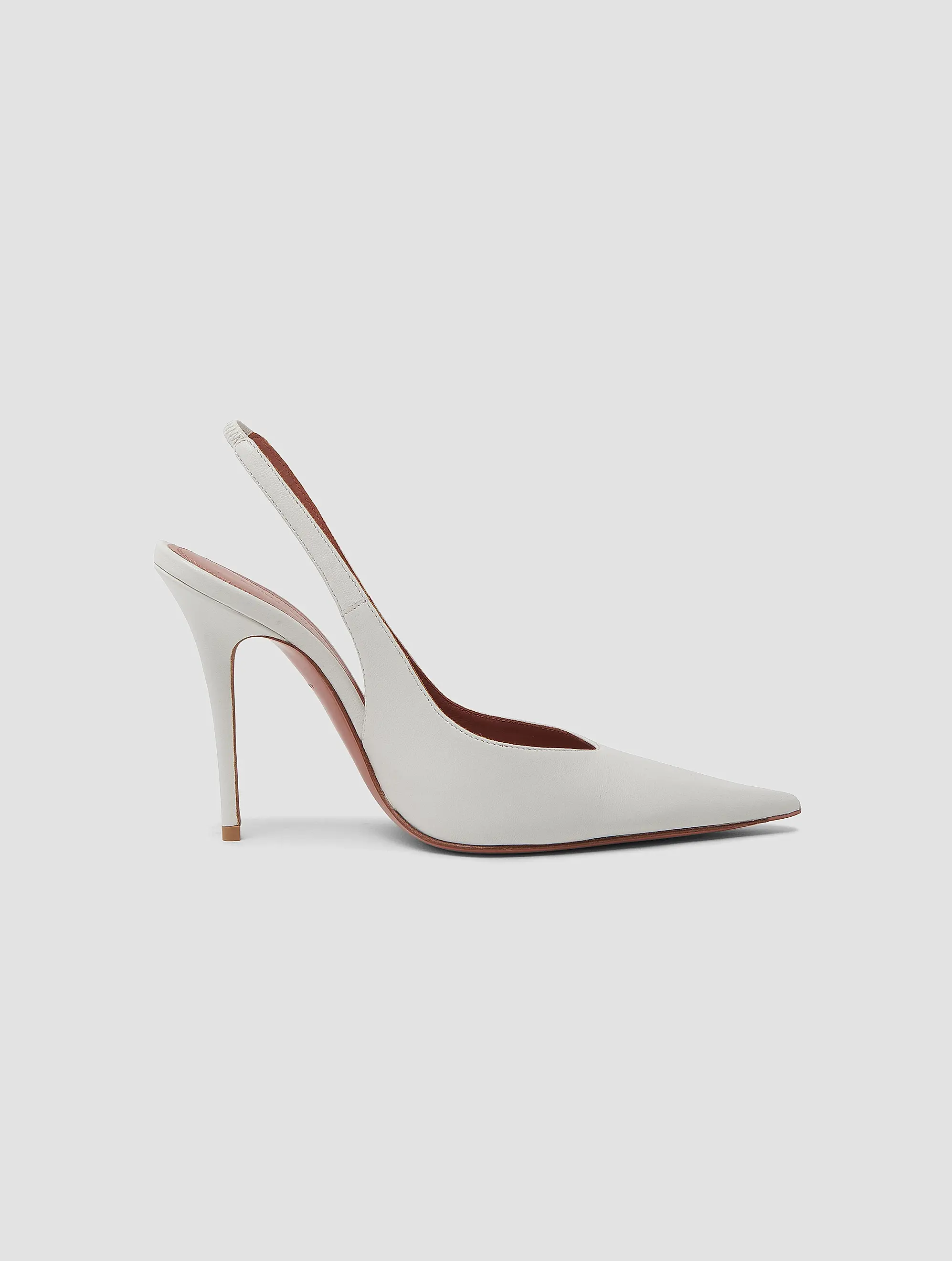
Amina Muaddi Heels And The Flared Heel Effect
Amina Muaddi heels are defined by a strong silhouette, a precise heel, and enough decoration to make a simple outfit feel intentional. The label's slingbacks and sandals work best when the shoe is allowed to be the focal point, rather than asked to compete with a loud hem or crowded accessories.

Red Ballet Flats Are The Easiest Colour Decision You Will Make
Red ballet flats are the single most efficient way to make a plain outfit look deliberate. Scarlet, crimson, wine and dark red across leather, mesh and recycled knit. It is a shoe that does the work of an accessory.

Tony Bianco Heels Are Built For A Long Night
Tony bianco heels are the Melbourne label's strongest category and the reason it turns up at so many weddings. Slingback stilettos, strappy mules, kitten heel sandals and a glomesh thong. It is occasion footwear that has thought about the walk from the car.
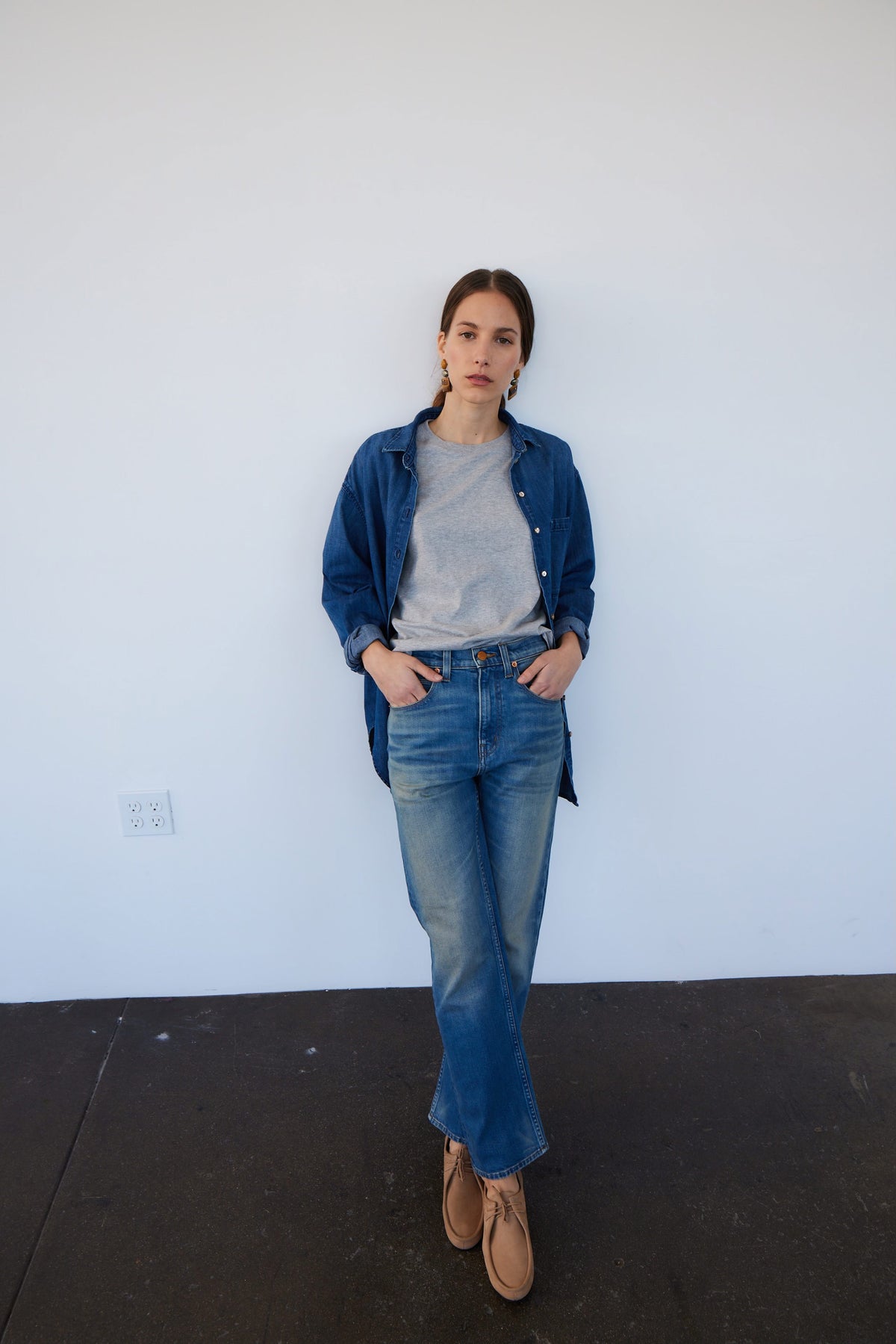
Jamie Haller
Jamie Haller launched her namesake label in Los Angeles in 2020 after more than two decades in fashion. She began with shoes, working with an Italian atelier on soft, glove-like slippers and loafers, then expanded into denim and everyday clothing. The useful thread is the same throughout: understated pieces with a clear point of view.

The Platform Sandal Makes a Case for Height
A styling guide to platform sandals, midi dresses and clutches, weighing volume, proportion and how much height an outfit needs.

The Bare Sandal
With almost no upper, everything depends on where the straps fall. Eight flat sandals, eight walkable heels and eight slides, from $200.
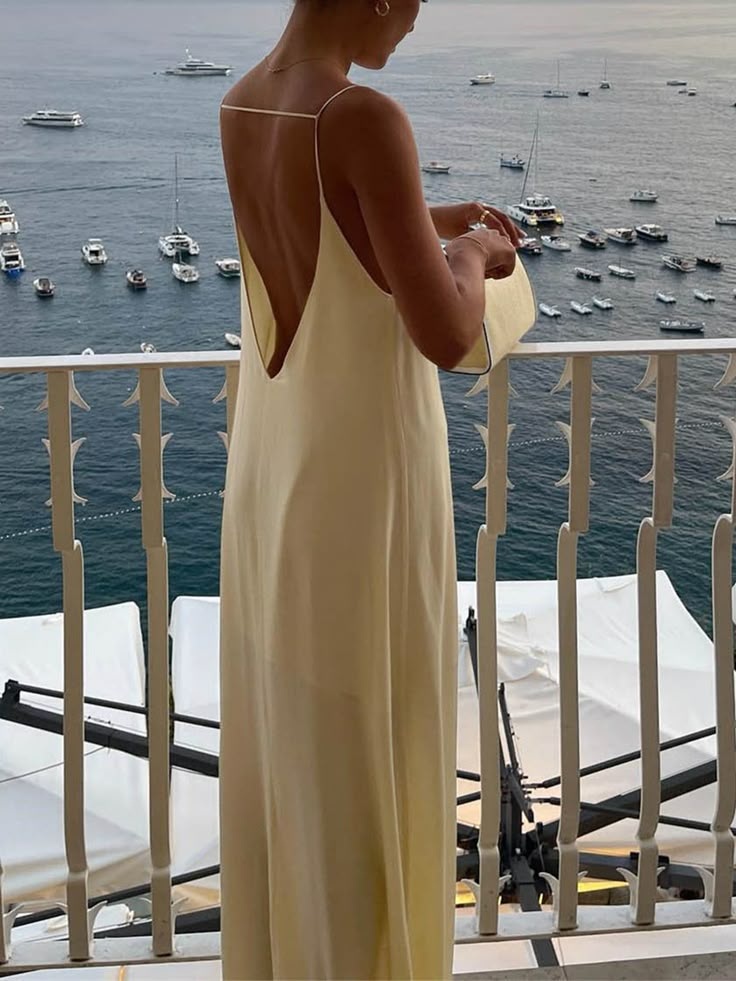
Dinner On Holiday Has Its Own Wardrobe
Dinner on holiday is warmer than home and less formal than a city restaurant. Eight dresses, four heels, four clutches and the plated jewelry that survives salt water.

Looking for the Most Comfortable Heels? Start With the Block, Not the Stiletto
Heel comfort used to be treated as a myth, something you traded away for height and shape. The most comfortable heels now come from brands that engineered the footbed and heel geometry specifically for standing time, not just from lowering the heel. These eight pairs show the range, from cushioned block heels to kitten heels built for an actual workday.

Giuseppe Zanotti Heels Are Engineered For The Entrance
Giuseppe Zanotti trained as a shoe designer in the Riviera del Brenta, the stretch of Veneto where most of the world's luxury footwear is actually made. Giuseppe zanotti heels come out of that technical tradition, which is why the extreme shapes still balance. The theatrics are engineered rather than improvised.
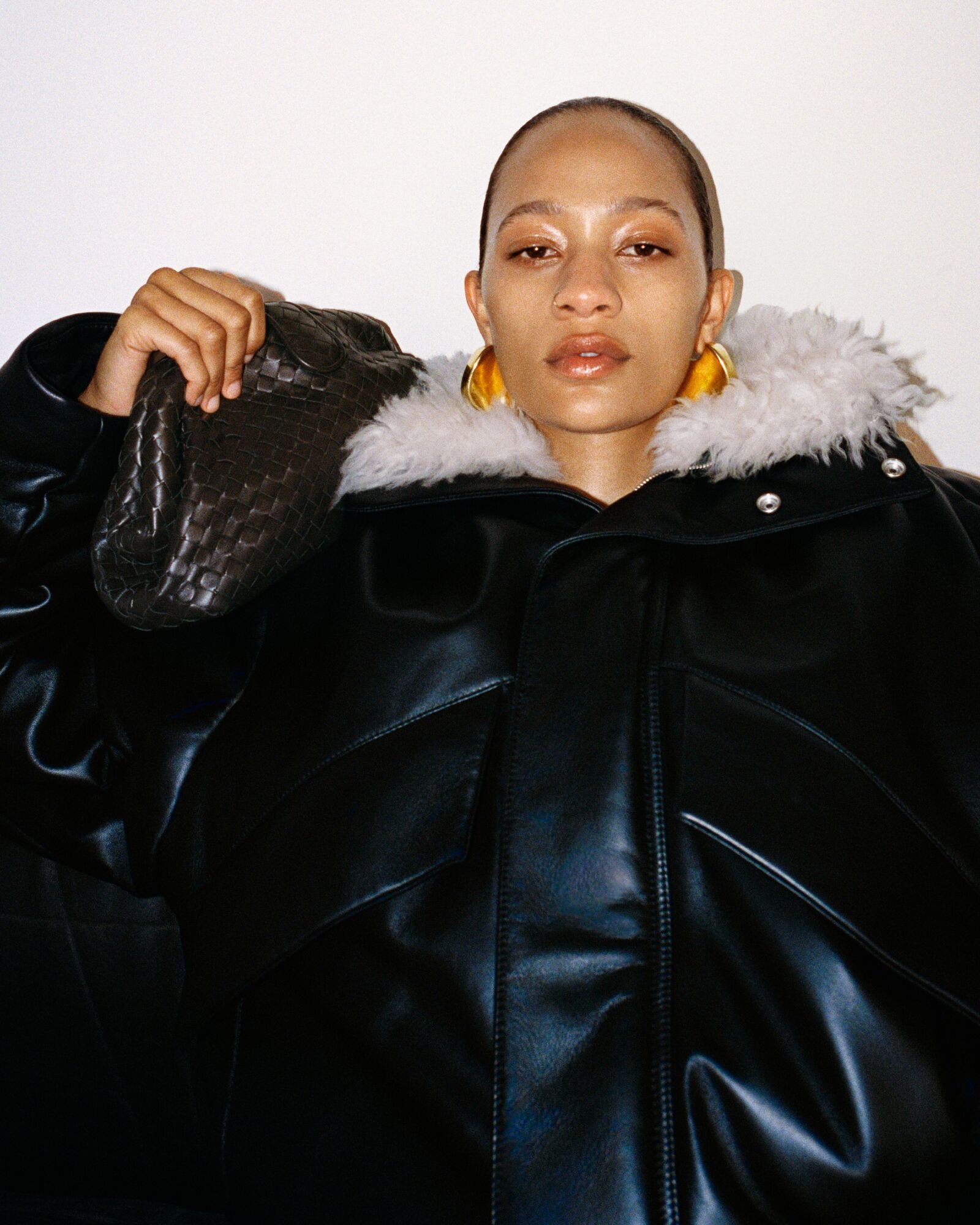
Dressing With Intent
Elegance stopped being about occasion and became about intention. The current version is quieter and heavier, built out of fabric rather than embellishment. This edit follows that logic through a full autumn wardrobe.

Chunky Loafers Won the Flat Shoe Argument
Chunky loafers replaced the thin, delicate penny loafer as the default smart-casual flat, mostly on the strength of a lug sole borrowed from hiking boots. The four pairs here show how wide that category has already gotten, from a slim classic silhouette on a thick sole to a fully studded leather version. The sole is doing more work than people give it credit for.
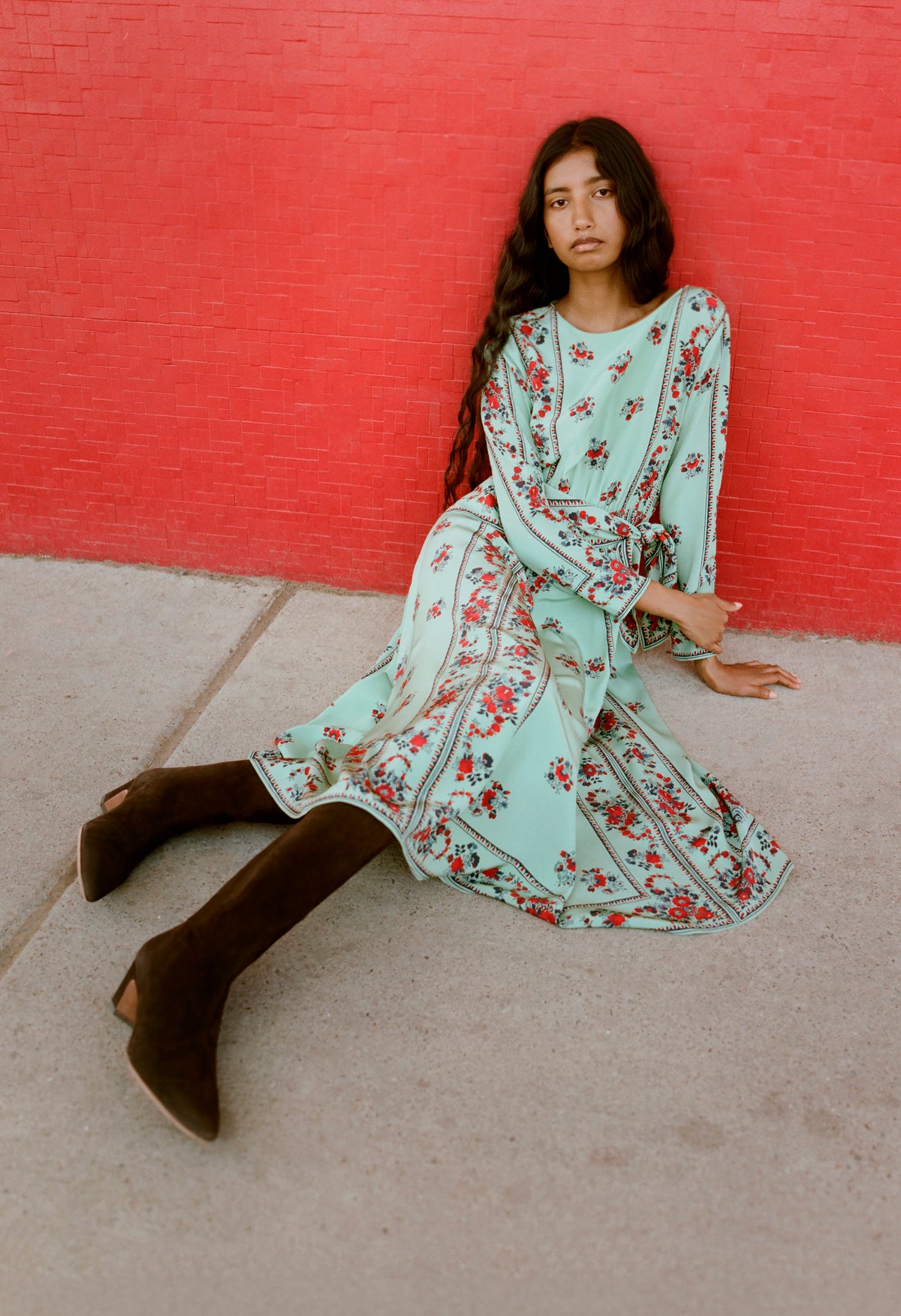
Loeffler Randall
Jessie Randall sketched the brand's first collection from a Cobble Hill garden apartment in 2004, her dog in her lap, while her husband Brian worked full-time in advertising to support them both. He cut up their wedding invitation and tucked pieces of it into the footbed of an early prototype alongside her middle and last names, which is how the brand got its own. Bergdorf Goodman picked up that debut collection in its very first season, and Jessie went on to win the CFDA's Swarovski Award for Accessory Design just two years later.
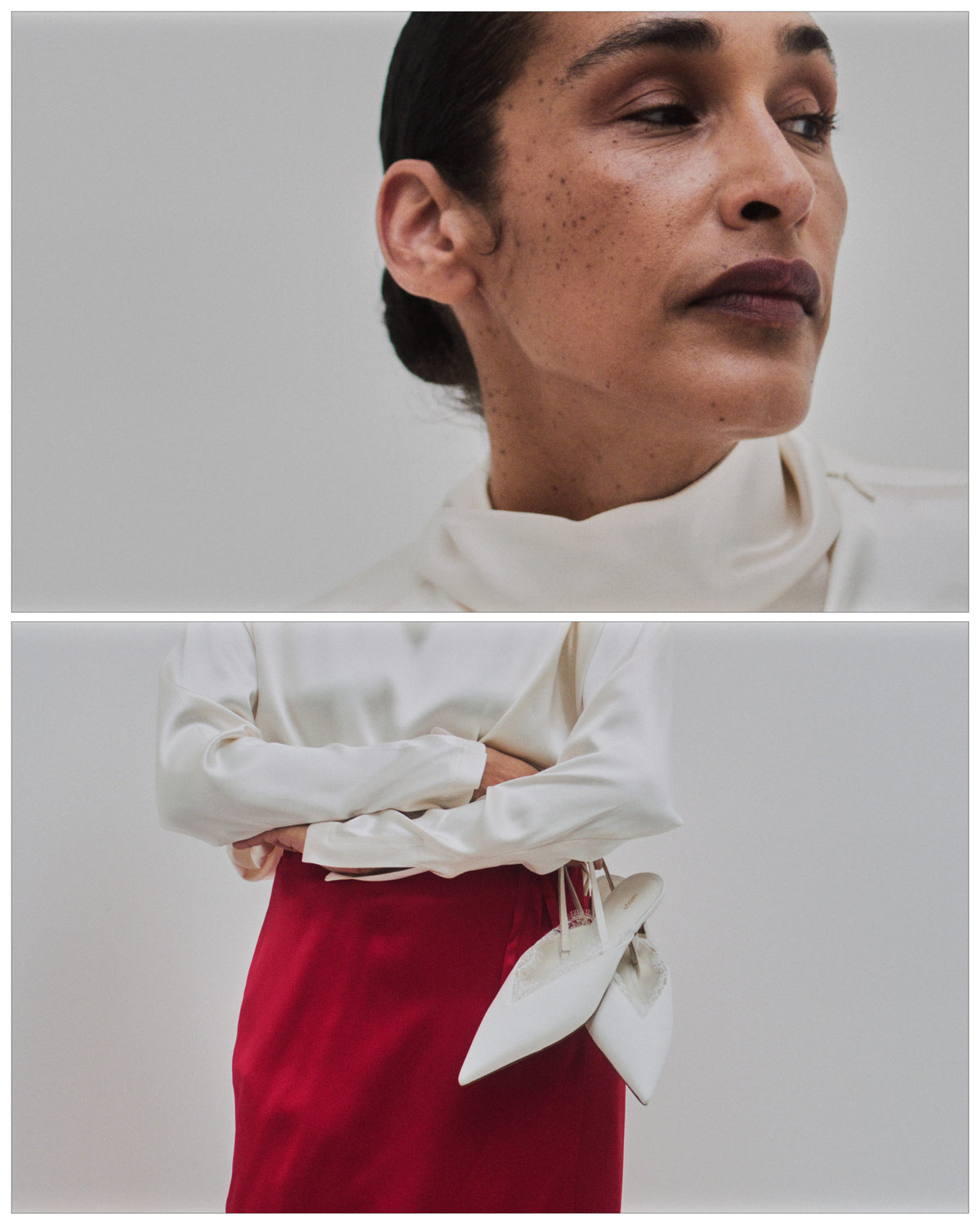
NEOUS
NEOUS makes shoes and bags for people who like a little architecture in their wardrobe. Founded in London by Australian stylist Vanissa Antonious in 2017, the label began with wearable heels and later expanded into handbags. The shapes are clean, but the materials and curves keep them from reading as anonymous minimalism.
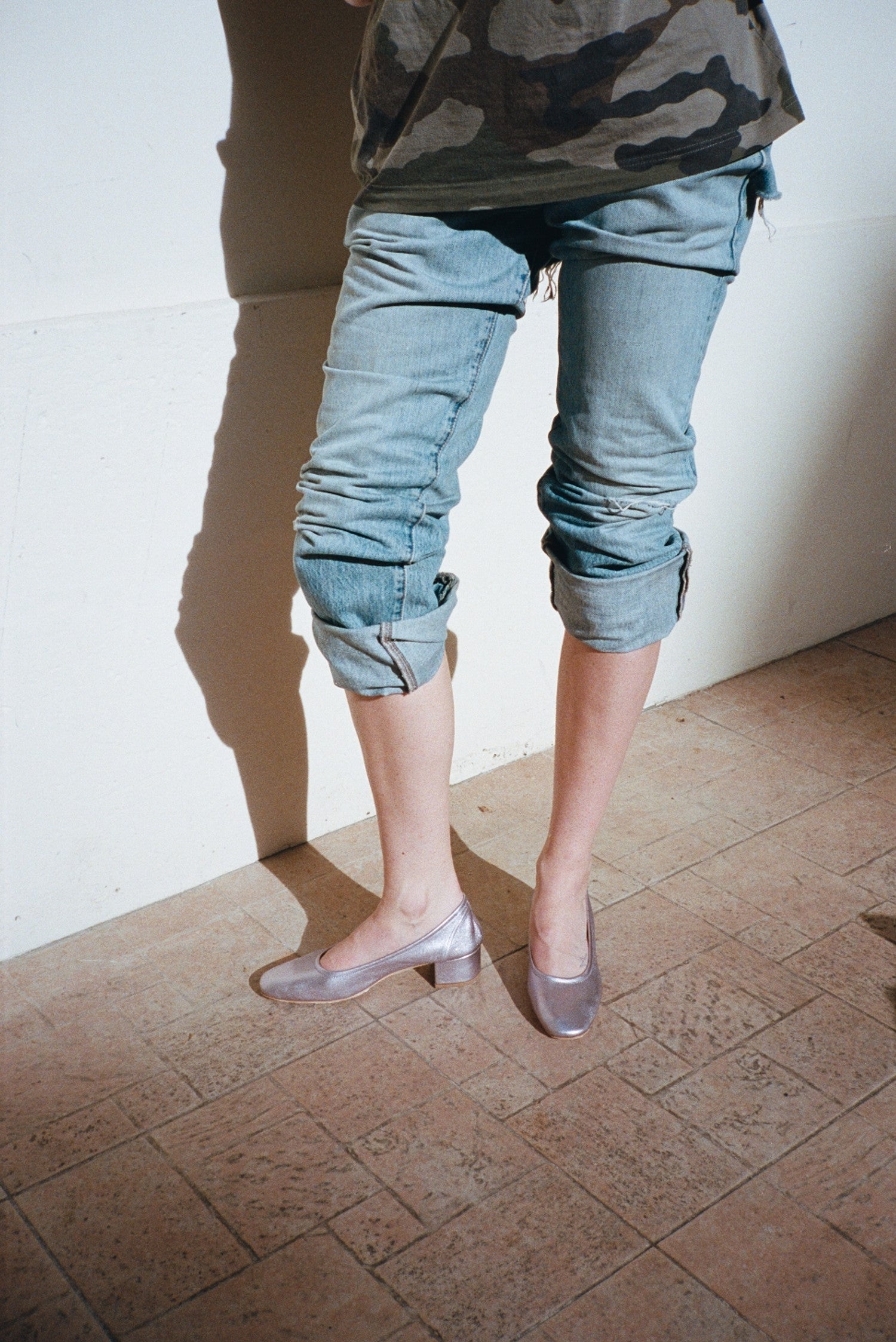
Maryam Nassir Zadeh
Maryam Nassir Zadeh opened her Lower East Side store in 2008 and launched her in-house clothing and shoe collection in 2012. Her background in textiles and styling shows up in pieces that make a complete look without looking overworked. The line’s downtown ease is less about minimalism than knowing exactly where to stop.

Le Monde Béryl
Le Monde Béryl makes shoes for the long way around, with ballet flats, Mary Janes, mules and boots that treat comfort as a design problem rather than a compromise. Founded in 2016 by Lily Atherton Hanbury and Katya Shyfrin, the London label began with the Venetian gondolier slipper as its point of departure. Each pair is hand-finished in Italy, with the kind of detail that reads better in motion than in a product shot.
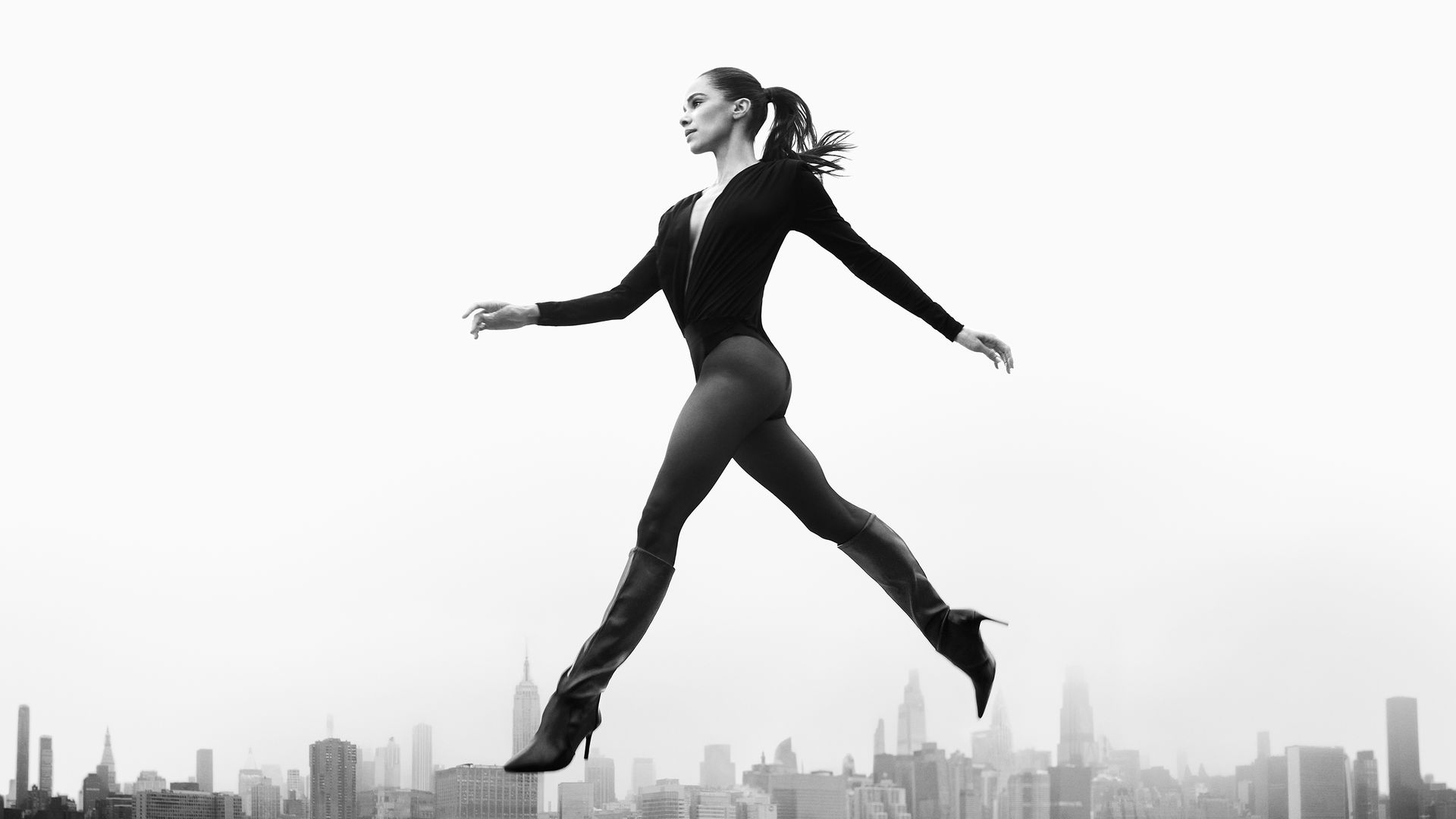
Stuart Weitzman
Stuart Weitzman has spent decades making shoes that treat engineering as part of the glamour. Founded in 1986, the New York label pairs its design language with artisanal production in Elda, Spain. The result is a wardrobe of sharp silhouettes, stretch-aware boots and polished shoes that understand the practical business of being worn.
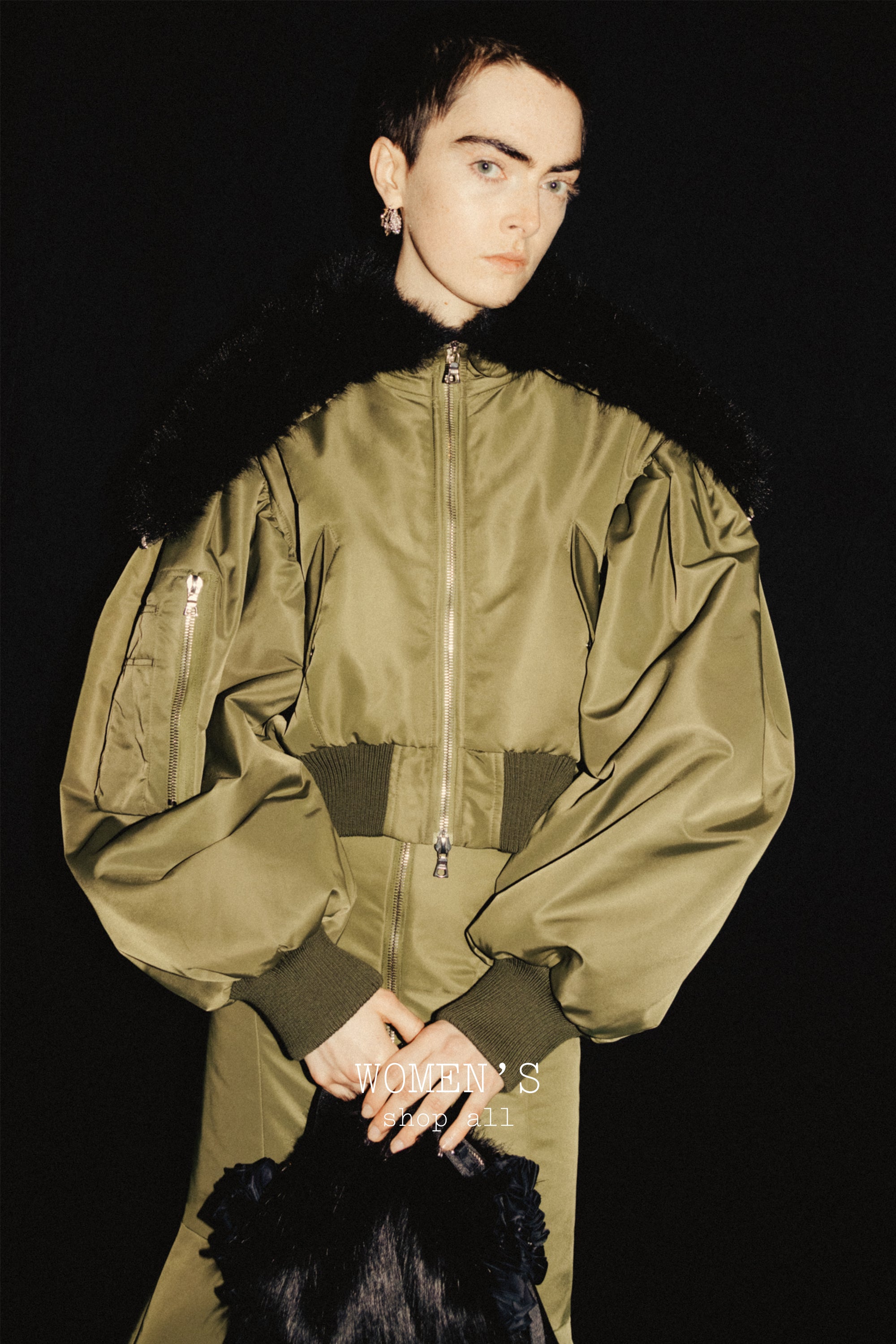
Simone Rocha
Simone Rocha builds romance with a little darkness at the edges, using bows, pearls, lace and athletic references to keep prettiness from becoming predictable. Born in Dublin, Rocha launched her label after graduating from Central Saint Martins in 2010 and quickly made London Fashion Week her stage. The collection moves between dresses, sculptural separates and accessories with the same instinct for contrast.

Manolo Blahnik
Manolo Blahnik treats a shoe as a small piece of theatre, with the line of the heel and the shape of the toe doing the speaking. He founded his eponymous label in Chelsea in 1970 after Diana Vreeland urged him to make shoes, then made his first major runway collection for Ossie Clark in 1971. The collection still carries that sense of movement, from sharp pumps to sandals that seem to know exactly where the evening is going.
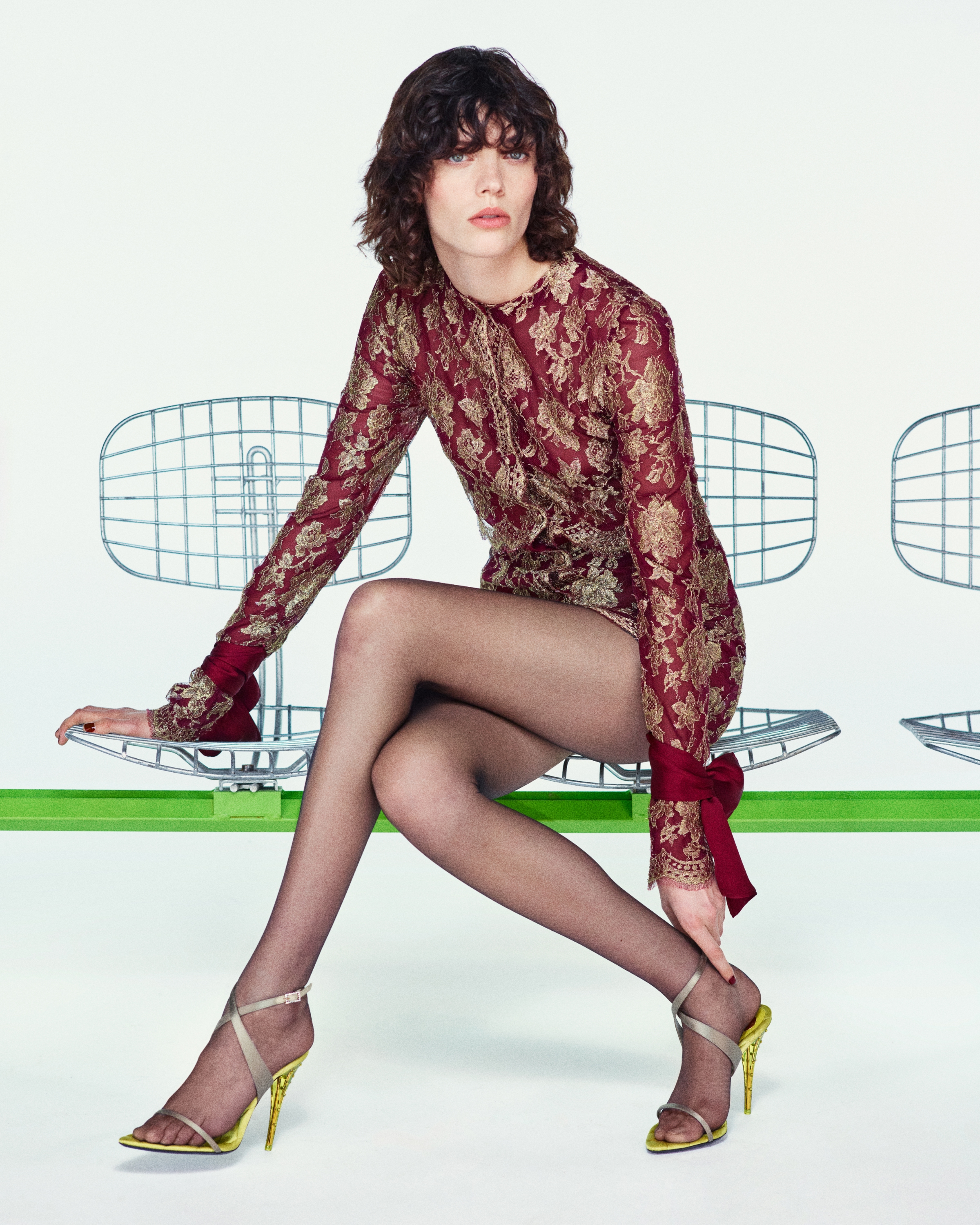
Saint Laurent
Yves Saint Laurent and Pierre Bergé opened the house in Paris on December 4, 1961, after Saint Laurent's dismissal from Christian Dior, where he had been chief designer since age twenty one. The label reshaped fashion twice over, first with Le Smoking, the tuxedo suit for women, then with the 1966 Rive Gauche line that made designer ready-to-wear a real category, and it has since passed through Tom Ford, Stefano Pilati, Hedi Slimane and now Anthony Vaccarello.
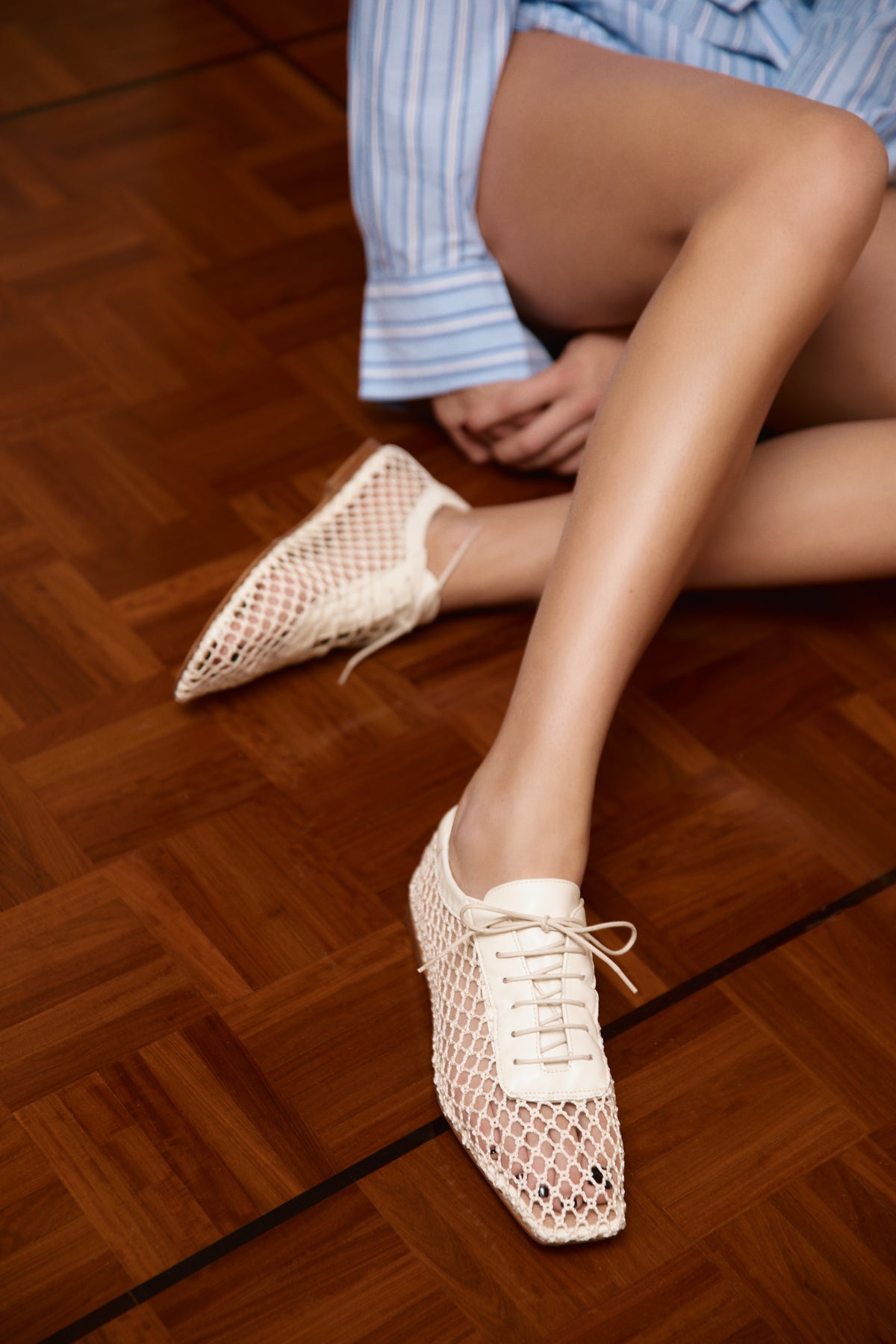
Andrea Gomez
Andrea Gomez studied jewellery design in Florence as a teenager, then at FIT in New York and the London College of Fashion, and worked at DKNY before launching her own shoes. She started in Caracas in 2011 with her sisters Leonor and Mariela, then relaunched the line in New York for spring 2017. Everything is made in a small family-owned factory near Alicante in Spain.

Roger Vivier
Roger Vivier opened his own atelier in Paris in 1937 after studying sculpture at the École des Beaux-Arts, and by 1953 he was designing shoes exclusively for Christian Dior, the first time a couturier ever let a shoemaker's name share a label with his own. In 1954 Vivier is credited with engineering the modern stiletto heel using a thin steel rod for structure, and he went on to design the buckled pump later worn by Catherine Deneuve in Belle de Jour.
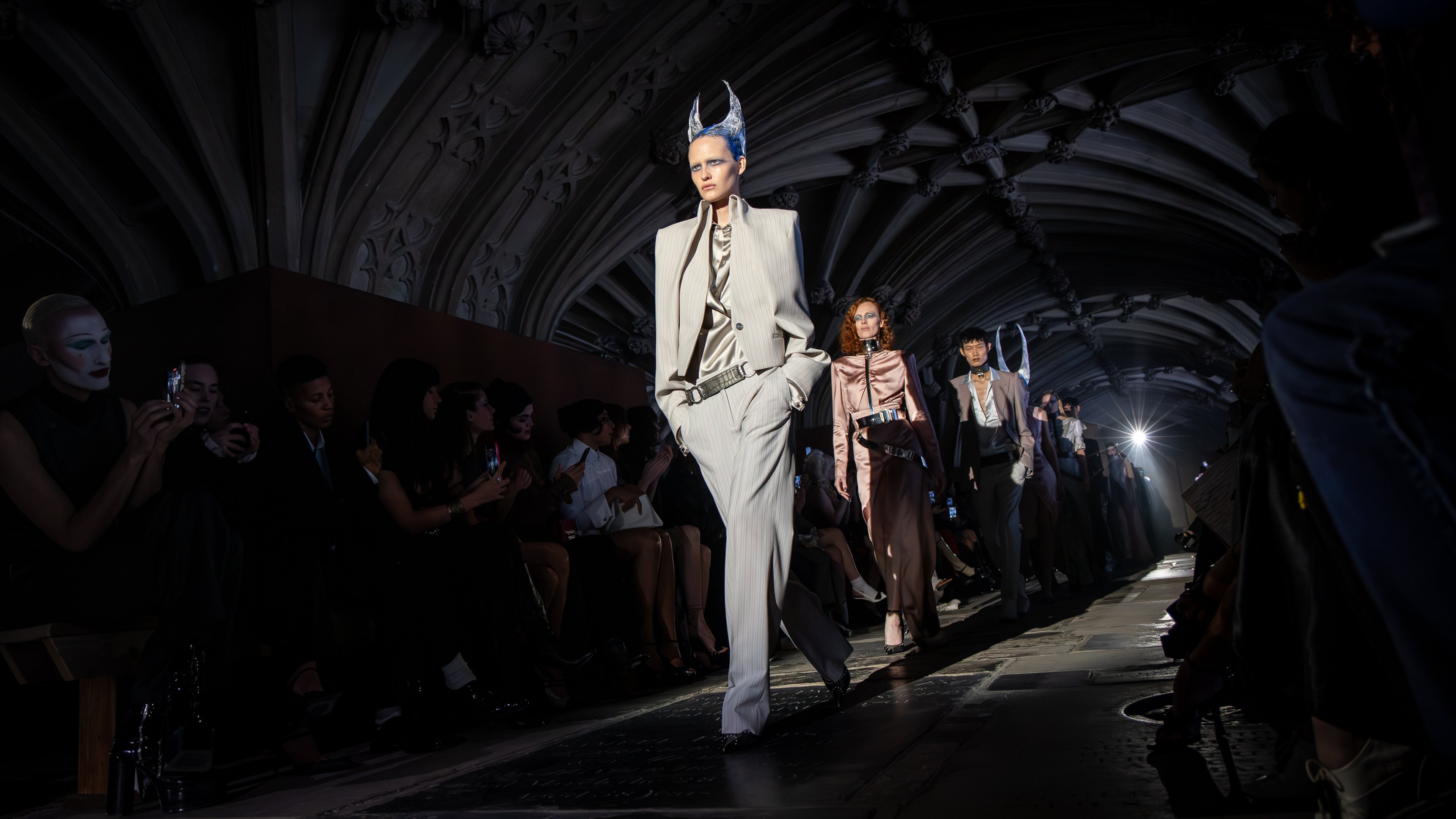
Alexander McQueen Sneakers
The chunky sneaker had a very loud decade and is now being quietly reassessed. Alexander McQueen sneakers are the most recognisable object from that period, built on an oversized rubber sole and a plain leather upper. This edit takes the oversized models first and then the lower profile ones.