Shoes
Shoes
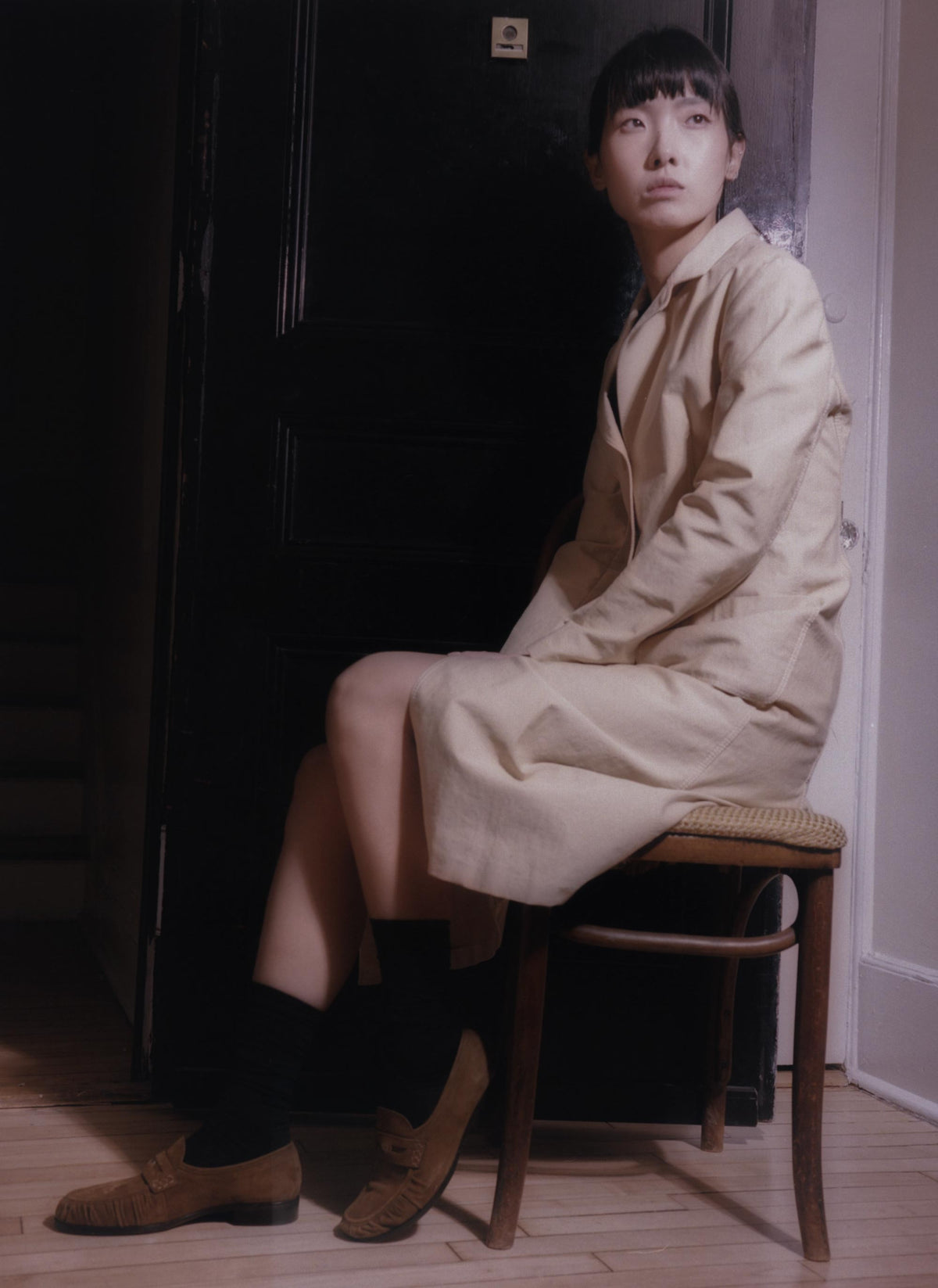
Emme Parsons
Emme Parsons was a graphic designer and art director in New York, working on brands like Theory and Lucky magazine, before she moved to Los Angeles and launched her eponymous footwear label in 2017 with just three sandal styles. She had no formal shoemaking training, so she took a one-day workshop at a Los Angeles shoe-repair shop before her first samples were even cut, and every pair is still made by a family-run factory in Italy.
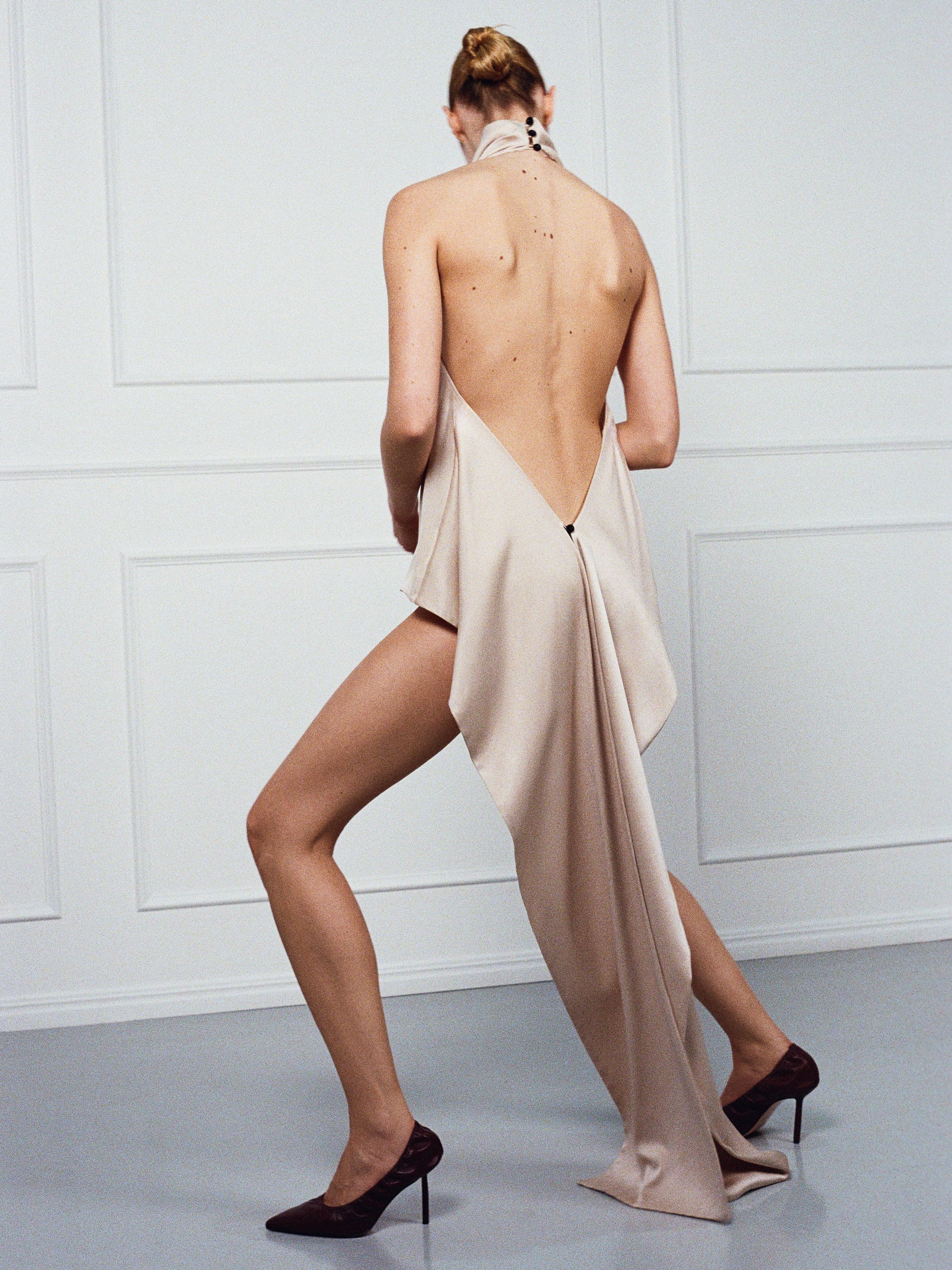
Studio Amelia
Emily Amelia Inglis founded Studio Amelia in Sydney in 2019 after struggling to find a flat sandal that was neither too relaxed nor too dressy, and deciding to design her own. The debut collection launched with just four sandal styles in four colorways, and was an instant hit
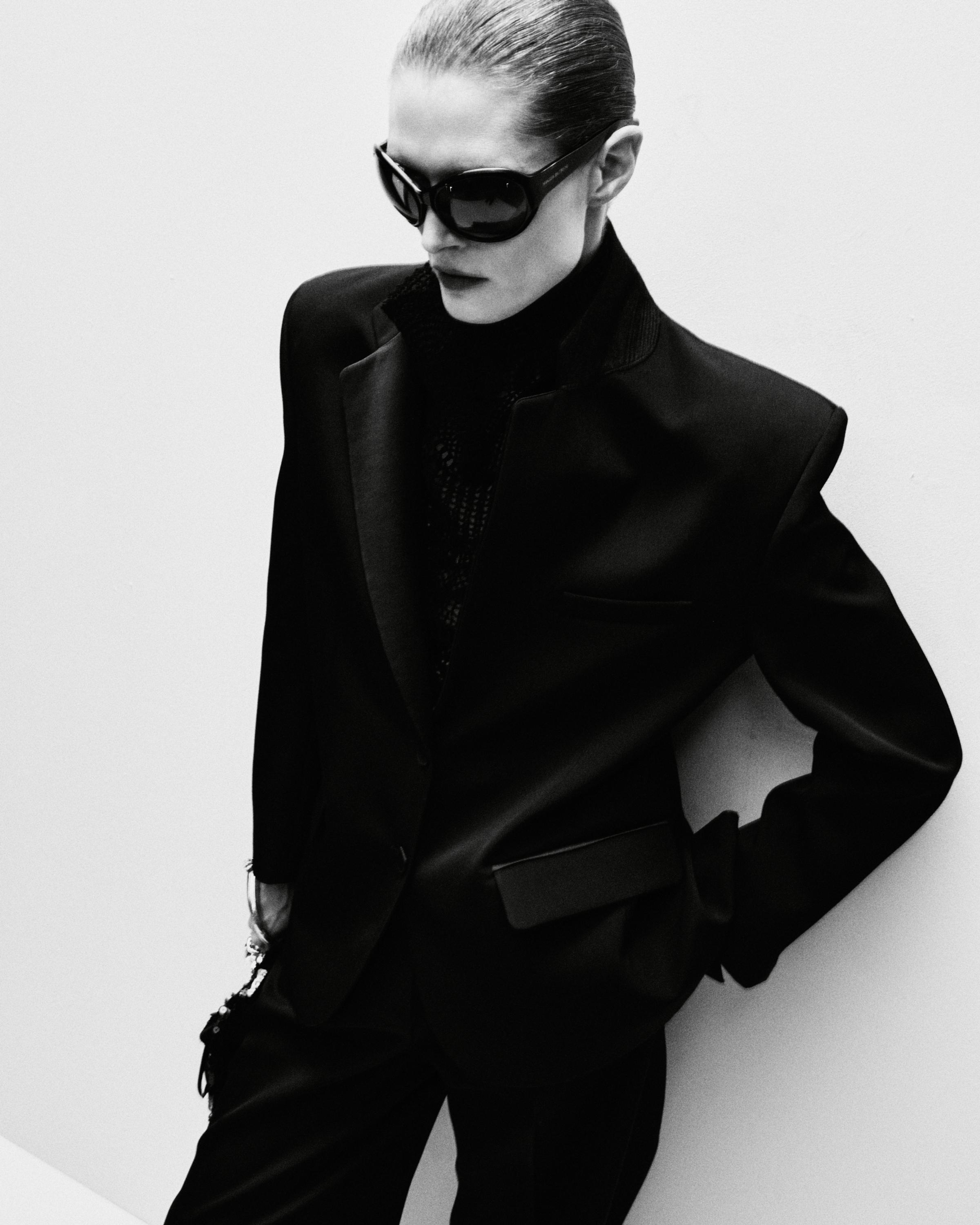
Magda Butrym
Magda Butrym, born in Zabrze, Poland, worked for years as a stylist and ran a short-lived earlier label, Portofino, before launching her eponymous house in Warsaw in 2014. The label built its identity by working directly with Polish artisans, turning regional hand-knitted lace and hand-plaited leatherwork into signatures rather than trims.
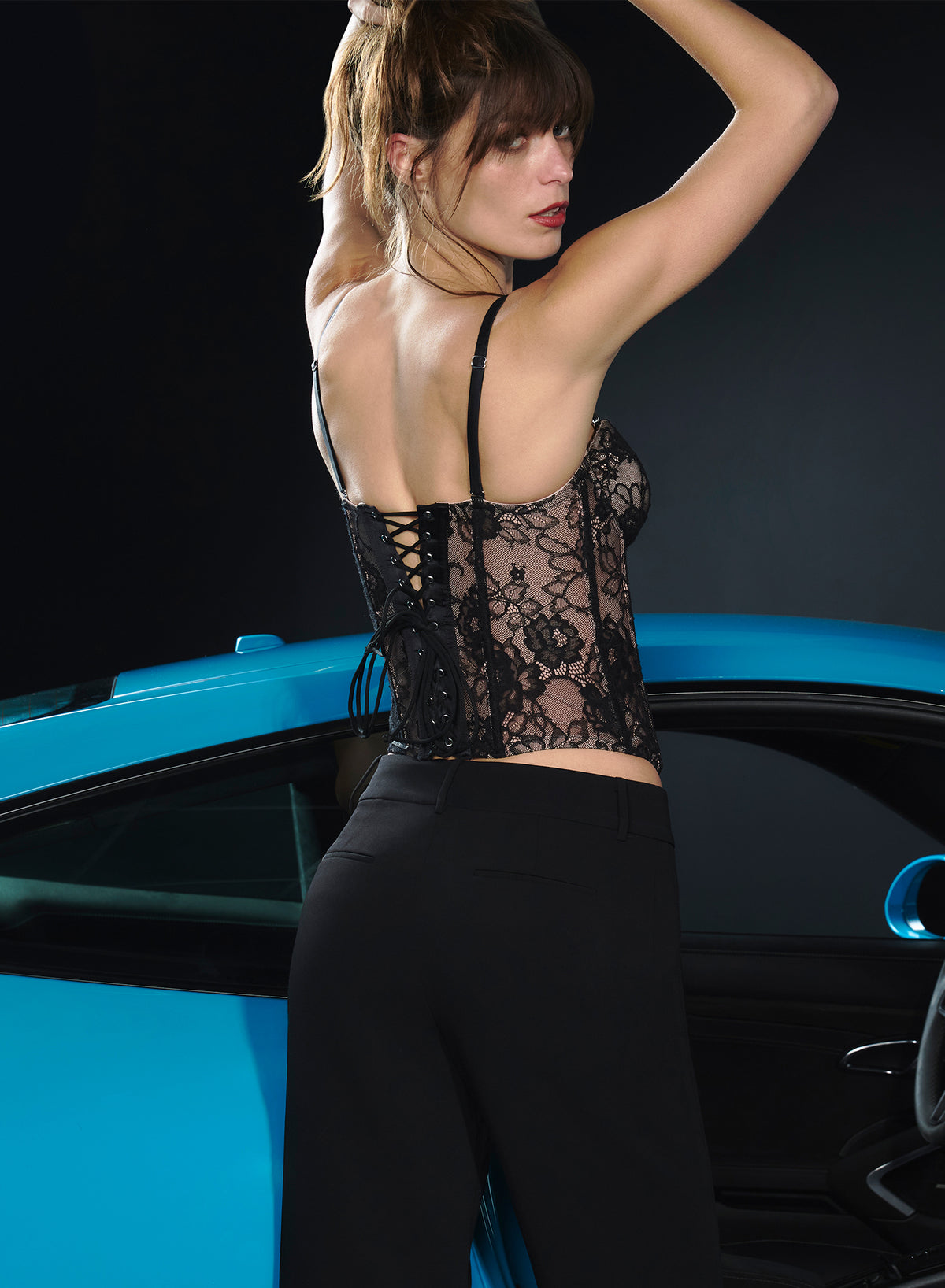
Fleur du Mal
Jennifer Zuccarini launched Fleur du Mal in New York in 2012 after stints co-founding Kiki de Montparnasse and designing intimates at Victoria's Secret, taking the brand's name from Baudelaire's collection of poems. Her pitch was lingerie meant to be worn on an ordinary day rather than saved for an occasion, which is why the label expanded into ready-to-wear and swim without ever losing its underpinnings logic.
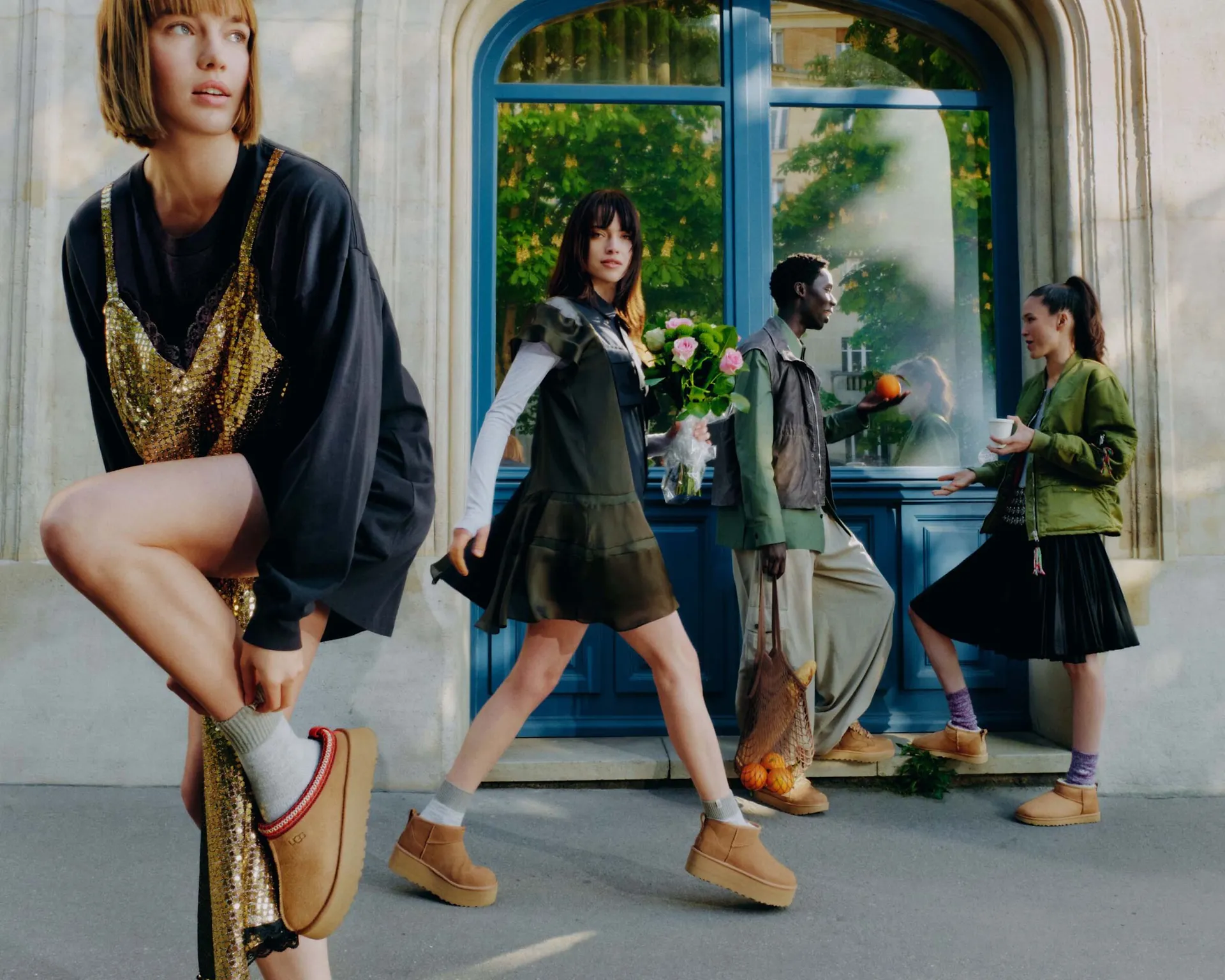
UGG
Brian Smith, an Australian surfer studying business at UCLA, founded Ugg Imports in Santa Monica in 1978 with Doug Jensen, betting that the sheepskin boots Australians wore after cold surf sessions could find an American market. The company sold just 28 pairs its first season, and Smith kept building the brand himself, including selling boots out of the back of his van at Malibu, before selling it to Deckers Outdoor Corporation in 1995.
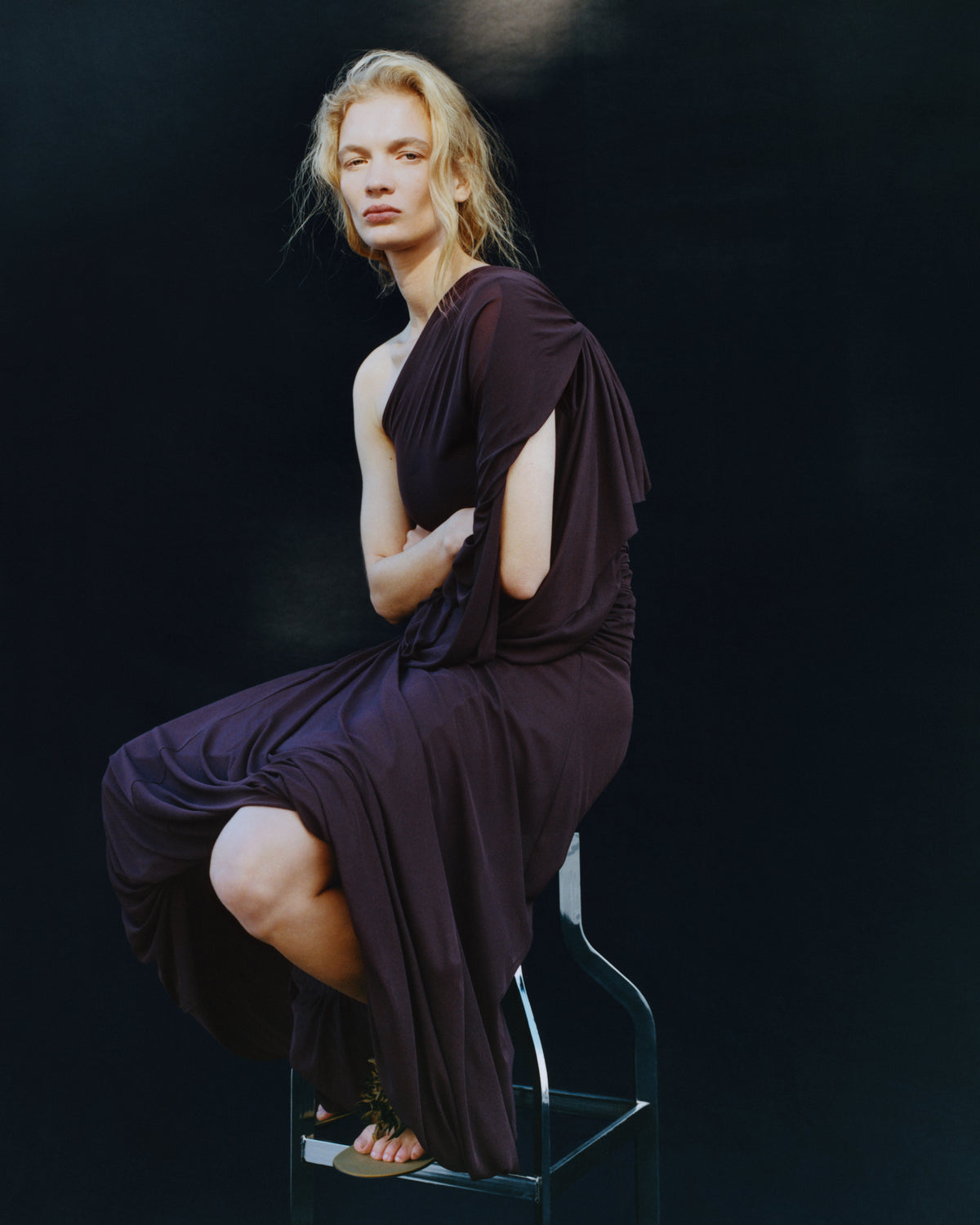
Proenza Schouler
Jack McCollough and Lazaro Hernandez met at Parsons in New York and founded Proenza Schouler, named for their mothers' maiden names, when Barneys bought their senior thesis collection outright in 2002. The label built its reputation on the PS1 satchel, introduced in 2008, and on a run of CFDA awards including the first-ever CFDA and Vogue Fashion Fund prize in 2004.
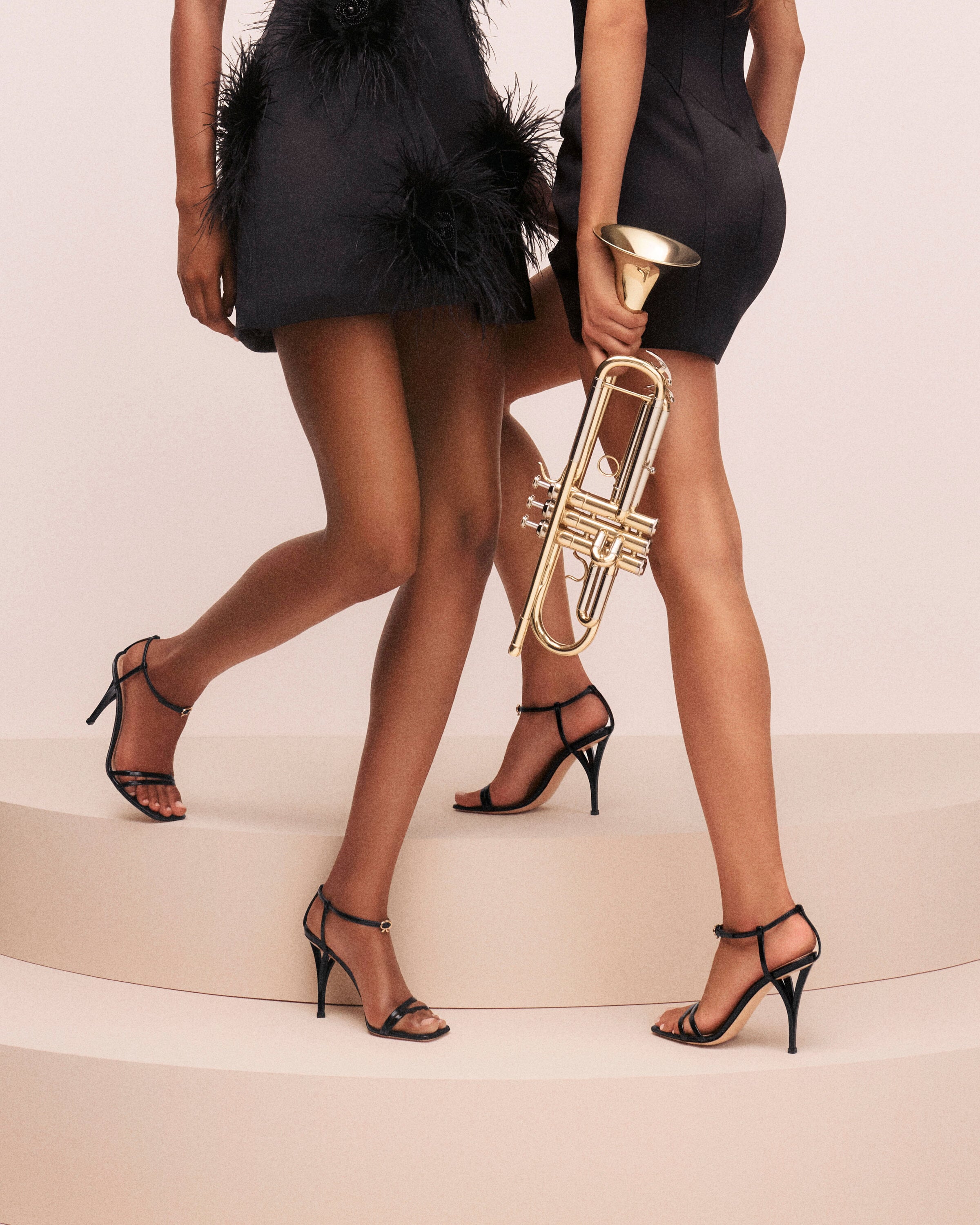
Gianvito Rossi
Gianvito Rossi launched his own footwear label in Milan in 2006, after years working alongside his father, the shoe designer Sergio Rossi, in the family's factories in San Mauro Pascoli. The house built its name on a handful of disciplined, unembellished silhouettes, chiefly the Gianvito 105 pump and the Portofino sandal, made with the same regional Italian craftsmanship he grew up around.
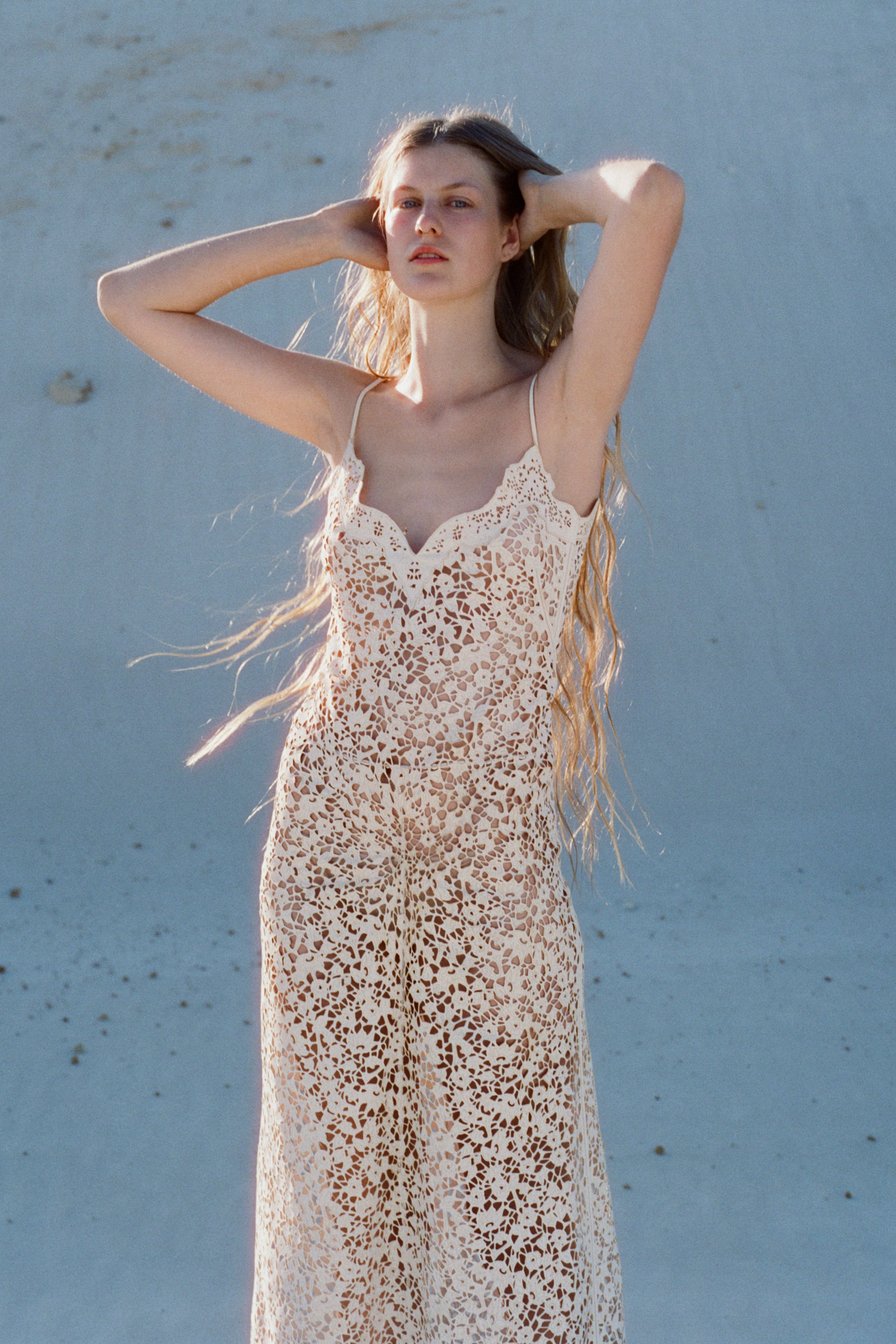
Gabriela Hearst
Gabriela Hearst grew up on her family's ranch in Paysandu, Uruguay, and after more than a decade working in New York design, launched her eponymous label for fall 2015 built explicitly around sustainability and a long-term view of clothing. The house has stayed close to that premise, from a partnership with the Uruguayan knitting cooperative Manos del Uruguay to a 2017 runway show run on roughly 30 percent deadstock fabric, while Hearst herself went on to lead Chloe from 2020 to 2023 as its first Latin American creative director.
STAUD
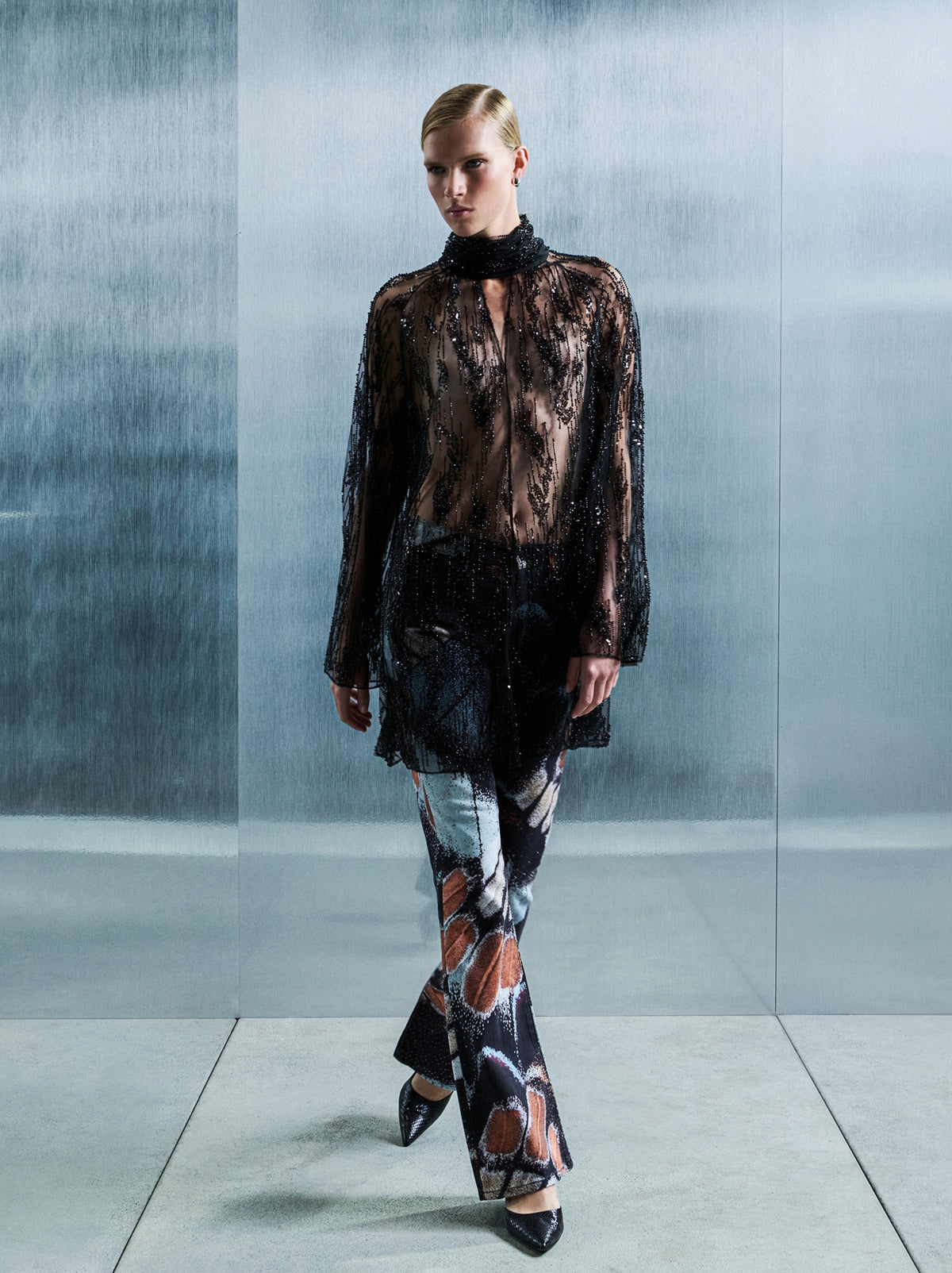
Sarah Staudinger, previously the fashion director at Reformation, launched Staud in Los Angeles in 2015 with business partner George Augusto, naming it after her own childhood nickname. The brand started as a made-to-order customization concept before pivoting to ready-to-wear once customers made clear they wanted the bags and dresses as designed, a shift that produced breakout accessories like the Bissett and Moreau bucket bags.

Dries Van Noten
Dries Van Noten launched his first menswear collection in 1986 in Antwerp, showing it in London with five classmates from the Royal Academy who became known as the Antwerp Six. What set him apart from the group was a refusal to chase a single signature look, instead building a reputation on pattern mixing, botanical prints and a stubborn independence from the usual industry calendar.
Mansur Gavriel
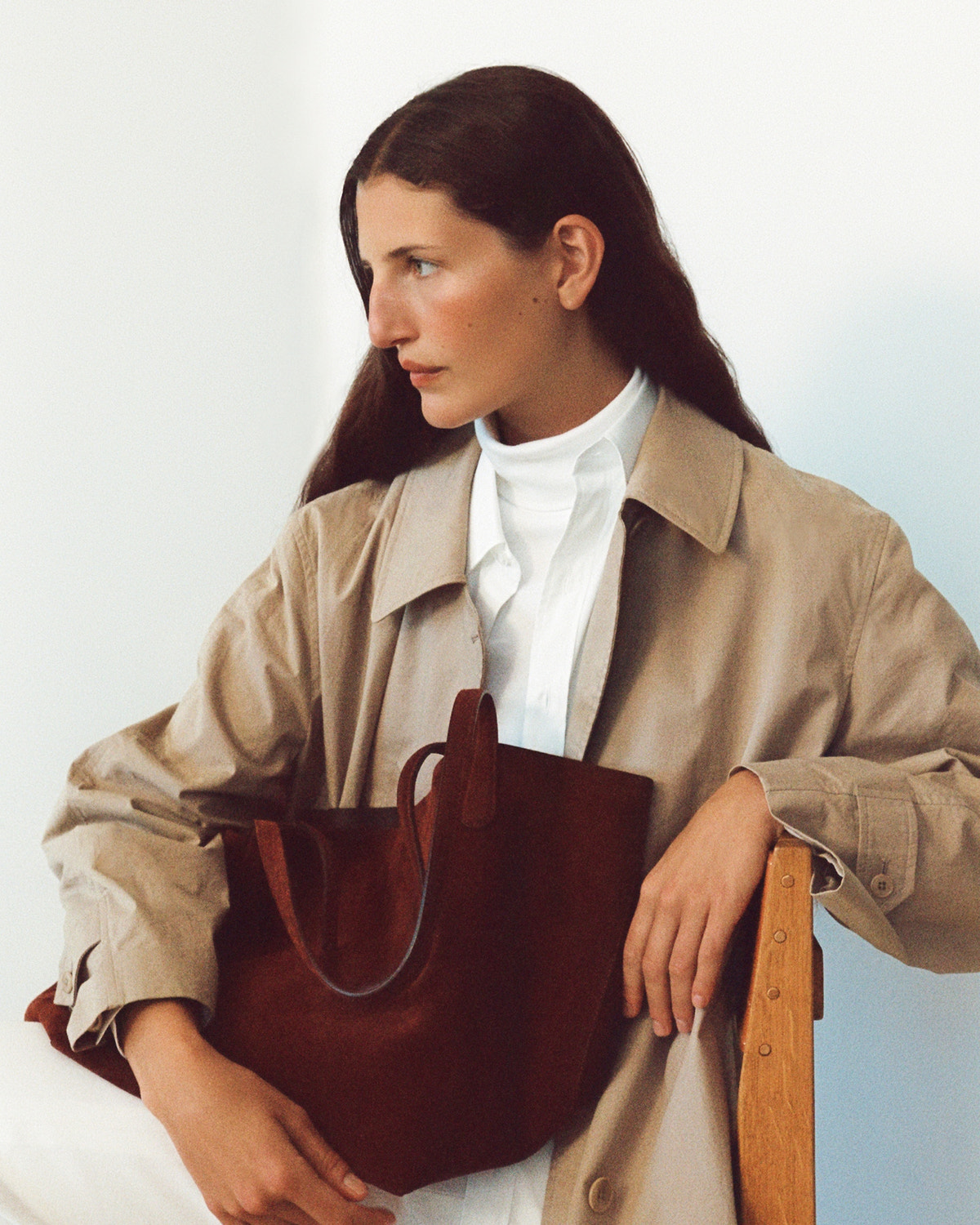
Our Phia favorites from Mansur Gavriel's Fall 2025 collection.
Aquazzura
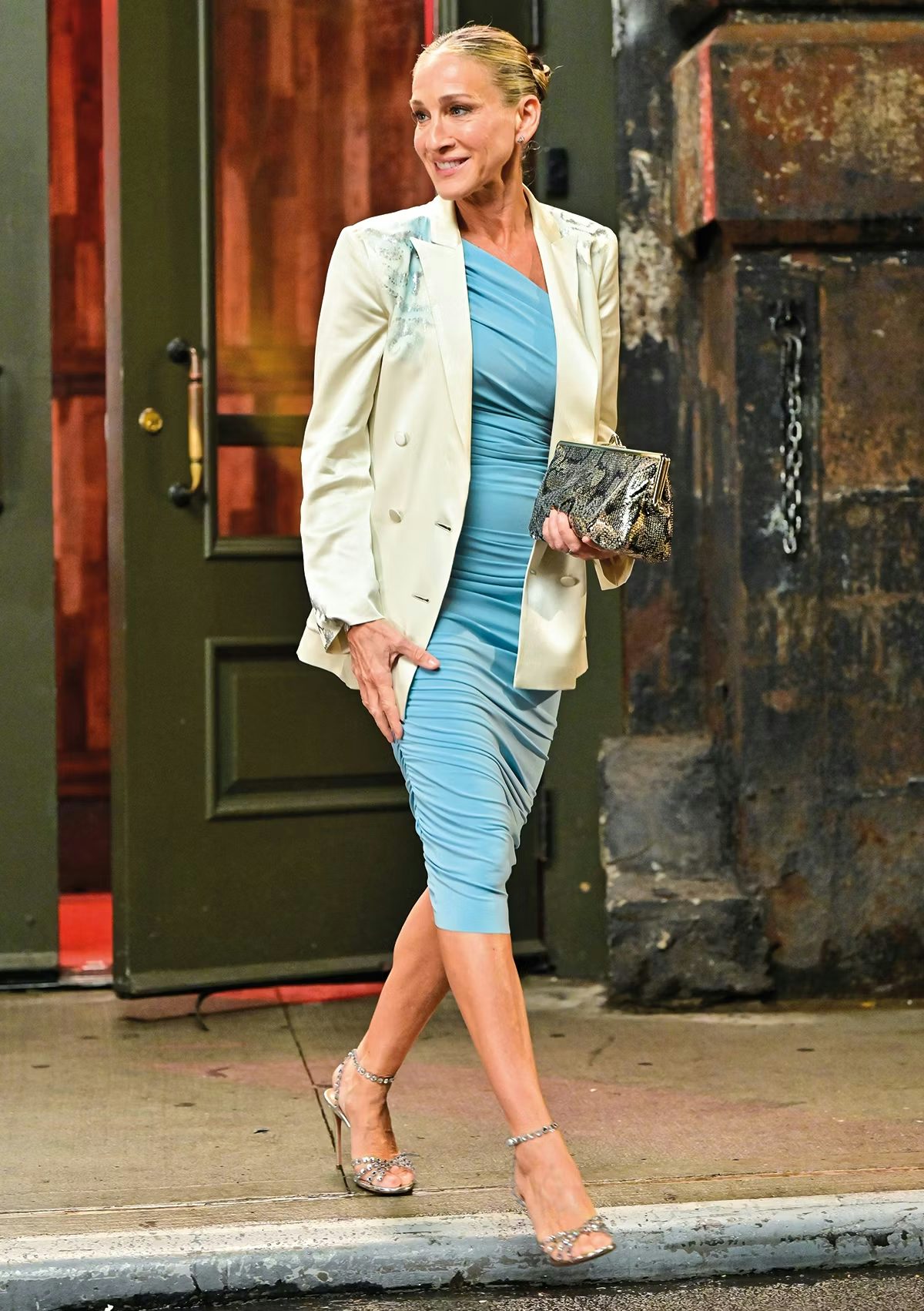
Aquazzura makes Italian shoes that treat glamour and wearability as compatible ideas, from strappy sandals and velvet pumps to polished boots. Founded in Florence by Edgardo Osorio in 2011, the label grew from his frustration with beautiful shoes that became painful too quickly. The collection is decorative, but its best designs start with the way a woman will actually move through the night.

Ann Demeulemeester
Ann Demeulemeester builds a dark romantic wardrobe from elongated lines, leather, asymmetry and the tension between softness and severity. Founded in Antwerp in 1985 by Ann Demeulemeester and Patrick Robyn, the house grew alongside the Antwerp Six and a deep conversation with poetry, music and visual art. The collection is for dressing with intention, not disappearing into the background.
AMANU
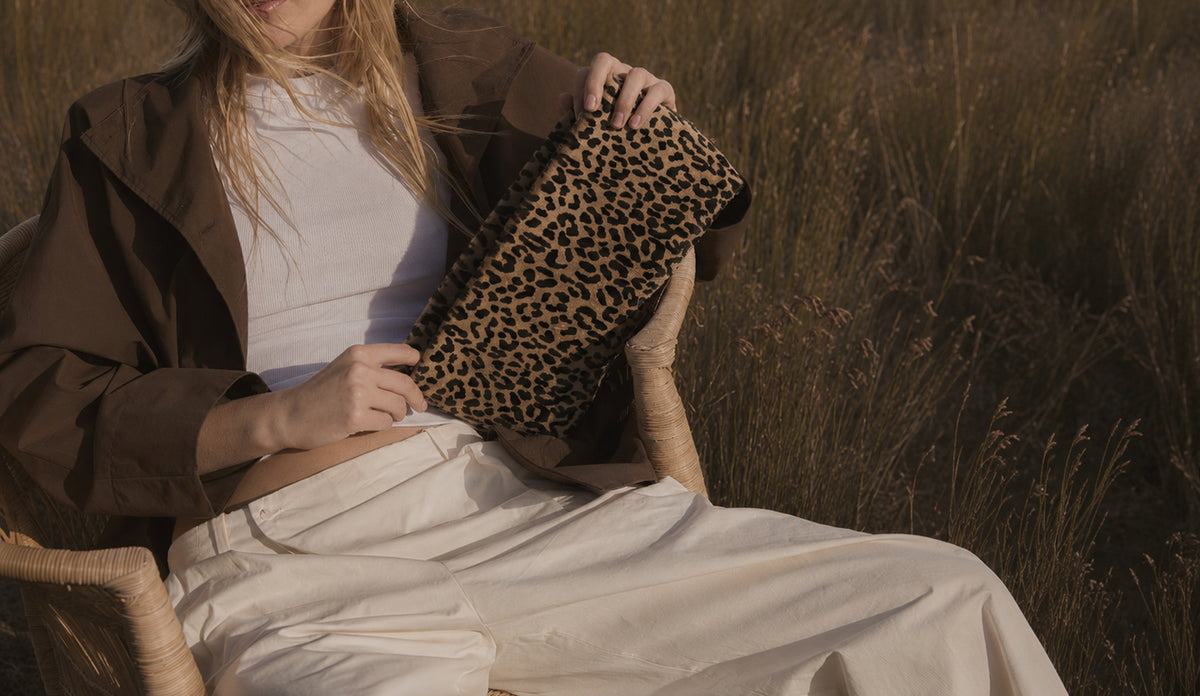
Amanu makes sandals, bags and belts around a simple idea: everyday accessories should carry the trace of the hands that made them. Founded by stylist Anita Patrickson in 2018, the label works with African artisans and grew from made-to-measure sandals into a wider collection of leather and woven pieces. The mood is tactile, resourceful and quietly connected to place.

Birkenstock 1774
The Trending Collection and a New Wave for the Brand
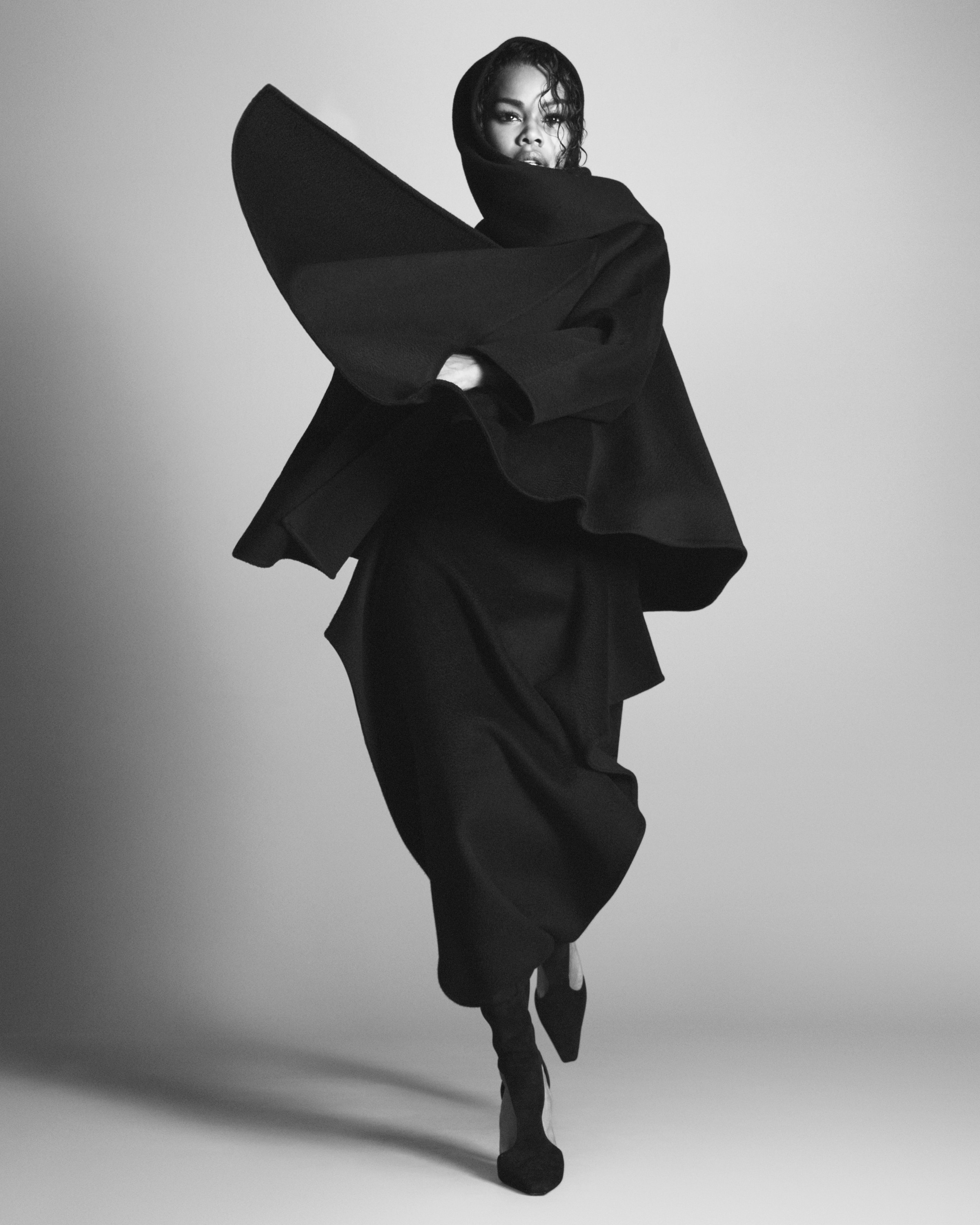
ALAÏA
Azzedine Alaïa trained as a sculptor in Tunis before he ever cut a pattern, and it shows in everything the house has made since. He worked briefly at Dior, then Guy Laroche and Thierry Mugler, opened his own atelier in a Paris apartment on rue de Bellechasse in 1979, and built a body-first vocabulary that the industry has been borrowing ever since.
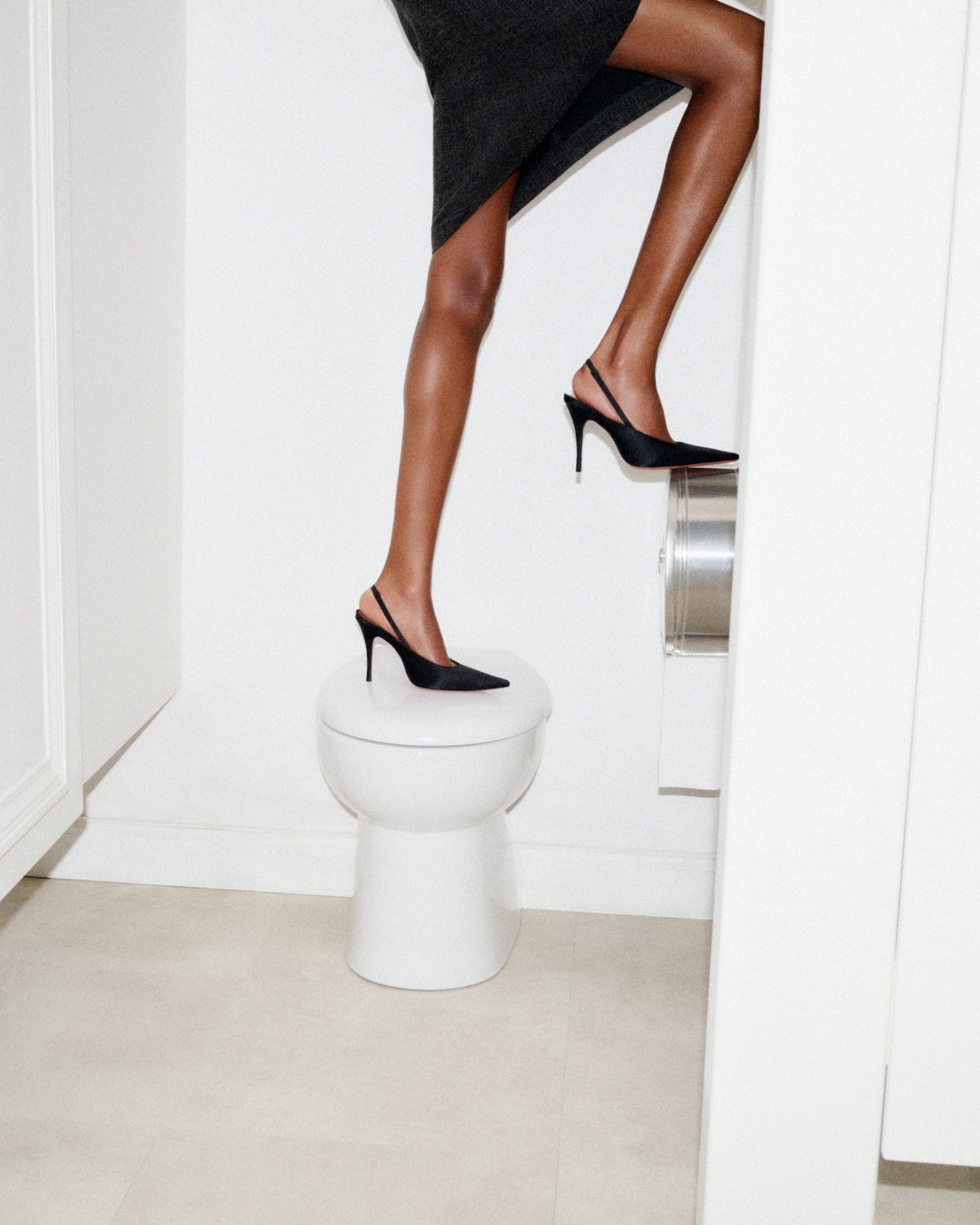
Amina Muaddi
Amina Muaddi was born in Romania in 1986 to a Jordanian father and a Romanian mother, studied fashion communication at IED in Milan, and worked as an assistant stylist at L'Uomo Vogue, Vogue Italia and American GQ. She then spent a year learning shoemaking from artisans in Riviera del Brenta, co-founded Oscar Tiye, left it, and launched her own label in August 2018.
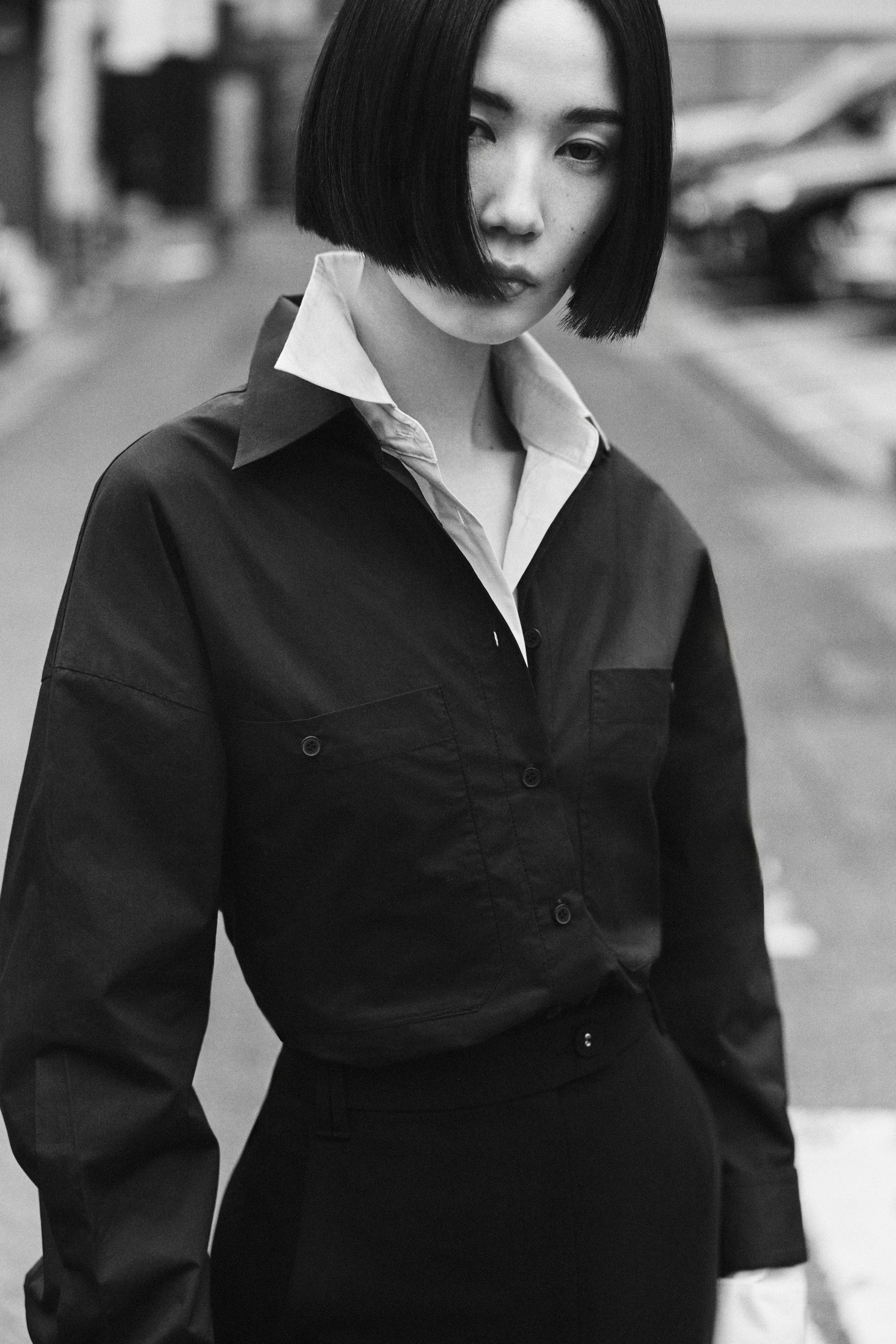
A.Emery
Anna McLaren interned at The Row, spent 2014 to 2017 designing womenswear at the Australian retailer Witchery, and launched A.Emery in Melbourne in 2017 with six sandal styles, all of them entirely black. It is still self-funded.

Salomon
Salomon was founded in 1947 in Annecy, France, by François Salomon, who began by making wood saw blades and steel ski edges with his wife and son Georges in a small workshop. Georges pushed the company toward skiing specifically, patenting safety bindings and eventually the first rear-entry ski boot, and that same engineering-first approach now defines the trail and outdoor shoes the brand is known for.
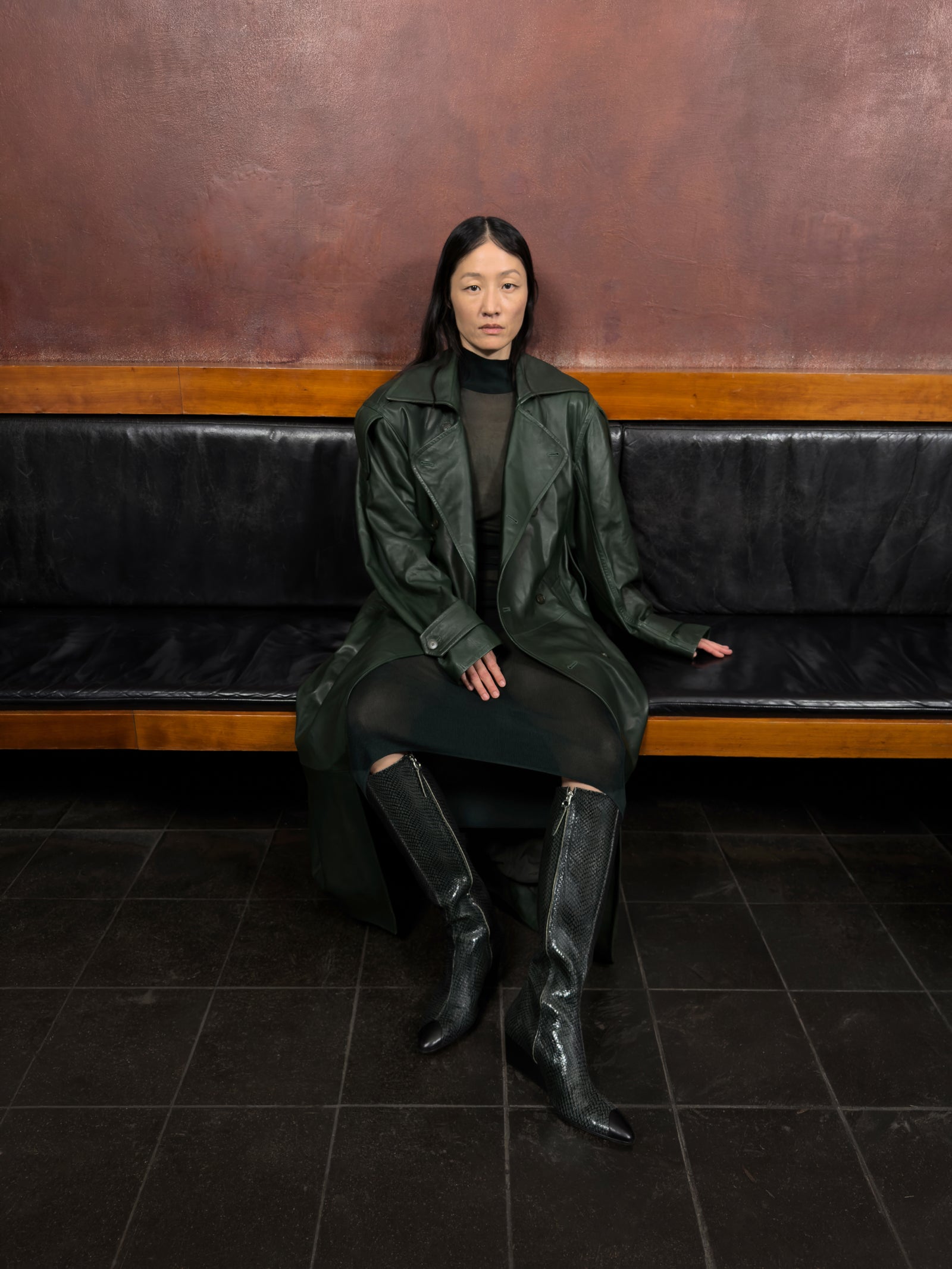
Aeyde
Aeyde was founded in Berlin in spring 2015 by Luisa Dames and Constantin Langholz-Baikousis, who met in 2011 working at Zalando, where Dames ran the private-label division and its production across India, Bangladesh and China. They launched with about twelve pairs of shoes made in family-owned factories in Italy's Marche region.
Cult Gaia
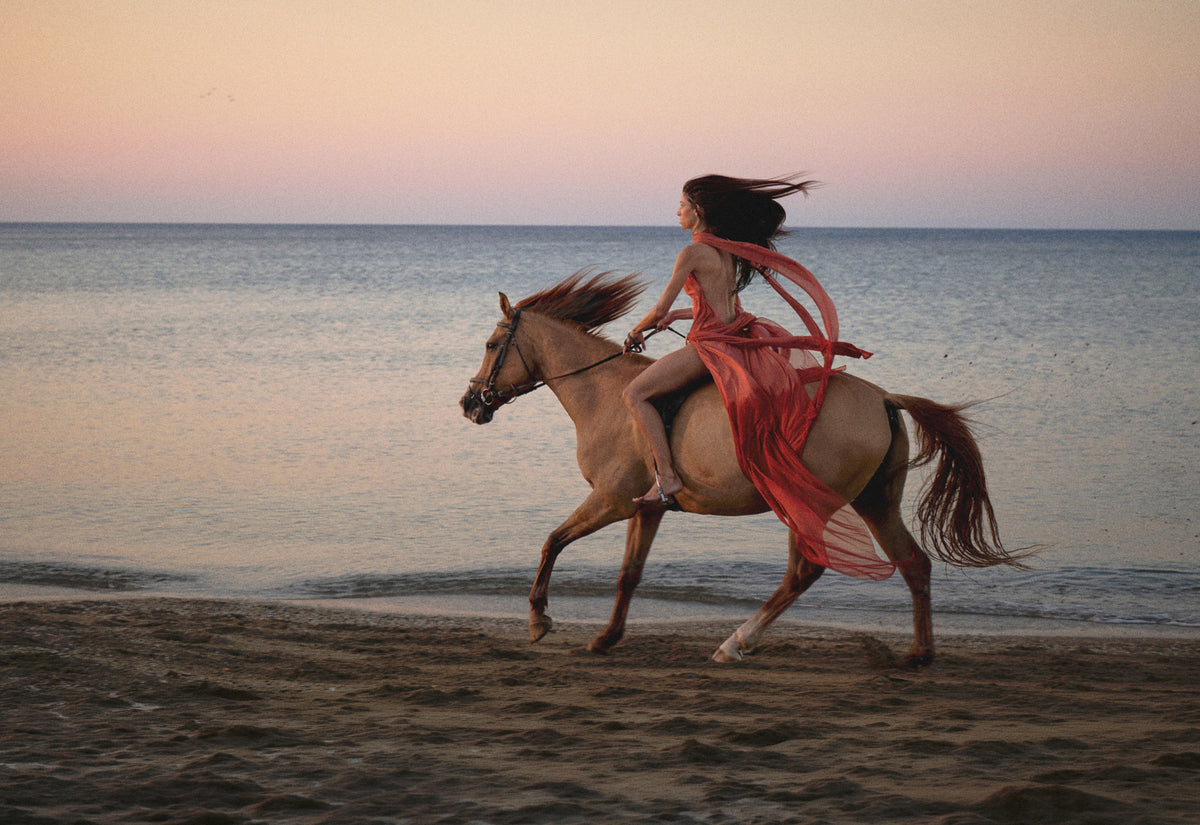
Jasmin Larian started Cult Gaia in 2012, making flower crowns and wired-fabric headbands for friends around New York while she was training at FIT. The label found its real signature in the bamboo Ark bag, a sculptural, unmistakable shape that turned a slow-burning accessory into one of the decade's most photographed bags and pushed the brand into ready-to-wear, footwear and eventually bridal.

Bembien
Yi-Mei Truxes launched Bembien in 2017 in Brooklyn after six years running marketing for Vogue, following a chance sighting of a stranger's disheveled straw bag on a downtown street. The label works almost entirely through artisan weavers in Bali, treating a basket bag as a craft object rather than a factory good

Golden Goose
Alessandro Gallo and Francesca Rinaldo started Golden Goose in a garage in Marghera, near Venice, in 2000, when they were both in their early twenties. The brand's entire identity rests on a single idea introduced in 2007, the Super-Star sneaker, hand-distressed until it looks like it has already lived a life before you bought it.
Black Suede Studio
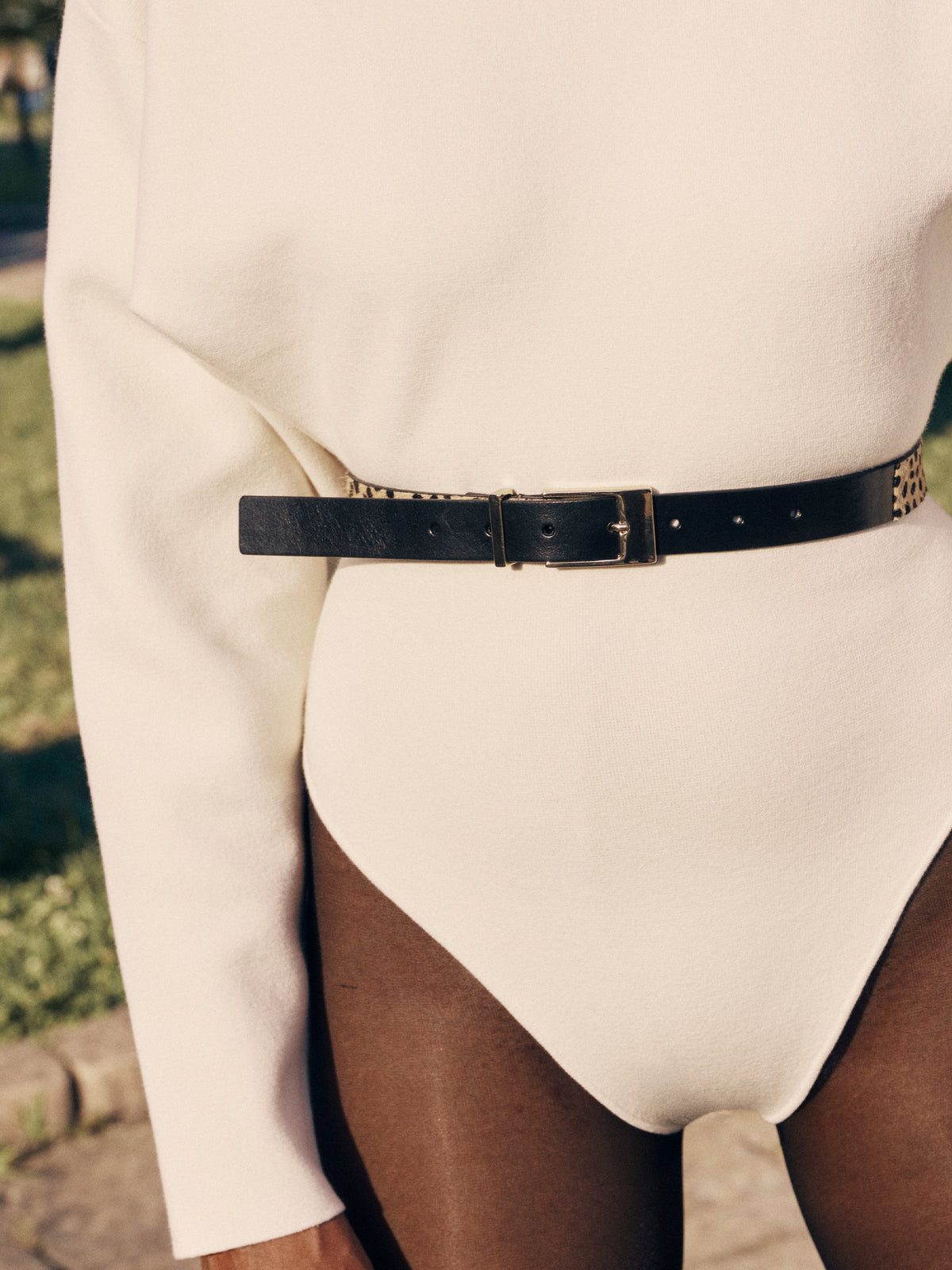
Kris Avakian launched Black Suede Studio out of Montreal in 2018, after years spent inside his family's accessories manufacturing business, including a stint running quality control at their factory in Qingdao, China. The label's whole premise was closing a gap he saw in footwear: shoes with real quality and comfort at a level nobody else was hitting, a conviction strong enough that he later moved production to Brazil to get the craftsmanship right.