In the weeks between seasons, choose the layer by coverage, weight and how long it will stay on.
Coat Or Jacket In Between Seasons
Match coverage to the forecast
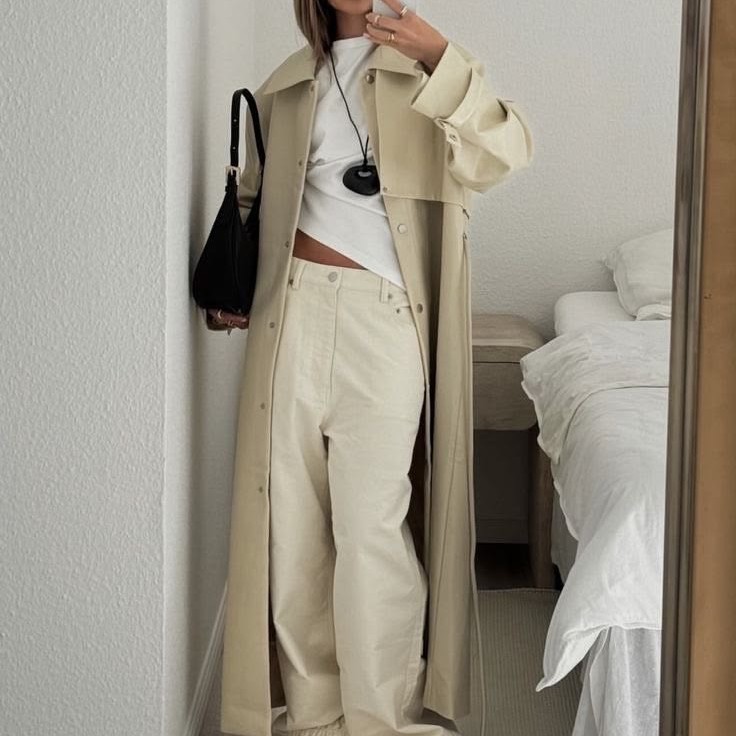
In the weeks between seasons, choose the layer by coverage, weight and how long it will stay on. A coat that reaches below the hip protects more of the outfit and gives a simple base for trousers, dresses or skirts. A jacket ending near the hip leaves more of the lower layer visible and can feel easier when the temperature changes through the day. Look for a neckline that closes without pressing on the throat, sleeves that allow a knit underneath and enough room to sit or drive. COS options in this edit run from $45 to $990, with a broad range of wool, cotton, leather, suede and technical fabric. The Mock-neck Cotton Trench Coat is a lighter option when rain protection and a defined collar matter more than heavy insulation. A wool coat gives more warmth, but the weight should suit the layers already in the wardrobe. Check the hem against the clothes underneath, since a coat that is shorter than a long tunic or dress can create an awkward break. The first grid focuses on longer shapes that cover a full outfit, so compare length, closure and shoulder volume before choosing a size.
Coats that cover a full outfit
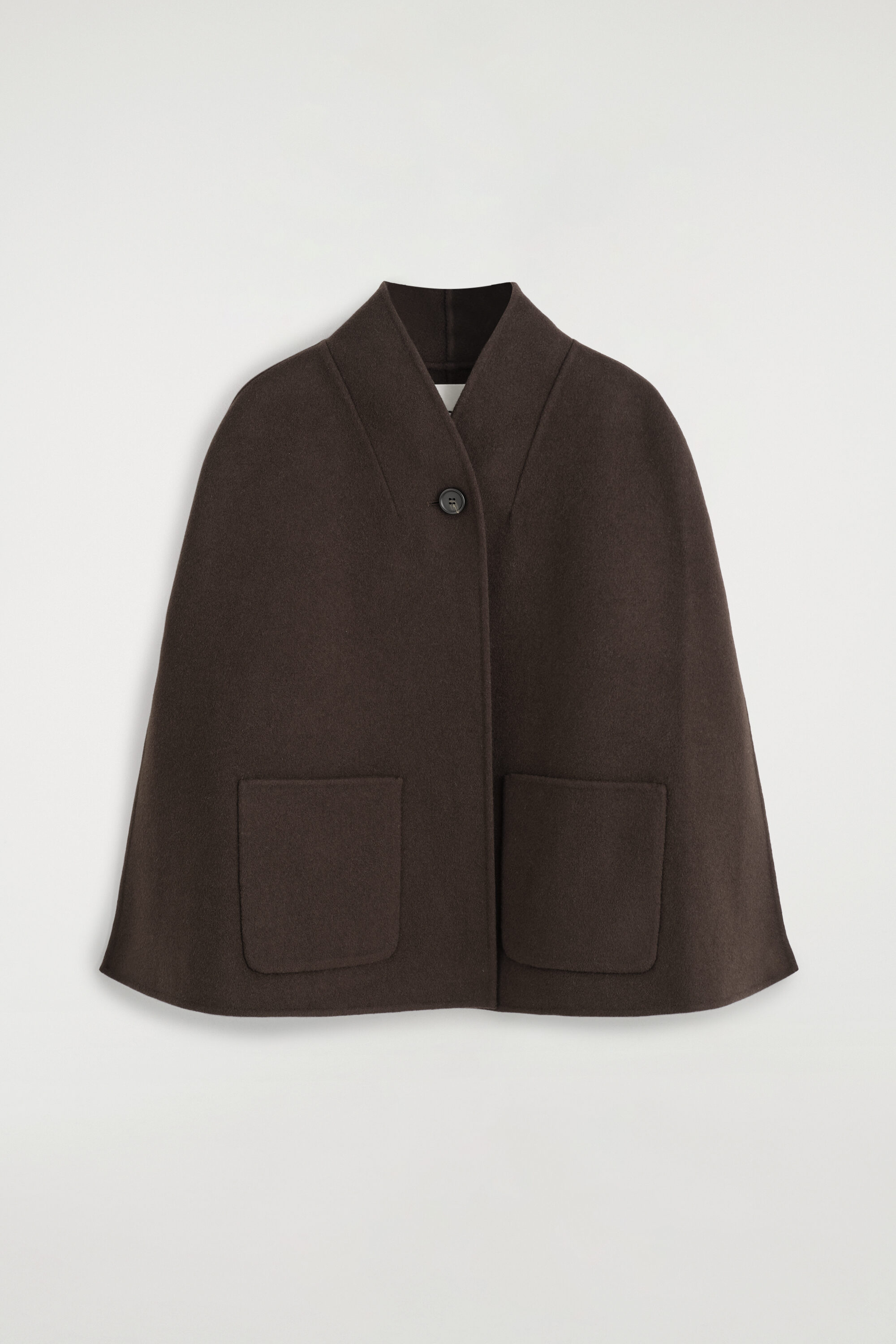
Shawl-collar Double-faced Wool Cape
COS
$229
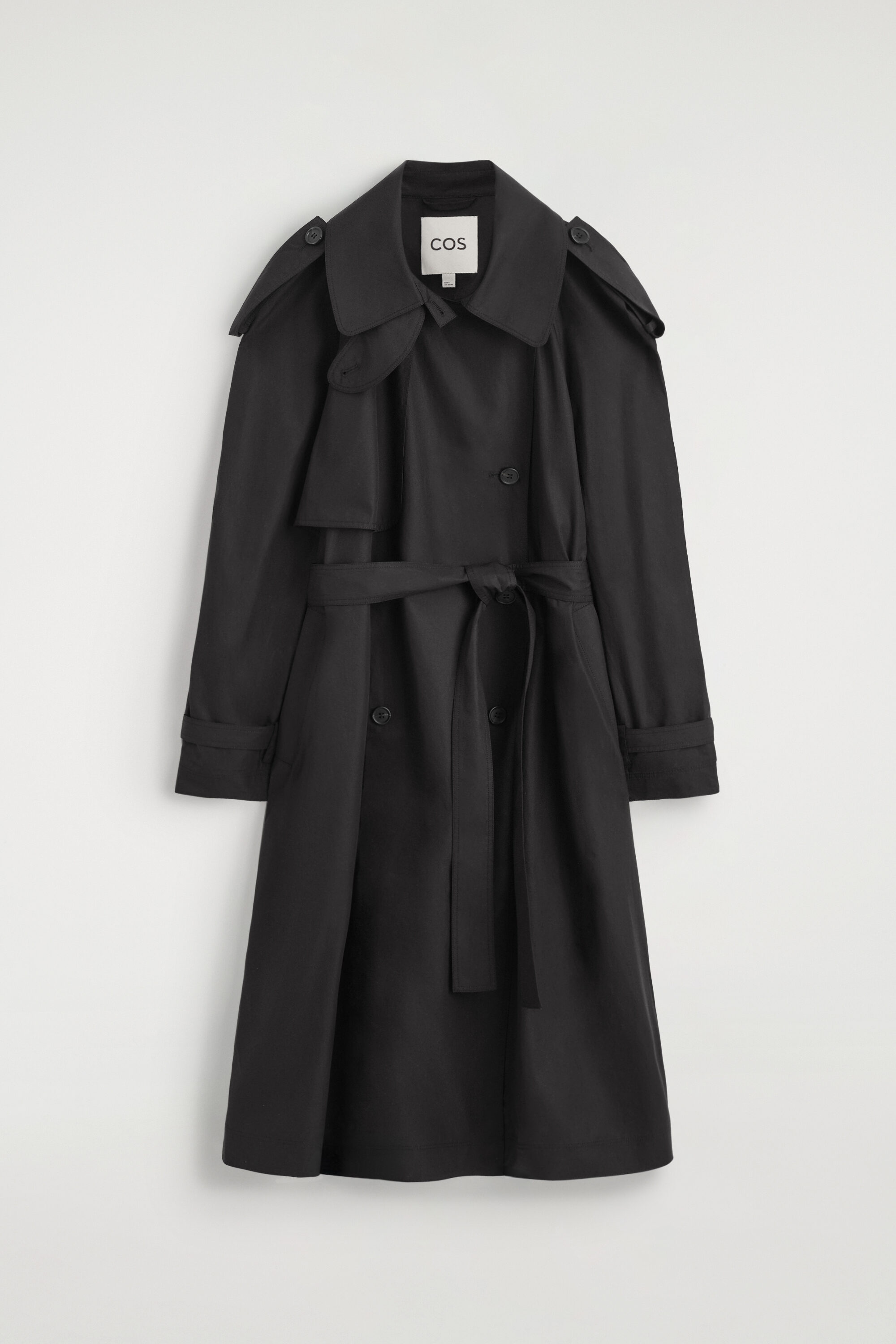
Mock-neck Cotton Trench Coat
COS
$399
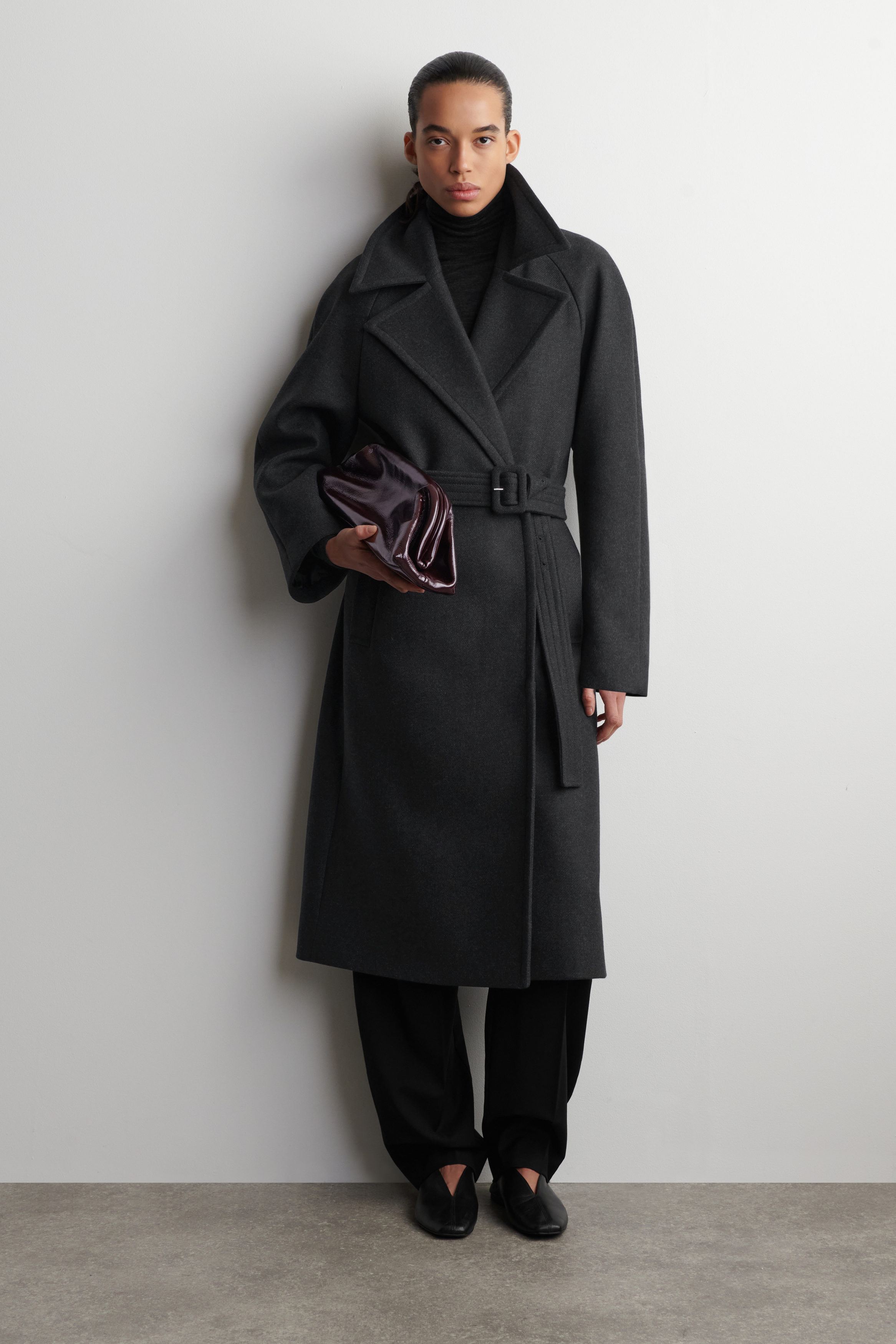
Tailored Belted Wool-Twill Coat
COS
$429
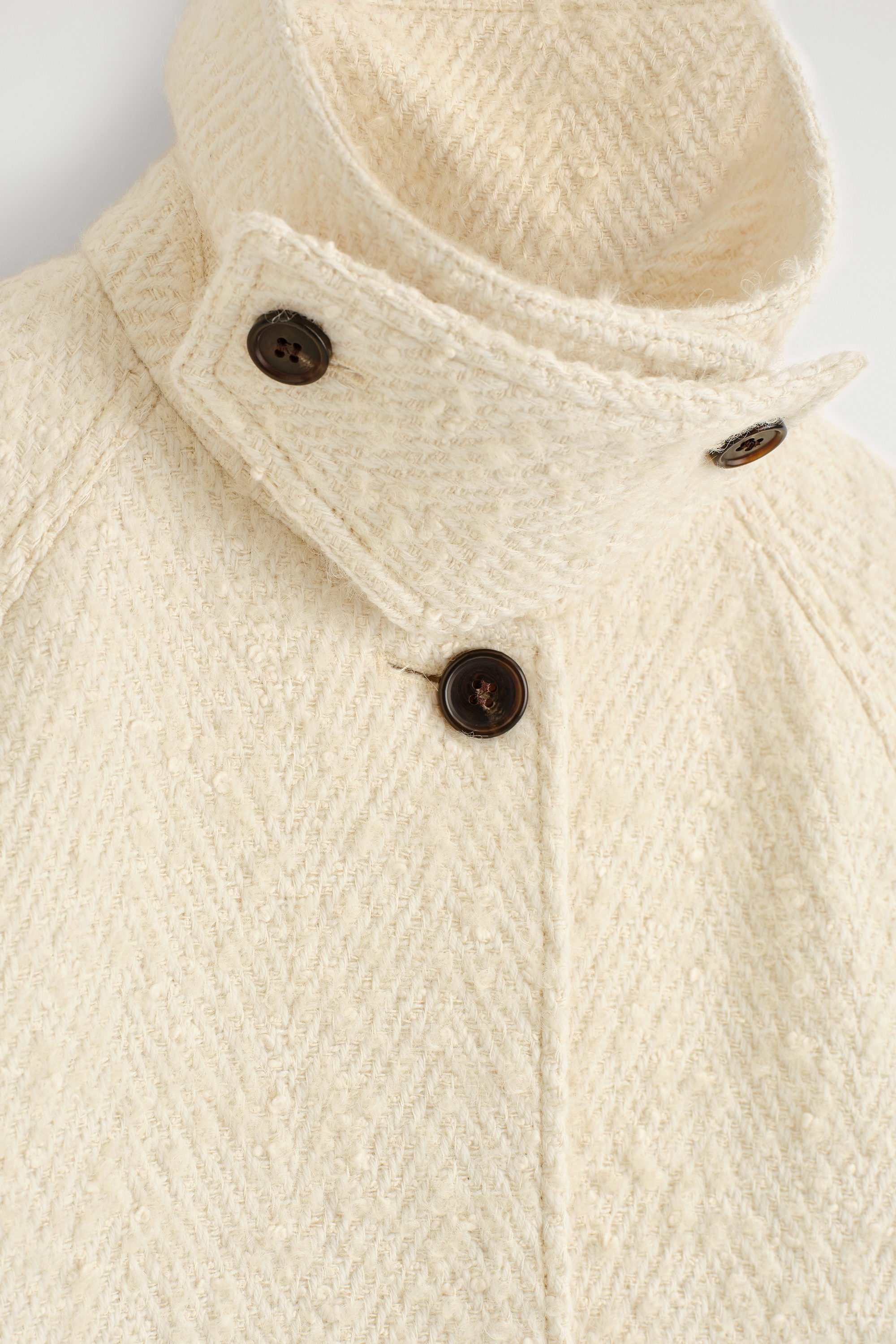
Mock-neck Wool-herringbone Short Coat
COS
$399
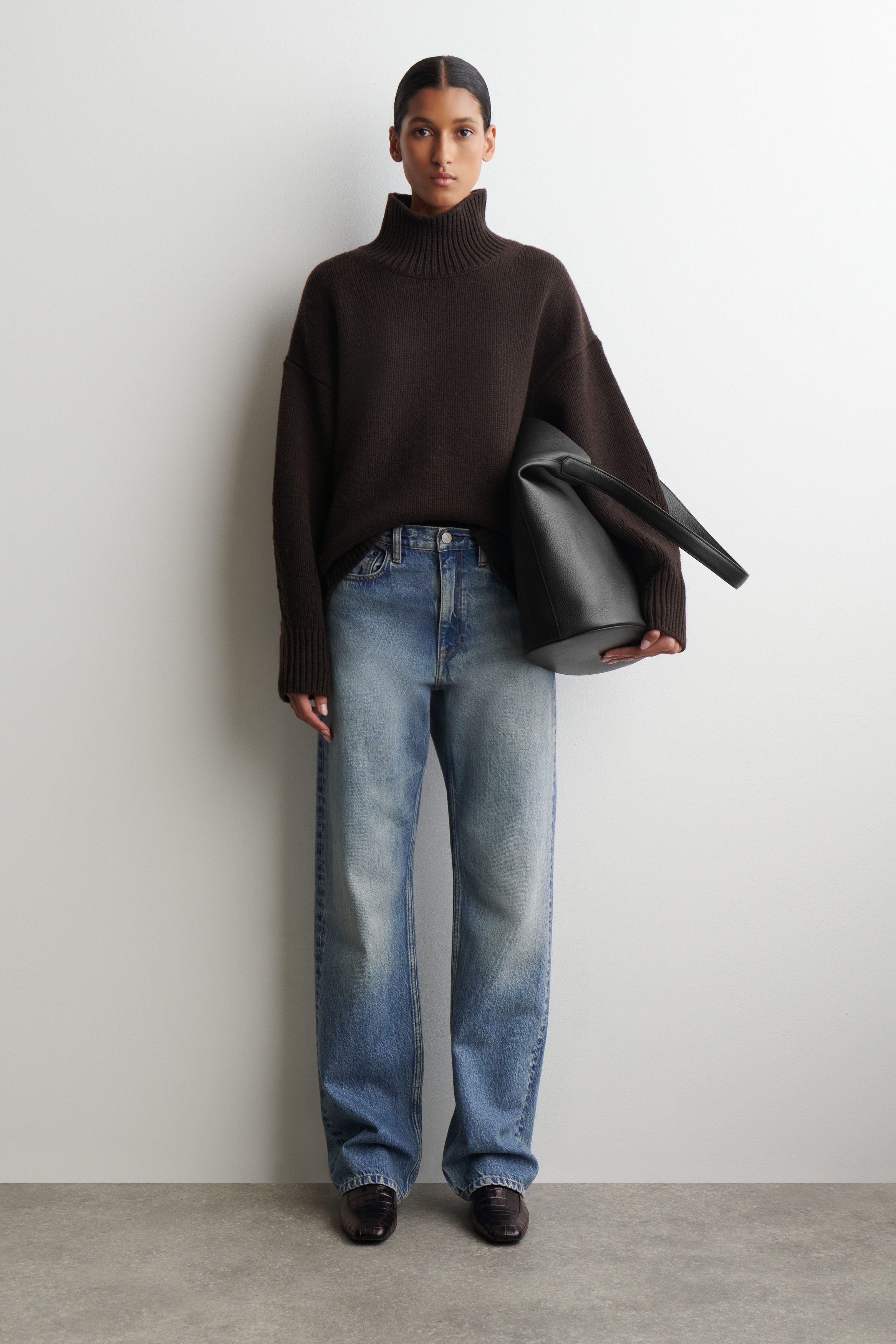
Collared Suede Long Coat
COS
$990
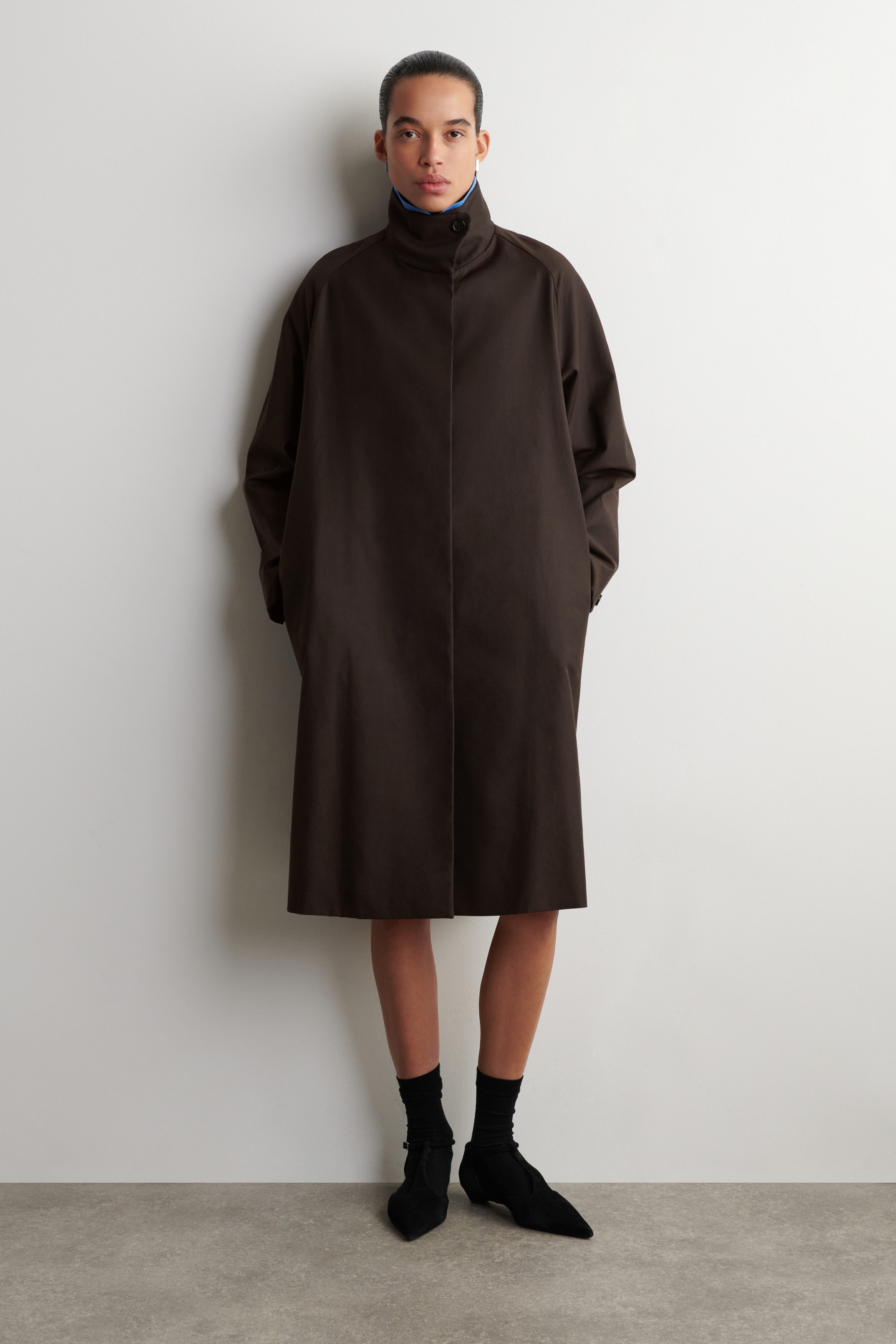
Oversized Mock-Neck Coat
COS
$299

DOUBLE-FACED WOOL LONG COAT - BLACK
COS
$429
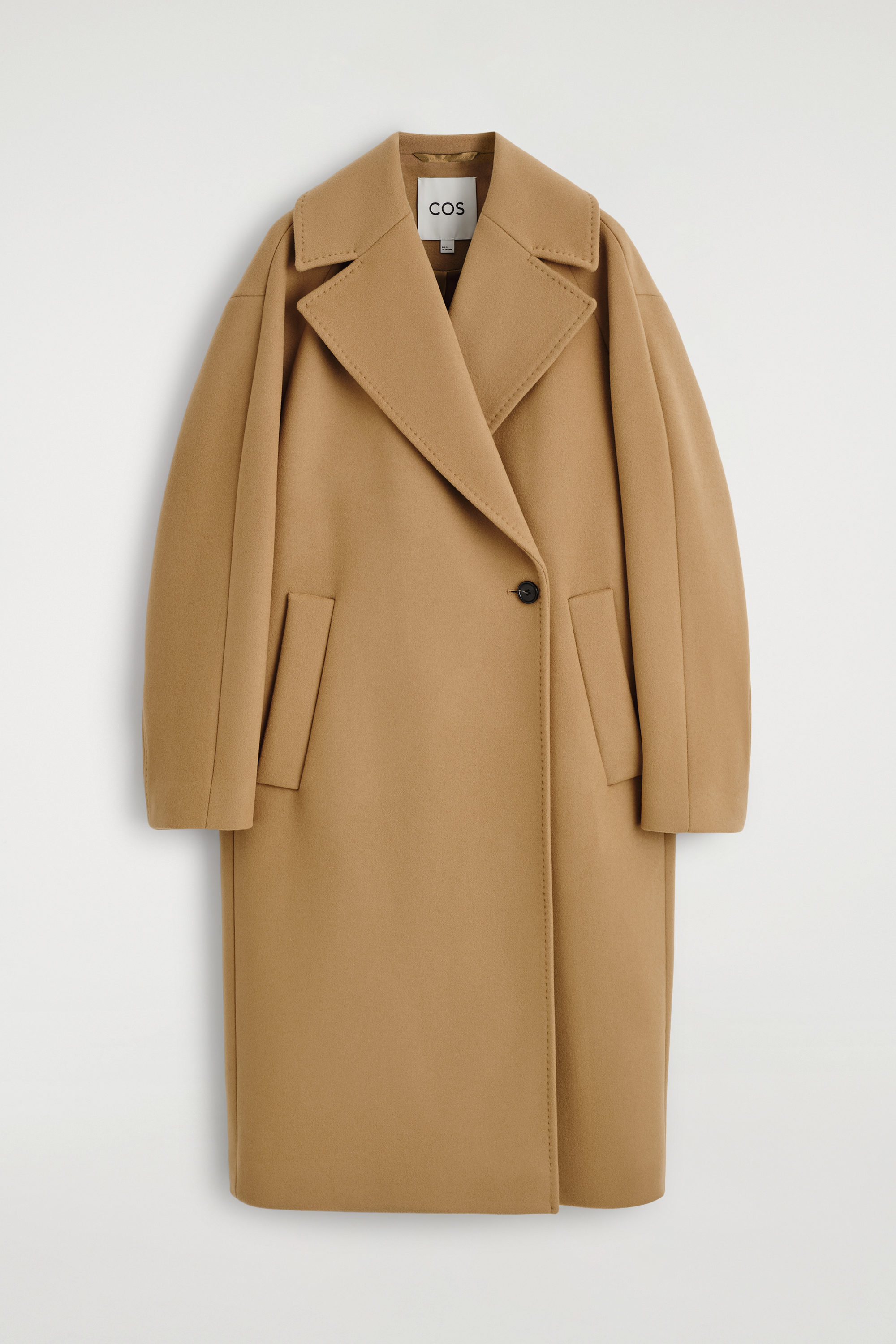
Oversized Double-breasted Wool Long Coat
COS
$449
Use the hip line as a guide
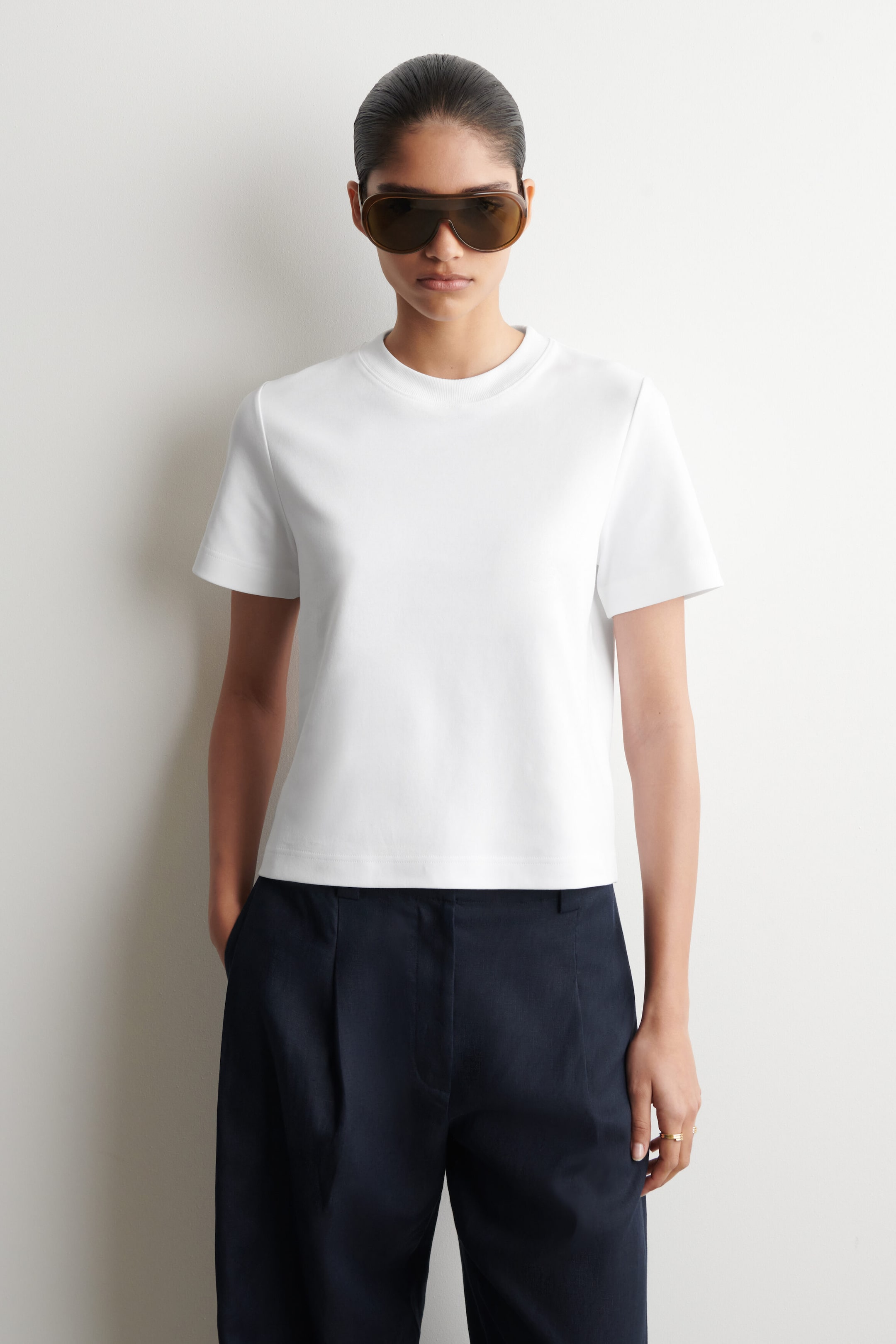
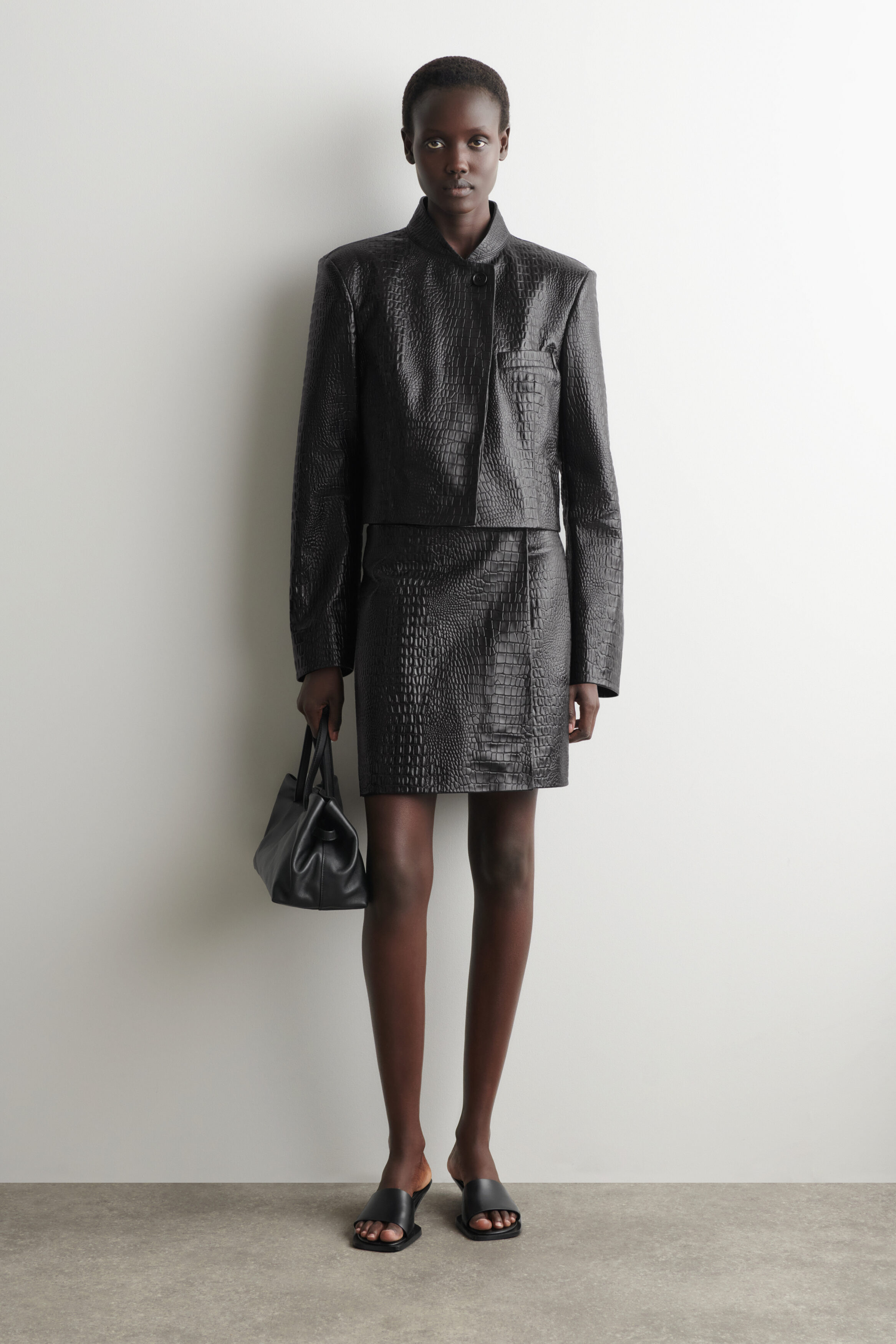
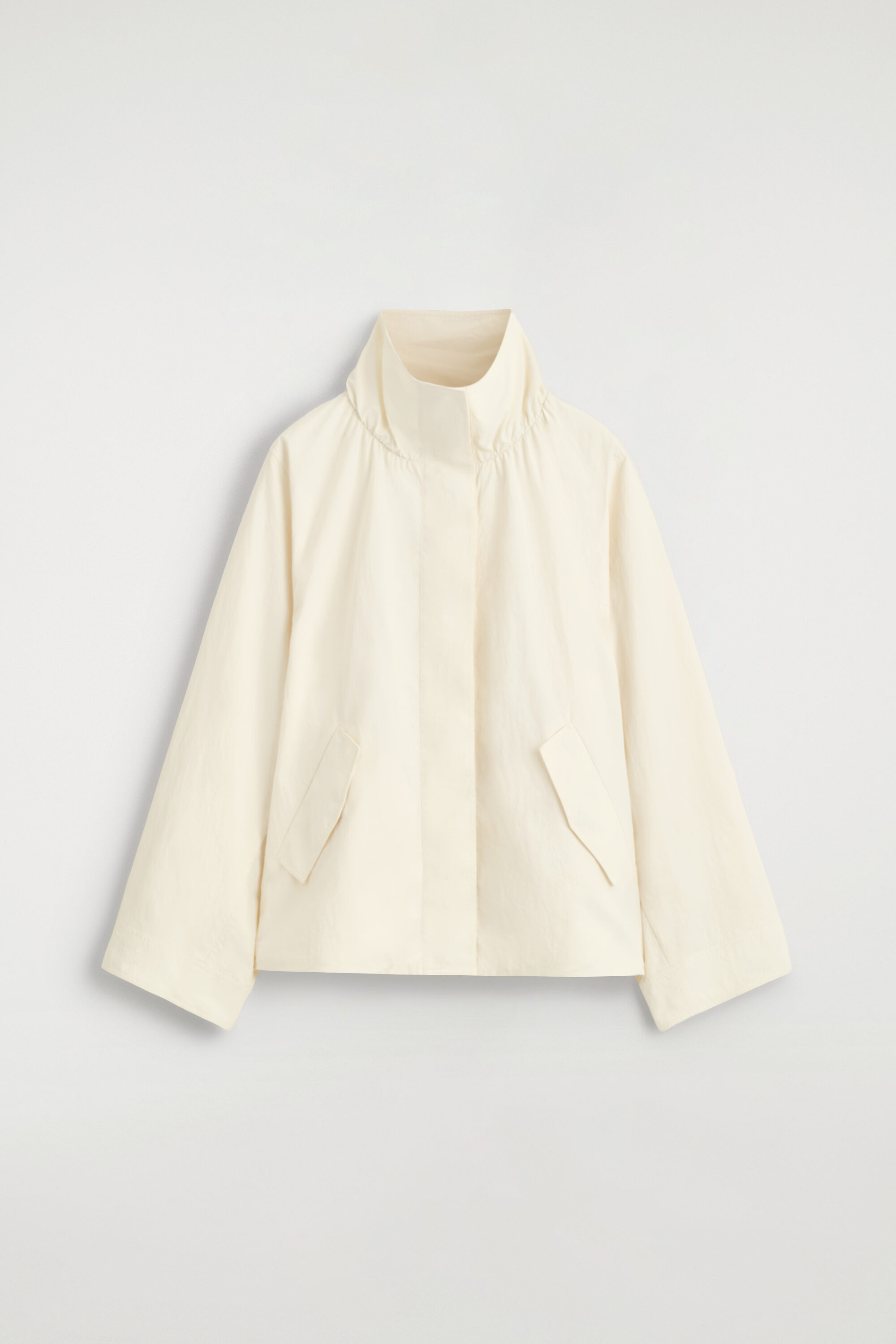
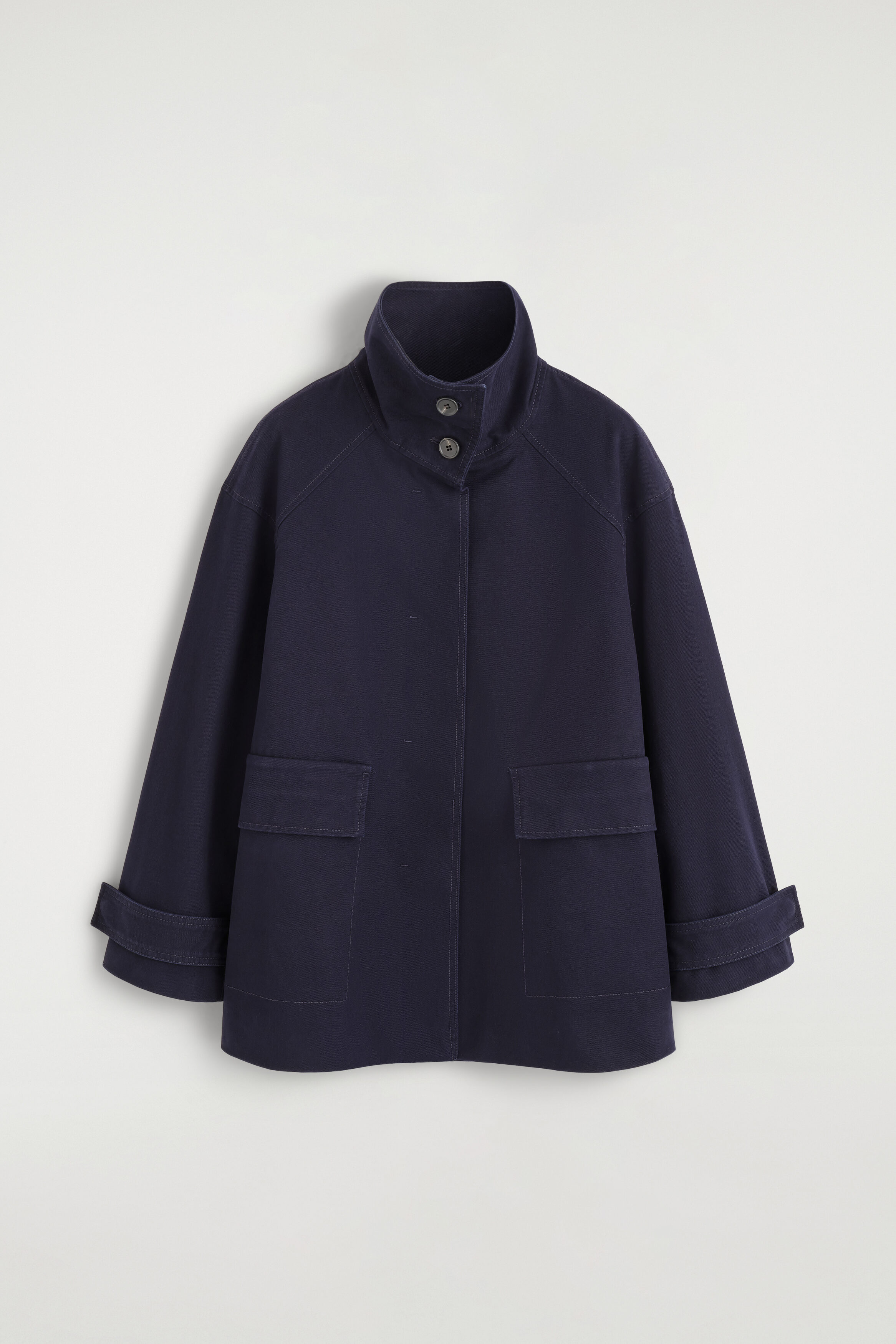
A jacket is often the easier answer when the weather is unsettled because it leaves the legs and hem visible and can be carried once the day warms up. The useful question is not simply coat versus jacket, but where the outer layer finishes in relation to the waist and hip. A cropped shape can sharpen wide trousers or a full skirt, while a straighter jacket works with a narrow trouser and a longer top. Fabric changes the message. A boiled wool bomber feels relaxed, a leather workwear style has a firmer surface, and nylon can be light when you need a layer that packs down more easily. The Boiled Wool-blend Bomber Jacket gives a casual reference point, while a leather jacket may soften and darken with use. Check the sleeve opening if you wear knitwear, and test the zip or fastening over the thickest layer you expect to use. Do not size up so far that the shoulder drops without intention. The second grid is arranged around hip-length jackets, making it easier to compare structure, warmth and movement within the same general proportion.
Jackets that stop at the hip
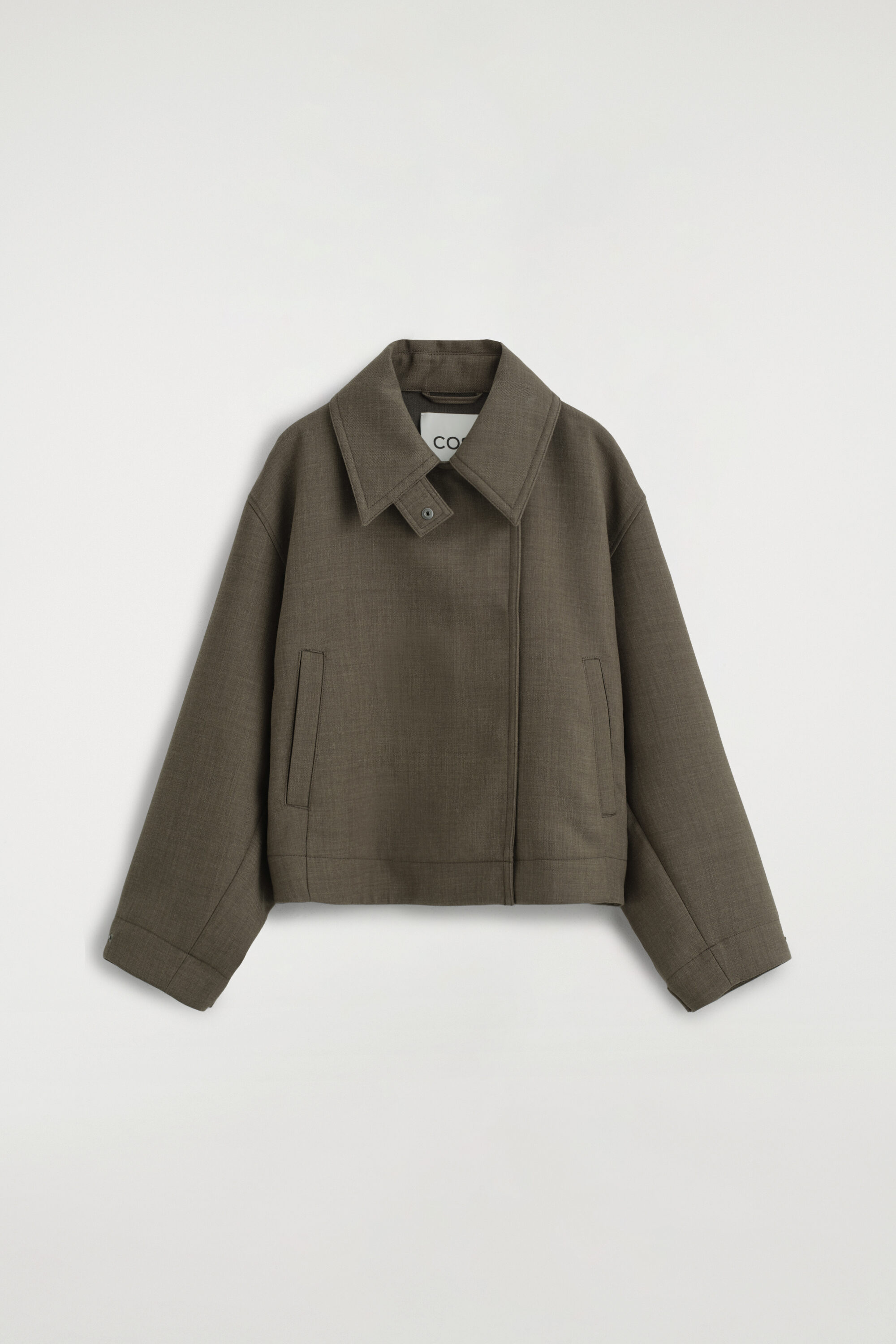
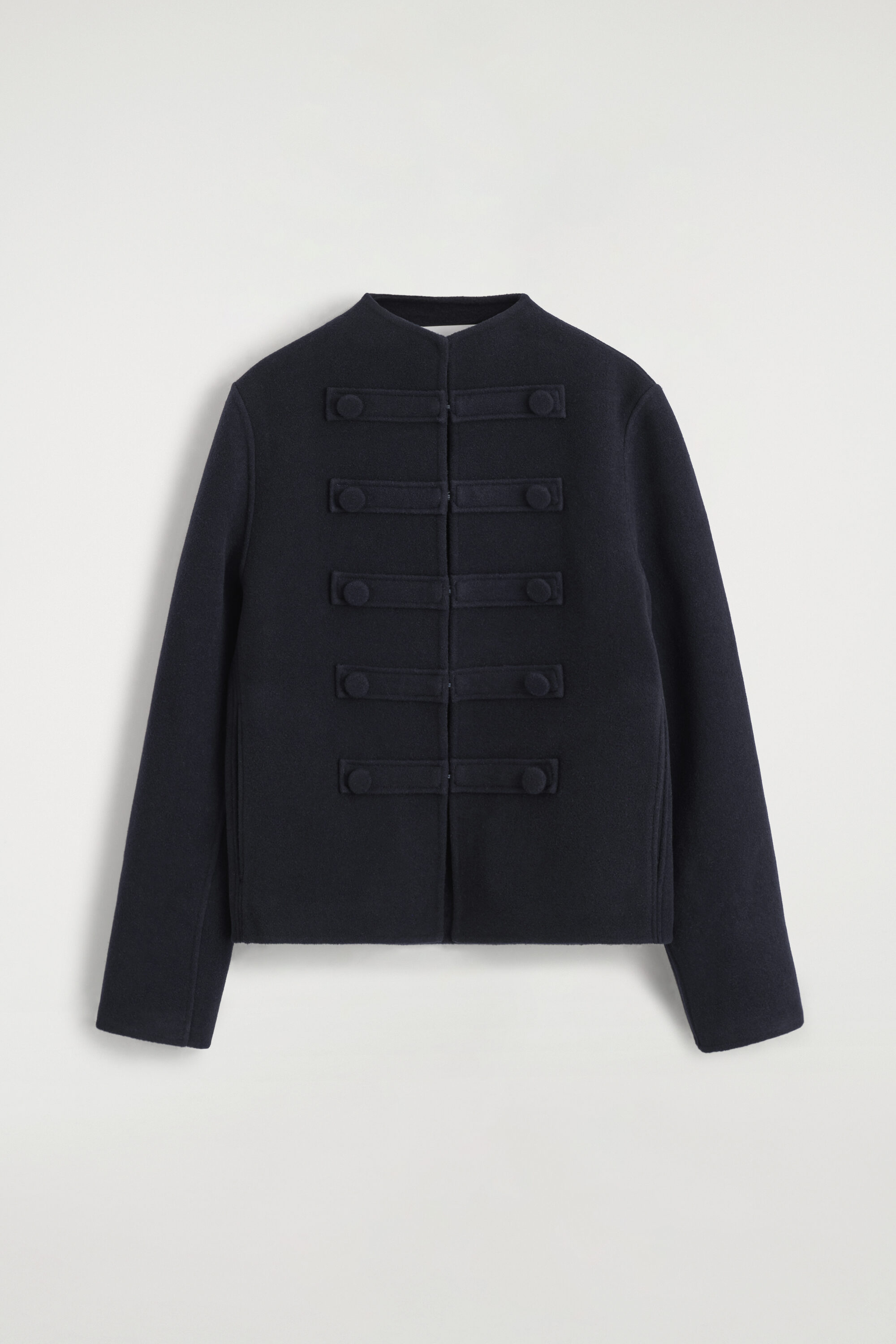
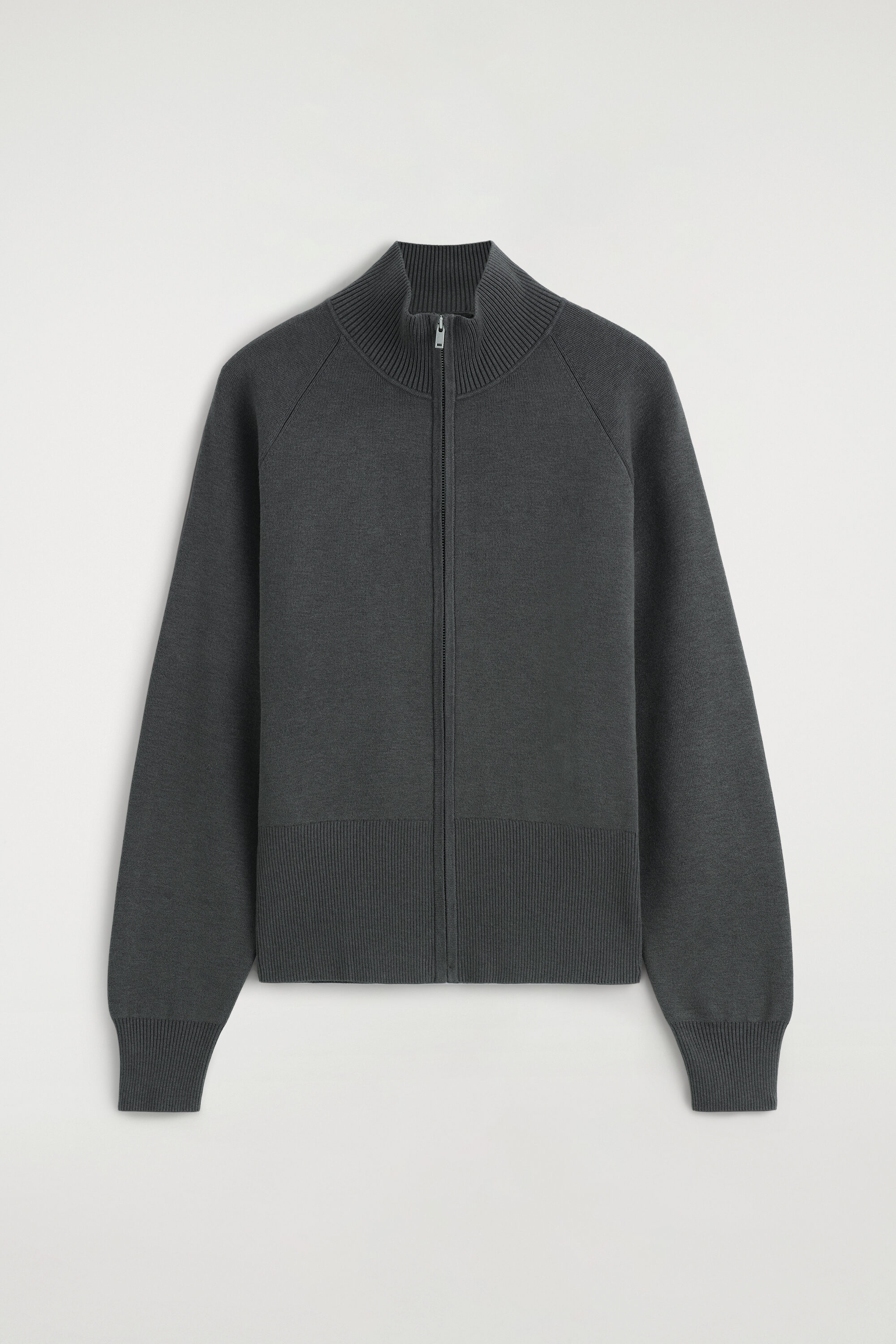
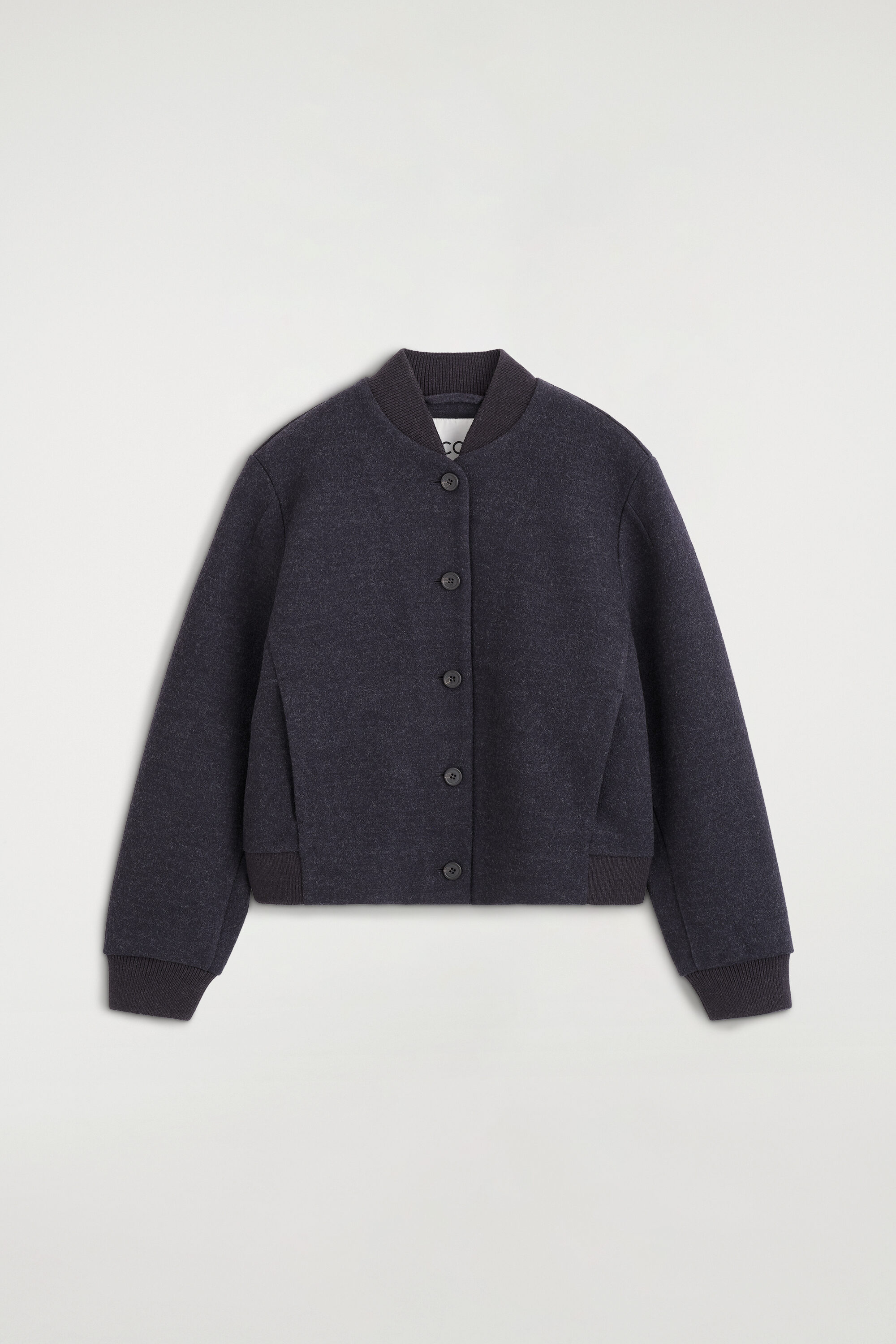
Close small gaps with texture
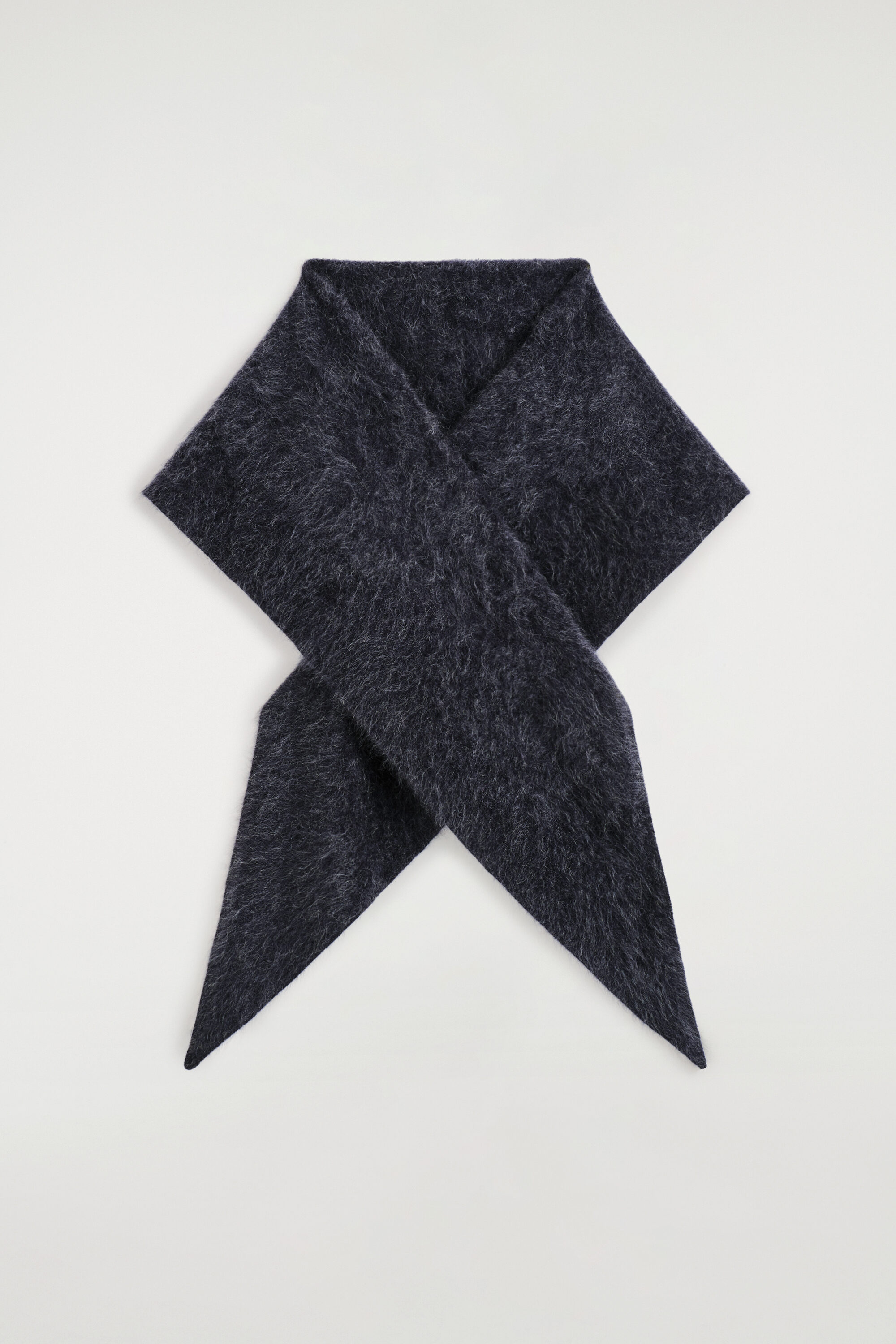
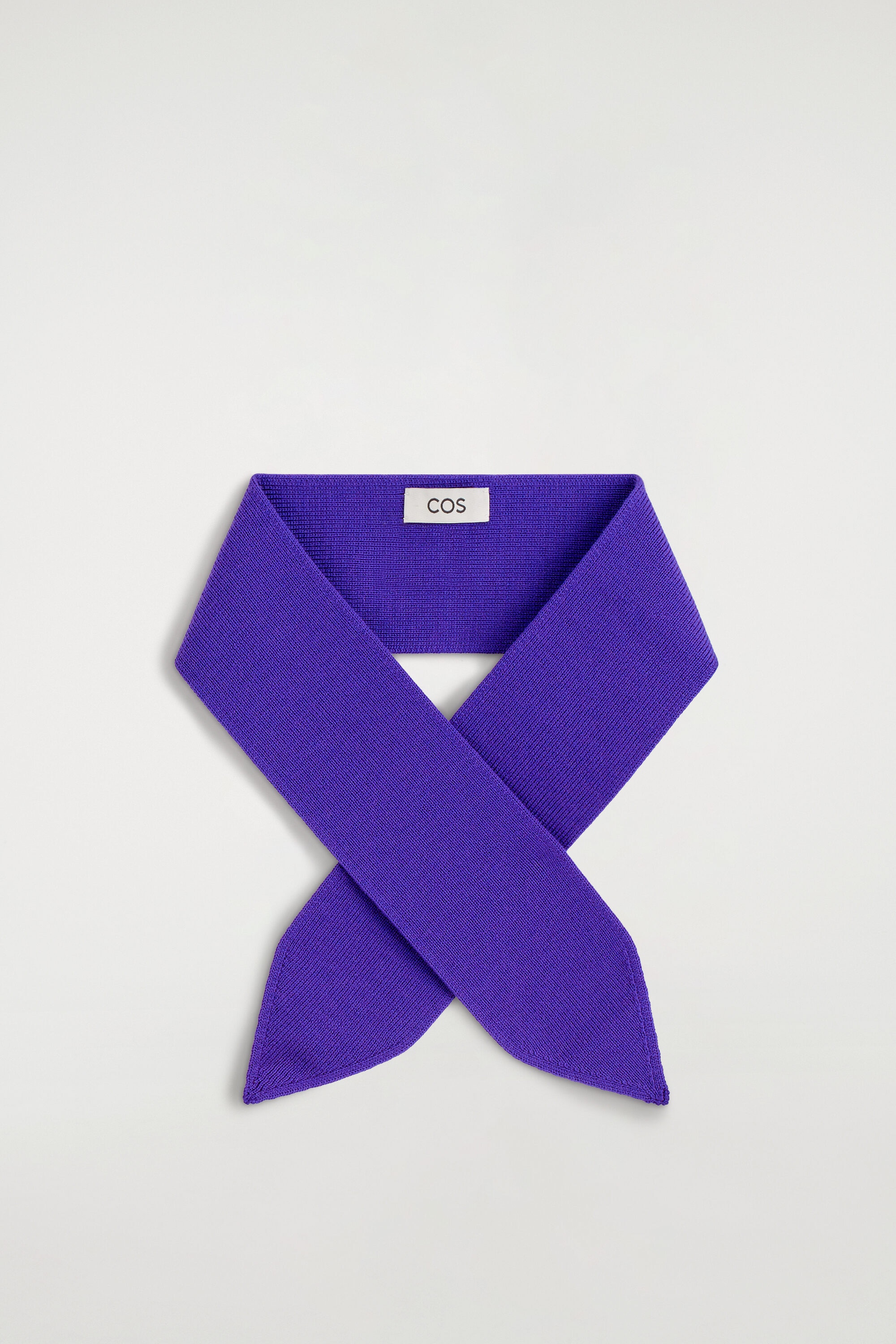
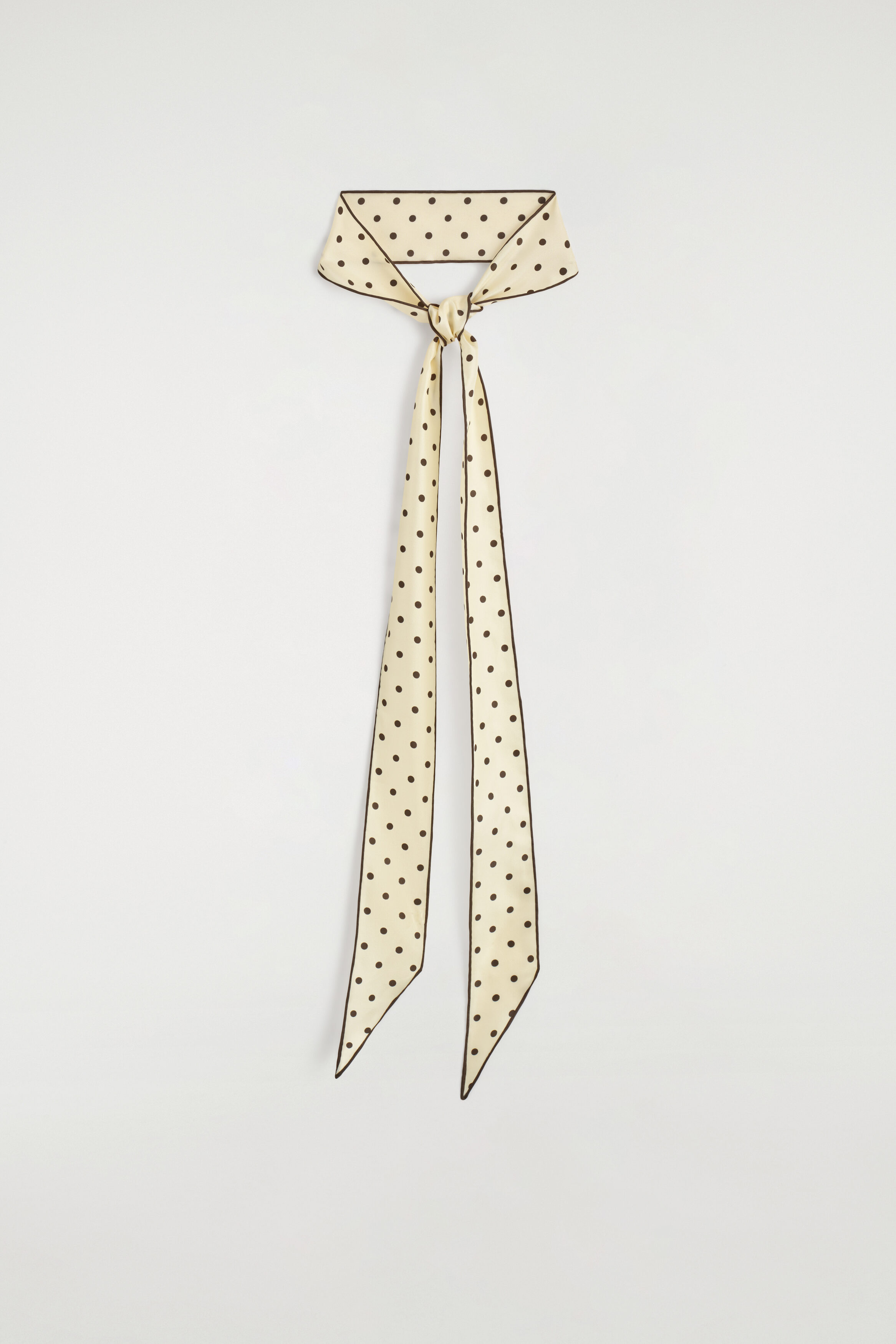
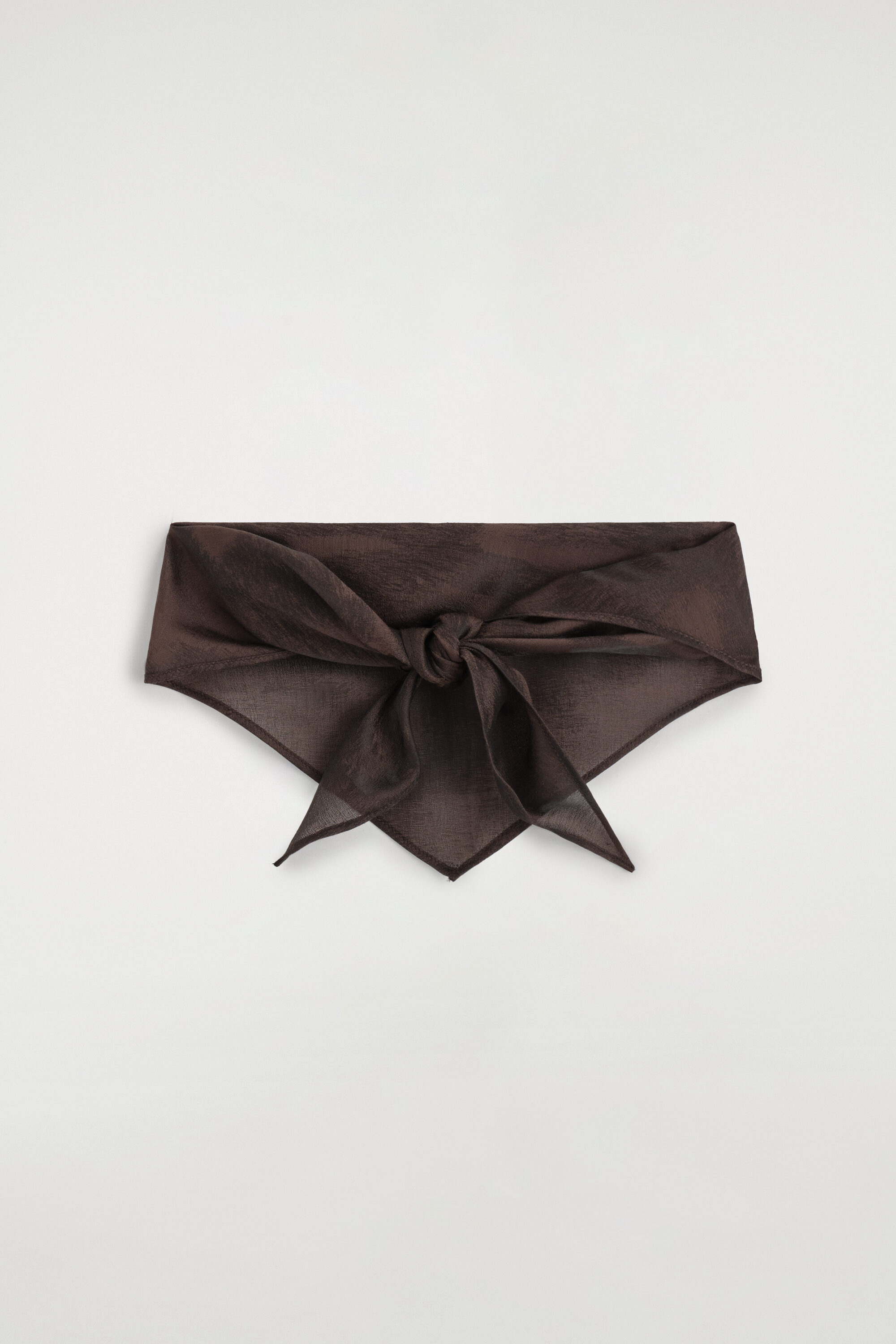
The final layer is not always another jacket. A scarf can add warmth at the neck, cover an open collar and make a lighter coat useful for longer. Choose the size according to the neckline. A large triangle scarf can sit over a simple funnel or mock neck, while a narrow scarf works inside a coat without competing with the lapels or closure. Merino is finer and thinner than most lambswool, so a merino neck scarf can fit beneath a close collar without creating a bulky ridge. Cashmere is warm for its weight, but a brushed surface may need more room to sit comfortably over textured wool. Silk adds little insulation, yet it can block a draft and bring a lighter contrast to dense outerwear. The Brushed-cashmere Triangle Scarf has more visual and physical volume, while the Polka-dot Silk Skinny Scarf changes the finish without adding much bulk. Tie scarves securely but keep the knot away from a collar fastening. The third grid gives practical options for closing the small gaps that appear between a jacket, neckline and changing forecast.
Our honest take
We would choose a longer coat when the outfit underneath needs coverage, then switch to a jacket when movement and easy removal matter more. Transitional dressing works best when the outer layer is not doing every job at once. Let the fabric provide warmth, the hem provide proportion and the scarf handle the exposed space at the neck. COS prices here range from $45 to $990, so there is room to compare materials as well as silhouettes. If you take one thing away, buy for the weather you actually face between seasons, not the coldest day on the calendar.
Shop brands in this edit

Next read
Secondhand Louis Vuitton Damier Ebene Or Damier Azur
Damier Ebene and Damier Azur are the same coated canvas in two colourways, and the secondhand market treats them as two different products.
Read Editorial
Secondhand Silk My Favs
My sixteen selects of scarves below are all ninety centimetre squares, split into two price bands