A console behind a sofa or in a hallway lives or dies on two numbers. How tall it should be, how deep it can be, and where storage is worth it.
Console Table Height And Depth
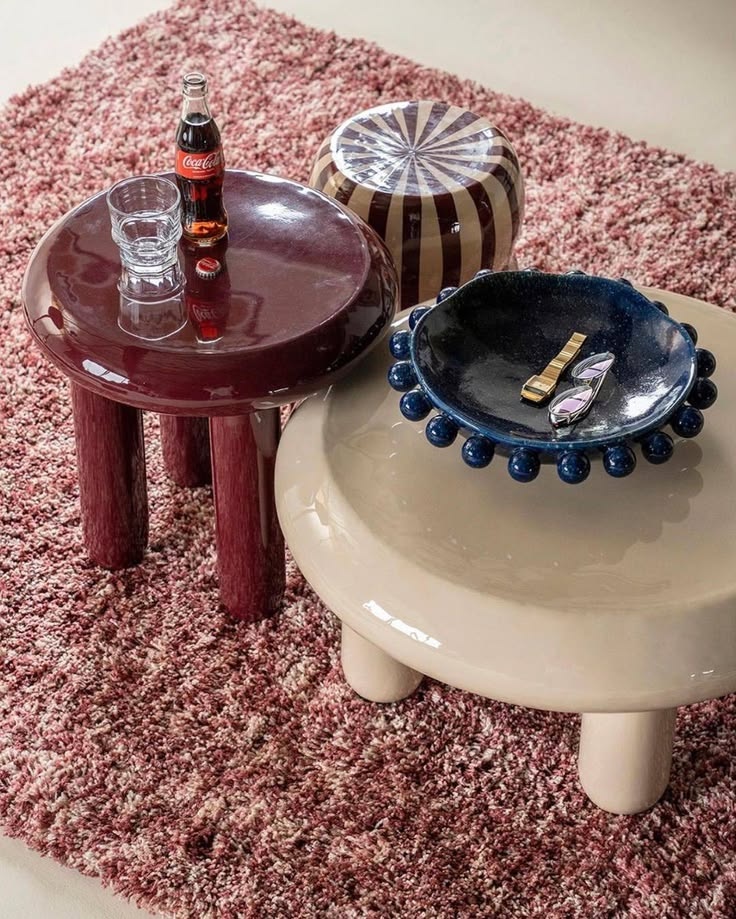
Height first: the sofa back sets the line
A console behind a sofa should sit level with the top of the sofa back or an inch or two below it. That is the whole rule, and it exists because a console that stands taller exposes its unfinished back edge and breaks the horizontal line the sofa draws across the room. Measure the frame, not the loose cushions, since cushions sit proud and will lie to you by two or three inches. Most sofa backs land between 30 and 34 inches, which is why console tables cluster around 30 inches tall. In a hallway there is no sofa to answer to, so the reference becomes the human one: around 30 to 34 inches puts the top at a comfortable height for dropping keys and post without bending. Against a wall under a mirror, the console height also decides where the mirror sits, so settle the table before you hang anything.
Narrow consoles for a tight hallway

51-Inch Modern Water Ripple Console Table With 3 Wooden Drawers, Slim Entryway & Behind Sofa Table For Living Room, Hallway & Foyer, Farmhouse Accent
Wayfair
$138.99

70" Oval Narrow Console Table with Black Solid White Oak Veneer
Wayfair
$300
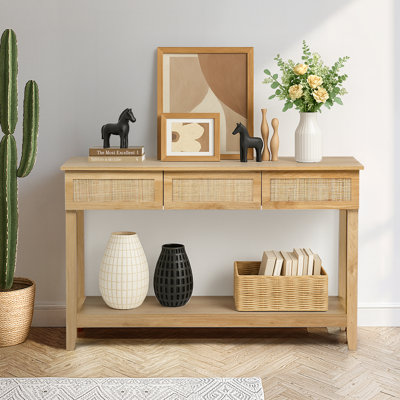
51.2" Boho Rattan Narrow Console Table with 3 Drawers, Natural Wood Entryway Sofa Table for Hallway
Wayfair
$134.99
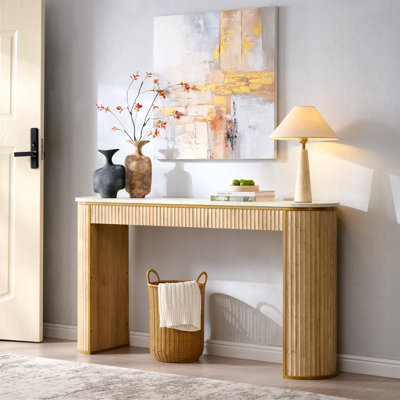
63" Modern Fluted Console Table, Narrow Entryway & Sofa Table With Marble-Pattern Top For Living Room Hallway Foyer
Wayfair
$202.99
Depth is where rooms go wrong
Depth is the number that decides whether a hallway still works. Keep a console to about 10 to 15 inches deep anywhere people walk past it, and leave 30 to 36 inches of clear path behind or in front of it. A 20 inch deep console in a 40 inch hallway looks generous online and turns into an obstacle course with two people and a bag. Behind a sofa in dead space where nobody circulates, you can go deeper, but map the footprint on the floor with tape first. Length follows the sofa: roughly two thirds of the sofa length is the safest starting point, and anywhere between half and three quarters looks intentional. Longer than the sofa reads as a mistake. Then check the legs. A console with legs set well inboard can straddle a rug edge or a radiator that a full width cabinet base cannot.
Cane and wood consoles

Tarrant Charcoal Reclining Sofa with Drop Down Table
Ornate Furniture
$789

Silverbrooke Canyon Power Reclining Loveseat with Console
Ornate Furniture
$1,539

Landdin Pewter Power Glider Recliner with Audio System
Ornate Furniture
$1,079

Dreamer Brown Power Recliner with Audio Seating
Ornate Furniture
$1,679
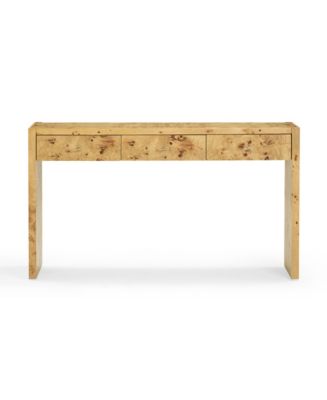
Brandyss Burl Console Table
TOV Furniture
$815
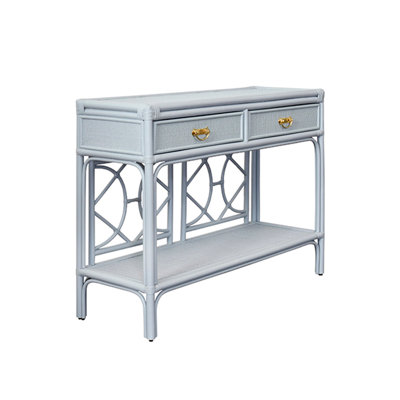
Two Drawer Console with Decorative Back Rattan
Wayfair
$1,796

Pesce Shagreen 29.8" Wood Rectangle Console Table
TOV Furniture
$655.31

Lily Pond Naomi Wood Storage Console Table with 2 Natural Cane Doors
Wayfair
$357.99
Pesce Shagreen 29.8" Wood Rectangle Console Table
TOV Furniture
$655.31
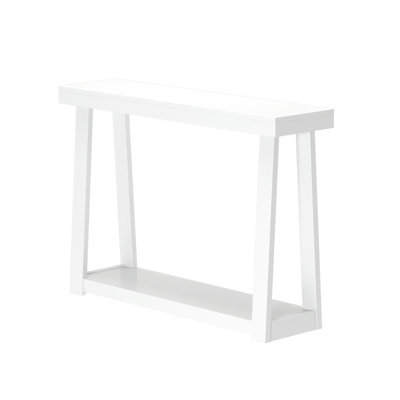
Beckett Solid Wood Console Table
Wayfair
$176.99
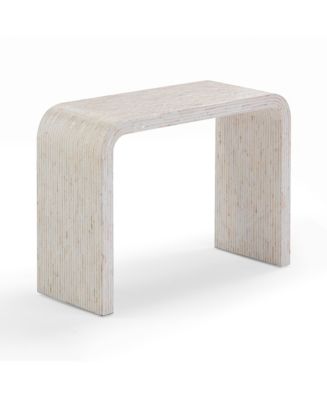
Opus Capiz Shell Console Table
TOV Furniture
$575
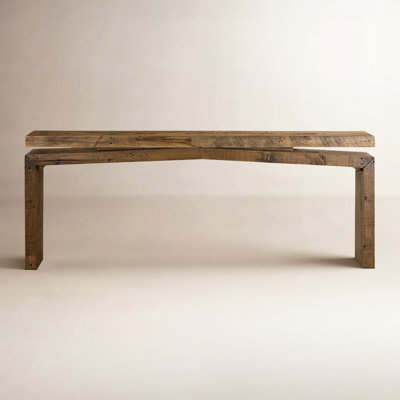
Henn Solid Wood Console Table
Wayfair
$899
When storage is worth the depth
Drawers and cabinet fronts change the maths, because storage needs depth and depth needs floor. A two drawer console at 15 inches deep holds chargers, keys, dog leads and candles, which is most of what a hallway needs. Anything that has to swallow shoes or files wants a cabinet, and a cabinet in a narrow hall is usually the wrong call. Cane fronted doors are the useful middle ground: they hide the contents without the visual weight of a solid panel, and they let air move, which matters if the cupboard holds anything damp. Open shelves are honest about what they hold and demand tidiness in return. One practical detail people forget behind a sofa: if the console holds a lamp, you need a socket within reach, and a shallow console leaves nowhere for the cable to sit without being seen.
Consoles with real storage
Pesce Shagreen 29.8" Wood Rectangle Console Table
TOV Furniture
$655.31
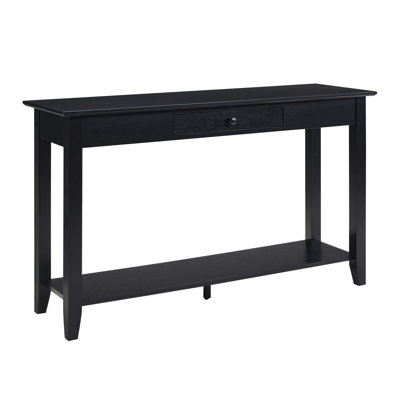
Carbin 48" Console Table with Shelf
Wayfair
$179.99
Pesce Shagreen 29.8" Wood Rectangle Console Table
TOV Furniture
$655.31

70.8" Console Table with 3 Drawers and Shelves
Wayfair
$173.99
Opus Capiz Shell Console Table
TOV Furniture
$575
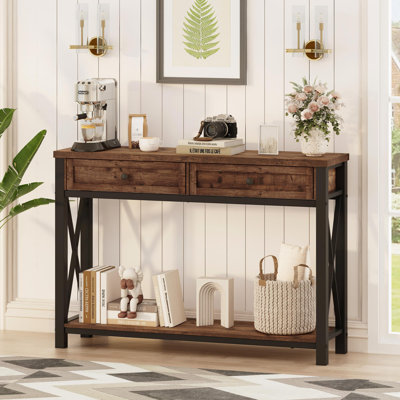
Aust 47.24'' Console Table With Drawers, Wood And Metal Sofa Table For Living Room, Industrial 2 Tier Entryway Table For Hallway, Foyer, Front Door, Entrance (Rustic Oak)
Wayfair
$184.99

63-Inch Long Farmhouse Wooden Rectangular Entryway Console 3 Tier Storage Sofa Table Behind Couch
Wayfair
$173.99
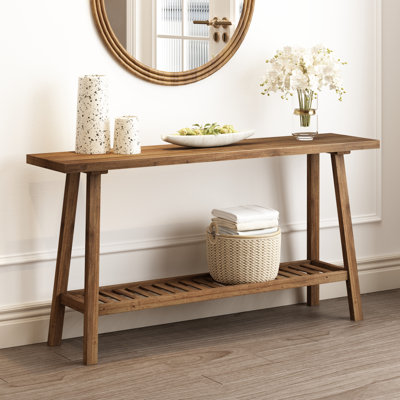
Solid Reclaimed Wood Console Table with Shelf
Wayfair
$155.99
A note from the Phia editors
If you take one thing away, get two numbers on paper before you shop: the sofa back height measured at the frame, and the clear depth you can give up without narrowing a walkway below about 30 inches. Every console that fails in a real home fails on one of those two, not on style. We would rather see a plain narrow console in the right dimensions than a beautiful deep one that has to be squeezed past every day. On storage, be honest about what the piece will actually hold. Most hallway consoles hold small things, and two shallow drawers are enough. If you genuinely need to hide bulk, put a closed cabinet somewhere with room to open the doors and let the console stay slim.
Shop brands in this edit

Next read
Secondhand Louis Vuitton Damier Ebene Or Damier Azur
Damier Ebene and Damier Azur are the same coated canvas in two colourways, and the secondhand market treats them as two different products.
Read Editorial
Secondhand Silk My Favs
My sixteen selects of scarves below are all ninety centimetre squares, split into two price bands