Curb, Figaro, herringbone, rope, box and cable all behave differently on a neck. Which chain to buy depends on what you intend to do with it.
Curb, Figaro or Herringbone: Which Chain to Buy
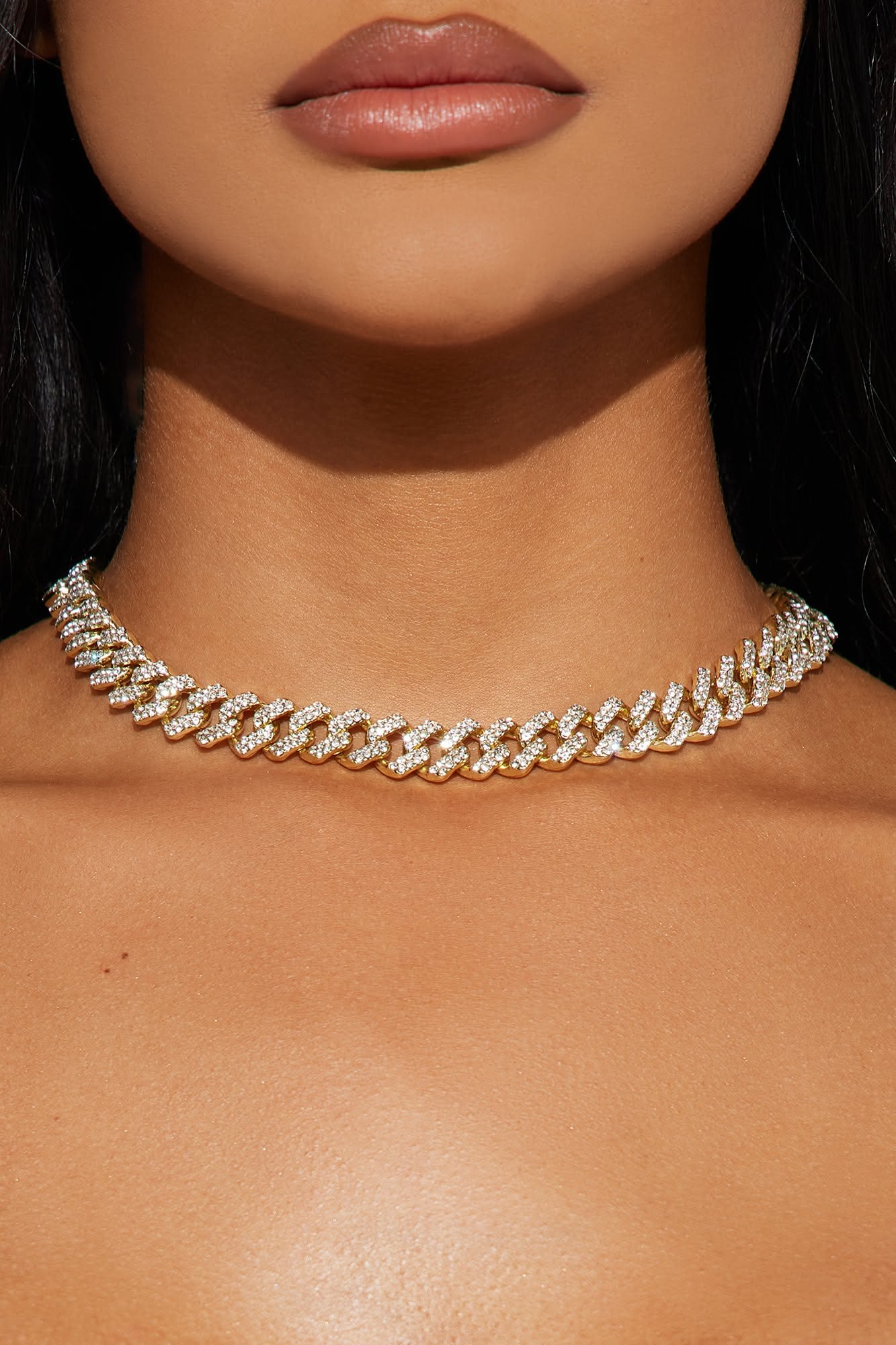
Six chains, and what each one does
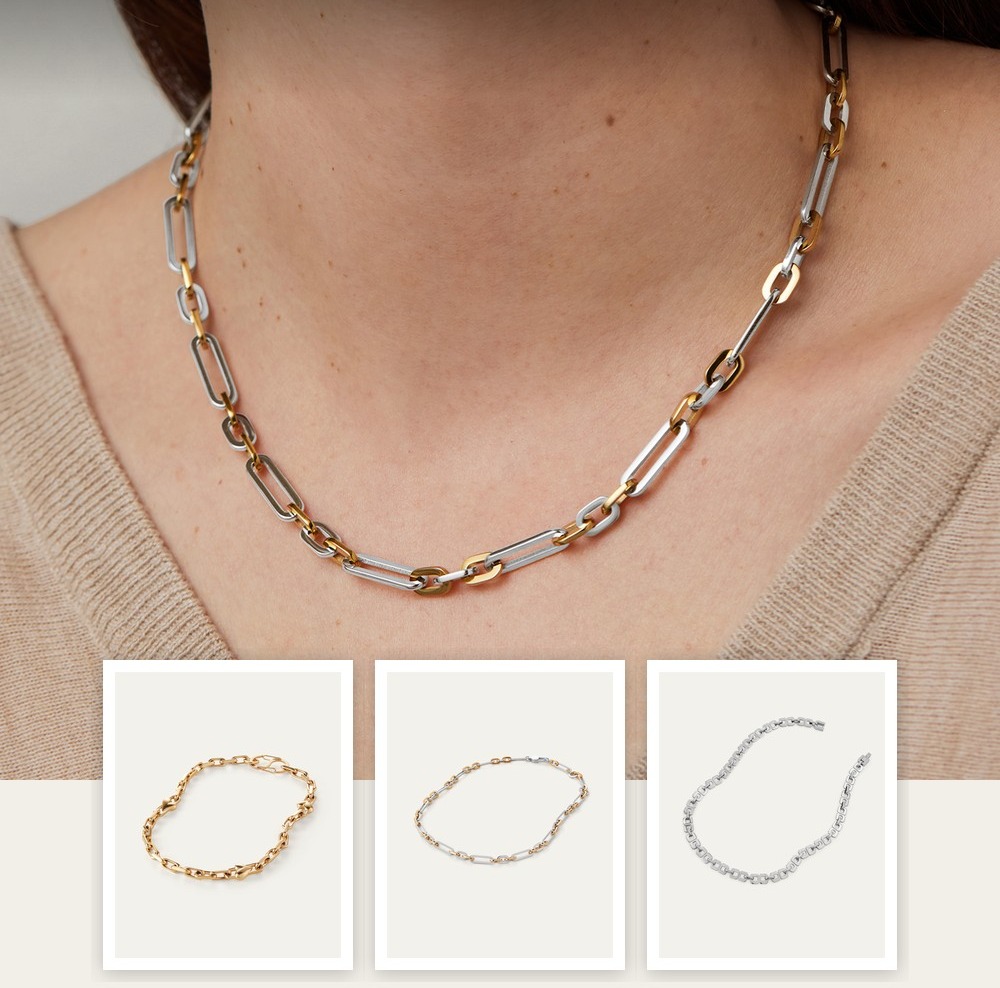
Cable is the plain one, round or oval links of even size, and it is the most versatile and the least interesting. It holds a pendant well and it is the safest first chain. Curb has flattened, interlocking links that lie flat against skin and catch light along the whole length, which makes it the best choice when the chain itself is the jewellery. Figaro alternates long and short links, giving a rhythm rather than a uniform line, and it reads slightly more decorative. Rope is many small links twisted into a spiral, which is strong, holds its shape and has a continuous glitter. Box is square links that sit tightly together, very strong for its weight and almost rigid, which suits a heavier pendant. Herringbone is flat, liquid and the most beautiful of the group, and also the most fragile, because it is a folded structure rather than a set of links. That single fact should decide whether you buy one.


Strength, weight and pendants
Chain durability is mostly a question of link gauge rather than pattern, so a heavy cable outlasts a light rope every time. Within the same weight, box and rope are the strongest, curb and Figaro are reliable, and herringbone is in a category of its own. A herringbone chain that kinks is permanently kinked. It cannot be straightened, because the damage is a deformation of the whole flat plane rather than a bent link, and this happens from sleeping in it, from pulling it out of a bag, from a seatbelt. If you want herringbone, buy it knowing that and treat it as a piece you put on and take off deliberately. For pendants, choose a chain that can carry the weight without stretching, which means avoiding fine cable for anything heavy, and note that the bail on the pendant limits which chain will pass through it. Flat chains and thick chains often do not fit a pendant designed for cable.


Our honest take
Buy curb if you want the chain to be the point, and cable if you want to hang things from it. Those two cover most needs and both are hard to damage. Buy herringbone only if you are honest with yourself about being careful with it, because the failure is sudden, permanent and expensive, and we have seen far too many kinked ones to recommend it casually. Rope is the underrated choice, being strong, forgiving and more textured than cable. On weight, buy heavier than feels necessary, since a chain that feels substantial in the hand is the one you will still own in ten years and the barely-there ones snap. And check the bail before you buy a chain for a specific pendant. If you take one thing away, match the chain to the job, because a chain chosen to be looked at and a chain chosen to carry something are not the same purchase.
Shop brands in this edit



Next read
Secondhand Louis Vuitton Damier Ebene Or Damier Azur
Damier Ebene and Damier Azur are the same coated canvas in two colourways, and the secondhand market treats them as two different products.
Read Editorial
Secondhand Silk My Favs
My sixteen selects of scarves below are all ninety centimetre squares, split into two price bands