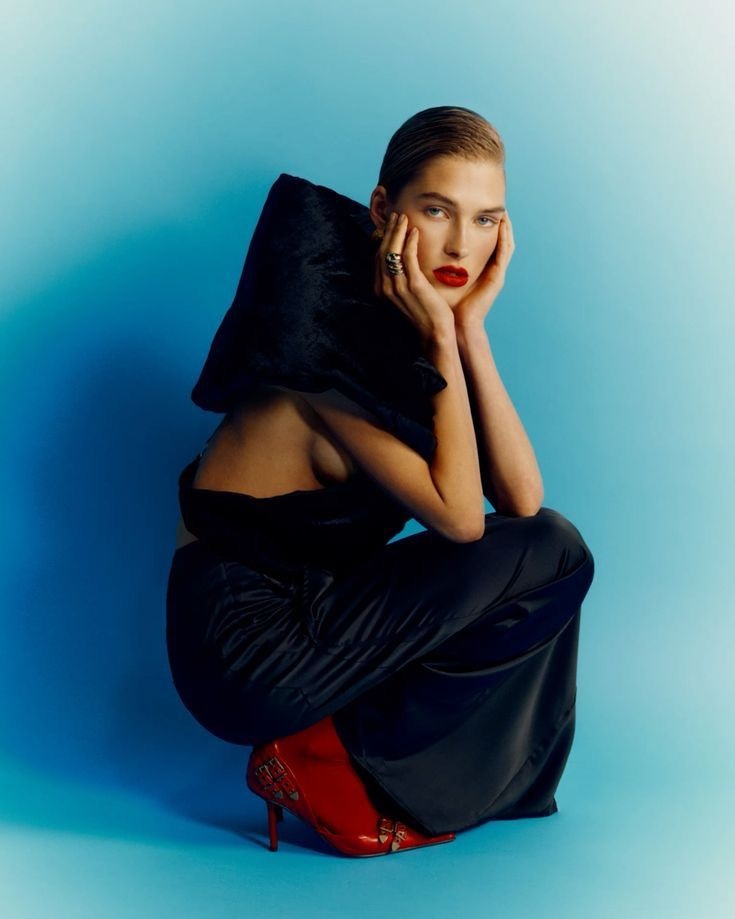
Denim wash decides how formal a pair of jeans reads. Here is what ecru, mid blue and true black actually do in an outfit.
Denim Washes Explained
Ecru to true indigo

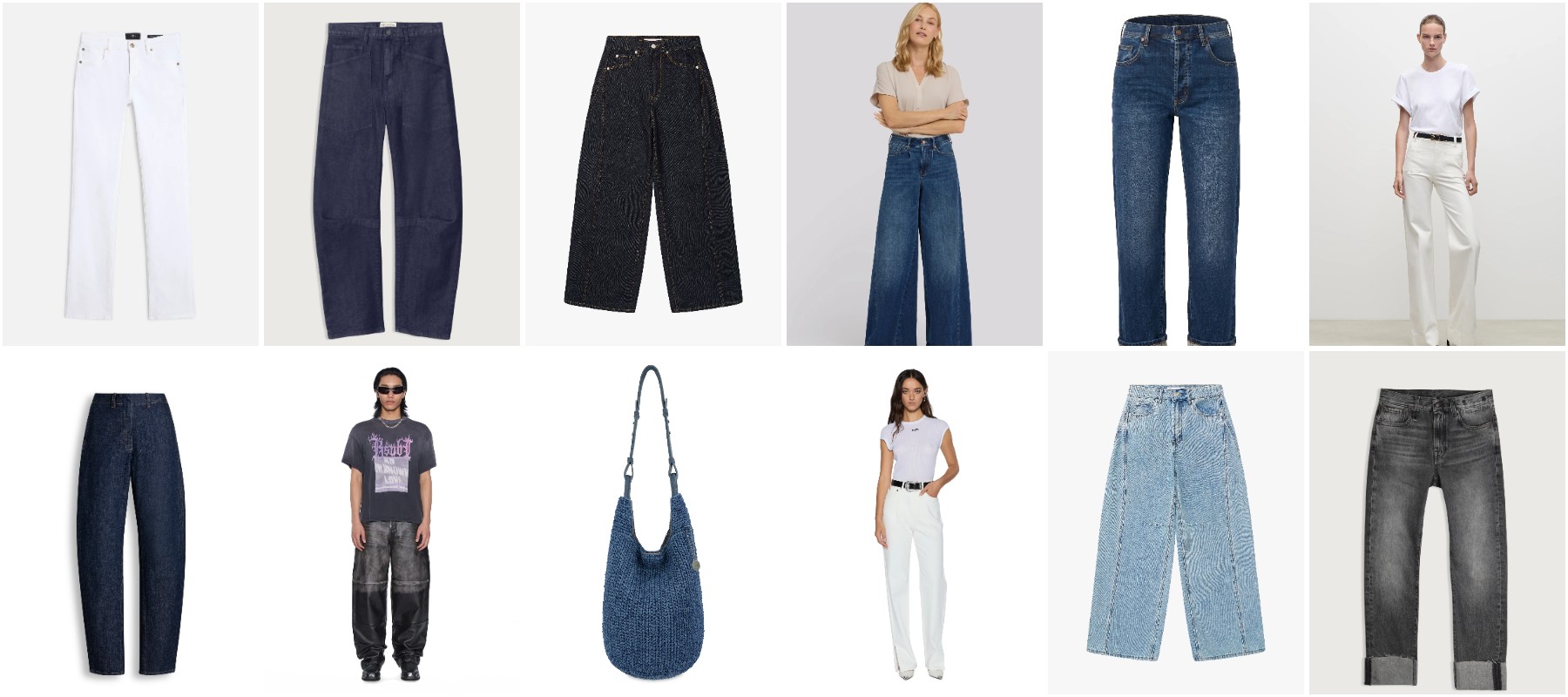
Ecru to true indigo
Wash is the fastest way to change how dressed up a pair of jeans looks, and it does more work than the cut. A dark indigo or true black reads closest to a trouser, a mid blue is the neutral middle, and ecru or white sits at the casual end while somehow also being the hardest to wear badly. The thing nobody mentions is that darker washes bleed, so a new pair of black jeans will mark a pale sofa and a light bag for the first few wears. Below, the ecru and pale washes, the mid blues, and the blacks and dark rinses. Finish matters as much as shade. Whiskering, sanding and printed fades are what make a dark pair read as casual even when the base colour is nearly black, so if you want denim that passes as a trouser, look for a clean leg with no contrast at all.
Let's Shop. Ecru, white and pale
Ecru, white and the palest washes are the ones I reach for most in warm months. Opacity is the only real risk, and a heavier fabric solves it entirely. Opacity is the only real risk with pale denim, and fabric weight solves it entirely. Anything around eleven ounces or heavier will be opaque; a light summer weight will not, whatever the colour. A little texture in the weave helps, because a slub or a twill catches light where a flat smooth surface lets it straight through.

THE SLIM in Slim Illusion Pure White
7 For All Mankind
$238

Alina Stretch Jean In White
Victoria Beckham
$390

PLAYBACK SPLITS ECRU
Ksubi
$110

SPANXsupersmooth® Authentic 360 Lightweight Utility Barrel Leg Jeans | Oceanic
Spanx
$148

Denim ecru straight pants
Destree
$380

PERFECT JEAN - WHITE
Alice + Olivia
$330

Billie Mini Bootcut Ankle Jeans - Vintage White
NYDJ
$129

PETITE Wes High Rise Barrel - Vivid White
Pistola
$198
Mid blue and vintage
Mid blue and vintage washes are the ones that go with everything, and the ones where fading is a feature. A wash with real contrast at the seams looks worn in rather than printed. Mid blue is where fading becomes a feature rather than a problem. A wash with real variation, lighter at the thigh and knee and darker at the seams, looks like it has been worn rather than printed. Rigid mid blue denim is the category where a pair genuinely improves over years, because the fade follows how you actually move.

Shon Jeans Indigo Rinse
Otte
$410

Zelda Jean - Medium Wash
Lisa Says Gah
$131.6

DENIM MID RISE BARREL LEG JEAN
Scanlan Theodore
$360

Los Feliz Medium Tote - Hand Crochet - Denim Tonal Straw
The Sak
$199

Ayla Baggy in Regenerative Cotton | Clean Indigo
Argent
$268

Sylvie Wide Leg Premium Denim - Hi-Low Mid Wash (28" Inseam)
Lyssé
$107

Luxe Vintage Twisted Lotta in Love Soul
7 For All Mankind
$299

Panelled Jean In Indigo
Victoria Beckham
$650
Black and washed dark
Black and dark rinses are the closest denim gets to tailoring. Buy these in the cleanest finish you can find, with no whiskering, and they will pass in places jeans usually do not. For the cleanest possible finish, look for what is sold as a rinse rather than a wash, which means the fabric has had the loose dye removed and nothing else done to it. That is the version that reads closest to tailoring. Expect the first few wears to transfer colour, and expect the depth of the black to soften slightly after the first wash and then hold.

Zelda Jean - Dark Wash Denim
Lisa Says Gah
$131.6

Cuffed Romeo Jean Leyton Black
Otte
$645

BLACKJACK MAXX PANT AGED BLACK
Ksubi
$350

Slim Illusion Bootcut in Soho Dark
7 For All Mankind
$258

Julia Stretch Jean In Washed Black
Victoria Beckham
$450

Denim trousers — Dark blue
Destree
$380

TORIE High Waist Jeans (DARK DENIM)
Saint James
$255

SPANXsculpt® ReDefine Ankle Skinny Jeans | Dark Indigo
Spanx
$79
Label Love: NYDJ
NYDJ covers the full range of washes in the same few cuts, which makes it genuinely useful for working out what you want before you spend more. The lift and tuck construction is not marketing; the panelling is really there. Having the same cuts available across the full range of washes is more useful than it sounds, because it lets you separate the two decisions rather than compromising on one to get the other. The construction through the waistband and front is genuinely different from a standard five pocket.

Nova Super Wide Leg Jeans - Blue Mirage
NYDJ
$139

Nova Super Wide Leg Jeans - Vintage White
NYDJ
$139

Teresa Wide Leg Ankle Jeans - Port Sea
NYDJ
$139

Brodi Wide Leg Ankle Jeans - Vista Lakes
NYDJ
$139

Teresa Wide Leg Ankle Jeans In Plus Size - Port Sea
NYDJ
$139

Marilyn Straight Jeans In Plus Size - Morning Tides
NYDJ
$139

Marilyn Straight Jeans In Petite - Morning Tides
NYDJ
$139

No Gapper™ Marilyn Straight Jeans - Dusty Ash
NYDJ
$139
The Shopping List
A wider spread of washes, if you would rather compare across brands. A wider spread of washes across brands to finish, for comparing shade rather than cut. If you already know which leg shape you want, this is the fastest way to find it in the colour that is actually missing from your wardrobe.

SLOANE SLOUCHY GIRLFRIEND CUFFED
Liverpool Los Angeles
$109

Charlot Split Hem Jean (Inseam 29")
Otte
$495

Los Feliz 120 Hobo - Hand Crochet - Denim Tonal Straw
The Sak
$169

Luna Pieced Jean (Void)
Montce
$268

DENIM CROPPED CARGO JEAN
Scanlan Theodore
$500

FRINGE SPAT JEANS
Norma Kamali
$465

Custom Hand Embroidered Pet Face Denim Scoop Tote
Stoney Clover Lane
$498

Jordi Denim Jeans
Suzie Kondi
$450
Style Notes
Wash new dark denim on its own, cold, inside out, once, before you wear it anywhere near a cream chair. That single wash takes most of the excess dye out and costs you almost nothing in colour. After that, the less you wash denim the longer the colour lasts, and airing a pair overnight does more than most people expect. I go months between washes on my darkest pair and it still reads black.
Shop brands in this edit












Next read
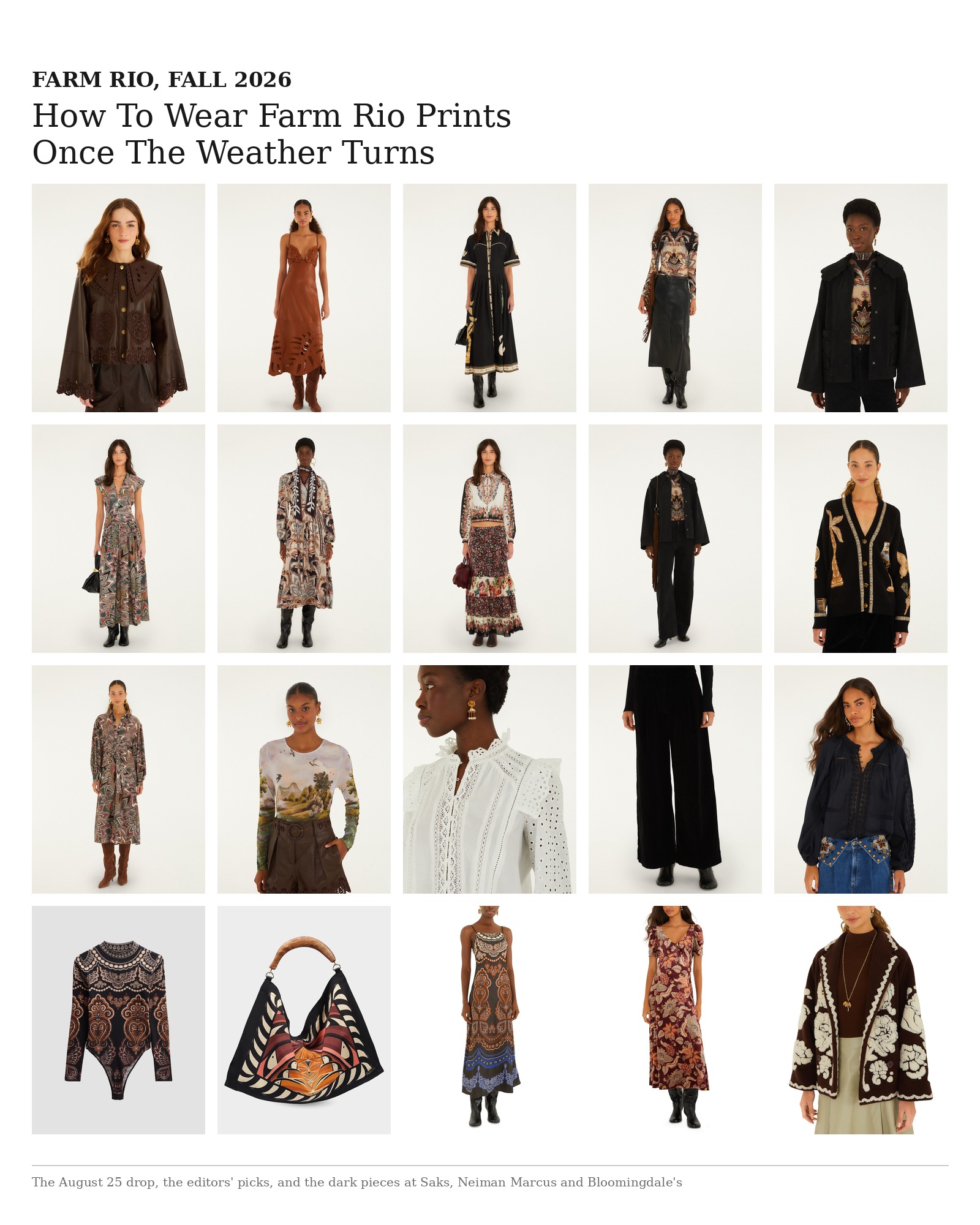
How To Wear Farm Rio Prints Once The Weather Turns
Farm Rio's fall drop trades tropical brights for chocolate leather, black denim and dark florals. Here is how to wear the prints past September, plus the dark pieces our editors are buying at Saks, Neiman Marcus and Bloomingdale's.
Read Editorial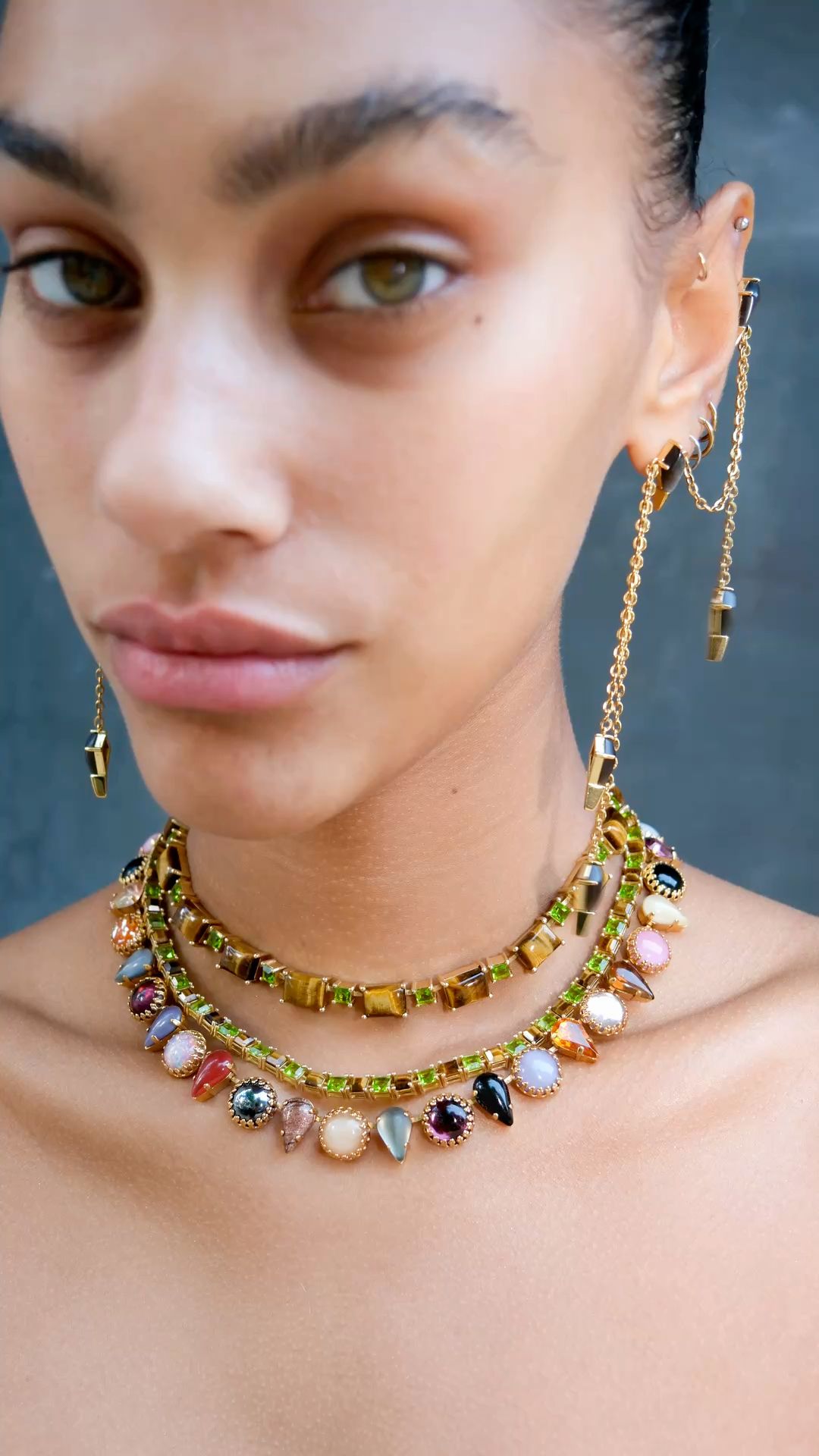
Necklace Or Studs: Which To Buy First
Choosing necklaces first is usually the better buy when one piece should change several outfits, but choice depends on your neckline and daily habits. Start with placement