Whether you need both a wide leg and a straight leg comes down to how many different proportions your wardrobe has to serve and occasions.
Do You Need Both Wide And Straight Trousers
Choosing A Trouser Shape For Real Life
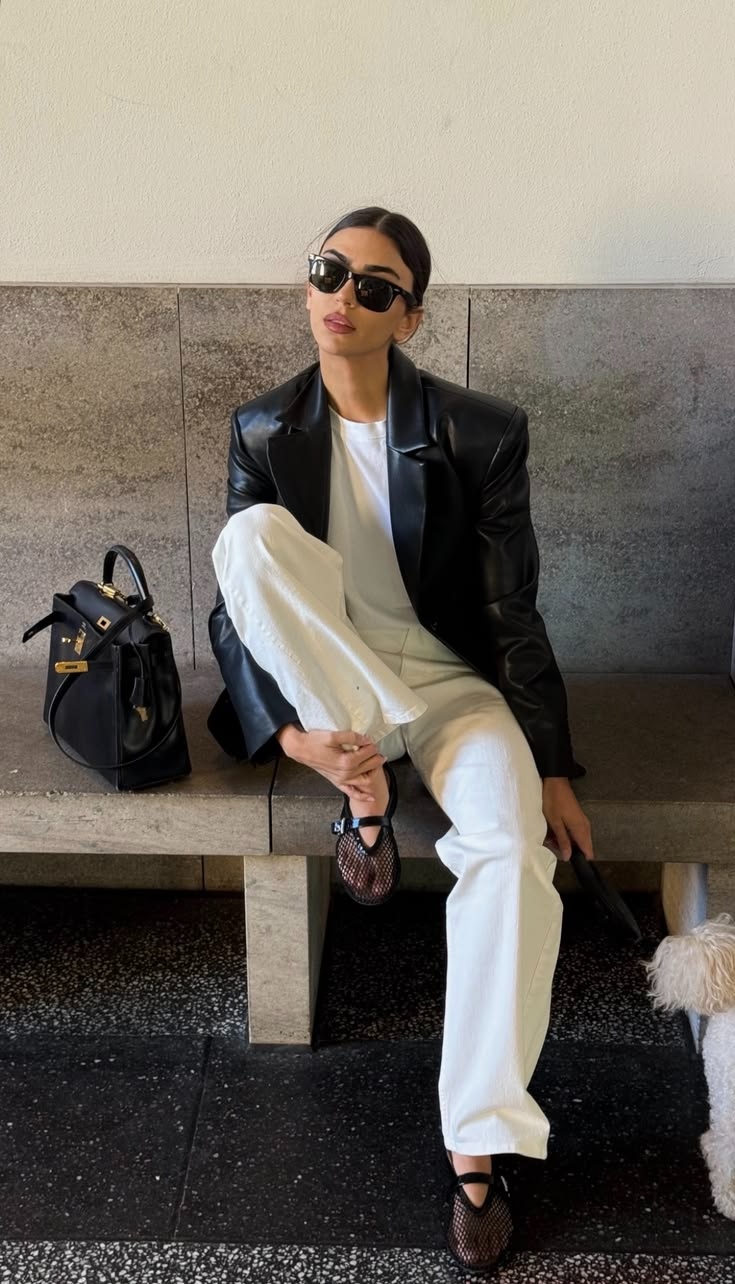
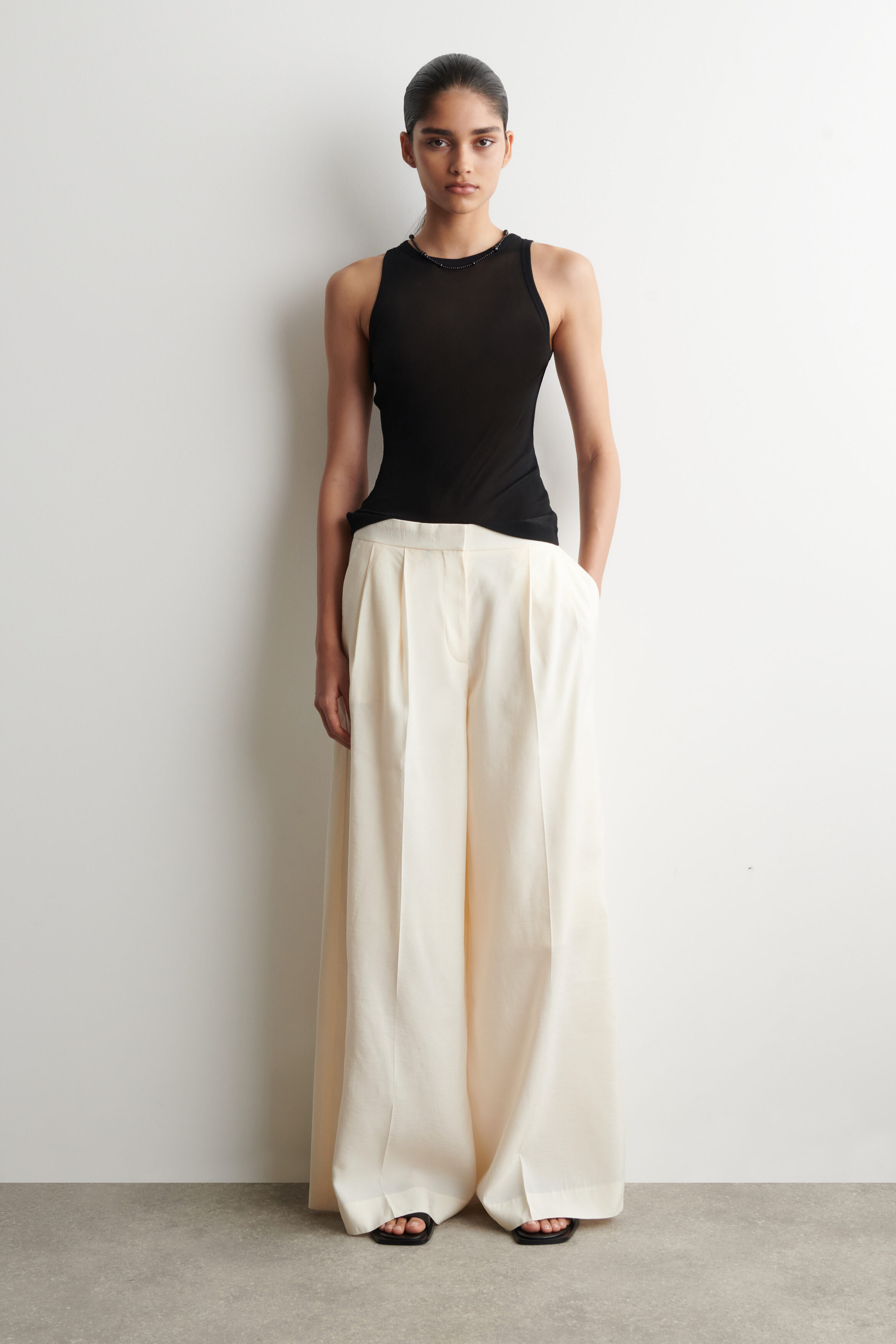
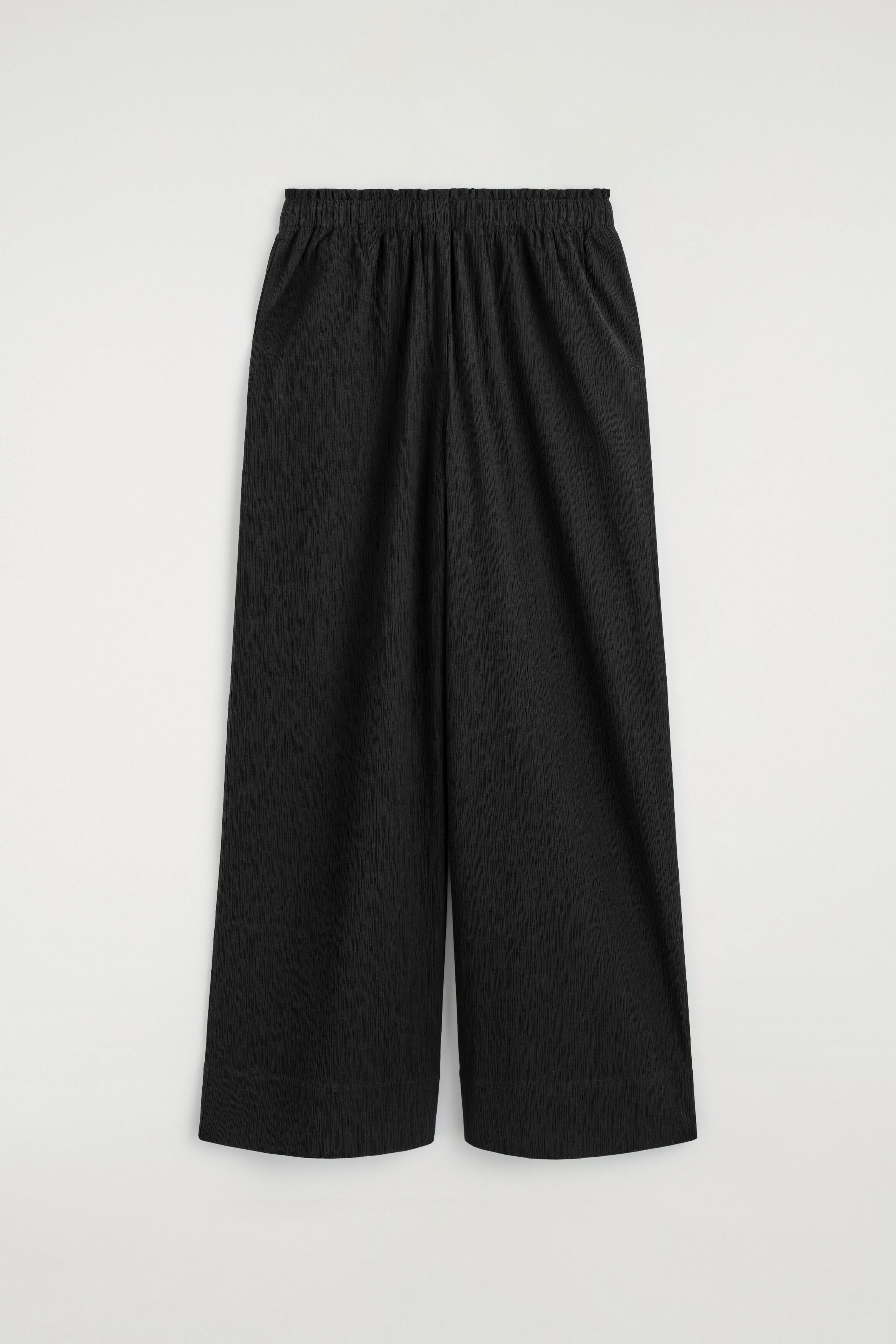
Whether you need both a wide leg and a straight leg comes down to how many different proportions your wardrobe has to serve and occasions. Wide-leg trousers create more movement through the lower half and can balance a close-fitting top, a short jacket, or a tucked knit. Straight-leg trousers keep a cleaner line from hip to hem, which can feel easier with an oversized shirt, longer coat, or substantial shoe. Neither shape is automatically smarter. The better choice depends on what you already wear and where you want the outfit's volume to sit.
Start with the rise and the hem, not the label. A wide leg looks intentional when the fabric falls cleanly and the hem works with the shoes in rotation. A straight leg earns its place when you want definition without a close, skinny fit. The price range here is $25 to $189, so the decision can be tested with one everyday pair before adding a more directional fabric or finish. That first pair should also work with at least three tops you already own, not just one carefully planned outfit.
Let Proportion Lead The Outfit
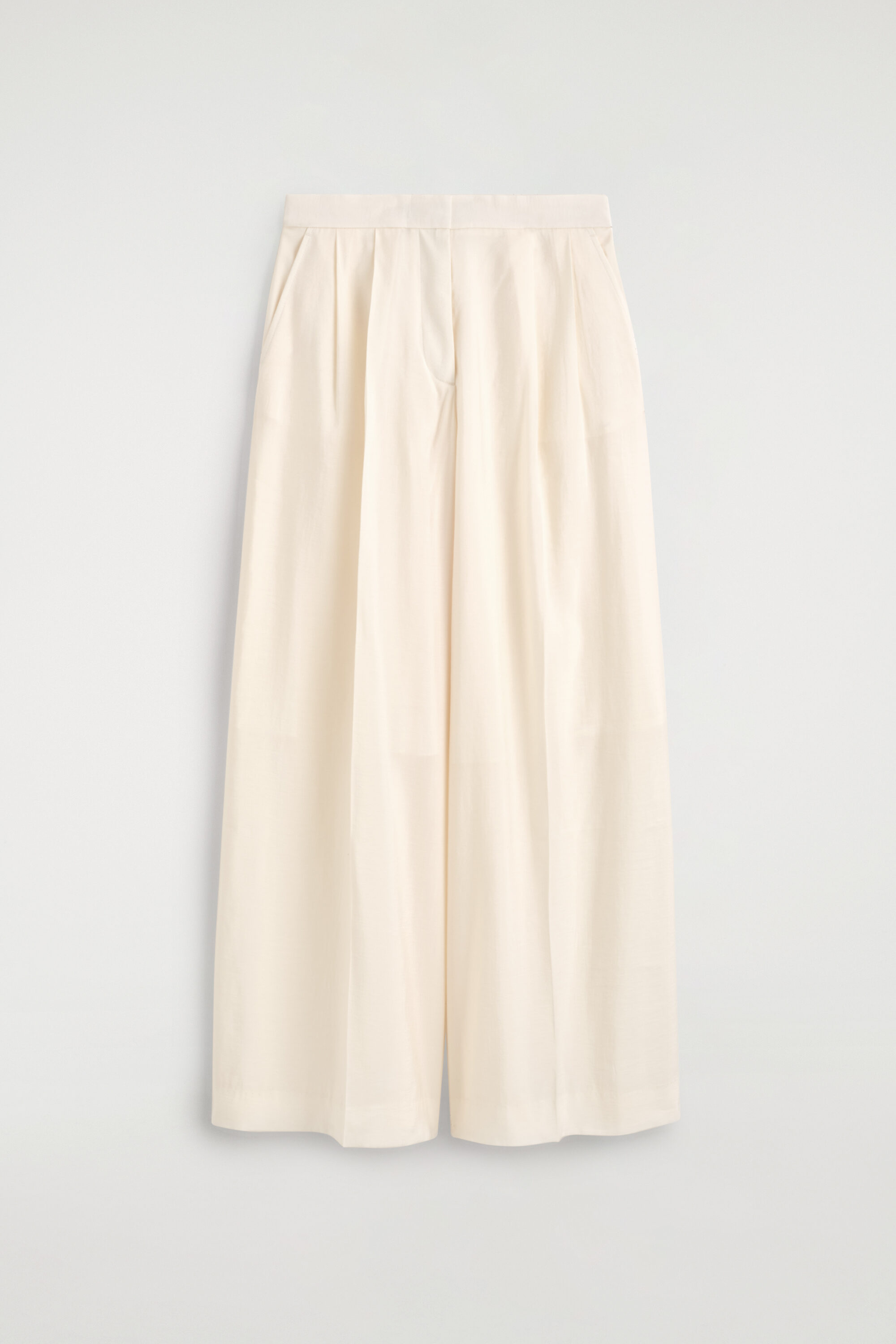
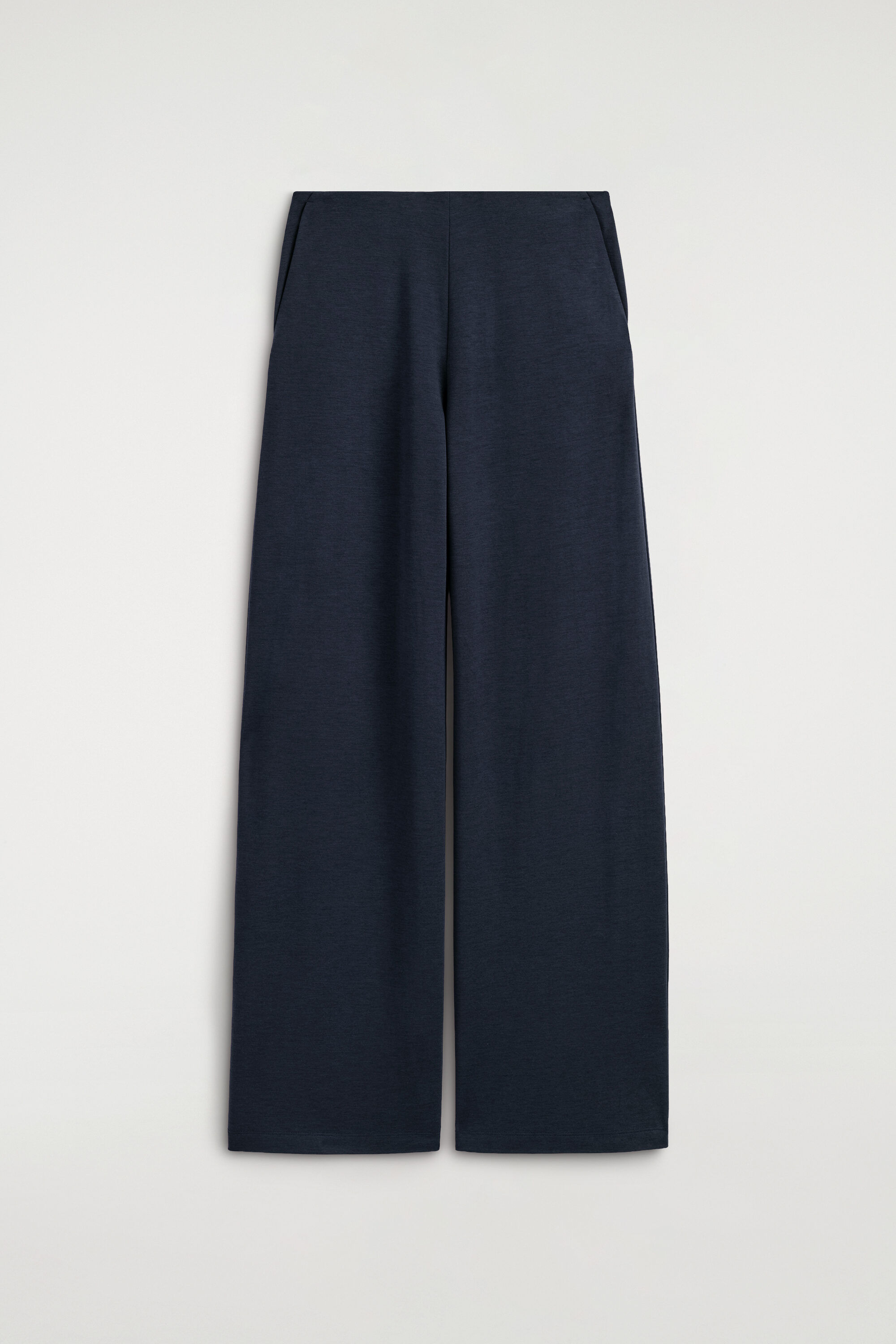
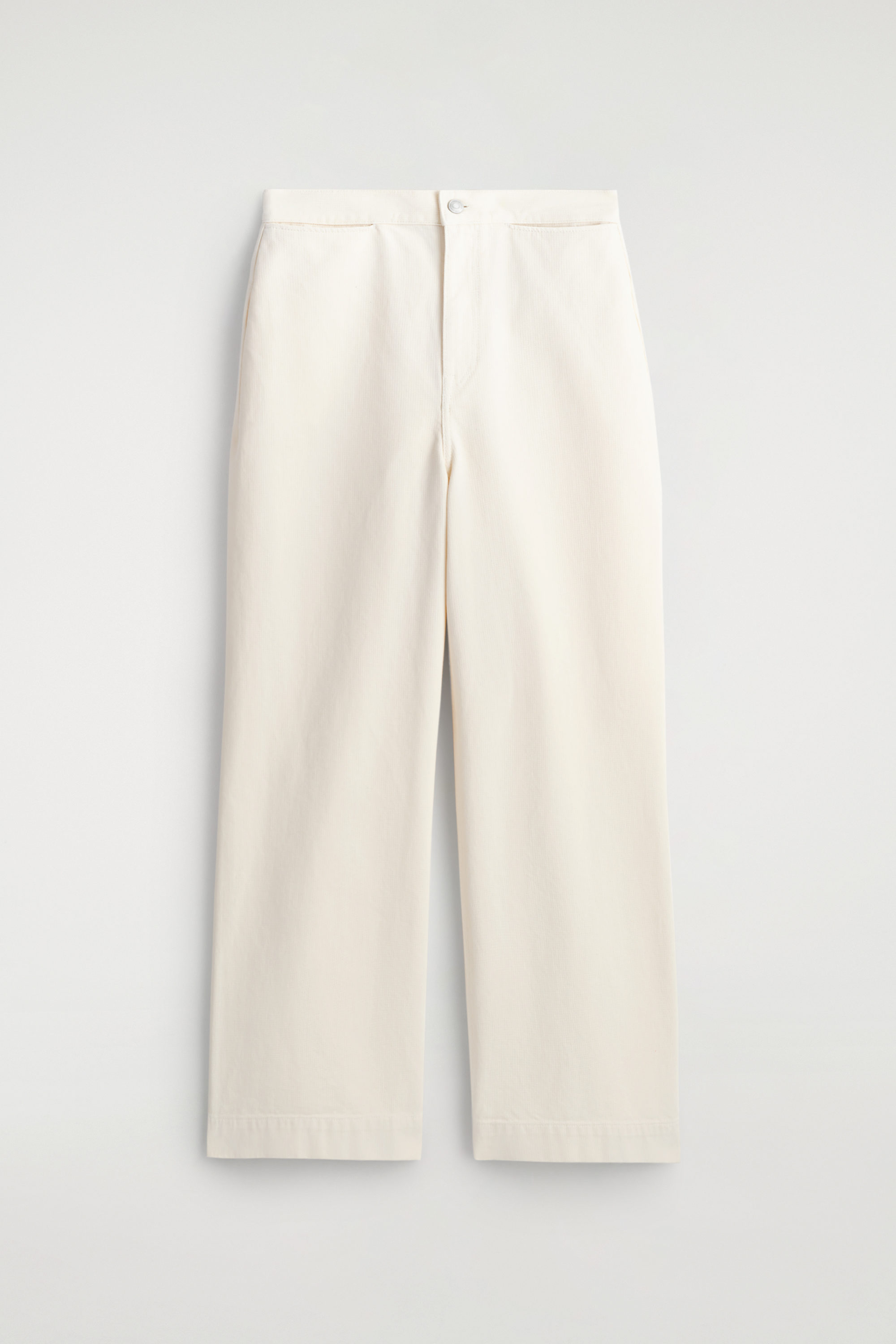
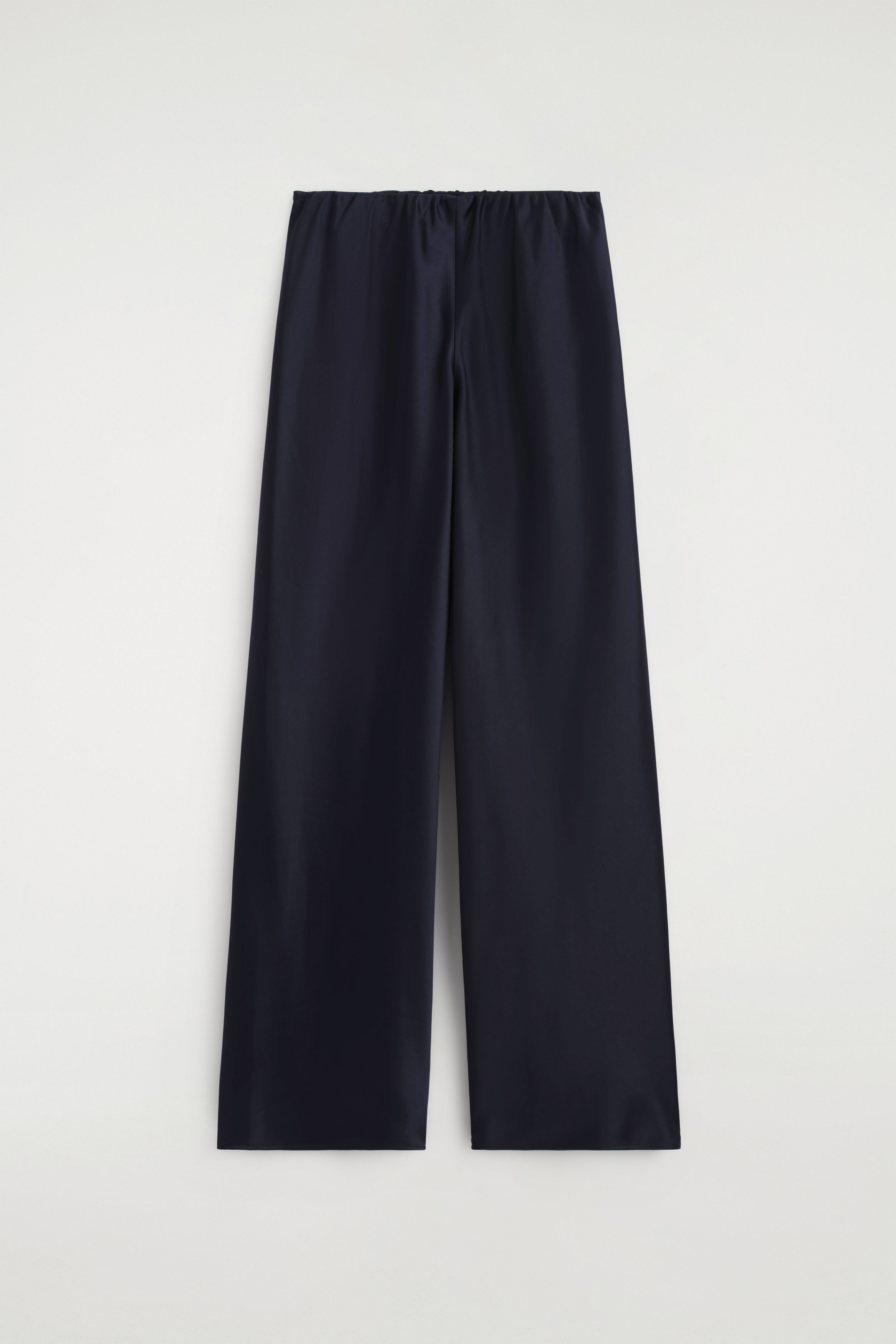
The main difference is felt at the thigh and ankle. Wide-leg cuts leave space from the upper leg down, so a tucked tank or a neat top gives the waist a visible point of focus. The Pleated Modal Wide-leg Trousers bring a soft drape, while a cropped denim pair changes the balance by ending higher on the leg. Those details matter more than the category name when deciding whether a pair will work with your shoes.
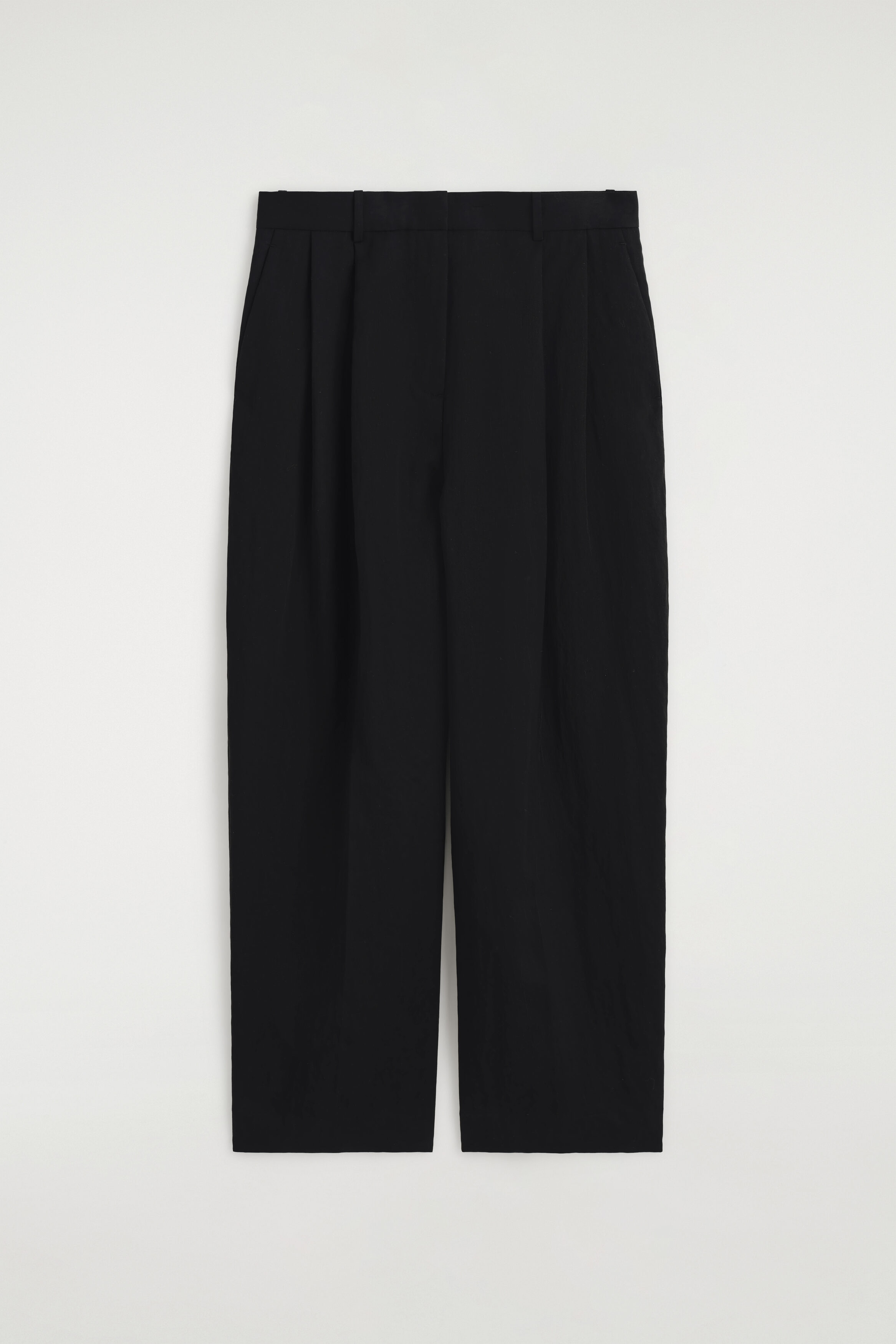
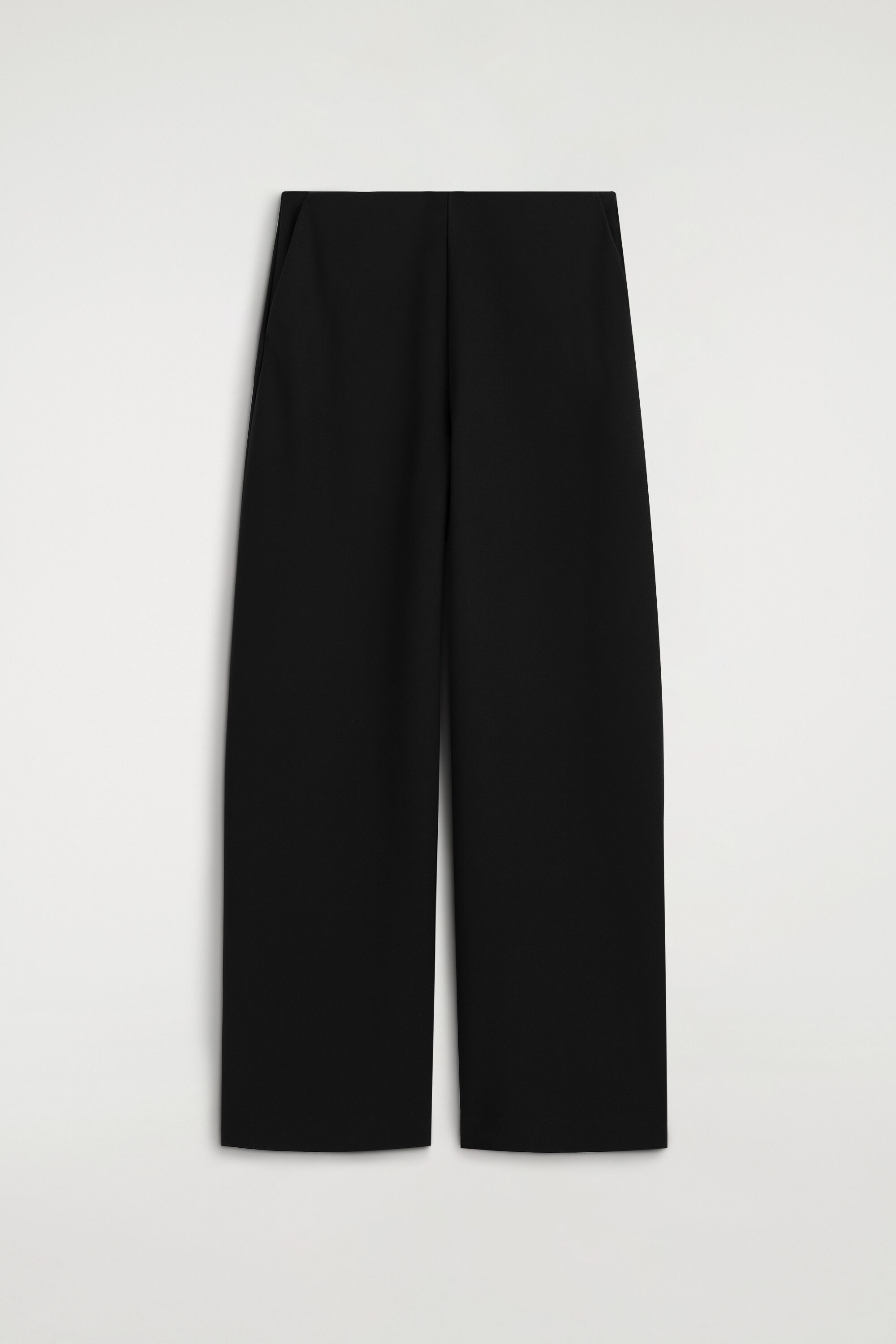
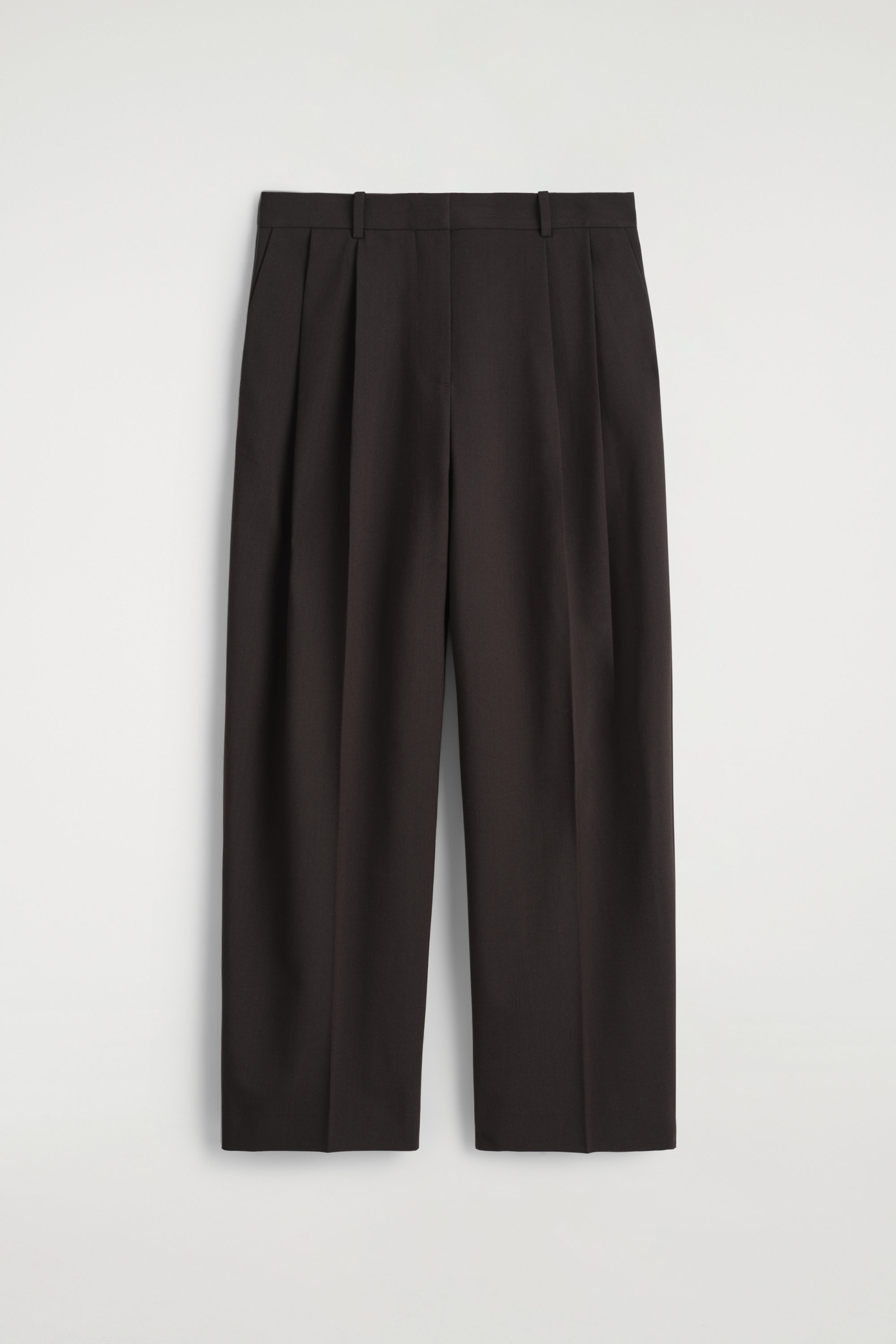
Straight-leg trousers offer less sweep but still allow room to move. The Elasticated Twill Straight-leg Pants suit casual days, while a pleated wool-blend style adds structure without becoming narrow. Check the break at the shoe: a full-length hem can lengthen the line, while a cropped or ankle finish makes footwear more prominent. If coats and shirts in your wardrobe are roomy, straight legs may be the calmer counterpoint. If tops are close to the body, wide legs can supply useful contrast. Try both with the same jacket and notice whether the trouser supports its shape or competes with it.
Straight leg, the narrower option
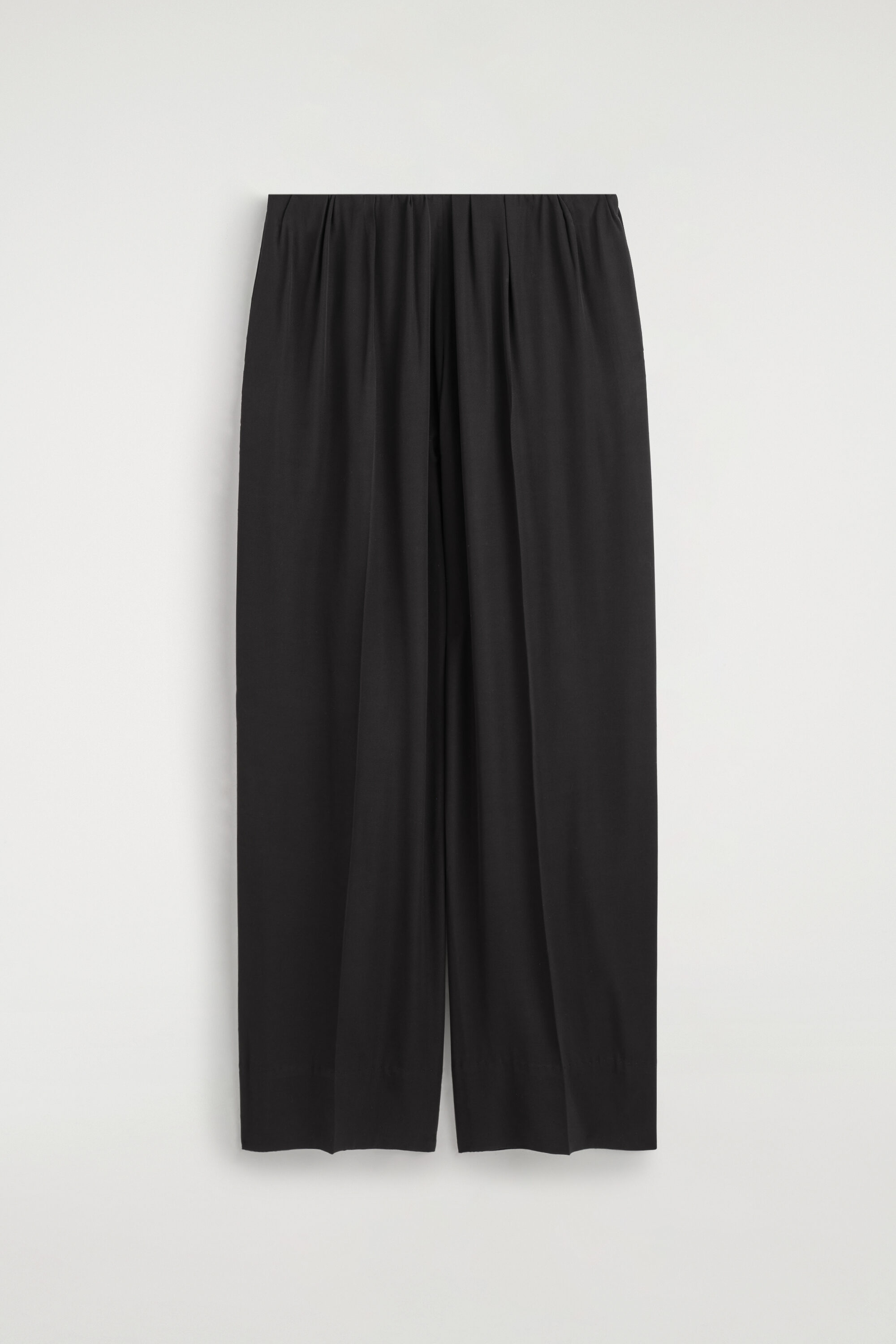
Elasticated Twill Straight-leg Pants
COS
$139
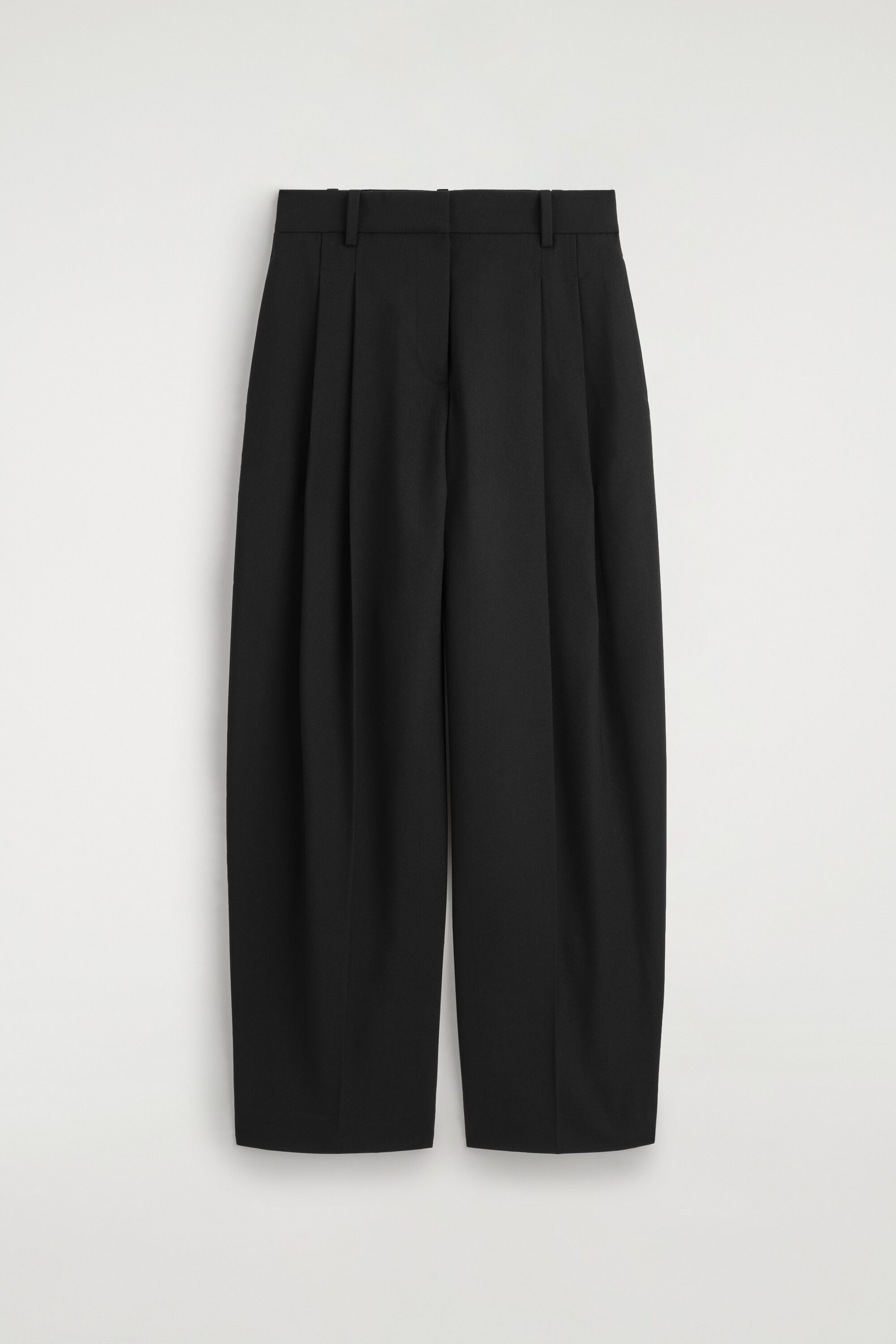
Pleated Wool-blend Straight-leg Pants
COS
$159
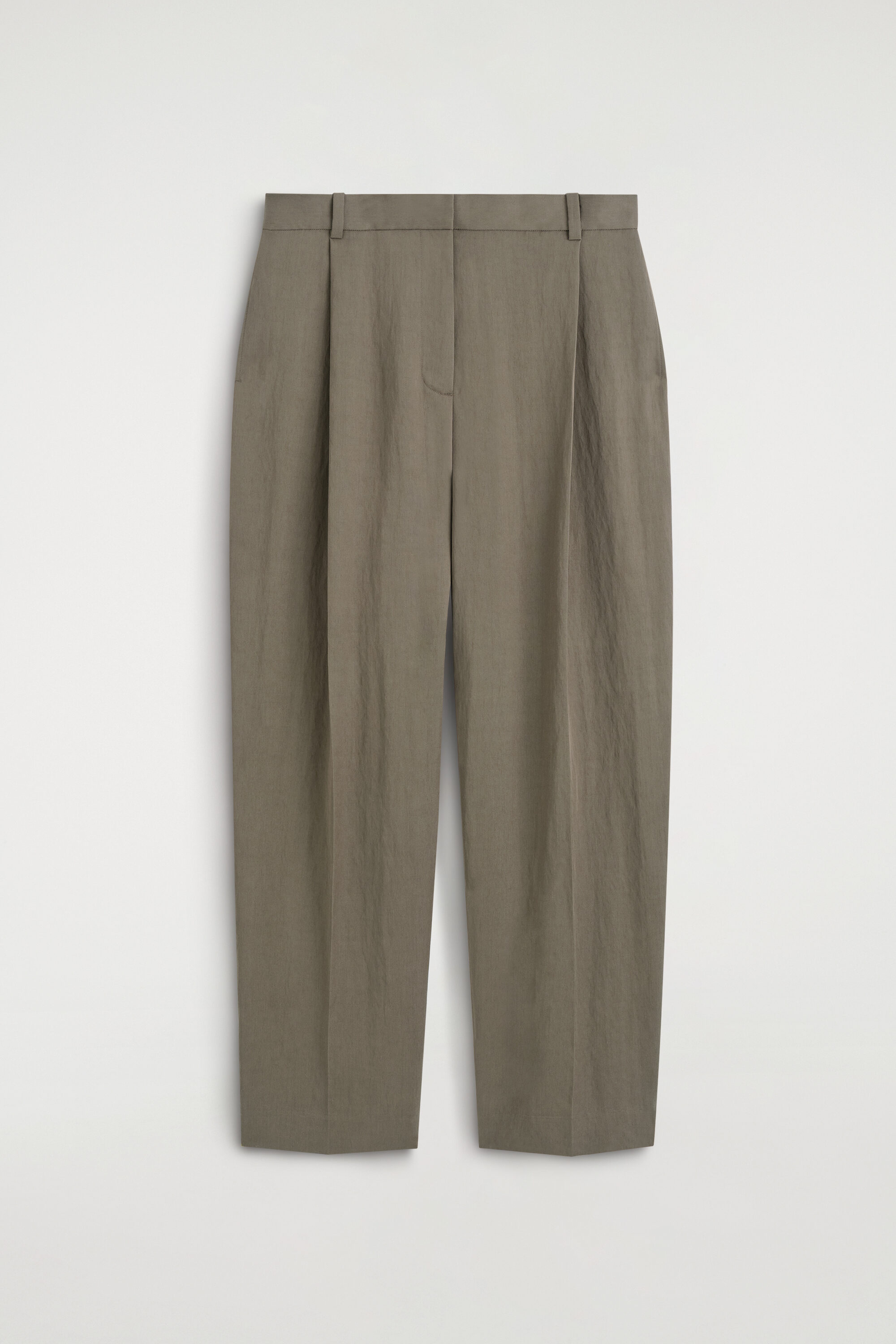
Fluid Pleated Straight-leg Pants
COS
$139
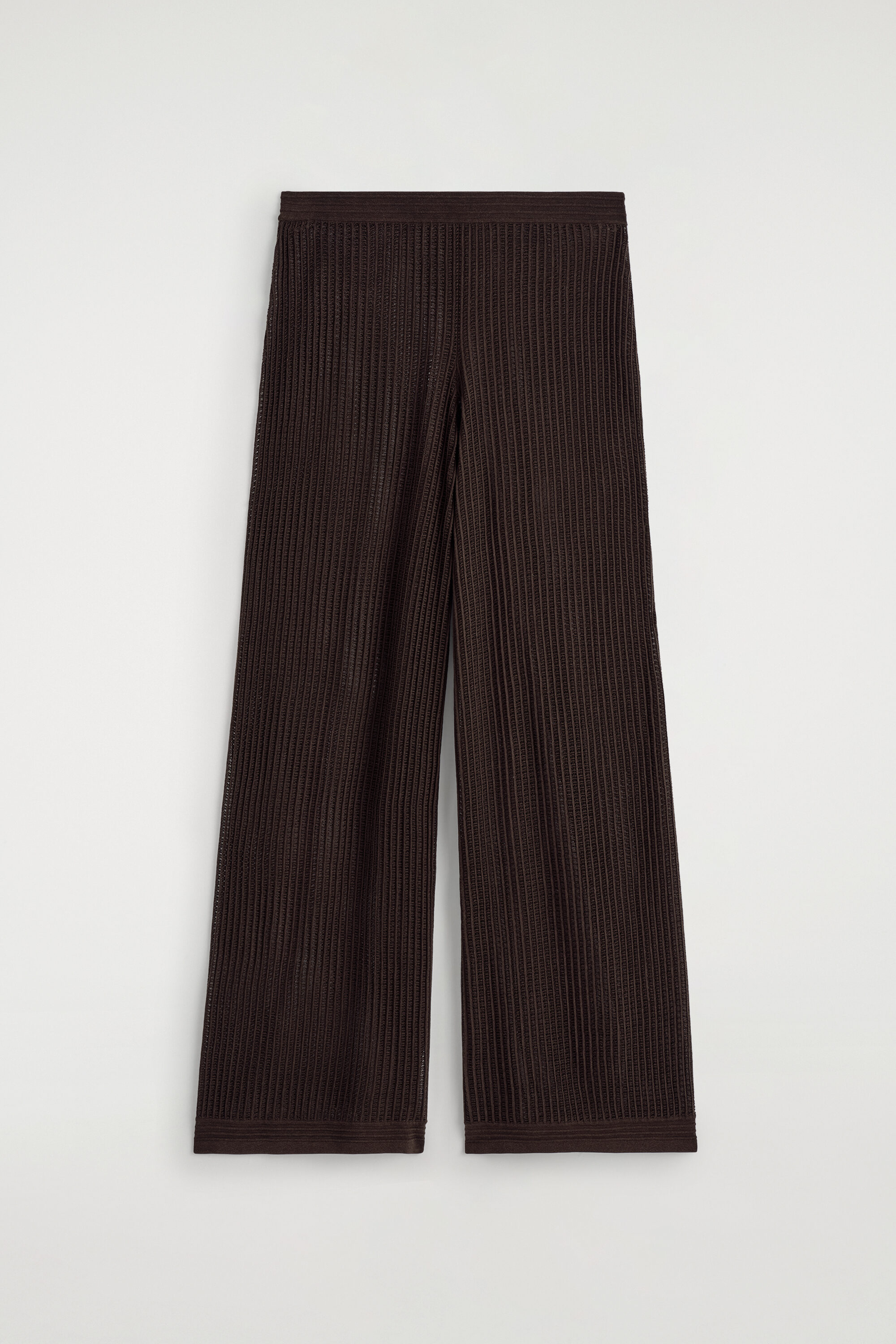
Ribbed Open-knit Pants
COS
$149
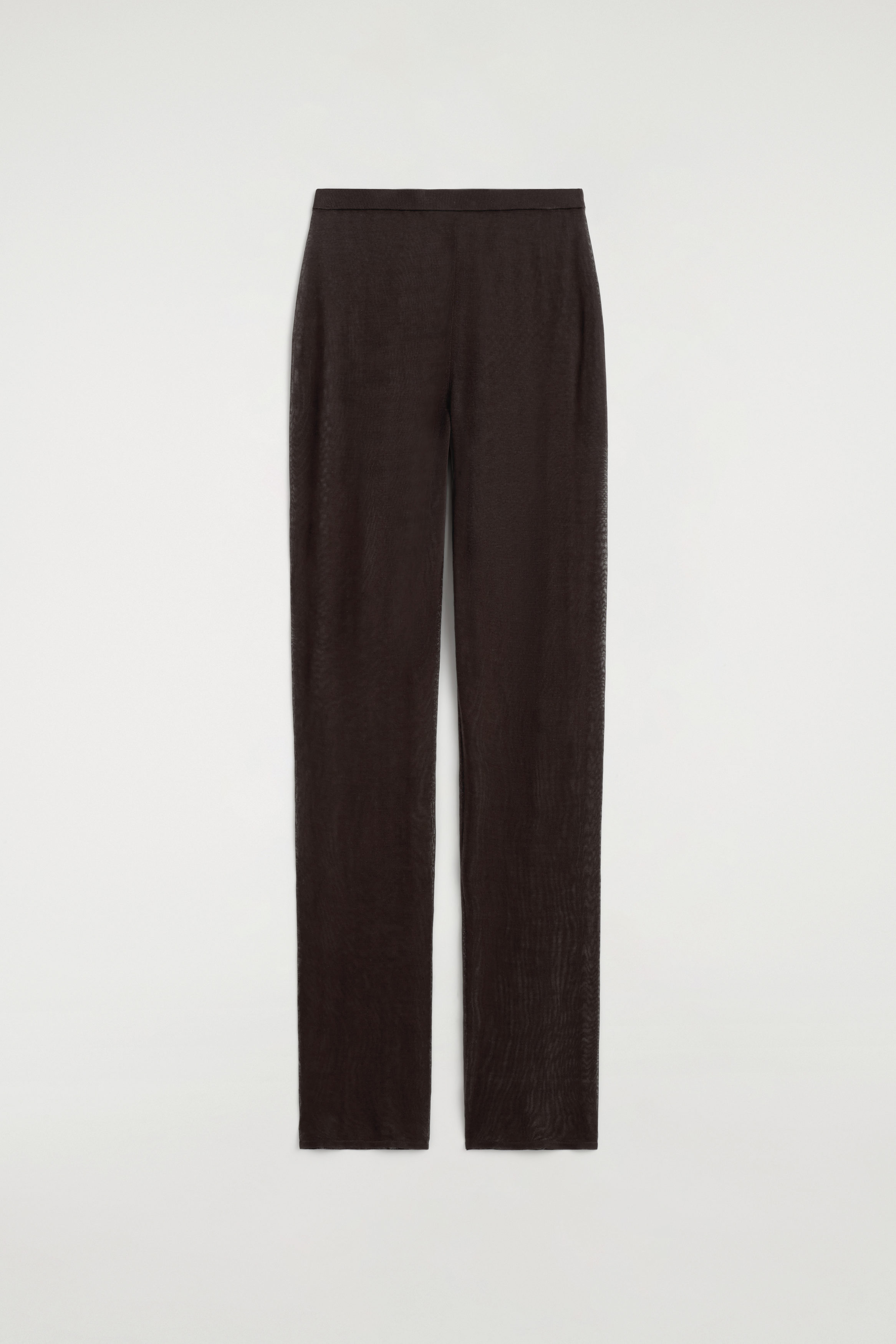
Seamless Sheer Knitted Silk Pants
COS
$189
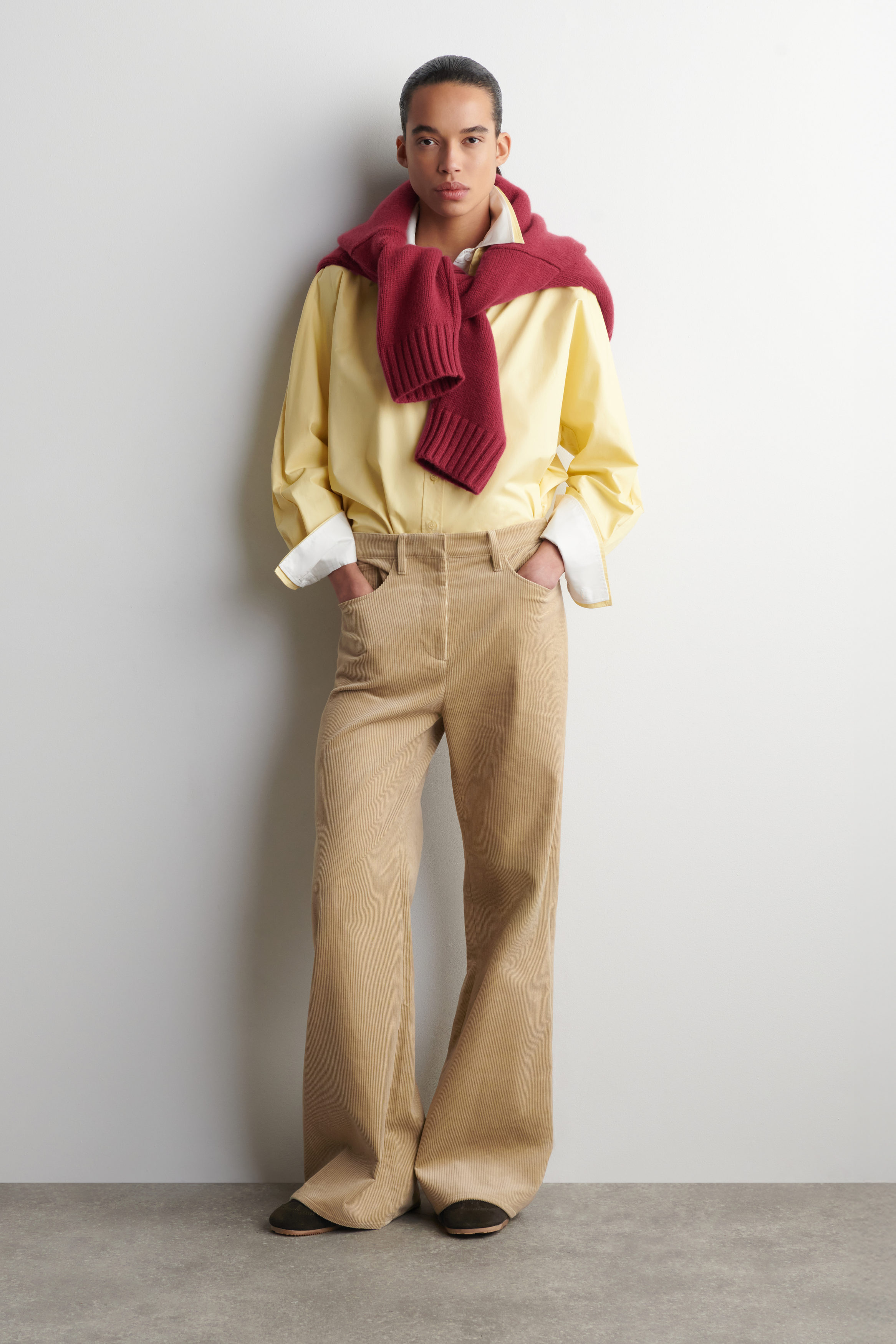
Corduroy Straight-Leg Pants
COS
$129
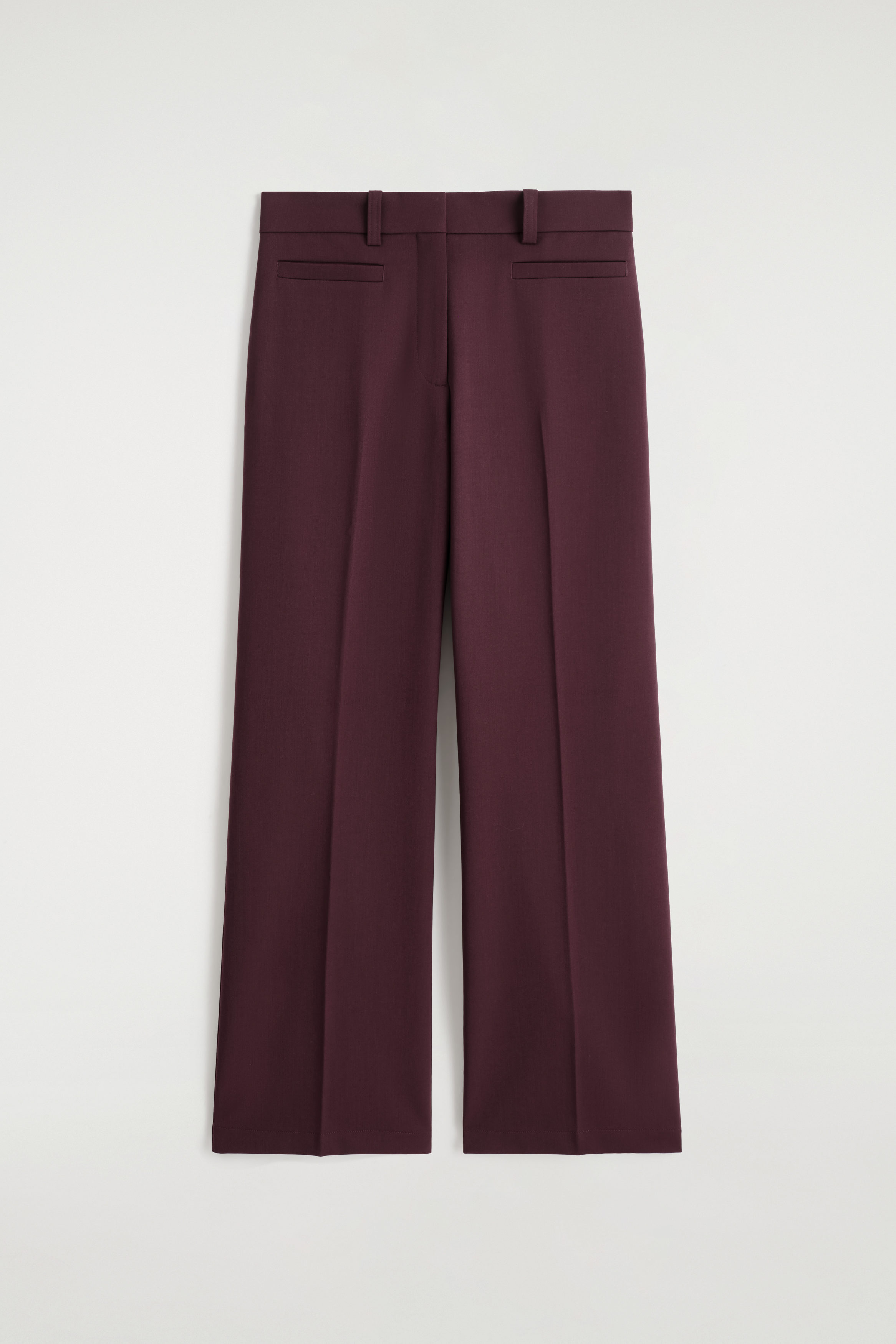
Wool-blend Straight-leg Pants
COS
$169
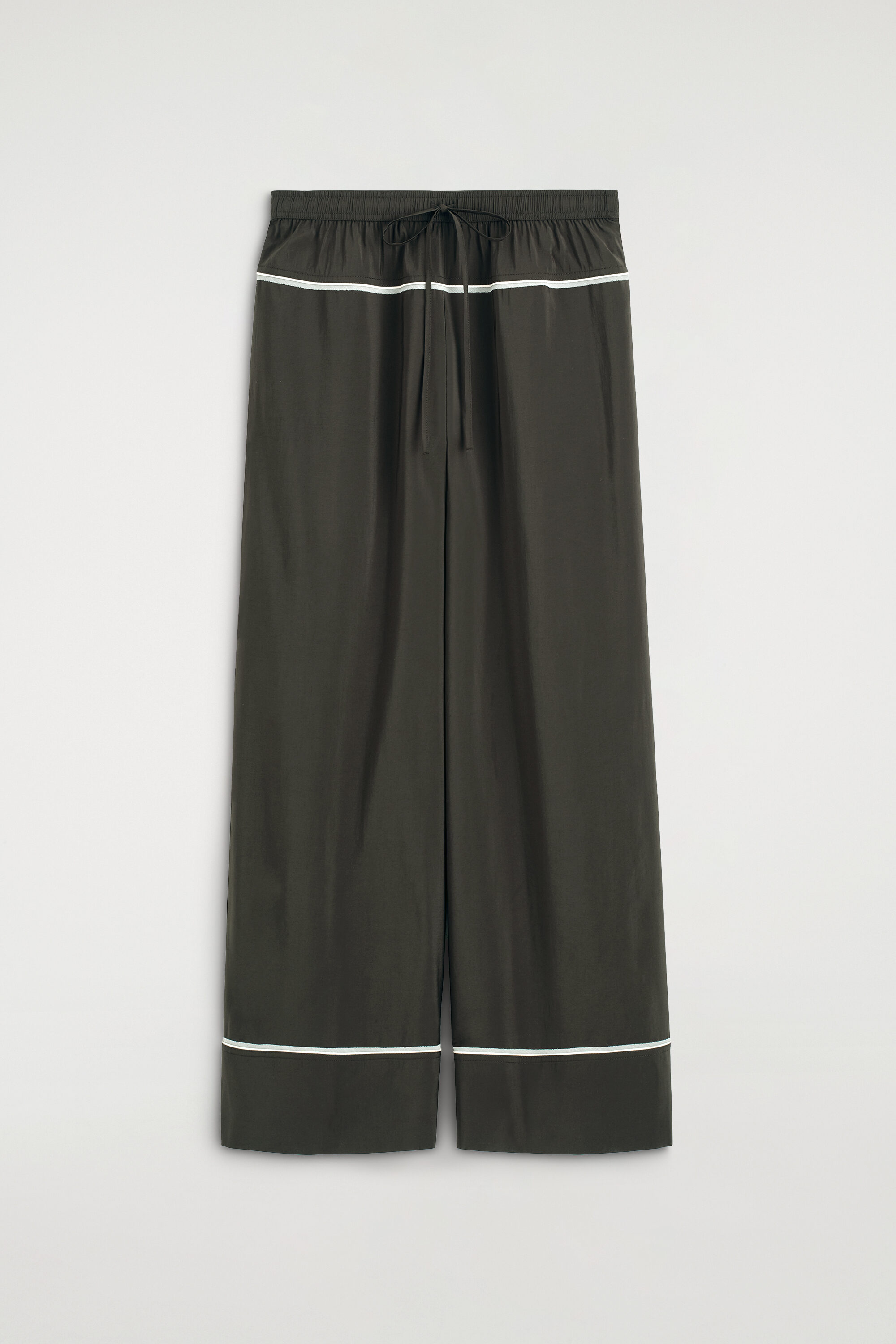
Contrast-piped Straight-leg Pants
COS
$139
Build A Rotation That Earns Space
A two-shape wardrobe does not require two versions of every trouser. Choose the first pair by frequency. For commuting, travel, or days that involve a lot of sitting, consider which rise, waistband, and fabric you will reach for repeatedly. A fluid pair can move between a fine knit and a crisp shirt, while denim or corduroy gives the outfit a stronger texture. A relaxed twill wide-leg pair offers a more grounded take on volume, and corduroy in a straight cut brings warmth and ribbed texture to the narrower line.
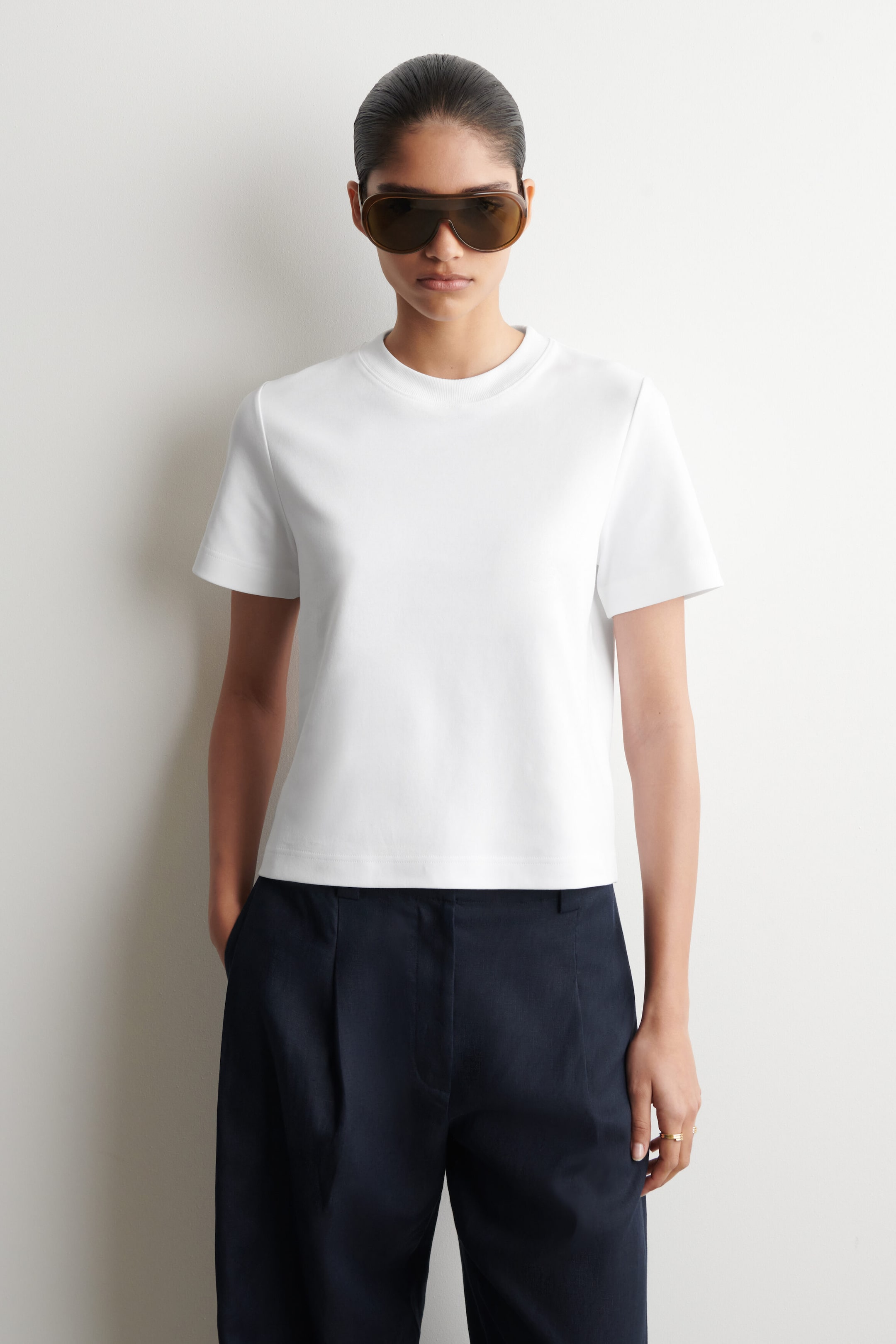
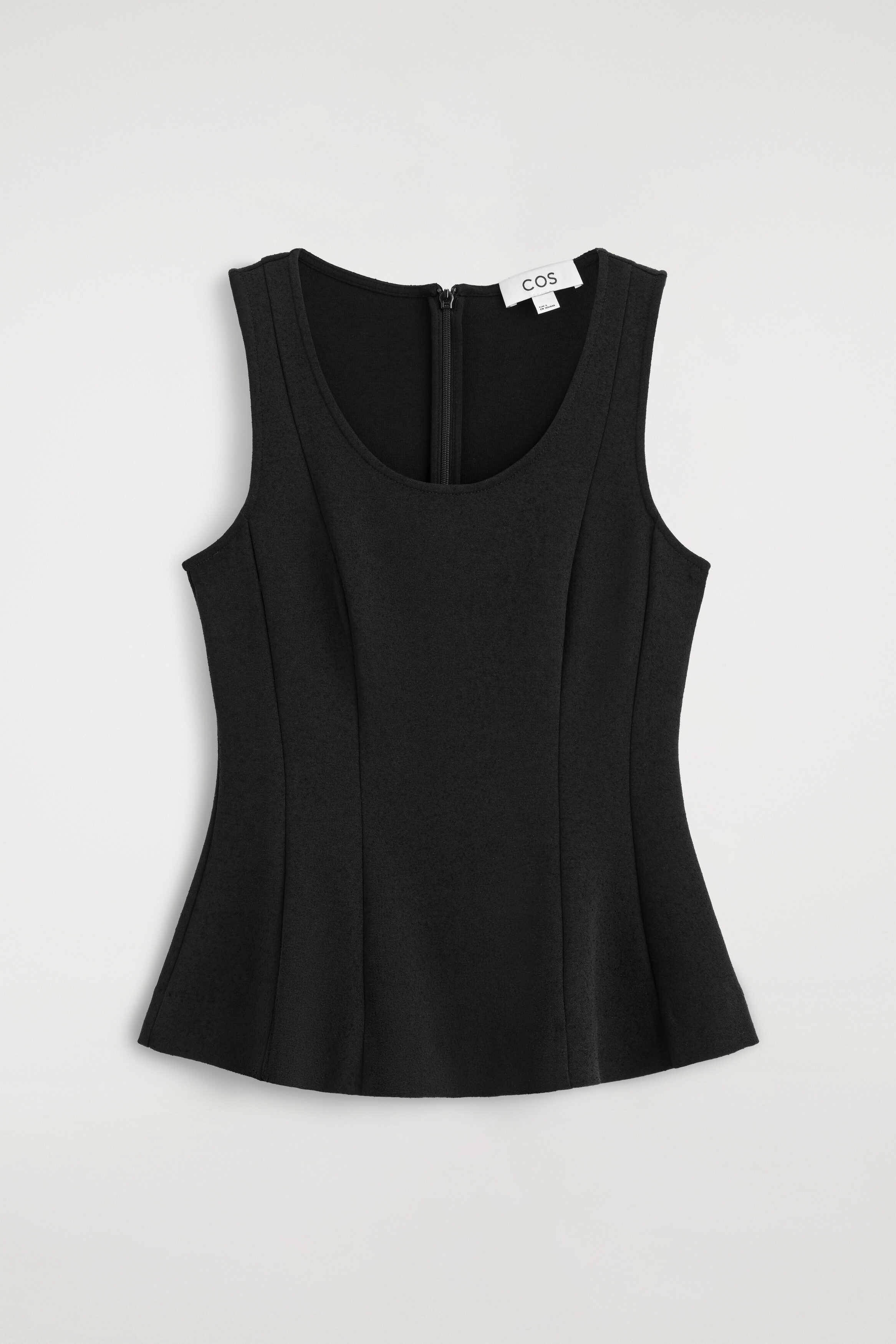
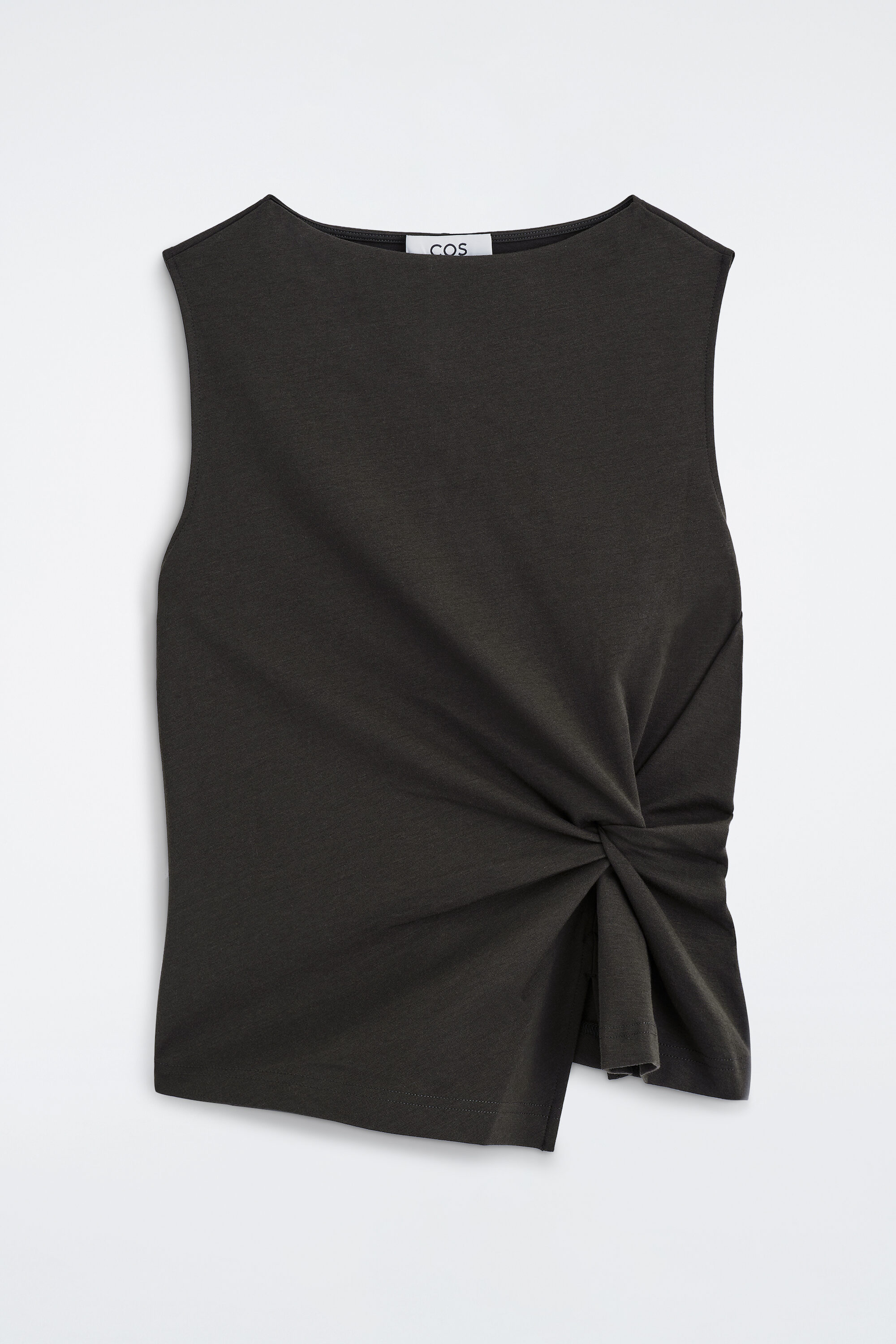
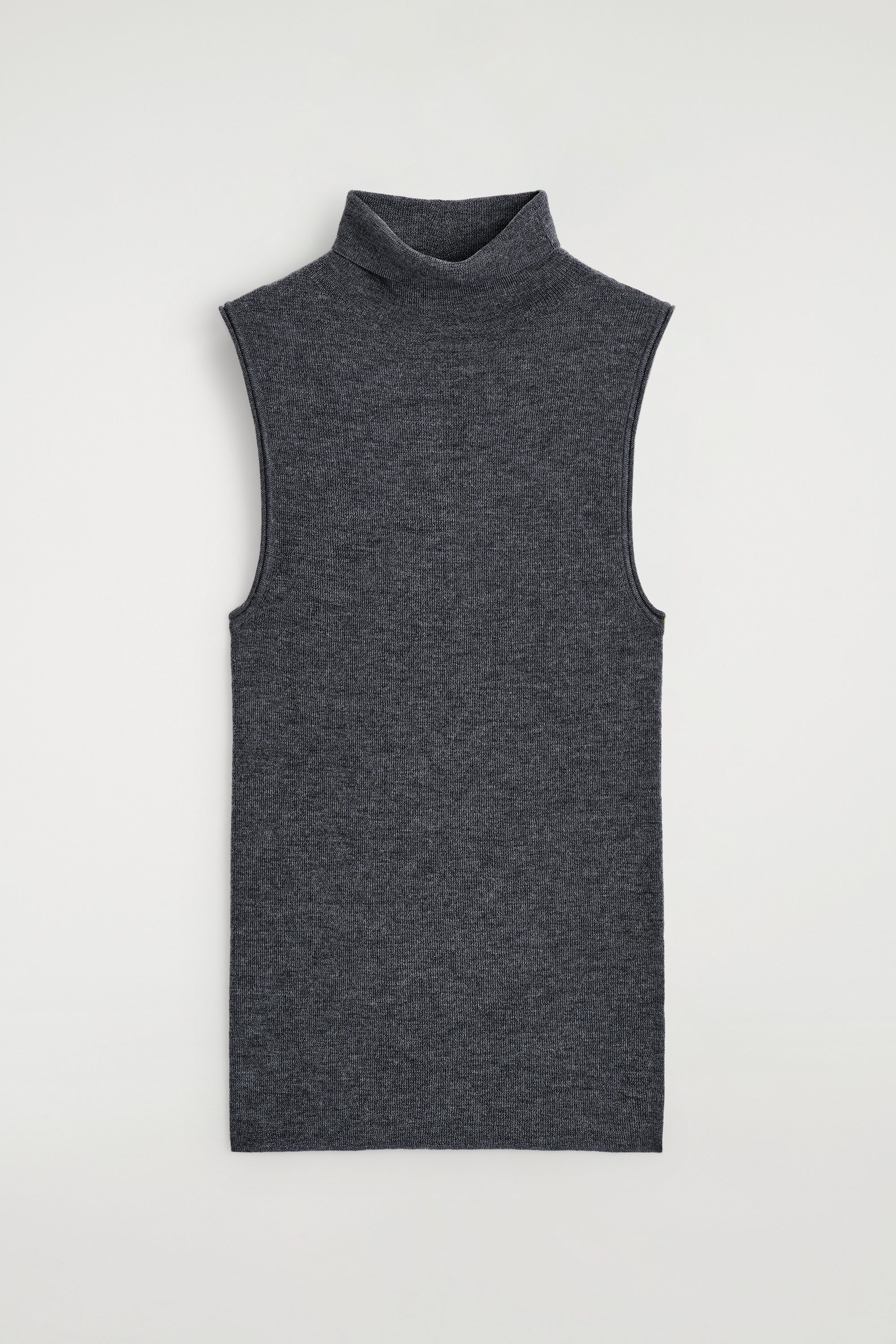
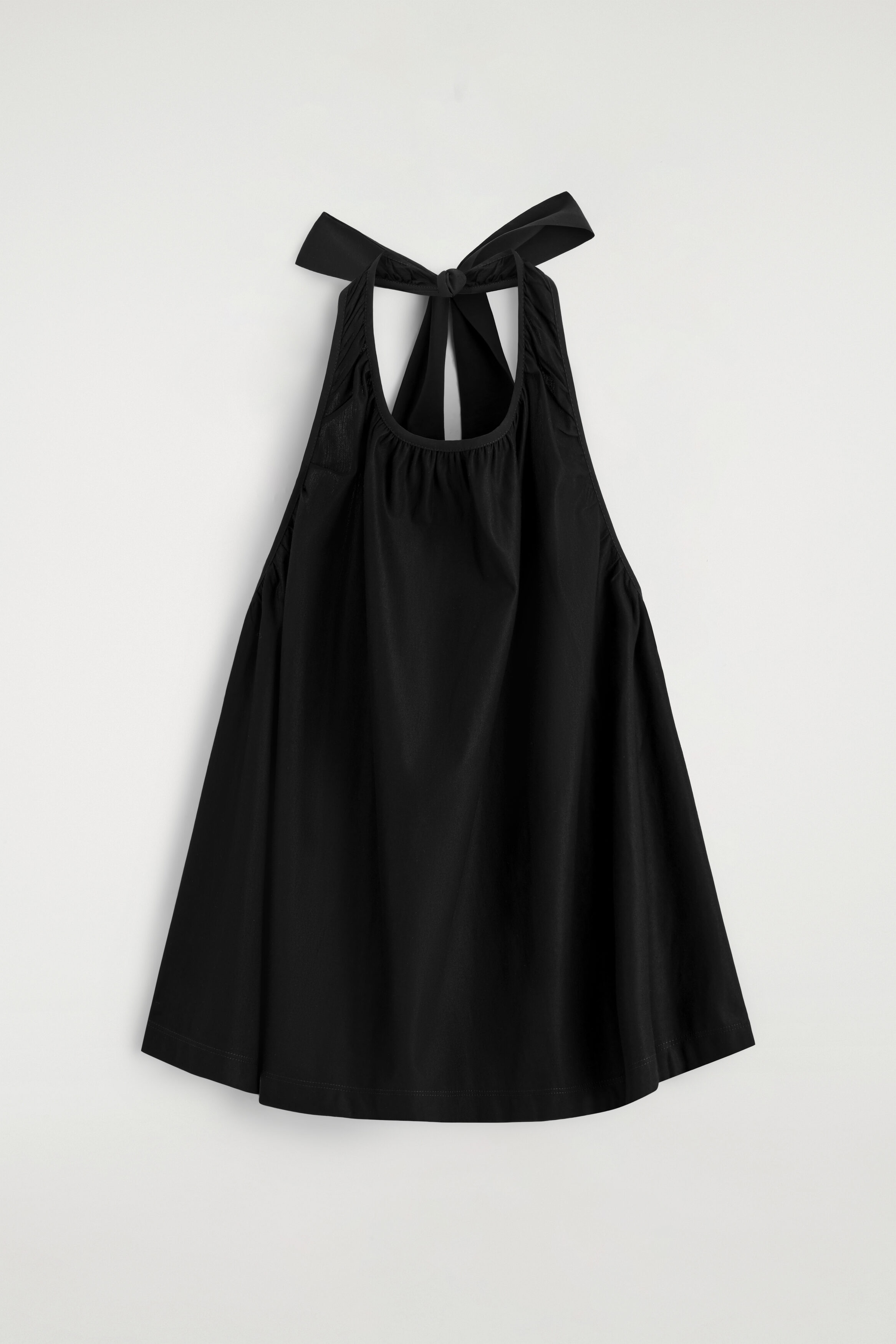
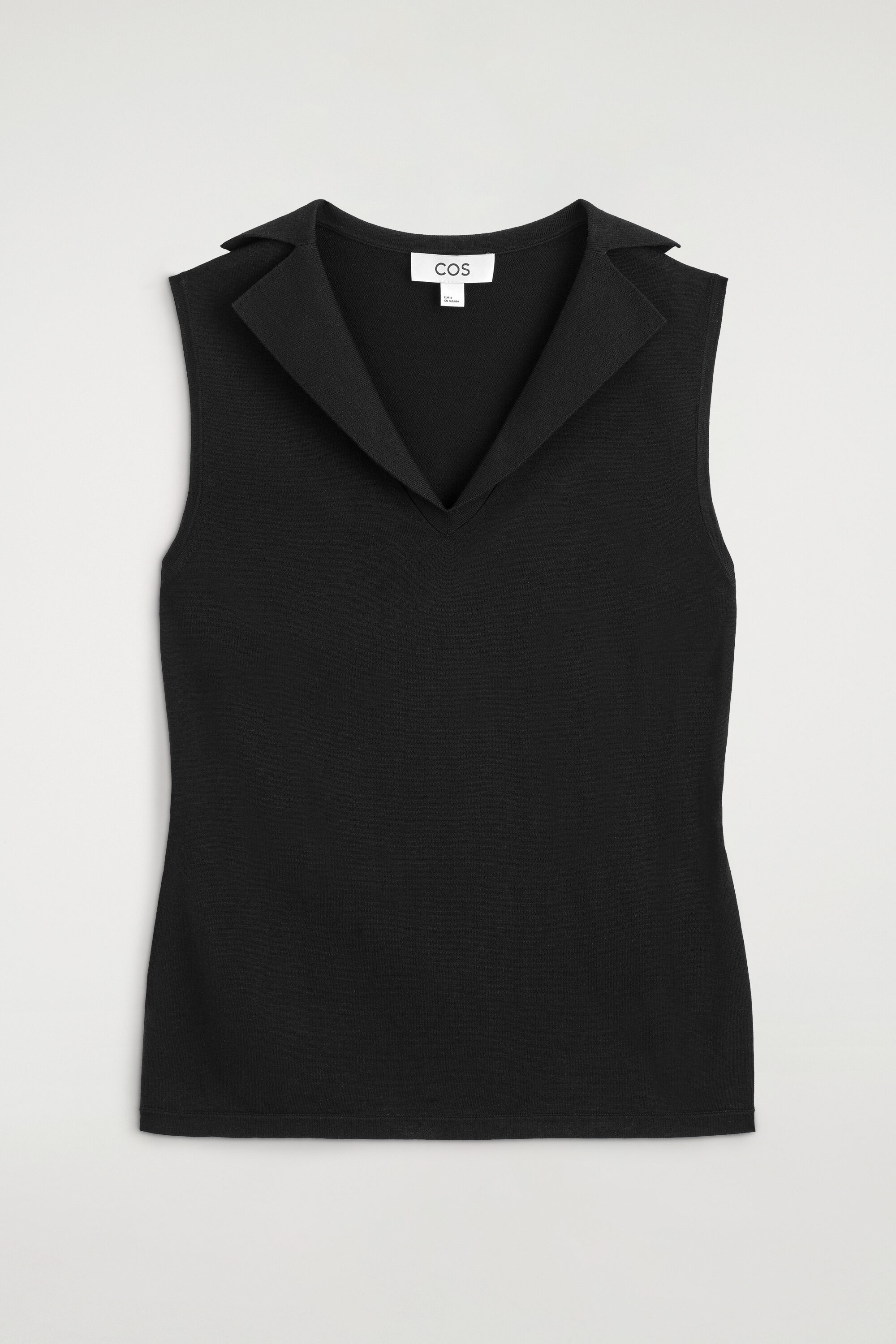
Then add the shape that solves a styling gap. If every top is loose, a straight leg may restore balance. If existing trousers are mostly slim, a wide leg changes the silhouette without requiring a new colour story. Tops can bridge both wardrobes: a Ribbed Cotton Tank Top keeps either shape simple, while a Seamless Merino Wool Turtleneck Top layers flatly under jackets. Think in outfits, not isolated categories, and both cuts will have a clear job. A useful rotation lets each pair earn wear across more than one season and setting.
Our honest take
We would not treat this as a choice between a right shape and a wrong one. A straight leg is useful when the rest of an outfit already has volume, and a wide leg is useful when a look needs movement or a clearer waist. The smartest first purchase is the pair that fills an actual gap, in a fabric that suits the way you dress and care for clothes. After that, a second shape can make familiar tops and shoes feel different without multiplying the wardrobe. If you take one thing away, buy for the proportions you want to create, then check the hem with the shoes you will really wear.
Shop brands in this edit
Next read
Secondhand Louis Vuitton Damier Ebene Or Damier Azur
Damier Ebene and Damier Azur are the same coated canvas in two colourways, and the secondhand market treats them as two different products.
Read Editorial
Secondhand Silk My Favs
My sixteen selects of scarves below are all ninety centimetre squares, split into two price bands