An evil eye bracelet is a modern take on an amulet that is thousands of years old. The BBC quotes art historian Nese Yildiran dating the earliest known eye amulets to 3,300 BCE at Tell Brak in modern Syria. This is how to choose an evil eye bracelet that works as a charm and as jewelry.

Evil Eye Bracelet: A 5,000-Year-Old Charm for Your Wrist
A charm that outlived empires
The BBC quotes the art historian Nese Yildiran dating the earliest known eye amulets to around 3,300 BCE at Tell Brak in modern Syria, small alabaster figures with incised eyes. She says blue glass eye beads began to appear in the Mediterranean around 1500 BCE. The evil eye is not the curse itself but the protection against it, the nazar, and the bracelet is just a way to wear it on your wrist. An evil eye bracelet is one of the longest-running pieces of jewelry in the world.
Beads, charms and chains
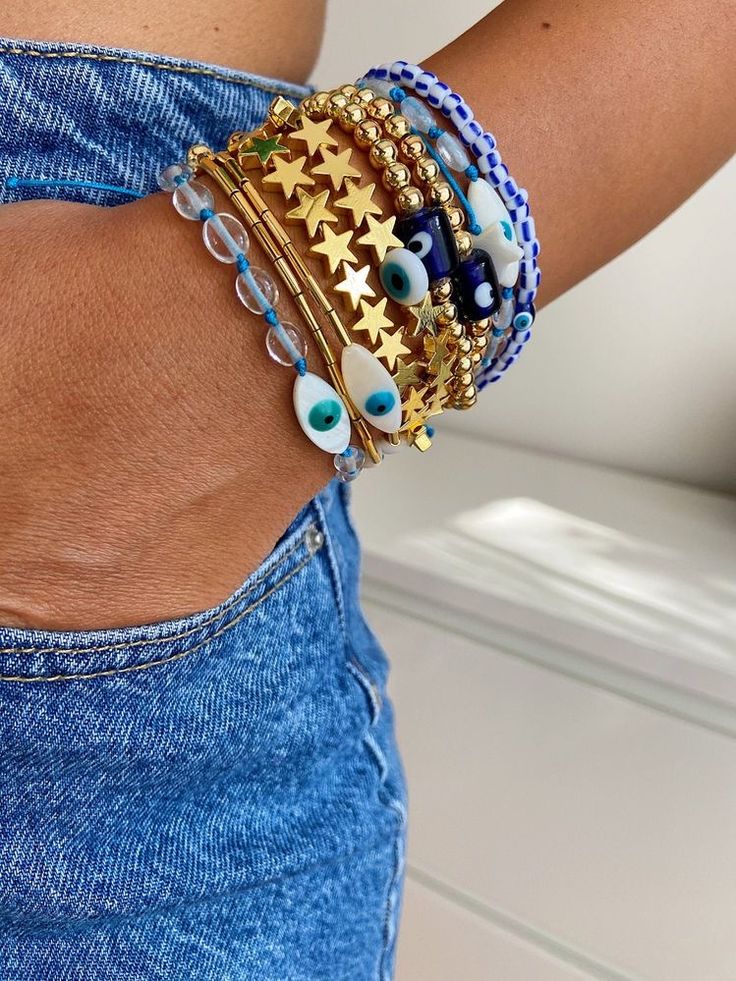
An evil eye bracelet can be a row of glass beads, a single enamel eye on a chain or a cord with a sliding knot. Glass beads look traditional and vivid. A gold chain with a small eye looks delicate and works with watches. A cord bracelet is easy to stack and resize. Check the clasp or the slide and see whether the bracelet fits over your hand without being loose.

Earth Guardian - Hematite Evil Eye Bracelet
Karma and Luck
$79.2

Cable Collectibles® Evil Eye Bracelet in 18K Yellow Gold with Pavé Sapphires and Diamonds, 2mm
David Yurman
$1,900

Diamond and Blue Sapphire Evil Eye Bracelet in 14K White Gold - Exclusive
Bloomingdale's Fine Collection
$2,500

London Blue Topaz & Lapis Lazuli Bead Evil Eye Charm Bracelet in 14K Yellow Gold
Bloomingdale's Fine Collection
$750


Dreamlike Protection Pearl Evil Eye Charm Bracelet
Karma and Luck
$79.2

Spiritual Power - Sapphire Mix Evil Eye Charm Bracelet
Karma and Luck
$71.2

Diamond Evil Eye Chain Link Bracelet in 14K Yellow Gold, 0.22 tcw
Bloomingdale's Fine Collection
$2,650

Diamond, Blue Sapphire And 14K Yellow Gold Evil Eye Bracelet
Meira T
$700
Wearing blue
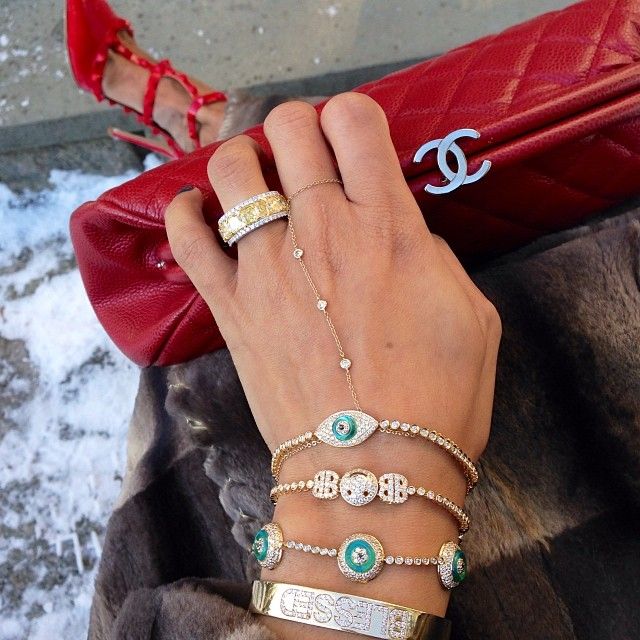
Blue looks striking against gold and bare skin. Picture her in a white shirt with the sleeves rolled and a thin gold evil eye bracelet on her left wrist, ordering coffee. Stack it with a plain bangle or a watch so the eye does not feel isolated. If you like color, choose one with green or turquoise beads that echo summer.

14K Yellow Gold Diamond & Blue Sapphire Evil Eye Bracelet
Zoe Lev
$865

Blue Sapphire & Black & White Diamond Evil Eye Bracelet in 14K White Gold
Bloomingdale's Fine Collection
$3,300

14K Yellow Gold Tiny Bezel Evil Eye Charm Bracelet
Sydney Evan
$485

Evil Eye Cubic Zirconia Beaded Stretch Bracelets, Set of 2
Nadri
$120


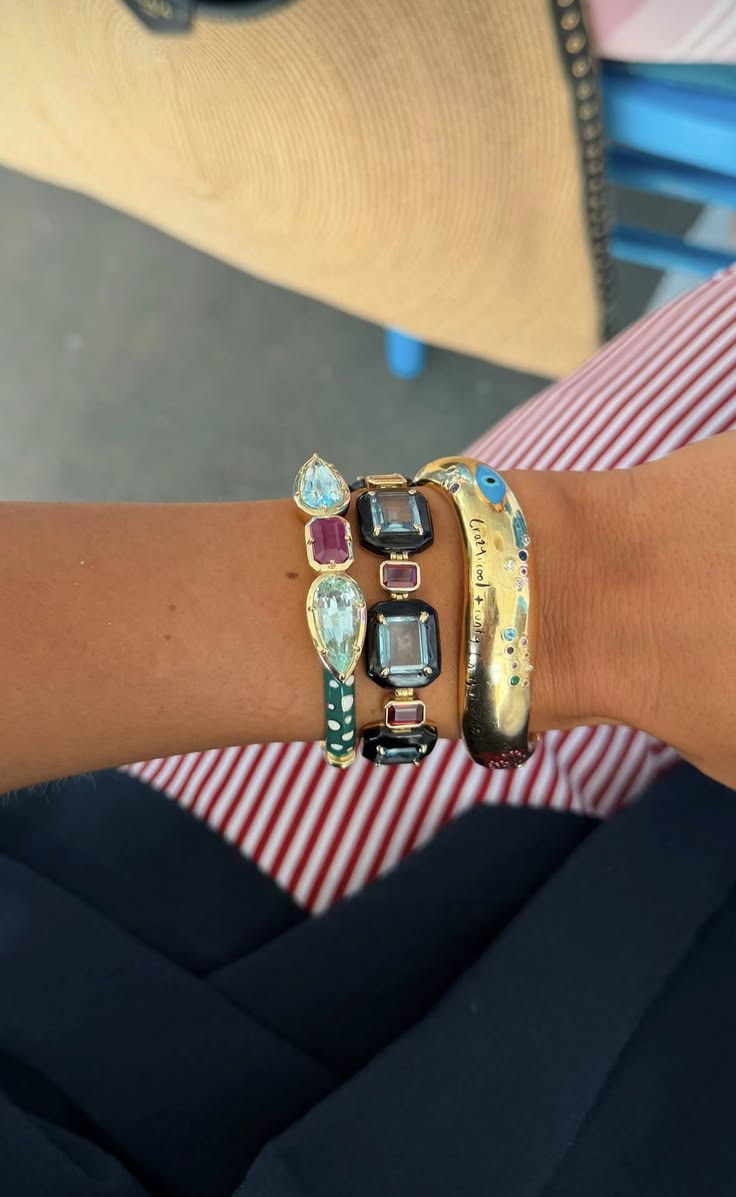
Giving one as a gift
An evil eye bracelet is a gift people understand without explanation. In many cultures the charm is given with love and a wish for protection. Pick a simple one if you are not sure of their taste, and make sure it is adjustable.


Serene Protection Pearl Evil Eye Lotus Bracelet
Karma and Luck
$189

14K Yellow Gold Multicolor Diamond Evil Eye Wheat Link Chain Bracelet
Meira T
$935

14K Yellow Gold Emerald Marquis Evil Eye Eternity Bracelet
Sydney Evan
$7,770

Blue Sapphire & Diamond Evil Eye & Cross Link Bracelet in 14K Yellow Gold
Bloomingdale's Fine Collection
$3,100

Women's Mila Evil Eye and Pearl Beaded Bracelet
Ottoman Hands
$97

Celestial Bonds Jade Moon Heart & Evil Eye Bracelet
Karma and Luck
$149

Azurate, Blue Topaz & Diamond Evil Eye Beaded Bracelet in 14K Yellow Gold
Bloomingdale's Fine Collection
$2,600

14K Yellow Gold Kate Turquoise & Diamond Evil Eye Chain Bracelet
Moon & Meadow
$650

14K Yellow Gold Midi Bitty Diamond Evil Eye Navy Cord Bracelet
Zoë Chicco
$295

14K Yellow Gold Blue Sapphire & Diamond Bead Evil Eye Charm Bracelet
Meira T
$1,100

14K Yellow Gold Peridot Eye of the Idol Green Tiger Eye Bead Bracelet
LUIS MORAIS
$689.6

Black Double Leather Bracelet with Gold-Plated Eye Detail and Crystal
UNOde50
$110
What I would skip
I would skip bracelets whose enamel is chipped in the store photos, clasps that feel flimsy and cords that fray after one wash. A charm that falls apart is the opposite of protection.