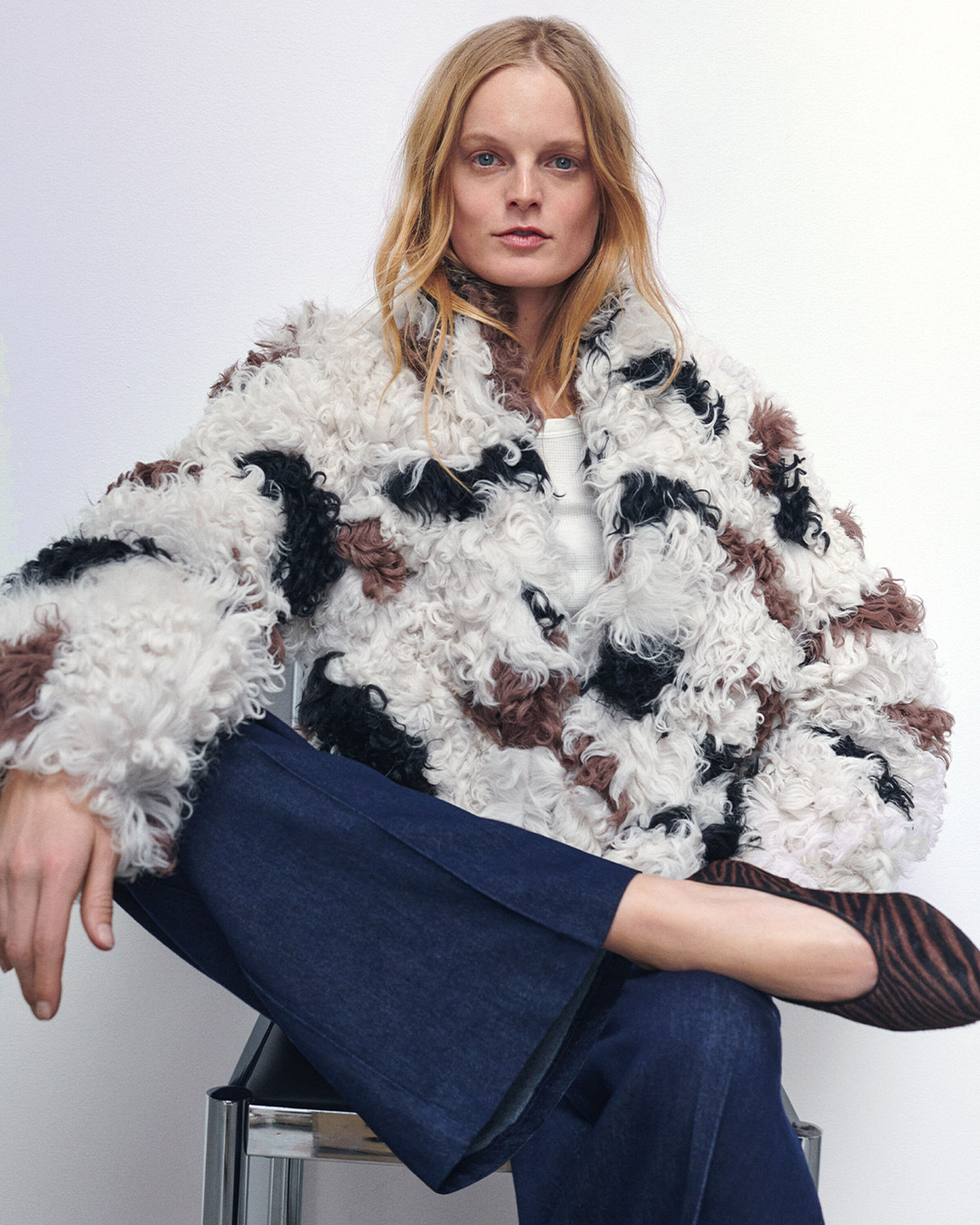
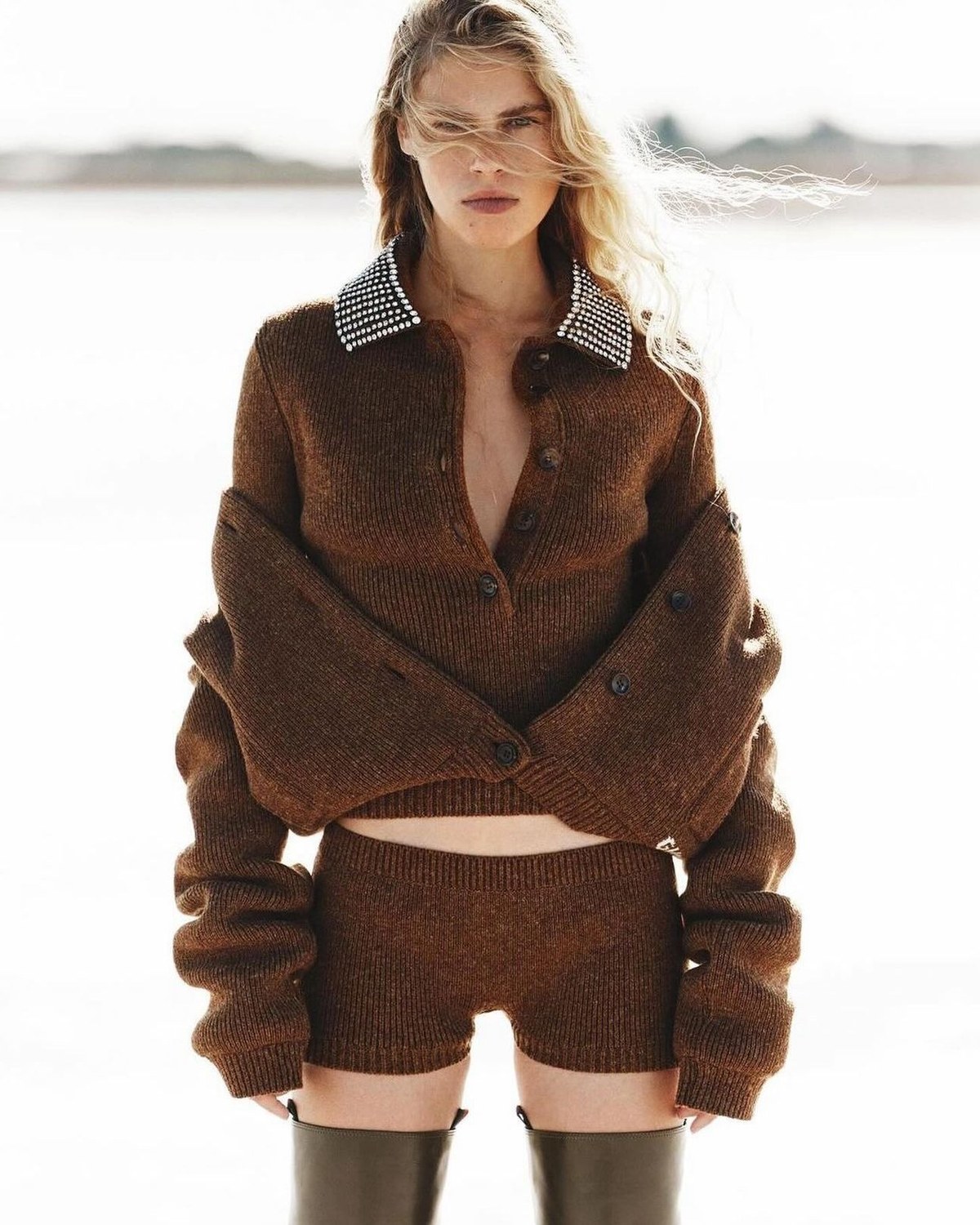
Fine jewelry as a financial investment has no guaranteed return. Choose for documented materials, personal wear and design, not a promised outcome.
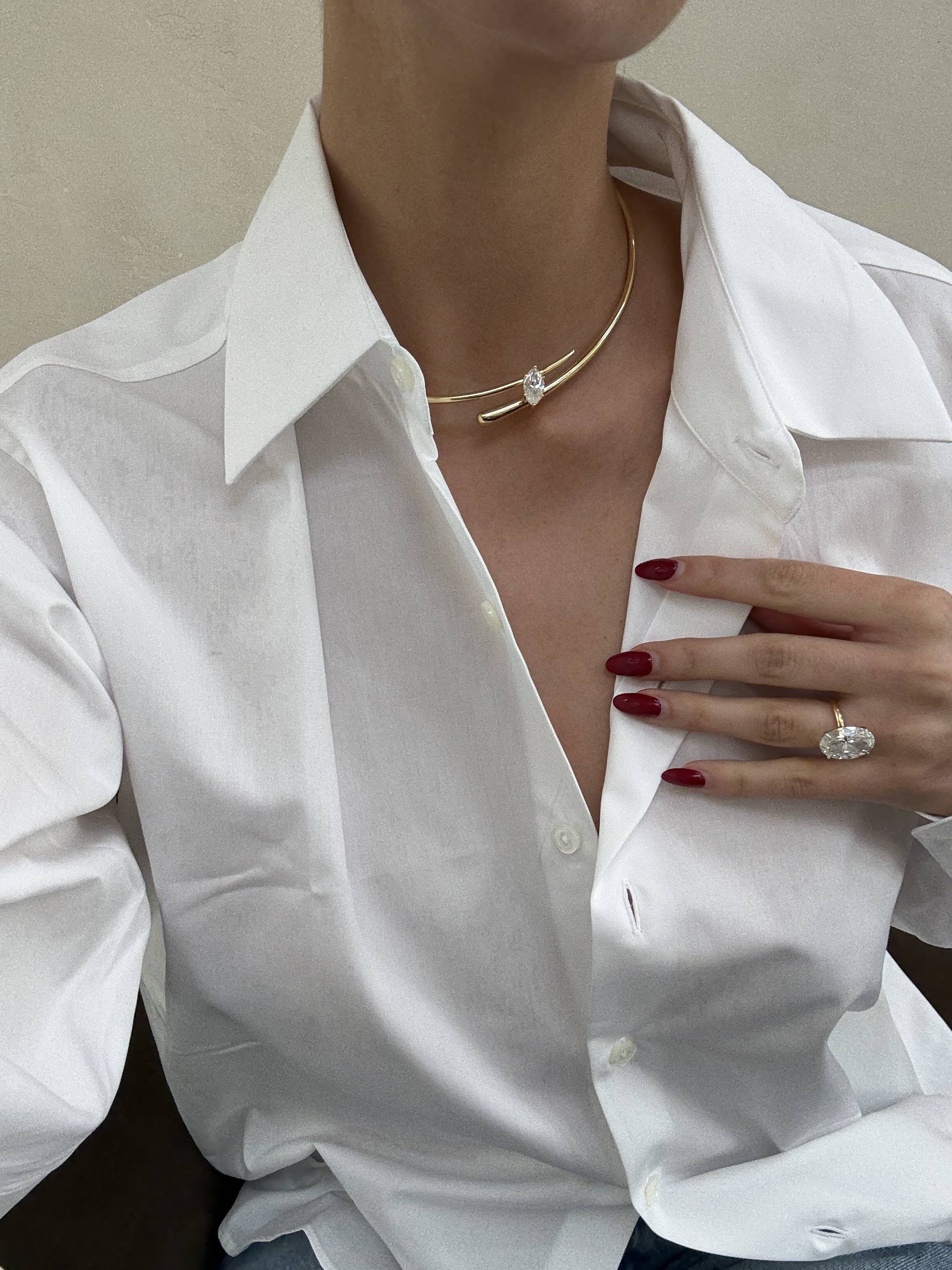
Fine Jewelry as an Investment: What to Buy When No Return Is Guaranteed
Fine jewelry as a financial investment needs a clear caveat: no purchase promises a future return.
Fine jewelry is not a guaranteed financial investment
Fine jewelry is not a guaranteed financial investment, and I would not buy a ring or necklace expecting a future financial outcome. I think of a jewelry purchase first as something to wear and enjoy, not as a financial plan. Product descriptions can clarify the metals and stones a retailer names, while order documents keep those details together. None of those facts promises a financial outcome later. For the ring styles below from By Pariah, Spinelli Kilcollin, Shay and Anita Ko, I would begin with the profile, setting and materials I want to wear rather than a future outcome.
For this fall and winter edit, I would start with designs I genuinely want in my wardrobe and the materials the retailer actually lists. Anita Ko Jewelry: 18-Karat Gold and Diamond Hoops and Octavia Elizabeth Fine Jewelry offer two different paths into fine jewelry, but my reason to buy stays personal.
Rings with defined materials

Aurora 14-karat gold diamond sapphire ring
By Pariah
$16,250

Set of three Kalahari 14-karat recycled gold, champagne diamond and agate rings
By Pariah
$8,150

Leo set of five 18-karat yellow and rose gold, sterling silver and diamond rings
Spinelli Kilcollin
$13,900

Taurus set of three 18-karat gold and sterling silver diamond rings
Spinelli Kilcollin
$5,200

Essential 18-karat gold diamond ring
Shay
$11,100

Floating Heart 18-karat rose gold yellow diamond ring
Shay
$95,390

Flora 18-karat gold, diamond and sapphire ring
Anita Ko
$7,600

Triple Flora 18-karat gold, diamond and sapphire ring
Anita Ko
$6,800
Gold necklaces and pendants for everyday layering
Necklaces from Irene Neuwirth, MARLO LAZ, Yvonne Léon and De Beers show how scale, chain shape and stone detail can guide a fine jewelry choice without implying a financial return. I would compare the listed karat and pendant form with the necklines I reach for most, then decide whether I want a simple chain or a focal stone. Material descriptions help me understand a piece, but they do not predict future demand.
I like this section for its differences in shape and setting. For another gemstone-focused view, Yvonne Leon Jewelry: Gold and Gemstone Pieces Made in Paris offers a companion read.
Gold necklaces and pendants

One of a Kind 18-karat rose gold, opal and diamond necklace
Irene Neuwirth
$18,475

Golden Blossom 18-karat gold diamond necklace
Irene Neuwirth
$33,080

Alexandra 14-karat gold, aquamarine and diamond necklace
MARLO LAZ
$76,000

Sol Oriente 14-karat gold diamond necklace
MARLO LAZ
$4,100

Petit Vase 9-karat gold, malachite and diamond necklace
Yvonne Léon
$4,750

Roi Soleil Mini 18-karat gold, diamond and citrine necklace
Yvonne Léon
$12,740

Lotus by DE BEERS 18-karat gold diamond necklace
De Beers
$4,450

RVL 18-karat rose gold diamond necklace
De Beers
$2,250
Earrings and ear cuffs with clearly stated materials
Earrings and ear cuffs from Sydney Evan, Camille Surault, Loren Stewart and Sophie Buhai make scale and material easy to compare. I would consider how a pair sits beside a coat collar or knit, then read the exact material line and examine product close-ups before choosing. A familiar silhouette can feel personal without becoming a financial claim.
This selection moves from gold and gemstone earrings to sterling silver hoops and drops, so I can compare different visual weights within one category. Sydney Evan Jewelry is another women’s jewelry edit with a distinct point of view.
Earrings and ear cuffs in precious metals

14-karat gold diamond and aquamarine earrings
Sydney Evan
$4,400

14-karat gold, diamond, emerald and turquoise earrings
Sydney Evan
$5,830

Rosemarie sterling silver earrings
Camille Surault
$325

Mini Grigri set of three sterling silver earrings
Camille Surault
$270

Mini Gemstone Diamond Safety Pin 14-karat gold tsavorite and diamonds earring
Loren Stewart
$495

Cabochon Safety Pin 14-karat gold and onyx earring
Loren Stewart
$415

Triplet Flamenco sterling silver jade earrings
Sophie Buhai
$1,200

Medium Nouveau sterling silver hoop earrings
Sophie Buhai
$375
Gemstone and diamond details in gold
Gemstone and diamond details from Ananya, Octavia Elizabeth, Mateo and Ole Lynggaard Copenhagen bring color, setting and shape into the decision. I would treat hue and silhouette as personal preferences, not evidence of future financial gain. Retailer product details can tell me what metals and stones are named, while a financial outcome later remains uncertain.
The hue I enjoy is more useful to me than any story about a future financial result. I would choose a bracelet, necklace, ring or pendant because it suits my life and tastes. For another stone-centered selection, Ananya Fine Jewelry: Chakra Bracelets and Colored Gemstones makes a useful companion read.
Gemstone and diamond details in gold

18-karat rose gold diamond kunzite and quartz bracelet
Ananya
$9,700

Jumbo 18-karat rose gold diamond opal and quartz bracelet
Ananya
$10,125

Orb 18-karat gold, diamond, amazonite and tourmaline beaded necklace
Octavia Elizabeth
$18,000

The Allia 18-karat gold turquoise ring
Octavia Elizabeth
$4,500

Carved Venus 14-karat gold, jade and diamond necklace
Mateo
$850

Petite Venus 14-karat gold, diamond and turquoise earrings
Mateo
$2,650

Snakes 18-karat gold, turquoise and diamond ring
Ole Lynggaard Copenhagen
$12,000

Elephant 18-karat gold yellow and brown diamond pendant
Ole Lynggaard Copenhagen
$15,500
Where I would begin
I would start with the piece I can picture wearing on an ordinary day, then read the materials and care notes and keep the order documents. Fine jewelry can hold personal meaning, but that is different from a guaranteed financial investment. I would choose the ring, necklace or earrings because I love the design and want to live with it, not because I expect a particular outcome. That is the clearest way I know to shop thoughtfully this season.