Floor lamps and table lamps are not interchangeable. What each one is good at, the heights that stop glare, and how to layer both.
Floor Lamp Or Table Lamp
They are not substitutes, they solve different problems
A floor lamp puts light where there is no furniture, which is why it rescues corners, reading chairs and rooms with no useful surfaces. A table lamp puts light exactly where you already put things down, which is why it suits a sofa end, a console and a bedside. The practical difference is what each needs from the room: a floor lamp needs floor space and a nearby socket, a table lamp needs a surface of the right height and width. A good living room usually ends up with both, because layered light from two or three low sources at different heights reads as warm, and one bright fixture overhead does not. The mistake is treating them as interchangeable and putting a floor lamp beside a chair that already has a table, or a table lamp in a corner that needed height.
Floor lamps
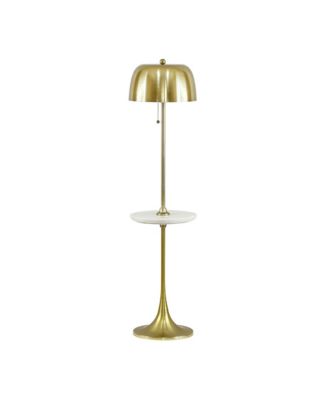
Sienna Gold Floor Lamp
TOV Furniture
$399

Kennell 50'' Novelty Floor Lamp
Wayfair
$145.99
Sienna Gold Floor Lamp
TOV Furniture
$399
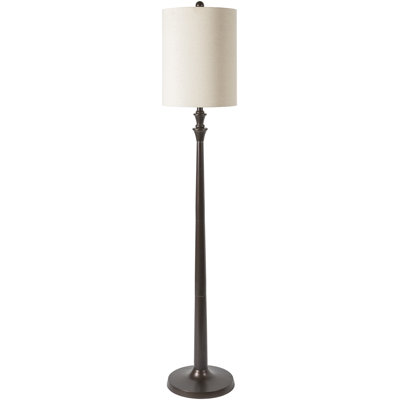
Alecs 64'' Black Traditional Floor Lamp
Wayfair
$113.99
Sienna Gold Floor Lamp
TOV Furniture
$399
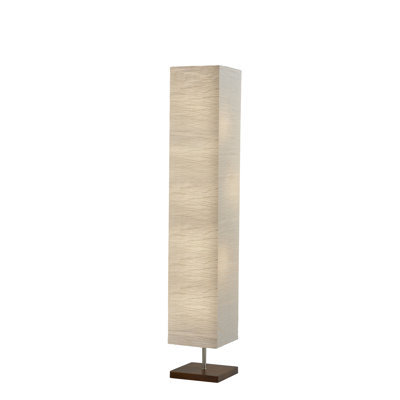
Triplett 58'' Column Floor Lamp
Wayfair
$69.99
Sienna Gold Floor Lamp
TOV Furniture
$399

Kenley 62'' Traditional Floor Lamp
Wayfair
$239
The heights that stop glare
Most floor lamps work best between 58 and 64 inches tall, which puts the shade near eye level for someone standing and keeps the bulb hidden from someone sitting. Below that and a seated person can see straight into the source. For a table lamp beside a sofa, the number to control is the combined height of the table plus the lamp, and the target is having the bottom of the shade at roughly eye level when you are seated, which for most people is around 38 to 42 inches from the floor. That is why a 26 inch lamp on a 22 inch table works and the same lamp on a 30 inch console does not. Arched floor lamps break the rule usefully. Their whole point is to reach out over a sofa or a bed from a base parked out of the way, which is the only way to get overhead reading light where there is no space for a table.
Table lamps
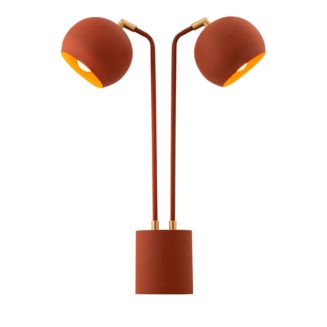
Hubli Table Lamp
TOV Furniture
$239

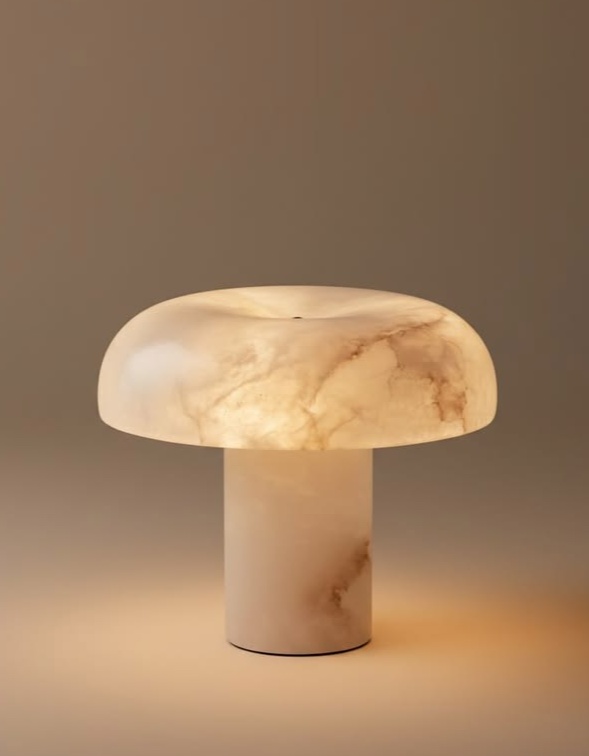
Everdream Craft Mid-Century Mushroom Table Lamp With Cream Lacquered Dome And Black Walnut Wood Base, 17.7" Tall
Wayfair
$73.99
Hubli Table Lamp
TOV Furniture
$239

Chelsea Cordless Led Table Lamp
Wayfair
$27.99
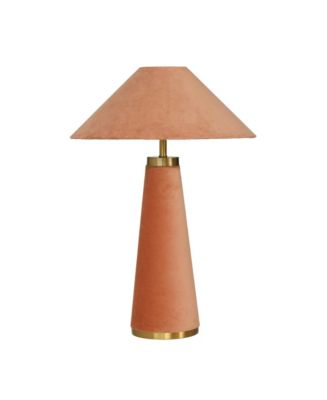
Graham Velvet Table Lamp
TOV Furniture
$215
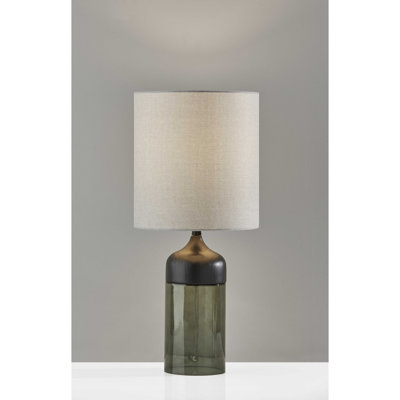
Runolfson 22.75" H Metal Table Lamp
Wayfair
$85.99
Graham Velvet Table Lamp
TOV Furniture
$215
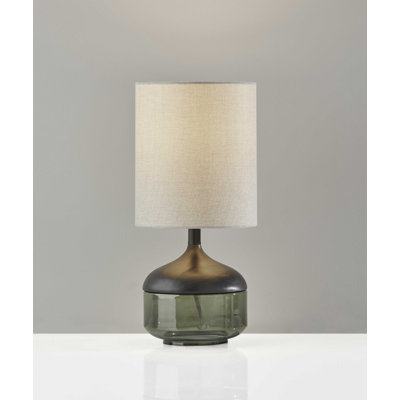
Runolfson 16.25" H Metal Buffet Lamp
Wayfair
$72.99
Shade, bulb and switch
The shade decides the light more than the base decides the look. An opaque drum pushes light up and down in two pools, which is good for mood and poor for reading. A pale linen or paper shade glows and spreads light sideways, which is what you want next to a chair with a book. Metal cones give a tight beam and work as task light. Then the bulb: for a living room, warm white around 2700K is the temperature that reads as evening light, and dimmable makes one lamp do two jobs. Check the switch position before buying, since a switch on the cord is far easier to reach from a sofa than one under the shade. Finally, plan the cable. A lamp that has to stretch across a walkway to reach a socket will end up unplugged, and that is how good lamps become ornaments.
Arched lamps that reach over a sofa

78.3" Arched Floor Lamp With Remote Control And Bulb Included
Wayfair
$112.99
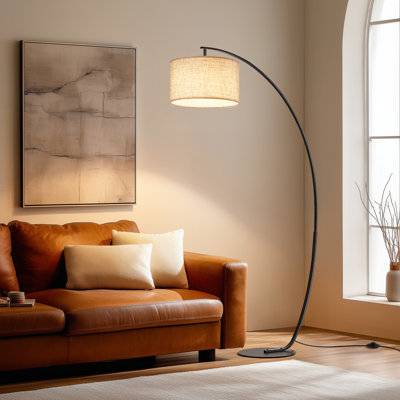
68.5" Arched Floor Lamp With Remote Control And Bulb Included
Wayfair
$107.99

Banty 63.8'' Arched/Arc Floor Lamp
Wayfair
$55.99
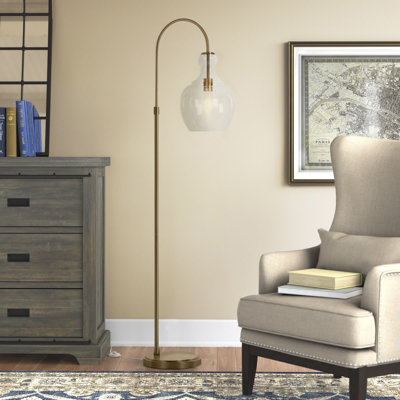
Verona 70'' Arched Floor Lamp
Wayfair
$128.99
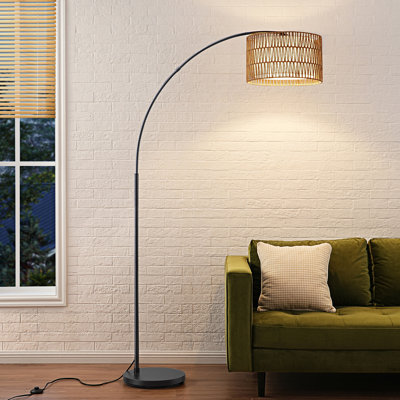
Peavine 76" H Rattan Arched Floor Lamp with Remote Control and Shade
Wayfair
$128.99
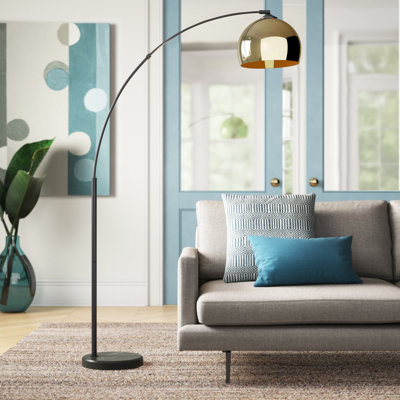
Brandea 67'' Arched Floor Lamp
Wayfair
$109.99
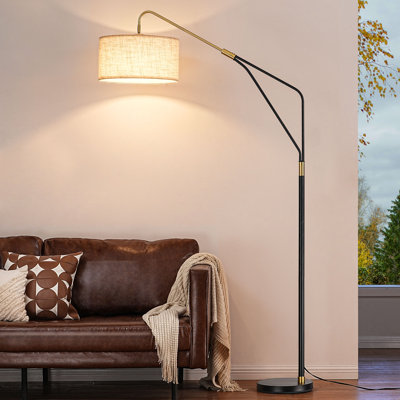
76'' Arched Floor Lamp with Remote Control and Bulb Included
Wayfair
$106.99

Donne 80'' Arched Floor Lamp
Wayfair
$102.99
Our honest take
If you take one thing away, count your surfaces first. Every sofa end and bedside with a table wants a table lamp, and every seat without one wants a floor lamp. That single audit answers the question faster than any style comparison. We would add that three modest light sources at different heights will always beat one large one, and that dimmable warm bulbs do more for how a room feels at night than the price of the lamp does. One honest warning about arched lamps. They are the right answer for reading over a sofa with no side table, and they are also the piece most likely to be knocked, so check the base weight and keep them out of the path people walk when the room is full.