Glass skin is a fresh, reflective complexion that looks hydrated rather than glittery. The best glass skin routine usually comes from layering light moisture, smoothing texture, and stopping before
Glass Skin And What It Takes
The reflective finish
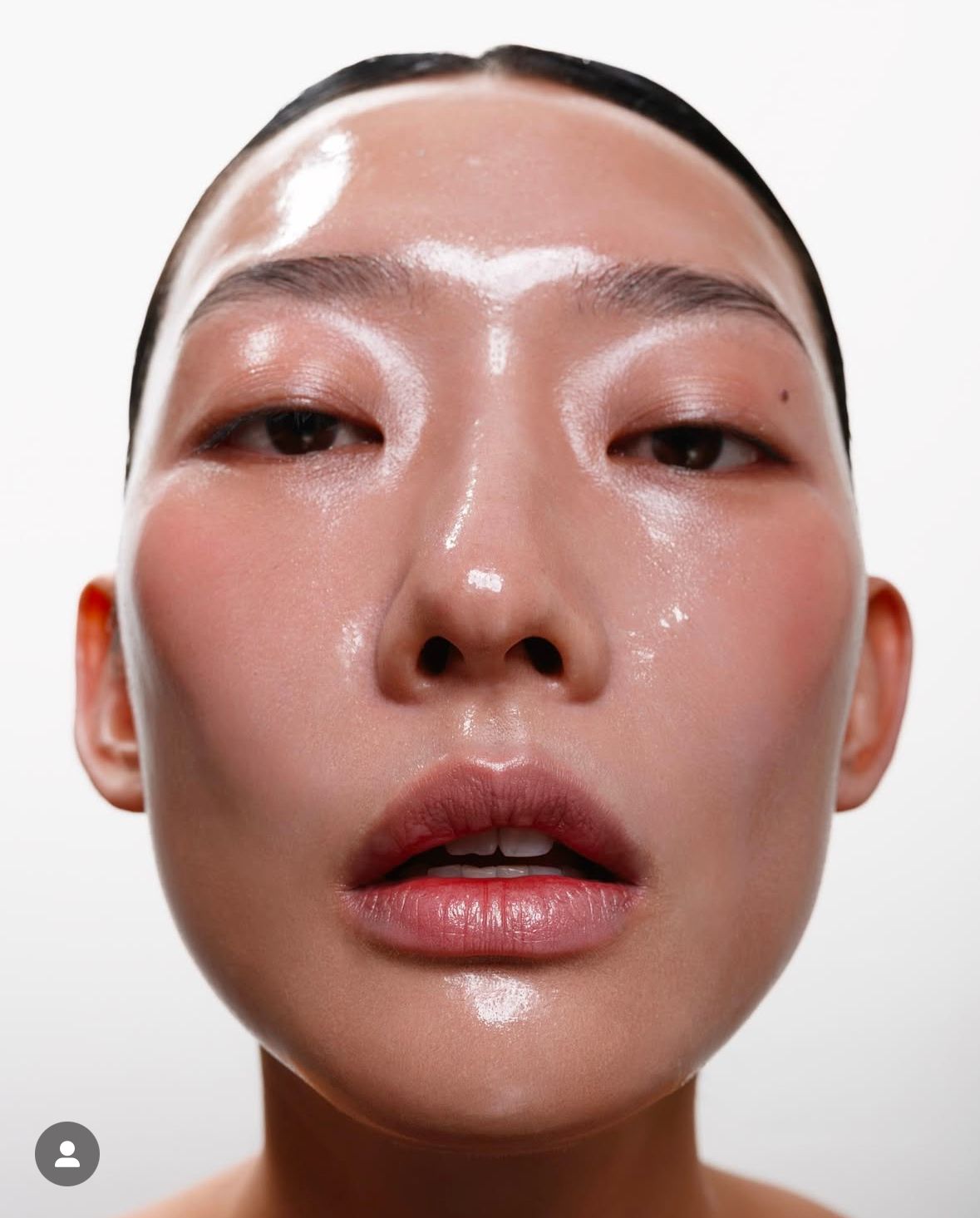
Glass skin is a fresh, reflective complexion that looks hydrated rather than glittery. The best glass skin routine usually comes from layering light moisture, smoothing texture, and stopping before the face feels coated. The finish should catch light softly across the high points, not sit like a separate layer on top of the skin. Start with a serum or essence while the face still has a little dampness, then give it a moment before adding anything richer. That pause helps each layer settle and makes it easier to tell when enough is enough. A brightening step can make the surface look more even, but radiance does not require a complicated lineup. Texture still matters, so keep the rest of the routine gentle when the goal is a clear, glossy look. Makeup can stay simple: a thin base, a touch of cream color, and balm where the light naturally lands. The finish is most convincing when the skin can still look like skin. Begin with the hydrating serums and essences below, then build only as much as your complexion actually needs.
Hydrating serums and essences
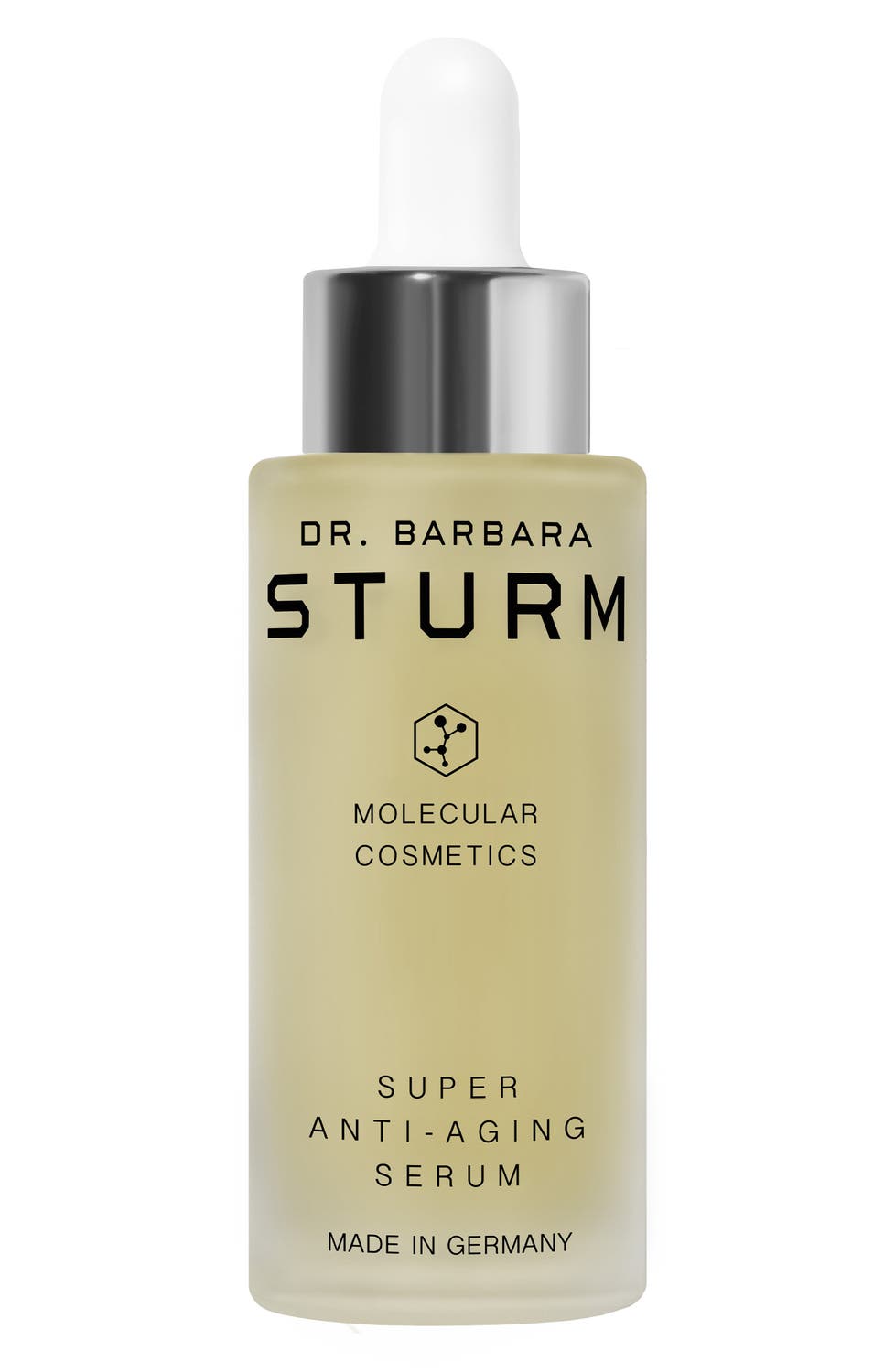
Super Anti-Aging Serum
Dr. Barbara Sturm
$380
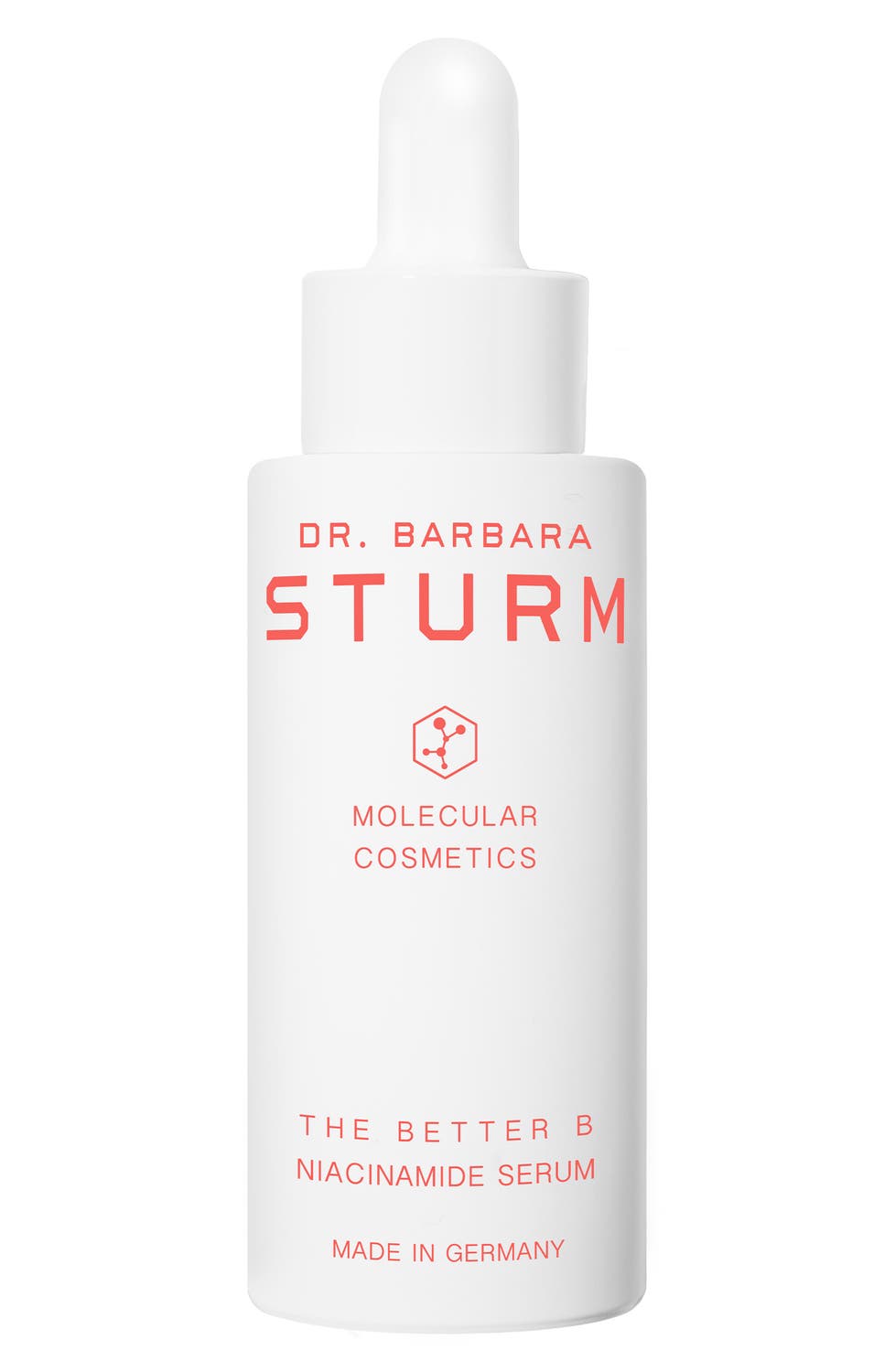
The Better B Niacinamide Serum
Dr. Barbara Sturm
$160
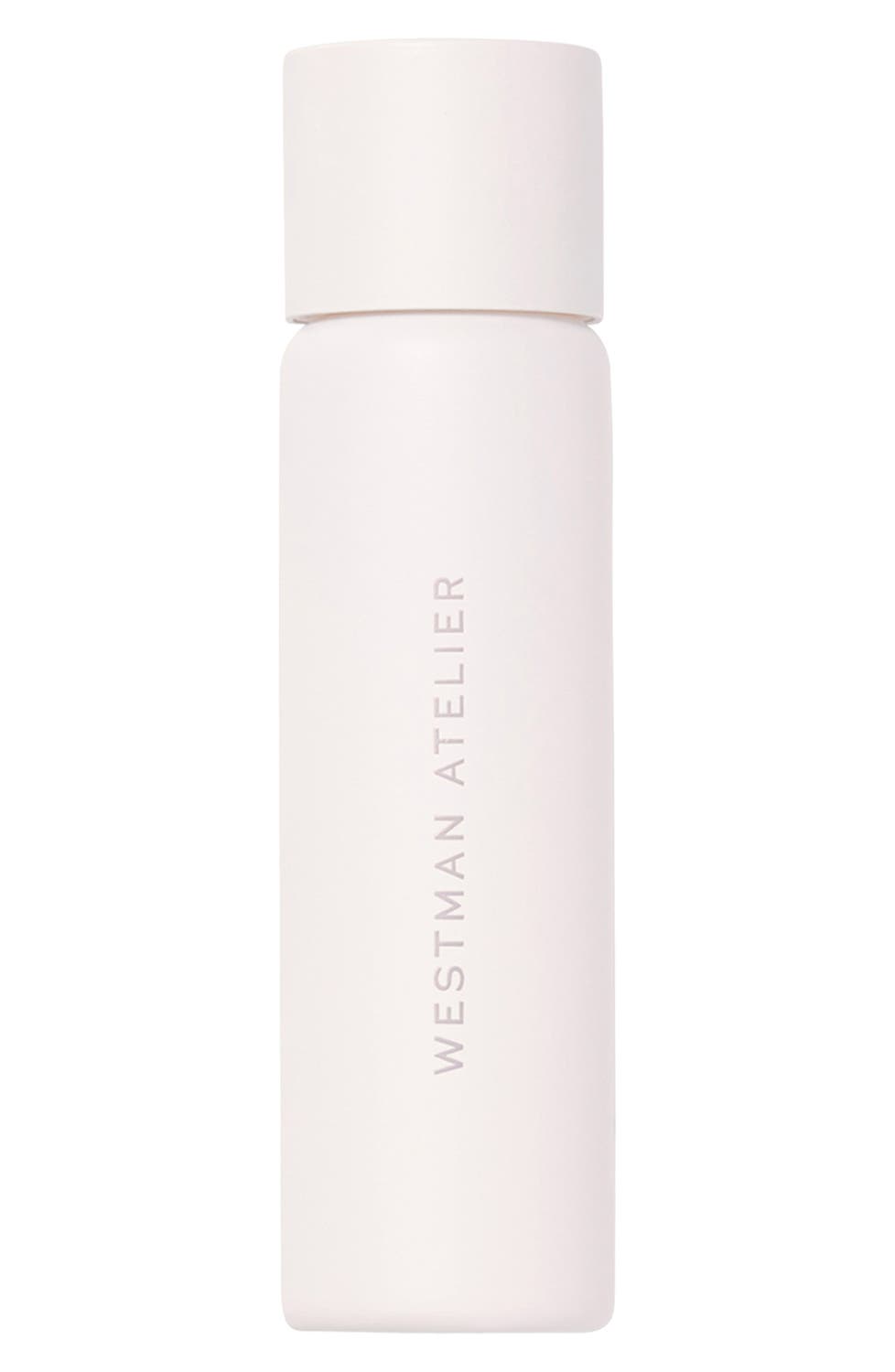
Skin Activator Serum
Westman Atelier
$125
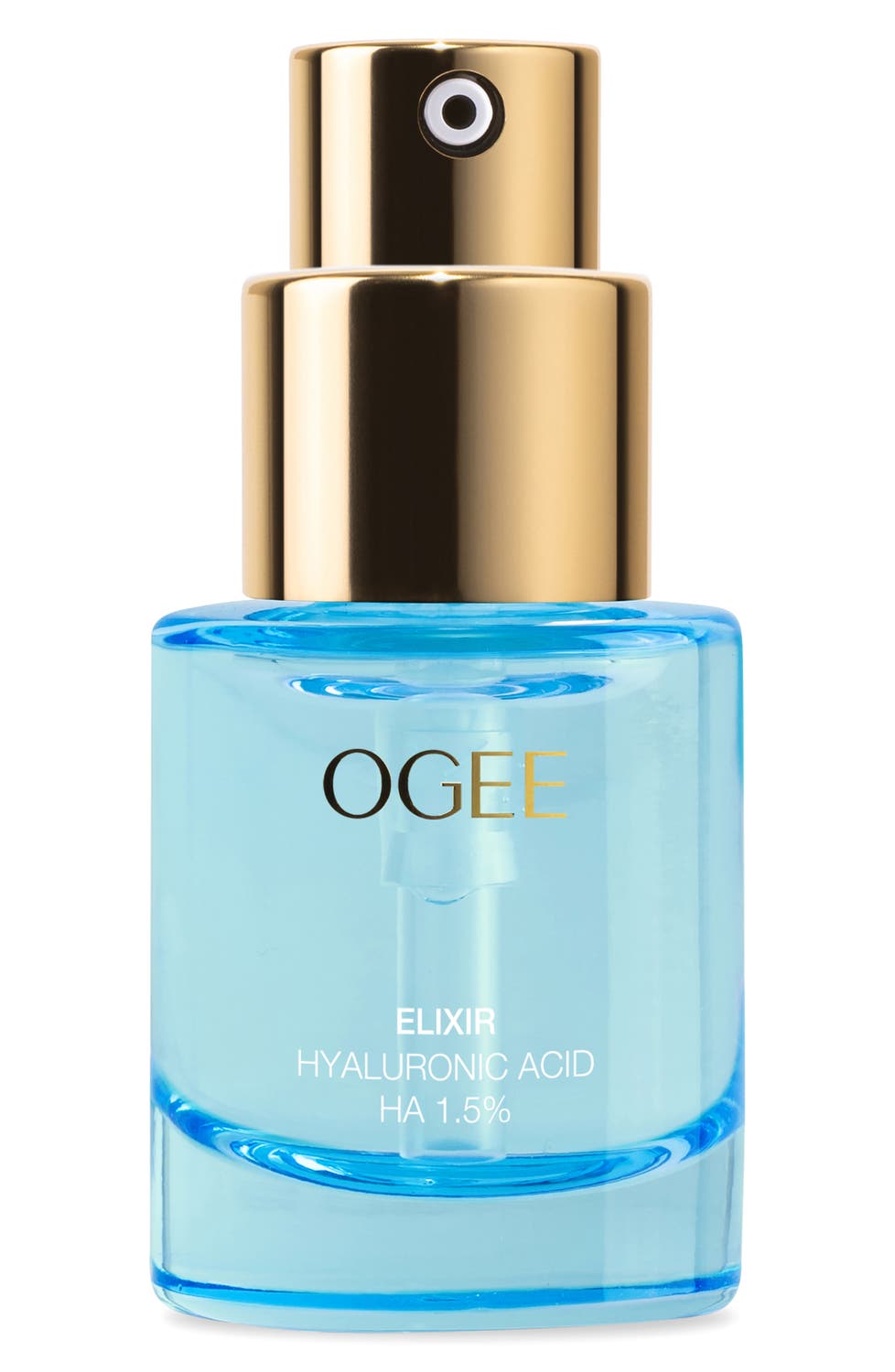
Hyaluronic Acid HA 1.5% Elixir
OGEE
$94
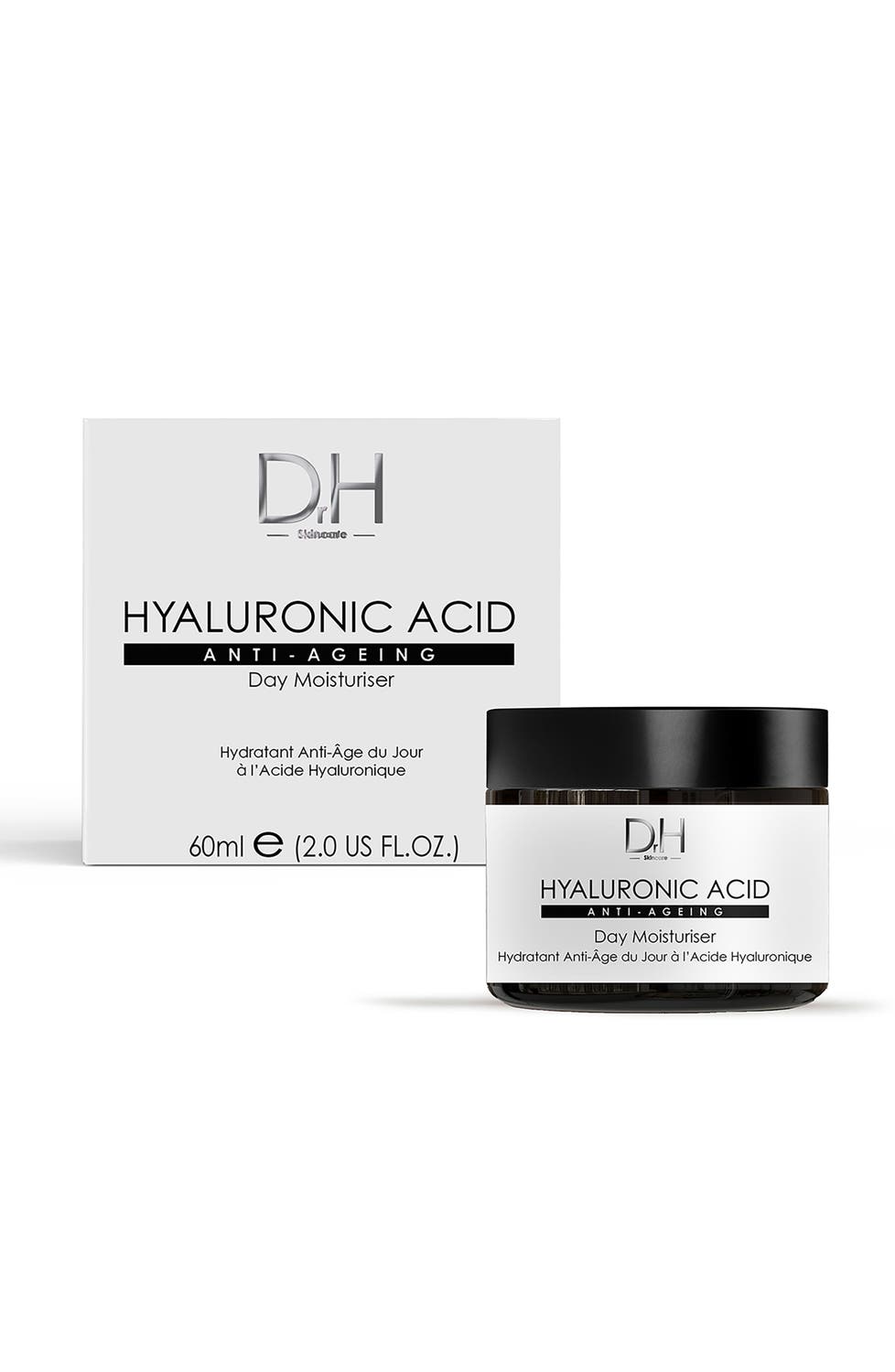
Dr. H Hyaluronic Acid Anti-Aging Day Moisturizer
GOLD SERUMS
$67.5
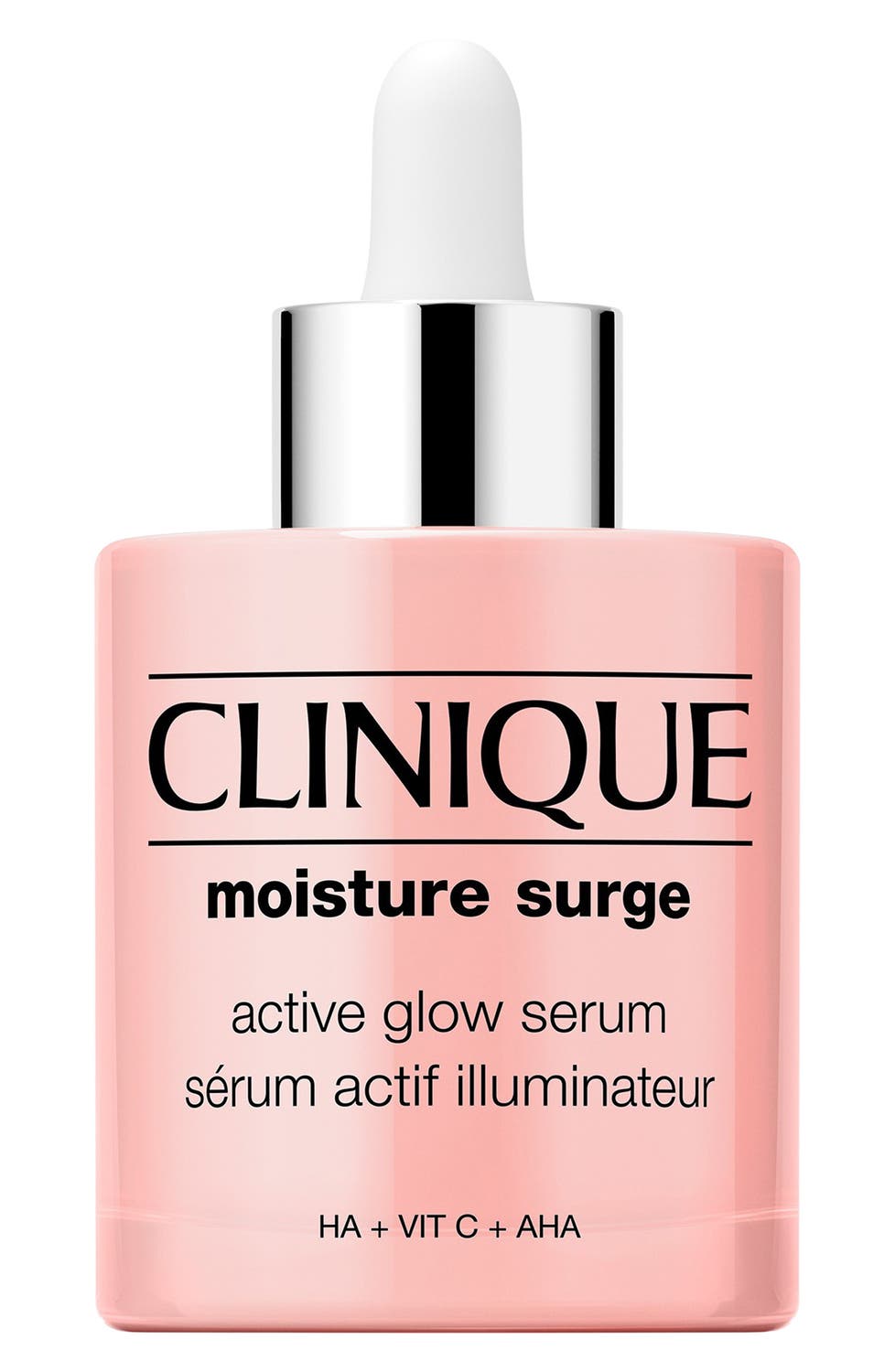
Moisture Surge Active Glow Serum with Hyaluronic Acid
Clinique
$49
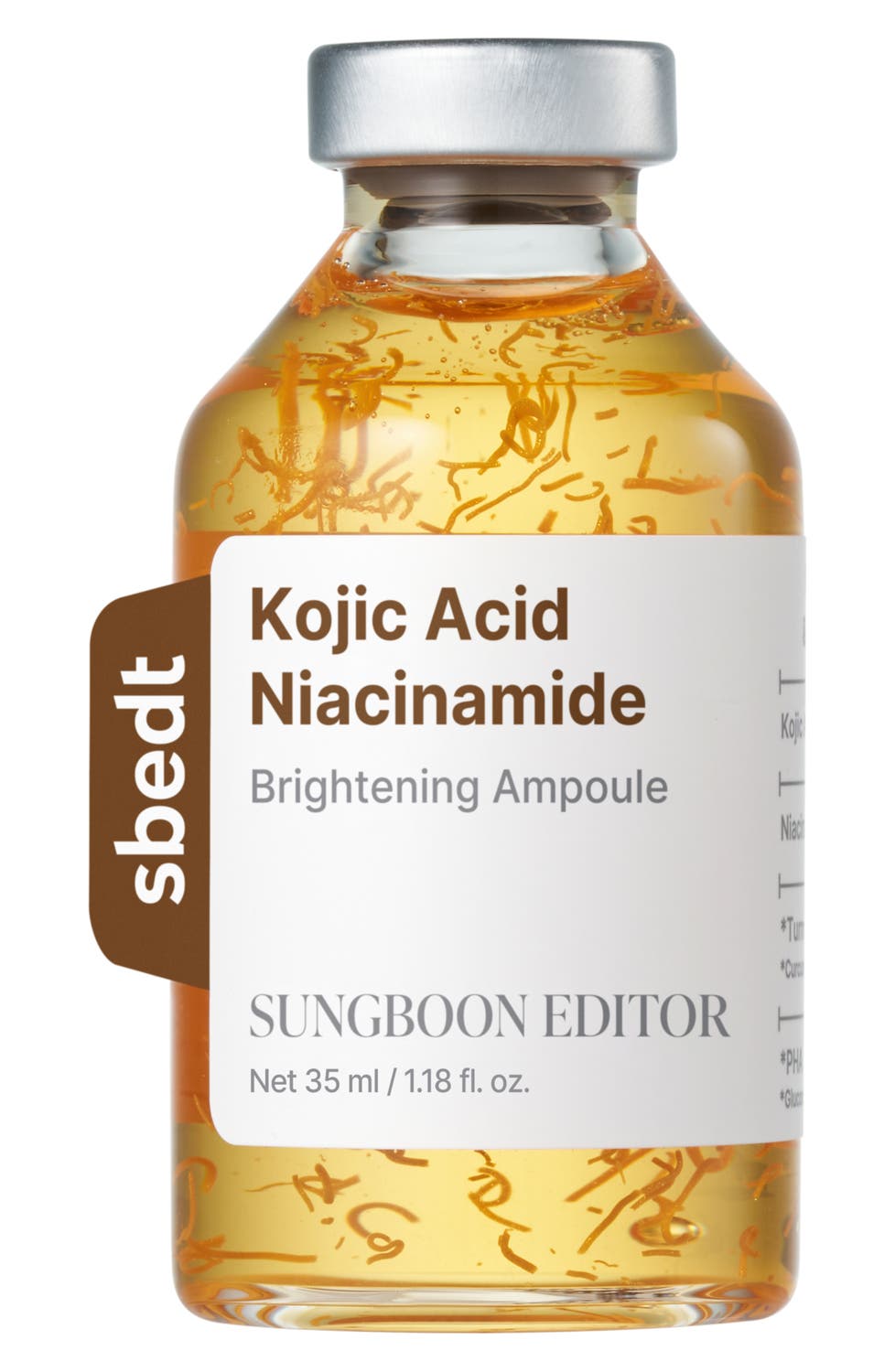
Kojic Acid Niacinamide Brightening Ampoule
SUNGBOON EDITOR
$30
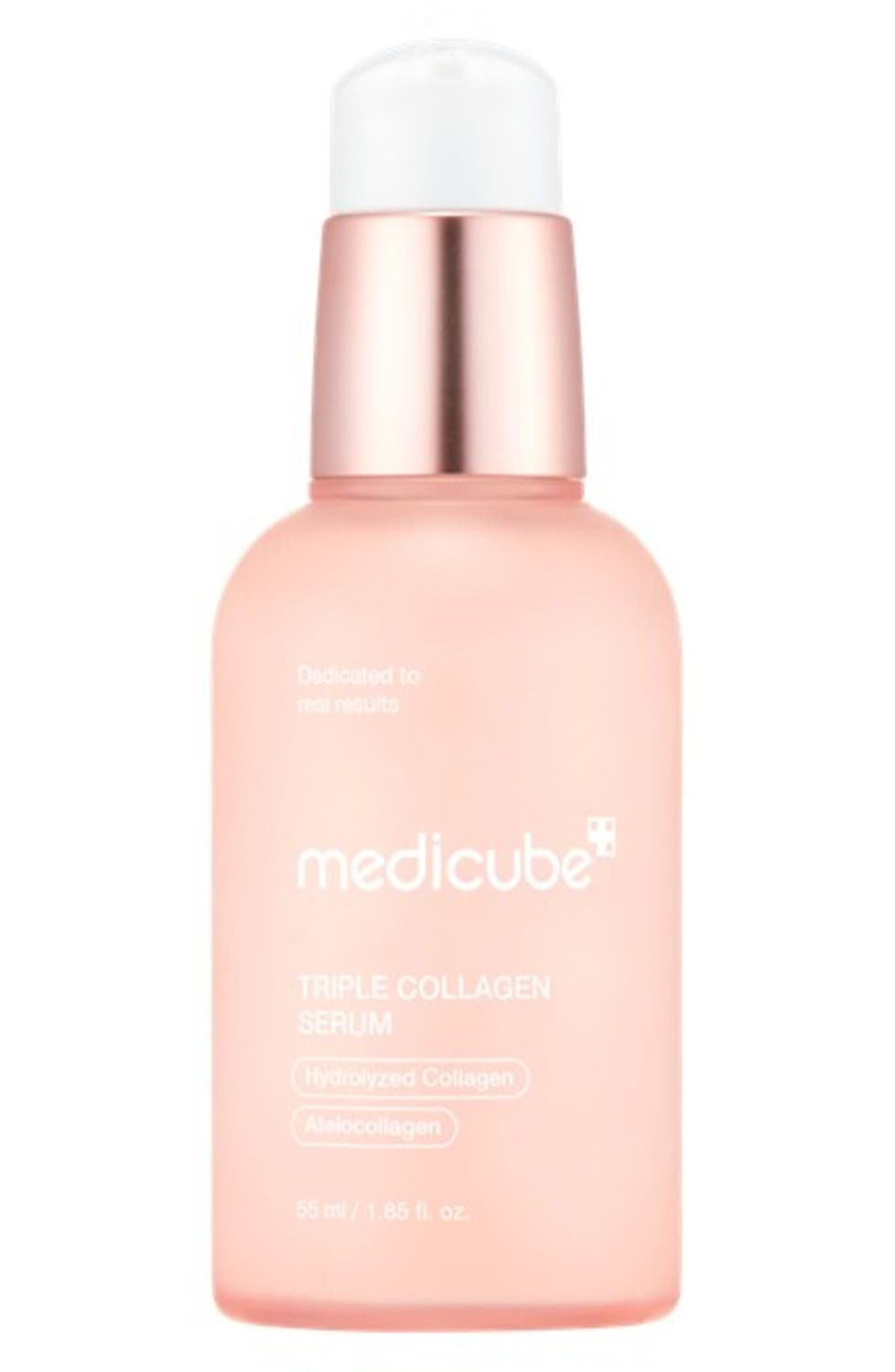
Triple Collagen & Hyaluronic Acid Serum 4.0
MEDICUBE
$19.9
Glow moisturisers and creams
Glow moisturisers and creams are the final texture decision in a glass skin routine. A light lotion can keep the finish fresh under makeup, while a richer cream gives dry areas more cushion when the air turns cold or indoor heat takes over. Neither should leave a slippery film that makes sunscreen or foundation move. Apply a small amount to the cheeks and around the mouth first, then use what remains across the forehead and nose. That order keeps the centre of the face from becoming overly shiny, especially if the skin is combination or prone to congestion. Look at the finish in natural light before adding more. A healthy sheen tends to appear on the cheekbones and bridge of the nose, whereas excess product creates a uniform slickness. Cream texture also changes the mood of makeup. A soft glow pairs well with sheer coverage and muted color, while a more reflective finish needs a lighter hand everywhere else. Keep the routine comfortable, and treat glow as a surface effect you can adjust rather than a target that requires constant layering.
Glow moisturisers and creams
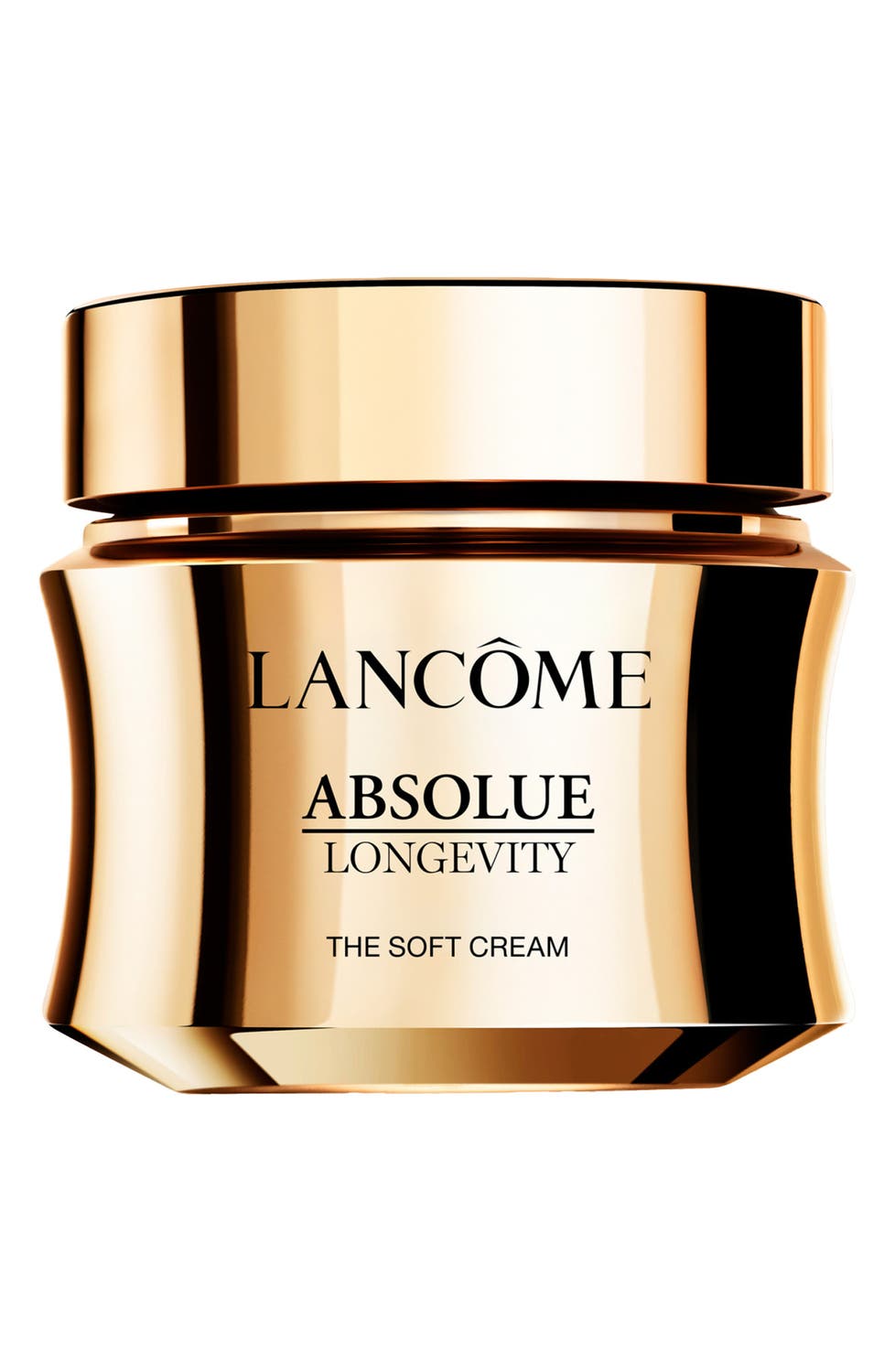
Absolue Soft Cream Anti-Aging & Firming Face Moisturizer
Lancôme
$170
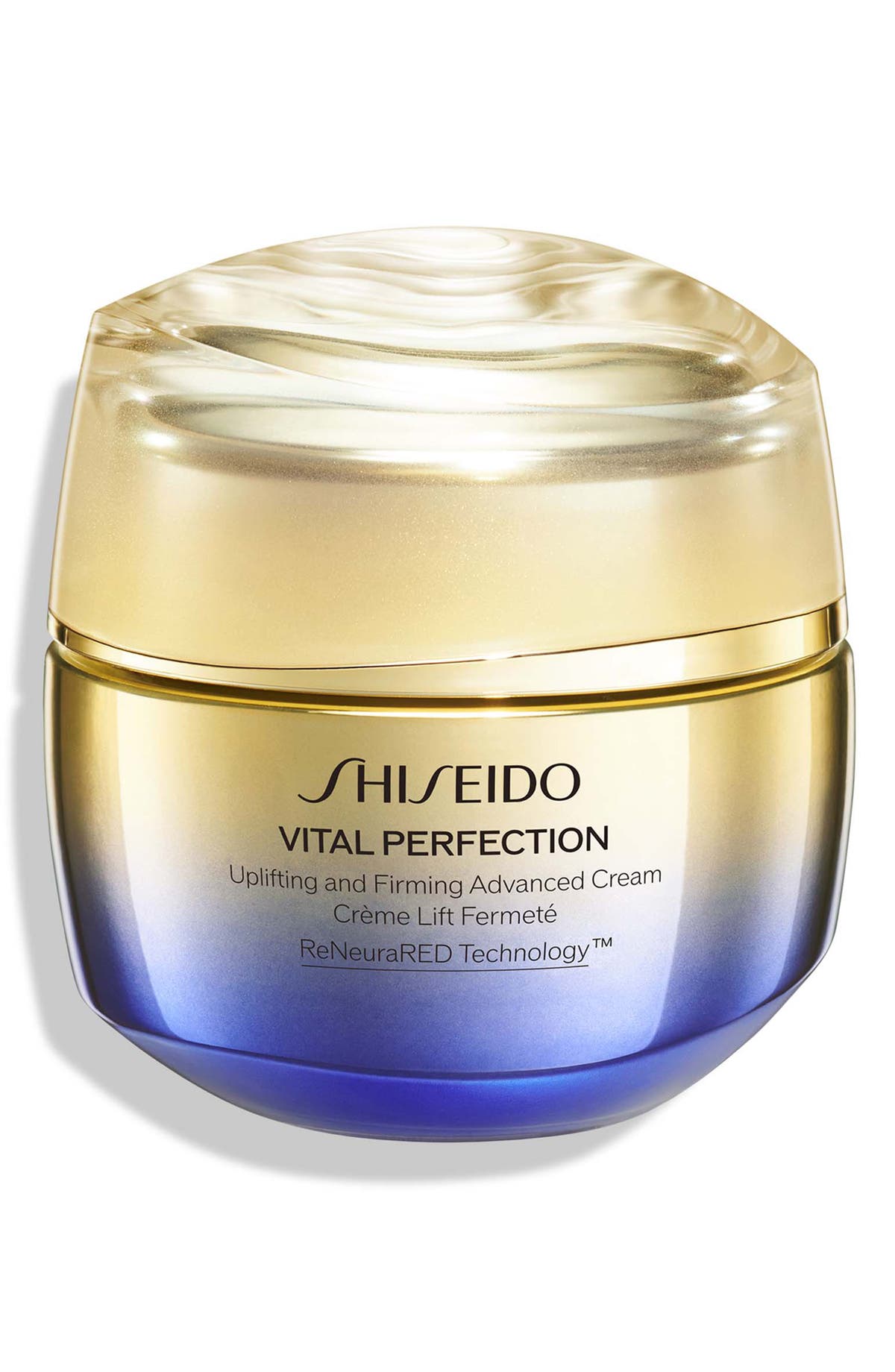
Vital Perfection Uplifting and Firming Advanced Cream
Shiseido
$126
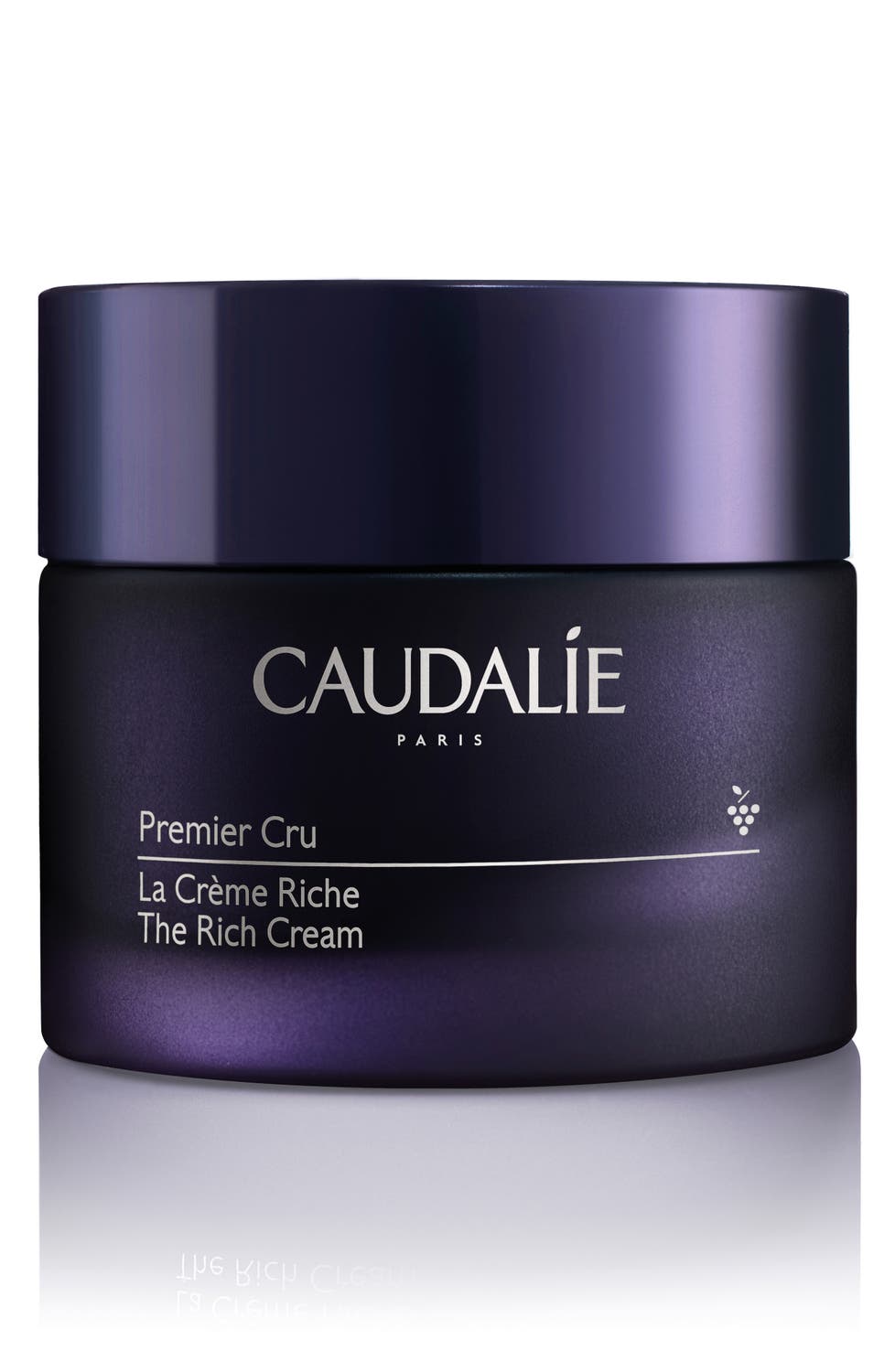
Premier Cru The Rich Cream
CAUDALÍE
$99
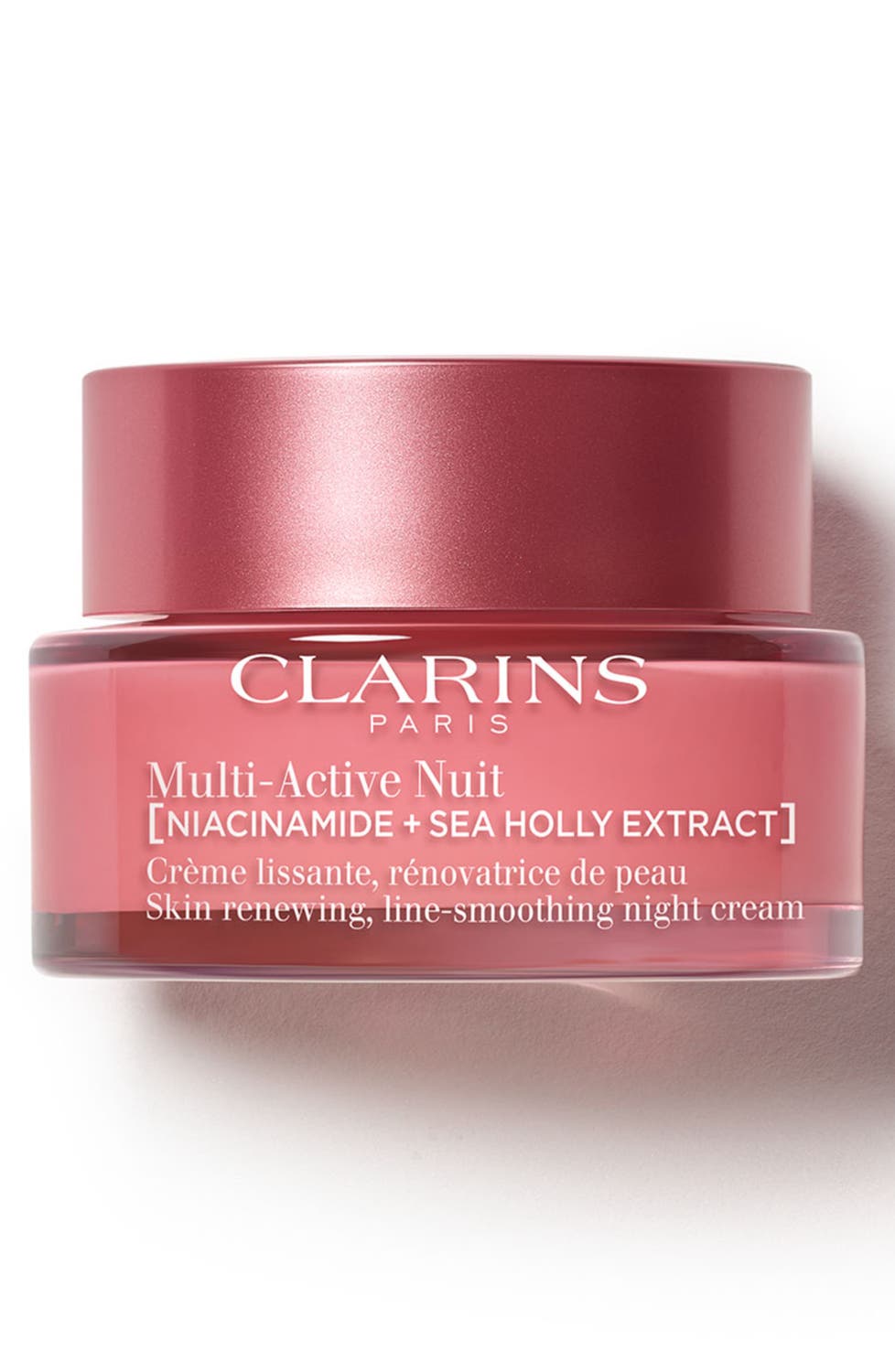
Multi-Active Night Moisturizer for Lines, Pores, Glow with Niacinamide
Clarins
$65
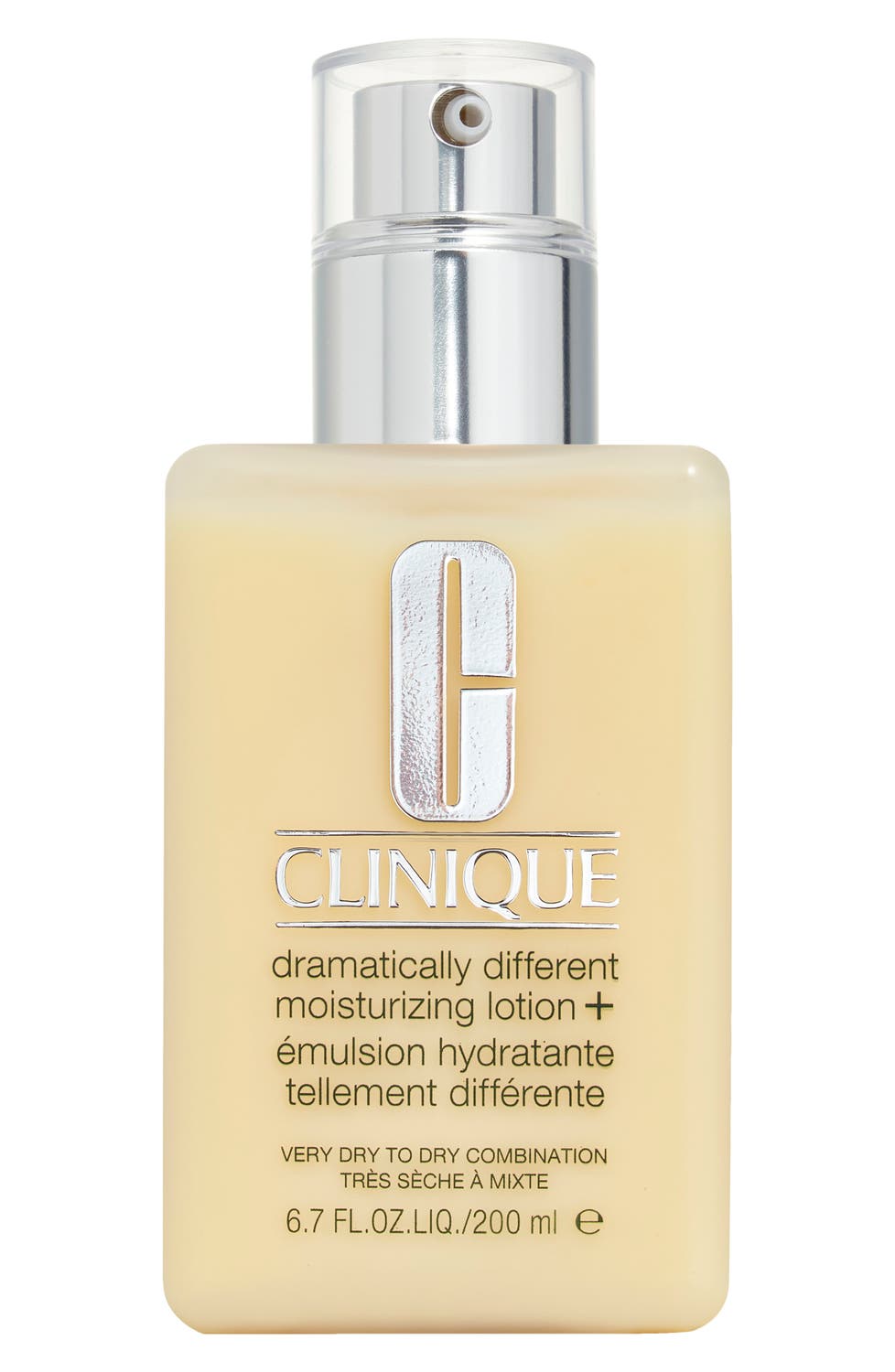
Jumbo Size Dramatically Different Moisturizing Lotion+ Face Moisturizer Bottle with Pump
Clinique
$49
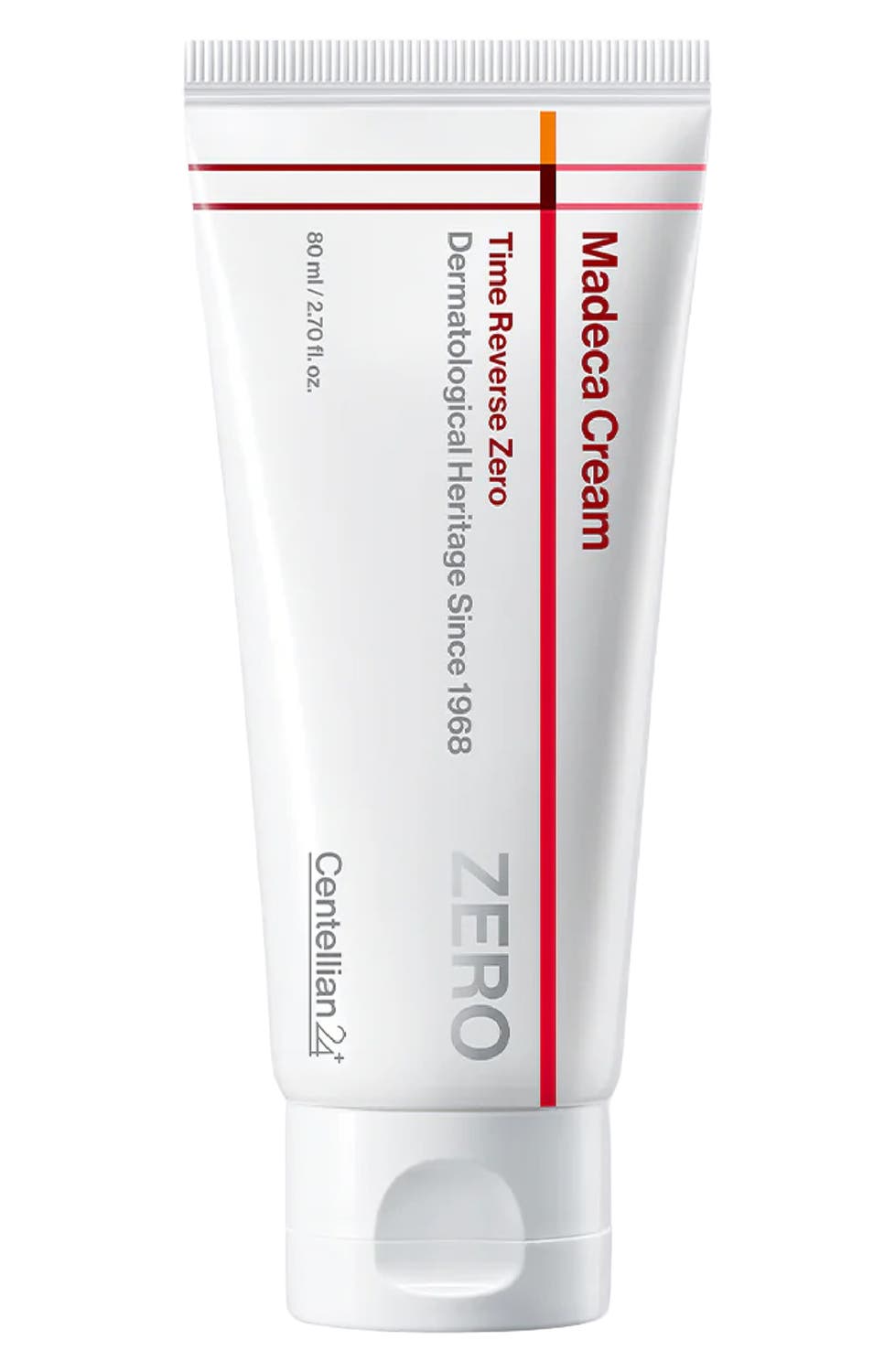
Madeca Cream Time Reverse Zero
Centellian24
$35
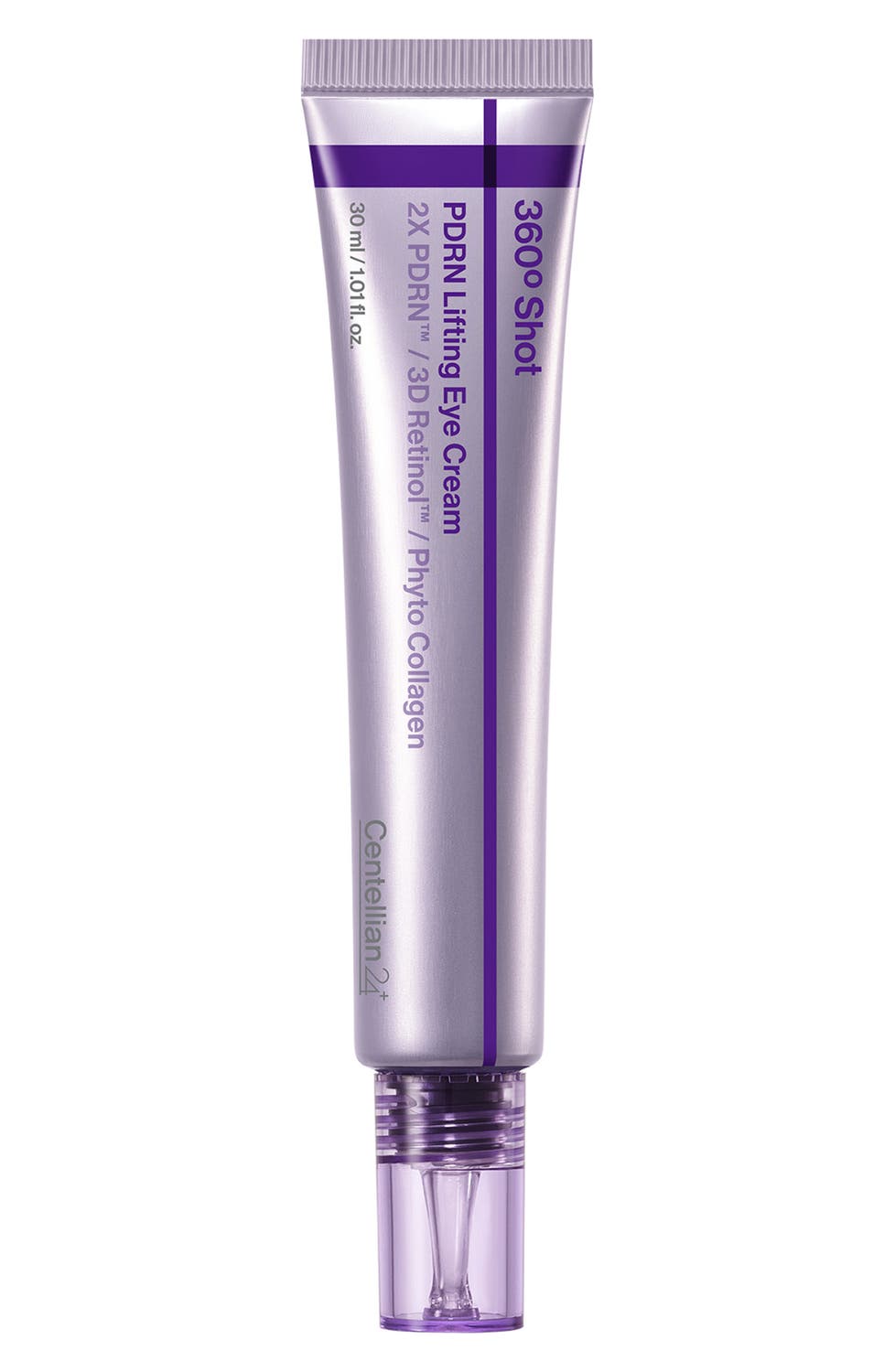
360 Shot PDRN Lifting Eye Cream
Centellian24
$28
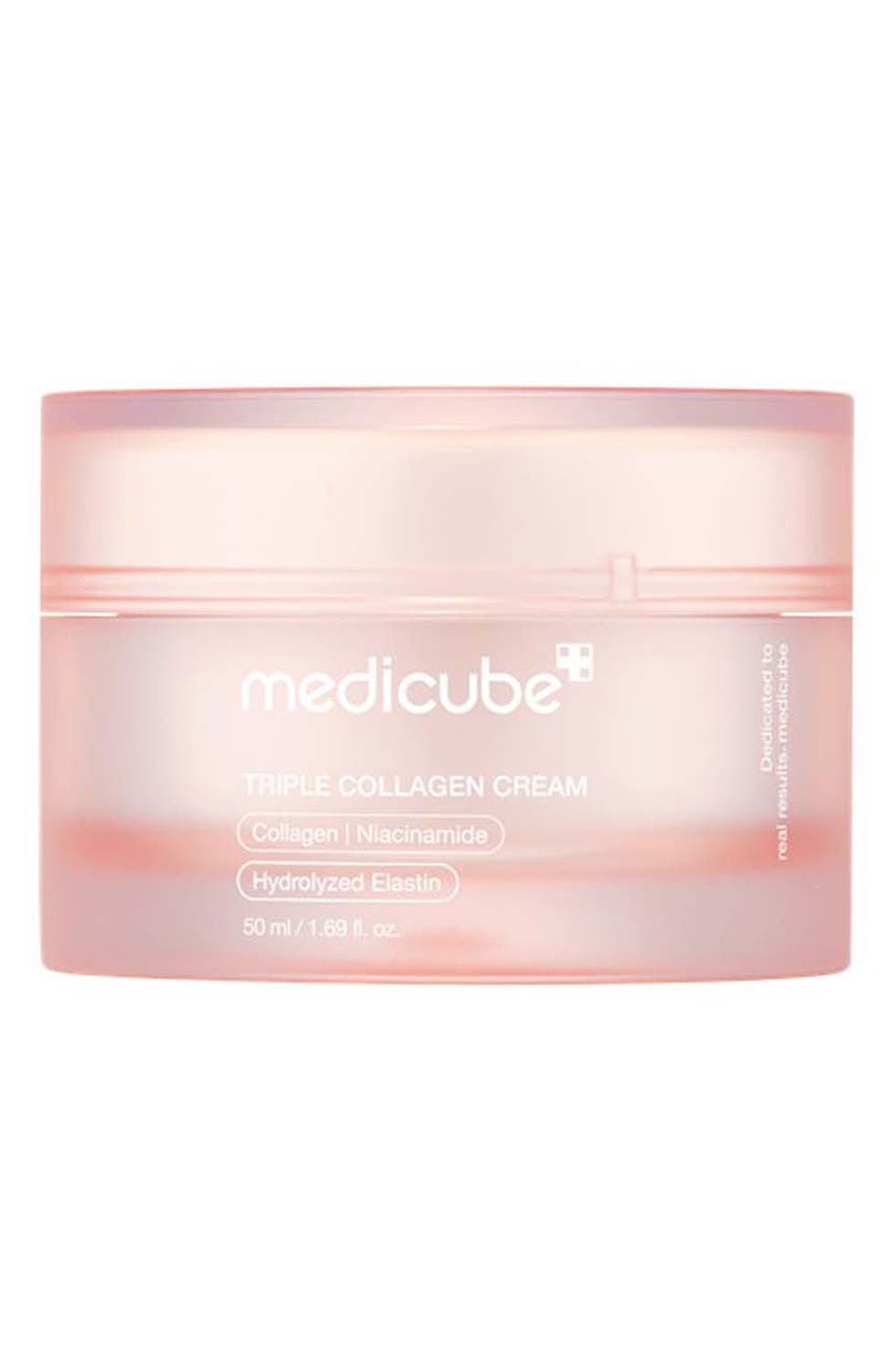
Triple Collagen Cream 4.0
MEDICUBE
$20.9
Our honest take
Glass skin is appealing, but a mirror-like finish is not a useful goal for every face or every day. If makeup slips, texture feels emphasized, or the T-zone becomes distracting, more product will not solve the problem. Skip rich creams in places that already feel comfortable, and do not force glow when a satin finish looks more natural. This approach suits anyone who likes light coverage and is willing to adjust the amount by area. It is less practical for people who want a matte, low-maintenance base from morning to night. The best routine is the one that leaves the skin calm and lets the complexion show through. If you take one thing away, build the sheen slowly and stop while the face still looks like skin.
Shop brands in this edit


Next read
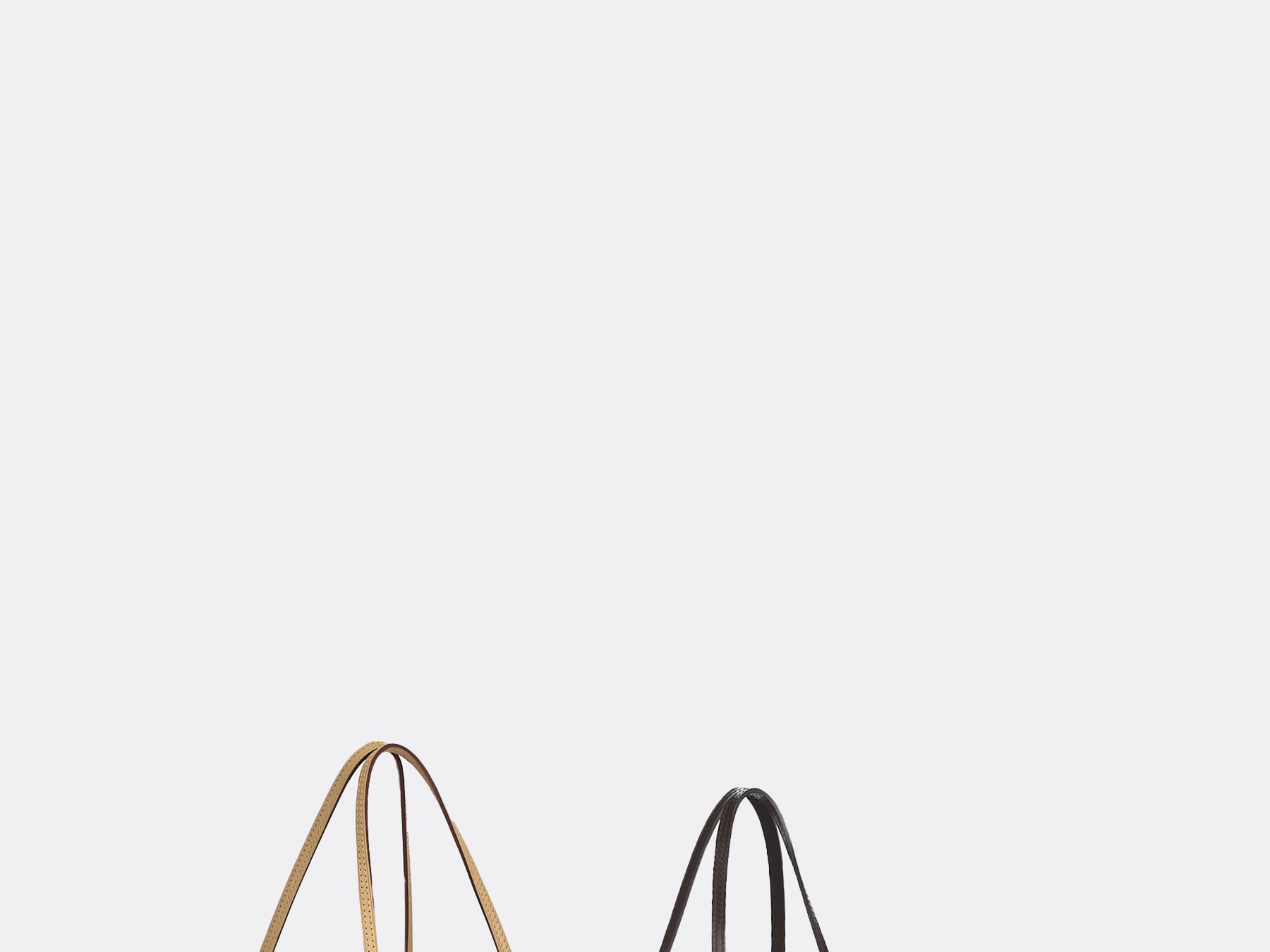
Secondhand Louis Vuitton Damier Ebene Or Damier Azur
Damier Ebene and Damier Azur are the same coated canvas in two colourways, and the secondhand market treats them as two different products.
Read Editorial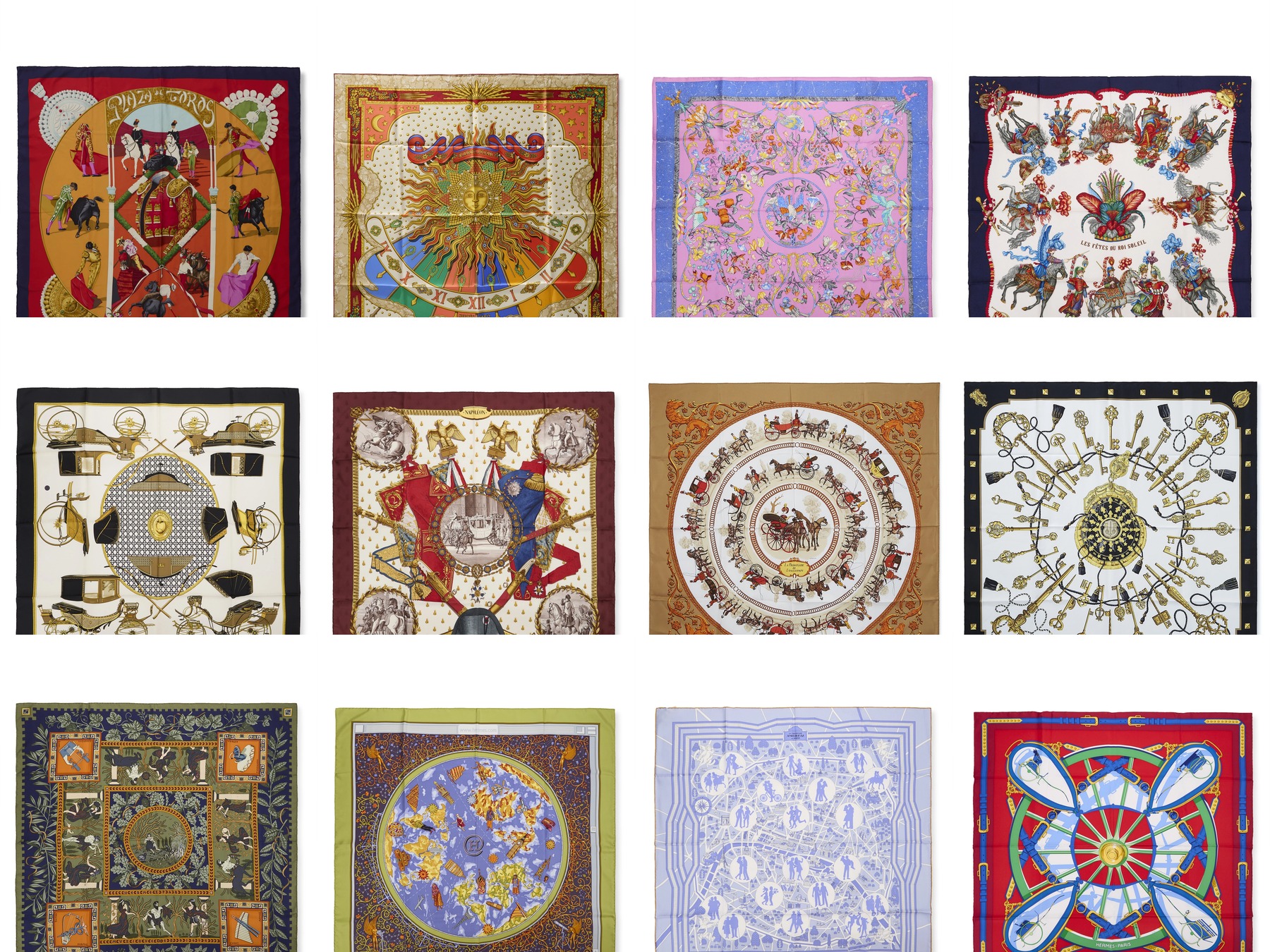
Secondhand Silk My Favs
My sixteen selects of scarves below are all ninety centimetre squares, split into two price bands