I dug into the history of Gold Standard whey protein, which began life in the late 1990s with a plainer name and 21 grams per serving. Twelve products follow, from the classic tub to a shaker built to stay closed.
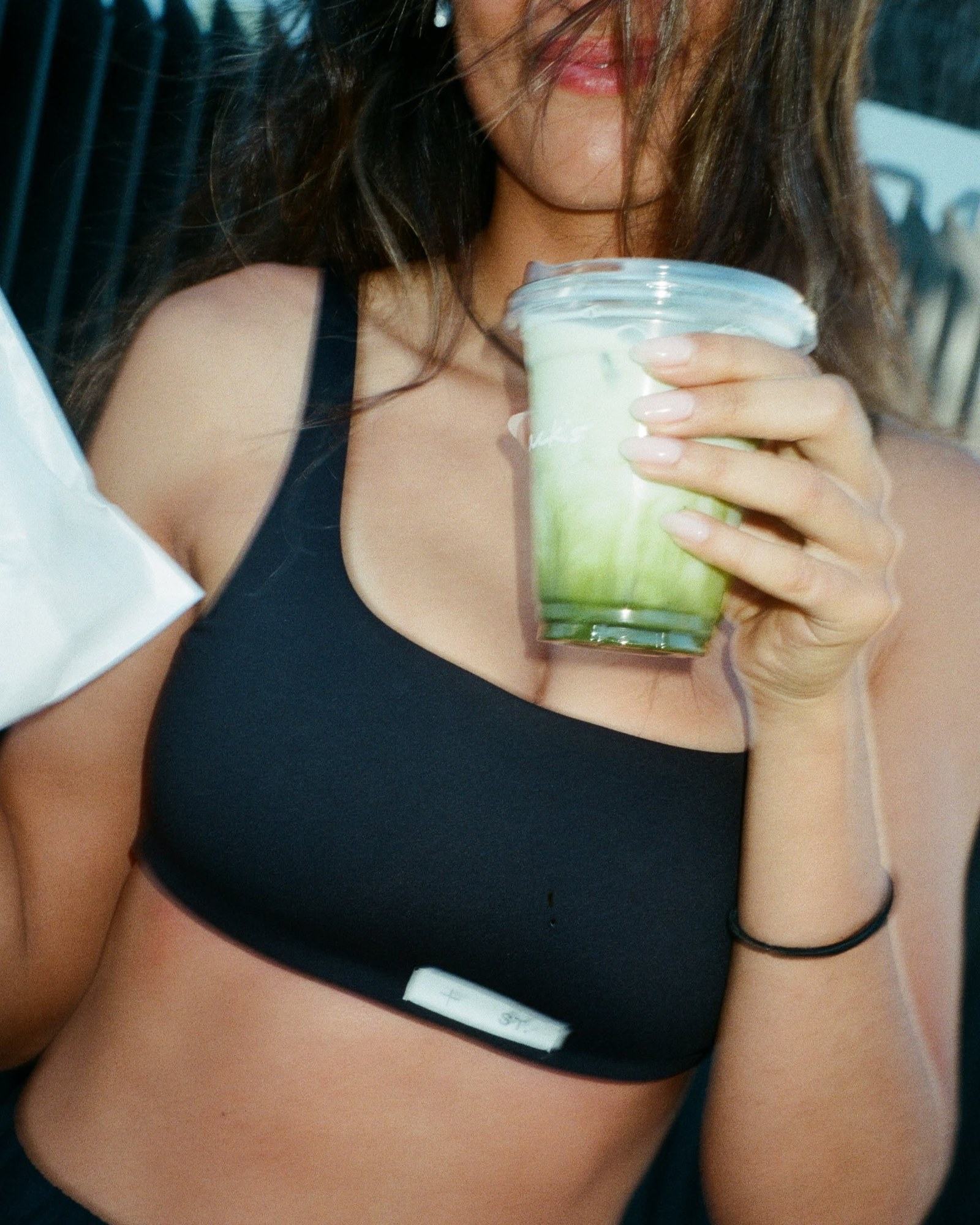
Gold Standard Whey Protein Used to Be Called Just 100% Whey
The Gold Standard whey protein tub was not always called that. Optimum Nutrition, which most people call ON, says the tub began in the late 1990s as plain 100% Whey Protein, with 21 grams of whey protein concentrate per serving. As whey technology moved on, it went to 22 grams, then shifted toward isolates, added hydrolysates, and reached the 24 grams it lists today. In the early 2000s, as more whey products crowded the shelf, the label became Gold Standard 100% Whey. ON itself dates to 1986 and has its roots in Downers Grove, Illinois. Glanbia, the dairy and nutrition group, acquired it in 2008. ON calls Gold Standard the world's best-selling whey protein powder, and I quote that as the brand's claim. On the label, the classic tub states 24 grams of protein and 5.5 grams of naturally occurring BCAAs per serving. The first grid is the whey family: the classic, an isolate, a naturally flavored version and single-serve sample packets. If you have never tried it, the packets are the honest way in, and a good way to learn which flavor you can stand at eight in the morning.
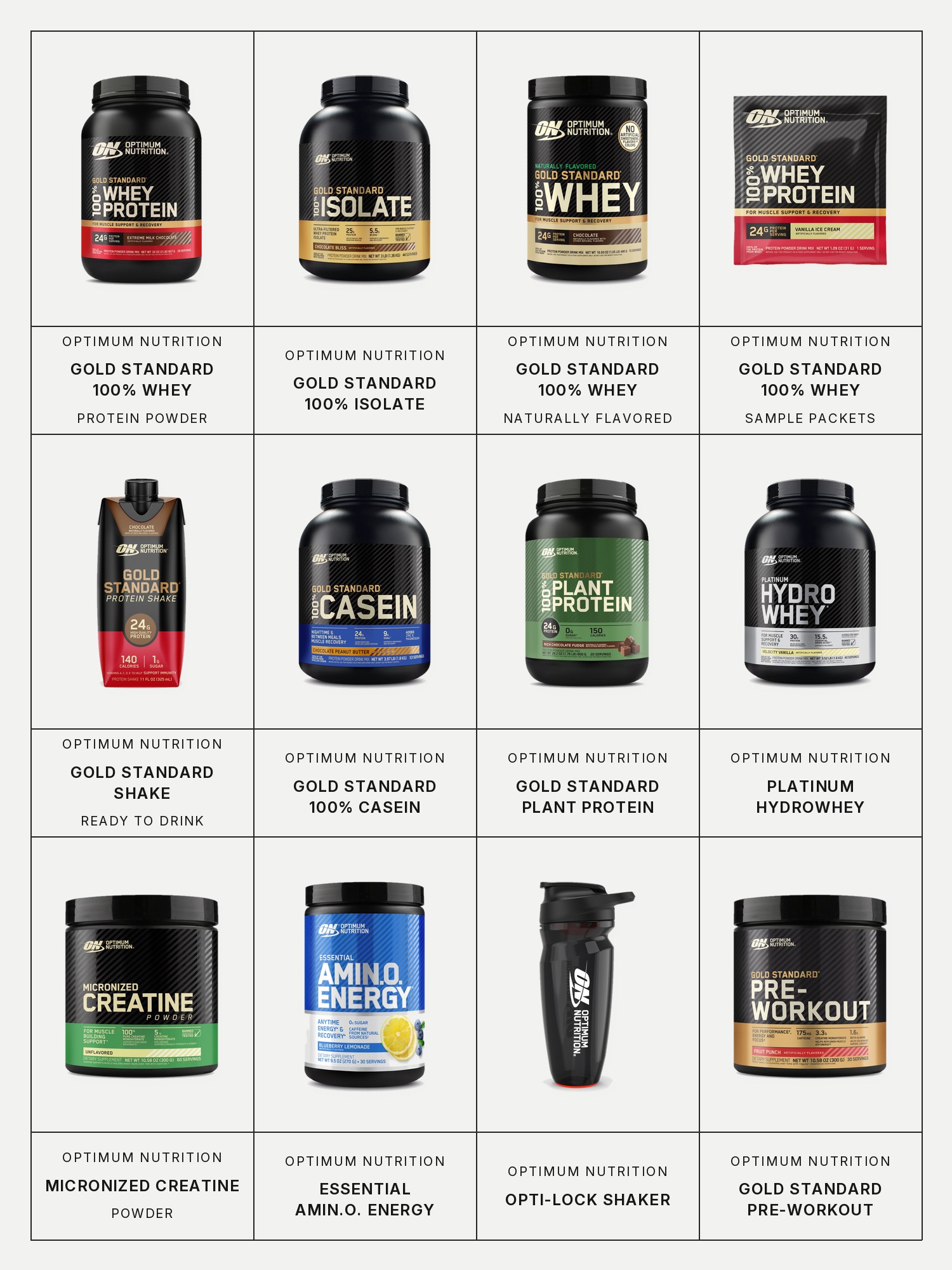


Casein, plant and a hydrolyzed whey
The second grid is where ON shows how much of the range it built itself. The ready to drink shake is made with whey and casein from milk. The casein is a slower protein that the brand says digests over a longer period, and it arrived in 2005 as the first powder made solely from casein, according to the company. The plant protein blends pea, rice and fava bean, and Platinum Hydrowhey is a hydrolyzed whey isolate the brand describes as fast digesting. I like this grid because it is honest about how people actually eat. Some want a shake in a gym bag, some want something plant-based, and some want a protein at night. The tip is to read the label for the serving size and protein grams and compare like with like. Casein and whey behave differently in a shaker, so expect thicker.


Creatine, amino energy and a lid that locks
The last grid is the accessory drawer. The creatine is micronized creatine monohydrate at 5 grams per serving, according to the label. Essential Amin.O. Energy pairs 100 milligrams of caffeine from natural sources with 5 grams of amino acids, and the brand introduced that kind of energy powder in 2010. Gold Standard Pre-Workout combines caffeine, creatine monohydrate and beta-alanine. The Opti-Lock, made with Promixx, is a shaker bottle with a single-direction lid that clicks. What I would skip is adding everything at once because it is on the shelf. Caffeine is in two of these, so check the labels before you double up, and ask a professional if you have questions about supplements. Put liquid in the shaker first, then powder, and the clumps stay out.


How I would keep it simple
Most of the time I keep this simple. One tub, one shaker and a flavor I actually look forward to. The rest of the edit is there for the days your routine changes: a night protein, a plant option, a packet in the bag. Pick the piece that fits the day, and let the rest of the shelf be there when you need it. If you want to keep browsing, I also put together Gold Heels Beyond The Wedding and J'adore Dior, the Amphora Bottle and the Gold Bath.