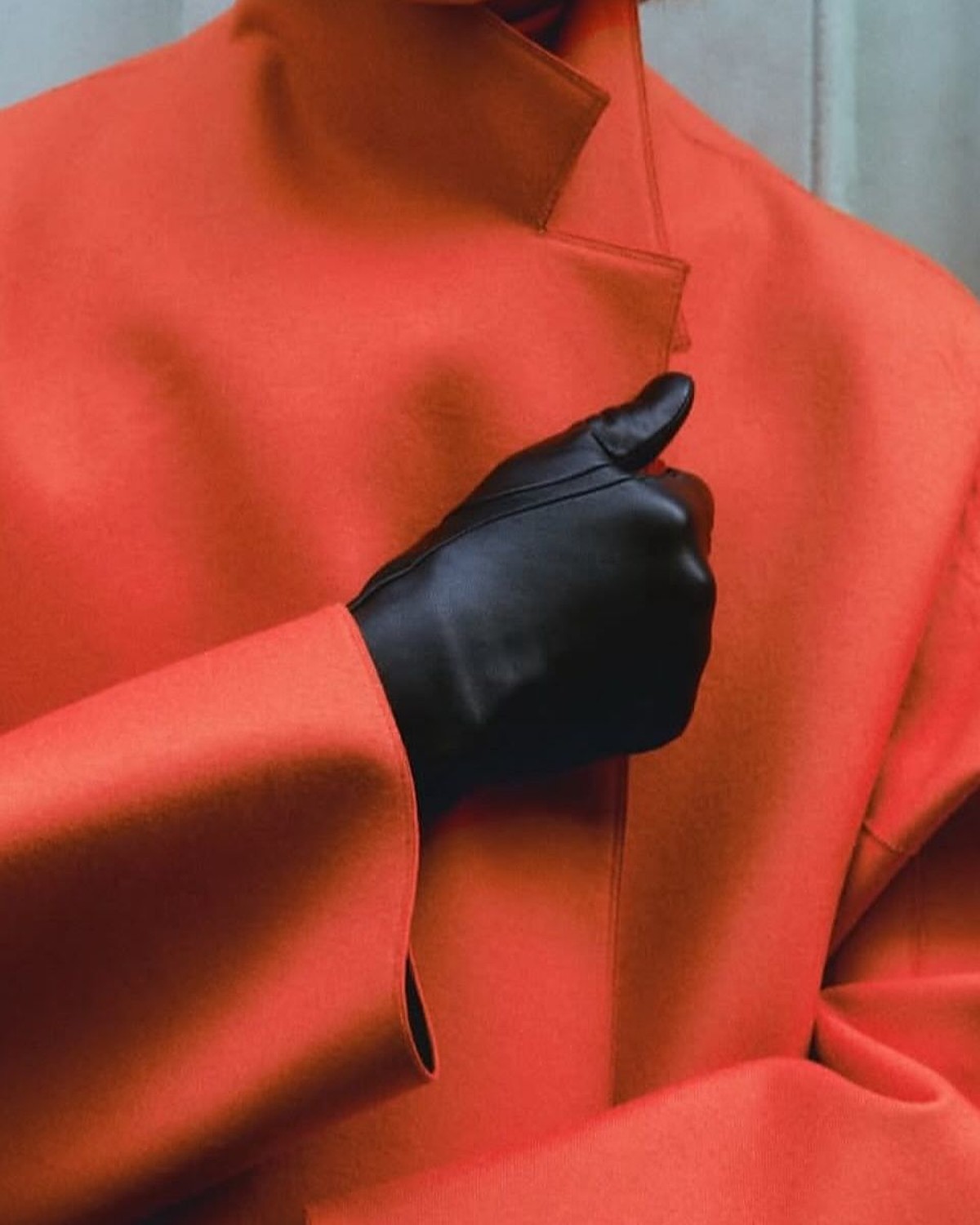
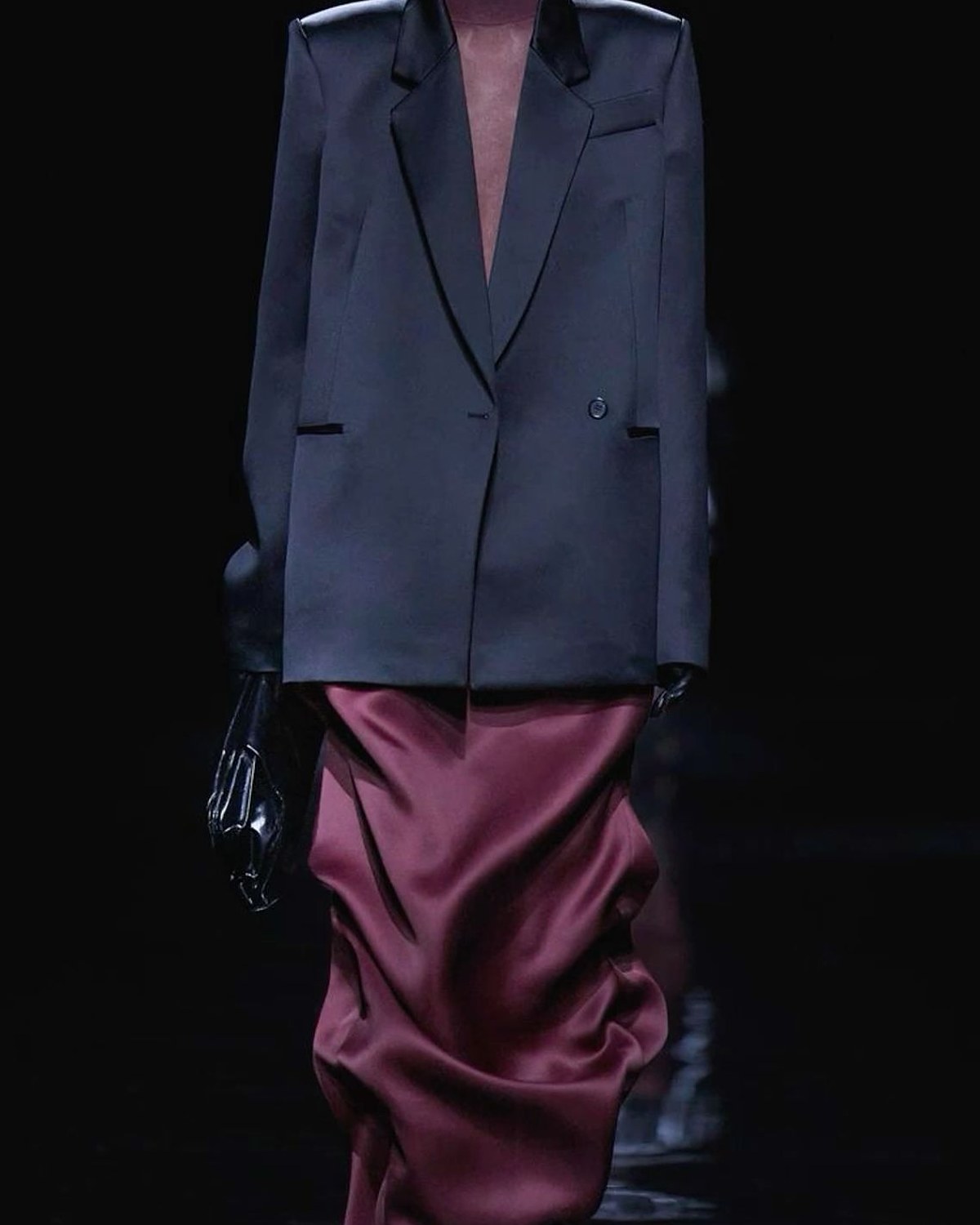
Guccio Gucci opened his first shop on Florence's Via della Vigna Nuova in 1921, selling leather luggage after years spent watching wealthy travelers as a porter at London's Savoy Hotel. The house has since run through family ownership, a very public 1990s implosion, and a run of creative directors, Tom Ford, Frida Giannini, Alessandro Michele, Sabato De Sarno and now Demna, each of whom rebuilt its image without ever discarding the leather-goods core Guccio started with.
Gucci
Accessories
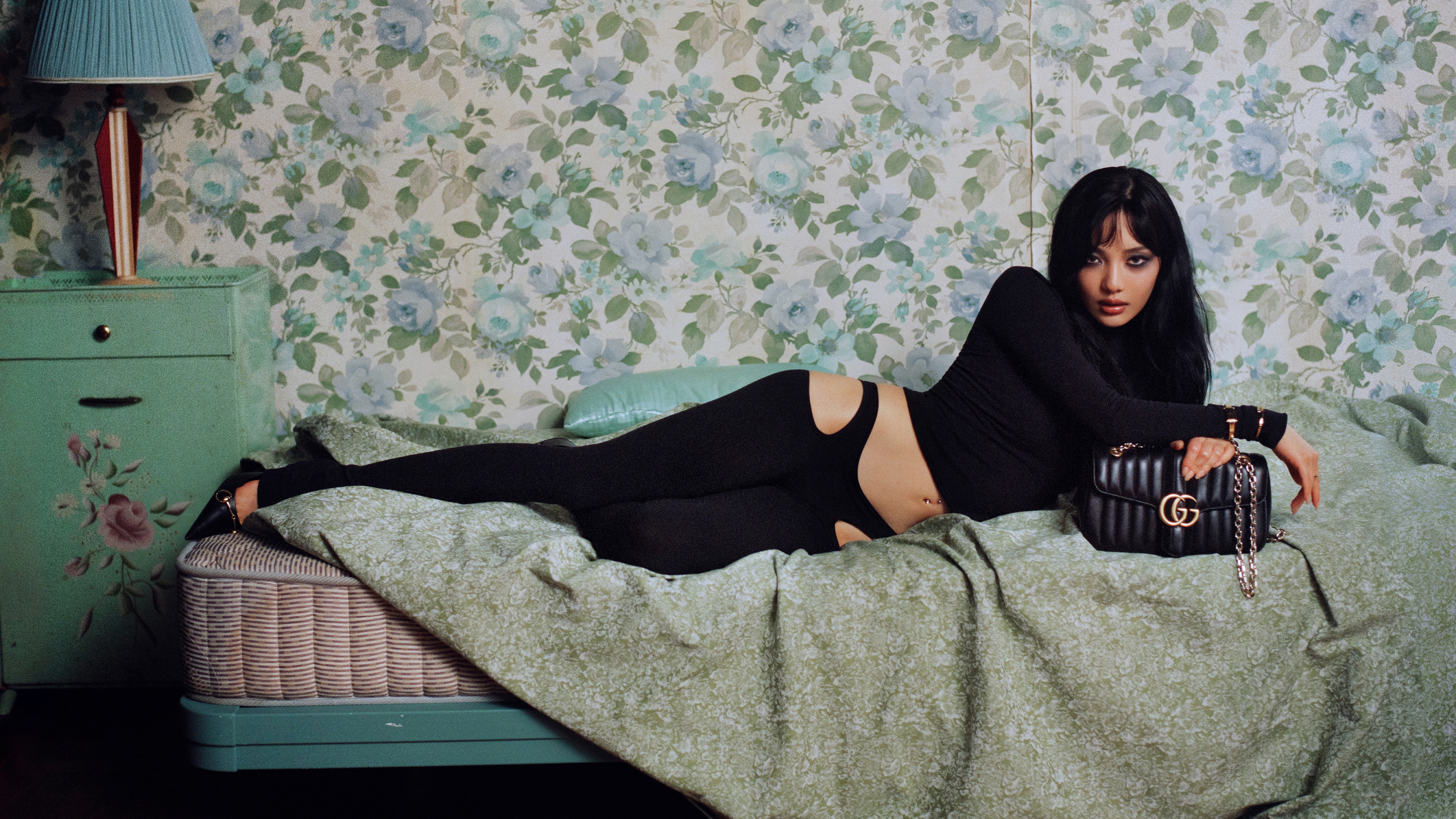
Leather goods are where Gucci actually began, in a small Florentine shop selling luggage to travelers, and the house has never really left that category behind even as it swung through decades of runway reinvention. The horsebit hardware, introduced on a loafer in 1953, is one of the few details that has survived every creative director. This grid is closest to that original business.

Square-Framed Acetate Sunglasses
Gucci
$590

Square-Framed Acetate Sunglasses
Gucci
$575

Aviator-Frame Acetate Sunglasses
Gucci
$665

Mask-Frame Acetate Sunglasses
Gucci
$430

Oval-Frame Metal Sunglasses
Gucci
$535

Square-Frame Metal Sunglasses
Gucci
$665

Aviator-Frame Acetate Sunglasses
Gucci
$515

Aviator-Frame Metal Sunglasses
Gucci
$665

Cat-Eye Acetate Sunglasses
Gucci
$370

Aviator-Frame Acetate Sunglasses
Gucci
$665

Cat-Eye Acetate Sunglasses
Gucci
$350

Rectangle-Frame Acetate Sunglasses
Gucci
$515

Square-Frame Acetate Sunglasses
Gucci
$480

Square-Frame Metal Sunglasses
Gucci
$545

Square-Frame Metal Sunglasses
Gucci
$545

Square-Frame Acetate Sunglasses
Gucci
$515

Square-Frame Acetate Sunglasses
Gucci
$415

Round-Frame Acetate Sunglasses
Gucci
$490

Aviator-Frame Sunglasses
Gucci
$650

Round-Frame Metal Sunglasses
Gucci
$545

Round-Frame Metal Sunglasses
Gucci
$605

Oval-Frame Metal Sunglasses
Gucci
$605

Round-Frame Acetate Sunglasses
Gucci
$515

Cat-Eye Acetate Sunglasses
Gucci
$370
More Accessories
Every era of Gucci has produced its own version of a signature bag or hardware detail, from the 1947 bamboo-handle bag onward, and this stretch of the edit is where those competing eras sit next to each other. It is a useful reminder that the house has always been remade by whoever is holding the pen creatively. Nothing here reads as one single decade.

Oval-Frame Sunglasses
Gucci
$575

Octagon-Frame Metal Sunglasses
Gucci
$450

Oval-Frame Metal Sunglasses
Gucci
$545

Round-Frame Acetate Sunglasses
Gucci
$625

Cat-Eye Acetate Sunglasses
Gucci
$370

Aviator-Frame Metal Sunglasses
Gucci
$575

Crystal Mask-Frame Sunglasses
Gucci
$635

Square-Frame Metal Sunglasses
Gucci
$450

Mask-Frame Metal Sunglasses
Gucci
$650

Oval-Frame Metal Sunglasses
Gucci
$605

Rectangle-Frame Sunglasses
Gucci
$515

Square-Frame Metal Sunglasses
Gucci
$665

Mask-Frame Acetate Sunglasses
Gucci
$590

Horsebit Square-Frame Metal Sunglasses
Gucci
$625

Aviator-Frame Acetate Sunglasses
Gucci
$515

Square-Frame Acetate Glasses
Gucci
$515

Aviator-Frame Acetate Sunglasses
Gucci
$430

Pilot Sunglasses
Gucci
$665

70's Nuances Mask Sunglasses
Gucci
$430

Pilot Sunglasses
Gucci
$665

G String Cat Eye Sunglasses
Gucci
$430

Hailey Cat Eye Sunglasses
Gucci
$415

Hailey Oval Sunglasses
Gucci
$575

Bella Oval Sunglasses
Gucci
$575
Still more Accessories
Gucci's accessories range has always been the widest part of the business, small leather goods and jewelry sitting alongside bags because they were the easiest way for a new customer to buy into whichever era was current. This is that logic playing out today, an assortment built for breadth rather than a single hero item. It rewards browsing rather than hunting for one thing.


Shoes
Footwear entered the Gucci story properly in 1953, the same year the house opened its first American store, and the horsebit loafer from that period is still one of fashion's most copied shoes. What is here traces a direct line from that idea: hardware and craftsmanship doing the talking rather than logo alone. It is a category the house has never treated as an afterthought.


More from the collection
Ready-to-wear came later to Gucci than leather goods, arriving in earnest through the 1960s and 70s before the house opened its first clothing-only store on Fifth Avenue in 1972. This closing stretch of the edit reflects that broader ambition, clothing built to carry whichever aesthetic era Gucci is currently running. It is the most changeable part of the house and, often, the most telling.


Our honest take
Our honest take is that Gucci's biggest asset is not any single creative director but the sheer depth of its own archive, which has let the house survive several complete personality changes without losing its identity. Demna's arrival guarantees another reinvention, and whether that lands will take a few seasons to judge fairly. What is safest to buy right now is the leather goods and footwear built on ideas, like the horsebit, that predate every one of those creative regimes.