How many dinner plates, side plates and serving pieces a household actually uses, and the honest number to buy before you run out of cupboard.
How Many Sets Of Plates Do You Actually Need
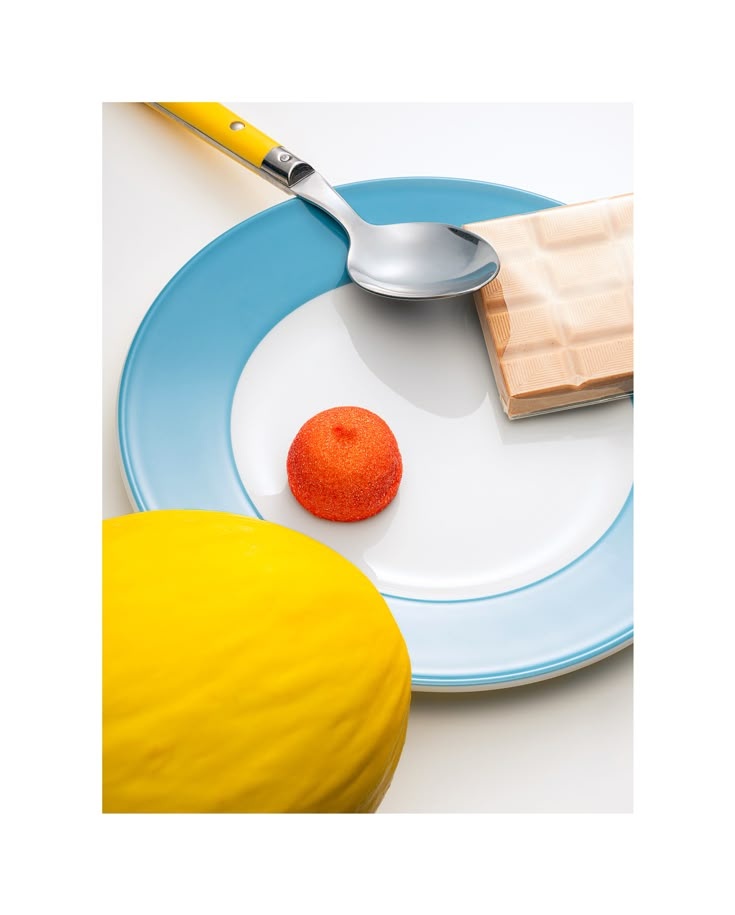
How many sets of plates do you actually need
The honest answer is fewer than most people buy and more than most people own. A household that hosts occasionally needs one set of dinner plates it likes enough to use every night, one set of smaller plates that covers salad, starters and dessert, and two or three serving pieces that can carry food from the kitchen to the table without looking like cookware. That is it. Everything past that is either replacement stock for breakage or a second aesthetic you will end up choosing between anyway. The number that matters is not how many plates you own, it is how many you can set at once. Eight is the useful figure. Eight lets you feed six people and absorb two breakages before the set stops working. Six leaves you one accident away from an odd table. Twelve is storage you will resent unless you genuinely seat twelve, which almost nobody does more than twice a year. Buy for eight, buy once, and let the smaller plates do the flexible work.
Dinner plates

Exclusive Tiffany Blue Link Dinner Plate
Tiffany & Co.
$176

Set-of-Four Line Drawing Porcelain Dinner Plates
Misette
$180

Casa das Orquideas Dinner Plate
Tania Bulhoes
$170

Gold-Detailed Porcelain Dinner Plate
Tania Bulhoes
$190

Set-of-Two Leaf-Painted Creamware Dinner Plates
Moda Domus
$190

Crest Bone China Dinner Plate
Tiffany & Co.
$190

Riviera Set-Of-Four Hand-Painted Ceramic Dinner Plates
Maison Madison
$140

Set-of-Four Sylvia Dinner Plates
Maison Madison
$140
The plate you eat off every night
A dinner plate earns its price through how it survives ordinary use, not how it photographs on a set table. Porcelain and bone china are fired hot enough to be non-porous, which is why they resist staining from tomato and turmeric and why they come out of a dishwasher looking the same as they went in. Hand-painted decoration is where the cost sits, and it is also the part most likely to fade if the glaze sits over rather than under the pattern. Ask which it is before you buy a pattern you love. Size is the other thing worth checking against your own cupboards, because a lot of designer dinner plates run wider than the standard shelf and a stack that does not fit gets used less. The eight below sit between $170 and $190, which is roughly where hand-decorated porcelain starts without moving into collector territory.
Salad, side and dessert plates

Oriente Italiano Dessert Plate
Ginori 1735
$160

Flor de Maracuja Dessert Plate
Tania Bulhoes
$150

Exclusive Grignan China Dessert Plate
Tiffany & Co.
$170

Crest Bone China Dessert Plate
Tiffany & Co.
$170

Casa das Orquideas Dessert Plate
Tania Bulhoes
$170

Set-of-Six Saint Tropez Melamine Dessert Plate
Mario Luca Giusti
$180

Set-of-Six Marinella Melamine Dessert Plate
Mario Luca Giusti
$180

Dessert Plate Sous Les Palmes
Ascher
$180
Where the smaller plates earn their keep
Side plates are the pieces that make a table look considered without any extra effort, and they are the ones that get used most often outside of dinner. A salad plate is a breakfast plate. A dessert plate is a cheese plate. A bread plate holds the olives. Because they are smaller they are cheaper per piece than a dinner plate, and because they sit on top of the dinner plate they are the easiest place to introduce colour or pattern without committing your whole table to it. This is the practical argument for buying plain dinner plates and decorative smaller ones rather than the other way round. A patterned dinner plate has to work under everything you will ever cook. A patterned side plate only has to work with bread. If you are building a table slowly, buy the small plates second and the serving pieces third, and let the small plates be the ones with personality.
Platters and serving pieces

Aperitivo Serving Bowl with Octopus
Moda Domus
$200

x Leanne Ford Montegranaro Extra Large Splatterware Serving Dish
il Buco Vita
$235

Modern Medium Stainless Steel Platter
Tina Frey Designs
$248

Exclusive Tiffany T True Round Crystal Platter
Tiffany & Co.
$250

Florenza Duchessa Oval Platter
Ginori 1735
$260

Hybrid Serving Bowl - Bauci
Seletti
$165

Italia Acrylic Serving Bowl
Mario Luca Giusti
$150

Exclusive Toile China Platter
Tiffany & Co.
$290
Where to start
If you are starting from nothing, buy eight dinner plates in something plain and hard-wearing, then eight smaller plates with whatever pattern you actually like. That is two purchases and a table that works for both a Tuesday and a birthday. Serving pieces can wait until you have hosted twice and noticed what you kept improvising. Buying in the other order, which is what most people do, leaves you with beautiful platters and nothing to eat off. If you take one thing away, make it this: the plate you use every night deserves more of the budget than the plate you use twice a year, and it should be the one you buy first.
Next read
Secondhand Louis Vuitton Damier Ebene Or Damier Azur
Damier Ebene and Damier Azur are the same coated canvas in two colourways, and the secondhand market treats them as two different products.
Read Editorial
Secondhand Silk My Favs
My sixteen selects of scarves below are all ninety centimetre squares, split into two price bands