A good work wardrobe is mostly a handful of reliable pieces you can combine without thinking. Phia finds those pieces in your digital closet, groups them into a Workwear collection and builds outfits from them each morning. Here is how to build a work wardrobe without starting from scratch.
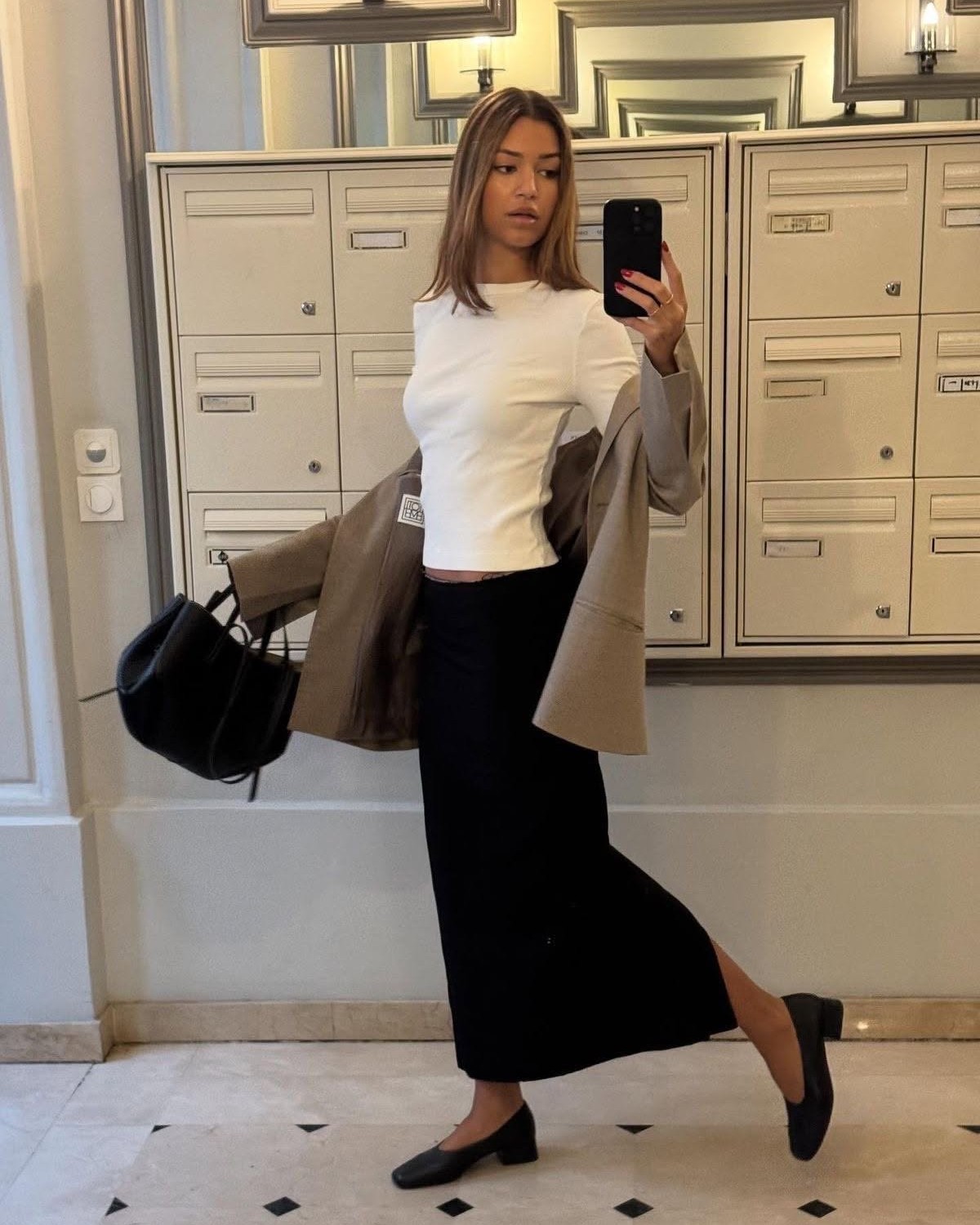
How to Build a Work Wardrobe From Clothes You Own
The white shirt and black trousers
In 2015, Matilda Kahl, an art director at Saatchi & Saatchi in New York, wrote in Harper's Bazaar about the work uniform she had worn every day for years: a white silk shirt and black trousers. She described it as a way of removing one decision from her mornings, and the piece went everywhere, partly because so many women recognized the problem.
Confession #1: I have never managed a true uniform. But I do have a work wardrobe, and when I finally looked at it properly, it turned out to be about twelve pieces doing nearly all the work. The rest of my closet was weekend clothes and good intentions.
Most people already have a work wardrobe hiding in their closet. The trouble is it is mixed in with everything else, so every Monday morning you rebuild it from scratch.
Find the work pieces you own
Start by getting the whole closet in one place. Phia does this automatically. Connect Gmail and it reads retailer order confirmations, receipts and shipping emails, turning each purchase into a closet item with its photo, brand, size and color. Instant camera roll sync adds clothes you have already photographed, and checkouts through the Phia extension land in the closet on their own.
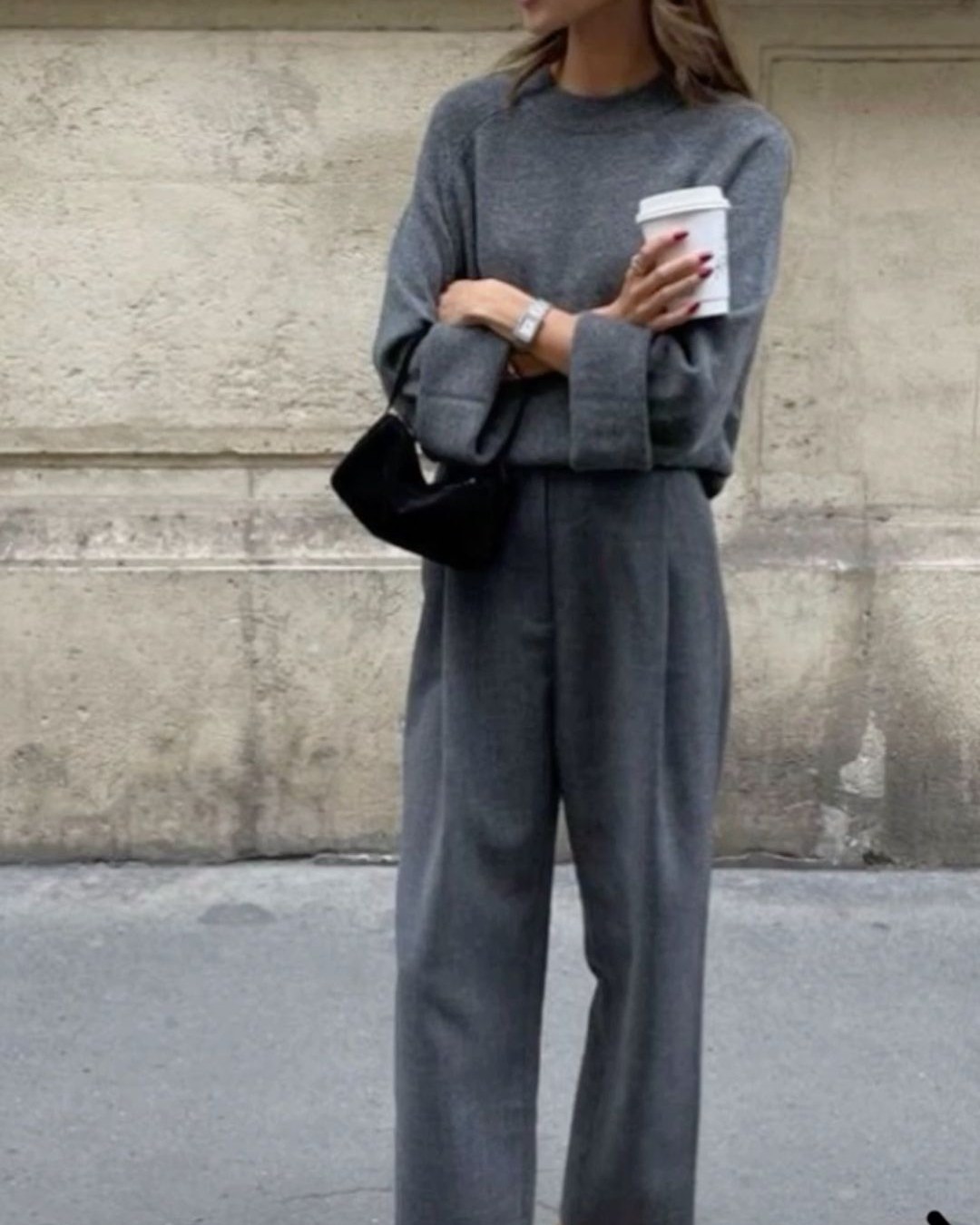
Then pull the work wardrobe out of it. In the Collections tab, create a Category collection called Workwear and save the pieces you actually wear to work. You can save any item to a collection straight from its page. Phia also suggests a Professional Power collection under Suggested for You, which is a good starting point to edit.
A practical test: if a piece has not been to the office in three months, leave it out. A work wardrobe is the clothes you wear to work, not the ones you bought for it.
Read your work style back
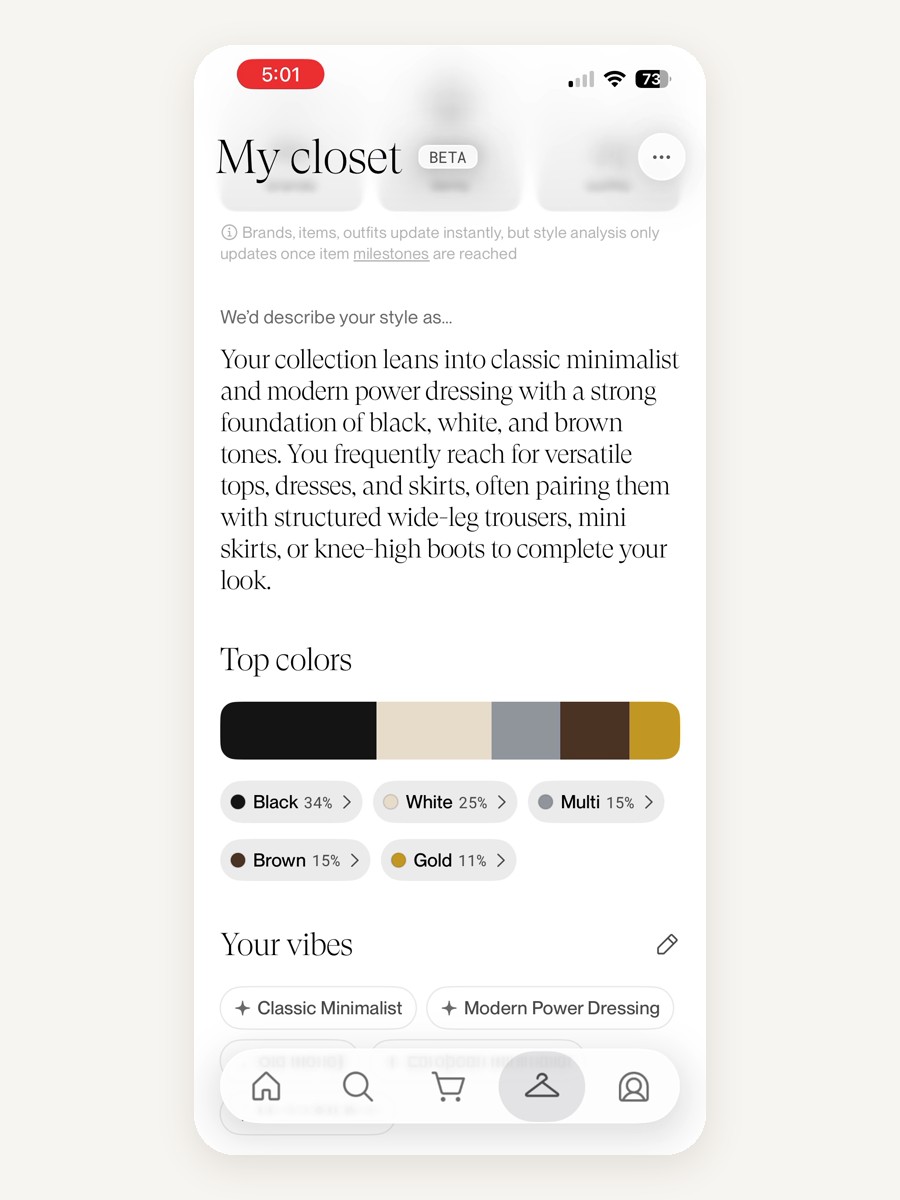
Phia's Style analysis is useful for a work wardrobe in a quiet way. It writes a short description of your style from your closet and lists your top colors with percentages, your vibes, like Classic Minimalist or European Minimalist, and your top brands.
Most work wardrobes run on two or three colors. Seeing them as numbers makes it obvious which new pieces will mix in and which will sit alone. If your closet is forty percent navy, a navy-friendly blouse is worth more than a beautiful rust one, at least for work.
You can add Styling rules there too, up to ten rules you swear by. For work mine include no logos and always a third piece, like a blazer or a cardigan. Phia keeps them in mind when it suggests outfits. What I would skip: rules borrowed from old office dress codes you do not actually work under.
Mornings on autopilot
This is where a work wardrobe starts saving time. In Phia's For you tab, Styled by Phia sends a new outfit idea every day once you have added five tops and five bottoms, and if you add your city, the outfit of the day can factor in your local weather. Ideas come with names like Fall Errands, a cream jacket, black trousers, tote and boots.
For a big presentation, Style from one item builds a full outfit around the piece you want to wear, and Generate outfit builds several complete looks from scratch. Suggested outfits for you sit at the top of the Outfits tab, ready to save.
It is not quite Kahl's uniform, but it captures the best part of one. The decision is mostly made before you are properly awake. I wrote about the daily side in more detail in Choosing an Outfit Planner App You Will Actually Open.

Add the one piece that multiplies
Once you can see your work wardrobe clearly, the gaps are obvious. Usually it is one piece that would multiply everything else, a better pair of black trousers or a blazer that goes with all your tops.
Phia is a shopping assistant first, so when you buy that piece, it compares prices across more than 220,000 sites, new and secondhand, and applies coupons at checkout. The new piece lands in your closet and starts appearing in outfits straight away.
To try it, download the free Phia app, connect Gmail and let the closet fill, then create a Workwear collection. On a laptop, the Chrome extension handles the price check while you shop at your desk. A white shirt and black trousers is still a very good place to start.