To choose a blazer that fits, begin with the shoulder seam.
How To Choose A Blazer That Fits
Start with the shoulder and sleeve
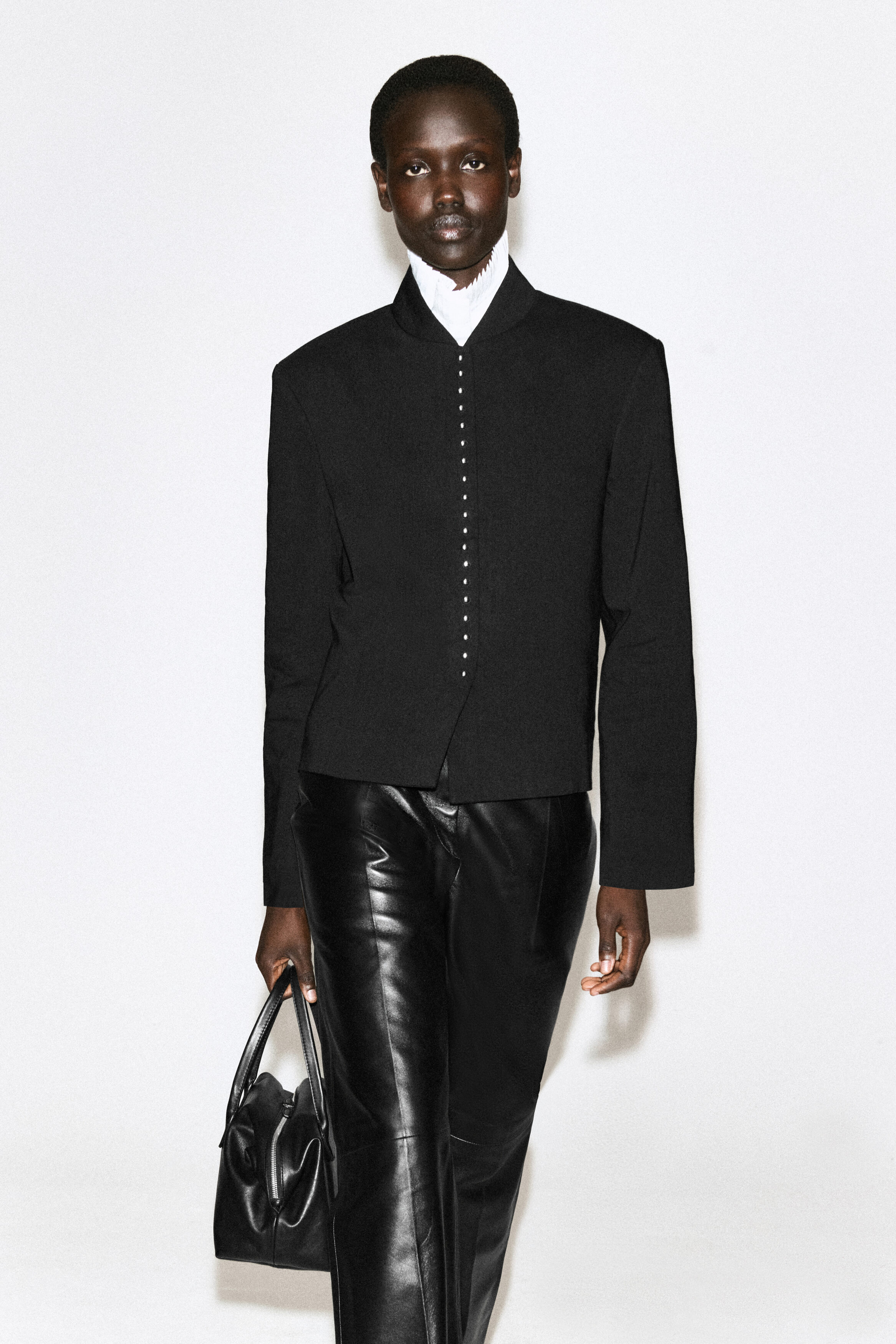
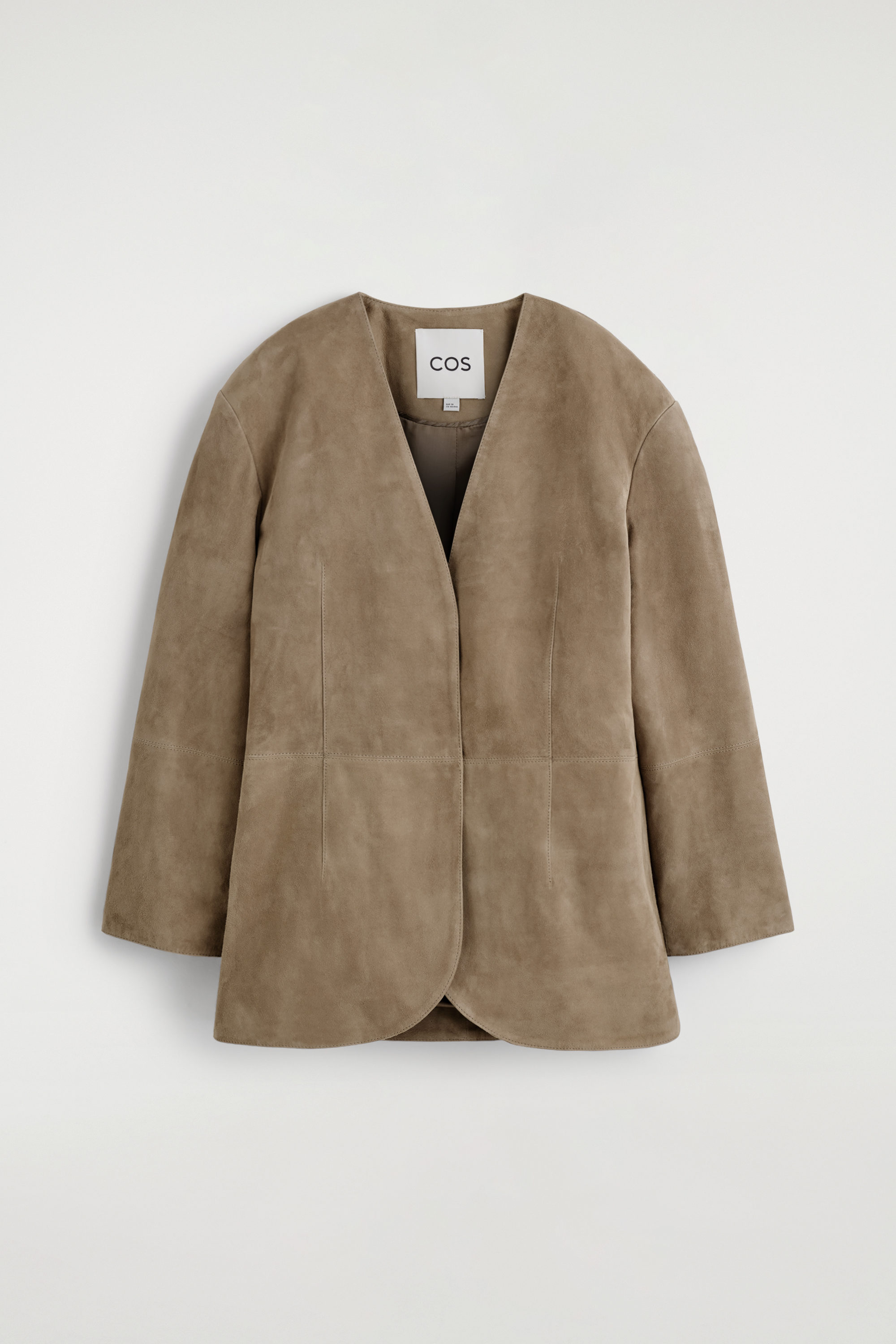
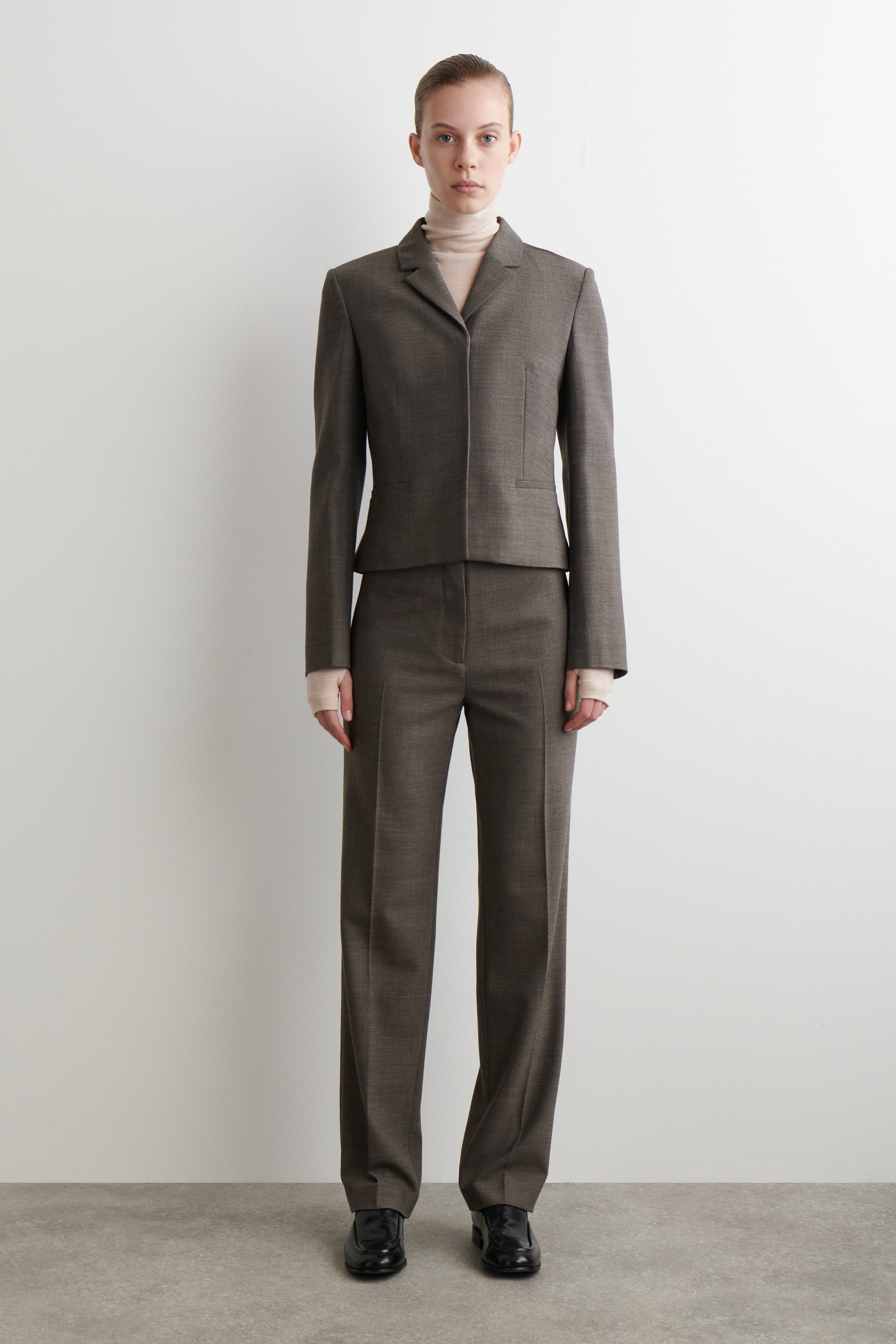
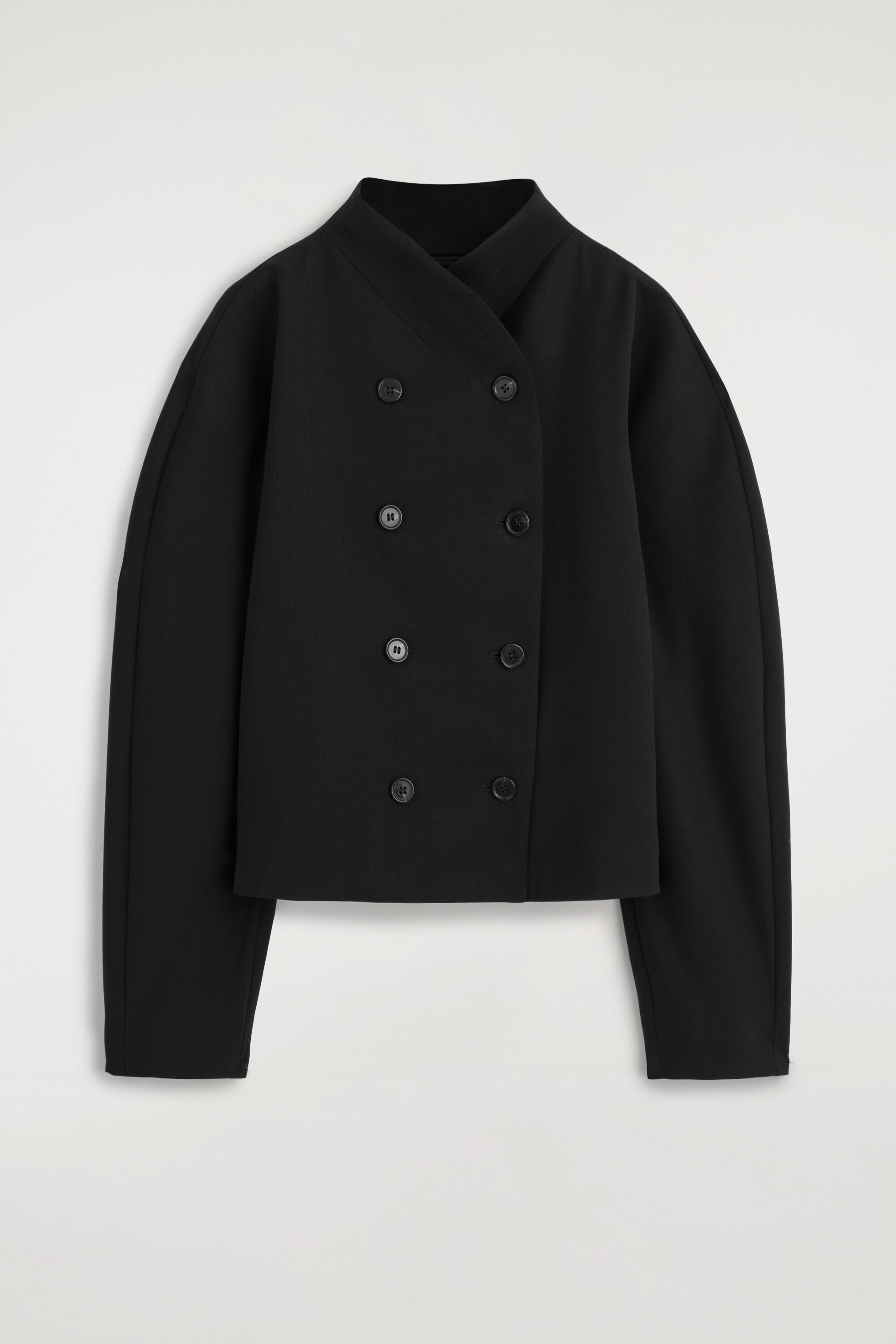
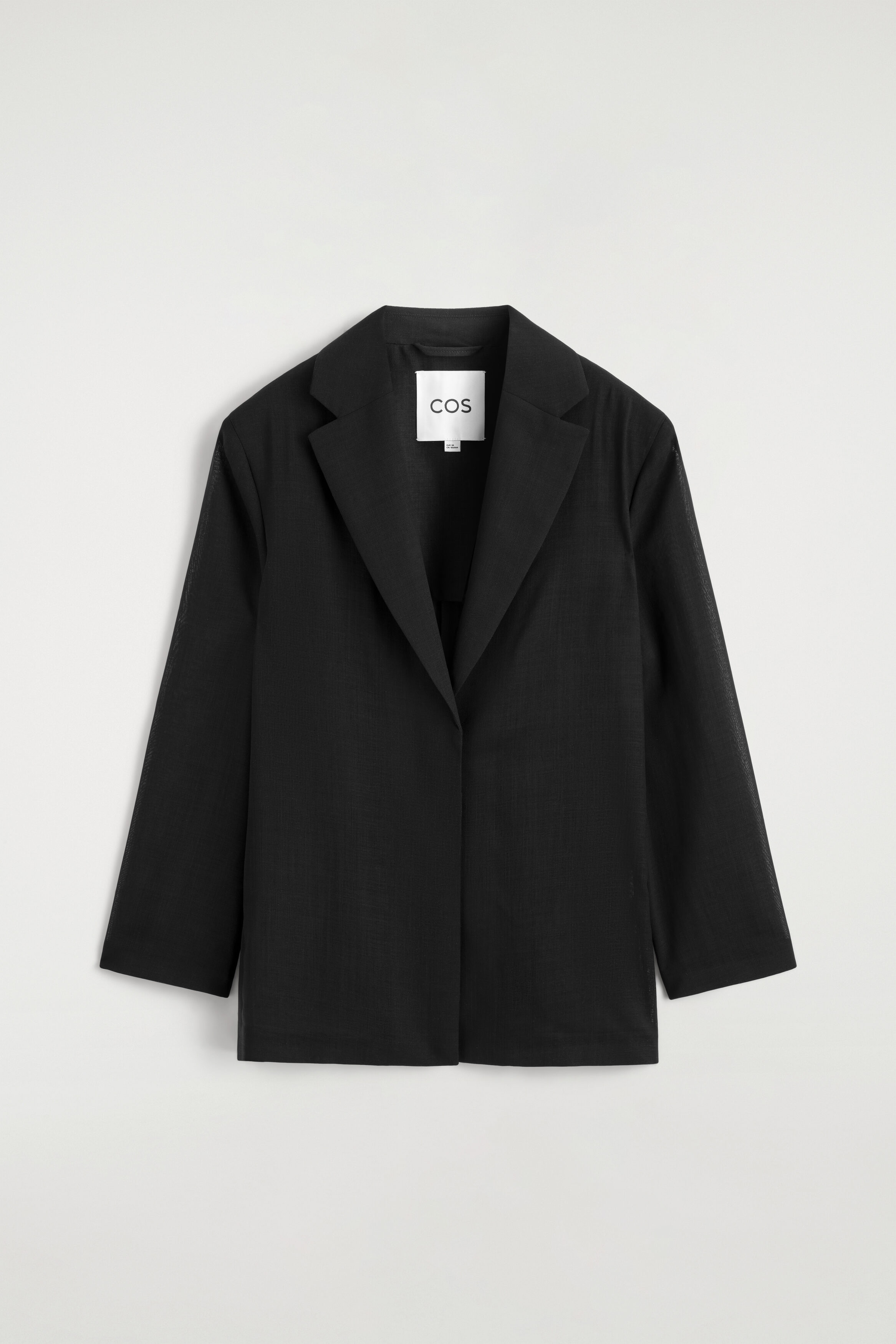
To choose a blazer that fits, begin with the shoulder seam. It should sit close to the point of your shoulder without pulling across the back or falling noticeably down the arm. Next, check the sleeve. With your arms relaxed, the cuff should finish where it feels intentional, and you should be able to bend your elbow without the fabric gripping. Fasten the blazer if it has buttons. The front should close without a sharp horizontal pull, while the lapels or collar should lie flat. A little ease through the waist is useful if you plan to wear a shirt or fine knit beneath it. COS has several silhouettes, from the compact Stud-detail Cropped Linen Blazer to the more shaped Slim Waisted Wool Blazer. A collarless suede style changes the feel without adding a traditional lapel. Try each style with the kind of top you expect to wear most. Fit is not just a measurement at the chest. It is the relationship between the shoulder, armhole, sleeve, and body, and those points should feel comfortable together when you move.
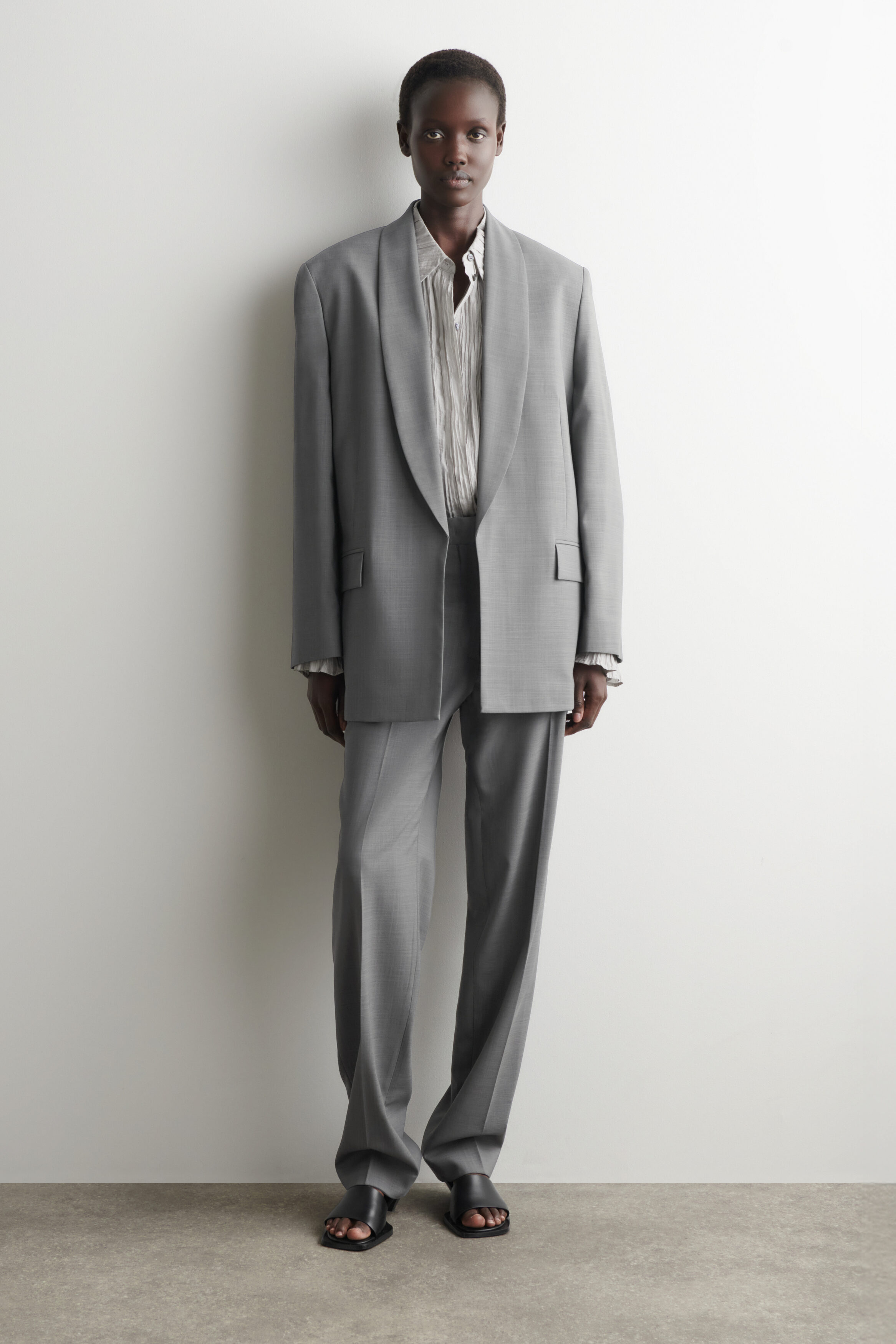
Let proportion guide your pairing
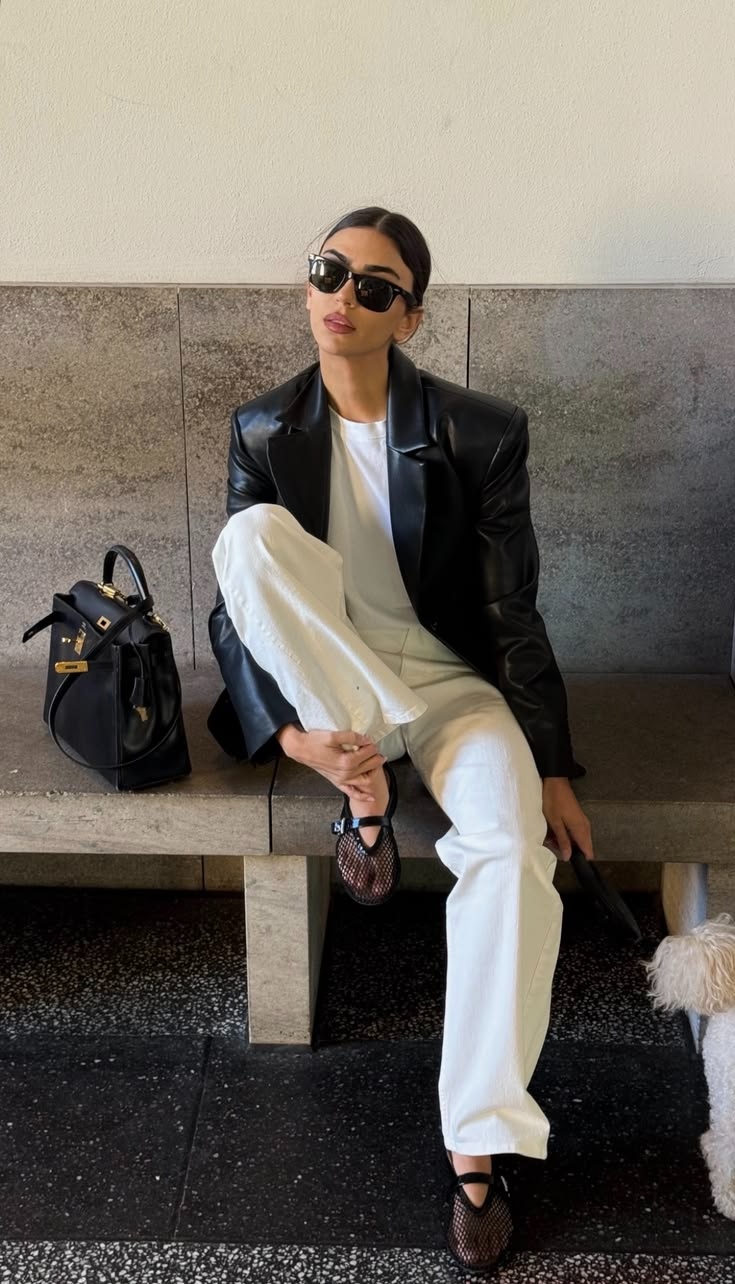
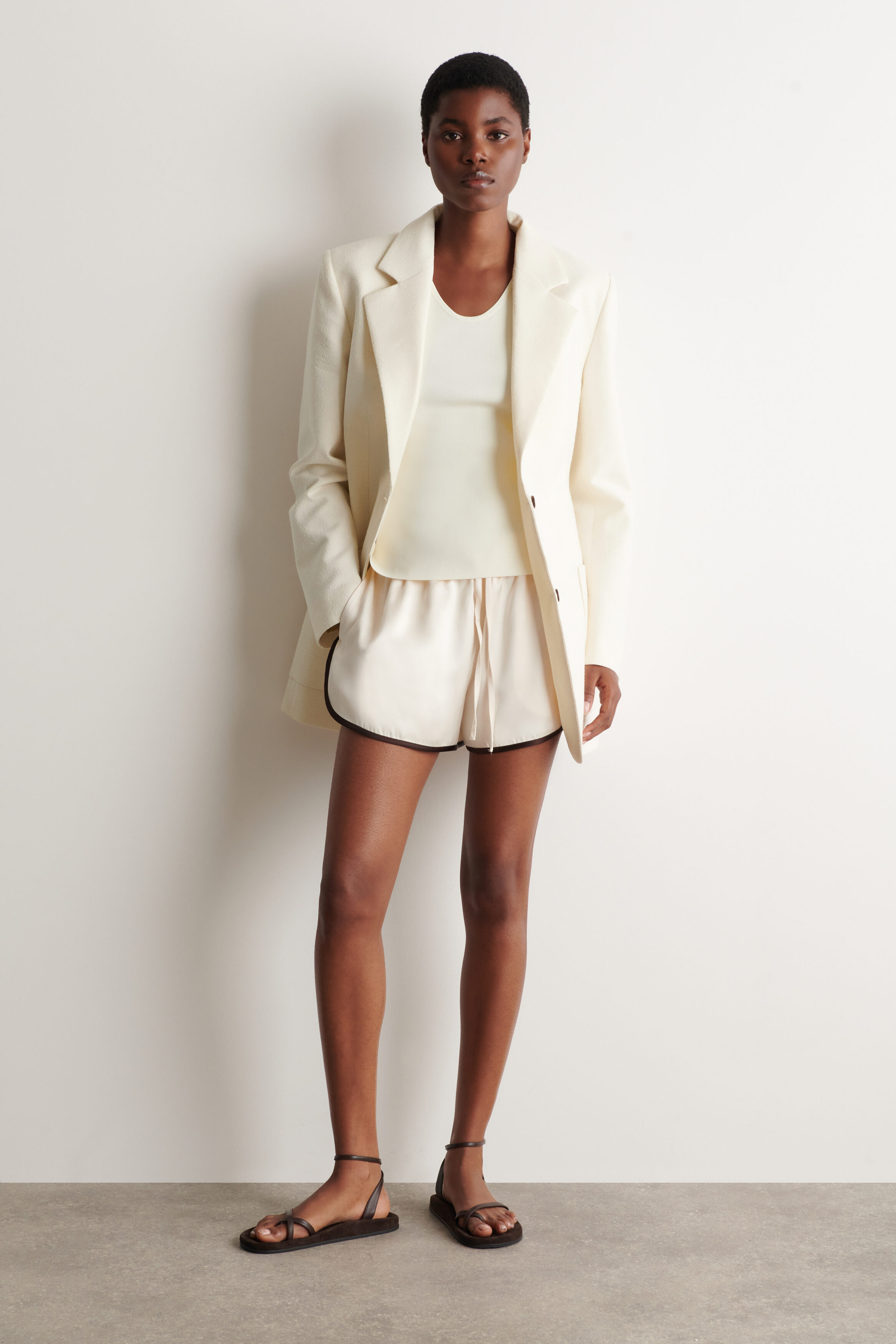
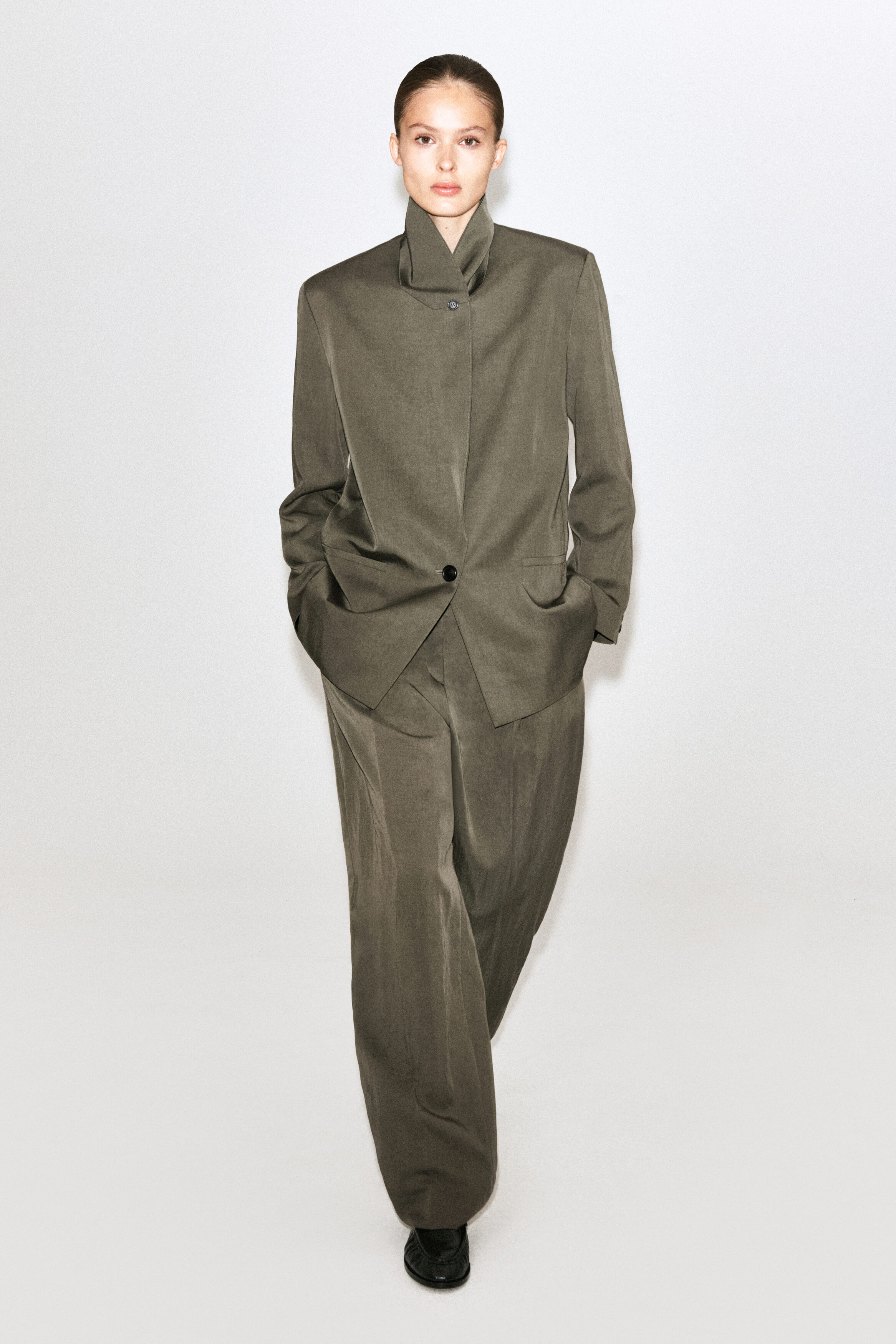
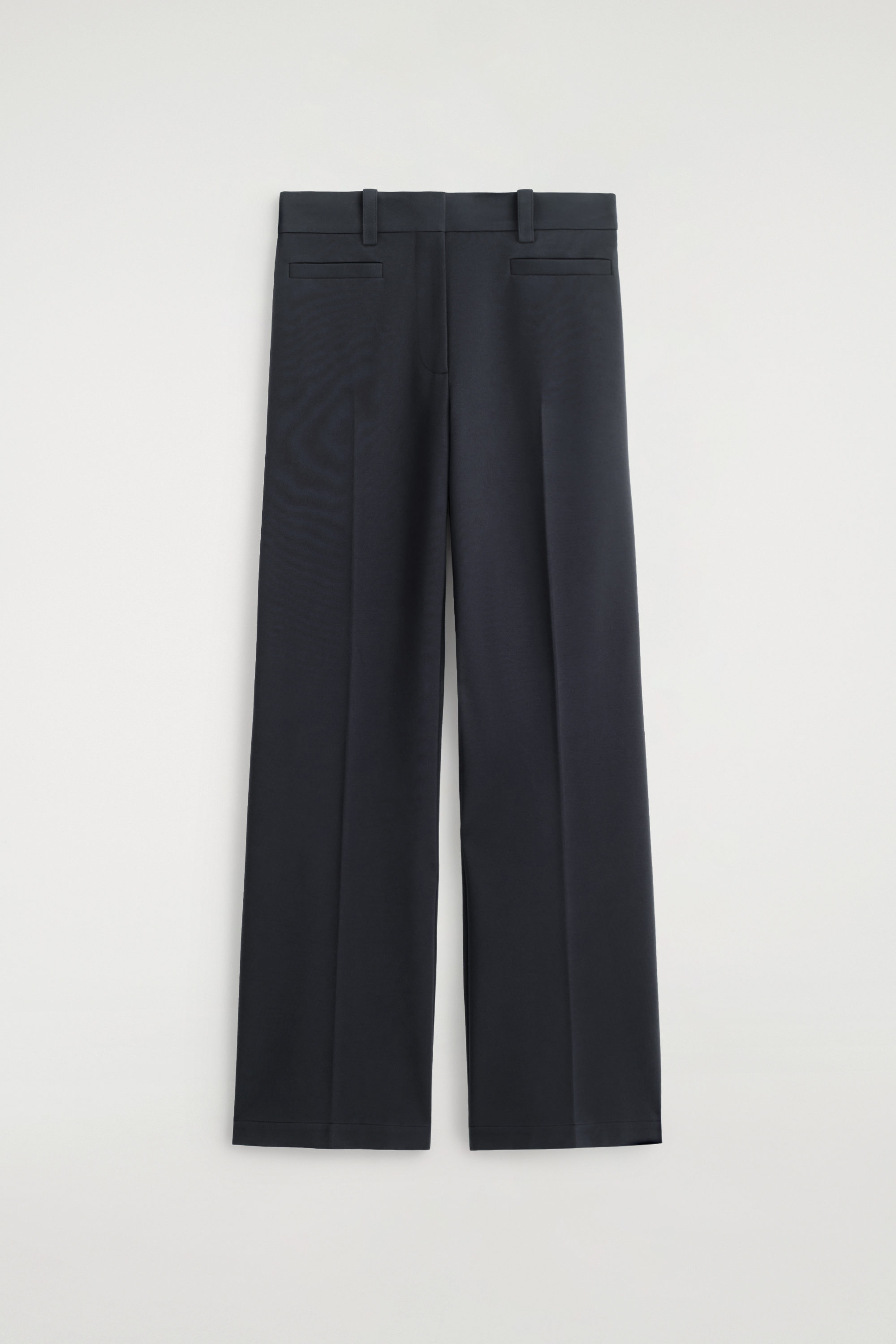
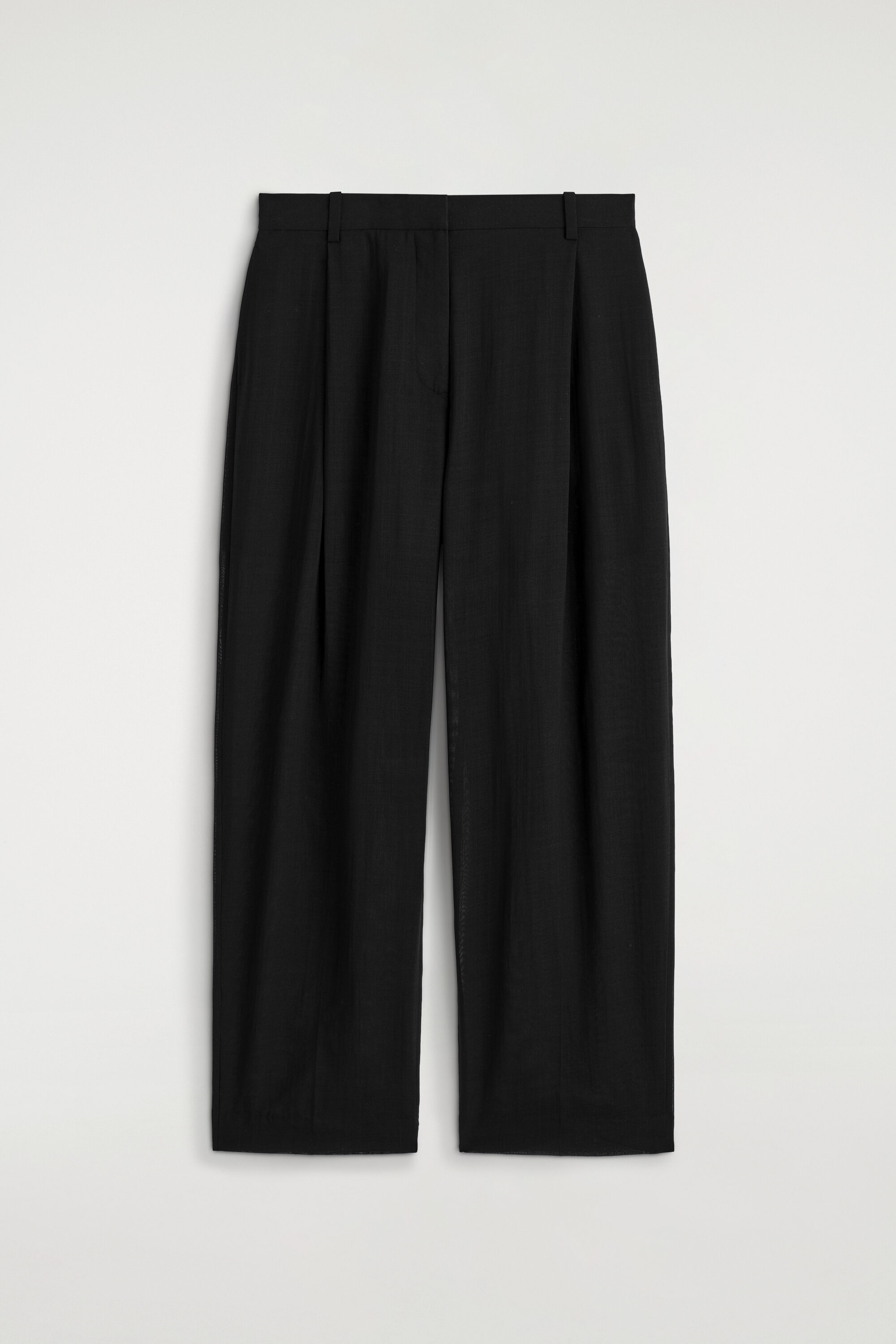
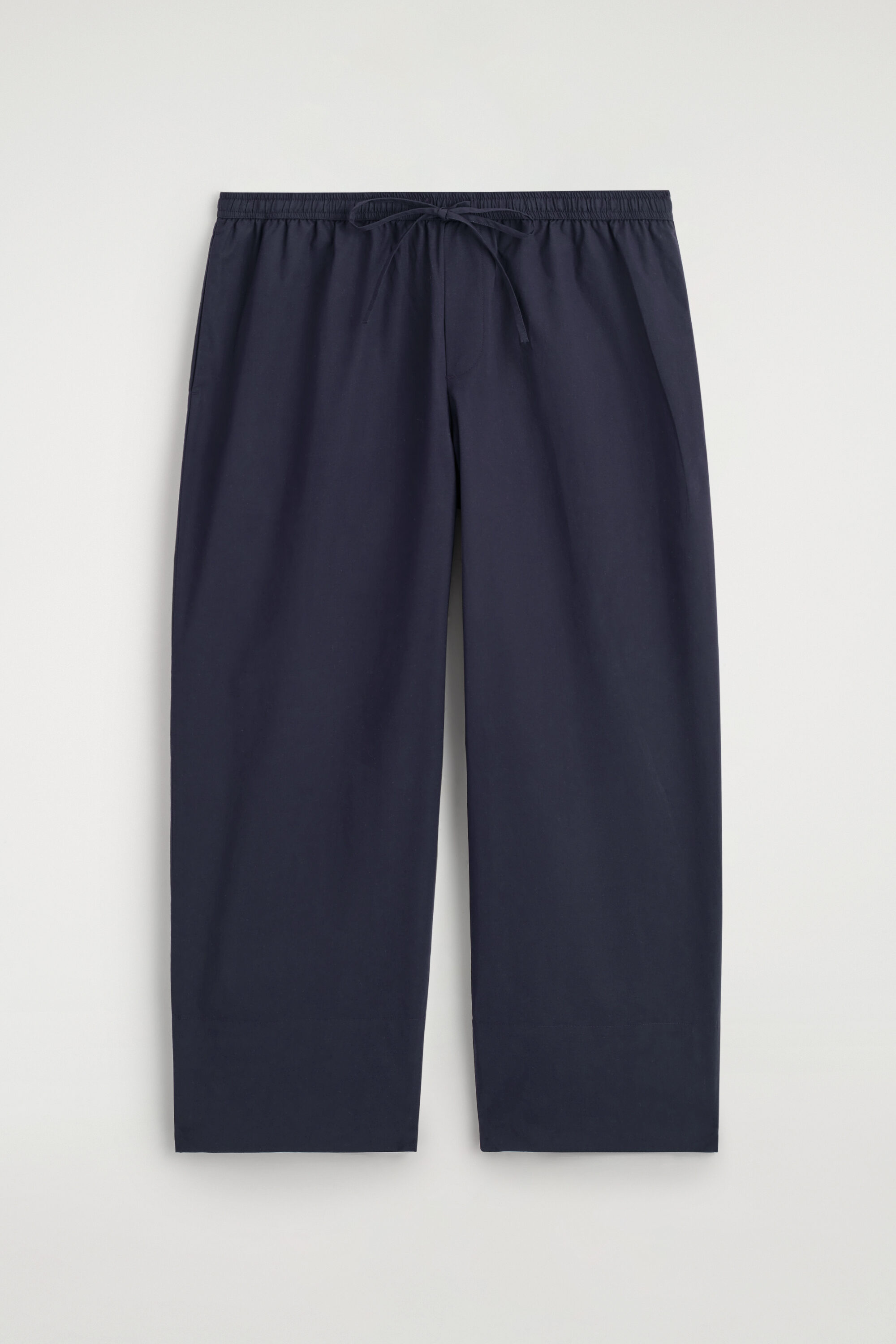
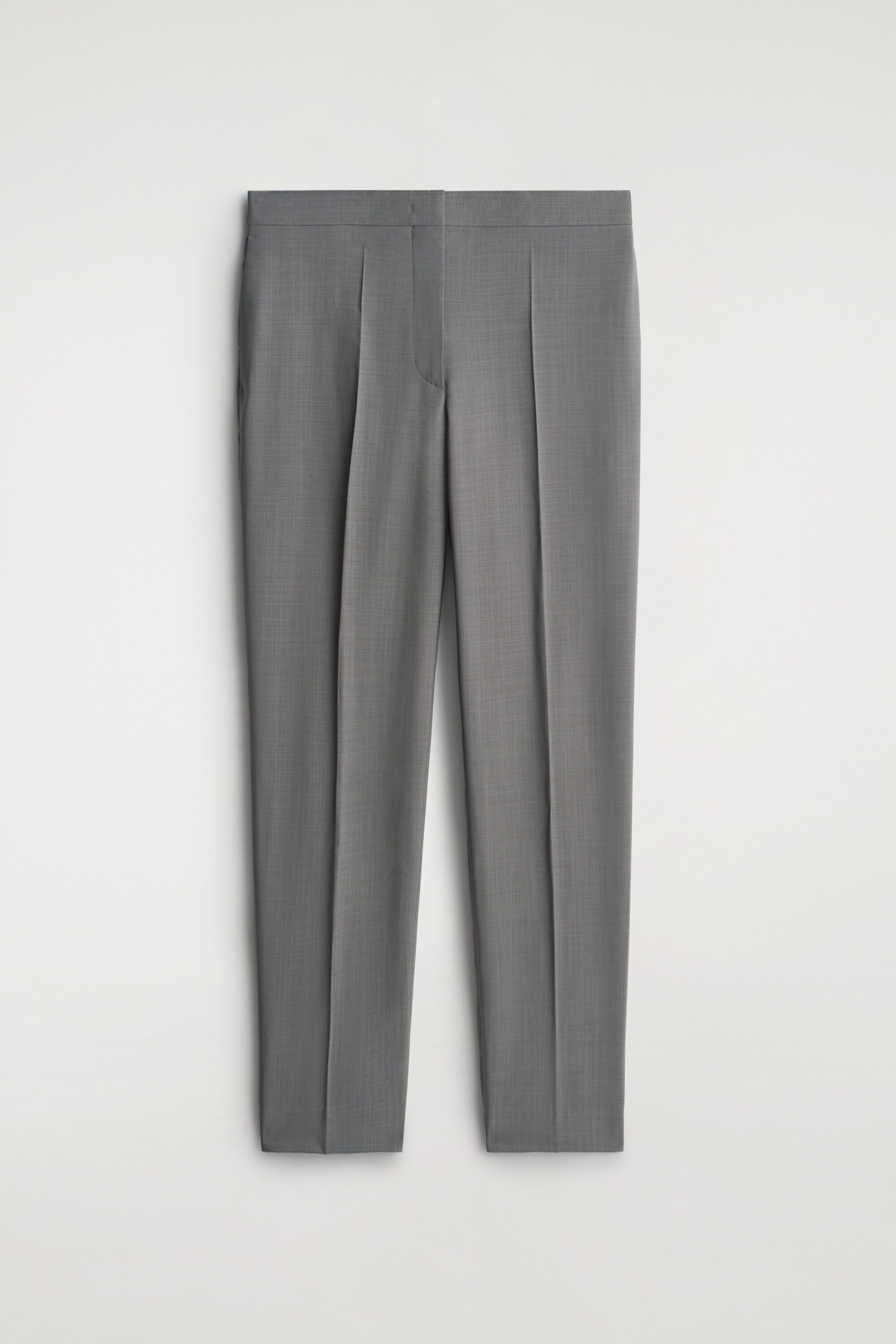
Once the upper fit feels right, consider the blazer's length and volume alongside the clothes below it. A cropped style can work neatly with high-waisted trousers or a skirt, while a longer, fluid shape may need a simpler base to keep the outline clear. The Milano Straight-leg Pants continue a clean vertical line, while a fluid wool trouser creates a softer effect. For a more relaxed outfit, a cotton drawstring trouser introduces ease at the waist without losing a straight leg. The price range for the trouser selection is $99 to $249, so the choice can be guided by fabric and use as much as cost. Look at the hem of the blazer when your arms hang naturally. It should not catch awkwardly on the widest part of your hips unless that is the intended shape. If the jacket is roomy, balance it with a straighter or cleaner trouser. If it is close to the body, a wider leg can add movement. A mirror view from the side is especially helpful because it reveals whether the back pulls or the hem lifts.
Choose a shirt for the space
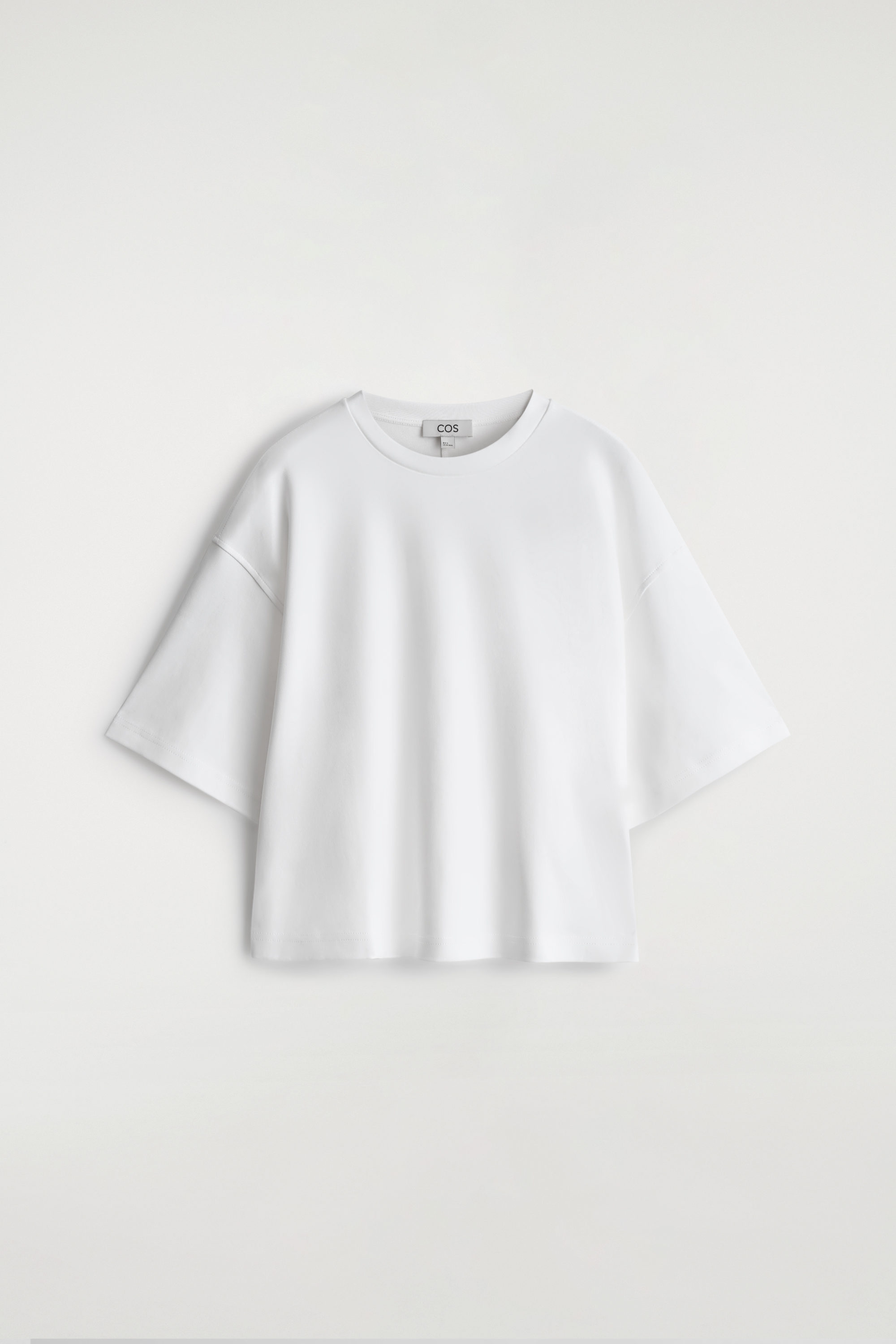
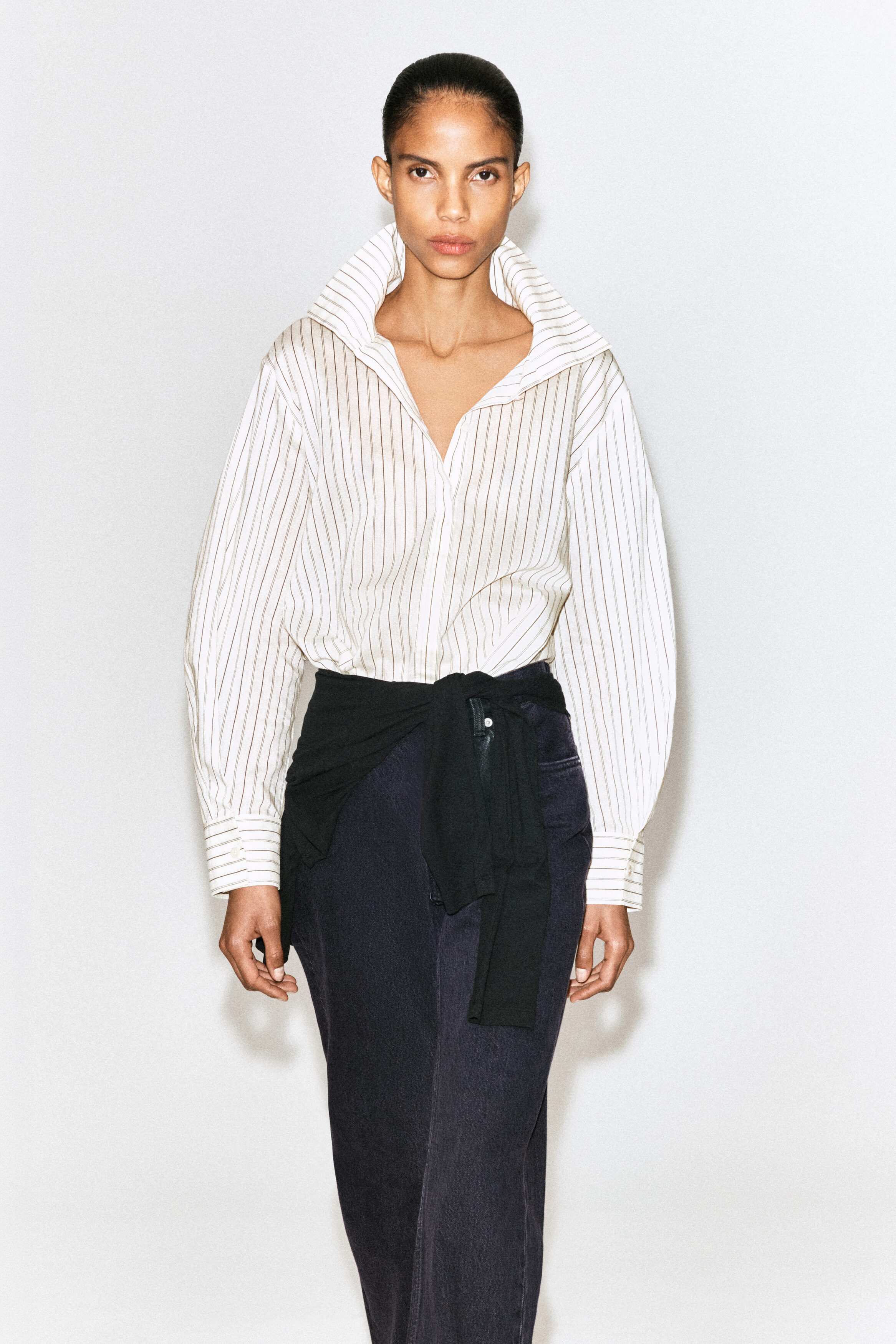
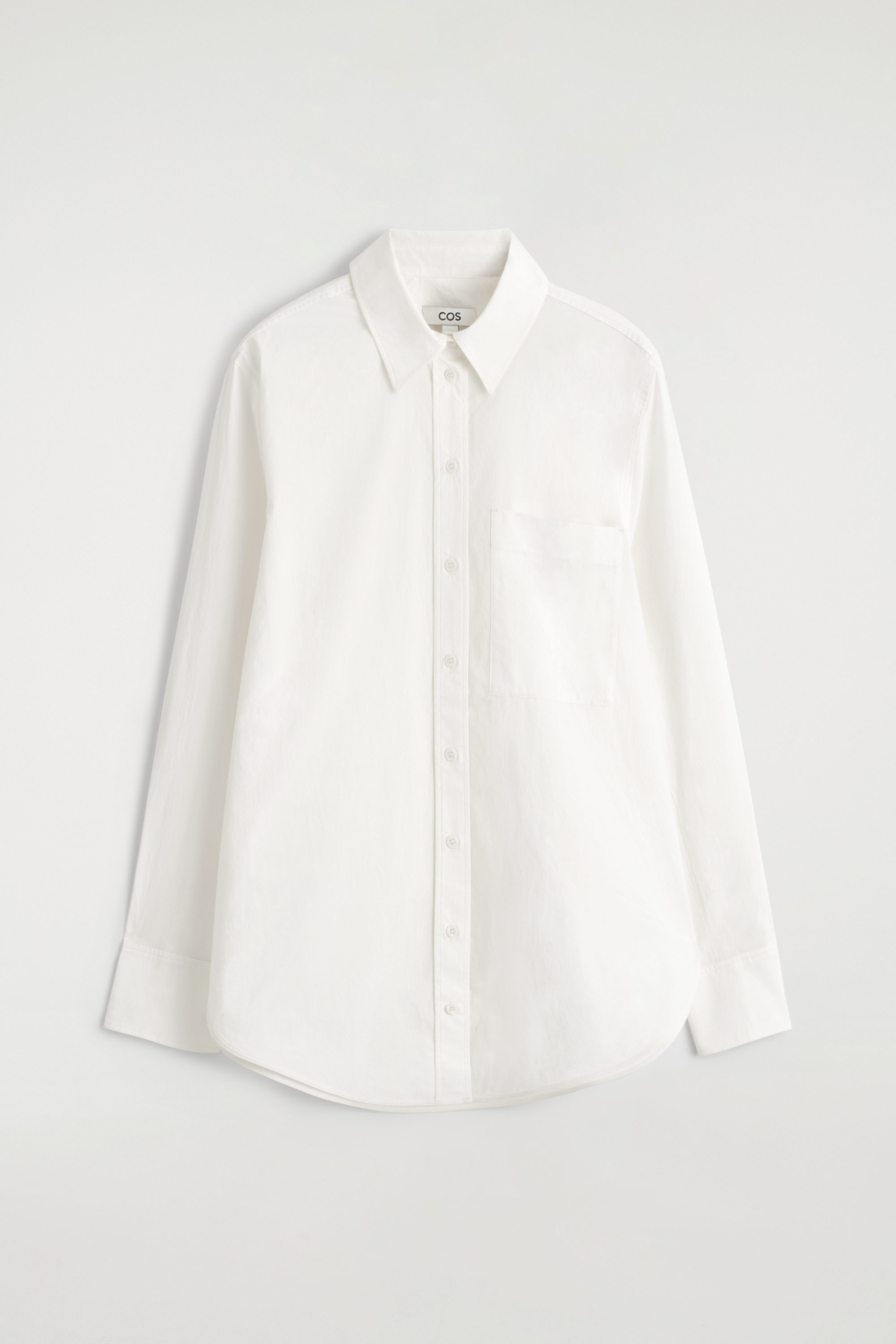
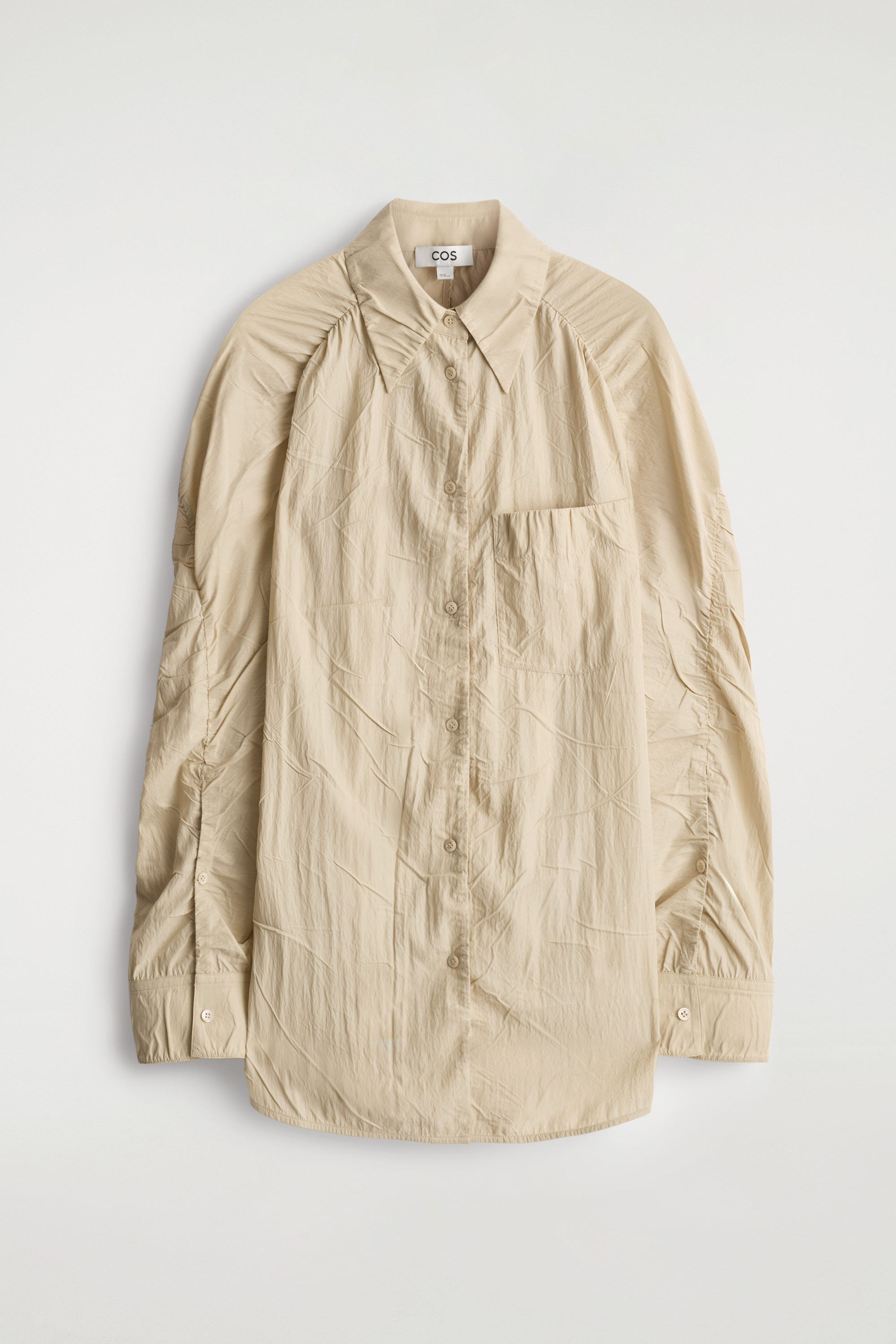
The layer beneath a blazer affects comfort, neckline, and the amount of structure visible at the front. A T-shirt gives the most relaxed result and can make a tailored jacket feel less formal. The Oversized Boxy Cotton T-shirt has a generous shape, so it works best under a blazer with enough room through the armhole and body. For a sharper line, choose a shirt with a collar or a high neckline. A striped cotton-silk shirt brings pattern and a raised finish, while a tailored cotton shirt keeps the surface smoother and more contained. Silk can add movement and a little sheen when you want texture without a heavy layer. Pay attention to the shoulder seams of the shirt as well as the blazer. Two structured seams stacked directly on top of each other may feel restrictive. A relaxed shirt can sit more comfortably under a shaped jacket, and a neater shirt can support a softer blazer. Leave enough room to reach forward and lift your arms, because a jacket that looks right while standing still may feel wrong at a desk or on the move.
Our honest take
We think a good blazer earns its place through fit and repeat wear, not through formality alone. Start with the shoulder and make sure the jacket works with the layer beneath it. Then decide whether you want a close waist, a cropped hem, or more room through the body. COS's range makes those differences visible across linen, wool, suede, and fluid fabrics, with prices from $189 to $479 for the blazers here. A familiar trouser and a simple shirt can help you judge the jacket clearly. If you take one thing away, choose the blazer that lets you move comfortably while keeping the shoulder line and front closure neat.
Shop brands in this edit

Next read
Secondhand Louis Vuitton Damier Ebene Or Damier Azur
Damier Ebene and Damier Azur are the same coated canvas in two colourways, and the secondhand market treats them as two different products.
Read Editorial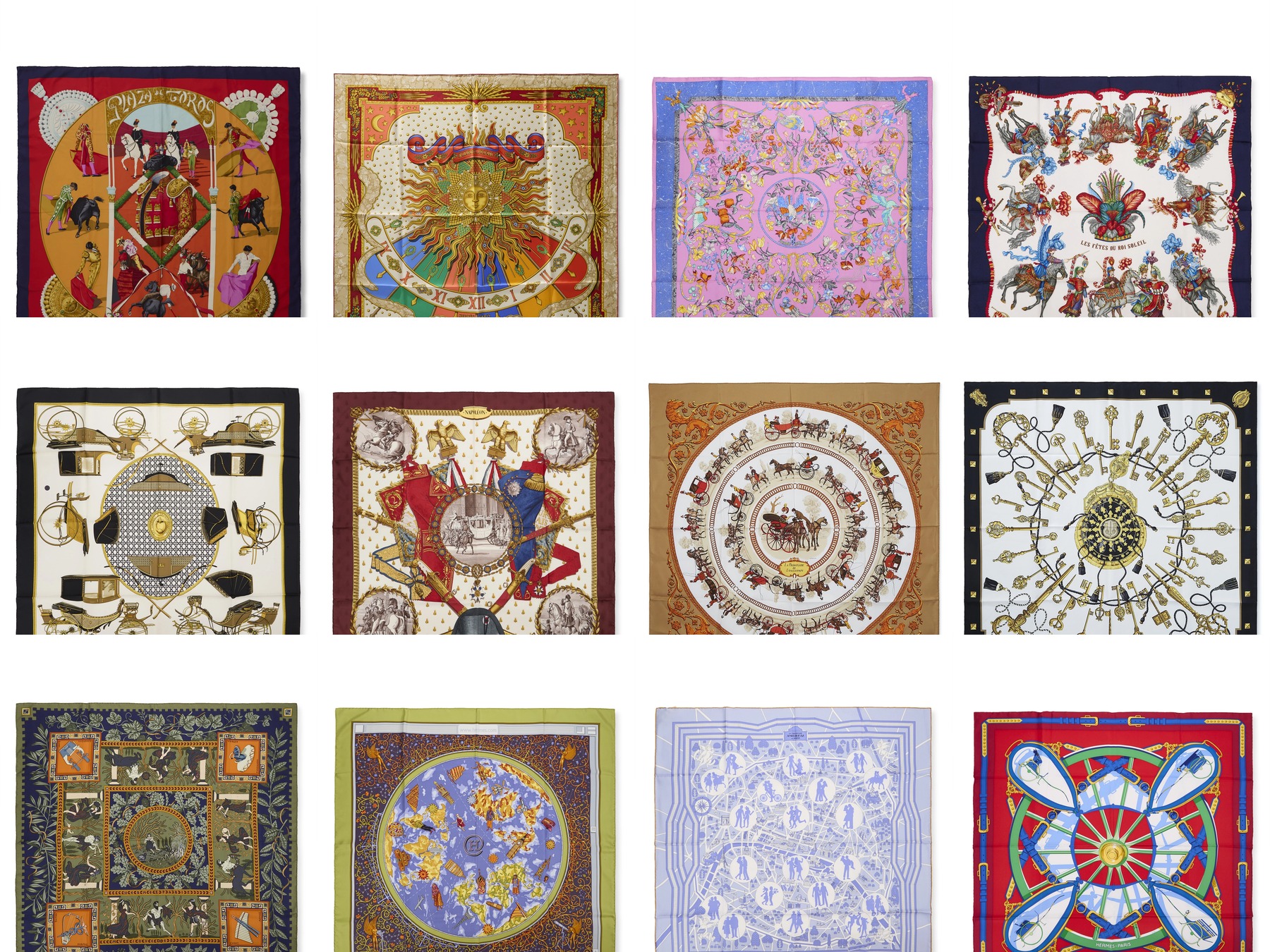
Secondhand Silk My Favs
My sixteen selects of scarves below are all ninety centimetre squares, split into two price bands