An accent chair has to do a job before it does anything decorative. A practical way to choose one, from swivel bases to cane frames.
How To Choose An Accent Chair
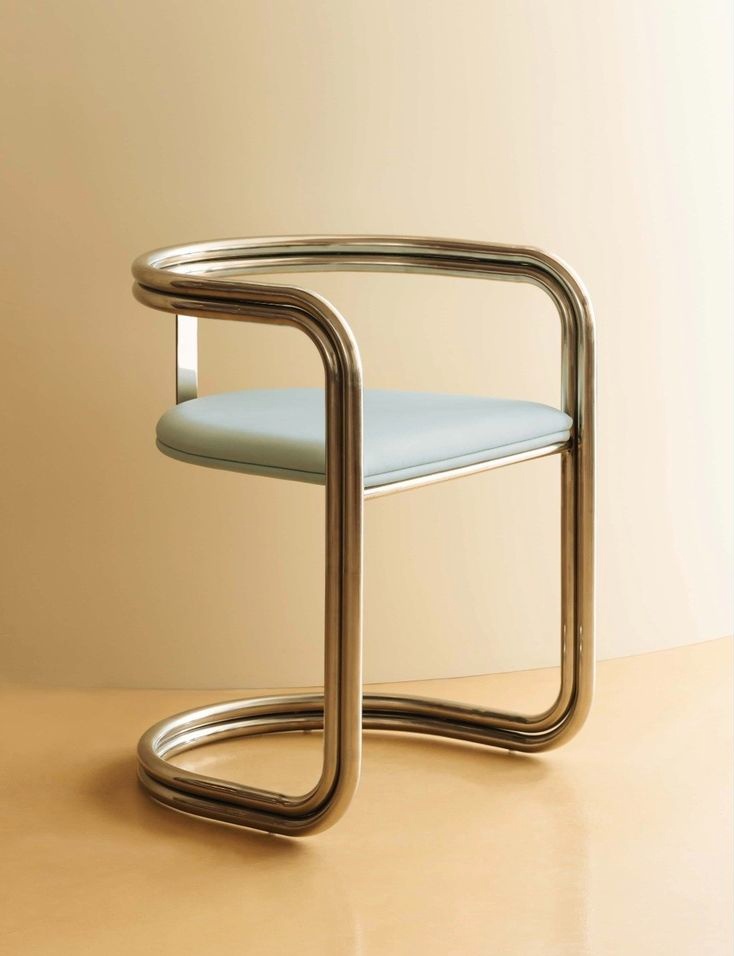
Decide what the chair is for before you look at one
An accent chair is asked to do one of about four jobs, and the job should narrow the search before any styling does. It is either a real reading seat, a spare seat that gets pulled towards the sofa when people visit, a swivel that lets one person face either the television or the room, or a shape that fills a corner and mostly gets looked at. Those are different chairs. A deep lounge chair with a low back is comfortable for an hour with a book and useless as a conversation seat, because you cannot sit up in it. A compact slipper chair or a cane framed armchair is easy to move and easy to sit upright in, which is what you want for a spare seat. Be honest about which one you need. Most rooms that feel wrong have a chair doing the opposite job from the one the room requires.
Swivel chairs, for rooms with more than one focal point

Kris 29.33" Boucle Accent Chair
TOV Furniture
$723.75
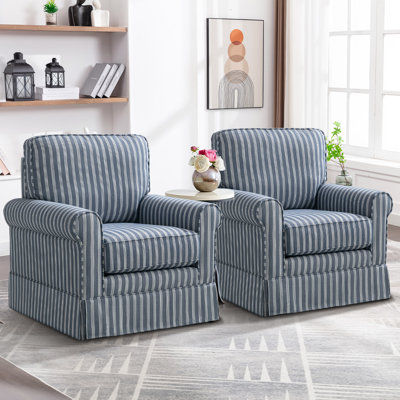
Eilzabeth 33" W Modern Soft Wide Upholstered Striped Swivel Arm Accent Chair
Wayfair
$560
Kris 29.33" Boucle Accent Chair
TOV Furniture
$723.75

Crandell Top Grain 100% Genuine Italian Leather Swivel Barrel Chair
Wayfair
$499.99
Kris 29.33" Boucle Accent Chair
TOV Furniture
$723.75
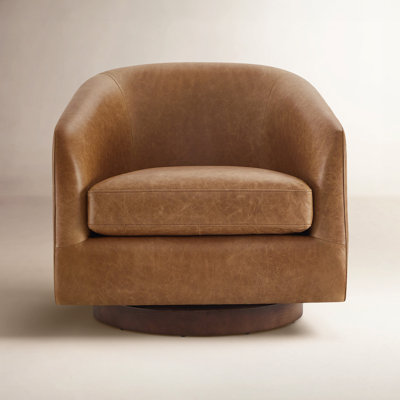
Bennett Genuine Leather Swivel Barrel Chair
Wayfair
$1,199
Kris 29.33" Boucle Accent Chair
TOV Furniture
$723.75
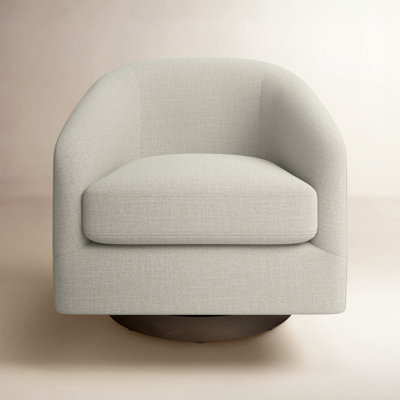
Bennett Upholstered Swivel Barrel Chair
Wayfair
$679
Swivel, wood frame, or fully upholstered
A swivel base earns its keep in rooms with more than one focal point, which is most modern living rooms: a screen on one wall, a window or fireplace on another. Instead of committing the chair to one direction, a swivel lets the person sitting in it choose. Look for a return mechanism if you dislike the chair drifting off axis. Wood frame and cane chairs read lighter because you can see through and under them, which matters in a small room where a solid upholstered block would visually take the floor. They are also easier to lift. Fully upholstered barrel, slipper and club chairs give the most comfort per square foot and hide their structure, so they anchor a room and make it feel finished. The trade off is weight, and the fact that a solid mass of fabric shows every mark on the arms first.
Wood frame and cane chairs
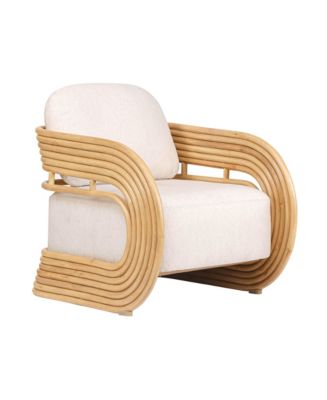
Lauretta Rattan Accent Chair
TOV Furniture
$899

Miera Polyester Blend Upholstered Mindi Wood Accent Chair w/ Rattan Accents
Wayfair
$1,755
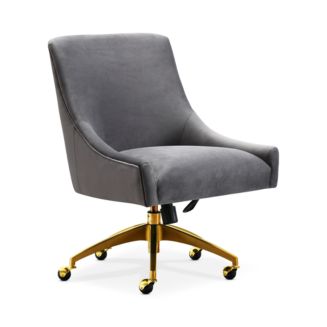
Beatrix Office Swivel Chair
TOV Furniture
$575

Allium Way Adonica Oak Cane Wingback Linen Accent Chair
Wayfair
$1,550.25

Upholstered Burlap Accent Chair With Wooden Legs And Rattan Arms
Wayfair
$197.99

Salma 29.5" Wide Solid Wood Frame Upholstered Mid Century Modern Retro Accent Chair
Wayfair
$146.99
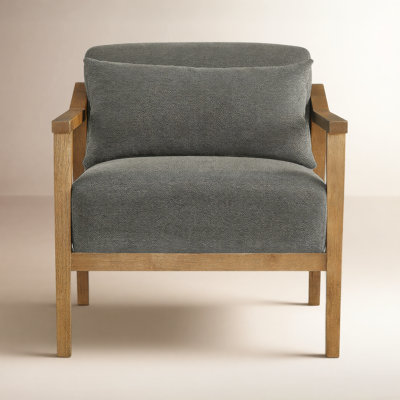
Copperleaf Rayn Solid Wood Upholstered Accent Chair
Wayfair
$599
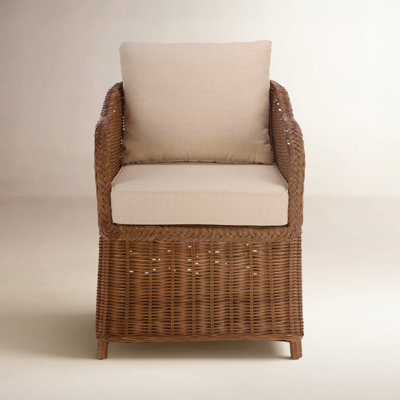
Moline Nikolina Rattan Accent Chair
Wayfair
$549
The measurements that predict comfort
Three numbers tell you more than any photograph. Seat depth around 20 to 22 inches suits most people for upright sitting, while anything past 24 inches needs a cushion behind you or it turns into a slouch. Seat height around 17 to 19 inches lets most adults put their feet flat, which is the difference between getting out of a chair easily and levering yourself out of it. Overall width tells you whether it fits the gap you have, and arms are what quietly eat the extra inches. Then check the back. A wing or a high back gives head support and blocks sight lines, so it suits a corner. A low barrel back keeps a room open and works better beside a window. Finally, look at the leg. A visible slim leg lets light under the chair. A skirted or fully upholstered base makes the chair look heavier and larger than its footprint.
Fully upholstered barrel, slipper and club chairs
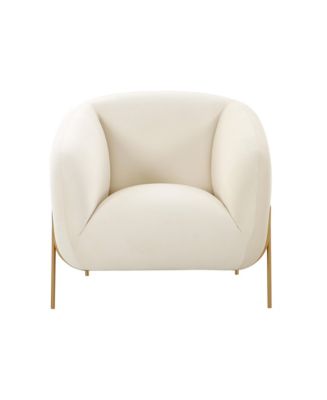
Kandra Accent Chair
TOV Furniture
$899
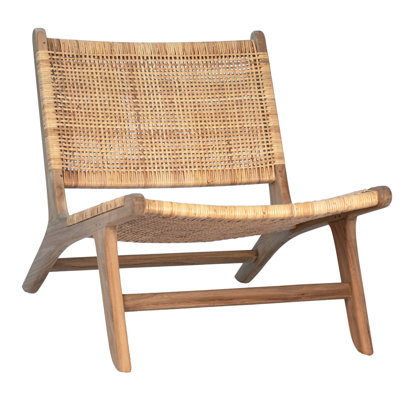
Accent Chair
Wayfair
$767
Kandra Accent Chair
TOV Furniture
$899
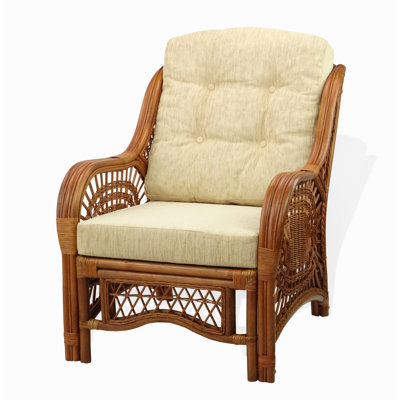
Utterback Upholstered Armchair
Wayfair
$319.99
Kandra Accent Chair
TOV Furniture
$899
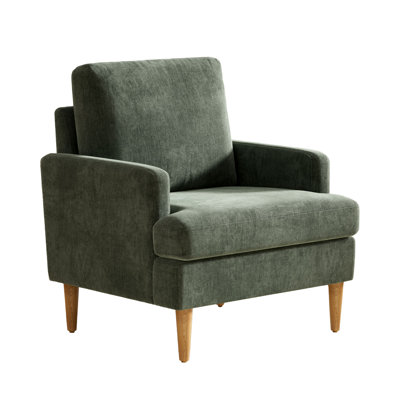
Upholstered Armchair with Square Arms
Wayfair
$192.99
Kandra Accent Chair
TOV Furniture
$899

29" Wide Traditional Plaid Upholstered Armchair With Solid Wood Legs
Wayfair
$330
Our honest take
If you take one thing away, buy for the job, then check three numbers, then worry about the fabric. We see far more regret about depth and height than about colour, because a chair that is uncomfortable gets quietly abandoned no matter how good it looks. A swivel is the single most useful feature in a room where seating has to face two ways, and it is the feature people are most surprised by once they live with it. Two practical notes. Measure the door and the turn on your stairs before ordering anything with a wide fixed back, since accent chairs are often the piece that will not go around a corner. And if the chair is going to be the only pale thing in a room with a dog or a toddler, choose a tight performance weave over an open loop, or choose a different colour and keep the shape you wanted.
Shop brands in this edit

Next read
Secondhand Louis Vuitton Damier Ebene Or Damier Azur
Damier Ebene and Damier Azur are the same coated canvas in two colourways, and the secondhand market treats them as two different products.
Read Editorial
Secondhand Silk My Favs
My sixteen selects of scarves below are all ninety centimetre squares, split into two price bands