Learning how to clean makeup brushes properly comes down to a few habits dermatologists actually recommend, not a deep scrub every night. The American Academy of Dermatology says brushes need washing every 7 to 10 days to keep bacteria from building up, and the method matters as much as the schedule. Here is the routine, plus the cleansers, mats and tools that make it easier.
How To Clean Makeup Brushes Without Wrecking Them
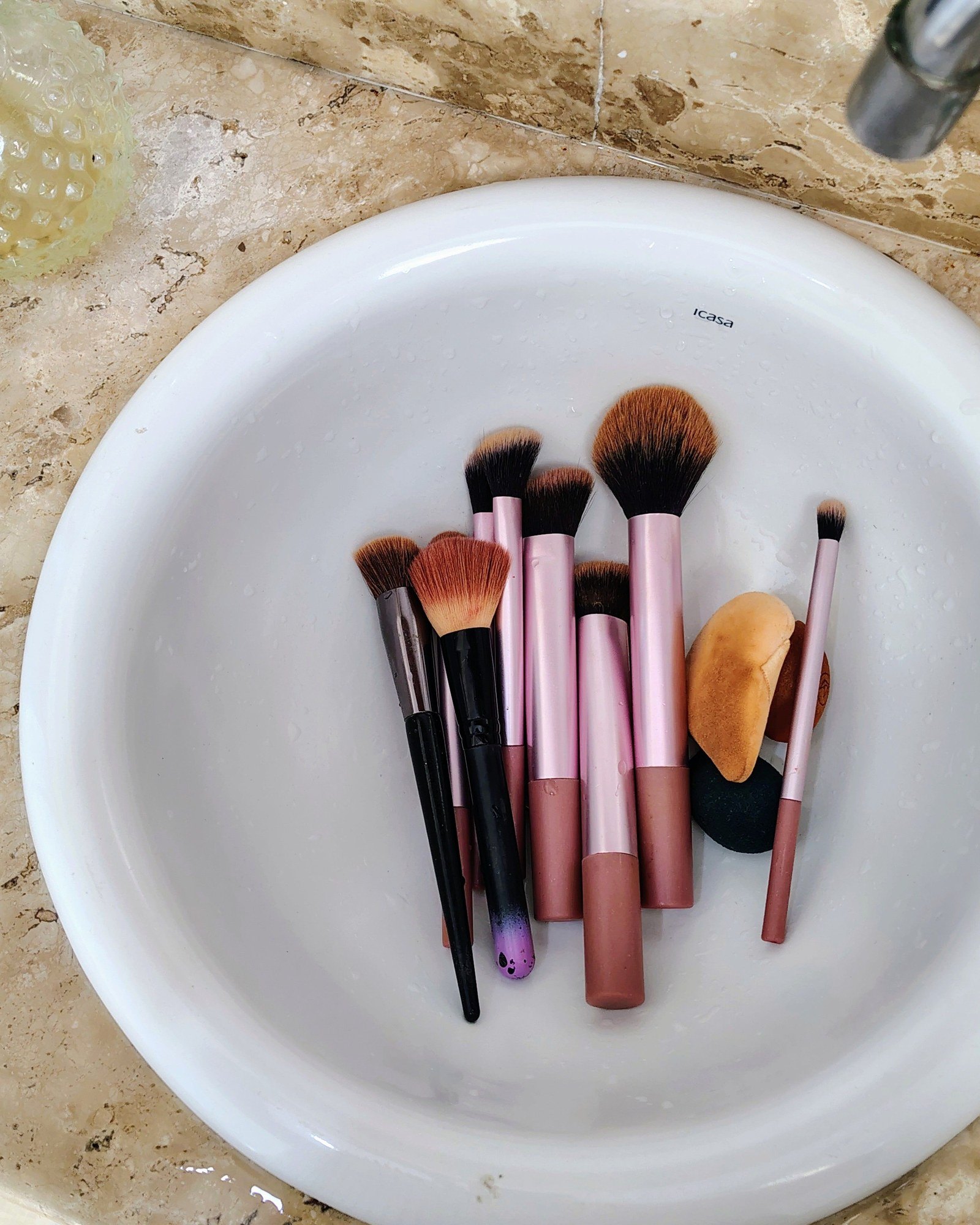
Why the schedule and the method both matter
In 1866, Queen Victoria gave orders that Winsor & Newton should make the very finest watercolour brushes in her favourite size, the No. 7. The company still makes them by hand from Kolinsky sable, and it still dates the standard of its Series 7 to that order. Painters who own one learn quickly that the brush is only as good as its point, and the point is only as good as the way it gets washed and dried. A fine brush is kept, not just bought.
The same is true at your vanity. How to clean makeup brushes is less about elbow grease than about doing two small things on a schedule. The American Academy of Dermatology recommends washing brushes every 7 to 10 days to protect skin and cut down on bacteria in the bristles. It also says to rinse only the brush tip, not the whole head, because submerging the full brush can dissolve the glue that holds the bristles to the handle over time.
The trick is the days in between, and that is what the first grid is for. A daily spray cleaner works without water at all, so it is the easiest habit to keep. Sephora Collection's Jumbo Daily Brush Cleaner and Cinema Secrets' Makeup Brush Cleaner are the simple ones, Jenny Patinkin's Spray Away is the instant one, and EcoTools' Daily Makeup Brush Cleaner is easy to leave out on the counter. Clinique's Makeup Brush Cleanser, e.l.f.'s Clean Queen Liquid Brush & Sponge Cleaner and DIBS Beauty's Brush Dry Shampoo Cleanser round out the shelf, and IT Brushes' Brush Bath is another instant option.
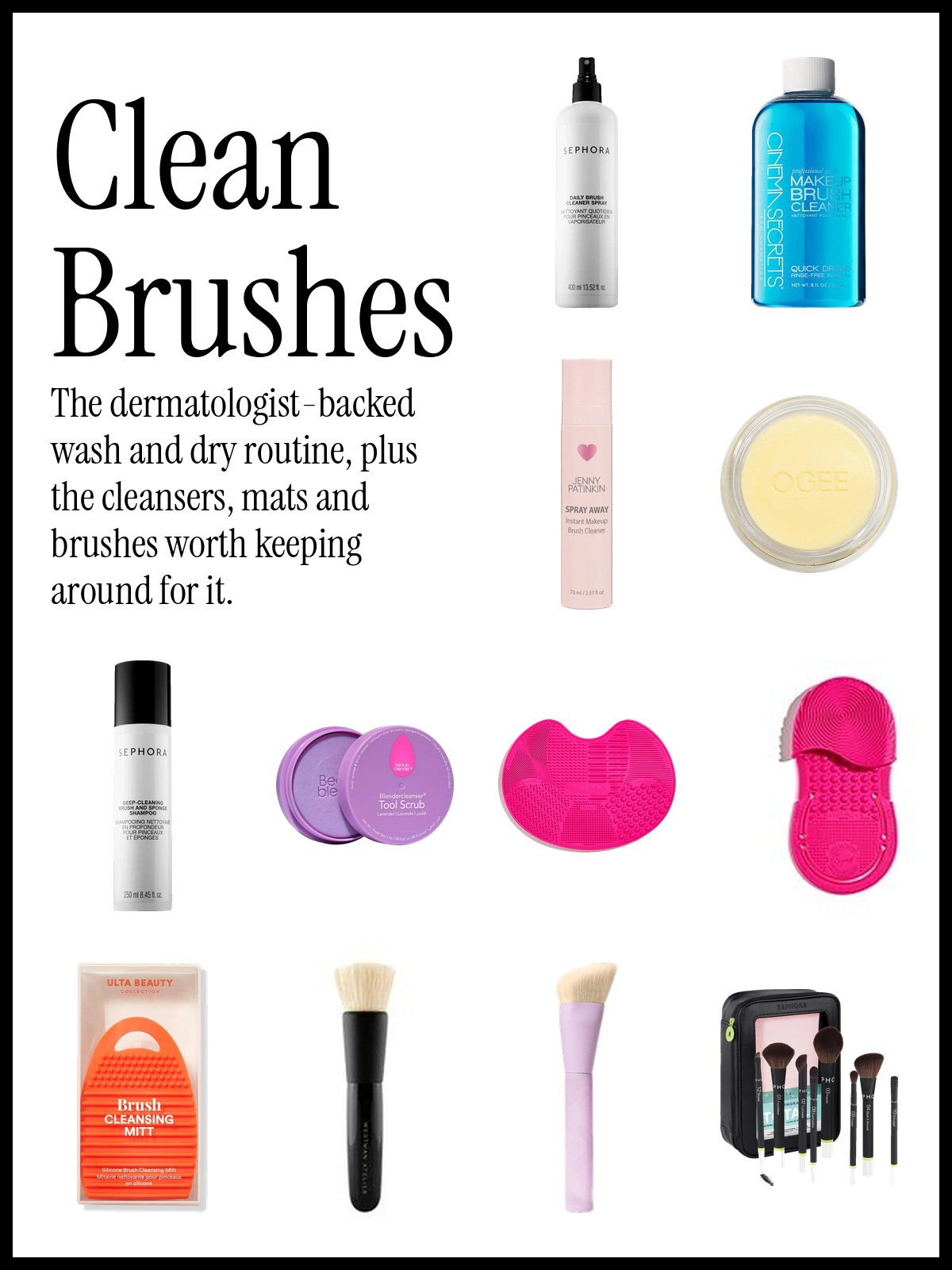
Daily cleaners for between washes

Jumbo Daily Brush Cleaner
Sephora Collection
$28

Makeup Brush Cleaner
Cinema Secrets
$26

Spray Away Instant Makeup Brush Cleaner
Jenny Patinkin
$22

Daily Makeup Brush Cleaner
EcoTools
$7

Brush Bath Instant Makeup Brush Cleaner
IT Brushes For ULTA
$22

Makeup Brush Cleanser
Clinique
$28

Cosmetics Clean Queen Liquid Brush & Sponge Cleaner
e.l.f.
$7

Brush Dry Shampoo Cleanser
DIBS Beauty
$19
Solid soaps and deep-clean shampoos
Start with a bowl. The dermatologist method is lukewarm water and about a tablespoon of gentle or clarifying shampoo, swirled with each brush tip and rinsed until the water runs clear. The AAD warns that plain bar soap and water can dry out the bristles, which is why purpose-made brush soaps exist.
Ogee's Solid Makeup Brush Cleanser and Jenny Patinkin's Luxury Vegan Makeup Brush Soap are the two solid bars, tidy and easy to stow in a drawer. IT Brushes' Brush Bath Purifying Solid Brush Cleanser and BK Beauty's Solid Brush Soap with Cleaning Pad are similar, and the BK version comes with the pad already attached, which saves a step.
If you prefer liquid, Sephora Collection's Jumbo Deep-Cleaning Brush and Sponge Shampoo and e.l.f.'s Brush Shampoo are the ones to pour into the bowl. Beautyblender's Blendercleanser comes in two forms: the Tool Scrub is an exfoliating solid soap, and the Tool Wash Lavender is the liquid one. Lavender is the one I would pick if the wash ritual is part of the evening.
A pairing I like: a solid soap at the sink for foundation brushes and a liquid shampoo in a bowl for the fluffy powder ones. It is one of those small decisions that make the routine feel less like a chore.
What I would skip: any deep clean five minutes before you need the brush. Wet bristles take time to dry, so do it in the evening and let them rest overnight.

Solid Makeup Brush Cleanser
Ogee
$34

Jumbo Deep-Cleaning Brush and Sponge Shampoo
Sephora Collection
$28

Blendercleanser Tool Scrub Exfoliating Solid Soap
Beautyblender
$20

Blendercleanser Tool Wash Lavender Liquid Soap
Beautyblender
$20

Luxury Vegan Makeup Brush Soap
Jenny Patinkin
$19

Brush Bath Purifying Solid Brush Cleanser
IT Brushes For ULTA
$23

Solid Brush Soap with Cleaning Pad
BK Beauty
$25

Cosmetics Brush Shampoo
e.l.f.
$6
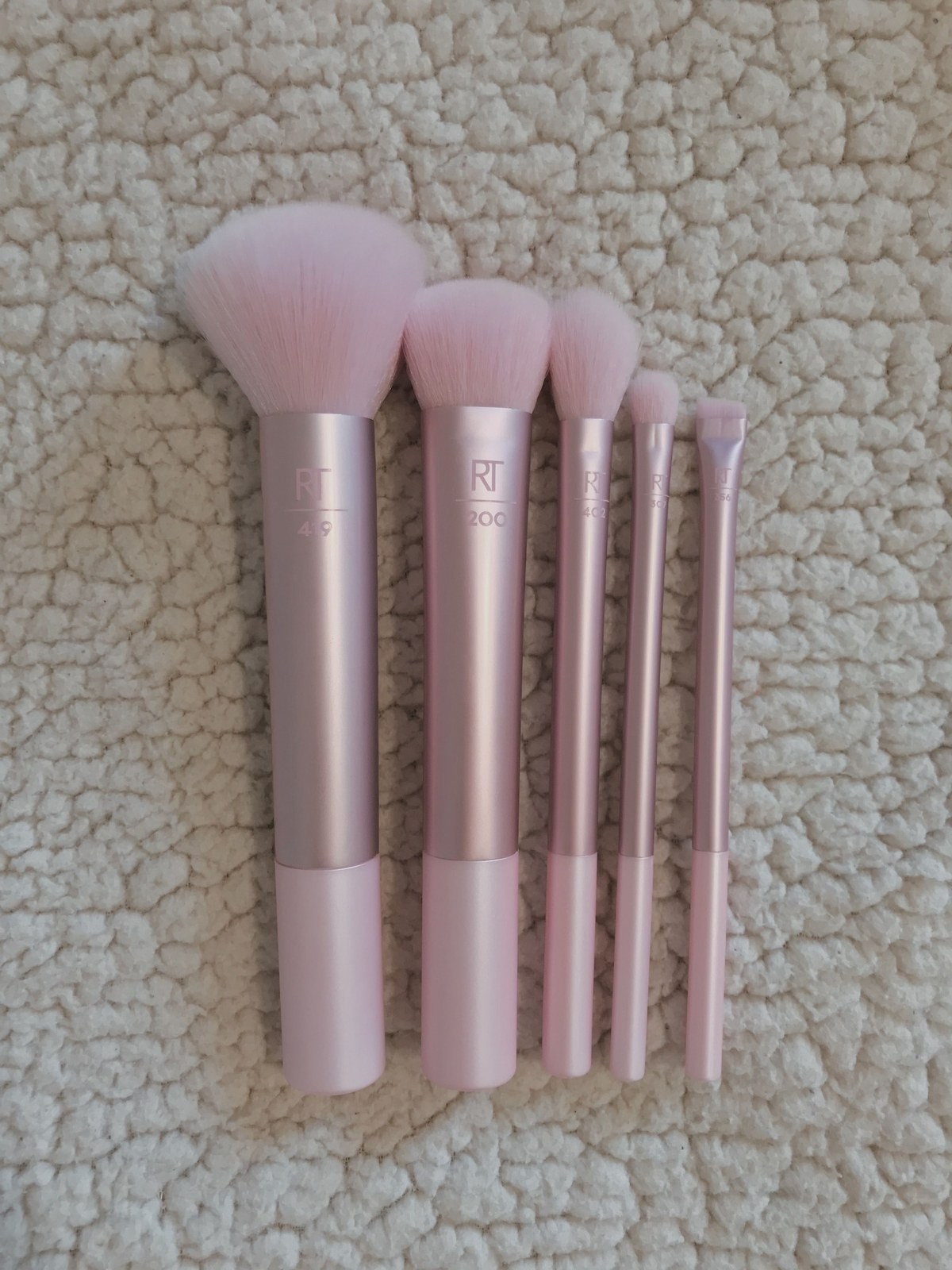
Cleaning mats, gloves, pads and wipes
One rule for the actual swirling: give the brush a surface. A textured mat or glove does the scrubbing for you, and it is gentler on the bristles than dragging them across a bare palm.
Sigma Beauty's Spa Express Brush Cleaning Mat gives you a surface to work against, and the matching Cleaning Glove is the same idea worn on your hand, which is handy if the sink is small. ULTA Beauty Collection's Brush Cleansing Mitt slips over one hand for the same effect. J.Cat Beauty makes two silicone options, a Silicone Brush Cleaner and a Silicone Pad Brush Cleaner, and I like silicone as a scrubbing surface that stays put on the counter. EcoTools' Sponge Shampoo + Makeup Brush Cleaner Pad Bundle puts a sponge shampoo and a pad in one purchase.
For a day with no sink, Artis' Brush Cleaning Wipes and J.Cat's Dry Makeup Brush Cleaner are the emergency tools. I would keep one in a travel bag and one in a desk drawer, so that a clean brush is never more than an arm's length away.
Some outlets citing the dermatology standard suggest washing the brushes used closest to the eyes and mouth at least weekly, since germs from styes or cold sores spread more easily there. That is why the eye brushes go first on my wash day.
What I would skip: treating wipes as the only cleaning for weeks at a time. They are a bridge between washes, not a substitute for one.

Sigma Spa Express Brush Cleaning Mat
Sigma Beauty
$38

Sigma Spa Express Brush Cleaning Glove
Sigma Beauty
$36

Brush Cleansing Mitt
ULTA Beauty Collection
$6

Silicone Brush Cleaner
J.Cat Beauty
$3.24

Silicone Pad Brush Cleaner
J.Cat Beauty
$4.54

Sponge Shampoo + Makeup Brush Cleaner Pad Bundle
EcoTools
$11.2

Brush Cleaning Wipes
Artis
$25

Dry Makeup Brush Cleaner
J.Cat Beauty
$4.54
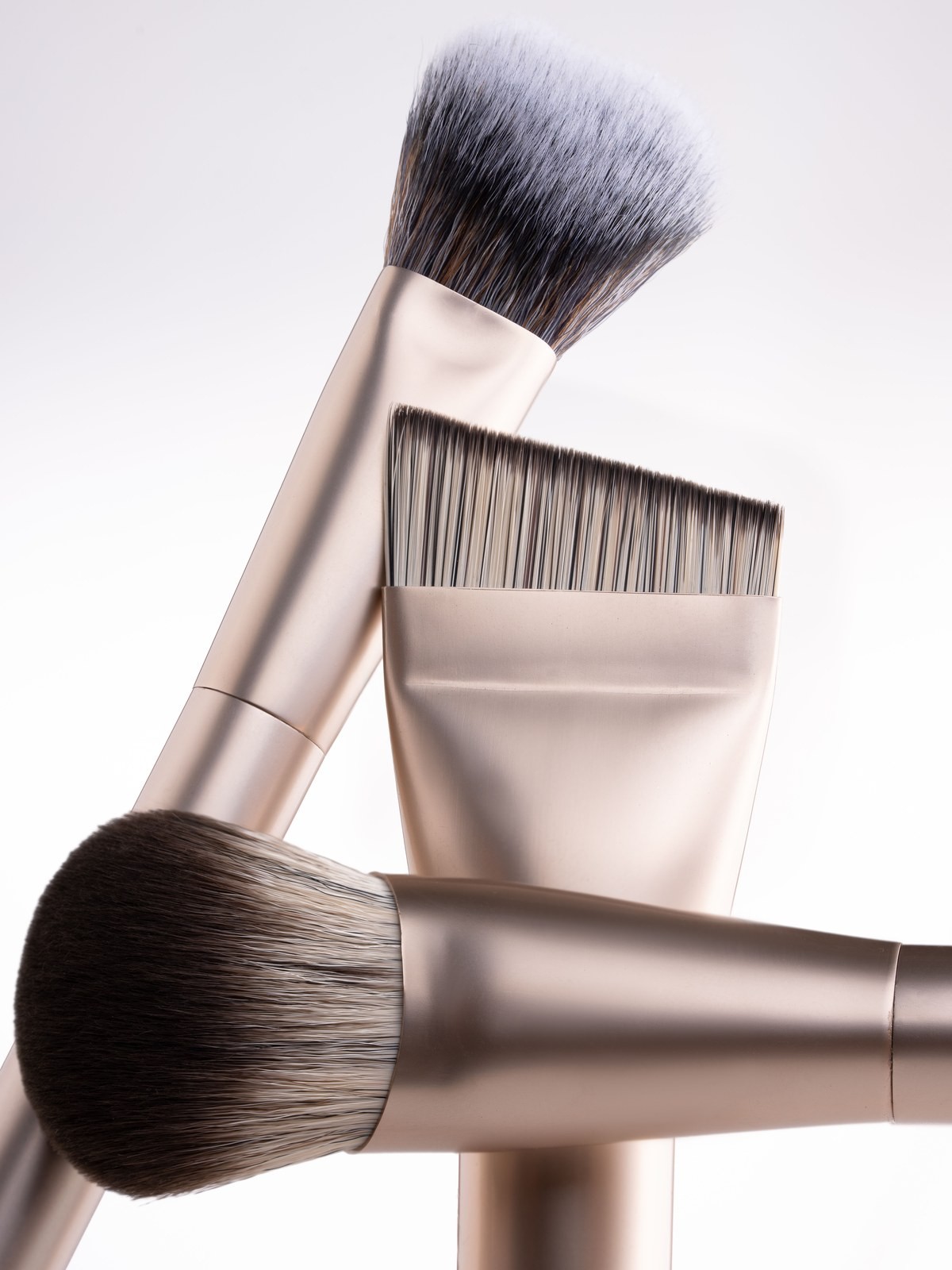
Brushes and sponges worth keeping clean
A habit worth borrowing: the drying step. The AAD says to squeeze out excess water with a clean, dry paper towel, then lay brushes flat on a towel with the tips hanging off the edge of the counter. Drying them upright in a cup lets water run down into the handle and loosen the glue.
That matters most for the brushes you paid attention to when you bought them. Westman Atelier's Blender Brush and Tower 28's Big Blender Brush are the kind of tools that reward a gentle wash and a flat dry. Full sets like Sephora Collection's The Total Brush Set, Makeup by Mario's Face and Eye Trio and Natasha Denona's HY-GLAM Cosmetic Brush Kit get a lot of use, and every brush in them is worth the same care. Kraum's Micro Brush Set is for small, careful work near the eyes, so it should be on the weekly list.
Sponges live on a different schedule. The AAD says makeup sponges should be cleaned after every single use, because dirty sponges and brushes can cause breakouts, rashes and skin infections. That applies to the Beautyblender pro and to Patrick Ta's Major Skin 5-In-1 Blending Sponge, and it is the step most people skip.
What I would skip: standing freshly washed brushes in a cup on the vanity because it looks nice. Let them dry lying down, then put them in the cup when they are dry.

Blender Brush
Westman Atelier
$125

Big Blender Brush
Tower 28
$28

The Total Brush Set
Sephora Collection
$65

Mario's Face and Eye Trio Cosmetic Brush Set
Makeup by Mario
$79

HY-GLAM Cosmetic Brush Kit
Natasha Denona
$89

Beautyblender pro
Beautyblender
$20

Major Skin 5-In-1 Blending Sponge
Patrick Ta
$20

Micro Brush Set
Kraum
$149
Building the habit
I think the whole routine comes down to two days. One deep clean day every week to ten days, and a quick spray on the days in between. Pick the day the way you would pick a laundry day, and put it on the calendar.
Dry everything flat, tips over the edge, and wash the sponge every time. If you only manage one improvement this month, make it the drying, since that is the step that decides how long the brush itself lasts.
Queen Victoria had a brushmaker working to her order. You have a bowl, a tablespoon of shampoo and a folded towel, and your brushes will keep their shape just as long. If you want to keep browsing, I also put together Clean Makeup Brands and Where Your Brushes Live.






