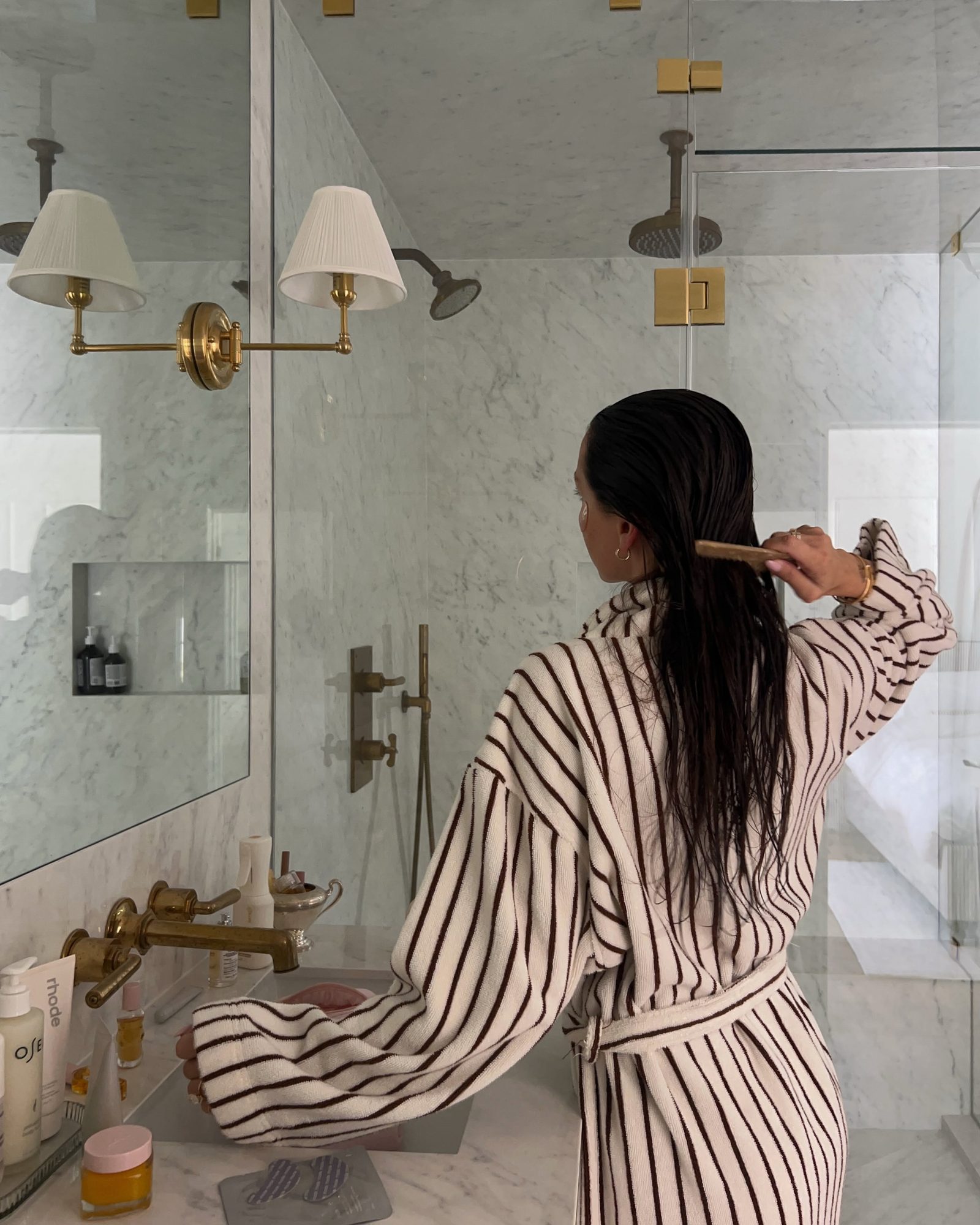
Personal style is less about finding something new and more about noticing what you already keep choosing. A digital closet puts every piece on one screen, so the patterns that make up your style finally become visible. Here is how to read them with Phia, from your top colors to the rules you never break.
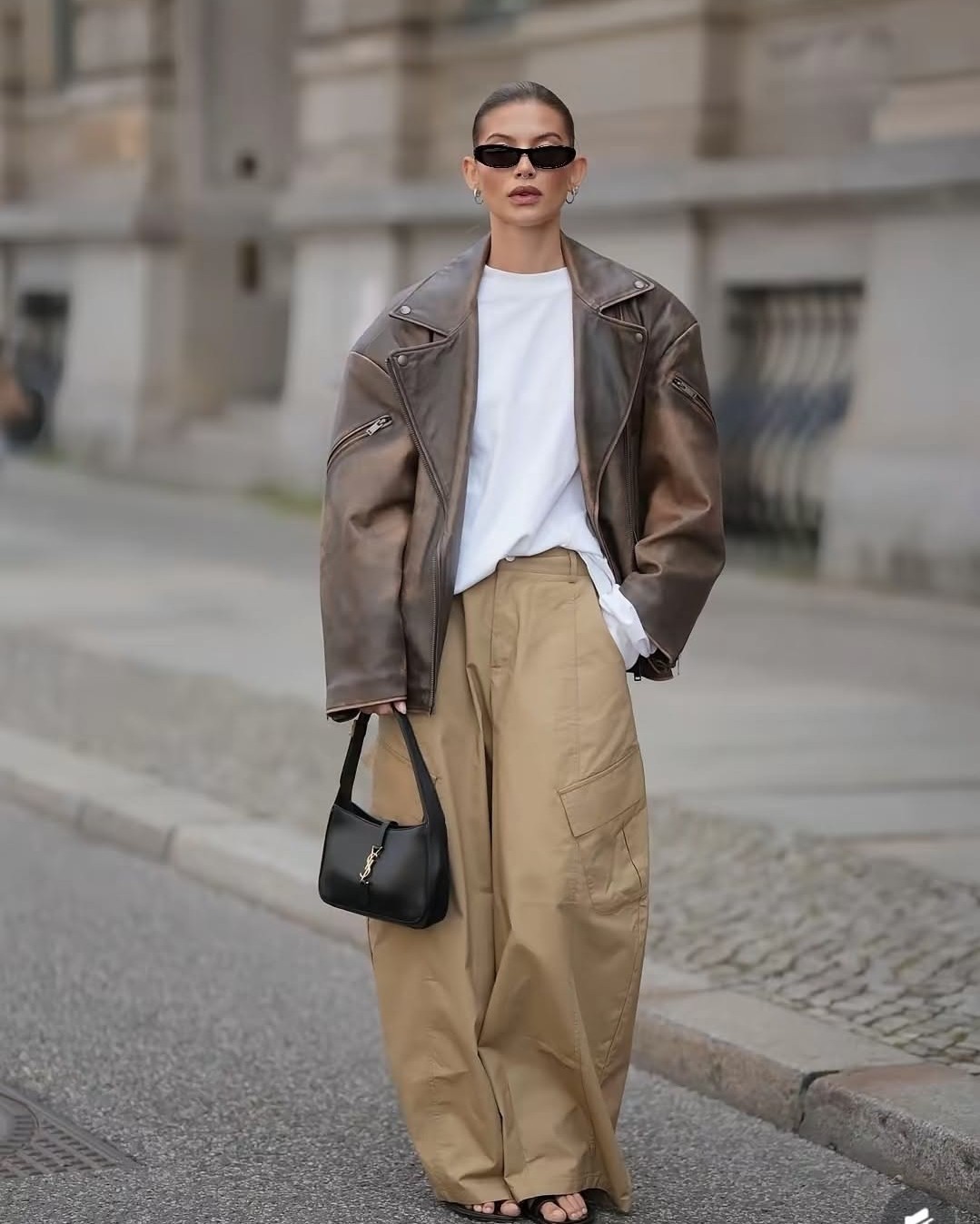
How to Find Your Personal Style With a Digital Closet
Style is a pattern, not a purchase
In a 2023 episode of her podcast Articles of Interest, Avery Trufelman argued that the fantasy of Cher's computerized closet in Clueless was never really about the computer. It was, she said, the fantasy of a person totally happy with herself. I think about that line every time the internet announces a new core. Personal style has become something we are told to go and find, as if it were sold in a shop.
Confession #1: I have bought my way toward a style more than once. The cowboy boots phase lasted one season. The very structured blazer phase lasted two wears. The things that stuck were quieter, and I only noticed them years later, when I realized I had bought the same kind of cream knit four times.
That is the honest version of personal style. A pattern of choices you keep making when nobody is watching. The trouble is that patterns are hard to see in a physical closet, where half your wardrobe hides behind the other half and the favorites live in the laundry basket. You need everything in one place before the repetition becomes obvious.
Put everything on one screen
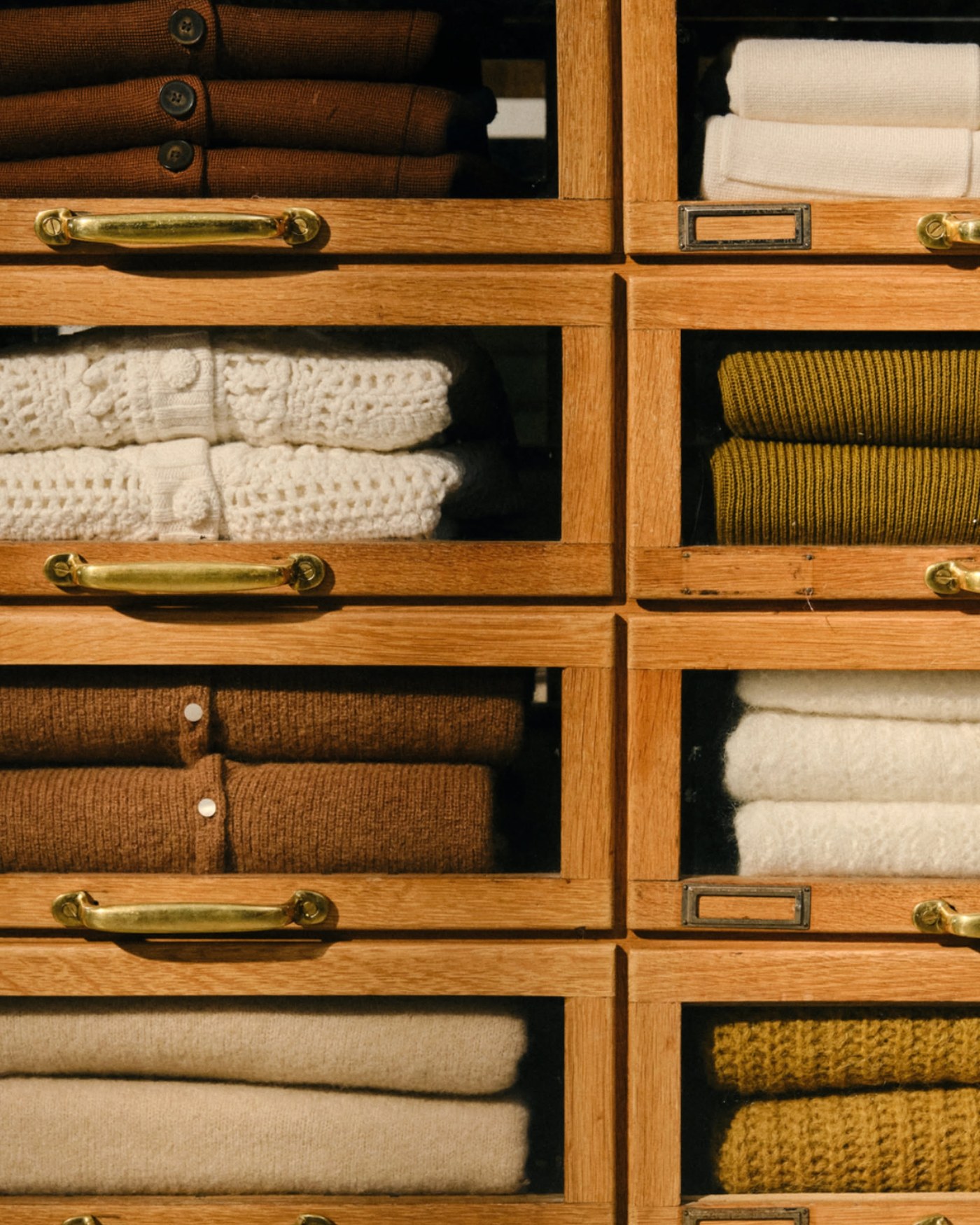
A digital closet is the simplest tool for this, because it lays your wardrobe out as a grid you can scroll. Category by category, you start to see the shape of yourself: eleven white shirts, no printed ones, three pairs of the same loafer in different years.
The catch has always been setup. Photographing every piece is where most digital closets die. Phia skips most of that. Connect Gmail and it reads retailer order confirmations, receipts and shipping emails, then turns each purchase into a closet item with its photo, brand, size and color. Instant camera roll sync adds the clothes you have already photographed. Anything you buy through the Phia extension lands in the closet at checkout.
The first scroll through a synced closet is oddly emotional. Two years of your own taste, in order. You remember the wedding dress you bought as a guest, the jeans that never fit, the coat you have worn every winter since. You also see, very clearly, what you are, and that is the starting point for personal style that actually lasts.
Let the closet describe you
Once the closet is full, Phia's Style analysis tab does the reading for you. It writes a few plain sentences about how you dress, then lists your top colors with percentages, your vibes, and your top brands. The vibes are labels like Classic Minimalist, Old Money, European Minimalist or Model Off-Duty, and you can edit them if Phia has you slightly wrong.
What I like is that it describes rather than prescribes. It is not telling you who to become. It is telling you who you have been dressing as, which is the only reliable foundation for personal style.
A practical test: compare the description with the person you think you are. If they match, great, you can shop with confidence. If they do not, the gap is interesting. Maybe you think of yourself as colorful but your closet is seventy percent neutrals. That is not a failure, it is information, and it tells you exactly which direction to push if you want to change.
Install Phia for free on iPhone, or add the Chrome extension.
Write down what you never do
Personal style is as much about refusal as preference. Inside Style analysis there is a Styling rules section where you can add up to ten rules you swear by. I never wear blue with black. I hate green and red together. Always one gold thing.
Writing them forces a useful kind of honesty. Most of us carry a short list of never and always, absorbed from mothers, magazines and one bad photo in 2016, and we have never said any of it out loud. Once the rules are written, Phia keeps them in mind when it suggests outfits from your closet, so the suggestions start to feel like yours.
What I would skip: borrowed rules. If you do not actually care whether your shoes match your bag, do not write it down because a stylist once said so. The point is to describe your style, not to audition for someone else's.

Let the outfits come to you
Personal style really shows up in combinations, not single pieces. Phia's Outfits tab handles both halves of that. Tap Add outfit and choose how to start: Style it yourself to pick the pieces by hand, Generate outfit to let Phia AI build complete looks from scratch, or Style from one item to build a look around the piece you most want to wear. Swipe through outfits is listed as coming soon.
Meanwhile Phia keeps generating suggestions from what you own without being asked, and new ones land in the Outfits tab tagged New. Every suggestion is a full look with a name, like Brunch at Balthazar, an olive jacket with a brown skirt, a saddle bag and boots, and Edit outfit lets you swap a piece before you save it. In the For you tab, the Outfit of the day goes a step further, with a named look, the date and the forecast for your city.
This is the quiet benefit of letting an app see your whole closet. It notices combinations you have walked past for years, which is exactly how personal style grows. What I would skip: treating suggestions as instructions. Save what feels like you, edit what almost does, and let the rest go.
Install Phia for free on iPhone, or add the Chrome extension.
Keep it, then build on it
The reward for seeing your personal style clearly is that shopping gets easier. Every new piece meets a simple test: does it belong with what I already wear? Most impulse buys fail it, which is the point.
For the pieces that pass, Phia compares prices across more than 220,000 sites, new and secondhand, so you pay the best price for the thing that actually fits your life. And because the closet sits in the same app, checking that you do not already own its twin takes one tap.
If you want to try it, download the free Phia app, connect Gmail, and give the closet a few minutes to fill. Then scroll the whole thing once, slowly, before you open Style analysis.