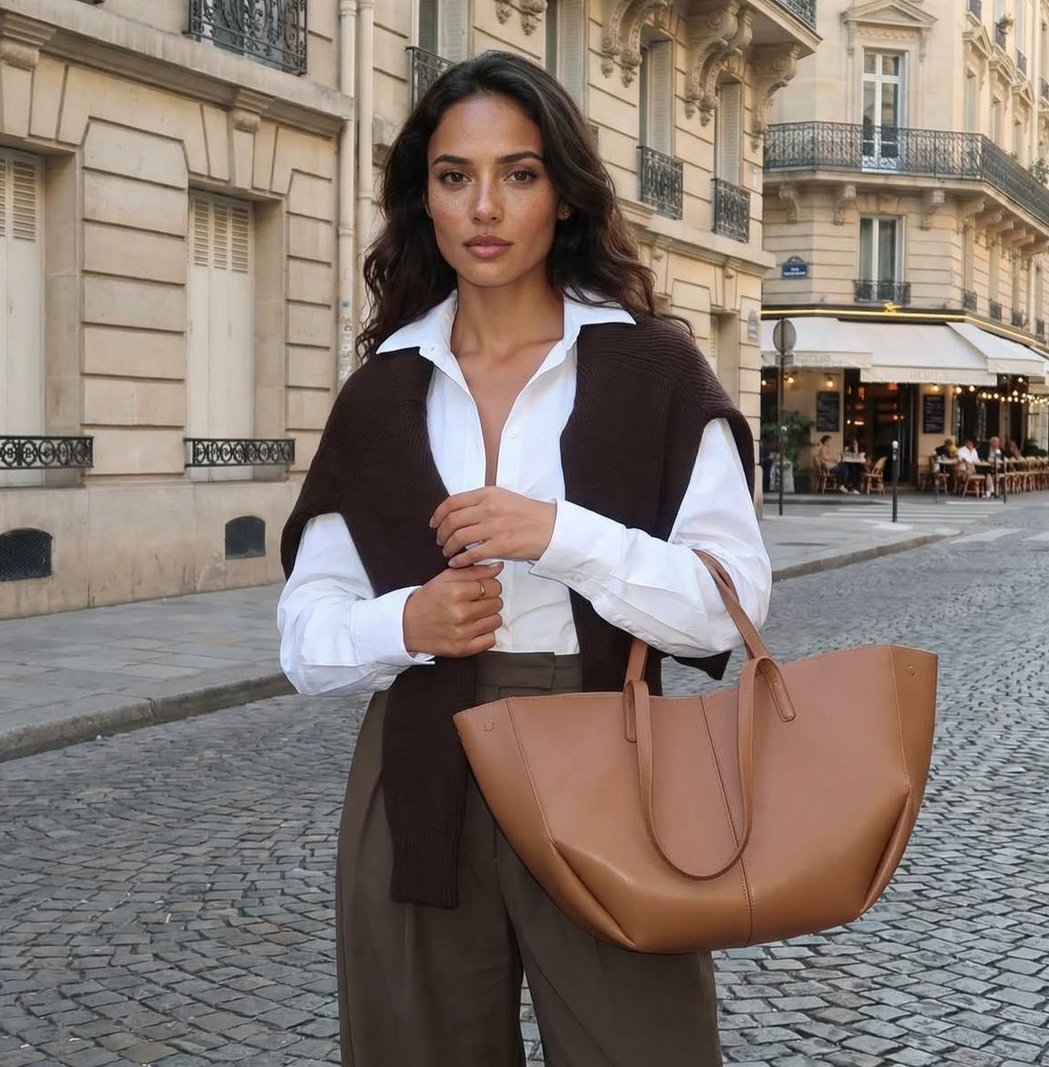
Korean sunscreen feels lighter because Korea regulates it as a cosmetic and its formulas commonly use newer filters. Here are fluids, serums, sticks and a cushion from the brands that made them popular.
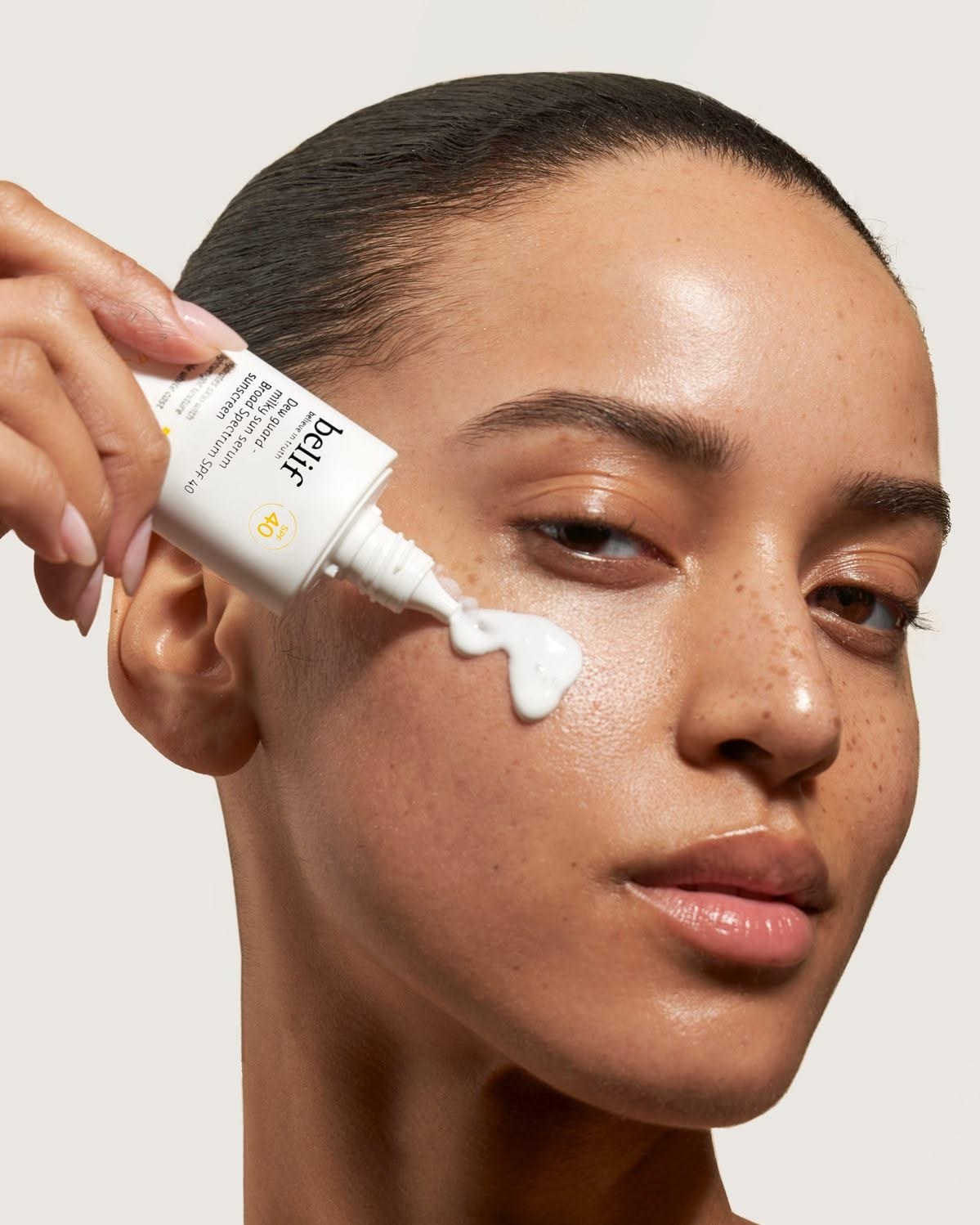
Korean Sunscreen, and Why Its Filters Feel So Different
The reason Korean sunscreen feels so different starts with regulation. South Korea reviews sunscreen as a functional cosmetic through its Ministry of Food and Drug Safety, while America treats it as an over-the-counter drug, and Korean formulas commonly use newer filters such as Tinosorb S and Uvinul A Plus, which a regulatory consultant says give smoother, more photostable textures. The FDA had not added a new filter since 1999 until bemotrizinol, sold as Tinosorb S, in June 2026. Formulas also carry a PA rating for UVA protection, tested under Korean rules, and brands often make separate American versions, so check the label on the one you buy. Innisfree, launched by Amorepacific in 2000 and named for the Yeats poem, makes a serum sunscreen with Jeju green tea. Beauty of Joseon's Day Dew comes from a brand built on hanbang that takes its ingredients from a Joseon-era encyclopedia by the female scholar Yi Bingheogak. Dr. Jart+ was formed in Seoul in 2004 by a dermatologist and an entrepreneur and launched first in clinics, and Laneige, whose name comes from the French for snow, builds everything around hydration, including its moisture-based UV defense.
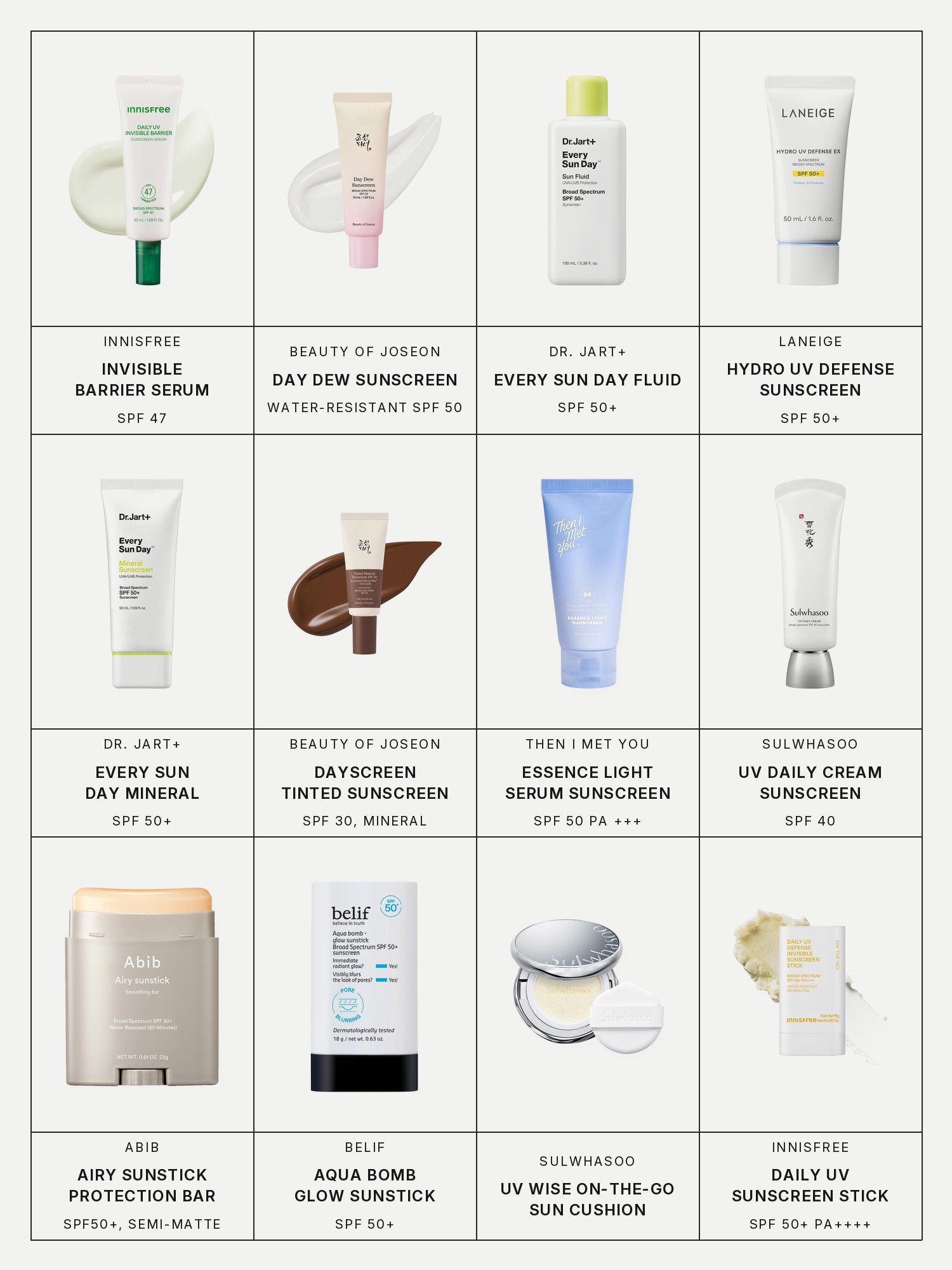
Four lightweight daily sunscreens


Mineral, tinted and serum textures
If chemical filters sting, Dr. Jart+'s Every Sun Day Mineral is matte and physical, and the brand's name stands for Doctor Joins Art. Beauty of Joseon's Dayscreen adds a light tint and ceramides, so it can stand in for a skin tint on easy days. Charlotte Cho, who co-founded the retailer Soko Glam after five years living in Korea, launched Then I Met You in 2018 around jeong, the Korean idea of a deep bond with people and places; its essence sunscreen blends into all skin tones. Sulwhasoo, whose story starts with camellia oil sold in Kaesong in 1932, makes a hydrating daily cream with no white cast.
A mineral, a tint, a serum and a cream


Sticks, a cushion and the skip
Reapplying over makeup is where Korean formats shine. Sanghyun Kim started Abib in 2016 in reaction to exaggerated before-and-after videos on social media, and its semi-matte stick suits oily skin. Belif, pronounced like believe, launched in 2010 inspired by a 19th-century Edinburgh herbalist, and its Aqua Bomb stick glides on clear. Sulwhasoo's cushion pats SPF over foundation, and Innisfree's stick works on face and body. What I would skip is relying on a stick alone for full coverage. Most people apply too little, so use a lotion first and keep the stick for top-ups. A stick in your bag is still the one you will actually reapply.
Three sticks and a cushion


Wearing it daily
Use about two finger lengths for face and neck as the last step of your morning routine. Reapply every two hours outdoors and after swimming or sweating. Choose SPF 30 or higher, and look for three or four plus signs after PA. If you are sensitive, patch test first, and see a dermatologist about any reaction.